Willie Mae's Nola

Willie Mae's Nola on Baronne Street carries a 2025 Michelin Plate, positioning it among a small group of Southern restaurants in New Orleans that the guide formally recognizes. The room and format belong to the casual-counter tradition of the city's working-class dining heritage, while the kitchen turns out fried chicken and Gulf-influenced Southern plates that have drawn national attention for decades.
Pearl is the En Primeur Club membership app — saves, bookings, and concierge access live there. Same editors, same standards.
- Address
- 898 Baronne St, New Orleans, LA 70113
- Phone
- (504) 354-8194
- Website
- williemaesnola.com
- Directions
- Get directions
 Saves & bookings on Pearl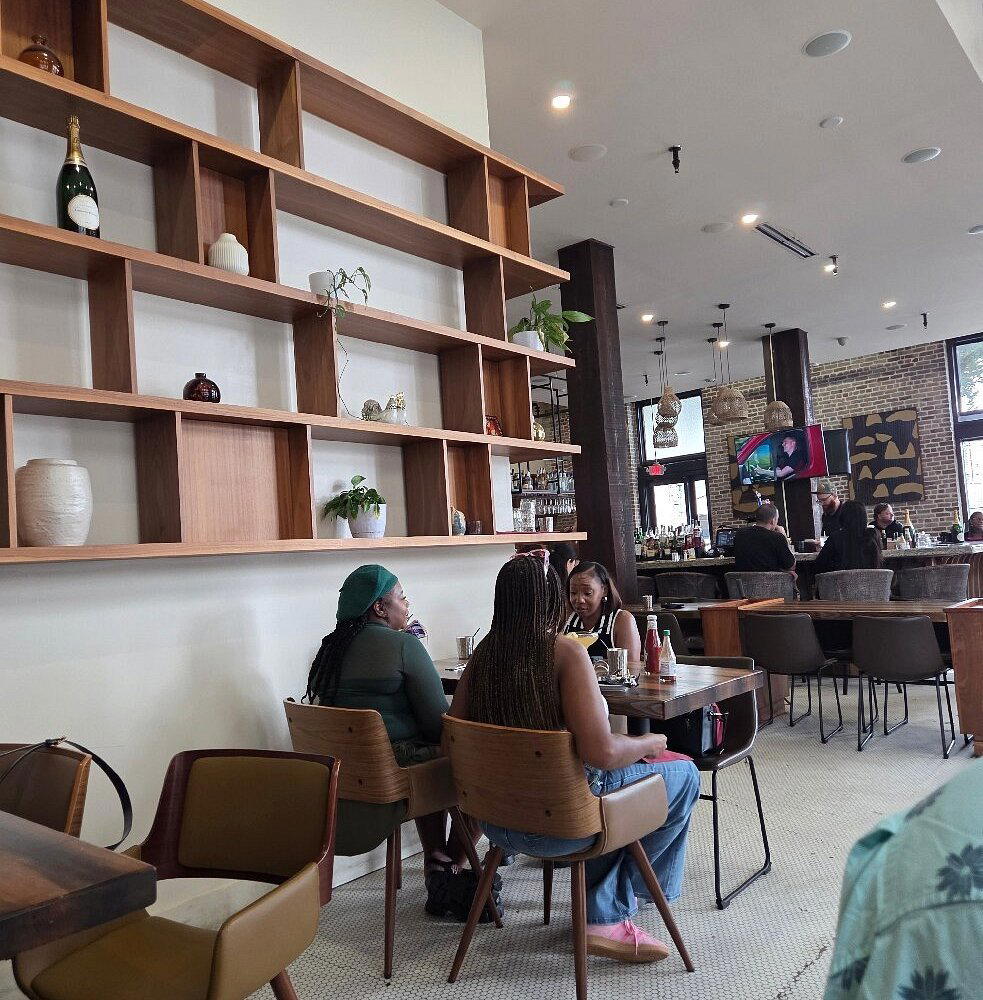
A Corner of New Orleans That Has Not Changed Its Mind
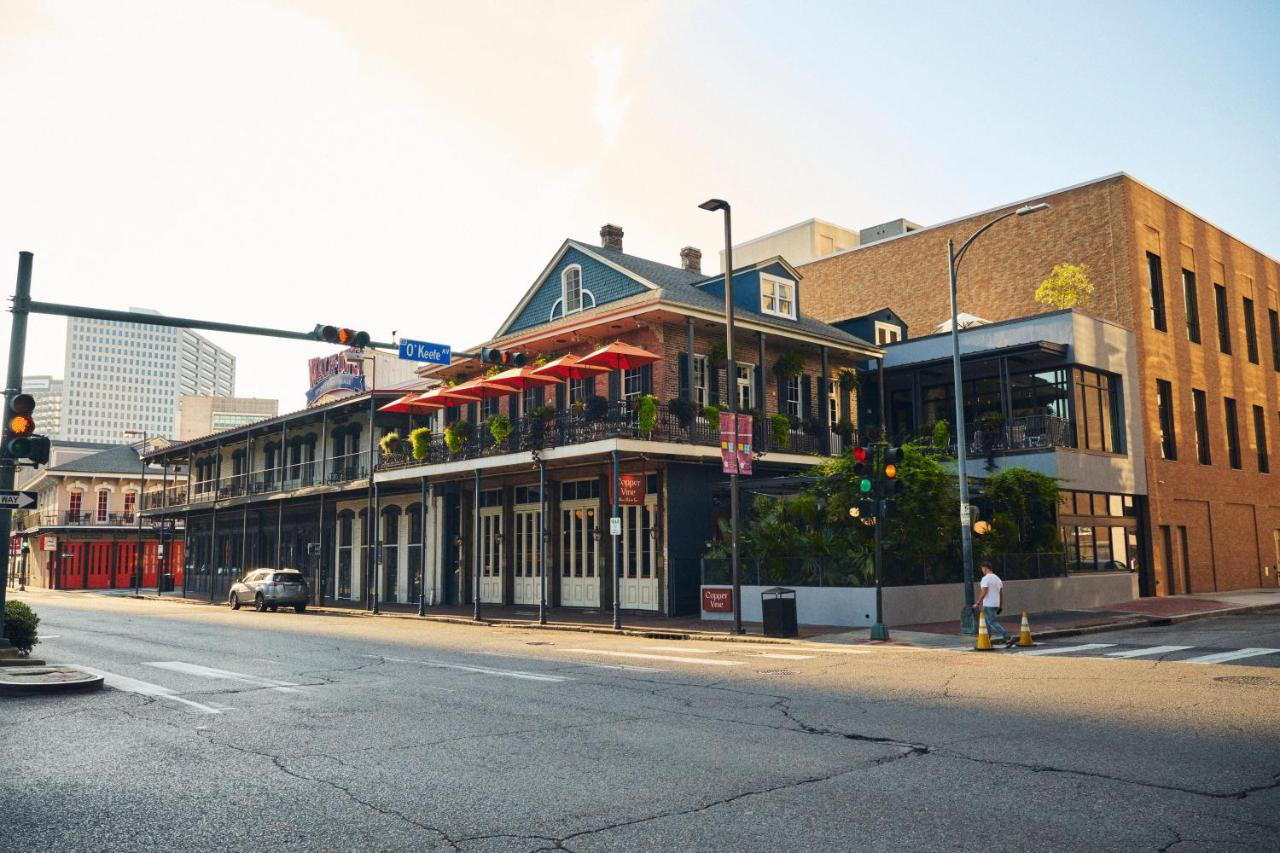
On Baronne Street, in the stretch of the Lower Garden District that runs between downtown's commercial edge and the quieter residential blocks heading toward the Garden District proper, Willie Mae's Nola occupies a modest storefront that reads more neighborhood institution than destination restaurant. The exterior offers no theater. There is no marquee lighting, no chalk-board philosophy written on a sandwich board, no valet lane. What marks the address is the line, the physical presence of people willing to wait on a sidewalk in Louisiana heat for a plate of fried chicken. That queue, more than any interior design statement, is the first signal this address sends to anyone arriving for the first time.
This is not an accident of aesthetic. The casual-counter format that defines places like Willie Mae's represents a long tradition in New Orleans dining: rooms built around function first, where the quality of what arrives on the table has no obligation to arrive with tablecloth theater. Across the city, that tier runs parallel to the white-tablecloth Creole tradition of Commander's Palace and the modern Cajun register of Emeril's, but it answers to a completely different logic. The $25 price point is the point. Accessibility and repetition, this is a room people return to weekly, not annually.
The Physical Container
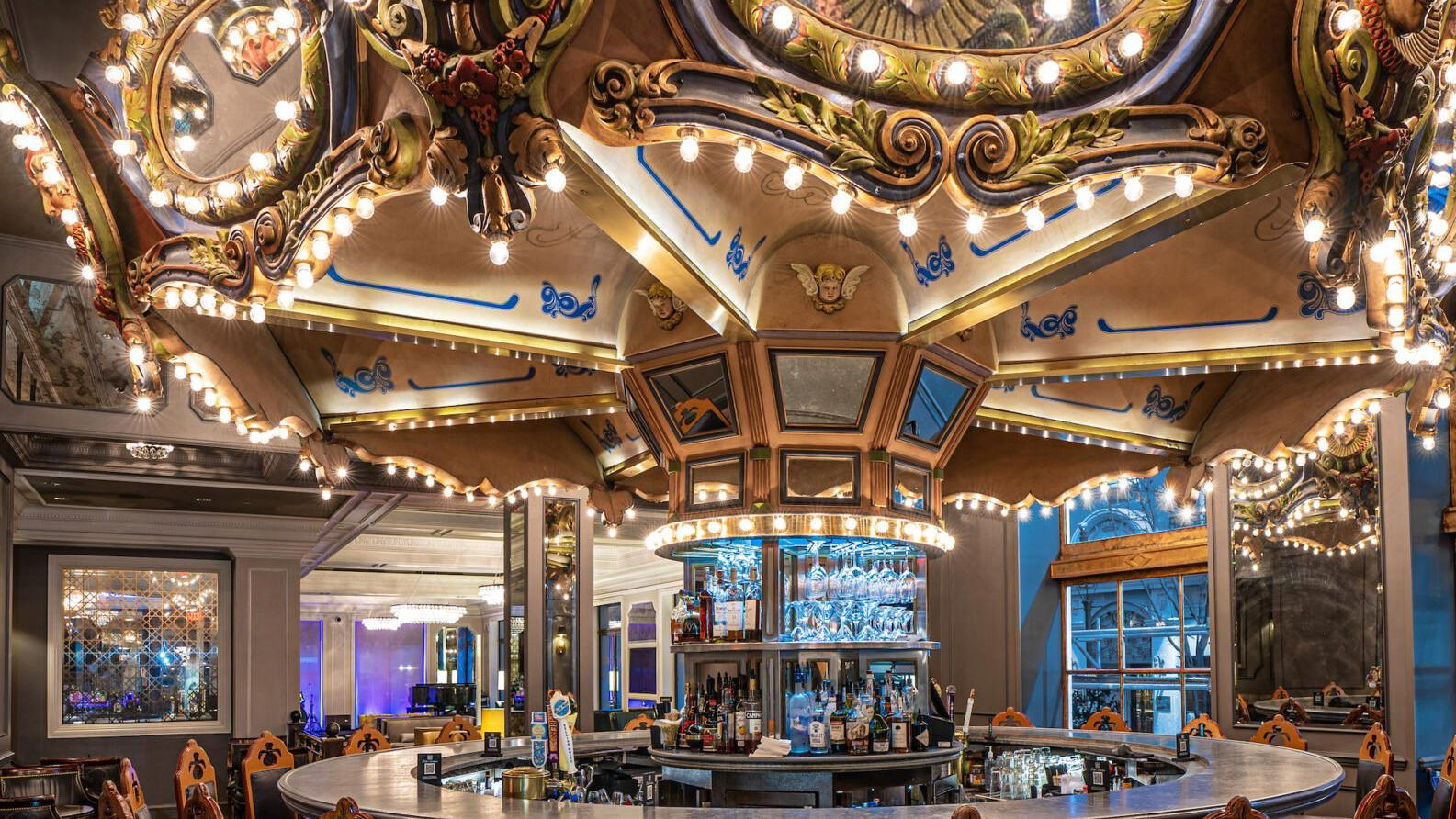
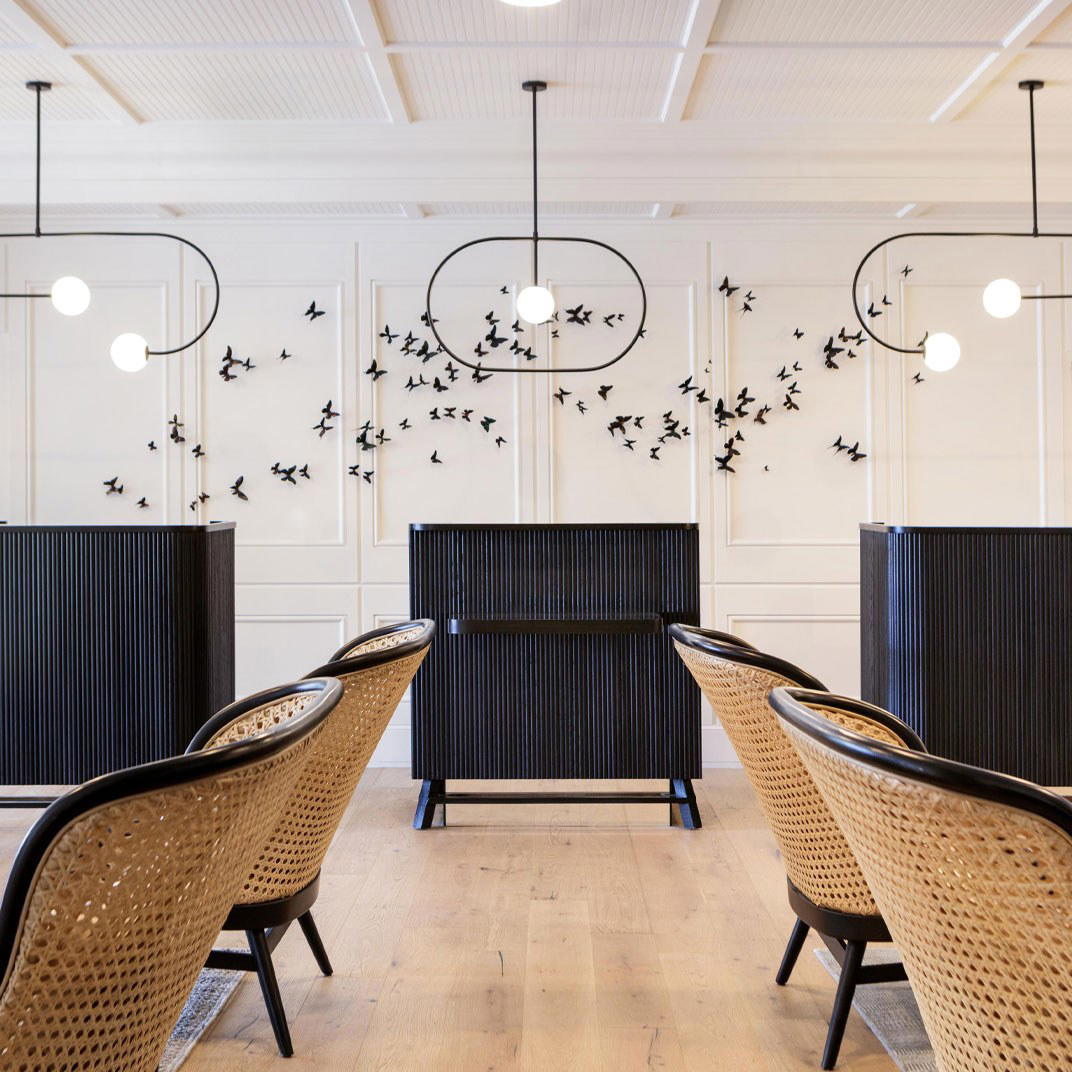
Inside, the room is functional in the way that decades of continuous operation produce. Tables are close, the ceiling is not high, and the spatial grammar of the interior owes more to the neighborhood lunch counter than to any designed hospitality experience. Light comes in through the front windows and lands on a dining room that has absorbed years of kitchen heat and conversation. There are no raw-edge reclaimed timber features, no pendant lighting chosen to photograph well on social media, and no acoustics engineered for a certain decibel range. The room has the texture of a place that exists to feed people, not to signal an aesthetic program.
That kind of interior honesty is increasingly rare in American restaurant culture, where even casual formats tend to arrive with a visible design budget. The contrast with contemporaries in New Orleans is instructive: a room like Saint-Germain operates in a completely different register, where the spatial experience is part of a $$$$ proposition. Willie Mae's works because its physical container is consistent with its price and its food, the room does not pretend to be anything other than what it is, and that consistency is a form of integrity that translates directly into how guests read the experience.
In a broader Southern context, this undesigned quality connects Willie Mae's to a category of rooms that share structural DNA with Haberdish in Charlotte and Seraphine in Durham: Southern restaurants at the $$ tier where the kitchen carries the weight and the room steps aside. The logic holds across the region, where the food is confident enough, the space can afford to be plain.
Where Willie Mae's Sits in New Orleans' Dining Structure
New Orleans has a more stratified restaurant culture than most American cities its size. The top tier runs from tasting-menu formats like Re Santi e Leoni and prix-fixe rooms through to the ambitious New American territory of Zasu. Below that sits the mid-market layer, the neighborhood bistro format that Atchafalaya occupies with its weekend brunch draw. Willie Mae's operates below all of that in price, and above many of them in accumulated cultural weight.
The 2025 Michelin Plate is a formal acknowledgment of consistent quality at a price point the guide does not always scrutinize as carefully in American cities as it does in Europe. In New Orleans' Michelin context, a Plate signals that the guide's inspectors found the cooking worth the detour, even without the ceremony that surrounds a star. That credential matters because it places Willie Mae's in conversation with restaurants spending three to four times as much per cover. The food competes; the room and price do not have to.
For a frame of reference beyond New Orleans: the restaurants in EP Club's coverage that operate at the opposite end of the formality spectrum, Le Bernardin in New York City, Alinea in Chicago, The French Laundry in Napa, Lazy Bear in San Francisco, Single Thread Farm in Healdsburg, Providence in Los Angeles, share nothing with Willie Mae's in format or price. What they share is the quality floor that formal recognition implies. The Michelin Plate does not close that gap, but it does draw a line under what the kitchen produces.
The Food: Southern Tradition With a Known Focal Point
Willie Mae's cooking sits inside the Southern tradition that spans Gulf Coast seasoning, cast-iron technique, and a preference for proteins that benefit from high-heat frying or long braising. The menu format aligns with the neighborhood lunch-counter model: plates built around a central protein with sides that rotate through the Southern canon. The kitchen's fried chicken has been the public focal point of the restaurant's national reputation for years, drawing coverage from food media that tends to treat it as a benchmark for the category in Louisiana.
That level of attention around a single preparation is significant. In a city where the Creole and Cajun traditions generate enormous culinary output, from the seafood-forward plates at Pêche to the elaborate Creole ceremony at Commander's Palace, a fried chicken house earning Michelin recognition and sustained national press represents the guide's willingness to evaluate technique on its own terms, regardless of where it falls on the formality spectrum.
Planning a Visit
Willie Mae's Nola is located at 898 Baronne Street in the Lower Garden District, a neighborhood that sits within reasonable walking or rideshare distance of most downtown New Orleans hotels. Given the restaurant's profile and the $25 price point, the room operates at high volume during peak service, and arriving early or late in the lunch window tends to reduce wait times.
Reputation Context
Comparable venues nearby, for context on price, style, and recognition.
| Venue | Cuisine | Price | Awards | Notes |
|---|---|---|---|---|
| Willie Mae's NolaThis venue — the venue you are viewing | Southern Fried Chicken | $$ | Michelin Plate | Not listed |
| Rosie's On The Roof | American Small Plates & Bar Bites | $$ | Not listed | Arts District |
| Lost Coyote | Modern American with New Orleans influences | $$ | Not listed | Esplanade Ridge |
| New Orleans Hamburger & Seafood Co | New Orleans Cajun Seafood & Burgers | $$ | Not listed | Milan |
| Kajunlicious Food Therapy | Authentic Cajun & Creole Comfort Food | $$ | Not listed | Mirabeau Gardens |
| Dante's Kitchen | Modern Louisiana Farm-to-Table | $$ | Not listed | Riverbend |
Recognition history
Dated appearances from independent guides and award organizations, with the underlying list record or original source where available.
Michelin Plate
Michelin
Continue exploring
More in New Orleans
Restaurants in New Orleans
Browse all →
Bars in New Orleans
Browse all →
At a Glance
- Lively
- Well Known
- Classic
- Casual Hangout
- Family
- Group Dining
- Historic Building
- Craft Cocktails
Current opening hours
- Monday
- 11 AM–9 PM
- Tuesday
- Closed
- Wednesday
- 11 AM–9 PM
- Thursday
- 11 AM–9 PM
- Friday
- 11 AM–9 PM
- Saturday
- 10 AM–9 PM
- Sunday
- 10 AM–9 PM
Hours can change for holidays and private events. Last verified .
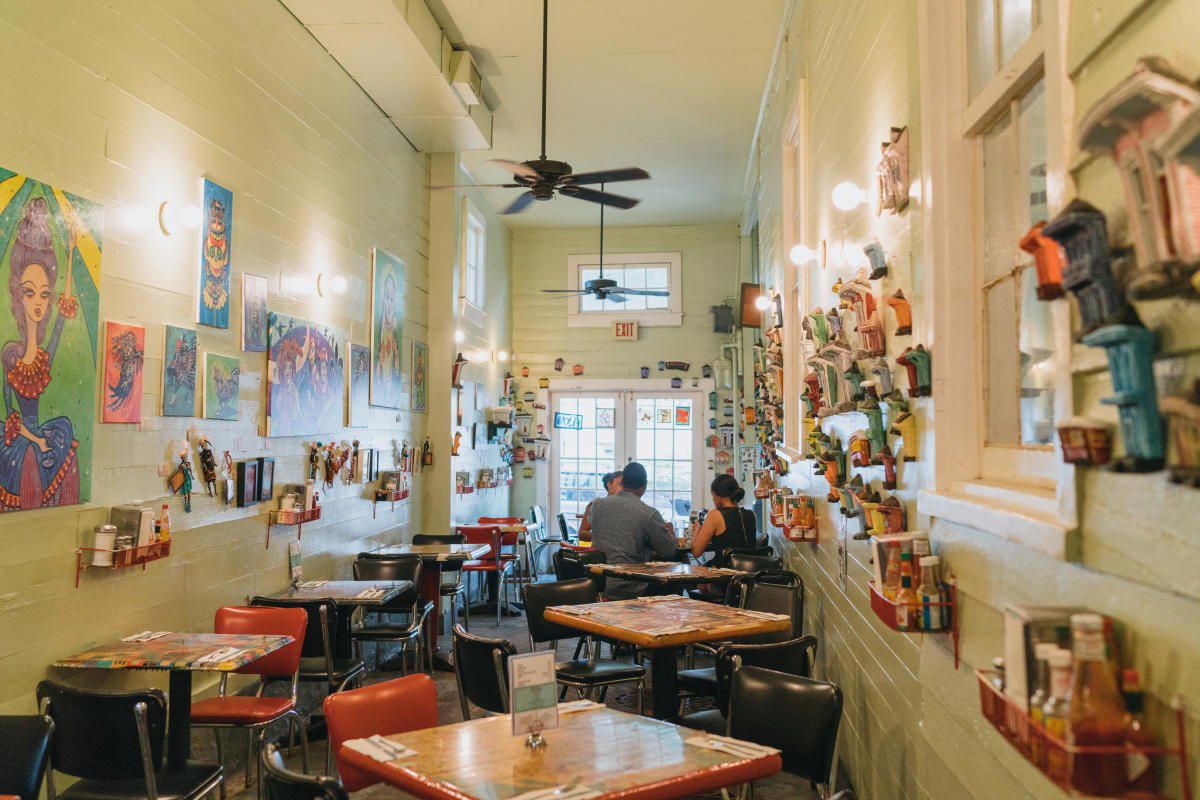
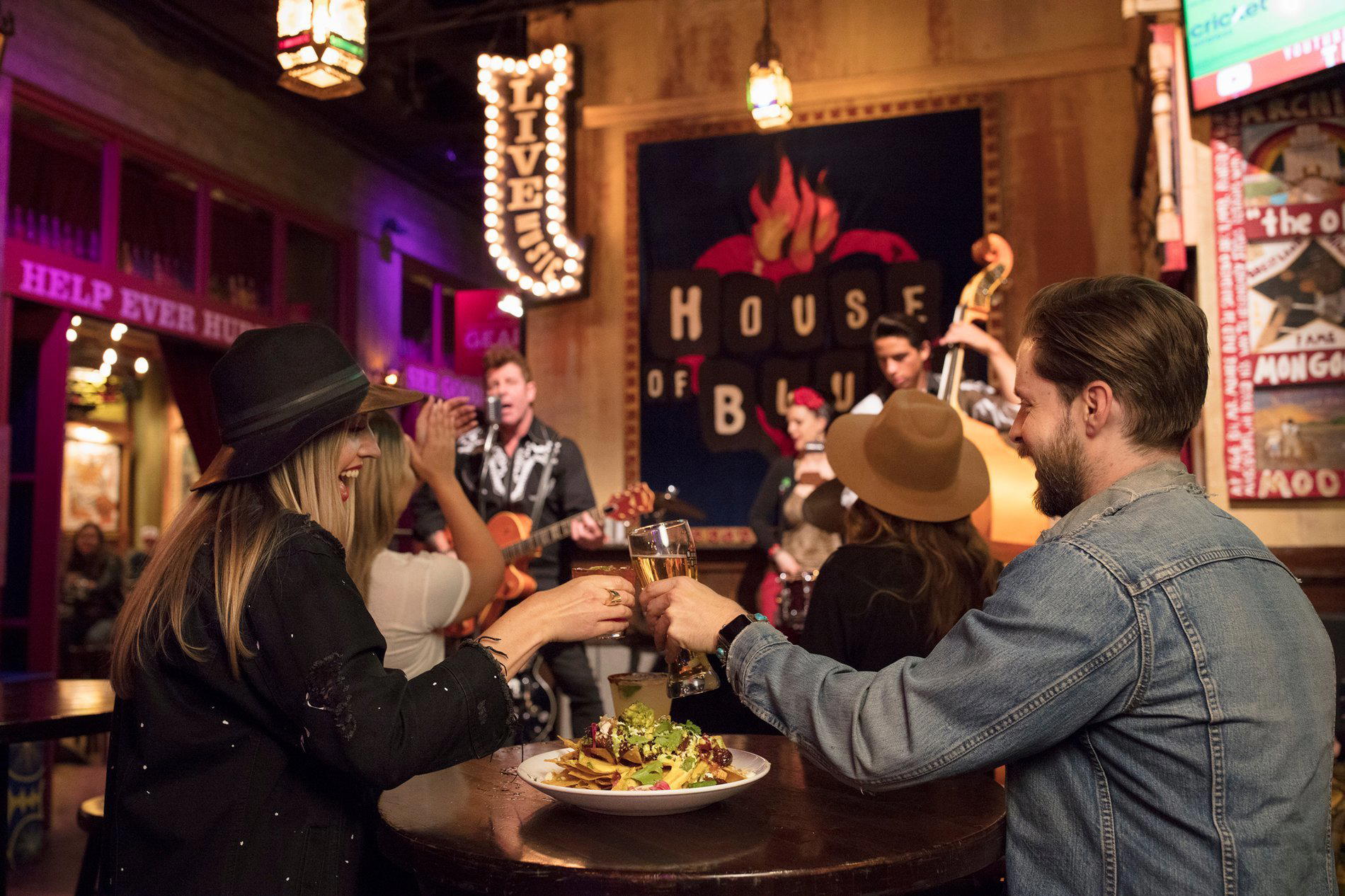
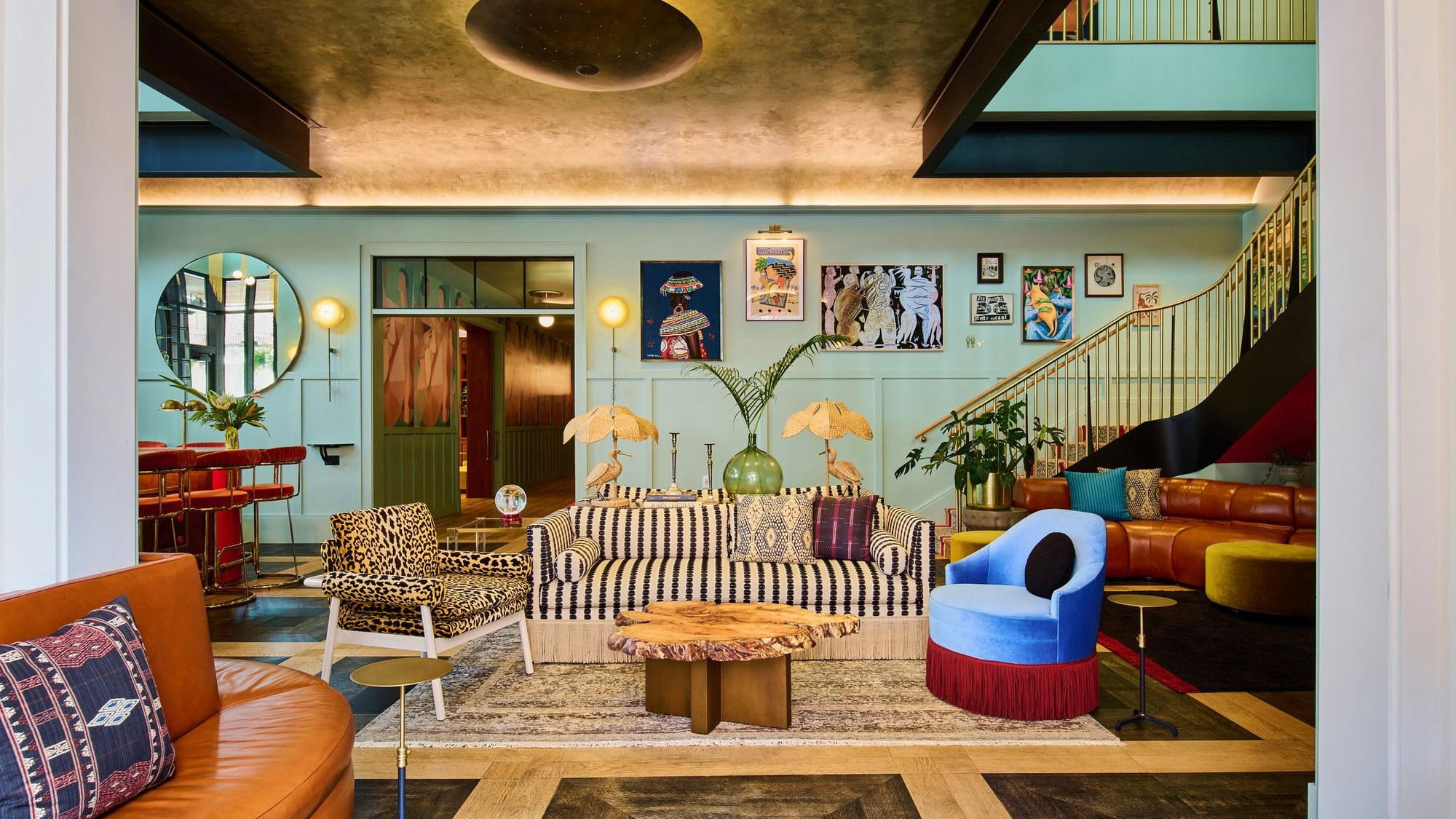
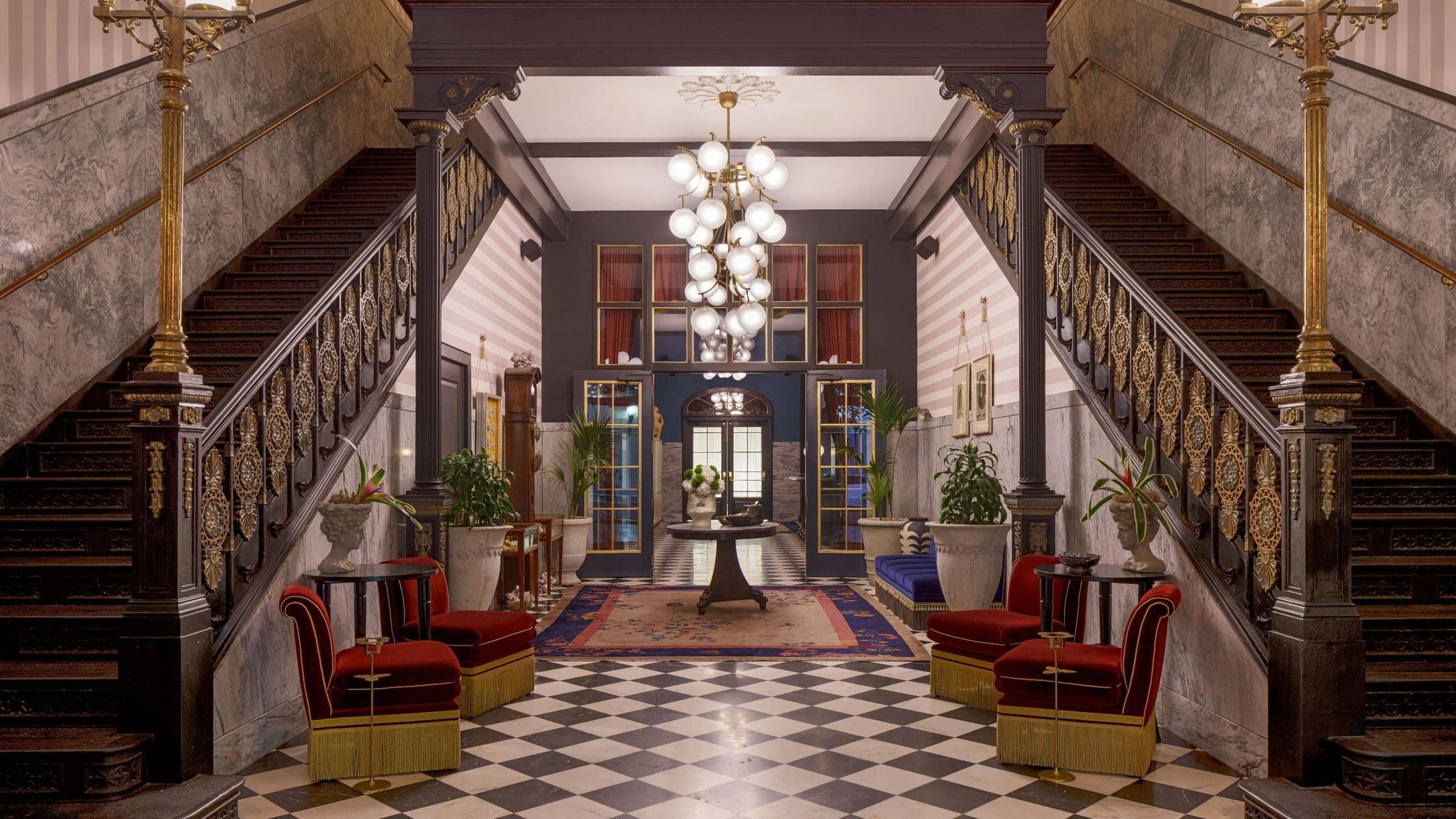
Sunny, spacious dining room with a lively, welcoming atmosphere featuring live music and dancing at times.