Wildenmann

Michelin Plate
Our verdict
Wildenmann holds consecutive Michelin Plate recognition (2024 and 2025) for its classic French cooking in the small lakeside community of Buonas, Canton Zug. Priced at the accessible end of the Swiss fine-dining range, it occupies a distinctive position: serious culinary technique applied without the three-course-prix-fixe formality that defines the country's starred tier. A reliable address for French tradition in a region better known for corporate banking than kitchen craft.

Pearl is the En Primeur Club membership app, where members save venues, book tables and use the concierge.
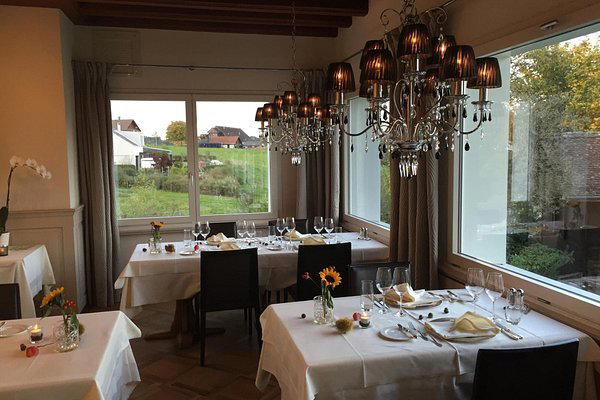
The menu
What to order
- Freshwater fish specialties
- Gourmet menu
- Charcoal-grilled tomahawk for two
Classic French in Canton Zug: What Wildenmann Represents
The village of Buonas sits on a finger of land reaching into Lake Zug, a quiet residential enclave within commuting distance of Zug city and an hour from Zurich. It is not a dining destination in the conventional sense. There are no clusters of competing kitchens, no neighbourhood food press, no late-night bar scene to bookend a meal. What it does have, at St. Germanstrasse 1, is a restaurant that has earned back-to-back Michelin Plate recognition in 2024 and 2025 for cooking that lands in the classic French tradition, a category that, in Switzerland, tends to accumulate either at the starred level or disappear entirely into brasserie mediocrity. Wildenmann occupies a third position: technically serious, recognisably French, and priced at the €€ tier rather than the €€€€ bracket commanded by peers like Schloss Schauenstein in Fürstenau or Memories in Bad Ragaz.
That positioning matters for how you read the experience. The Michelin Plate, awarded to restaurants producing good food without star-level ambition or price, signals consistent kitchen discipline rather than experimental reach. In the Swiss context, where the inspector's pen is particularly active along the arc from Geneva to Zurich, holding that recognition two years consecutively at an accessible price point is a credibility marker worth taking seriously. For context on what the starred end of Swiss French cooking looks like, Hotel de Ville Crissier in Crissier and Cheval Blanc by Peter Knogl in Basel anchor the upper tier. Wildenmann is not competing at that level, nor is it trying to.
The Setting: Arriving in Buonas
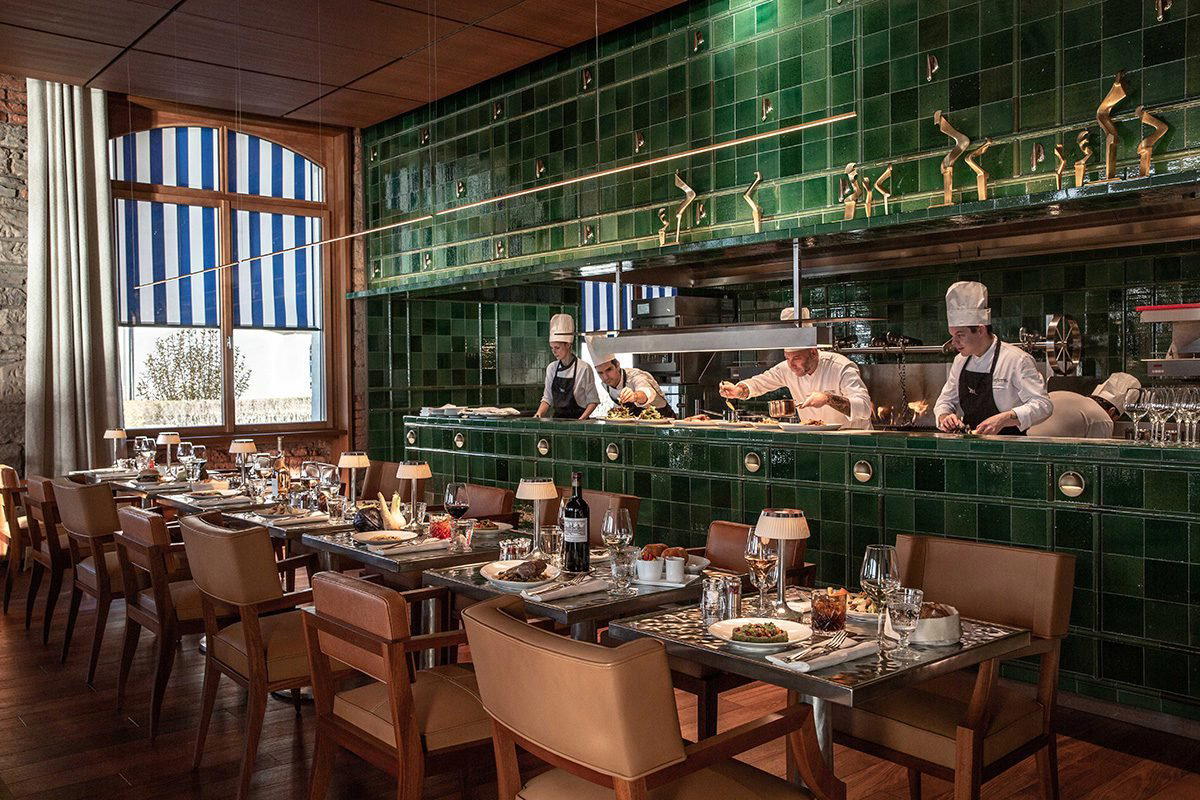
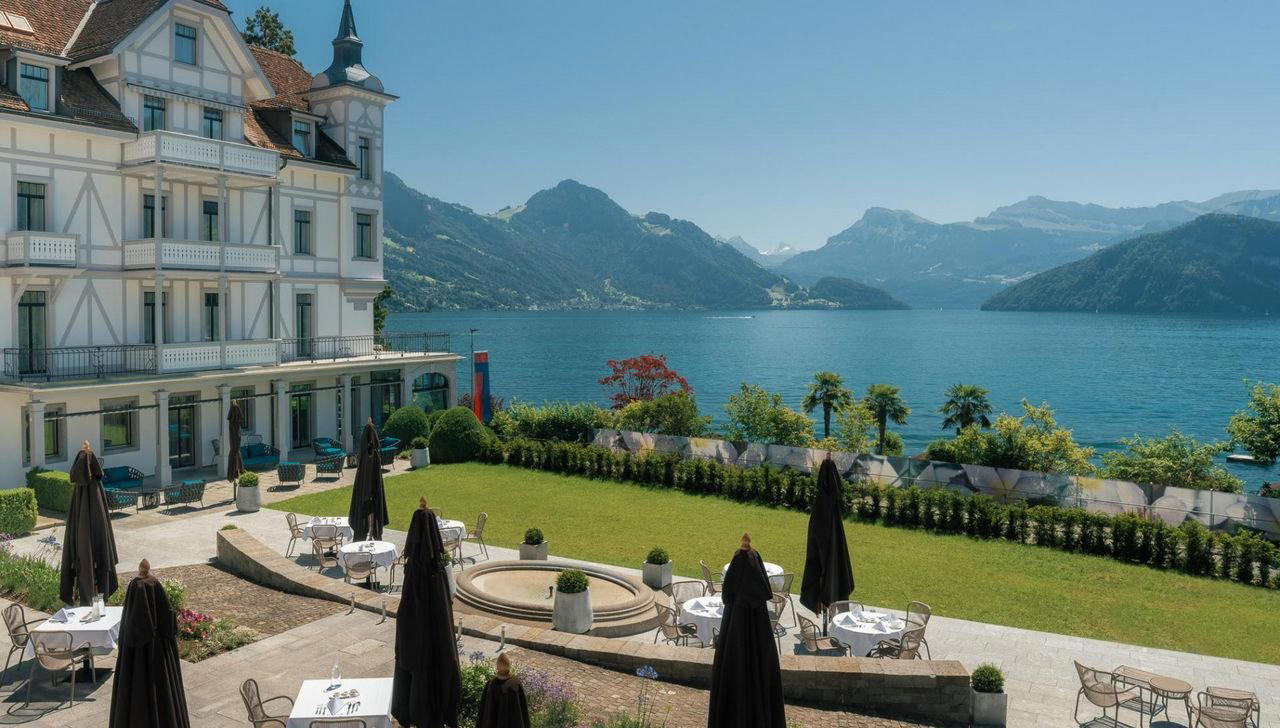
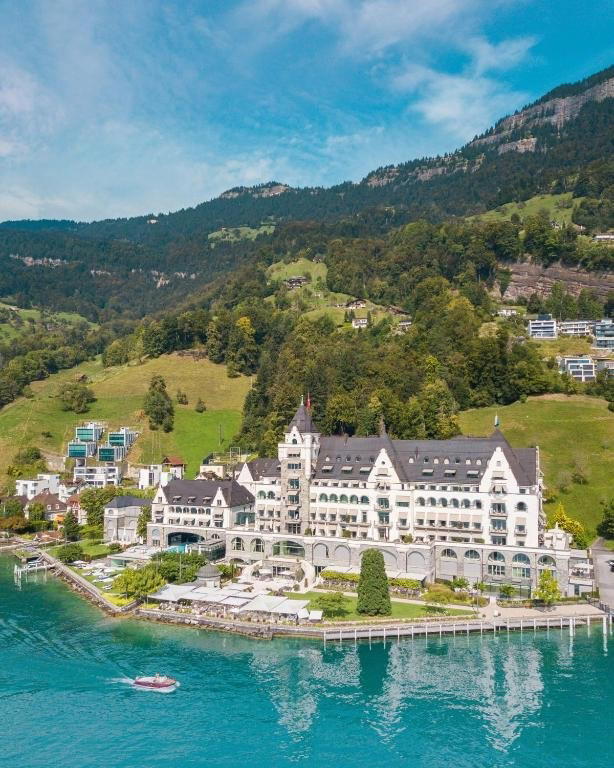
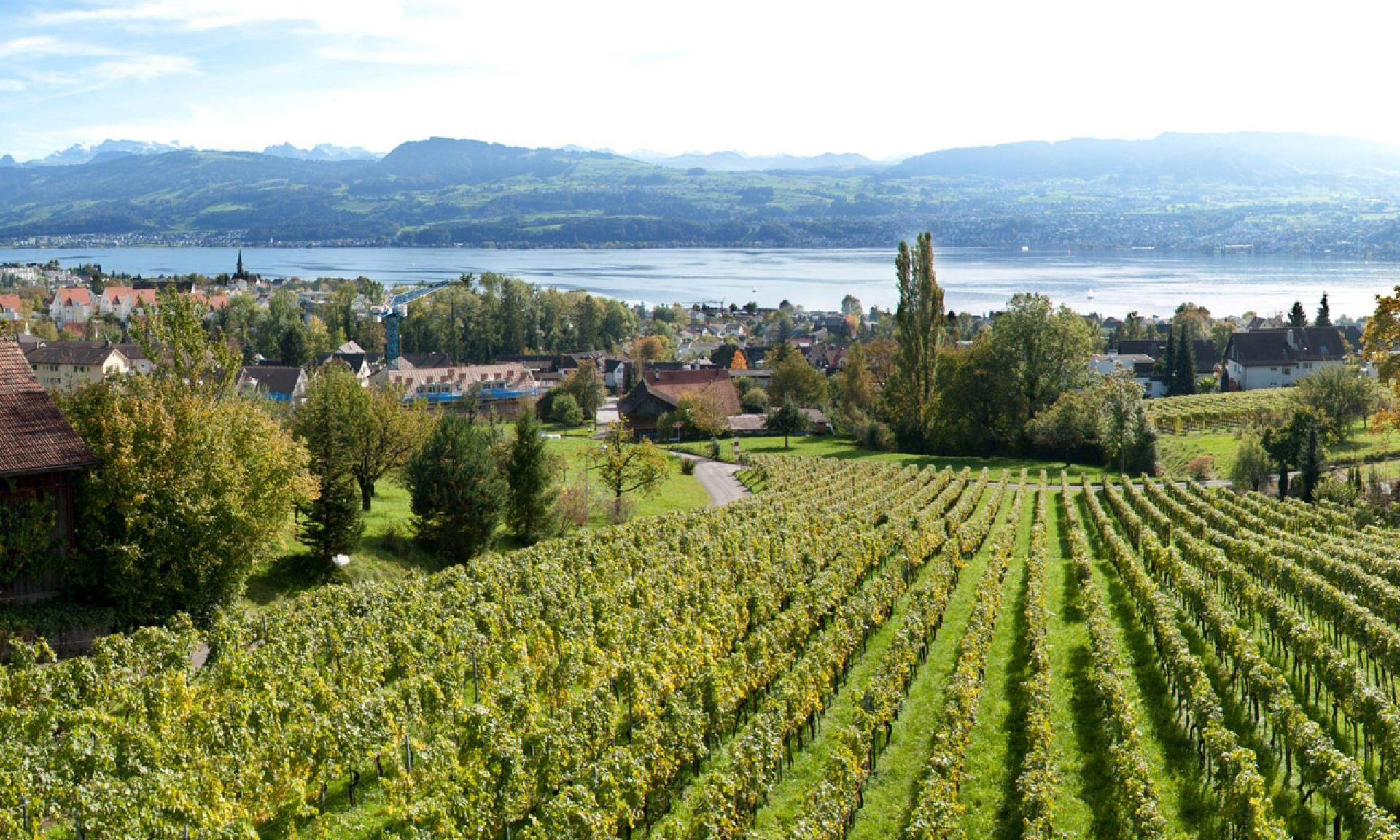
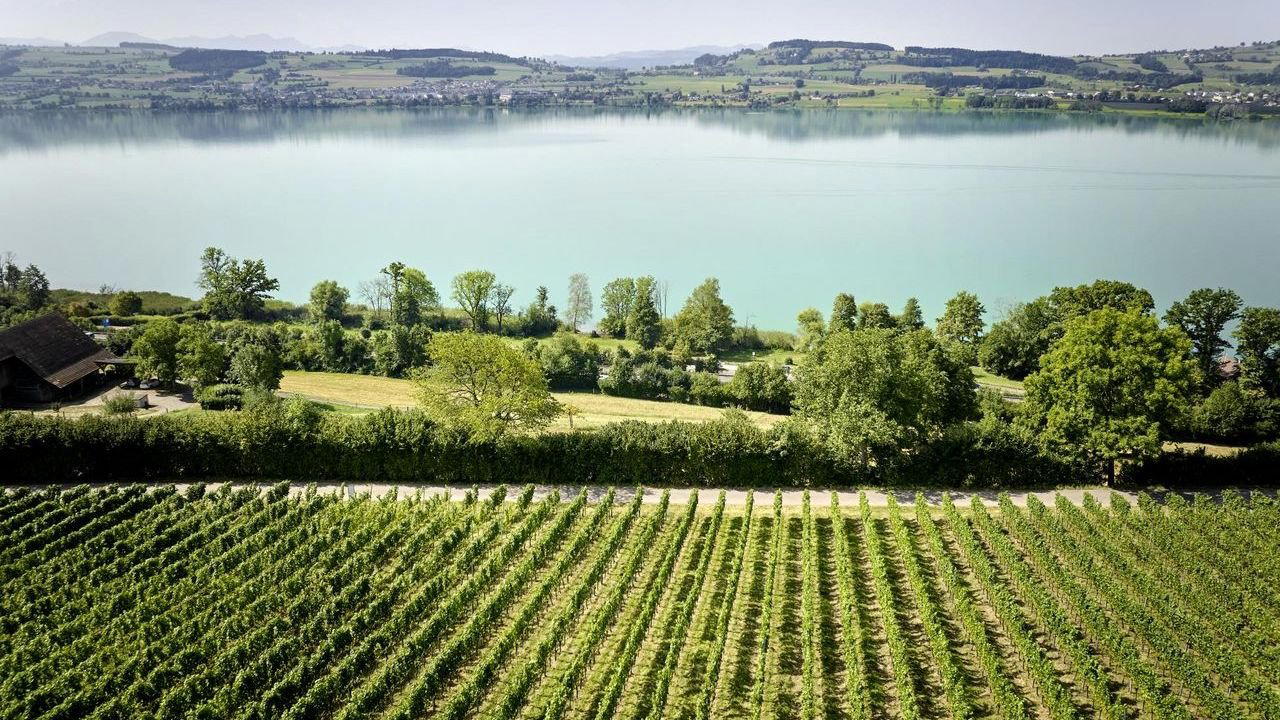
Approaching Wildenmann, the lake is almost always visible. The Zug shoreline is characterised by flat water, low hills, and the kind of deep-green stillness that defines the Swiss midlands in every season except the grey weeks of November. The address on St. Germanstrasse places the restaurant within the village fabric rather than on a scenic promontory, this is a neighbourhood room first, a destination second. That ground-level quality is part of what defines classic French cooking in smaller European towns: the food is the spectacle, not the setting, and the room earns its reputation through repetition and reliability rather than architectural drama.
In Swiss restaurant culture, that kind of sustained community rating alongside inspector recognition is a more reliable signal than a brief spike of social media attention. For broader context on what the Buonas area offers across food and drink, see our full Buonas restaurants guide, as well as guides to bars, hotels, wineries, and experiences in the region.
Classic French at This Price: The Provenance Argument
Classic French cuisine carries specific expectations around sourcing: butter from Normandy or the Alps, cream-based reductions, proteins treated with the patience that stocks and resting demand. In Switzerland, that framework intersects with some of Europe's most reliable agricultural land. Canton Zug sits in a dairy corridor; the broader region supplies cream and cheese to kitchens across the country. A classic French kitchen in this geography has direct access to the kind of raw material, fresh alpine dairy, river fish from nearby lakes, late-summer stone fruit, that the cuisine was built to amplify rather than transform.
The distinction between classic and modern French at the €€ price tier is largely one of technique visibility. Where focus ATELIER in Vitznau or IGNIV Zürich by Andreas Caminada operate in creative or sharing formats at four-tier pricing, classic French at Wildenmann's bracket means the repertoire is identifiable: sauces built over time, proteins given appropriate treatment, a structure that places the ingredient at the centre rather than the chef's concept. That is not a lesser ambition. In many regional contexts, it is the harder discipline, maintaining the integrity of a tradition without either freezing it or abandoning it for trend. The classic French tradition in Europe also carries its own geography of comparison: Waterside Inn in Bray and d'Eugénie à Emilie in Baudour illustrate how the format operates at different scales and price points across the continent.
Where Wildenmann Sits in the Swiss Restaurant Scene
Switzerland's restaurant scene has become increasingly bifurcated. On one side: destination kitchens with international reputations, multi-course tasting formats, and price points that reflect Zurich or Geneva cost structures even in rural settings. On the other: local restaurants serving regional comfort food without particular culinary ambition. The middle ground, technically serious cooking at accessible prices, recognisable in tradition, consistent over time, is less populated than it should be, and Wildenmann occupies part of it.
At €€ pricing with Michelin Plate recognition, it sits closer to the Colonnade in Lucerne or Einstein Gourmet in Sankt Gallen in terms of accessibility than to the starred tier represented by Da Vittorio in St. Moritz or 7132 Silver in Vals. For travellers visiting the Lake Zug area, that means Wildenmann is a realistic dinner option rather than a special-occasion commitment. And for residents of the Canton Zug catchment, a population with high disposable income and limited local fine-dining options, it functions as a reliable weekly or monthly address rather than a once-a-year event.
The combination of geographic remoteness, French tradition, and sustained inspector recognition gives Wildenmann a specific identity within a small field. It is not a restaurant that needs to be explained through superlative claims. That is a sufficient brief for a serious dinner in a quiet part of Switzerland. Also see L'Atelier Robuchon in Geneva for a contrasting take on the French tradition at a higher price tier within the Swiss market.
Planning Your Visit
Buonas is most easily reached by car from Zug city (approximately 10 minutes) or from Zurich via the A4 motorway. The restaurant's address at St. Germanstrasse 1 places it within the village, where parking is generally available. The €€ price tier makes this a realistic option without advance financial planning, though confirming availability before making a dedicated trip from Zurich or further afield is sensible given the village's limited fallback dining options.
Frequently asked questions
What does dinner at Wildenmann typically cost?
Pricing at Wildenmann is listed as €€.
Where is Wildenmann located?
Wildenmann is located at St. Germanstrasse 1, 6343 Buonas, Switzerland, Buonas.
Comparison Snapshot
| Venue | Cuisine | Price | Awards | Notes |
|---|---|---|---|---|
| WildenmannThis venue (the venue you are viewing) | French Fine Dining | Not listed | Michelin Plate | Not listed |
| Schloss Schauenstein | Creative Swiss Country Fine Dining | $300–500 | 3 Michelin Stars · World's 50 Best #52 | Modern European, Creative |
| Memories | Modern Swiss Alpine Cuisine | $300–500 | 3 Michelin Stars · La Liste Top Restaurants | Modern Swiss |
| focus ATELIER | Modern French Fine Dining | $200–300 | 2 Michelin Stars · La Liste Top Restaurants | Modern Swiss, Creative |
| IGNIV Zürich by Andreas Caminada | Modern Swiss Fusion Sharing | $150–200 | 2 Michelin Stars · La Liste Top Restaurants | Sharing |
| La Table du Lausanne Palace | Contemporary French Fine Dining | $200–300 | 2 Michelin Stars · La Liste Top Restaurants | Modern French |
Recognition history
Dated appearances from independent guides and award organizations, with the underlying list record or original source where available.
Michelin Plate
Michelin
Full recognition history (2 entries)
Michelin Plate
Michelin
Continue exploring
More in Buonas
Restaurants in Buonas
All restaurants in Buonas →
Bars in Buonas
Browse all →

Details
- Scenic
- Intimate
- Elegant
- Cozy
- Sophisticated
- Date Night
- Business Dinner
- Celebration
- Special Occasion
- Group Dining
- Garden
- Waterfront
- Historic Building
- Standalone
- Extensive Wine List
- Sommelier Led
- Local Sourcing
- Waterfront
- Garden
- A La Carte
- Set Menu
- Wine
Current opening hours
- Monday
- Closed
- Tuesday
- 11:30 AM–1:30 PM, 6–10 PM
- Wednesday
- 11:30 AM–1:30 PM, 6–10 PM
- Thursday
- 11:30 AM–1:30 PM, 6–10 PM
- Friday
- 11:30 AM–1:30 PM, 6–10 PM
- Saturday
- 11:30 AM–1:30 PM, 6–10 PM
- Sunday
- Closed
Hours can change for holidays and private events. Hours as of .
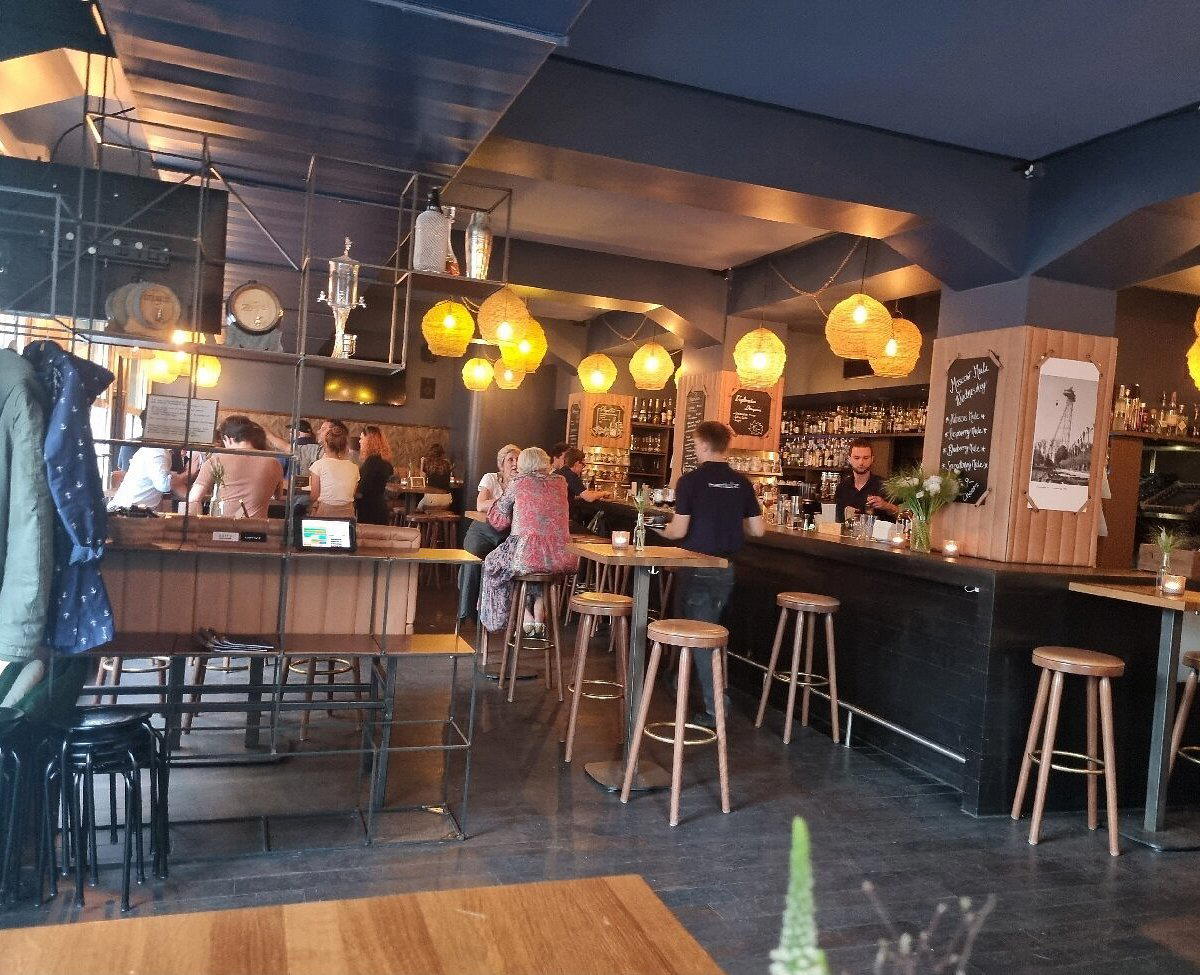
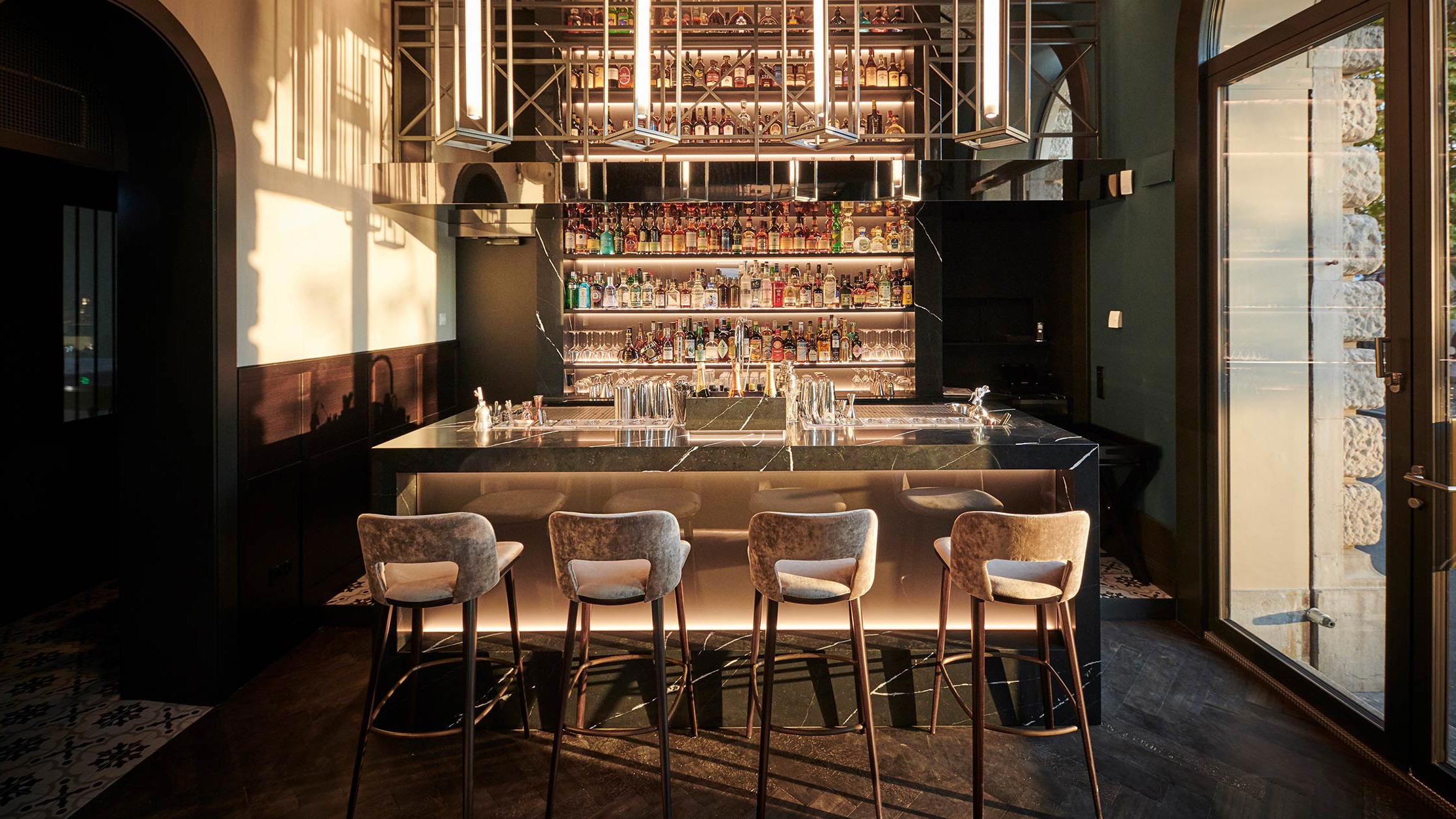
An intimate, family-run fine-dining atmosphere with a calm, away-from-the-hustle feel and a beautifully decorated setting.