
Michelin Plate
Our verdict
A 2024 Michelin Plate recipient in Taichung's Beitun District, Wen Tao serves Taiwanese cooking that draws on the same southern Fujianese culinary roots underpinning much of the island's everyday food culture.

Pearl is the En Primeur Club membership app, where members save venues, book tables and use the concierge.

Where Taichung's Everyday Taiwanese Cooking Gets Its Credentials
The Beitun District sits at the northern edge of Taichung's urban sprawl, where the grid of residential blocks and neighbourhood restaurants gives way to the kind of food culture that rarely shows up in hotel concierge recommendations. This is not the city's fine-dining corridor, it is the kind of area where locals return on weekday evenings, where a restaurant earns its standing through consistency over years rather than through design statements or tasting-menu architecture. It is into this context that Wen Tao fits most naturally: a mid-range Taiwanese restaurant on Taiyuan Road that picked up a 2024 Michelin Plate while maintaining the operational register of a neighbourhood institution.
The Fujianese Thread in Taiwanese Cooking
To understand what Wen Tao represents on a broader culinary map, it helps to trace the lineage of Taiwanese food as a category. The island's dominant cooking tradition descends largely from Fujian Province, specifically the southern Fujianese style, brought by Hoklo settlers over several centuries, that prizes broth-based preparations, braised proteins, and the restrained use of sweetness as a seasoning counterweight to salt. This is a different register from the bold heat of Sichuan or the fermented funk of Hunan. Fujianese-derived cooking tends toward subtlety and depth: slow braises that develop colour without aggressive spicing, seafood treated with minimal intervention, and stocks that carry the work rather than sauces applied after the fact.
That tradition manifests across Taiwan in different ways depending on region and era. In Taipei, restaurants like Fujin Tree Taiwanese Cuisine & Champagne (Songshan) and Golden Formosa handle Taiwanese ingredients through a more polished, design-conscious lens. Mipon takes it into tasting-menu territory. In Tainan, the tradition skews older and denser, the beef soup culture at places like A Cun Beef Soup (Baoan Road) reflects a city that never needed to modernise its food to prove its seriousness. Taichung occupies a middle ground: large enough to support a range of formats, grounded enough that neighbourhood restaurants with no particular flair for branding can still command significant audiences.
What the Michelin Plate Actually Signals Here
A Michelin Plate designation, the guide's marker for cooking that simply merits attention, below the star hierarchy, operates differently in Taiwan's mid-range category than it does in European fine dining. In the Taiwan Michelin Guide context, where the inspectors have consistently recognised hawker-adjacent and neighbourhood formats alongside high-end tasting rooms, a Plate at the $$ price tier signals that the kitchen is executing Taiwanese cooking at a level that can be held to a standard, not that the restaurant is on a trajectory toward starred ambitions.
Wen Tao sits in a peer group that includes Taichung addresses with similar profiles: neighbourhood-oriented, Taiwanese in focus, recognised rather than celebrated. Chef Ah-Hsi's Old Time Restaurant occupies comparable territory from a different angle, leaning into nostalgic Taiwanese formats. Chien Wei Seafood applies similar quality signals to a seafood-forward menu. What connects these addresses is a shared commitment to doing something specific well rather than constructing a dining experience around concept or chef identity.
By contrast, YUENJI operates in a different bracket entirely, at the $$$$ price tier, as does the broader category of Taichung's contemporary restaurants with tasting-menu formats. Wen Tao does not compete in that space.
Taichung in the Wider Taiwan Dining Picture
Taiwan's dining scene has developed a clear geographic narrative in recent years. Taipei holds the concentration of international-facing restaurants and higher-starred addresses, logy being one of the capital's clearest expressions of modern technical ambition. Kaohsiung has built its own identity around restaurants like GEN, and indigenous-focused cooking at remote addresses like Akame in Wutai Township has brought international attention to Taiwan's less-visited culinary geographies. Taichung's contribution to this picture is less about headline restaurants and more about the density of its mid-range Taiwanese cooking, a category that the Michelin Guide has increasingly treated as worthy of the same rigour it applies to tasting menus.
Wen Tao is part of that Taichung argument. So is Feng Chi Goose, which approaches Taiwanese cooking through a specific protein lens. So is Chin Chih Yuan (Central), which operates in the more formal end of traditional Taiwanese presentation. The city's Michelin-recognised addresses at the mid-range tier collectively make the case that the most representative Taiwanese cooking is not the kind that requires a booking months in advance or a chef pedigree traceable to a European kitchen.
Planning a Visit
Wen Tao is located at No. 191, Section 3, Taiyuan Road in Beitun District, the northern part of Taichung, at a remove from the central Xitun and West District restaurant clusters that draw most visitor attention. Visitors travelling from central Taichung should factor in the additional transit time, which makes this an address more naturally suited to those staying in the northern part of the city or deliberately making the journey to eat in a non-tourist-facing neighbourhood context. The $$ As with most popular neighbourhood Taiwanese restaurants, arriving early in the evening service or going outside peak hours is the practical hedge against waiting.
For those building a broader Taichung itinerary, the full Taichung restaurants guide maps the city's dining options across formats and price tiers. Alongside dining, the Taichung bars guide, hotels guide, wineries guide, and experiences guide provide the fuller picture of what the city offers across travel categories.
Frequently asked questions
What do people recommend at Wen Tao?
At-a-Glance Comparison
Comparable venues nearby, for context on price, style, and recognition.
| Venue | Cuisine | Price | Awards | Notes |
|---|---|---|---|---|
| Wen TaoThis venue (the venue you are viewing) | Traditional Taiwanese | Not listed | Michelin Plate | Not listed |
| Meidz Seafood | Taiwanese Seafood | Not listed | Michelin Plate | Shalu District |
| Hello VietNam | Northern Vietnamese | Not listed | Michelin Plate | Luchuan |
| Rong Cuisine | Modern Taiwanese with Japanese Influences | $20–30 | Michelin Plate | Luchuan |
| Tu Pang | Contemporary Taiwanese with European Techniques | $50–100 | Michelin Plate | Luchuan |
| huist | Modern Taiwanese Fine Dining | Not listed | Michelin Plate | Shuanglong |
Recognition history
Dated appearances from independent guides and award organizations, with the underlying list record or original source where available.
Michelin Plate
Michelin
Full recognition history (2 entries)
Michelin Plate
Michelin
Continue exploring
More in Taichung
Restaurants in Taichung
All restaurants in Taichung →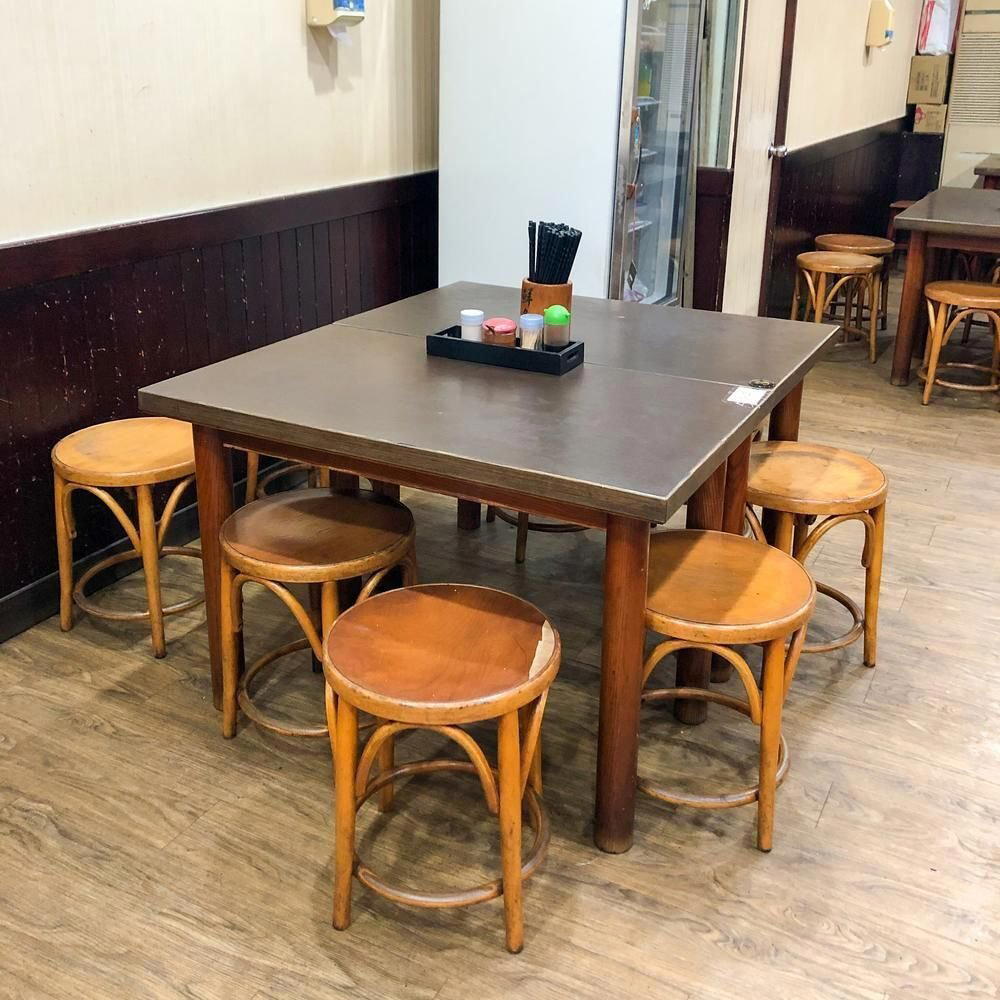
Bars in Taichung
All bars in Taichung →
Details
- Classic
- Cozy
- Rustic
- Intimate
- Family
- Group Dining
- Casual Hangout
- Courtyard
- Private Dining
- Historic Building
- Standalone
- A La Carte
- Family Style
Current opening hours
- Monday
- 11 AM–2 PM, 5–9:30 PM
- Tuesday
- 11 AM–2 PM, 5–9:30 PM
- Wednesday
- 11 AM–2 PM, 5–9:30 PM
- Thursday
- 11 AM–2 PM, 5–9:30 PM
- Friday
- 11 AM–2 PM, 5–9:30 PM
- Saturday
- 11 AM–2 PM, 5–9:30 PM
- Sunday
- 11 AM–2 PM, 5–9:30 PM
Hours can change for holidays and private events. Hours as of .
Relaxed and nostalgic, with classic Chinese decor and an atmosphere evoking Taiwan’s 1950s banquet-table culture; guests can dine in the open courtyard or in private rooms with vintage decor.