Our verdict
Walima sits within the Sheraton Tunis Hotel in Carthage Cedex, positioning itself at the intersection of international hotel dining and Tunisian culinary tradition. For visitors orienting themselves in the greater Tunis dining scene, it offers a structured entry point into North African flavour in a setting calibrated for hotel guests and business travellers alike. See how it fits into the wider Tunis restaurant circuit before booking.

Pearl is the En Primeur Club membership app, where members save venues, book tables and use the concierge.
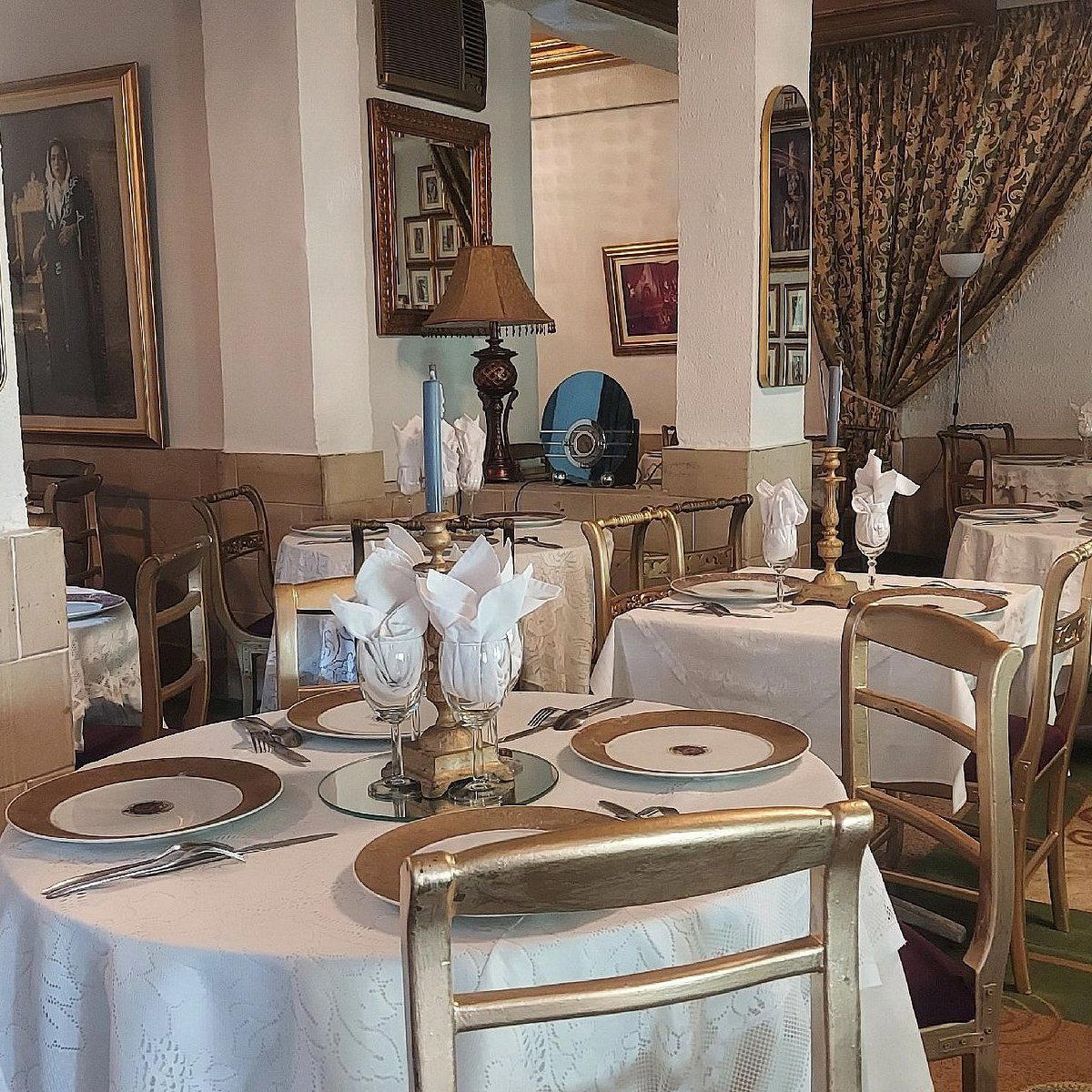
Hotel Dining and the Tunisian Larder
International hotel restaurants in North Africa occupy a particular position in the local dining hierarchy. They rarely set the pace for the most adventurous local cooking, but they perform a different and often underappreciated function: they translate a regional food culture into a format that is legible to the broadest possible audience, from Tunisian families marking a special occasion to foreign business travellers arriving in Tunis for the first time. Walima, located inside the Sheraton Tunis Hotel and Towers in Carthage Cedex, fits that profile. It operates within one of the city's established international hotel addresses, and its positioning reflects the dining logic common to that tier across the Arab world.
The name itself carries meaning. Walima is the Arabic term for a celebratory feast, traditionally associated with weddings and major communal gatherings. That framing sets an expectation: the food should read as generous, occasion-appropriate, and rooted in a tradition of hospitality rather than novelty. In Tunisian and broader Maghrebi cooking, a walima table historically drew on the leading available local produce, assembled through relationships with suppliers, markets, and seasonal rhythms. Whether the kitchen at this address executes against that standard is a question worth asking when booking.
What Tunisian Sourcing Looks Like in Practice
Tunisia's agricultural output is one of the more underreported stories in Mediterranean food. The country is among the world's largest producers of olive oil, with groves concentrated in the Sahel region around Sfax and Sousse. Its citrus from the Cap Bon peninsula, lamb from the interior highlands, and seafood pulled from the Gulf of Tunis and the waters around Djerba and Kerkennah constitute a larder that, at its finest, requires minimal intervention. A kitchen that pays attention to this supply chain does not need to import its way to quality.
Hotel restaurants in this tier, however, face a structural tension. The supply chains built for large-volume international hospitality often prioritise consistency and ease of procurement over provenance. The most compelling dining experiences in Tunis, including venues like Dar El Jeld in Tunis, have tended to resolve that tension by anchoring menus explicitly in regional tradition and local sourcing, rather than trying to straddle both international and local registers simultaneously. For a hotel restaurant to earn genuine culinary credibility in the Tunis market, the ingredient question is where that credibility gets built or lost.
The broader Tunis dining scene is varied enough to serve as useful context. Le Golfe in La Marsa draws on coastal proximity for its seafood sourcing, while Chef Zhang in El Menzah represents the city's small but established international dining contingent. The Italian tradition appears at L'antica Pizzeria DaPietro in أريانة, and the more accessible end of the market is covered by addresses like Le Resto du Peuple in Sousse. For those mapping the full circuit, our full Tunis Carthage Cedex restaurants guide covers the range in detail.
The Sheraton Address and What It Signals
Carthage Cedex is not the historic medina, nor is it La Marsa's more relaxed coastal stretch. It is the administrative and commercial northern fringe of greater Tunis, where international hotels cluster alongside embassies and corporate offices. The Sheraton Tunis Hotel and Towers has been part of that landscape for decades, making it one of the more established international addresses in the city. For hotel restaurants globally, longevity in a competitive market is a meaningful signal: properties that do not maintain a functional dining offer tend to close or rebrand it. The fact that Walima continues to operate under its own identity within the hotel suggests it retains a guest base that returns to it.
For international visitors, the Sheraton address also means a certain baseline of service infrastructure: English-speaking staff, familiar booking processes, and a physical environment calibrated for comfort rather than local atmosphere. Those are not criticisms; they are a description of what this category of dining is designed to deliver. The question is whether the kitchen adds something to that foundation that makes the food itself worth discussing, or whether the address is doing most of the work. Comparable hotel dining programs at properties like 8½ Otto e Mezzo Bombana in Hong Kong or Alain Ducasse at Louis XV in Monte Carlo demonstrate how high the ceiling can be for hotel restaurant cooking when the kitchen operates with genuine ambition. Those are, of course, different categories of investment and scale entirely.
Planning a Visit
Walima is accessible as part of a stay at the Sheraton Tunis, and the hotel address makes it one of the more direct dining options for visitors staying in Carthage Cedex who prefer not to travel into the city centre or coastal suburbs for dinner. For those wanting to compare across the city's dining register, Restaurant Sultan Ahmet in Tunis offers a different angle on the regional offer in the city. Hotel restaurants at this level typically require either a reservation made through the front desk or a dedicated dining line, and weekend evenings in particular are likely to be busier given the hotel's business travel profile.
Frequently asked questions
Is Walima good for families?
The Sheraton Tunis Hotel & Towers context works in favour of family groups. International chain hotels at this tier in Tunis are built to accommodate varied party compositions, with service infrastructure that independent neighbourhood restaurants may not replicate. Children and mixed-age groups are generally well-handled in this kind of setting.
Is Walima formal or casual?
Walima sits within the Sheraton Tunis Hotel & Towers in Carthage Cedex, an address that places it firmly in business and diplomatic territory. Expect a register closer to a formal hotel dining room than a relaxed neighbourhood spot, presentable dress is appropriate, though a black-tie standard is unlikely to be required.
Does Walima offer a specifically Tunisian dining experience or a generic international hotel menu?
The name Walima references a specifically Tunisian celebratory feast tradition, which points toward at least some grounding in local culinary identity rather than a purely international hotel formula. Tunisia's agricultural output, including olive oil, harissa, and seafood from the Mediterranean coast, gives any kitchen at this address access to strong local produce. For confirmation of how far the menu leans into that tradition versus a broader international format, contacting the Sheraton Tunis Hotel & Towers directly is the most reliable step.
What dish is Walima famous for?
The name itself references the Tunisian tradition of celebratory feasting, which suggests the kitchen's orientation, but specific menu details require verification directly with the Sheraton Tunis Hotel.
Where exactly is Walima?
Walima is located at Sheraton Tunis Hotel & Towers, 1080 Tunis Carthage Cedex, Tunis Carthage Cedex.
What's the best way to book Walima?
The most reliable route is through Sheraton Tunis Hotel & Towers central reservations at the Carthage Cedex address, where hotel staff can confirm table availability and any current dining hours.
What makes Walima worth seeking out?
For visitors already based at or near the Sheraton Tunis in Carthage Cedex, Walima offers a dependable dining option with the service infrastructure of an international hotel property, a consistency that is harder to guarantee across Tunis's independent restaurant sector. It also provides a point of access to Tunisian culinary tradition within a format that is familiar to international travellers.
Comparison Snapshot
| Venue | Cuisine | Price | Awards |
|---|---|---|---|
| WalimaThis venue (the venue you are viewing) | Traditional Tunisian | Not listed | Not listed |
| Le Golfe | Mediterranean Seafood | $50–100 | World's 50 Best #46 |
| Chef Zhang | Chinese | Not listed | Not listed |
| Dar El Jeld | Traditional Tunisian Fine Dining | $30–50 | Not listed |
Continue exploring
More in Tunis
Restaurants in Tunis
All restaurants in Tunis →
Details
- Classic
- Elegant
- Business Dinner
- Special Occasion
- Hotel Restaurant
- A La Carte
- Halal
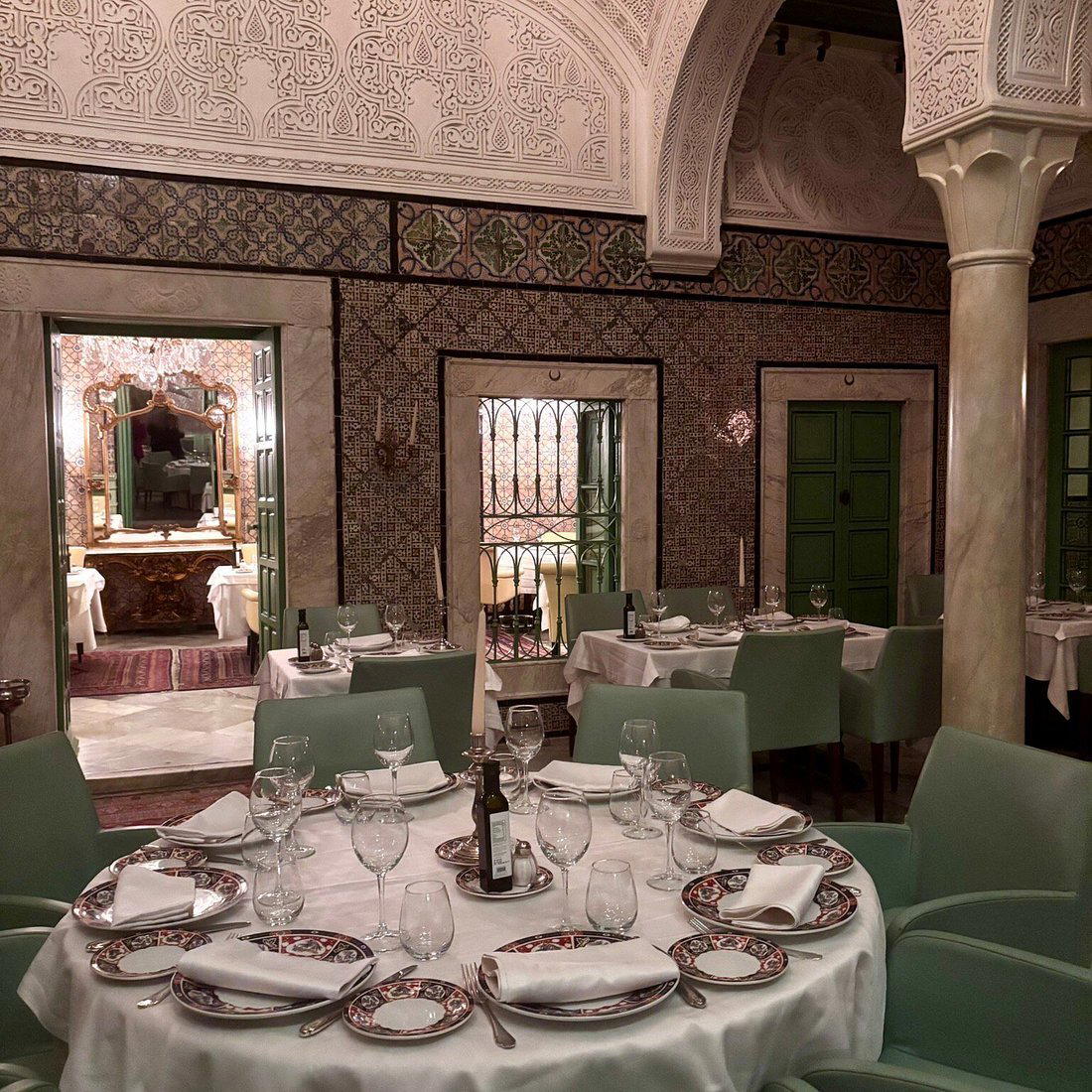
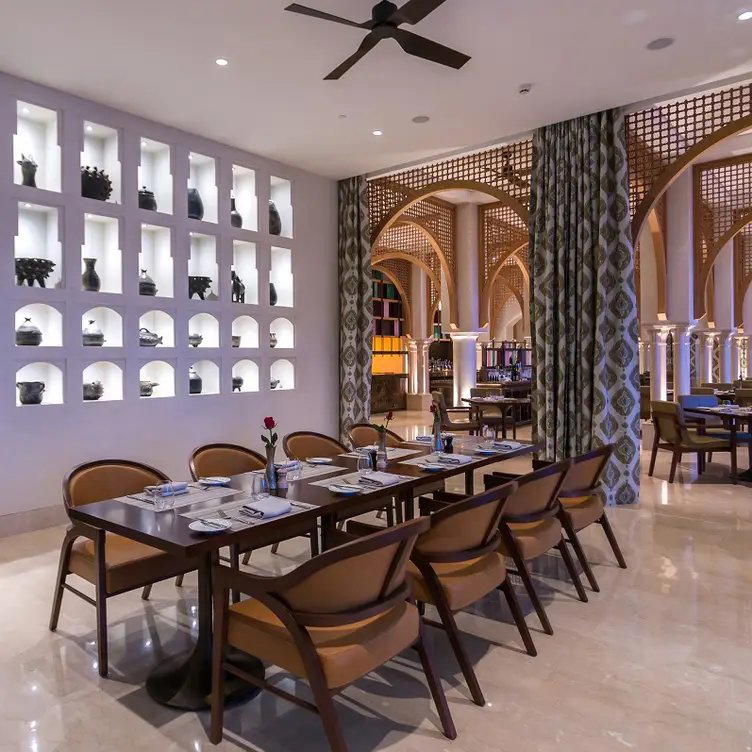
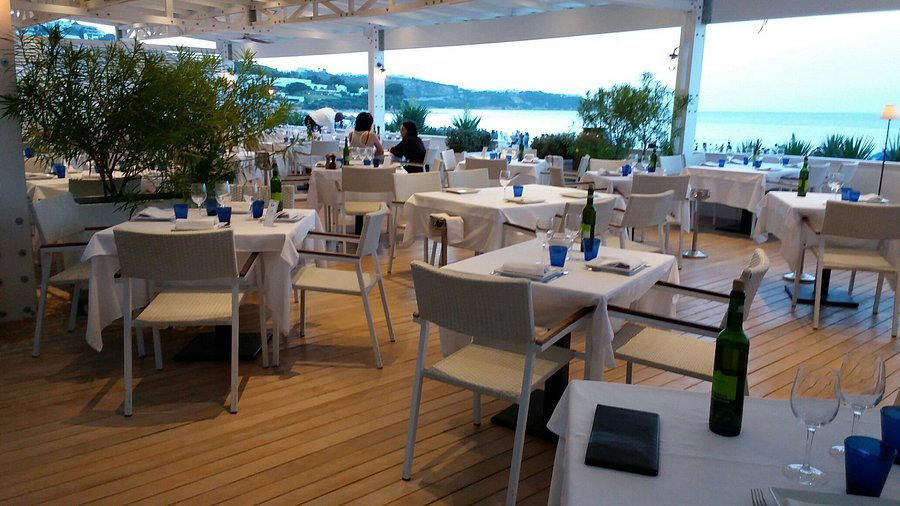
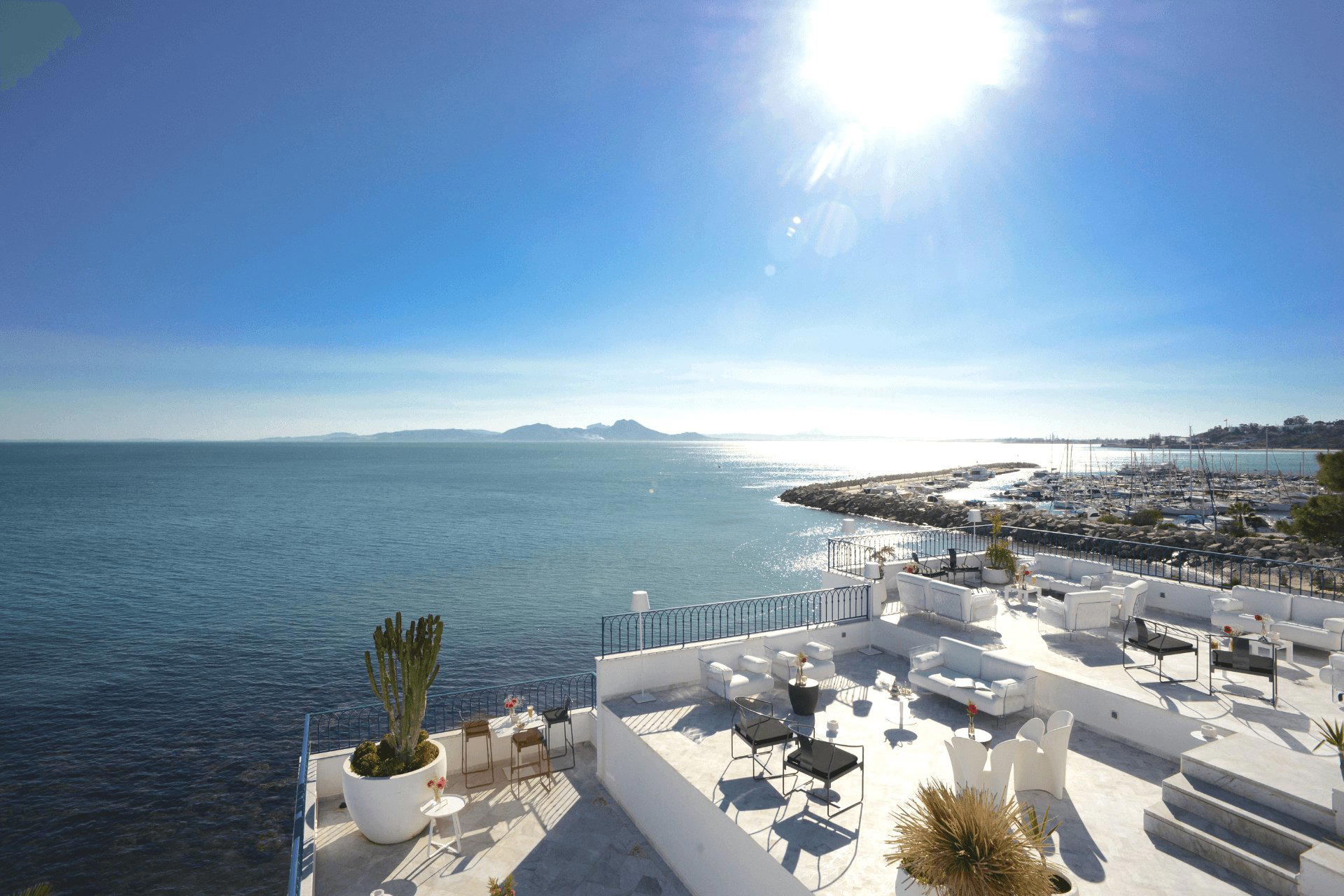
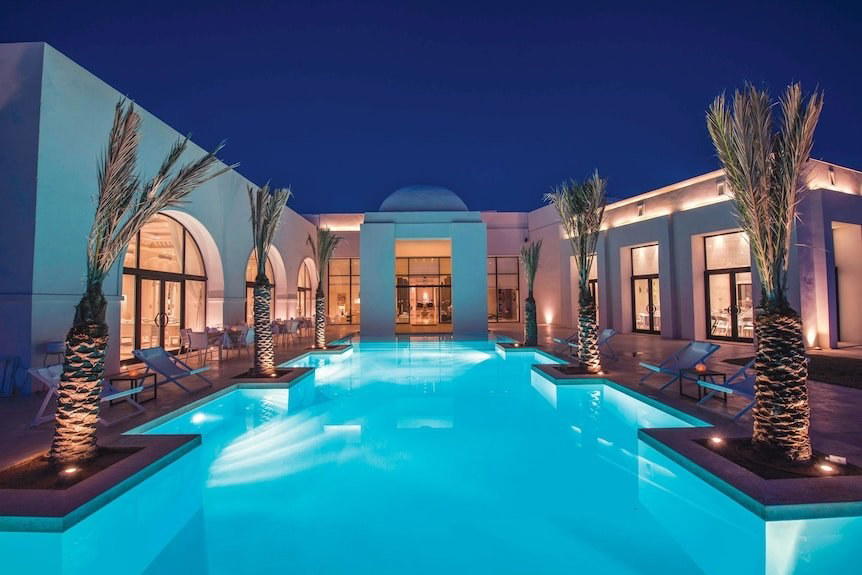
Traditional and elegant atmosphere with a focus on local Tunisian dining tradition.