Our verdict
Chef Zhang occupies a quiet address in El Menzah, one of Tunis's residential northern suburbs, where Chinese-named restaurants remain a rarity against a dining culture shaped by Maghrebi tradition. The kitchen draws interest precisely because it sits outside that dominant local current. For those tracking ingredient sourcing and culinary provenance in Tunisia's evolving restaurant scene, it merits attention alongside the wider El Menzah offer.

Pearl is the En Primeur Club membership app, where members save venues, book tables and use the concierge.
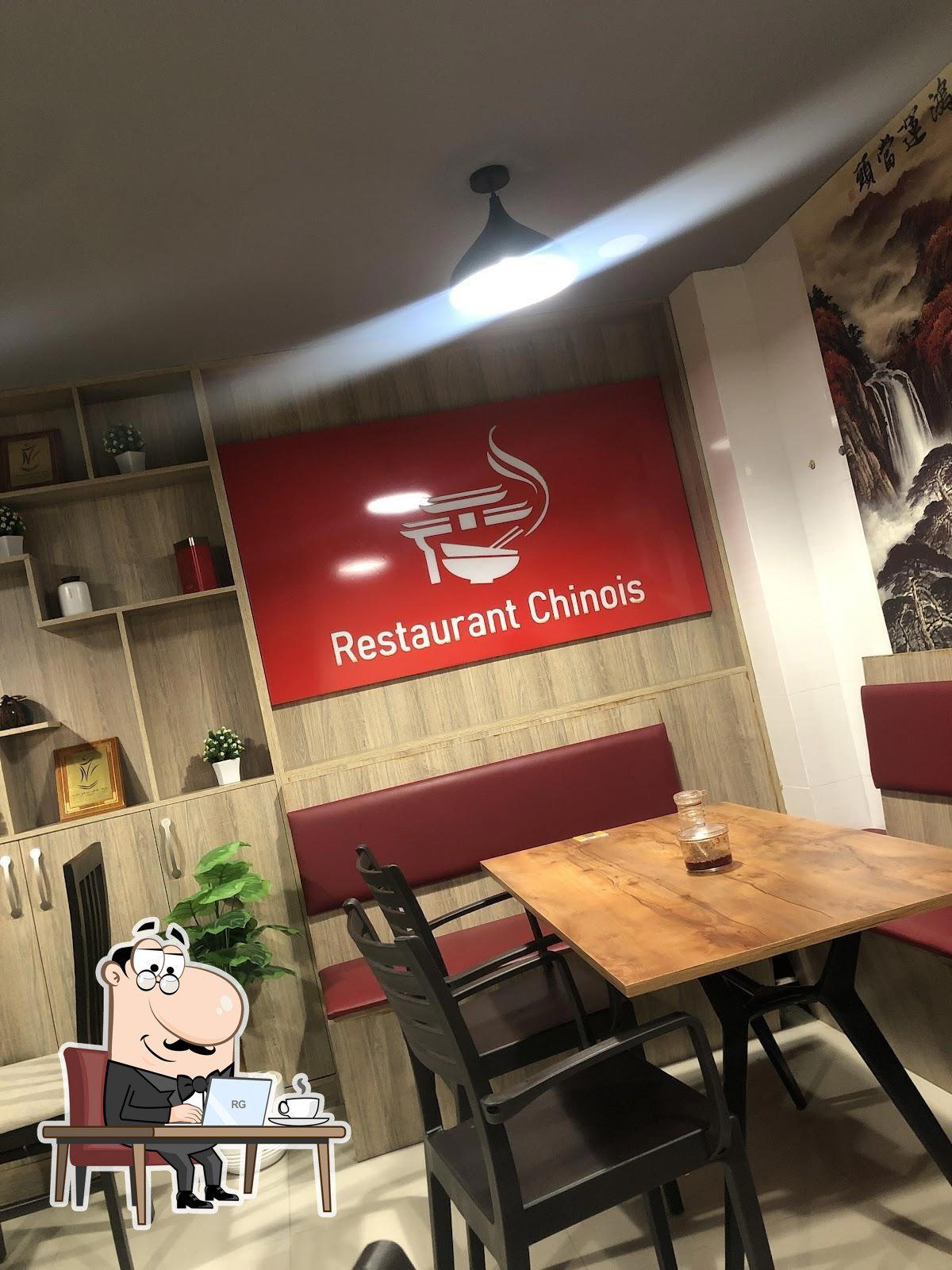
Where El Menzah's Dining Scene Places a Chinese-Named Kitchen
El Menzah is not the address most visitors associate with Tunis dining. The neighbourhood sits north of the city centre, a planned residential zone of broad avenues and low-rise blocks that developed through the latter half of the twentieth century as a middle-class expansion of the capital. Its restaurants tend to serve the local population rather than tourism circuits, which means the food on offer reflects domestic demand: grilled meats, brick pastry, harissa-laced sauces, and the kind of Tunisian family cooking that rarely appears in hotel dining rooms. Against that backdrop, a kitchen operating under the name Chef Zhang occupies an immediately distinctive position. Chinese-named establishments are sparse across the greater Tunis area, and finding one in El Menzah rather than the more internationally trafficked districts of La Marsa or Les Berges du Lac signals something about the venue's relationship to its immediate neighbourhood rather than to incoming visitors.
Tunisia's restaurant culture has been shaped for decades by the Maghrebi pantry: preserved lemons, dried rose petals, merguez, tuna packed in local oil, semolina in multiple preparations, and a seafood supply drawn from the Gulf of Tunis and the waters off the Cap Bon peninsula. The country's Chinese restaurant contingent, small as it is, has historically had to work around that dominant supply logic, either importing ingredients at considerable cost or adapting recipes to what is locally available. That tension between culinary tradition and sourcing reality is the defining question for any Chinese kitchen operating in North Africa, and it is what gives Chef Zhang its editorial interest from a sourcing perspective, even when the specific answers to that question remain, for now, unconfirmed in the public record. For a sense of how different sourcing philosophies play out across the region's dining scene, our full El Menzah restaurants guide maps the broader picture.
The Sourcing Question at the Centre of the Offer
In cities where Chinese cuisine has a long-established supply chain, the sourcing debate is relatively settled. Specialist importers bring in dried goods, fermented condiments, specific proteins, and packaging formats that allow kitchens to reproduce regional Chinese dishes with reasonable fidelity. In Tunis, that infrastructure exists only partially. The city has Asian grocery options, but they are limited in scale compared to what a Chinese kitchen in Paris or London would access. This means that kitchens like Chef Zhang are, in practice, making active decisions about what to reproduce faithfully and what to adapt to local substitutes.
Those decisions matter to the diner because they determine whether the food reads as a reasonably authentic regional Chinese tradition or as a Tunisian interpretation of Chinese cooking, which is a different thing entirely and not necessarily lesser. Some of the most interesting cooking in North Africa comes from exactly this kind of negotiation: a kitchen working with what is around it, substituting preserved lemon where rice vinegar might appear in the source recipe, or leaning on local olive oil where a neutral vegetable fat would be conventional. Whether Chef Zhang operates in that adaptive register or pursues a stricter fidelity through imported ingredients is precisely the kind of granular sourcing intelligence that rewards a visit over a remote assessment.
For comparison, consider how sourcing shapes identity elsewhere. At Atelier Moessmer Norbert Niederkofler in Brunico, a strict alpine-sourcing philosophy defines the entire menu architecture. At Uliassi in Senigallia, Adriatic provenance underpins the kitchen's claim to place-specific cooking. In each case, the ingredient logic is legible and communicable. For Chef Zhang, establishing that same legibility would be the clearest path to a defined reputation in El Menzah's restaurant community.
El Menzah in Context: A Neighbourhood Dining Scene Worth Mapping
Dining in El Menzah tends to operate below the radar of both Tunis food media and international coverage. The neighbourhood's restaurants are functional, neighbourhood-rooted, and priced for repeat local custom rather than occasion dining. That context means a Chinese kitchen here is probably not competing against the more formally positioned Tunisian fine dining addresses such as Dar El Jeld in Tunis, which represents the country's most recognised take on traditional Tunisian cooking, or the seafood-oriented coastal offer at Le Golfe in La Marsa.
L'antica Pizzeria DaPietro in Ariana represents the Italian thread in the suburban dining fabric, while Restaurant Sultan Ahmet in Tunis speaks to the Turkish culinary presence in the city. Walima in Tunis Carthage Cedex and Le Resto du Peuple in Sousse each represent different registers of the local dining conversation. Chef Zhang fits somewhere in this mosaic as a representative of a culinary tradition that is genuinely underrepresented in the Tunisian capital.
How to Approach a Visit
El Menzah is accessible from central Tunis by taxi or ride-hailing service, with journey times typically under thirty minutes from the medina or the downtown Habib Bourguiba axis depending on traffic. The neighbourhood itself is leading navigated on foot once you arrive, though the street-level signage can be inconsistent for newer or smaller establishments. Since no booking contact, website, or verified hours appear in the available record for Chef Zhang, the practical approach is to treat this as a walk-in destination and verify current status through local knowledge on arrival or through recent visitor posts on mapping platforms. Given the venue's residential neighbourhood location, midday and early evening are generally the busier windows for this type of establishment in El Menzah.
For those building a wider Tunis dining itinerary, EP Club's coverage spans the full range of the city's offer, from neighbourhood kitchens like Chef Zhang through to higher-format addresses with international recognition. The sourcing intelligence, pricing, and availability details for each are drawn from verified records rather than generalised assumptions.
Frequently asked questions
Is Chef Zhang good for families?
El Menzah is a planned residential neighbourhood, and the restaurants there tend to serve a local, family-oriented clientele rather than business diners or tourists. That context suggests Chef Zhang is likely comfortable for groups with children, though specific seating arrangements and facilities are not documented. Calling ahead before visiting with a large group is advisable given the absence of published contact details.
Is Chef Zhang formal or casual?
The neighbourhood itself, El Menzah, is a residential area of Tunis with a functional, everyday dining culture rather than a fine-dining one, which typically correlates with relaxed expectations around dress.
Is Chef Zhang the only Chinese restaurant in the El Menzah area of Tunis?
Chinese restaurants are uncommon in El Menzah specifically, a residential zone north of central Tunis that sees little international food media attention. Chef Zhang's presence in this neighbourhood rather than a more central or tourist-facing district of Tunis makes it a locally oriented option rather than one competing within a dense cluster of peers. Whether additional Chinese kitchens operate nearby is not documented in available coverage of the area.
What do people recommend at Chef Zhang?
No specific dishes or menu details are published for Chef Zhang at this time. The restaurant sits within El Menzah's dining scene, which operates largely outside Tunis food media coverage, meaning crowd-sourced recommendations are sparse. Visiting with an open approach and asking staff directly about the day's offer is the practical route.
Comparable Spots, Quickly
| Venue | Cuisine | Price | Awards |
|---|---|---|---|
| Chef ZhangThis venue (the venue you are viewing) | Chinese | Not listed | Not listed |
| Le Golfe | Mediterranean Seafood | $50–100 | World's 50 Best #46 |
| Dar El Jeld | Traditional Tunisian Fine Dining | $30–50 | Not listed |
Continue exploring
More in El Menzah
Restaurants in El Menzah
All restaurants in El Menzah →
Details
- Casual Hangout
- A La Carte