Vivilo

Michelin Plate
Our verdict
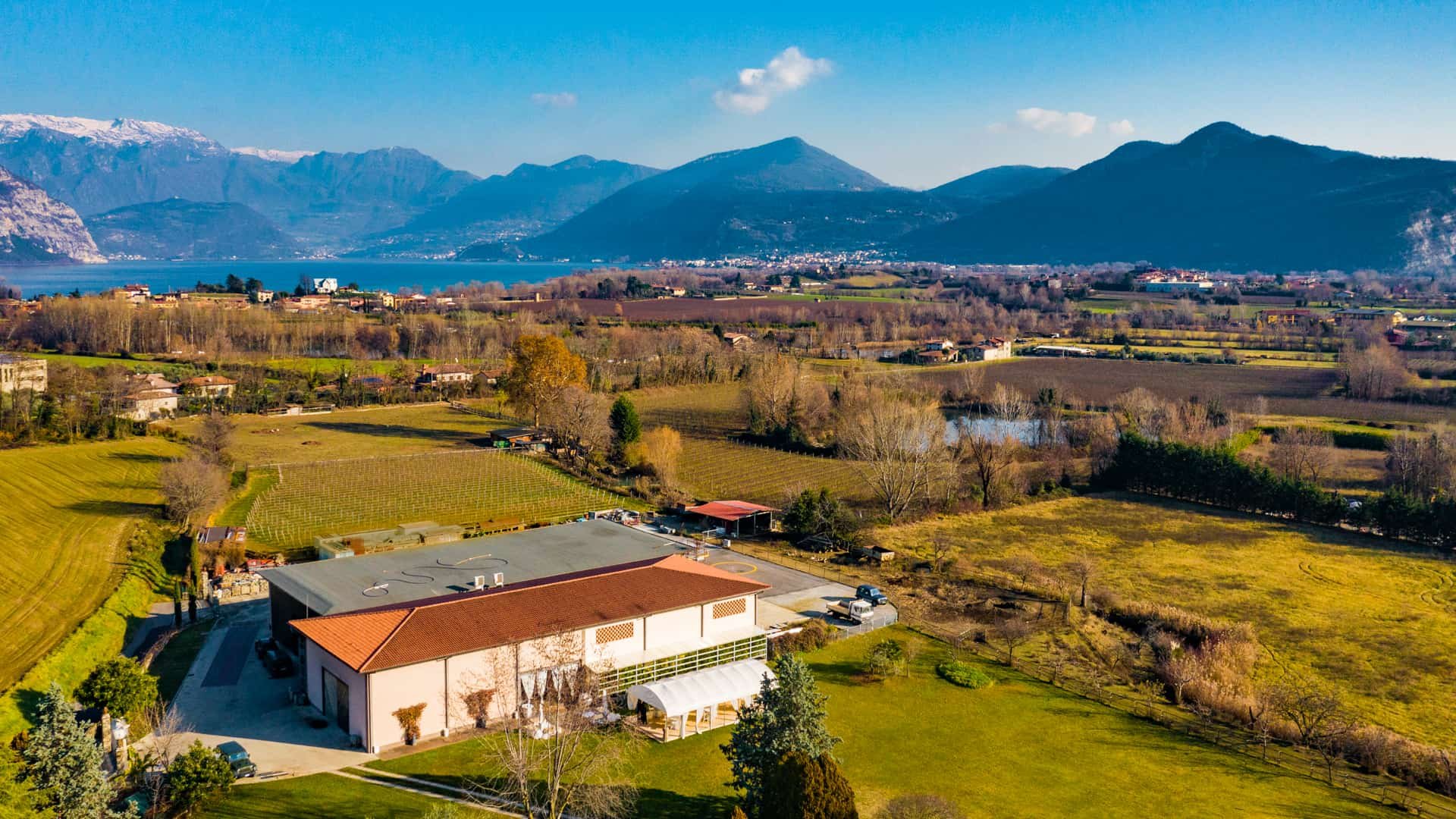
A converted hay barn in the Franciacorta wine country, Vivilo frames classic Italian cuisine within one of Lombardy's most food-productive agricultural zones. The cheese trolley, vegetarian menu, and dessert programme give the kitchen genuine range, while the vineyard setting situates the meal directly in the terroir that fills local glasses. A considered choice for anyone exploring the region's table beyond its sparkling wines.

Pearl is the En Primeur Club membership app, where members save venues, book tables and use the concierge.
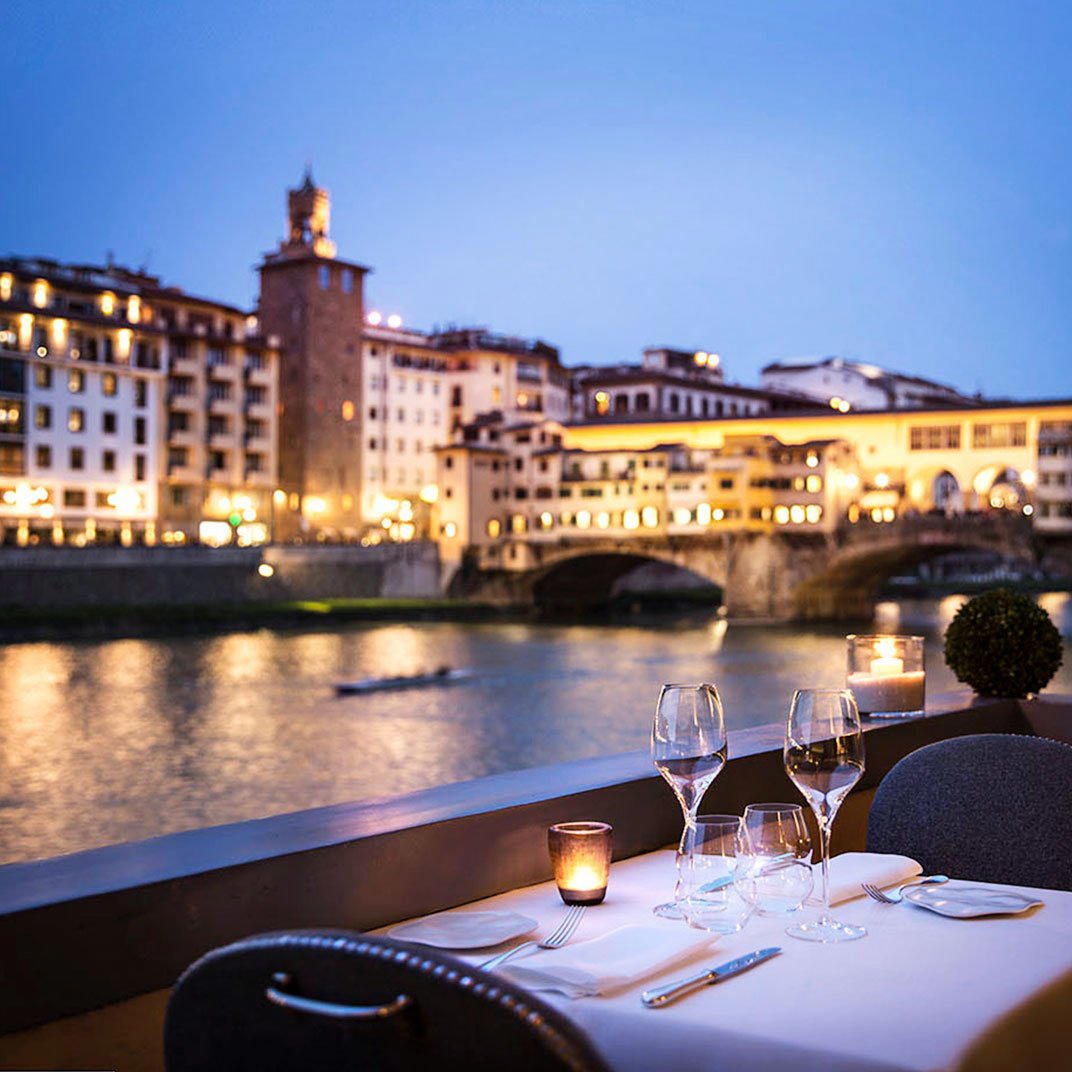
The menu
What to order
- Porcini risotto with bagoss and blueberries
- Shrimp tartare with avocado and caviar
- Morone with porcini and foie gras
The Franciacorta Table: Context Before the Plate
Lombardy's restaurant scene divides between the high-precision, often avant-garde kitchens of Milan, places like Enrico Bartolini in Milan, where creative tasting menus run long and technically dense, and a quieter tier of territory-rooted trattorias and refined rural restaurants that treat sourcing fidelity as the primary discipline. Vivilo occupies the latter category. The editorial argument for ingredient-led cuisine in a zone like Franciacorta is not nostalgia; it is geography. When a restaurant can draw from Sebino lake producers, Valcamonica dairy farms, and the fruit and vegetable culture of the Oglio valley within a short radius, the argument for classic dishes rooted in that supply becomes a sourcing case, not a style preference. You see the same logic at Dal Pescatore in Runate, where the Mantovana countryside is the actual subject of the menu, and at Casa Perbellini 12 Apostoli in Verona, where the Veneto larder anchors everything. Vivilo's position in the Franciacorta wine zone adds a further layer: the estate-level wine culture surrounding the restaurant has trained local producers and diners alike to think carefully about provenance, vintage, and condition. That sensibility transfers directly to how sourced ingredients are handled and presented.
The Format: Classic Dishes, Structured Progression
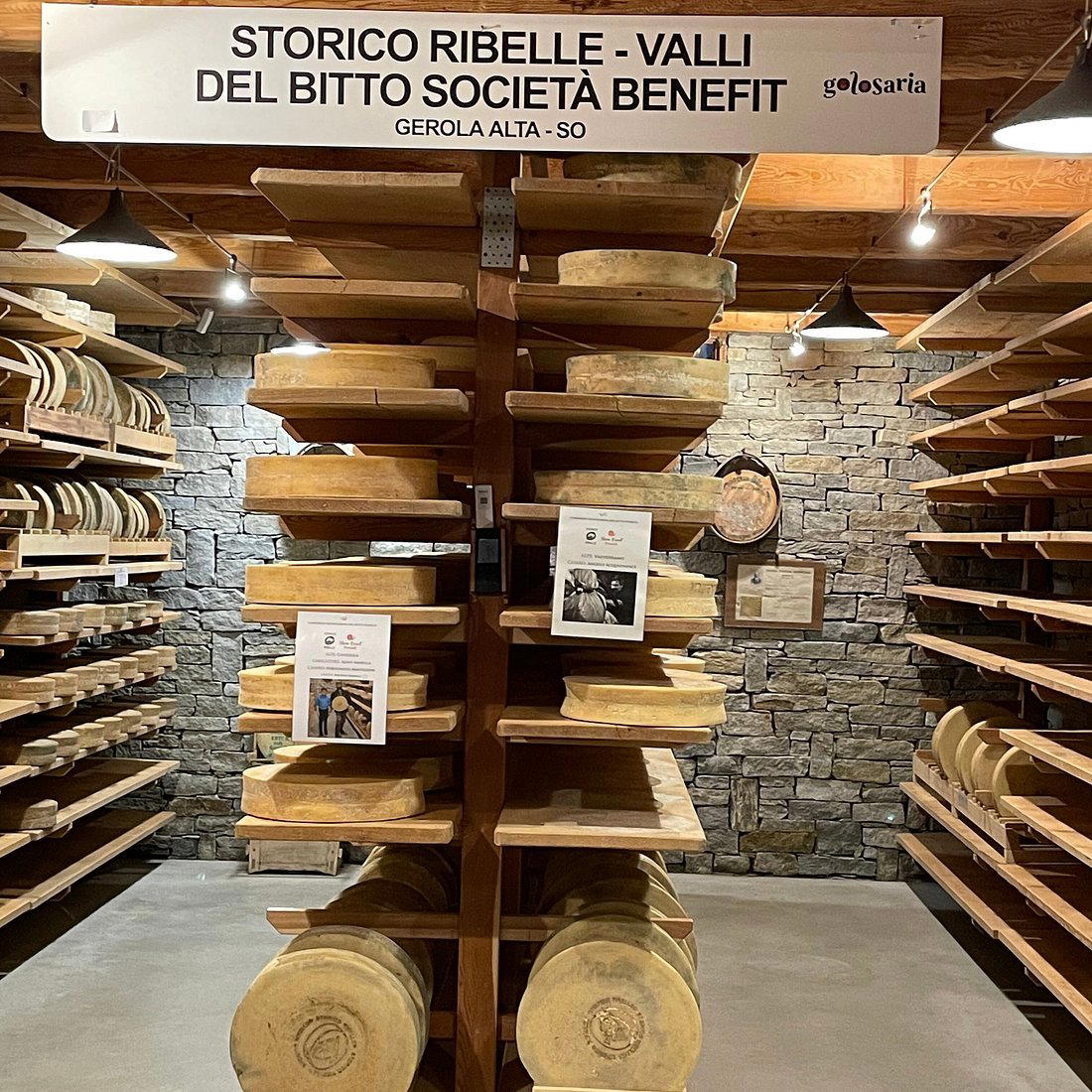
The kitchen at Vivilo organises its offer around classic dishes rather than experimental composition, which is a deliberate editorial stance as much as a culinary one. The cheese trolley is the clearest expression of that confidence. In Italian fine dining, a proper cheese service, a rolling selection of regional and national pieces presented with accompaniments, offered in progression rather than as a token course, is one of the harder disciplines to maintain consistently. It requires daily attention to sourcing, condition, and rotation. Restaurants that sustain it are making a supply-chain commitment, not just a menu decision.
The inclusion of a dedicated vegetarian menu alongside the main offer is a practical signal about how the kitchen thinks about ingredient primacy. When a kitchen treats it as a parallel programme with its own logic, the implication is that the vegetable, grain, and dairy sourcing is strong enough to carry a full meal. In Franciacorta, where the agricultural diversity is real, that is a credible claim.
Dessert programme merits specific attention because it is mentioned explicitly in recognition notes as a reason to visit. In the context of a rural Lombard restaurant, desserts that earn independent notice typically draw from the orchard and dairy culture of the surrounding territory: stone fruits, aged butter, local grains, and fresh cream that perform differently here than the industrial equivalents used in lower-commitment kitchens. The detail is worth holding onto when planning your visit.
Service and Setting in the Franciacorta Wine Zone
Service at Vivilo is characterised as precise and considered in recognition notes, which in the context of a converted agricultural space is a deliberate tonal choice. The barn format in northern Italian dining can shade toward casual rusticity or toward formal countryside elegance; Vivilo's approach sits closer to the latter, which makes the setting feel like a conscious frame for the meal rather than a backdrop. The Franciacorta wine zone supports this register: the DOCG's positioning at the premium end of Italian sparkling wine has created a hospitality culture in the area that skews toward careful presentation and wine-literate service. Pairing the meal with local Franciacorta DOCG bottles is the logical move, and a kitchen this focused on regional sourcing almost certainly supports that conversation at the table.enprimeurclub.com/restaurants/osteria-francescana">Osteria Francescana in Modena, Enoteca Pinchiorri in Florence, Piazza Duomo in Alba, Reale in Castel di Sangro, Le Calandre in Rubano, Uliassi in Senigallia, Quattro Passi in Marina del Cantone, and Atelier Moessmer Norbert Niederkofler in Brunico. Vivilo operates in a different register: territory-embedded, lower-profile by design, and meaningful primarily to travellers already in the Franciacorta zone or making it a specific destination for wine-country dining. The area warrants a full day or overnight stay: the DOCG's winery estates, many of which operate visit and tasting programmes, sit within a short drive, making a lunch at Vivilo a natural anchor for a wine-country itinerary.enprimeurclub. Booking directly in advance is advisable, particularly for weekend lunches when the vineyard-touring crowd and local diners compete for the same tables in a format that rewards those who have reserved.
Frequently asked questions
Is Vivilo suitable for children?
The format at Vivilo runs toward structured, service-led fine dining in a converted hay barn setting, which sits more comfortably with adult tables. The kitchen's emphasis on a cheese trolley and a dedicated dessert programme favours guests who engage with a full progression rather than a shorter, informal meal.
What is the atmosphere like at Vivilo?
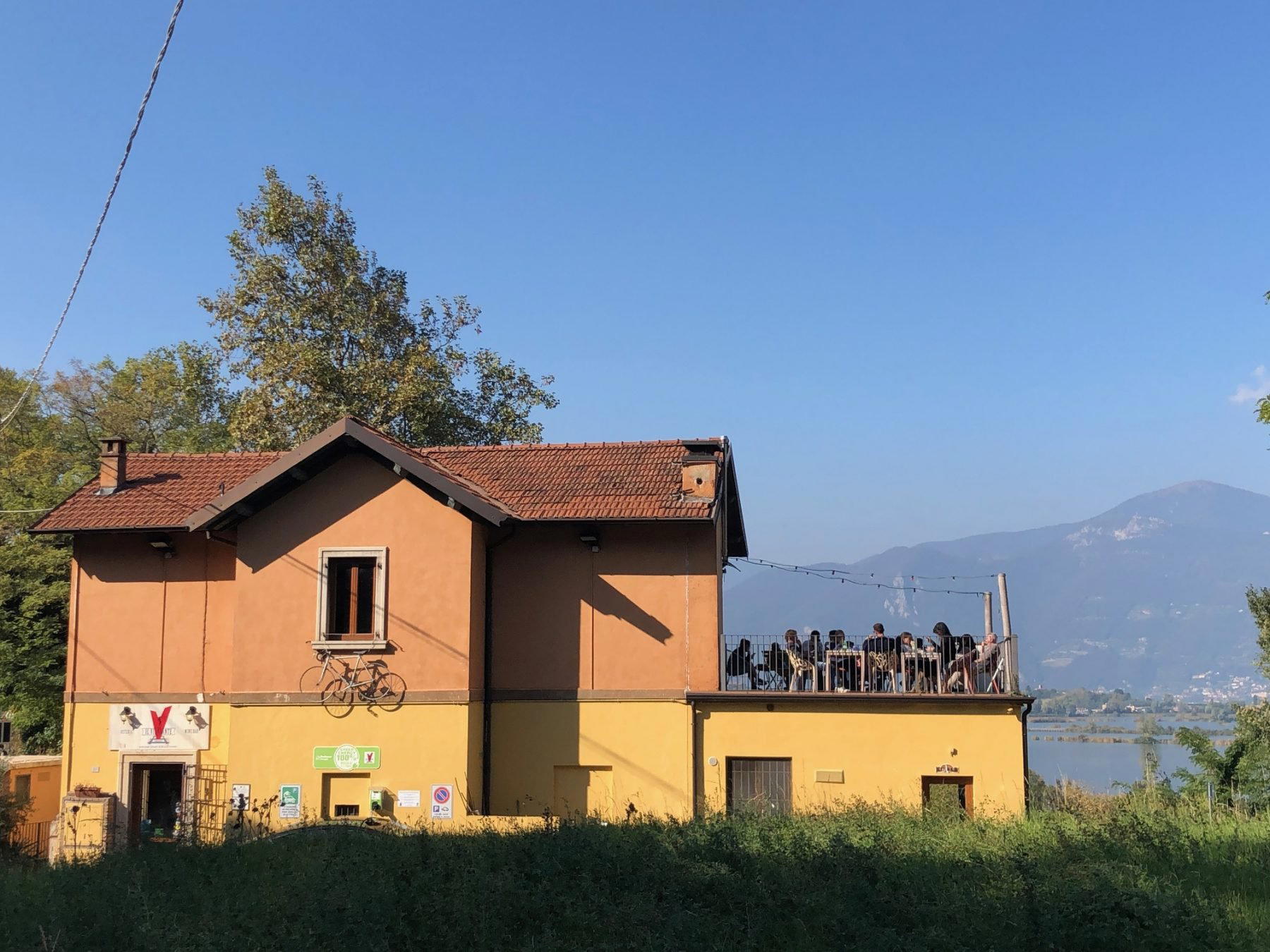
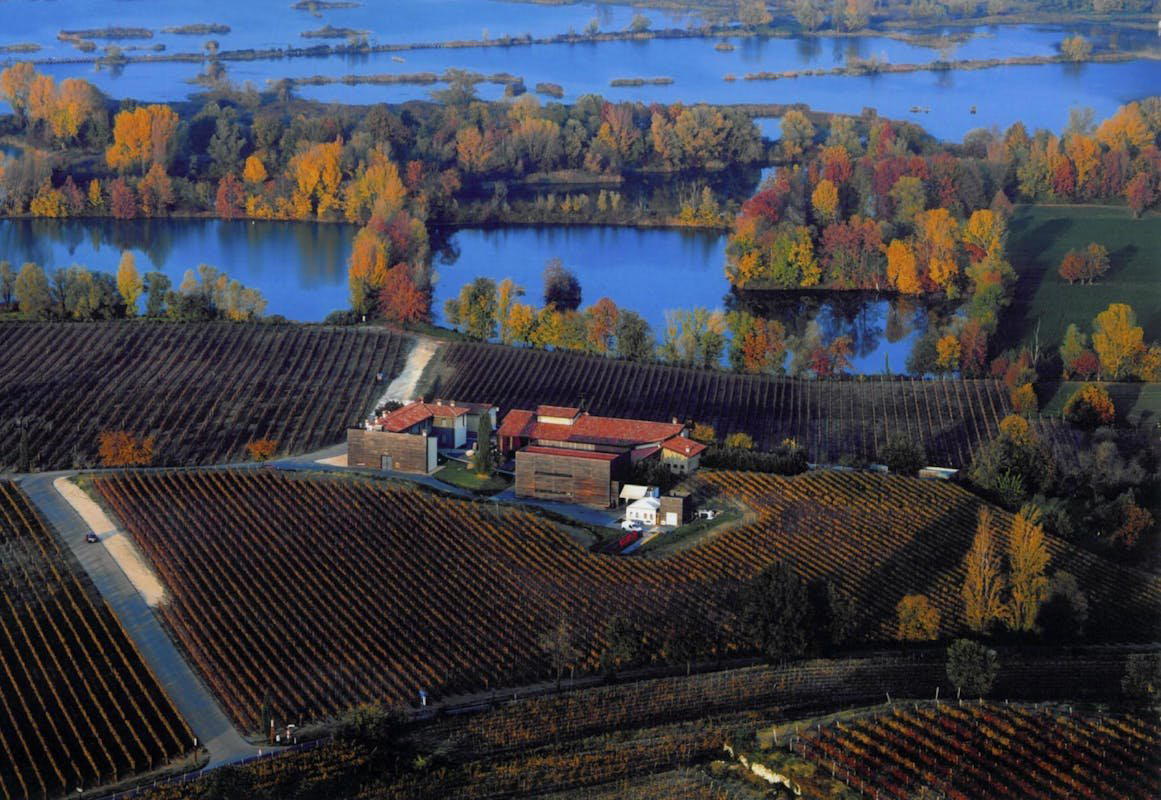
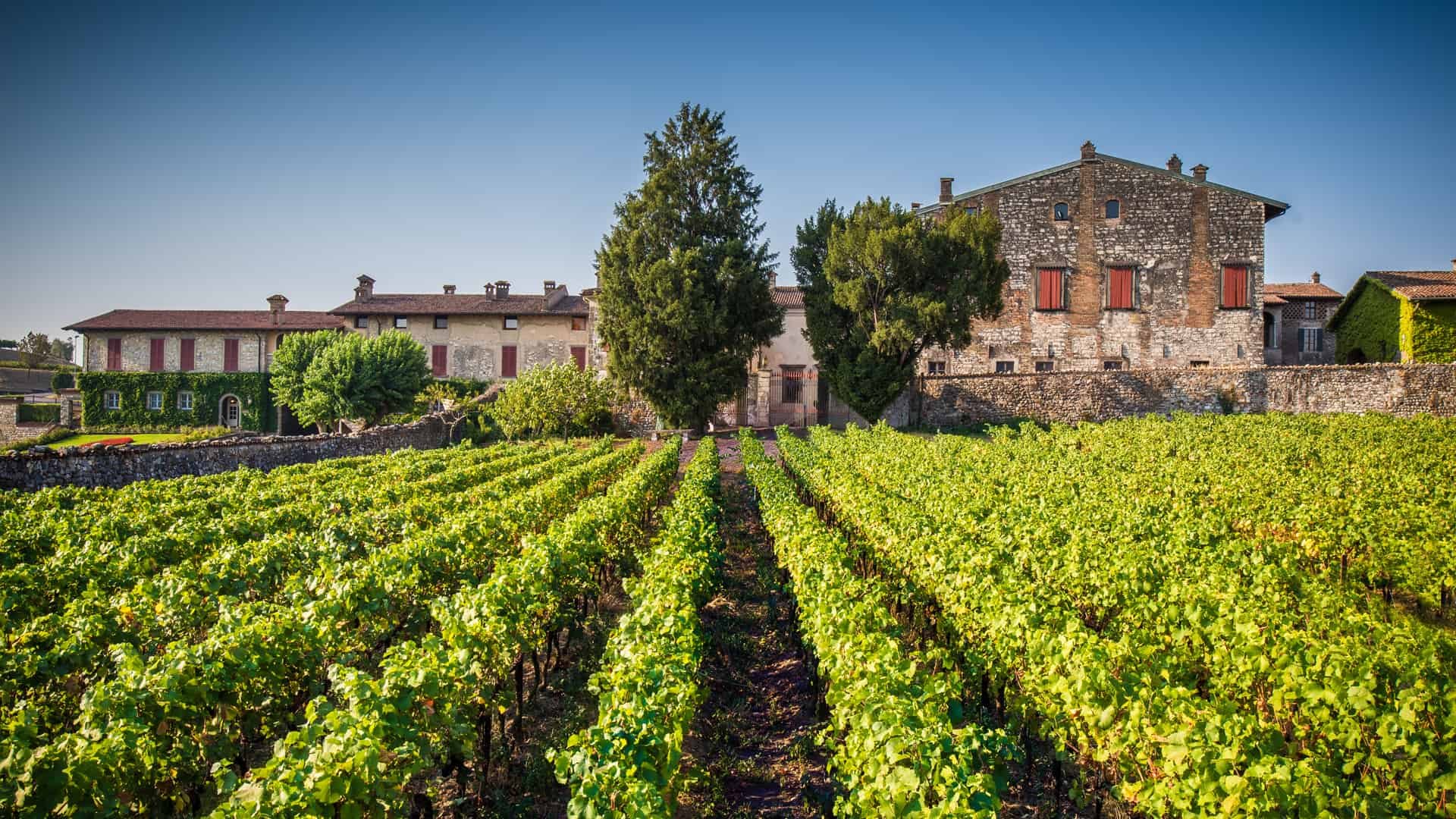
The original agricultural bones of an old hay barn frame the dining room, but the register is countryside elegance rather than rural informality: recognition notes describe service as precise and considered. The Franciacorta vineyard setting provides the backdrop, which means the exterior calm is very much part of the experience.
What's Vivilo known for in terms of accolades?
Vivilo has received recognition including: An old hay barn has been converted into this elegant restaurant offering impeccable service and delicious cuisine with a focus on classic dishes, including a vegetarian menu, an excellent cheese trolley and not-to-be-missed desserts. In oth….
What should I order at Vivilo?
The cheese trolley and the dessert programme are the two elements specifically flagged in Vivilo's recognition notes, so both warrant the full treatment rather than a skip. The kitchen also maintains a dedicated vegetarian menu, making it worth requesting alongside the main carte when booking.
Quick Comparison
Comparable venues nearby, for context on price, style, and recognition.
| Venue | Cuisine | Price | Awards | Notes |
|---|---|---|---|---|
| ViviloThis venue (the venue you are viewing) | Modern Italian Fine Dining | Not listed | Michelin Plate | Not listed |
| Locanda dei Cantù | Traditional Lombard Mountain Italian | Not listed | Michelin Plate | Carona |
| Le Filiale | Modern Neapolitan Pizza | $30–50 | Not listed | Erbusco |
| Forme Restaurant | Modern Italian Fine Dining | Not listed | Michelin Plate | Brescia city center |
| Innocenti Evasioni | Modern Italian Fine Dining | $50–100 | Michelin Plate | Parco Sempione |
| Fourghetti | Contemporary Italian Fine Dining | Not listed | Michelin Plate | Tibaldi |
Recognition history
Dated appearances from independent guides and award organizations, with the underlying list record or original source where available.
Michelin Plate
Michelin
Continue exploring
More in Corte Franca
Restaurants in Corte Franca
All restaurants in Corte Franca →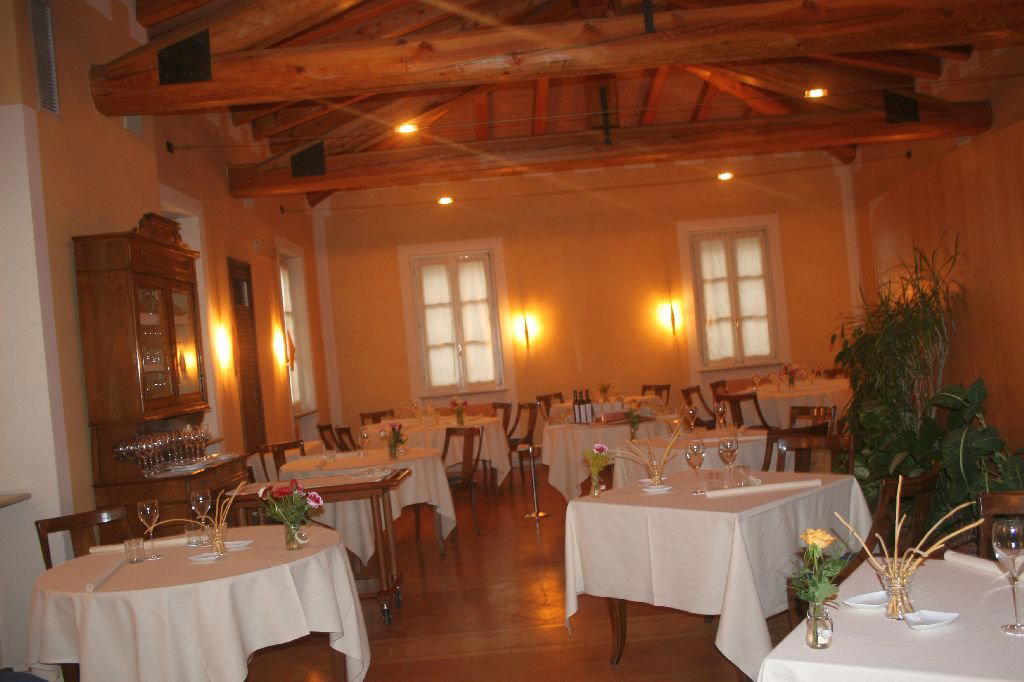
Bars in Corte Franca
Browse all →
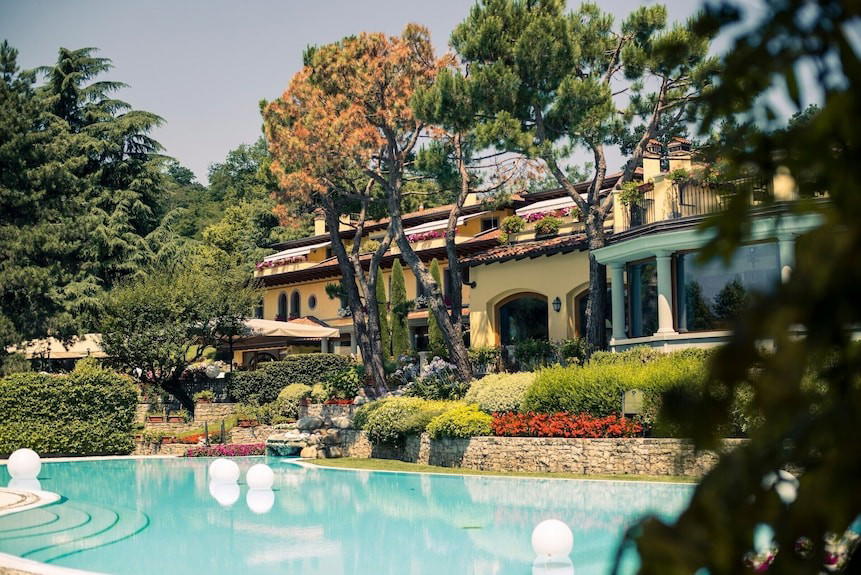
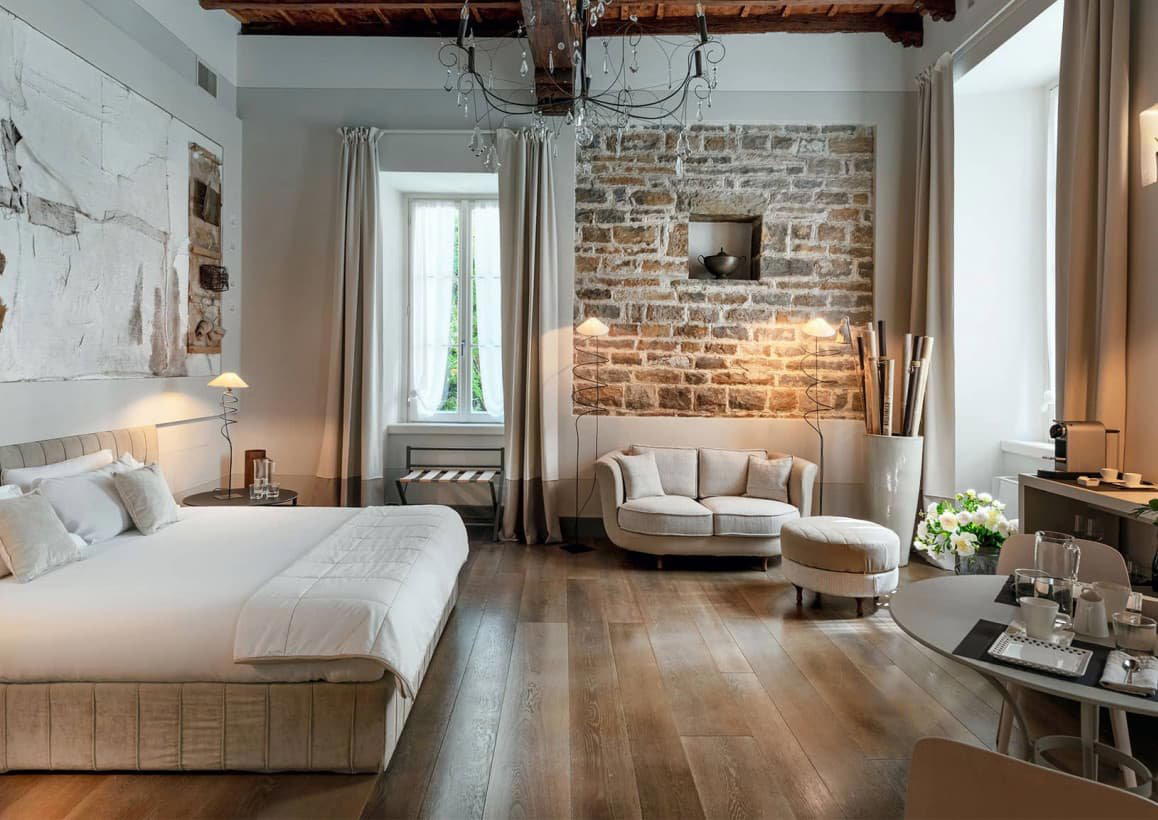
Hotels in Corte Franca
Browse all →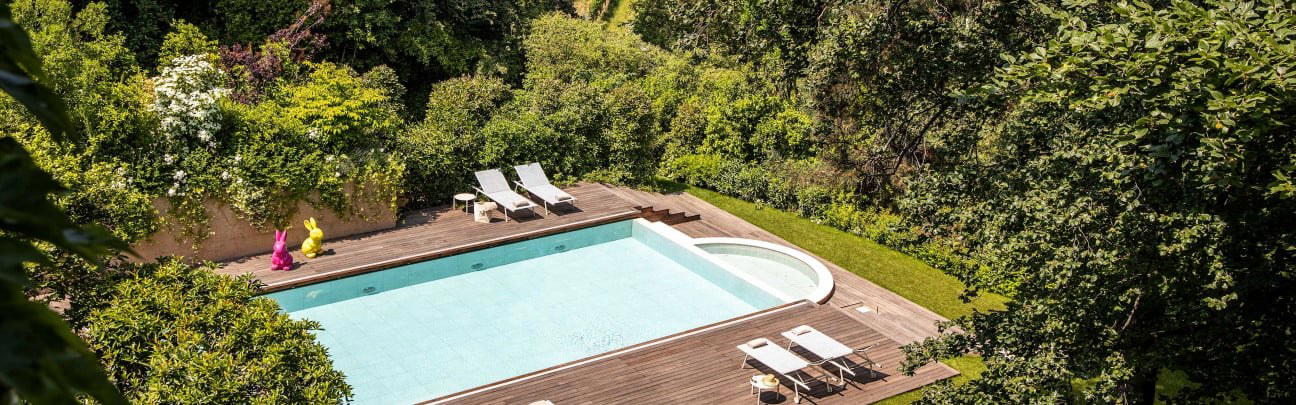
Vivilo
The wine
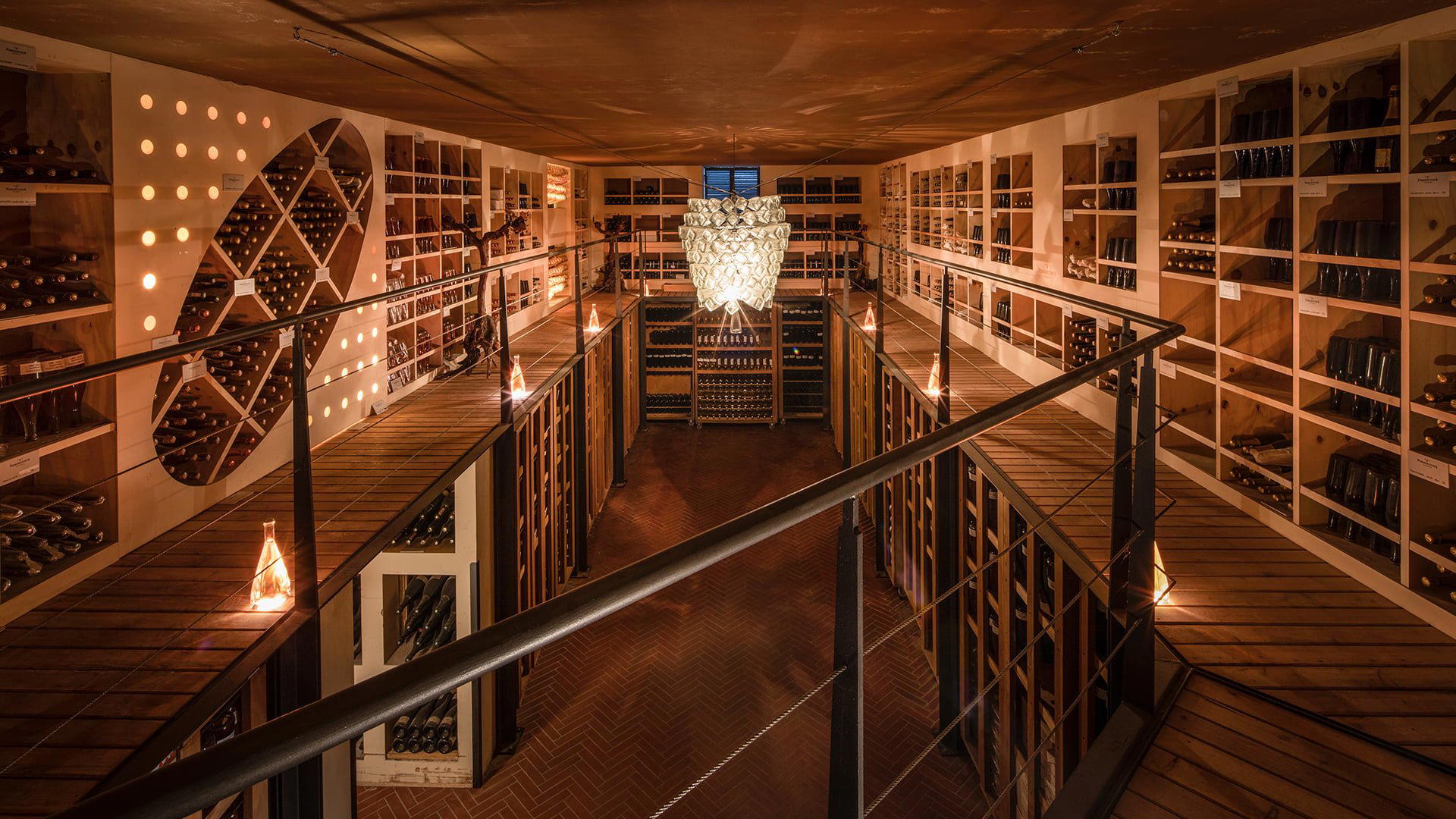
- Wine program
- Deep wine list
- Extensive wine list
- Sommelier-led
Details
- Elegant
- Cozy
- Modern
- Romantic
- Scenic
- Date Night
- Special Occasion
- Group Dining
- Celebration
- Terrace
- Open Kitchen
- Extensive Wine List
- Sommelier Led
- Local Sourcing
- Vineyard
- A La Carte
- Tasting Menu
- Franciacorta Wines
- Vegetarian Friendly
- Vegan Options
Current opening hours
- Monday
- Closed
- Tuesday
- Closed
- Wednesday
- 7:30–10 PM
- Thursday
- 7:30–10 PM
- Friday
- 7:30–10 PM
- Saturday
- 12:15–2 PM, 7:30–10 PM
- Sunday
- 12:15–2 PM, 7:30–10 PM
Hours can change for holidays and private events. Hours as of .
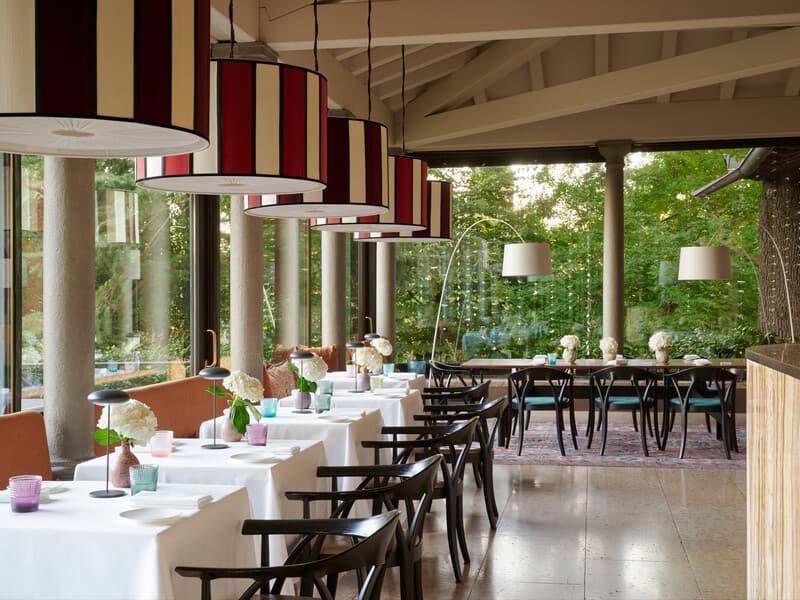
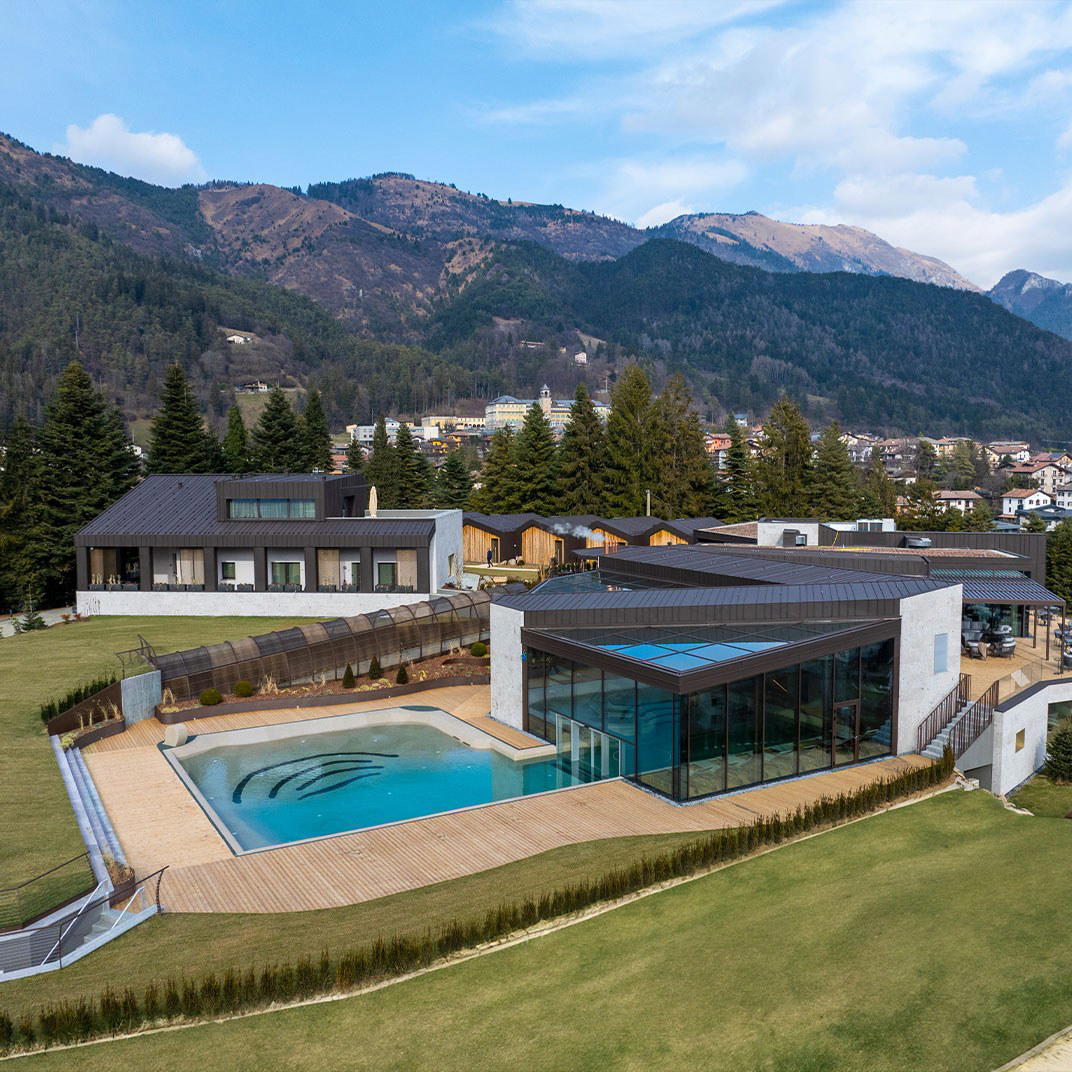
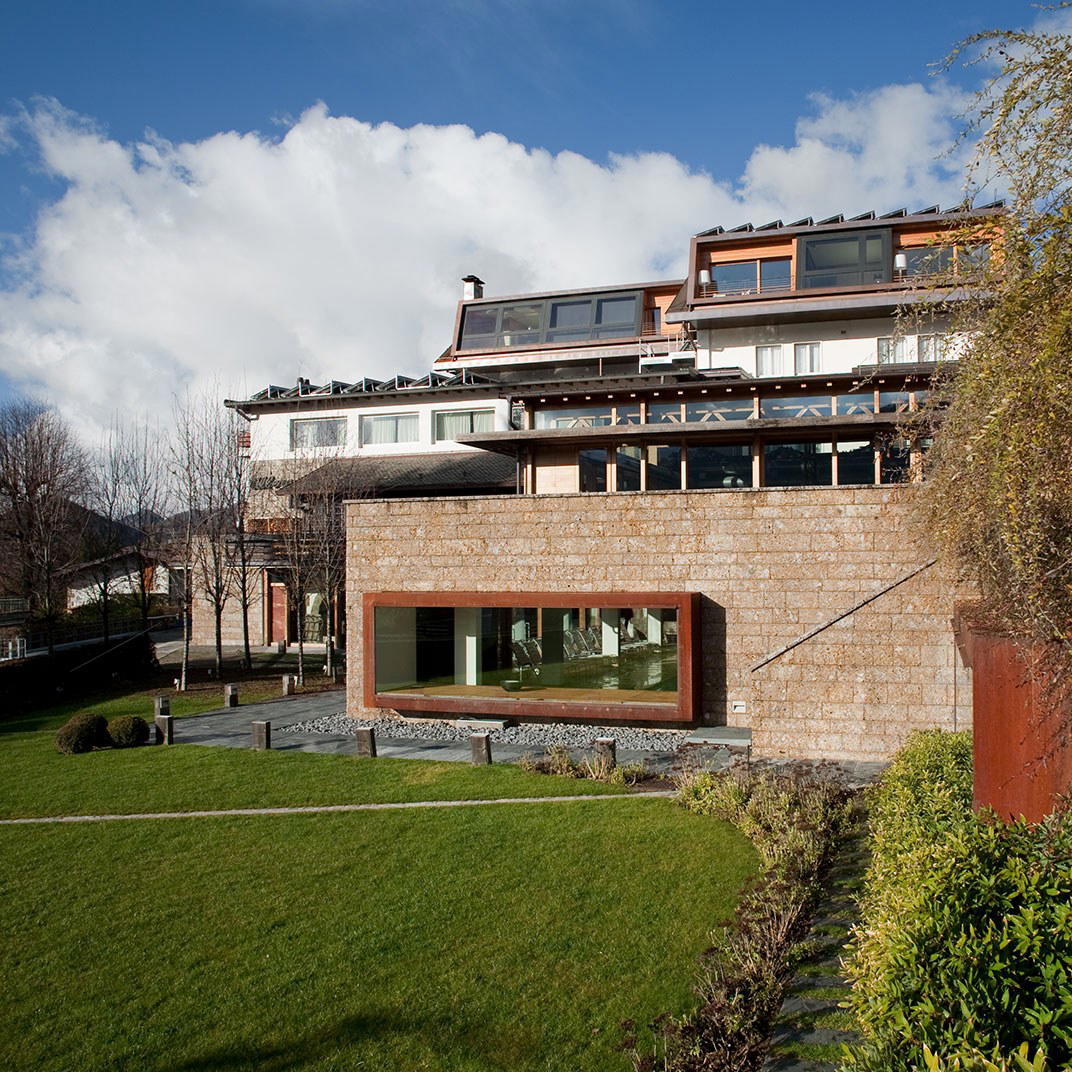
Warm, inviting, and elegant atmosphere with modern furnishings, large windows overlooking vineyards, and cozy indoor spaces enhanced by a fireplace.