
Falstaff Winery - Listed
Corte Fusia is a small Franciacorta DOCG estate in Coccaglio, rooted in Monte Orfano’s rocky, calcareous slopes rather than the flatter parts of the appellation. The draw is terroir-led sparkling wine: estate fruit, classic-method production, and a compact portfolio that includes Brut, Satèn, Rosé, single-vineyard bottlings, and Riserva.

Pearl is the En Primeur Club membership app — saves, bookings, and concierge access live there. Same editors, same standards.
- Address
- Coccaglio, Lombardia, Italien
- Directions
- Get directions

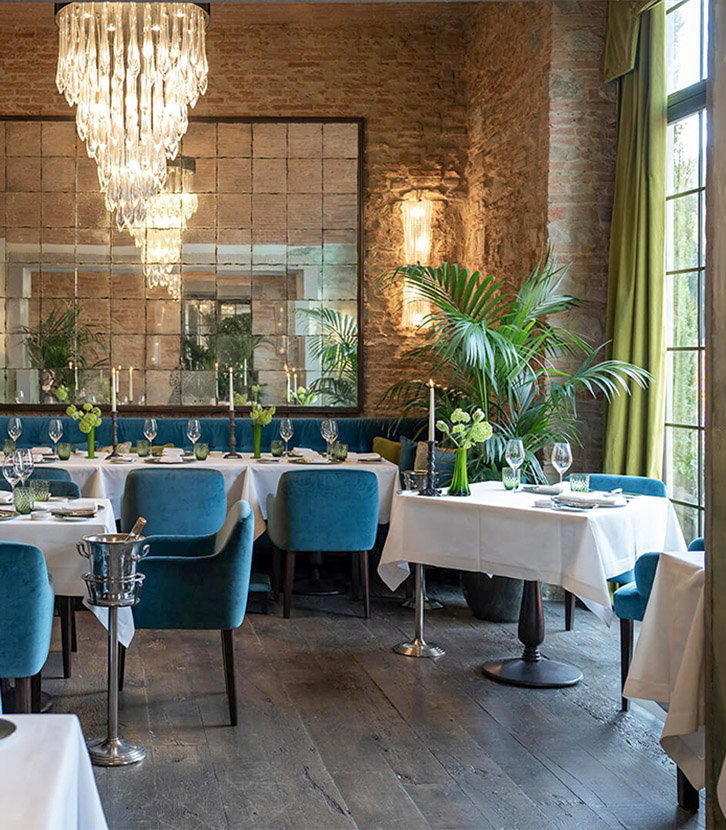
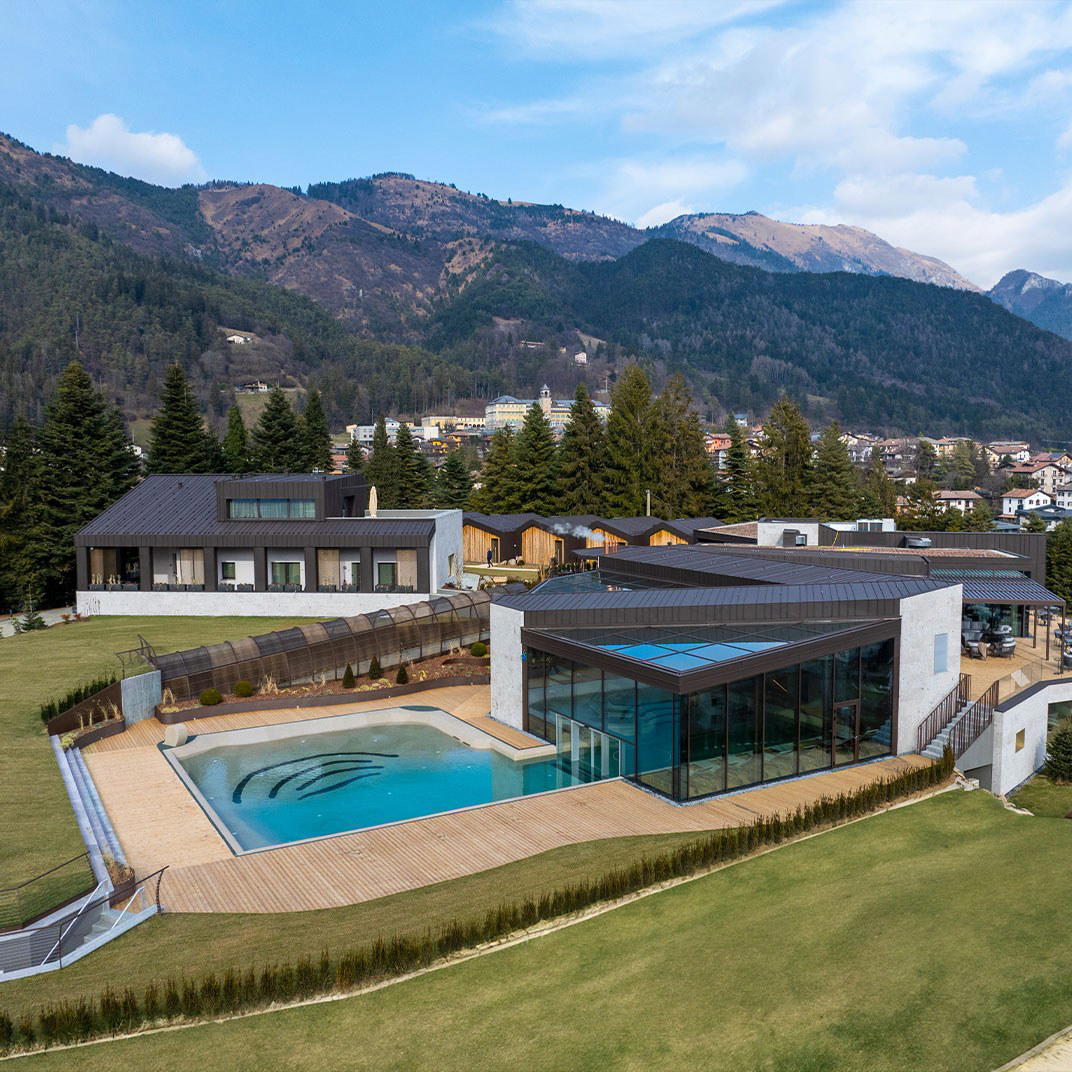
Corte Fusia in Coccaglio is best understood as a small, terroir-focused winery on Monte Orfano. The picture is quiet and understated rather than showy: a production-driven place set in a renovated 17th-century palace, with a historic, intimate, rustic atmosphere. Nothing in the available description suggests a venue built around spectacle, scale, or a heavily packaged visitor experience. Instead, the appeal sits in the combination of setting, age, and winemaking focus: a place where the building, the hill, and the work of the winery form the main story.
What is clear is the character of the venue: a hidden-gem winery where the setting and the work of production matter more than spectacle. For visitors, that means expectations should be calibrated toward simplicity and attention rather than polish for its own sake. Corte Fusia reads as the kind of address where the interest comes from being close to the source, in a setting that feels particular to Coccaglio and to Monte Orfano, rather than from a broad hospitality concept layered over the winery.
Monte Orfano gives the visit its context
Monte Orfano is central to the identity of Corte Fusia. The winery’s description points to a terroir-focused approach, so the place is most compelling for visitors who care about landscape, origin, and a quieter sense of production. In that reading, Monte Orfano is not just a backdrop or a convenient location. It is part of how the winery should be understood: the visit is framed by place, and the character of the place gives the experience its texture.
This is important because a terroir-focused winery asks to be read differently from a generic stop. The emphasis is not simply that wine is made there, but that the setting helps explain why the winery matters. For travellers who like to connect a bottle, a cellar, or a tasting context to a specific landscape, Corte Fusia’s position on Monte Orfano is the main point of orientation. The quieter the presentation, the more that sense of origin becomes the centre of the visit.
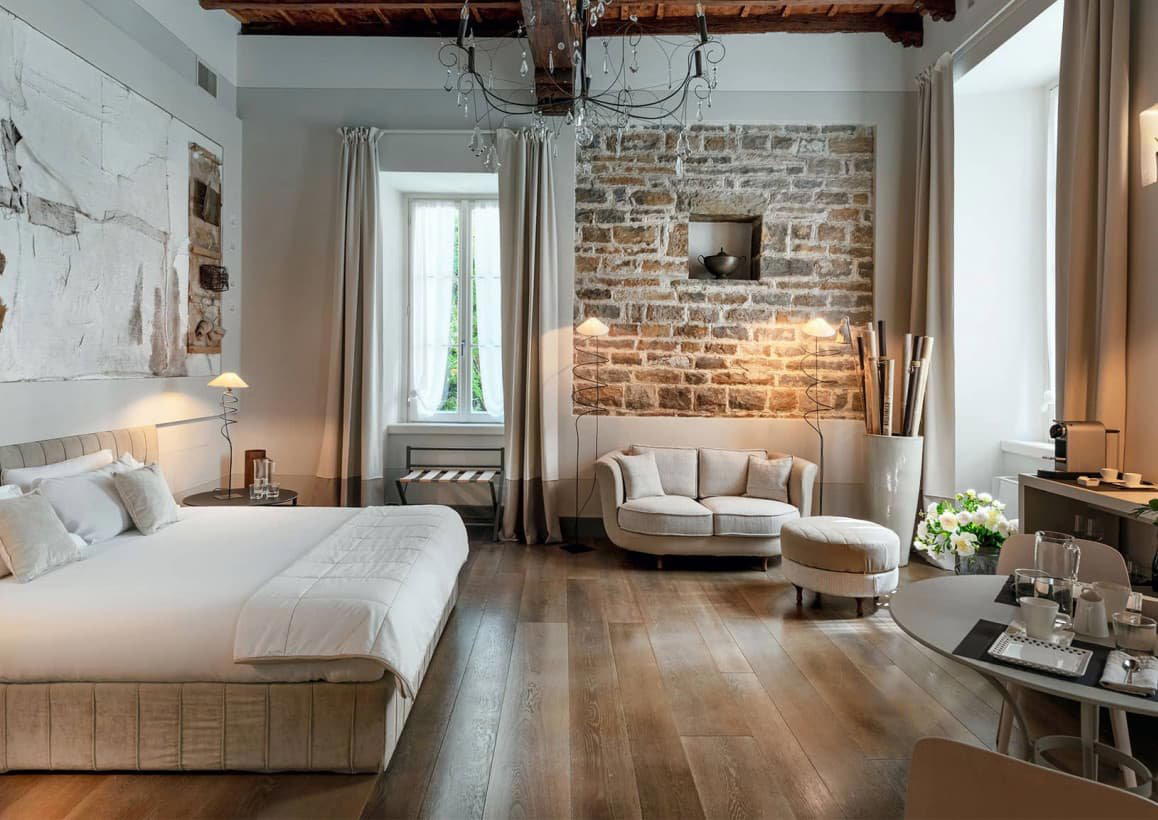
The renovated 17th-century palace adds a historic frame, but the atmosphere is not positioned as grand or formal. It is intimate, rustic, and hands-on, with the emphasis on the winery itself rather than on a broad hospitality concept. The building gives the address a sense of age and rootedness, while the renovated character keeps the description grounded in present use. That balance matters: the palace is part of the atmosphere, but it does not turn the venue into a monument detached from production.
The experience is quiet, intimate, and production-driven
Corte Fusia is a better fit for travellers seeking a low-key winery setting than for those looking for a large, highly programmed venue. The confirmed mood is quiet and hidden-gem in character, with a hands-on and understated feel. This makes it especially suitable for visitors who prefer a smaller sense of scale, where the draw is not a long list of amenities but the possibility of engaging with a winery that presents itself through place and production.
The phrase production-driven is useful here because it keeps the focus where it belongs. Corte Fusia is not described primarily as a restaurant, resort, events venue, or panoramic destination. Its identity is that of a winery, and the experience should be understood through that lens. The rustic and intimate qualities reinforce the same point: this is a setting where the work of wine production is part of the atmosphere, not something hidden behind a more generic visitor-facing layer.
The price level is listed as $$, which gives a general sense of positioning without confirming any specific tasting fee, bottle price, or package. For current practical details, visitors should confirm directly with the winery. The safest interpretation is that $$ signals a moderate general category, not a promise of a particular cost or structure.
Within Coccaglio, Corte Fusia stands out for its historic setting on Monte Orfano and its terroir-focused identity. Other dining or travel planning in Coccaglio can be considered separately, but the draw here is the winery’s intimate production atmosphere. It works well as a focused stop for people who already know they want a winery experience shaped by place, rather than as a catch-all destination expected to solve every part of an itinerary.
How to read it against Italian winery travel
Coccaglio rewards a focused itinerary, and Corte Fusia suits that kind of travel. Rather than treating it as a checklist stop, it is better approached as a small winery with a strong sense of place, a historic building, and a restrained, production-led atmosphere. In the wider context of Italian winery travel, that restraint is part of the appeal. Not every worthwhile visit needs to be expansive or theatrical; some are more convincing because they remain close to their own scale.
That is the most useful way to read Corte Fusia: not as a venue promising a fully scripted experience, but as an address whose value lies in its setting and its clarity of identity. The historic palace, the Monte Orfano location, the rustic tone, and the terroir-focused description all point in the same direction. Visitors who respond to those cues are likely to understand the venue more naturally than those looking for a more formal or entertainment-led winery stop.
The practical read is simple: Corte Fusia is a $$ winery in Coccaglio, set in a renovated 17th-century palace on Monte Orfano. It is best described as quiet, intimate, rustic, and terroir-focused. Any details beyond that, including opening times, booking requirements, accessibility, languages, wine lineup, or visit format, should be confirmed directly with the venue. With those expectations in place, the appeal is clear and specific: a small winery setting where the sense of place carries much of the experience.
Recognition history
Dated appearances from independent guides and award organizations, with the underlying list record or original source where available.
Falstaff Winery - Listed
Falstaff
Continue exploring
More in Coccaglio
Wineries in Coccaglio
Browse all →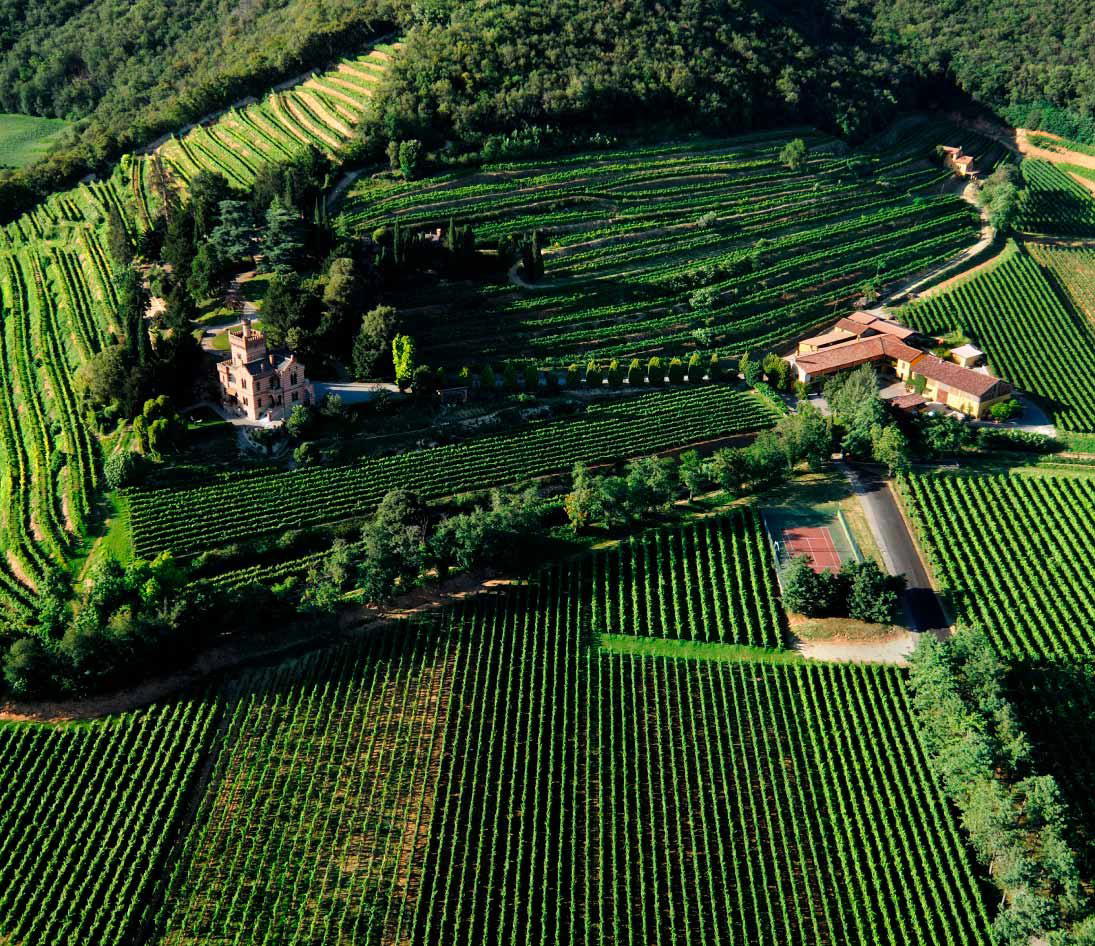
Bars in Coccaglio
Browse all →
Restaurants in Coccaglio
Browse all →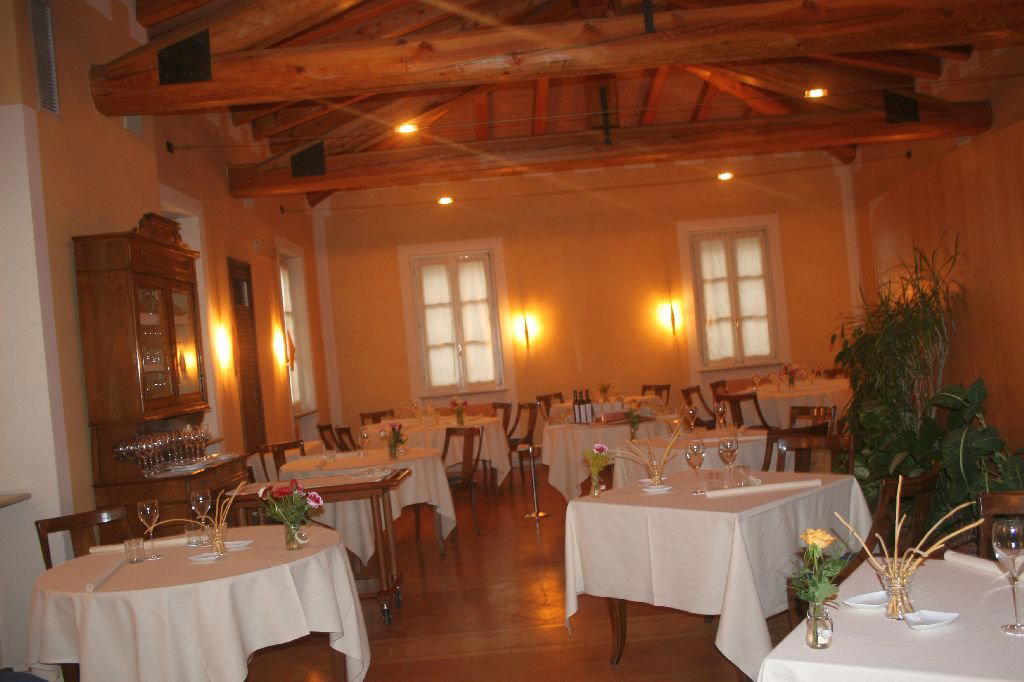
Details
- Quiet
- Historic
- Intimate
- Rustic
- Solo Exploration
- Special Occasion
- Wine Education
- Historic Building
- Private Tasting
- Design Destination
- Vineyard Tour
- Sustainable
- Vineyard
- Chardonnay
- Pinot Noir
- Pinot Blanc
- Sparkling
- Guided Tasting
- Appointment Only Cellar Visit
- English
- Italian
A small, terroir-focused winery in a renovated 17th-century palace on Monte Orfano, with a hands-on, understated, and production-driven atmosphere.