La Fleur de Sel
On Rue St Jean du Pérot, steps from La Rochelle's old harbour, La Fleur de Sel occupies the quieter, mid-register tier of a port city whose dining scene has long been shaped by Atlantic seafood. The menu draws on the same coastal larder that defines the region, read through a French classical lens that sits between the neighbourhood bistro and the full tasting-counter format.
Pearl is the En Primeur Club membership app — saves, bookings, and concierge access live there. Same editors, same standards.
- Address
- 45 Rue St Jean du Pérot, 17000 La Rochelle, France
- Phone
- +33546411706
- Website
- lafleurdesel-larochelle.com
- Directions
- Get directions
 Saves & bookings on Pearl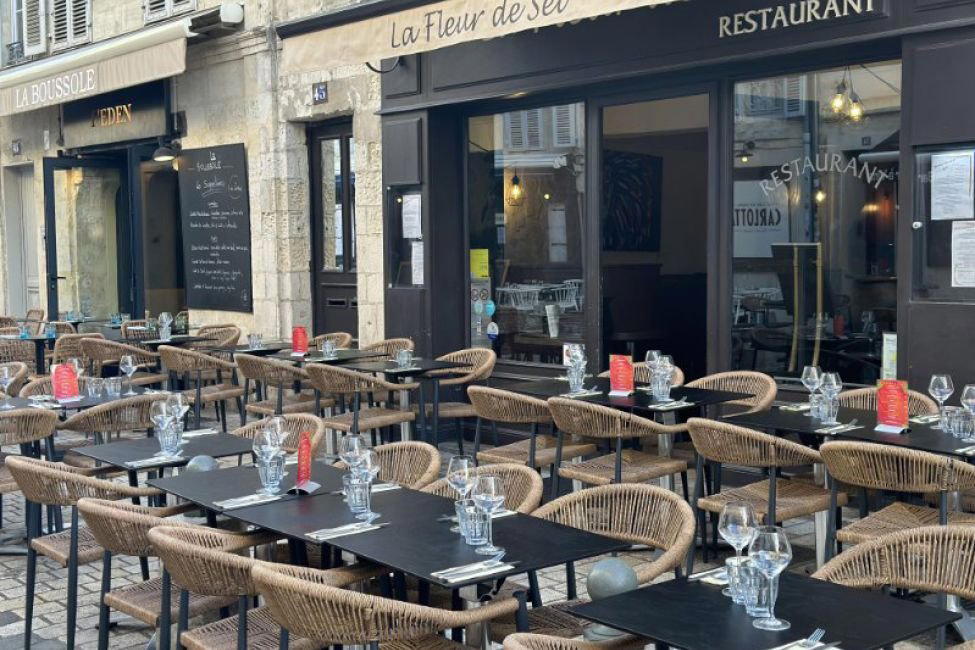
A Port City and Its Table
La Rochelle's dining character is shaped, above almost anything else, by proximity to water. The Charente-Maritime coast delivers oysters from Marennes-Oléron, sole, sea bass, and crustaceans that arrive in kitchens within hours of landing. That proximity has produced a local restaurant culture with a strong bias toward seafood, ranging from the harbour-front bistros serving moules-frites to the formal upper tier anchored by Christopher Coutanceau, whose three Michelin stars mark the ceiling of the city's gastronomic ambition. Between those poles, a cluster of mid-register addresses has established itself on the streets running back from the Vieux-Port, where the tourist traffic thins and the clientele skews more local. La Fleur de Sel, at 45 Rue St Jean du Pérot, sits in that band.
Rue St Jean du Pérot runs roughly parallel to the harbour, close enough to feel the Atlantic light in the morning but shielded from the noise of the quayside. The street belongs to a pocket of La Rochelle that retains a working neighbourhood character, where restaurant addresses have survived partly because they serve a repeat local clientele rather than depending on seasonal visitor volumes. That dynamic tends to produce menus with more discipline: kitchens that know their regulars are harder to distract with novelty for its own sake.
How the Menu Is Built
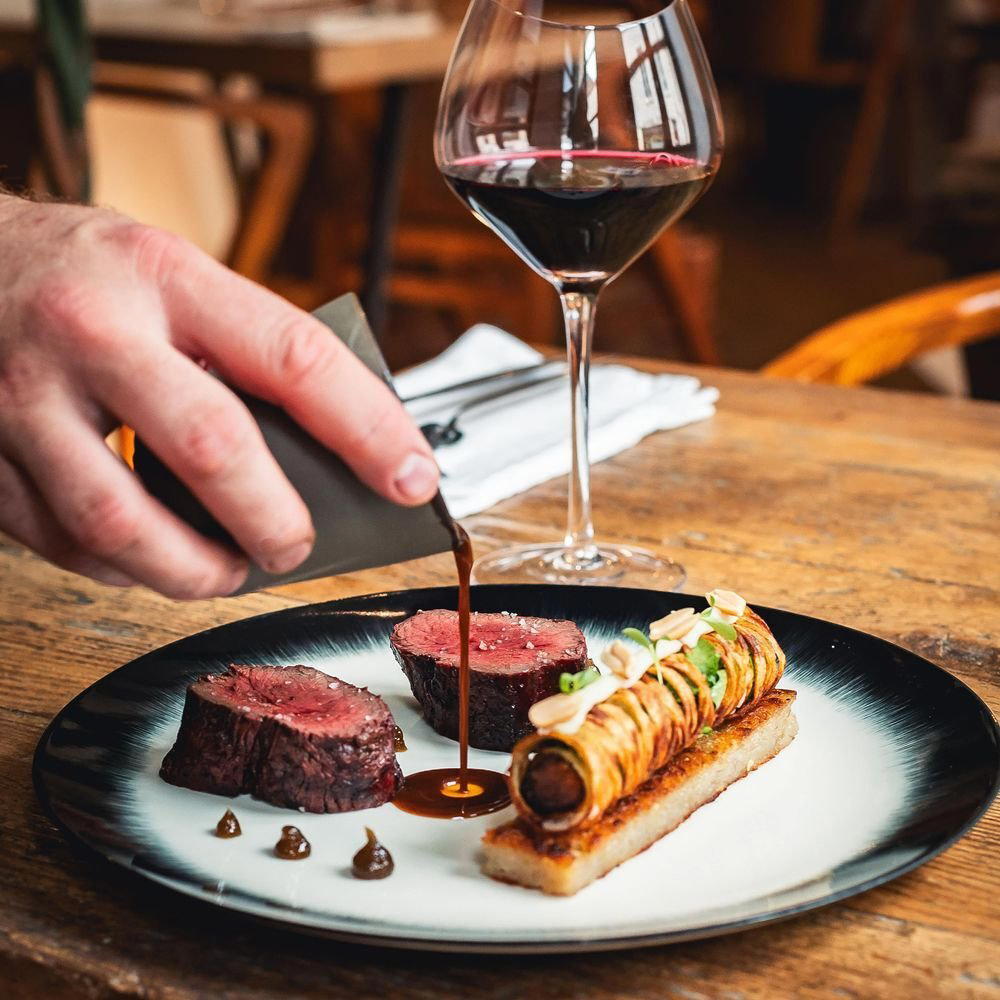
French restaurant menus in this price tier and in this coastal context typically follow a logic that is worth understanding before you sit down. The structure is usually a classical entrée-plat-dessert progression, with the protein course built around whatever the day's suppliers have delivered. In a city like La Rochelle, that means the fish section of a menu carries editorial weight: it is where a kitchen signals its sourcing relationships, its technique, and its level of ambition. The vegetable and meat sections act as counterpoints, giving the menu range and providing options for the table that does not eat seafood.
At the mid-register level occupied by addresses like La Fleur de Sel, the menu architecture tends to be concise rather than sprawling. Where a destination restaurant such as Mirazur in Menton or Flocons de Sel in Megève might present extended tasting sequences with multiple amuse-bouches and intermezzo courses, a neighbourhood address in provincial France typically offers a shorter carte or a fixed menu with two or three choices per course. That compression is a feature, not a limitation: it reflects what the kitchen can execute at its leading on a given day, and it produces a more coherent meal than a long carte stretched across seasonal boundaries.
The name itself, fleur de sel, points to a particular sensibility. Fleur de sel is harvested by hand from the salt marshes of the Charente-Maritime, specifically around the Île de Ré just off La Rochelle's coast. It is a finishing salt, added at the last moment rather than cooked in, which implies an awareness of texture and of how flavour registers in the final bite. As a kitchen philosophy signal it is modest but deliberate: this is a place that thinks about the last touch, not just the main event. Compare that positioning with the more technique-driven framework you find at addresses like AM par Alexandre Mazzia in Marseille or the long-established institution model of Auberge de l'Ill in Illhaeusern, and La Fleur de Sel's positioning becomes clearer: it is not chasing awards or experimentation, but a specific kind of refined consistency.
Where It Sits in La Rochelle's Dining Picture
La Rochelle's restaurant scene has diversified beyond its seafood-first reputation, with addresses like Annette operating in the modern cuisine register at the more accessible price point, and Arco and Arkham bringing different stylistic energy to a city that is younger and more port-cosmopolitan than its size might suggest. André contributes another node to the mid-range offer. In that context, the restaurant competes in a tier where the value proposition depends on execution and consistency over concept: diners at this level are not paying for a theatrical format or a celebrated name, but for a reliably good meal built from good ingredients in a room that does not demand performance from them.
That is a different competitive logic from the formal end of the market. At Christopher Coutanceau, the three-star context sets expectations that shape every element of the experience. At the mid-register, the reader-critic relationship with a restaurant is quieter and more practical. You are not there to be impressed by ambition; you are there to eat well without the ceremony. French provincial restaurants at this level have historically been the backbone of the country's dining culture, connecting daily life to good cooking in a way that the destination-tasting-menu format, for all its interest, cannot replicate. Houses like Bras in Laguiole or Troisgros in Ouches operate at an entirely different altitude, as do Alléno Paris au Pavillon Ledoyen, Paul Bocuse's Auberge du Pont de Collonges, and Assiette Champenoise in Reims, but they all emerged from the same tradition of serious French kitchens anchored in their regions. The restaurant operates closer to the base of that pyramid, where the cooking has to justify itself on its own terms rather than on reputation.
Planning a Visit
The restaurant is at 45 Rue St Jean du Pérot in La Rochelle's central arrondissement, walkable from the Vieux-Port. The street is close to the harbour. Reservations are recommended year-round. For international reference points at the formal end of seafood-focused French fine dining, Le Bernardin in New York City and Atomix offer a sense of how the classical seafood tradition translates into a tasting-counter format, while Au Crocodile in Strasbourg illustrates how a French regional institution carries its weight over time.
Recognition Snapshot
Comparable venues nearby, for context on price, style, and recognition.
| Venue | Cuisine | Price | Awards | Notes |
|---|---|---|---|---|
| La Fleur de SelThis venue — the venue you are viewing | French Coastal Bistro | $$$ | Not listed | Not listed |
| Verre Bouteille | Modern French Bistro | $$$ | Not listed | Saint-Nicolas |
| Marah | Modern French Bistro | $$$ | Not listed | Cougnes |
| Nouche | Modern French Bistro | $$$ | Not listed | centre historique |
| Opaline | Modern French Gastropub | $$$ | Michelin Plate | null |
| Boute en Train | Traditional French Bistro | $$ | Not listed | Centre Ville |
Continue exploring
More in La Rochelle
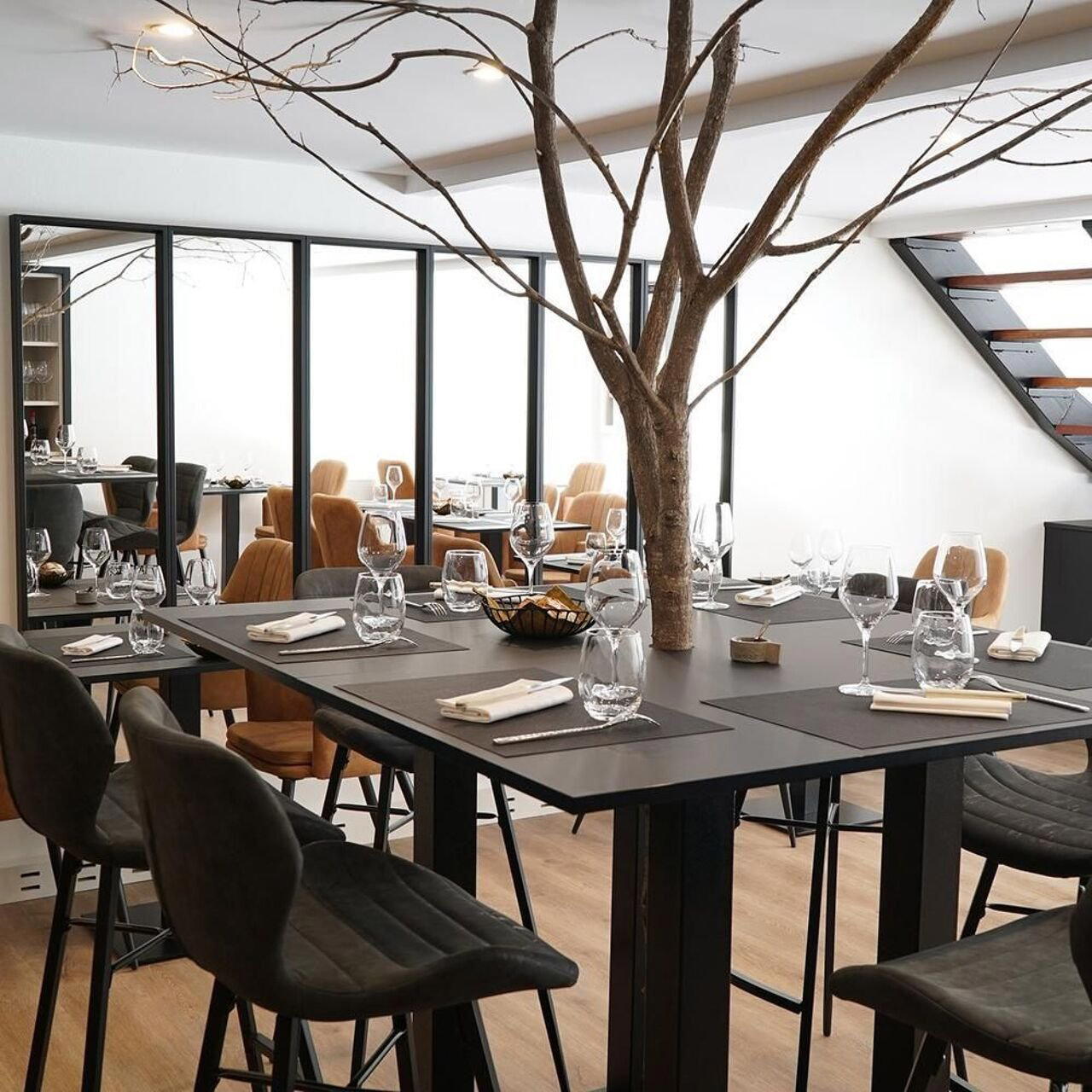
Restaurants in La Rochelle
Browse all →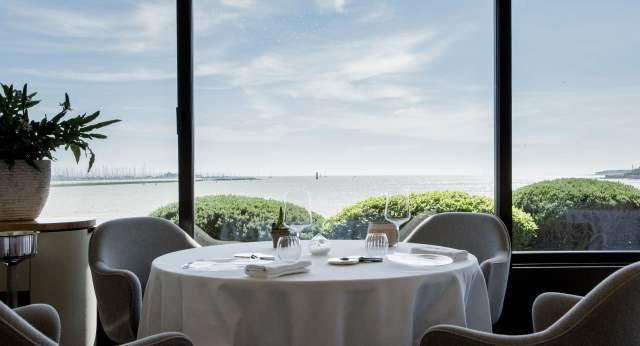
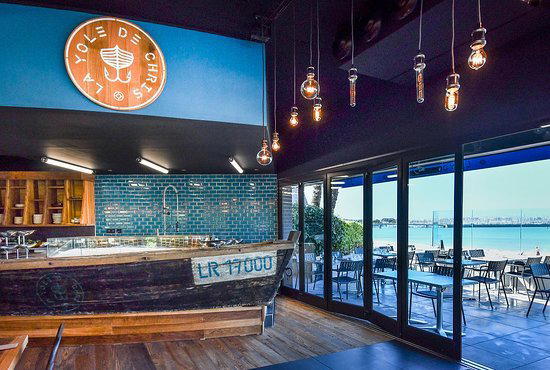
Bars in La Rochelle
Browse all →
At a Glance
- Elegant
- Cozy
- Sophisticated
- Date Night
- Special Occasion
- Standalone
- Extensive Wine List
- Local Sourcing
Current opening hours
- Monday
- 12–2 PM, 7–10 PM
- Tuesday
- 12–2 PM, 7–10 PM
- Wednesday
- 12–2 PM, 7–10 PM
- Thursday
- 12–2 PM, 7–10 PM
- Friday
- 12–2 PM, 7–10 PM
- Saturday
- 12–2 PM, 7–10 PM
- Sunday
- 12–2 PM, 7–10 PM
Hours can change for holidays and private events. Last verified .
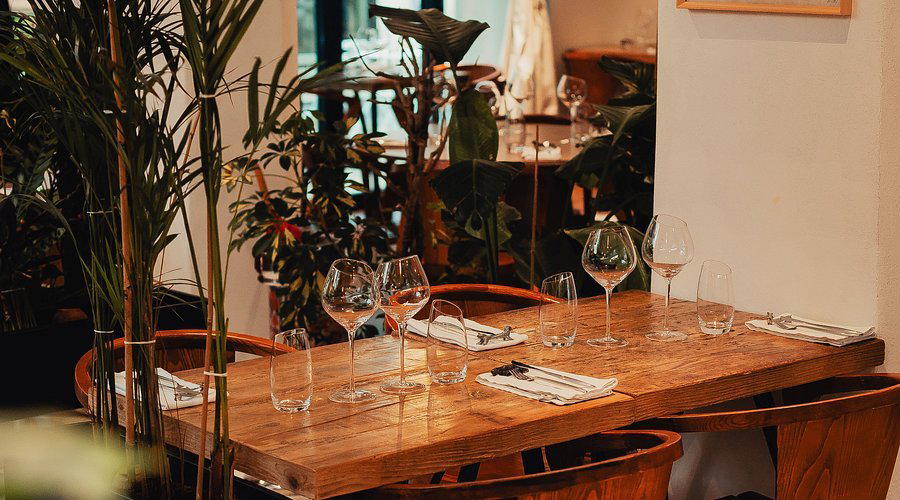
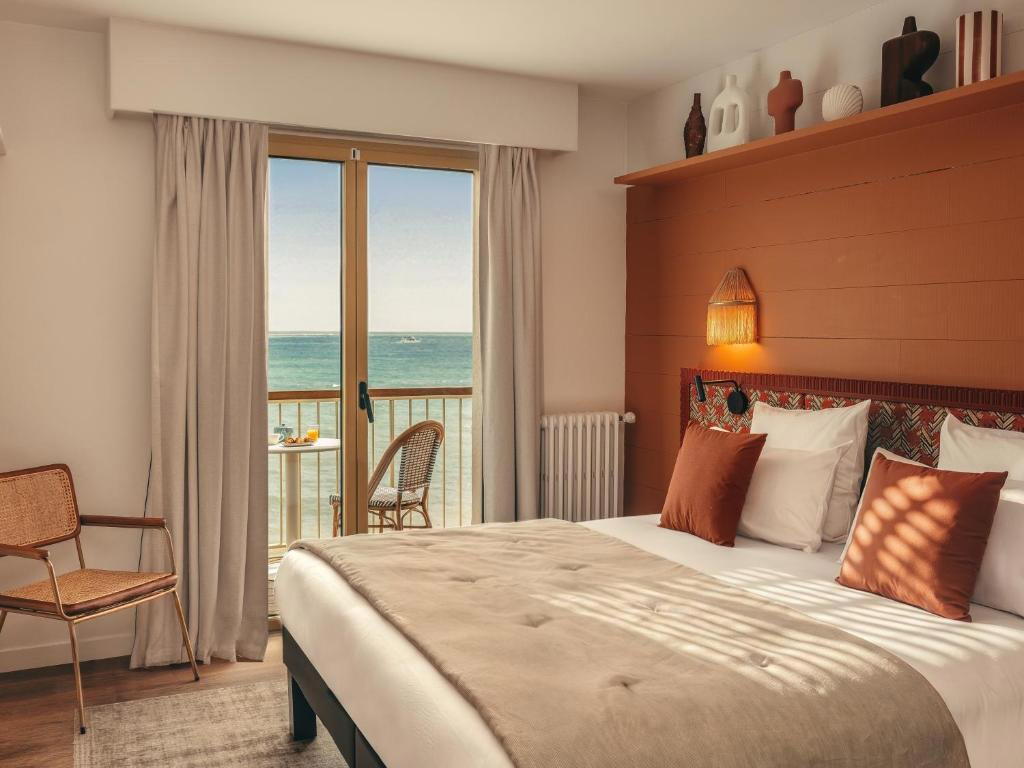
Charming and relaxed atmosphere with a welcoming, unpretentious vibe.