Uberto Restaurant

Uberto Restaurant brings creative cooking to Gay, Georgia through the lens of regional produce and an all-inclusive Quercus format. The draw is not big-city dining theater, but a smaller Southern setting where Chef Ryan Smith’s terroir-led cooking gives the meal its editorial weight.
Pearl is the En Primeur Club membership app — saves, bookings, and concierge access live there. Same editors, same standards.
- Address
- 208 Caldwell Street
- Phone
- +1 (770) 884 - 4434
- Website
- resy.com
- Directions
- Get directions
 Saves & bookings on Pearl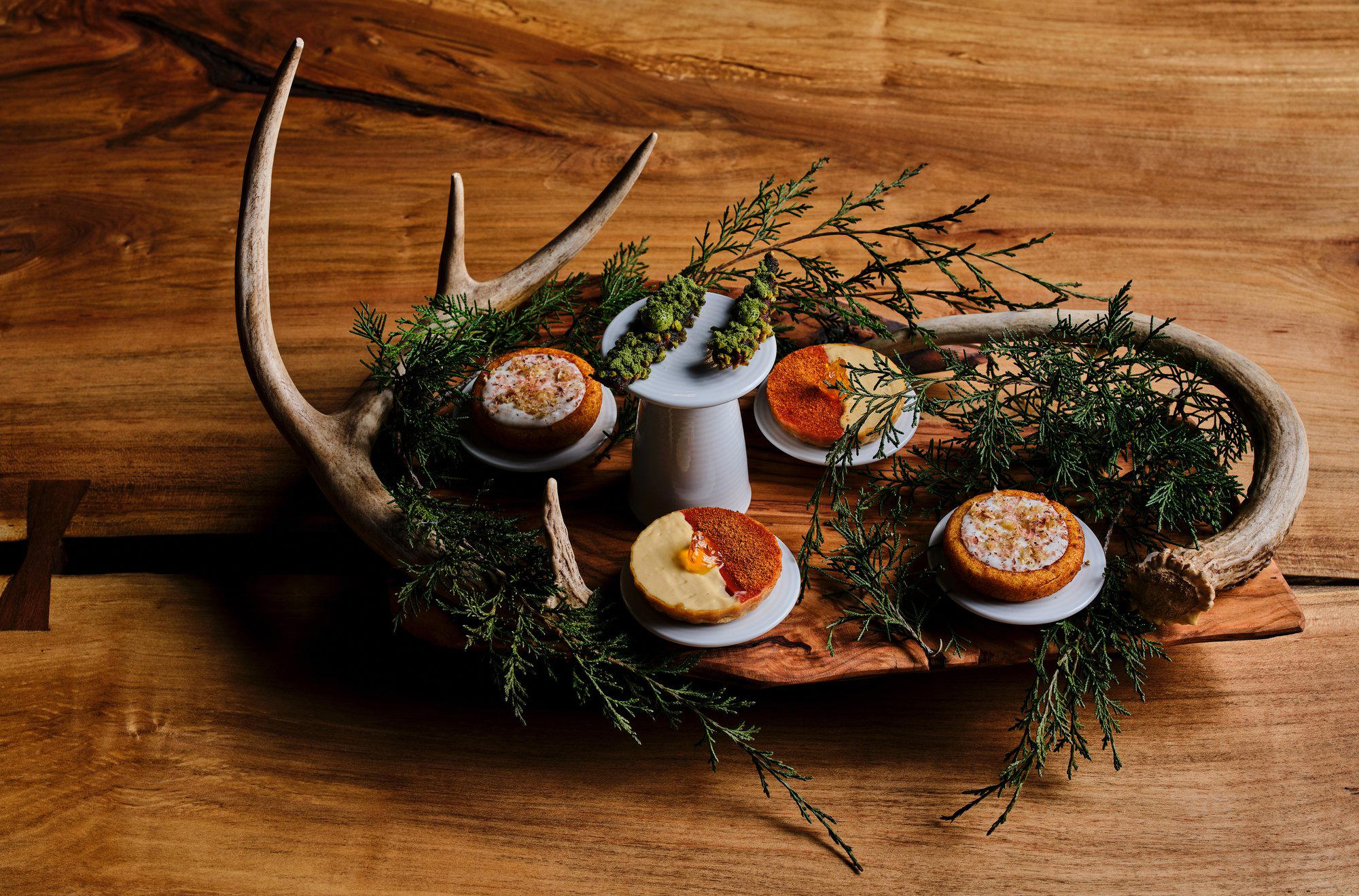
Gay, Georgia does not announce itself with the usual restaurant-city signals: no dense downtown dining grid, no hotel-lobby procession, no late-night corridor of competing counters. The approach is quieter, and that matters. In a small town, creative cooking has less room to hide behind format and more pressure to justify itself through place, produce, and point of view. Uberto Restaurant belongs to that more exacting category, where the meal’s interest depends on how convincingly a kitchen can translate local agricultural character into a composed dining experience.
That context is the useful way to read the restaurant. Creative cooking in rural Georgia is not the same proposition as creative cooking in Atlanta, Charleston, or New York. The surrounding market changes the stakes. A terroir-led kitchen here has to work against assumptions that ambitious tasting formats belong only in large cities, while also avoiding the opposite trap: treating farm proximity as a complete idea. The stronger version uses the region as raw material, not decoration.
Creative cooking tied to Georgia terroir
The restaurant’s critical reputation rests on an innovative style of cuisine connected to terroir, with Chef Ryan Smith presenting that approach through an all-inclusive Quercus format. That wording is significant because it places the meal closer to a controlled, authored experience than to a casual à la carte stop. The point is not simply that farm-fresh produce appears on the plate. In contemporary American dining, almost every ambitious restaurant claims seasonal sourcing. The difference is whether the kitchen builds a coherent argument from it.
In Georgia, that argument has particular force. The state’s food identity is often discussed through barbecue, meat-and-three traditions, coastal seafood, Lowcountry overlap, and orchard or field crops. A creative kitchen working outside the state’s major restaurant centers can draw from those associations without being bound by them. That is where Smith’s role matters: chef details are useful here not as biography, but as a signal of authorship. The cooking is framed around a chef-led interpretation of produce and place rather than a generic upscale Southern template.
The all-inclusive format also changes how the meal should be judged. When a restaurant controls the arc of the experience, pacing, progression, and ingredient repetition become part of the critique. Diners are not merely choosing dishes; they are accepting a kitchen’s sequence. That can be a strength when the kitchen has a disciplined view of the region, because the meal can move beyond individual plates into a fuller reading of local seasonality. It can also expose weak ideas quickly. The format asks for trust, and trust has to be earned through clarity rather than abundance.
Why the setting changes the expectation
Small-town destination dining in the United States has become a distinct category. It differs from resort dining, where the hotel often supplies the audience, and from urban tasting rooms, where reservation scarcity can become part of the performance. In places like Gay, the setting strips away much of that noise. A restaurant has to be worth the detour on culinary terms, and the surrounding calm can sharpen attention on the plate.
That does not mean the experience should be read as rustic. Rural location and creative ambition are not opposing ideas. Some of the more interesting American food conversations now happen away from the largest markets, particularly where chefs can work closer to growers and where the dining room is not forced to chase the tempo of a major-city service economy. The risk is romanticizing geography. The reward is a meal that may feel more directly connected to its source material than a city restaurant importing the same ingredients as a statement of virtue.
For travelers, the practical decision is simple: this is a destination-style restaurant rather than a casual add-on between errands. The address places it in Gay, not in a dense visitor district, so the meal should be planned as the anchor of that part of the day. Families should think in terms of attention span and comfort with a chef-led meal, not just whether children are allowed.
How to place it in a wider itinerary
Uberto Restaurant is best understood as part of a broader shift in American regional dining: ambitious kitchens are no longer obligated to sit inside major metropolitan restaurant maps. That makes editorial context useful for planning. Readers building around Gay can start with Our full Gay restaurants guide, then widen the trip through Our full Gay hotels guide, Our full Gay bars guide, Our full Gay wineries guide, and Our full Gay experiences guide.
For readers tracing how place-led cooking looks across different settings, EP Club’s wider restaurant archive offers useful counterpoints: Jōdo Saké Bar in Los Angeles, Onigiri Time in Pasadena, ¿Por Qué No? in Portland, 'Ai Love Nalo in Waimanalo Beach, 'āina in San Francisco, 'Ama 'Ama in Kapolei, 'Dashery in Baltimore, 'inoteca in New York City, ‘O Munaciello in Miami, 'Olu Cafe in Lahaina, "Sancocho y Leña Steak and Grill Weston in Southwest Ranches, A-Bay Beach Bar, Creative cooking in Stari Grad, and Ars Vivendi, Creative cooking in Bad Laasphe.
The editorial case for Uberto is not built on spectacle. It is built on the harder proposition that a small Georgia town can support a serious, chef-led interpretation of local produce. That makes the restaurant more interesting than a novelty detour. It belongs in the conversation about how American regional dining is decentralizing, and how terroir becomes more persuasive when the kitchen has to prove it without the borrowed glamour of a major dining capital.
Comparable Venues Nearby
Comparable venues nearby, for context on price, style, and recognition.
| Venue | Cuisine | Price | Notes |
|---|---|---|---|
| Uberto RestaurantThis venue — the venue you are viewing | Farm-driven tasting menu with global influences | $$$$ | Not listed |
| MCK | Global Fusion Tapas | $$$ | Buckhead |
| Tiger Sun | Cocktail Omakase with Creative Small Bites | $$$ | Reynoldstown |
| Mistora | Southern-Spanish Fusion Tapas | $$$ | Midtown |
| Trader Vic's | Polynesian Fusion Tiki | $$$ | Downtown |
| Arnette's Chop Shop | Modern American Steakhouse | $$$$ | Brookhaven |
Recognition history
Dated appearances from independent guides and award organizations, with the underlying list record or original source where available.
Relais Chateaux Award
Relais Chateaux
Continue exploring
More in Gay
Restaurants in Gay
Browse all →
At a Glance
- Intimate
- Elegant
- Cozy
- Rustic
- Sophisticated
- Special Occasion
- Date Night
- Celebration
- Private Event
- Chefs Counter
- Garden
- Design Destination
- Standalone
- Extensive Wine List
- Craft Cocktails
- Farm To Table
- Local Sourcing
- Sustainable Seafood
- Garden
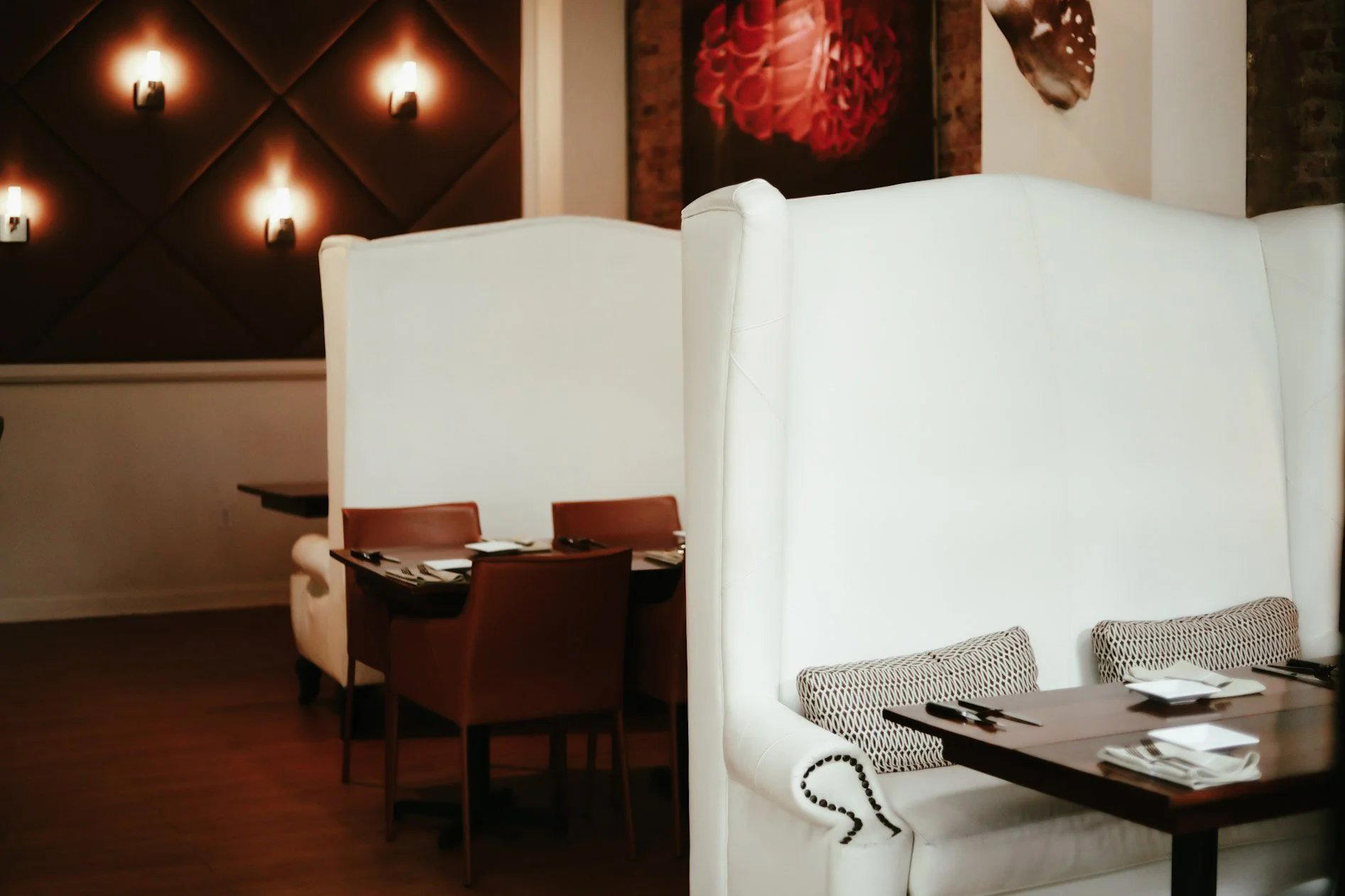
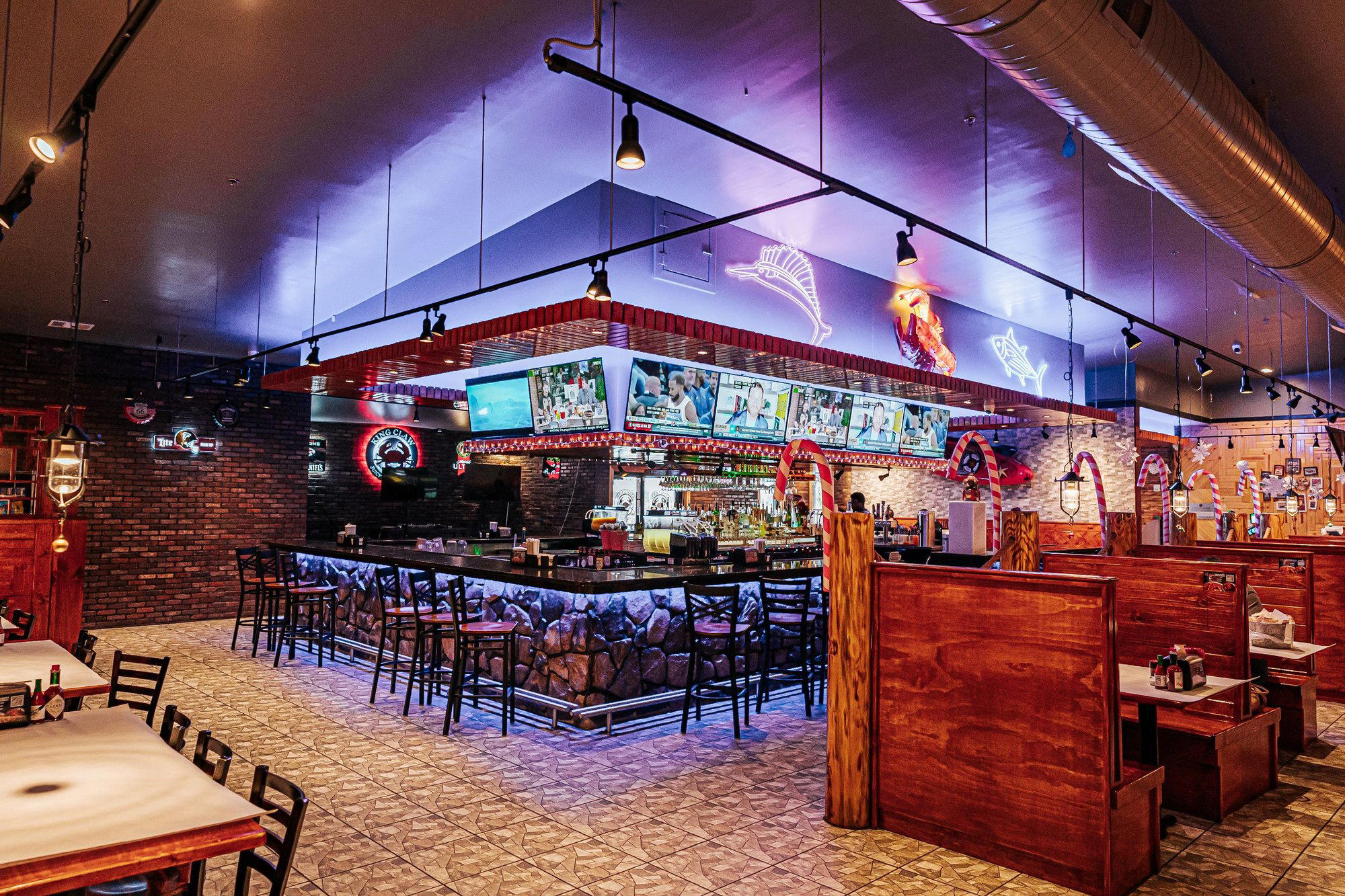
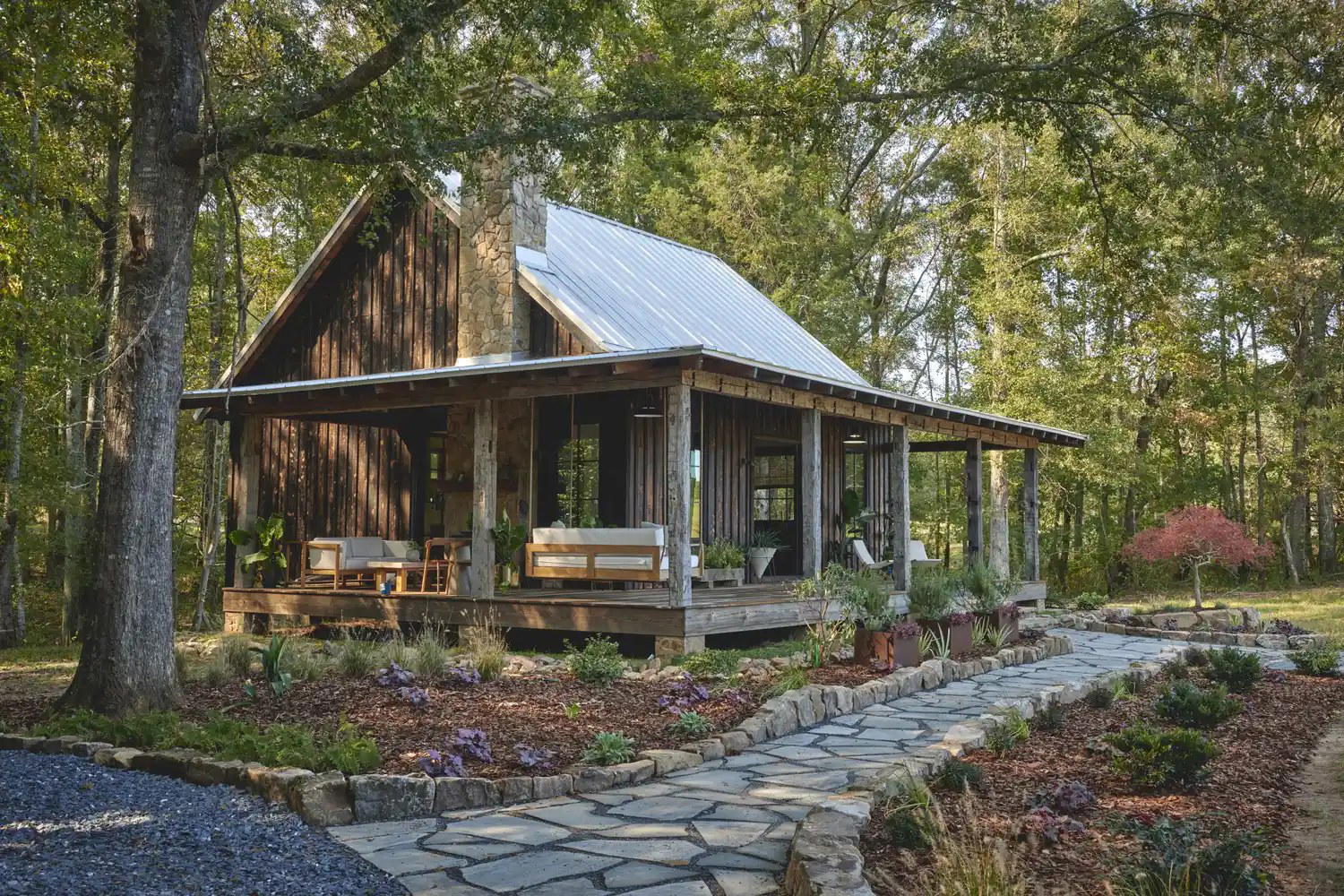
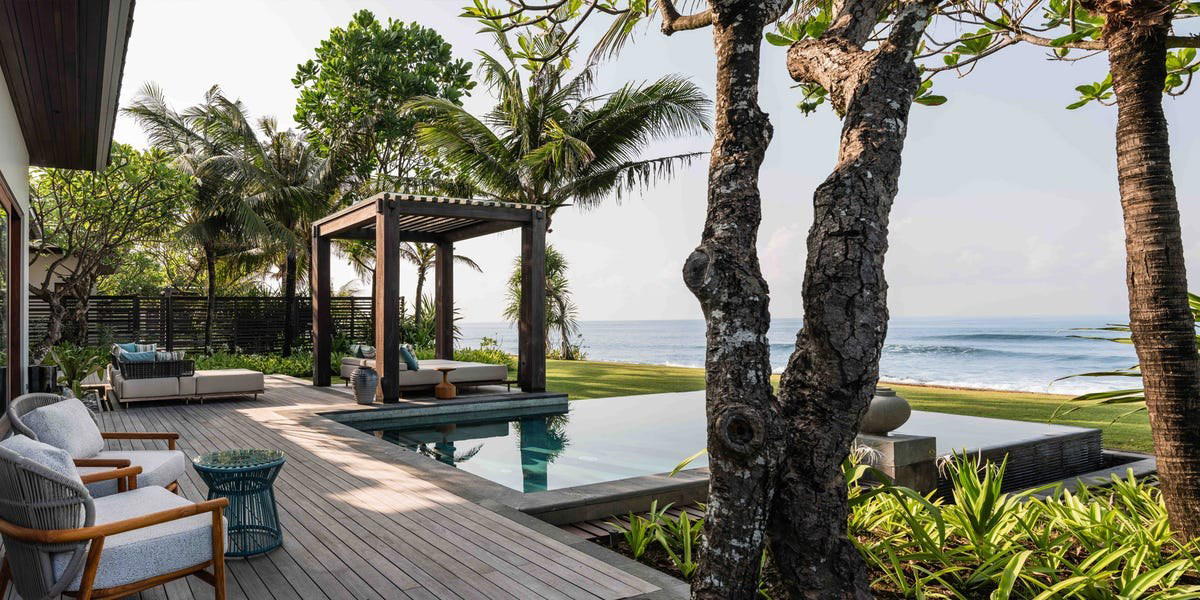
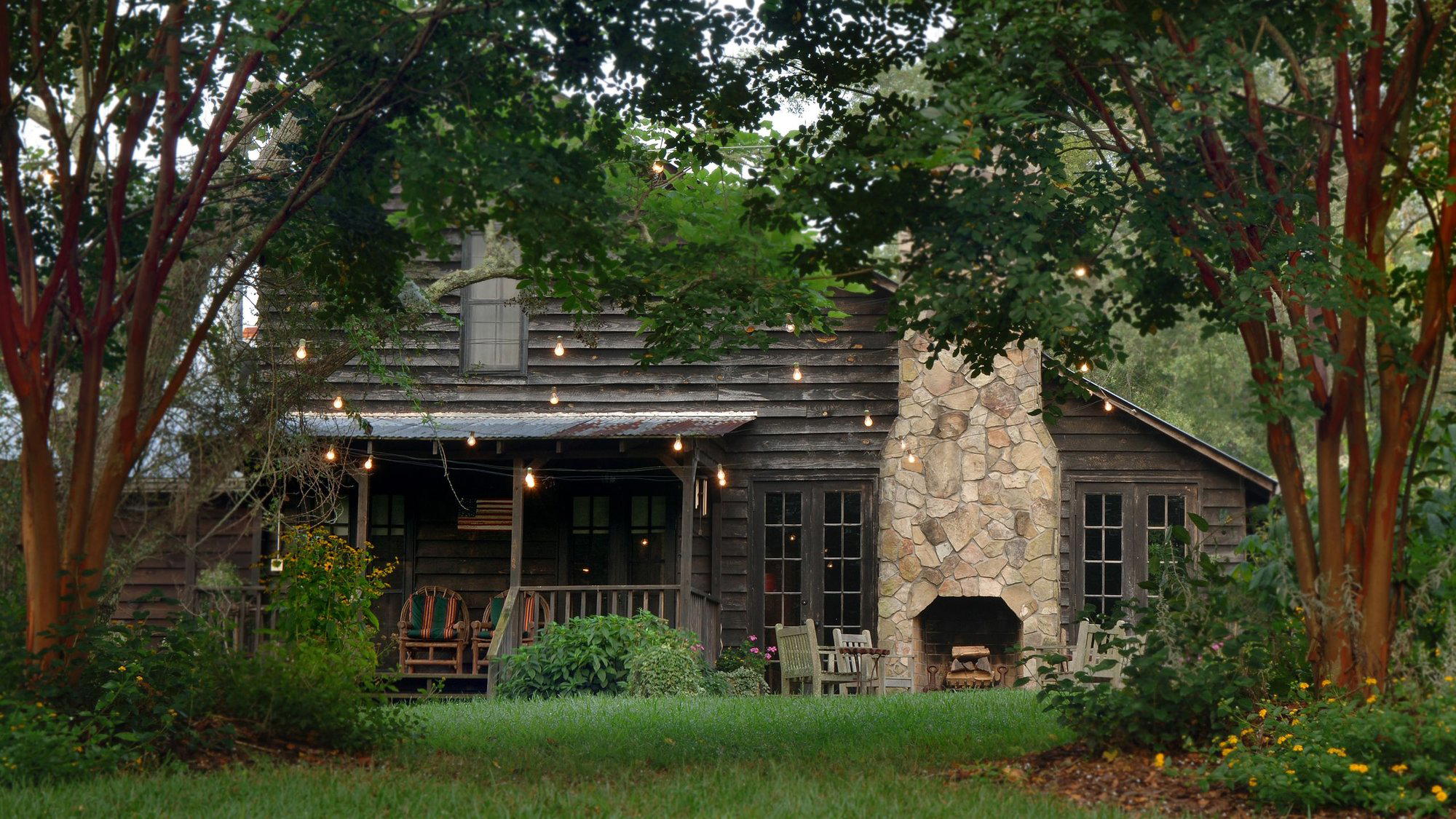
Refined yet cozy fine-dining room with an intimate, low-noise setting that emphasizes the surrounding farm and landscape, creating an elegant but relaxed getaway atmosphere.