Quercus







1 Michelin Key · TIME 2026 TIME World's Greatest Places · Esquire Best New Hotels
On 3,800 acres in Gay, Georgia, Quercus occupies a working landscape that has served as hunting reserve, cattle ranch, and farm before becoming a Relais & Châteaux all-inclusive property. Four standalone cabins, a biodynamic kitchen garden, and a 30-seat restaurant overseen by chef Ryan Smith place it in a category shared by almost no other American rural retreat. Cabins start at $2,700 per night.

Pearl is the En Primeur Club membership app, where members save venues, book tables and use the concierge.
Where the Land Comes Before Everything
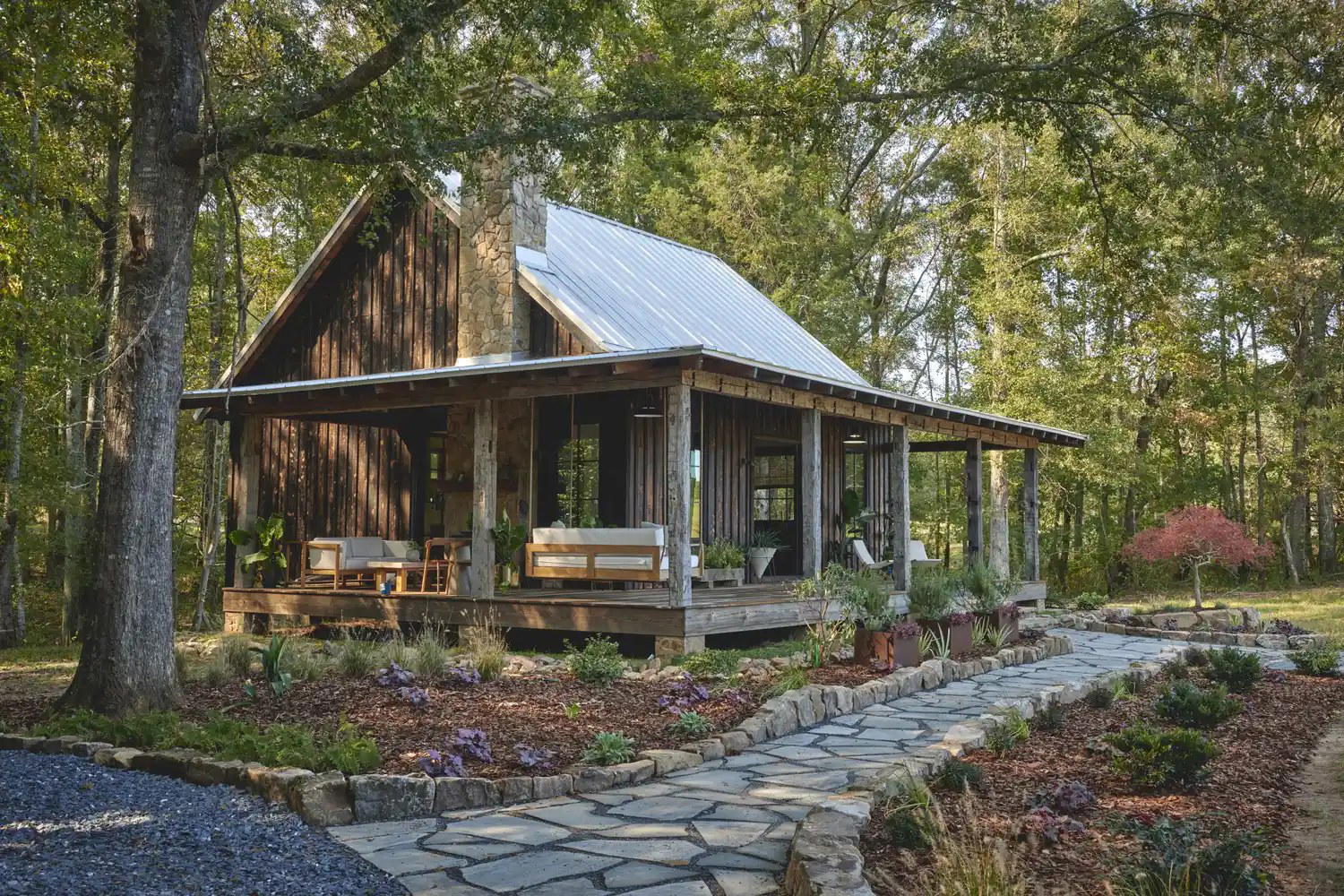
Drive long enough through Meriwether County and you begin to understand why the arrival at Quercus lands differently from most luxury check-ins. The final approach crosses open pasture, past working fields and horse paddocks, before the property's cabin structures come into view. There is no grand lobby sequence, no valet choreography. The architecture announces its purpose through restraint: four standalone structures positioned across a 3,800-acre working landscape that has functioned as a hunting reserve, cattle and horse ranch, and biodynamic farm long before hospitality entered the picture. That layered land history is the design philosophy, and every physical detail operates in its service.
Gay, Georgia sits roughly ninety miles southwest of Atlanta, far outside the radius where most American luxury travel concentrates. That distance is not incidental. Properties like Amangiri in Canyon Point and Post Ranch Inn in Big Sur have demonstrated that deliberate remoteness can function as a category differentiator rather than a limitation, drawing guests specifically for the insulation from urban density. Quercus belongs to this same logic, but its version of isolation is rooted in Southern agricultural land rather than canyon geology or Pacific coastline.
Cabin Architecture as Sensory Argument
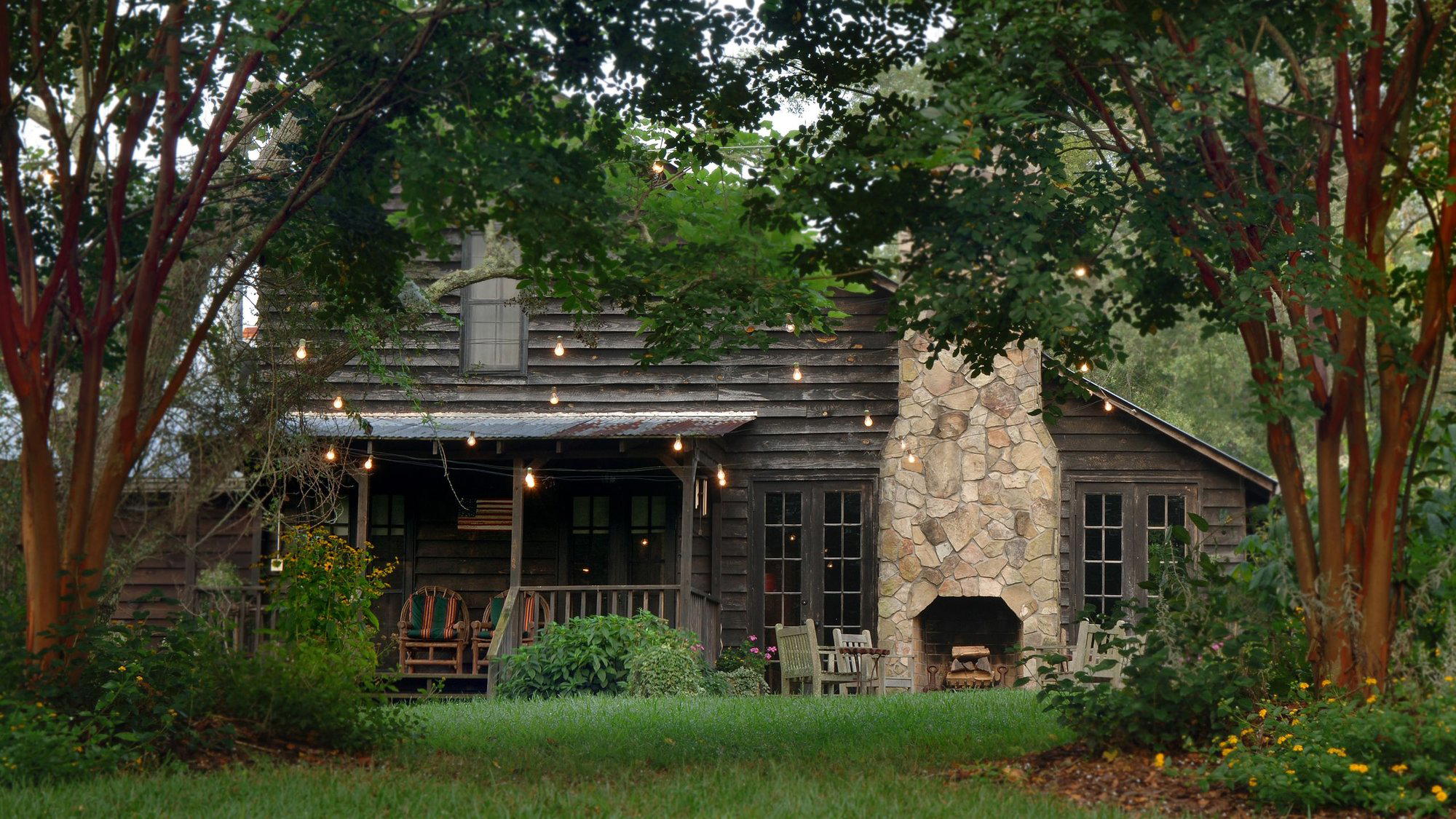
The four guest cabins are standalone structures, each designed to function as a self-contained dwelling rather than a hotel room with a view. Organic mattresses, indoor wood-burning stoves, well-stocked kitchenettes, and breezy front porches define the material vocabulary. These are not decorative choices. The wood-burning stove positions the guest as an active participant in the space; the front porch frames the surrounding land as the primary amenity. In a category where many all-inclusive properties default to high-specification interiors that could exist in any climate or geography, the Quercus cabins are specifically calibrated to their site.
The most recent additions, outdoor wood-fired saunas and cold plunges attached to each cabin, extend this logic further. Recovery and thermal contrast programming has become a standard offering at wellness-oriented properties like Canyon Ranch Tucson and Canyon Ranch Lenox, but those formats typically place shared facilities at the center of a communal campus. At Quercus, each cabin receives its own sauna and plunge, maintaining the dispersed, private character of the property. Four additional rooms, including one with an ADA-compliant suite, are scheduled to open later in 2025, which will bring the total inventory closer to a viable small-group booking tier without altering the low-density footprint.
The Kitchen as Proof of Concept
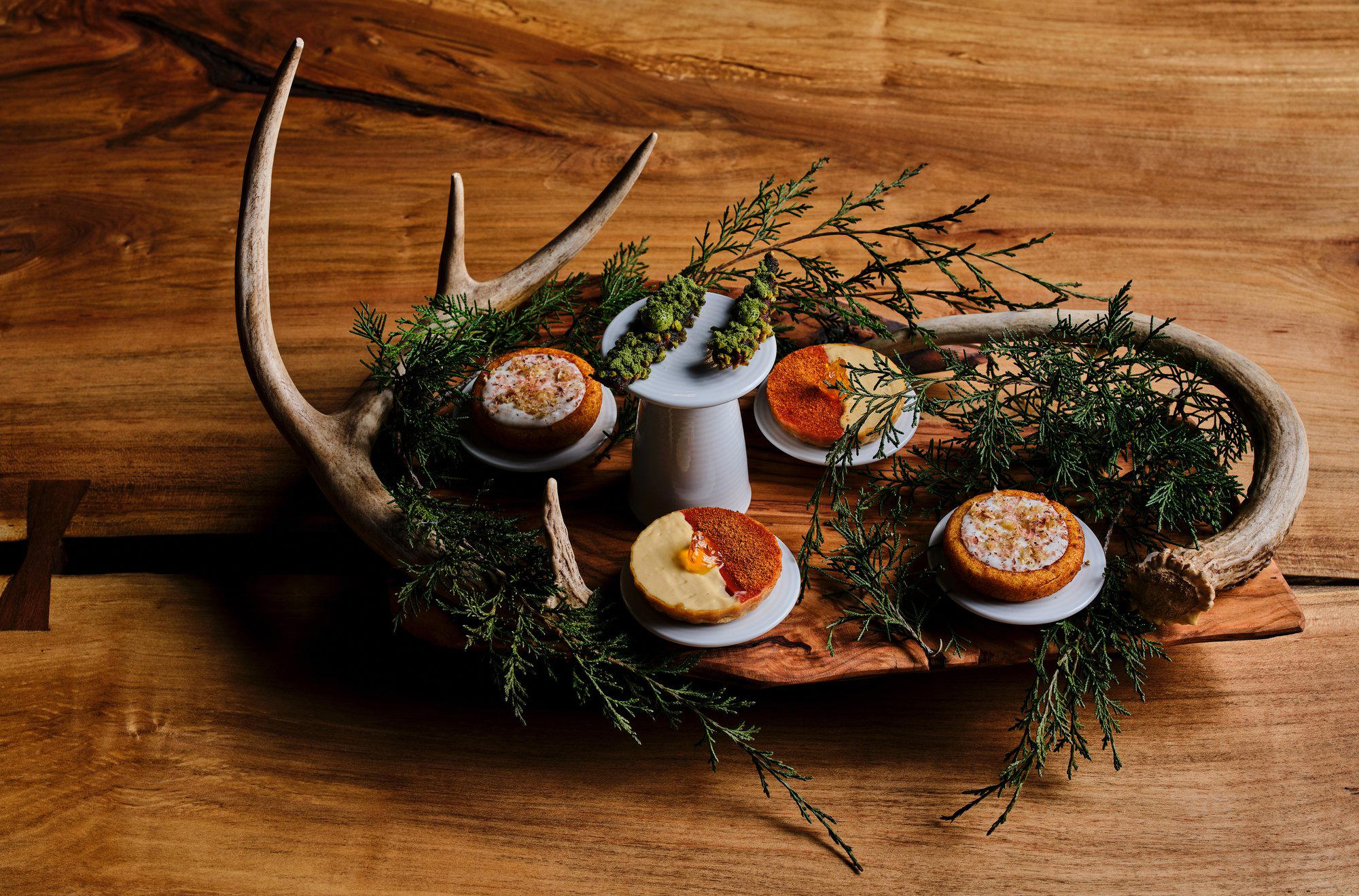
Culinary program at Quercus is built around a specific sourcing logic. Chef Ryan Smith and his team operate the 30-seat Uberto restaurant drawing from the property's biodynamic vegetable garden, which means the distance between cultivation and plate is measured in walking minutes rather than supply chain days.
30-seat format at Uberto is consequential. At that scale, the kitchen can maintain sourcing discipline without the volume pressures that force larger operations to broaden supply chains. It also means the dining room functions as a genuine destination within an already destination-oriented property, rather than a hotel restaurant that happens to be on the grounds. For guests arriving on the all-inclusive rate, the culinary program is embedded in the stay from the outset, which changes the relationship between dining and cost calculus considerably.
Land Activities and the Property's Broader Character
Activity roster at Quercus reflects the working character of the land rather than a curated adventure menu grafted onto a passive site. Fishing and kayaking draw on actual water features. Rucking makes sense on terrain that is agricultural and varied rather than groomed. The liberty training program with horses is anchored in a real equestrian history that preceded the hospitality operation by decades. Properties like Sage Lodge in Pray and Dunton Hot Springs in Dunton operate on similar principles, where the activity program derives from the landscape's actual properties rather than being engineered for a guest demographic. The distinction matters when assessing whether a property's programming will hold up across multiple visits.
Relais & Châteaux and What the Designation Signals
Quercus holds the designation of Georgia's only Relais & Châteaux property, a membership that places it in a global network built around owner-operated properties with strong culinary programs and a defined sense of place. The Relais & Châteaux framework is useful as a comparative reference: it clusters Quercus with properties that tend toward smaller inventories, chef-driven food, and an identity tied to a specific location rather than a brand system. The 2025 Michelin Selected designation provides an additional positioning signal, placing the hotel within Michelin's curated hotel tier for the United States. Together, these credentials position Quercus outside the standard all-inclusive resort category and closer to a set of American properties where Troutbeck in Amenia and The Stavrand in Guerneville also operate: independently owned, editorially recognized, and oriented around a specific landscape character.
For context against urban luxury, properties like The Fifth Avenue Hotel in New York City, Raffles Boston, and Chicago Athletic Association occupy a different competitive register entirely, where density, access, and cultural programming define the value proposition. The case for Quercus rests on the opposite set of conditions.
Planning a Stay
Quercus is located at 208 Caldwell Street, Gay, Georgia. Cabins are priced from $2,700 per night on an all-inclusive basis, which covers dining at Uberto and the activity program. The nearest major airport is Atlanta Hartsfield-Jackson, approximately ninety miles to the northeast, making a rental car the practical inbound option. Given the four-cabin inventory, booking well in advance is the operative approach, particularly following the 2025 Michelin Selected listing, which broadened the property's visibility considerably. The additional rooms expected later in 2025 will create more availability, but the core cabin tier is likely to remain the category with the tightest lead times. See our full Gay restaurants guide for broader context on the area.
Comparison Snapshot
Comparable venues nearby, for context on price, style, and recognition.
| Venue | Cuisine | Price | Awards | Notes |
|---|---|---|---|---|
| QuercusThis venue (the venue you are viewing) | Regenerative working ranch with secluded luxury cabins | $1,000–1,500 | 1 Michelin Key · TIME 2026 TIME World's Greatest Places | Not listed |
| Hideaway Inn | cozy mountain retreat with shared social spaces | Not listed | Not listed | Newbury |
| Hotel Phoenix Atlanta | Modern industrial luxury hotel in urban revitalization district | Not listed | Preferred Hotels L.V.X. Collection | Centennial Yards |
| The Digby | Blends historic architecture with modern luxury | Not listed | Not listed | Historic District |
| Hotel Indigo Atlanta Midtown by IHG | Boutique hotel in historic 1924 landmark building renovated in 2019, inspired by Midtown Atlanta's arts and entertainment district. | $100–200 | Not listed | Midtown |
| The Tess, Autograph Collection | Modern-Southern residential reimagined with intentional curation and local Atlanta influences | Not listed | Michelin Selected | Buckhead |
Recognition history
Dated appearances from independent guides and award organizations, with the underlying list record or original source where available.
Michelin 1 Key
Michelin
AFAR Best New Hotels
AFAR · AFAR 40 Best New Hotels 2026
Esquire Best New Hotels
Esquire
Relais Chateaux Award
Relais Chateaux
Tablet Hotels Best New Hotel Designs (USA & Canada)
Tablet Hotels · Tablet Hotels Design Awards 2026: Best New Hotel Designs (USA & Canada)
Full recognition history (8 entries)
TIME 2026 TIME World's Greatest Places
TIME
Travel + Leisure It List Hotels
Travel + Leisure
Michelin Selected
Michelin
Continue exploring
More in Gay
Details
- Quiet
- Rustic
- Scenic
- Cozy
- Elegant
- Romantic Getaway
- Wellness Retreat
- Weekend Escape
- Garden
- Historic Building
- Wi Fi
- Sauna
- Garden
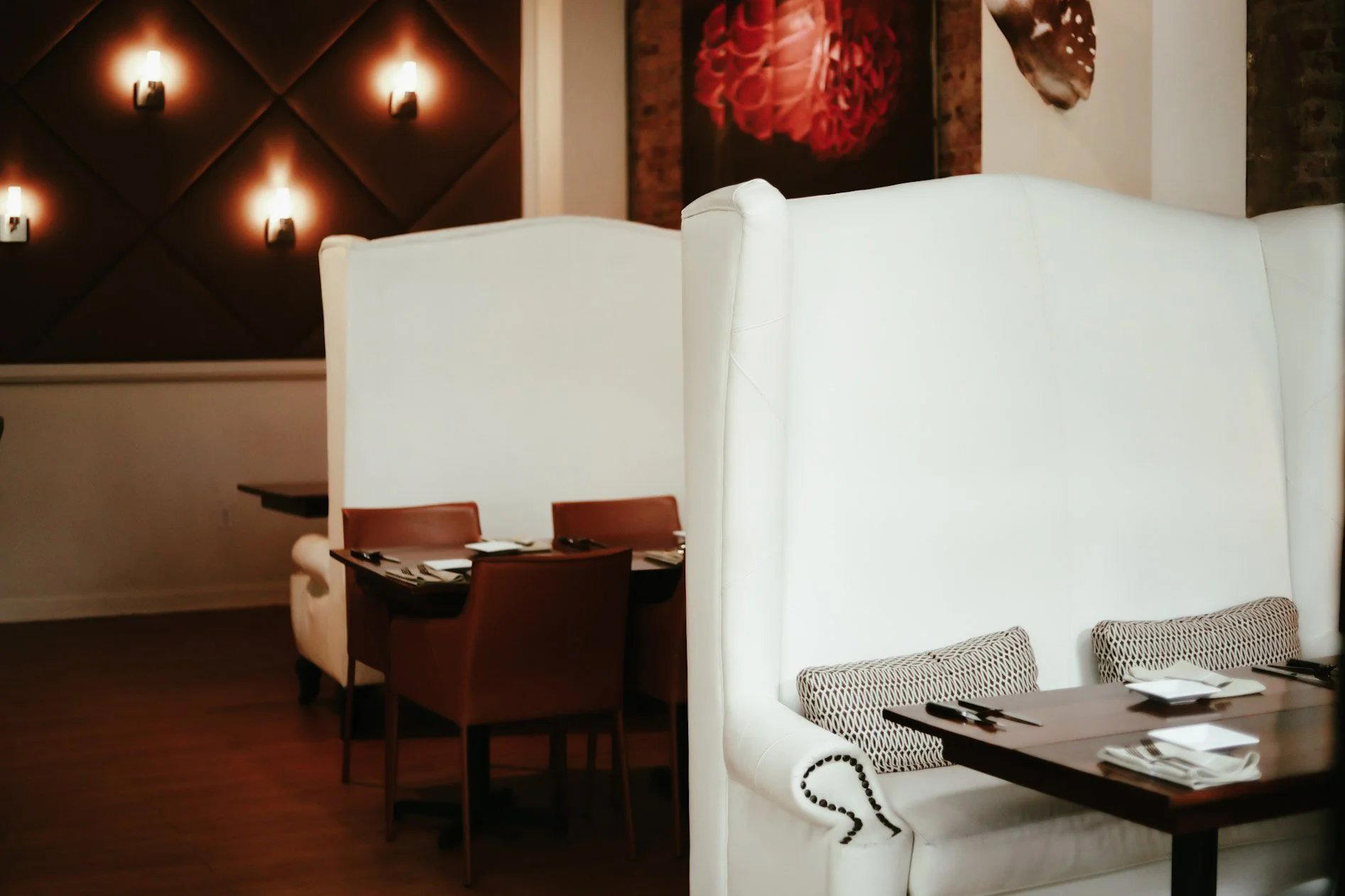
Rustic cottage charm polished with streamlined furnishings, botanical tones, heirloom art, and Italian influences, featuring indoor-outdoor fireplaces, wide porches, and serene natural surroundings.