Sprayberry's Barbecue
One of Coweta County's most enduring barbecue stops, Sprayberry's has been feeding Newnan from its Jackson Street address for generations. The pit-cooked tradition here belongs to a distinctly Georgian school of slow-smoked meat, where sourcing and process define the plate rather than garnish or theater. For travelers passing through the Atlanta exurbs, it represents the kind of regional specificity that chain dining systematically erases.
Pearl is the En Primeur Club membership app — saves, bookings, and concierge access live there. Same editors, same standards.
- Address
- 229 Jackson St, Newnan, GA 30263
- Phone
- +17702534421
- Website
- sprayberrysbbq.com
- Directions
- Get directions
 Saves & bookings on Pearl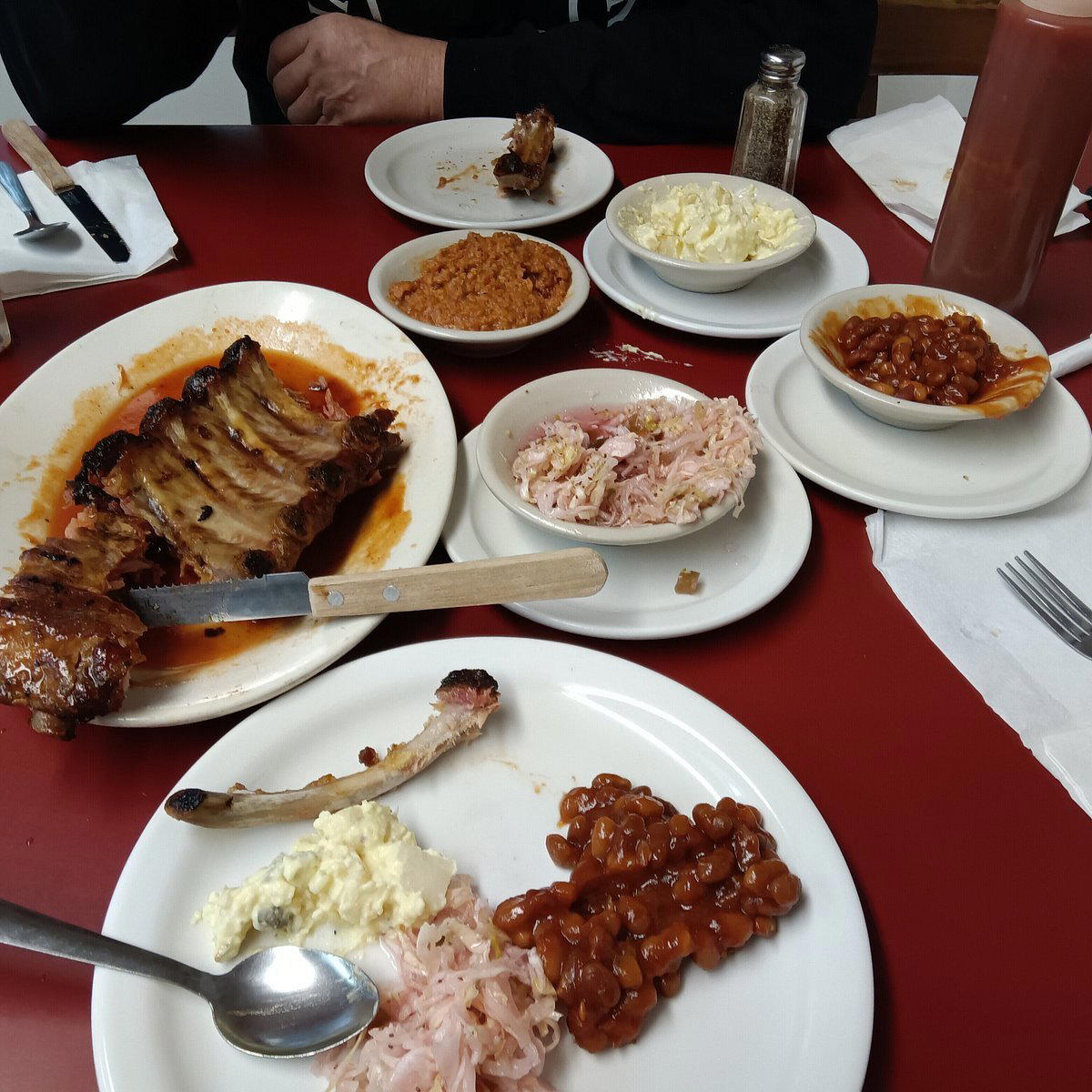
Smoke, Sourcing, and the Georgian Pit Tradition
On Jackson Street in Newnan, Georgia, the approach to barbecue is architectural rather than improvisational. Sprayberry's Barbecue operates within a Southern pit tradition that treats smoke as a structural ingredient, not a finishing flourish. That distinction matters in a state where the distance between genuine pit-cooked meat and gas-assisted approximation is rarely visible on a menu board but immediately legible on the plate. Newnan sits roughly 40 miles southwest of Atlanta along Interstate 85, and Sprayberry's has long served as a fixed point in a county that has grown considerably around it. The surrounding area has absorbed waves of Atlanta suburban expansion, but the address on Jackson Street has remained a reliable coordinate for a particular kind of cooking. For context on how Newnan fits into the broader regional dining picture, see our full Newnan restaurants guide.
What Georgia Barbecue Actually Means for Sourcing
Georgia occupies a specific position in the American barbecue map. Unlike the brisket-dominant culture of Central Texas or the vinegar-pull tradition of the Carolinas, Georgia pits historically centered on pork shoulder cooked low and slow over hardwood, often hickory or oak depending on local availability. The sourcing question in this context is not primarily about farm-to-table labeling or premium breed credentials. It is about the wood, the animal fat content, and the time allowed for collagen breakdown. Smoke penetration at the bone is a function of hours, not seasoning, and the quality of that penetration depends directly on how the animal was raised and processed. Commodity pork, with its leaner muscle structure engineered for supermarket sale, responds differently to long pit cooking than heritage-breed animals with higher intramuscular fat. That gap is where regional pit institutions either distinguish themselves or disappear into the generic.
Sprayberry's, operating within this tradition, represents the kind of place where the cooking method is the product. Across the American dining spectrum, the contrast with technique-forward fine dining is instructive without being a competition. Restaurants like Le Bernardin in New York City, Lazy Bear in San Francisco, or Alinea in Chicago operate within frameworks where the sourcing story is often made explicit through menu notation and prix fixe narratives. At a Georgia pit house, the sourcing is embedded in the outcome rather than announced. You read the quality of the wood and the animal in the smoke ring and the bark, not in a printed provenance line.
The Pit Stop Context: Newnan and the Atlanta Exurb Belt
Newnan's dining identity has shifted over the past two decades as the city transitioned from a quiet county seat into a commuter node for greater Atlanta. That demographic shift has brought more varied restaurant options to the area, but it has also sharpened the contrast between newer arrivals and institutions that predate the growth surge. Barbecue joints in this bracket occupy a particular cultural role: they absorb local loyalty in a way that new concepts struggle to replicate, partly because their value proposition is explicitly about continuity of method rather than novelty.
That continuity places Sprayberry's in a different conversation from the farm-driven sourcing programs at restaurants like Blue Hill at Stone Barns in Tarrytown or the ingredient-first tasting formats at Single Thread Farm in Healdsburg. Those operations make sourcing their explicit editorial subject. At a Georgia pit institution, sourcing is the substrate rather than the theme. Atlanta's higher-end dining scene, represented by places like Bacchanalia in Atlanta, articulates ingredient quality through chef-driven language. Sprayberry's communicates it through smoke and time, which is a less legible but no less legitimate grammar.
The Physical Environment and What It Signals
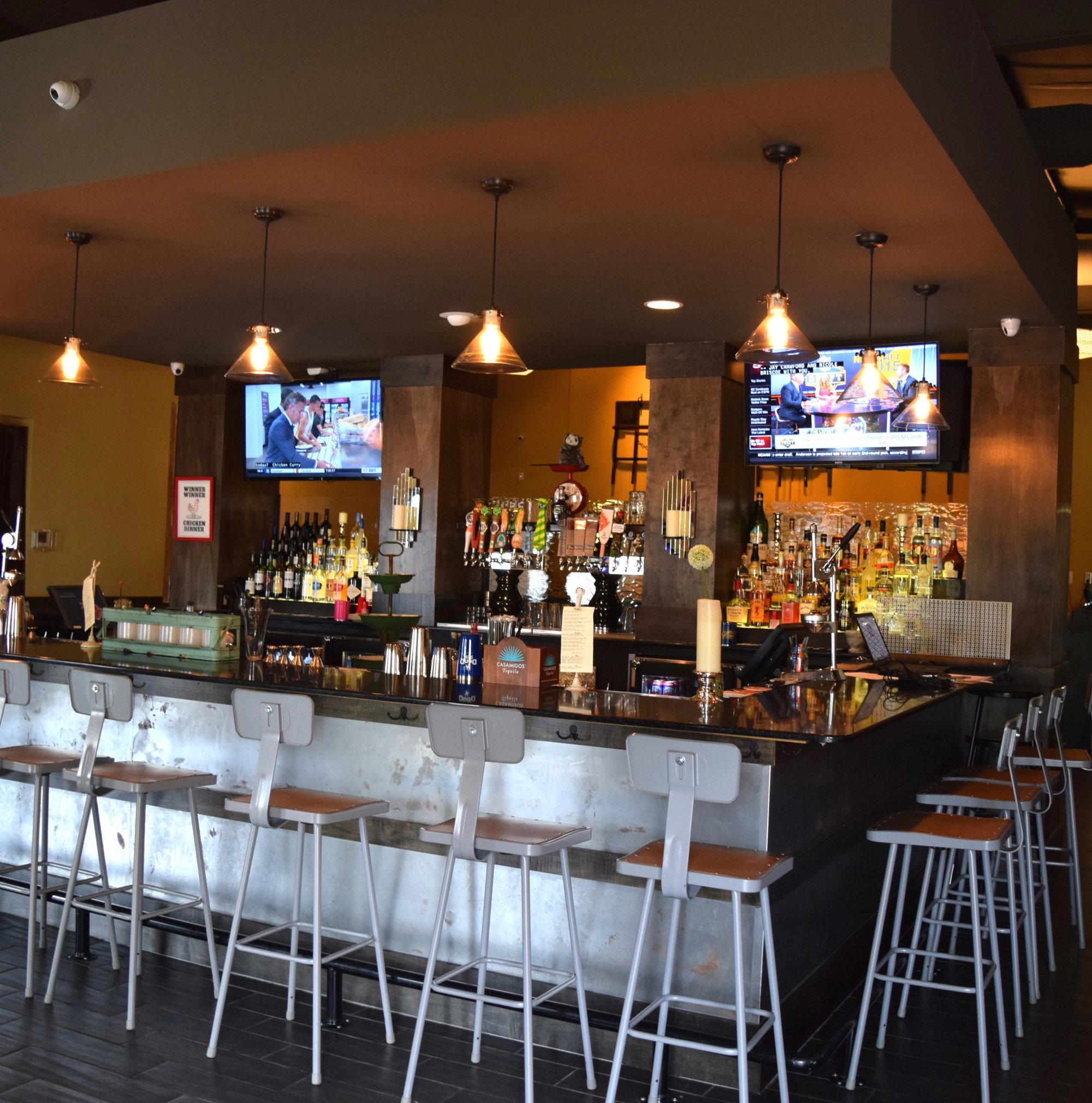
Arriving at 229 Jackson Street, the setting is consistent with a long-operating Southern barbecue house: functional rather than designed, with the kind of physical wear that accumulates over years of serious cooking rather than through decorative aging. The smell is the first meaningful signal. Hardwood smoke at this scale is not a subtle background note. It registers before you reach the door, which is the point. Institutions in this tradition do not attempt to separate the cooking process from the dining environment. The smoke is ambient information about what the kitchen is doing.
The interior format at this category of restaurant is typically counter or cafeteria-adjacent, with seating arranged for efficiency rather than occasion. This is deliberate. The meal is not framed as an event. It is framed as a transaction with a very particular product, and the environment supports that framing without apology. For travelers whose frame of reference is the orchestrated progression of a tasting menu at somewhere like The French Laundry in Napa or The Inn at Little Washington, the register shift is complete and intentional.
Planning Your Visit
Sprayberry's is located at 229 Jackson St in Newnan, GA 30263, accessible from I-85 for travelers moving between Atlanta and the Alabama state line. Newnan is roughly 40 miles from downtown Atlanta, making this a realistic lunch stop for road travelers or a short drive for Atlanta-based visitors looking for a specific regional barbecue reference point. Current hours, phone, and booking details are best confirmed directly, as this category of restaurant operates on schedules tied to when the pit is ready rather than fixed reservation windows. Walk-in is the standard format. Contemporaries across the EP Club network like Providence in Los Angeles, Addison in San Diego, Atomix in New York City, ITAMAE in Miami, Causa in Washington, D.C., Frasca Food & Wine in Boulder, Brutø in Denver, and Emeril's in New Orleans represent the premium end of the American dining spectrum. Sprayberry's competes on a different axis entirely, where the benchmark is fidelity to a regional cooking tradition rather than innovation or ambition signaling. 8½ Otto e Mezzo Bombana in Hong Kong and other international references in the EP network illustrate how far the global fine-dining conversation has traveled from this register, which is exactly why Georgia pit institutions retain their relevance as a counterpoint.
How Sprayberry's Barbecue Newnan: Hours & Planning Notes compares with similar nearby venues.
| Venue | Cuisine |
|---|---|
| Uberto Restaurant | Creative cooking |





At a Glance
- Classic
- Rustic
- Cozy
- Family
- Casual Hangout
- Historic Building
Current opening hours
- Monday
- 10:30 AM–8 PM
- Tuesday
- 10:30 AM–8 PM
- Wednesday
- 10:30 AM–8 PM
- Thursday
- 10:30 AM–8 PM
- Friday
- 10:30 AM–8 PM
- Saturday
- 10:30 AM–8 PM
- Sunday
- Closed
Hours can change for holidays and private events. Last verified .
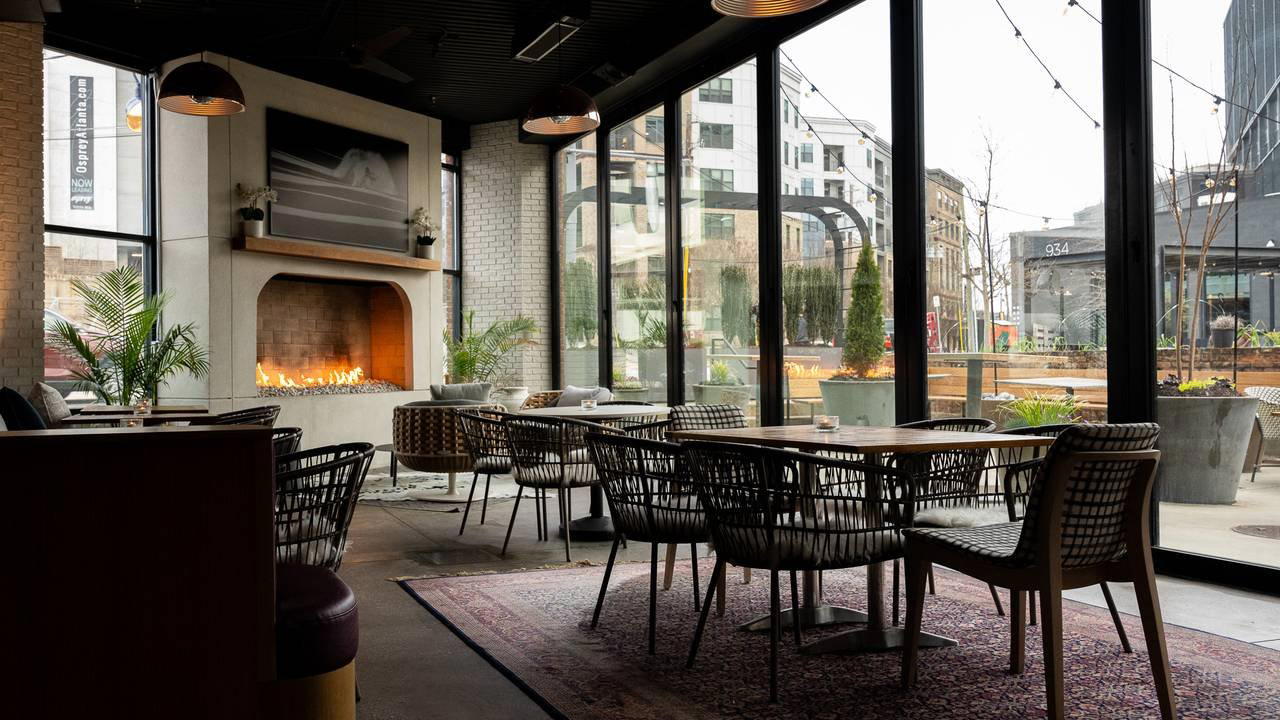
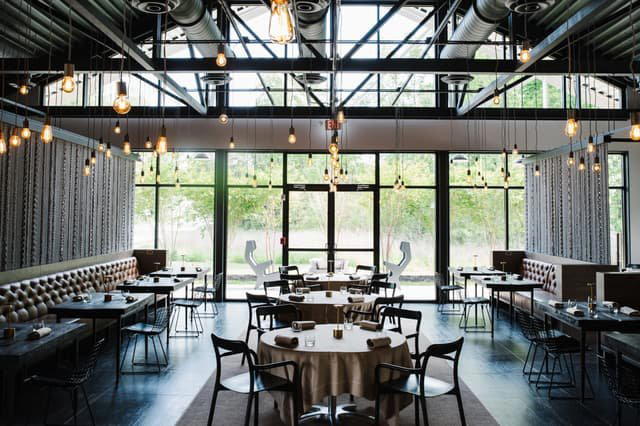
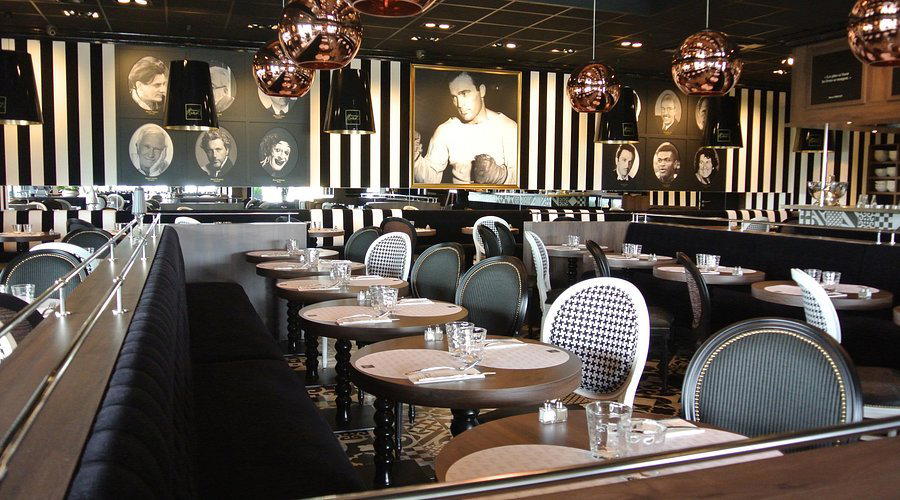
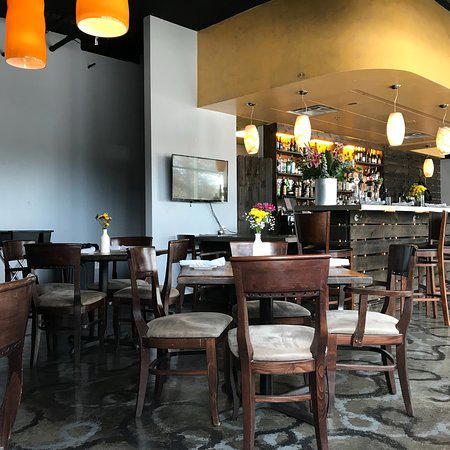
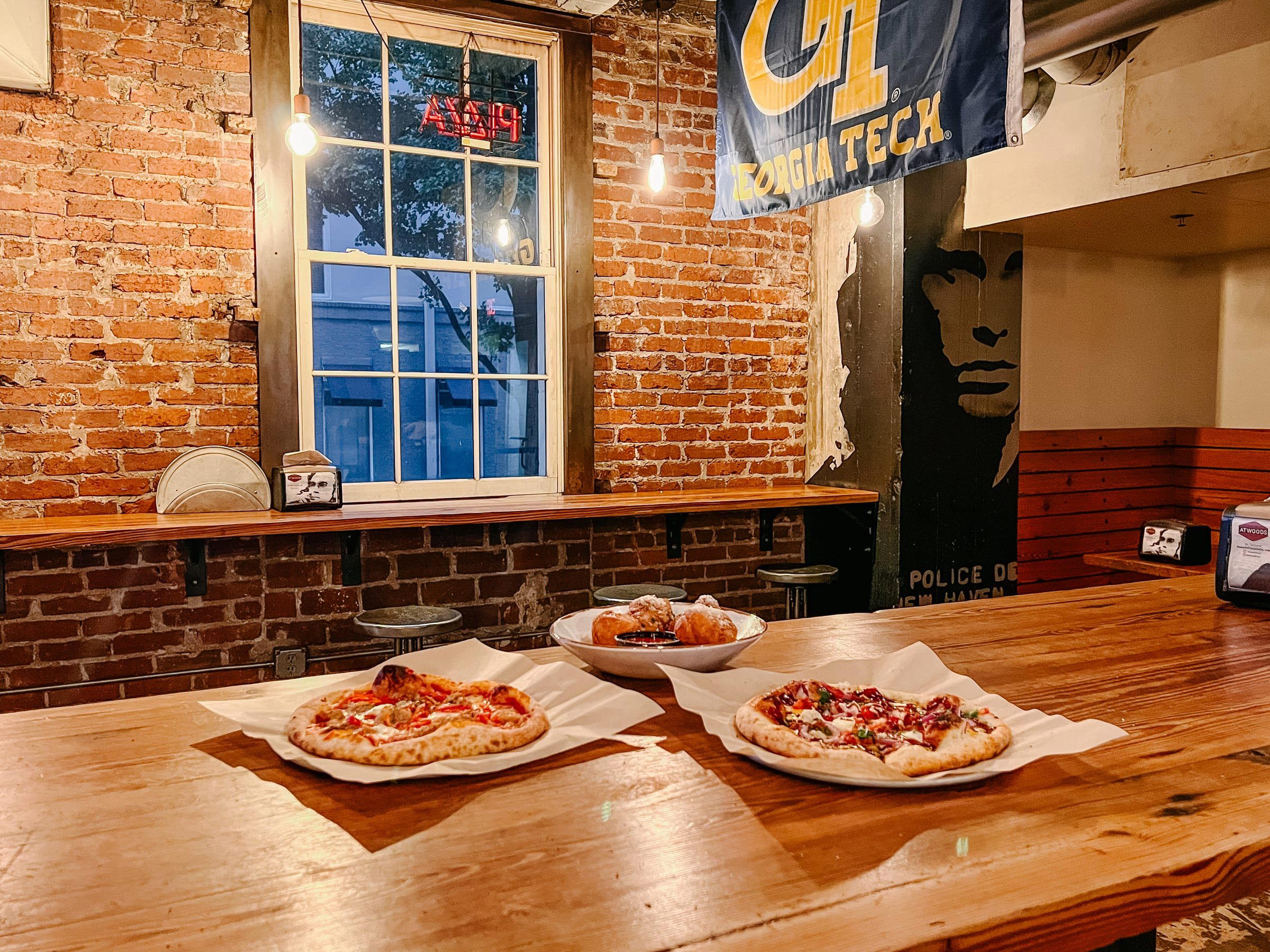
Nostalgic Southern atmosphere with timeless decor, tin-roofed establishment, and a relaxing, old-school dining room evoking 1950s-60s charm.
Know Before You Go
- Getting there
- 229 Jackson St, Newnan, GA 30263