King Claw
Our verdict
The format here follows a tradition common to the American Gulf and Atlantic seafood belt: straightforward cooking that foregrounds the product itself. For Clayton County residents and visitors passing through, it occupies a specific and well-understood niche in the local dining circuit.

Pearl is the En Primeur Club membership app — saves, bookings, and concierge access live there. Same editors, same standards.
- Address
- 1965 Mt Zion Rd, Morrow, GA 30260
- Phone
- (770) 472-0024
- Hours
- Mon–Thu 12–10 PMFri–Sat 12–11 PMSun 12–10 PM
- Website
- thekingclaw.com
- Directions
- Get directions
- Booking
- Book on OpenTable
The menu
What to order
- King Claw Boil
- Low Country Boil
- Seafood Boil with Crawfish and Lobster Tail
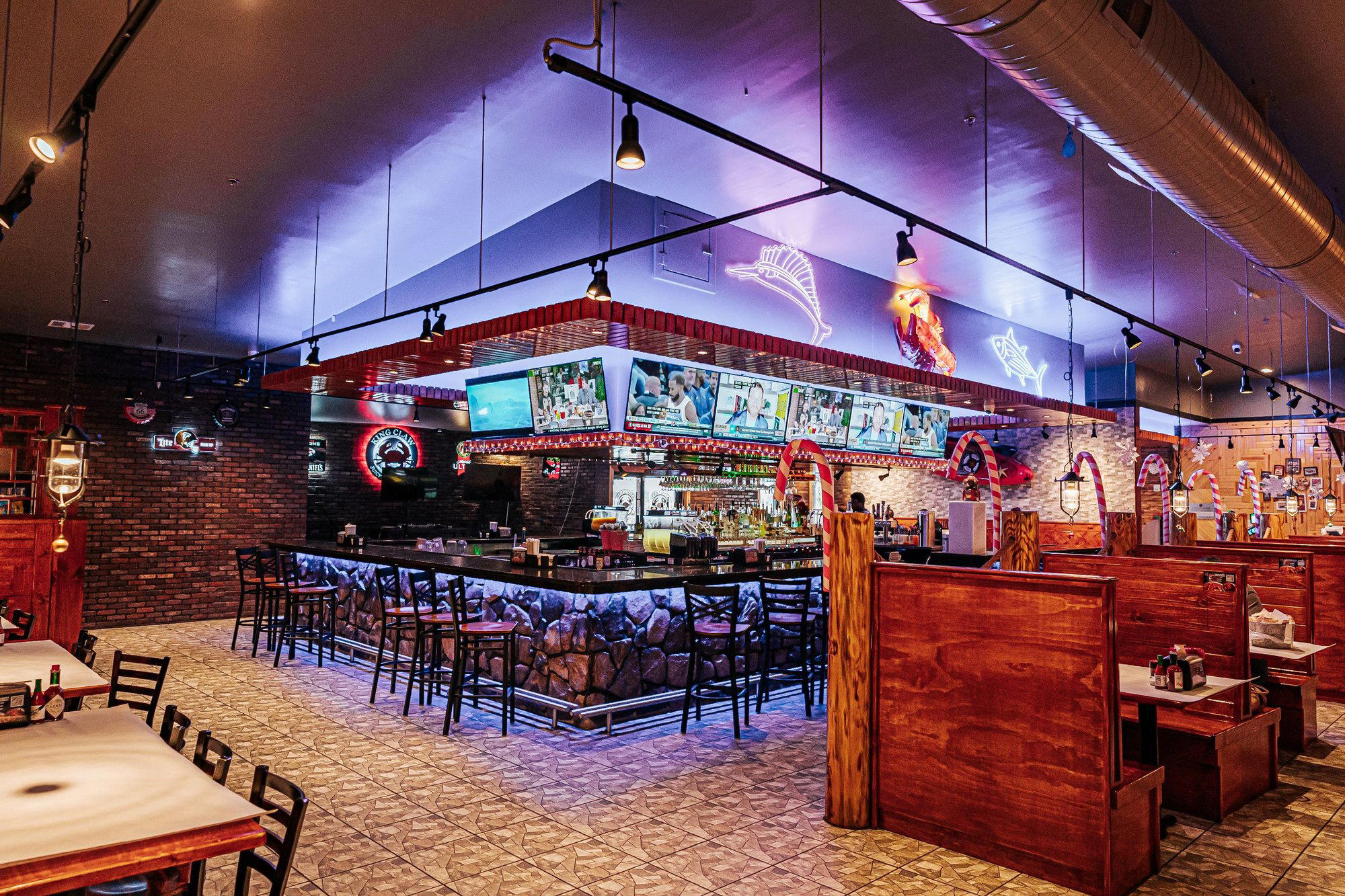
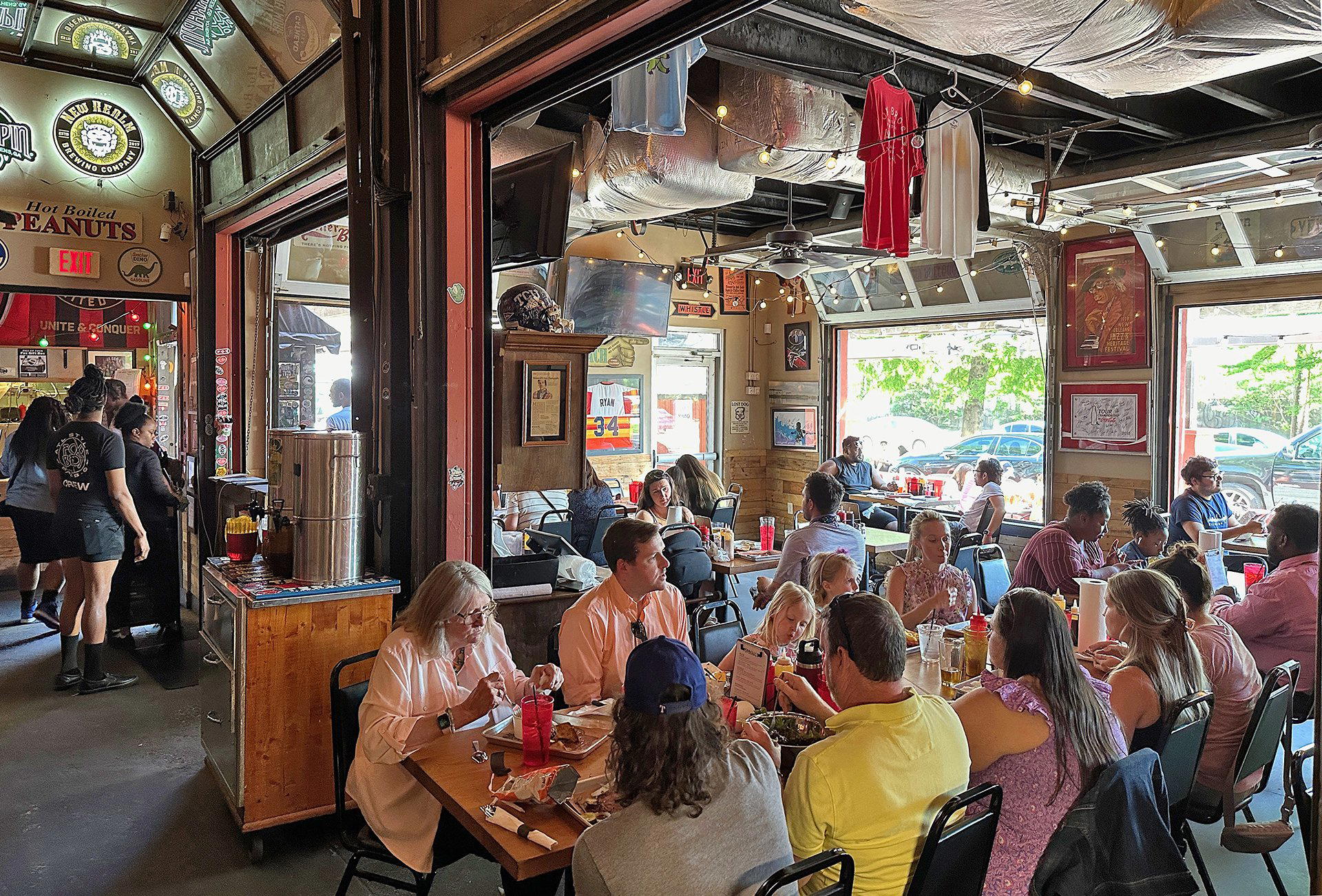
Approaching a spot like this, the atmosphere announces itself through texture rather than design. Counter service, laminate tables, and the smell of seasoned boil water are the architectural language of the format. These are not flaws; they are the genre. The same logic applies to crab-boil houses from Cajun country to the Maryland shore, where paper-lined tables and communal eating are not aesthetic choices so much as functional expressions of what the meal requires.
Sourcing as the Central Argument
In the American seafood-boil category, ingredient sourcing is where the story lives or dies. The format is deliberately simple, which means there is nowhere to hide a below-average product. A shrimp boil with weak shrimp is immediately legible. Snow crab legs with freezer damage announce themselves. Lobster tail that was thawed days ago lacks the snap that distinguishes fresh-handled shellfish. Venues in this category that sustain repeat traffic do so because they have solved the sourcing problem adequately for their price tier and location.
Landlocked Georgia presents a specific challenge for seafood operators. Unlike coastal markets in Louisiana, South Carolina, or Florida, where same-day dockside product is accessible to mid-tier operators, inland suburban restaurants rely on cold-chain logistics from Gulf or Atlantic distributors. That gap narrows when operators develop consistent supplier relationships, order at sufficient volume to ensure rotation, and resist the temptation to extend shelf life beyond the product's natural window. These are not glamorous considerations, but they determine the dining experience more than any design decision. The crab-boil houses that earn loyalty in places like Clayton County tend to be the ones that got this supply-chain discipline right.
For context on what sourcing discipline looks like at the other end of the category spectrum: Le Bernardin in New York City built its four-decade reputation on a sourcing infrastructure that would be unrecognisable to a suburban boil house, while Providence in Los Angeles applies similar rigor to West Coast product. Blue Hill at Stone Barns in Tarrytown extended that philosophy to full farm-to-table accountability. These are not peer comparisons for King Claw; they are markers of what ingredient-first thinking looks like when capital and geography remove the constraints that suburban operators work within every day.
The Boil Format and Its Logic
The seafood boil as a format has no pretension about its origins. It is communal, manual, and tactile in a way that most dining experiences are not. Cracking shells, pulling meat, dipping in butter or garlic sauce: these are the mechanics of the meal, and venues that do it well know that the seasoning blend and the boil time are the technical levers that matter. Over-boiled shrimp loses structural integrity; under-seasoned crab legs taste of nothing beyond brine. The cumulative decisions around spice mix, cook time, and sauce composition are what separate a competent boil house from a forgettable one.
In the Atlanta metropolitan area, this category has grown steadily over the past decade, shaped by Vietnamese-American-inflected Viet-Cajun operators who refined the boil format in Houston and New Orleans before it spread to secondary markets. Clayton County's demographic diversity has made it receptive to the format's range of spice levels and regional variations. King Claw operates in that expanding market, where repeat customers tend to calibrate their orders around a specific spice level and sauce combination that works for their table, rather than treating the menu as a one-time exploration.
Readers tracking the broader arc of ingredient-focused American cooking across price tiers might also consider how venues like Single Thread Farm in Healdsburg, Addison in San Diego, The French Laundry in Napa, or Bacchanalia in Atlanta approach sourcing at the fine-dining tier. The underlying principle, that the quality of the ingredient is the foundation of the dish, holds across every price point, even when the execution context differs entirely. Similar commitments show up in progressive American formats at Lazy Bear in San Francisco and Alinea in Chicago, and in contemporary approaches at Brutø in Denver, Causa in Washington, D.C., Frasca Food & Wine in Boulder, ITAMAE in Miami, Atomix in New York City, The Inn at Little Washington in Washington, Emeril's in New Orleans, and 8 1/2 Otto e Mezzo Bombana (Hong Kong) in Hong Kong. The Mt Zion Road address places King Claw in a high-traffic suburban commercial strip where parking is not a concern. The format does not require advance reservations in the way that counter-service boil houses typically operate on a walk-in basis, but weekend peak times in Clayton County's family-dining segment can generate waits.enprimeurclub.
Frequently asked questions
Is King Claw a family-friendly restaurant?
The seafood boil format is inherently communal and hands-on, which tends to make it accessible for families. Morrow's Mt Zion Road corridor is a working-class suburban area, and the venue fits that context rather than a formal dining room register. Younger diners who can handle tactile, shell-cracking meals generally do well in this kind of setting.
What should I expect atmosphere-wise at King Claw?
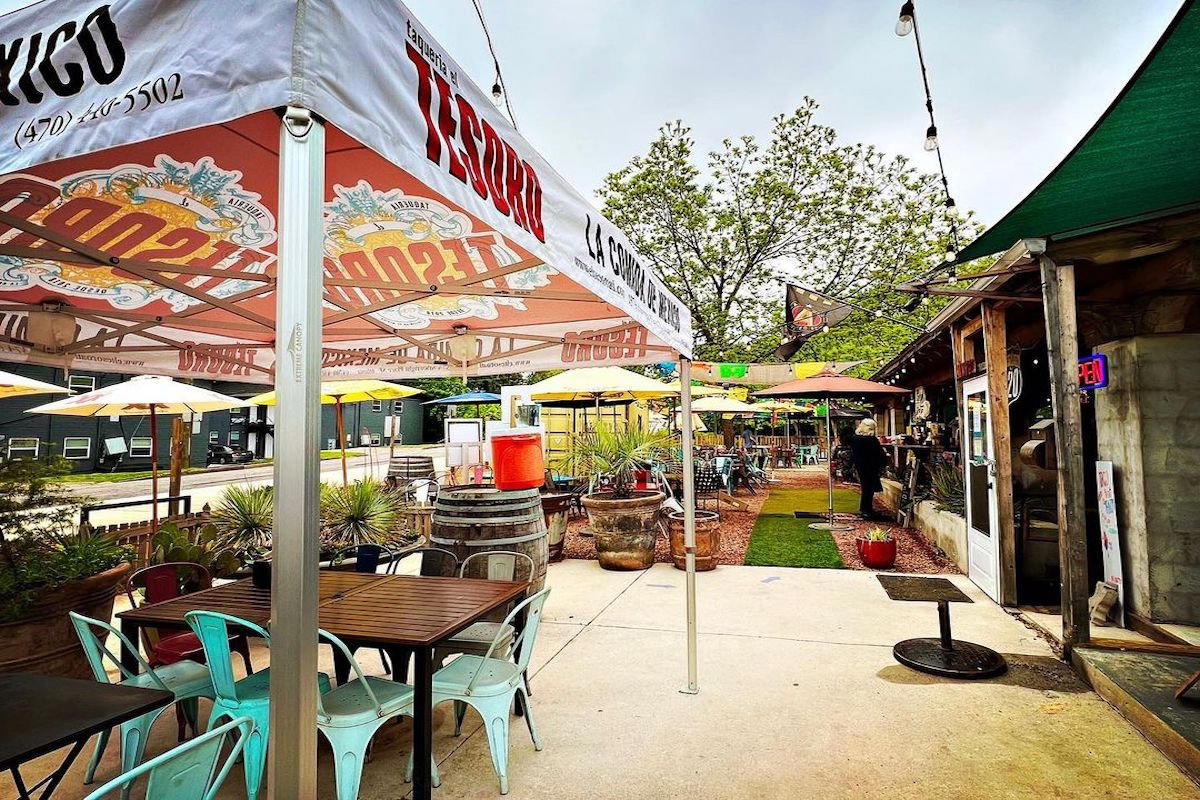
King Claw sits on Mt Zion Road in Morrow, a high-traffic suburban stretch that runs to strip malls and fast-casual operations rather than destination dining. The seafood boil format signals the tone: paper-lined tables, communal portions, and a casual pace are standard for this category. Dress accordingly and expect noise over atmosphere.
Is King Claw in Morrow worth the drive from central Atlanta?
King Claw is located at 1965 Mt Zion Rd in Morrow, in Clayton County south of Atlanta off I-75, putting it roughly in the outer suburban corridor rather than the city core. For Atlanta-based diners, the drive makes most sense if you are already in the south suburbs or if the seafood boil format specifically is what you are after, since Morrow does not carry the dining-destination weight of Buckhead or Midtown.
What do people recommend at King Claw?
King Claw operates in the seafood boil category, where the core draw is typically a mix of shellfish, corn, sausage, and potatoes cooked together and served by the pound or as a combo. In this format, the sourcing and seasoning of the shellfish carry the meal. For current menu specifics, checking directly with the Morrow location on Mt Zion Road is advisable.
What's the address for King Claw?
King Claw is located at 1965 Mt Zion Rd, Morrow, GA 30260, Morrow.
In Context: Similar Options
Comparable venues nearby, for context on price, style, and recognition.
| Venue | Cuisine | Price | Notes |
|---|---|---|---|
| King ClawThis venue — the venue you are viewing | Viet-Cajun Seafood Boils | $30–50 | Not listed |
| Goin' Coastal | Sustainable Southern Seafood | Not listed | Downtown Canton |
| Six Feet Under Pub & Fish House - Grant Park | Seafood Pub & Fish House with Southern-New Orleans Flair | $30–50 | Grant Park |
| Optimist, The | Modern Seafood & Raw Bar | $50–100 | West Midtown |
| APRON | Modern Southern | $30–50 | Hapeville |
| Carroll Street Cafe | American Bohemian Bistro | $20–30 | Cabbagetown |

Details
- Lively
- Casual
- Energetic
- Group Dining
- Casual Hangout
- Late Night
- After Work
- Live Music
- Craft Cocktails
- Beer Program
- Local Sourcing
- A La Carte
- Family Style
- Cocktails
- Beer
- Pescatarian Friendly
Current opening hours
- Monday
- 12–10 PM
- Tuesday
- 12–10 PM
- Wednesday
- 12–10 PM
- Thursday
- 12–10 PM
- Friday
- 12–11 PM
- Saturday
- 12–11 PM
- Sunday
- 12–10 PM
Hours can change for holidays and private events. Last verified .
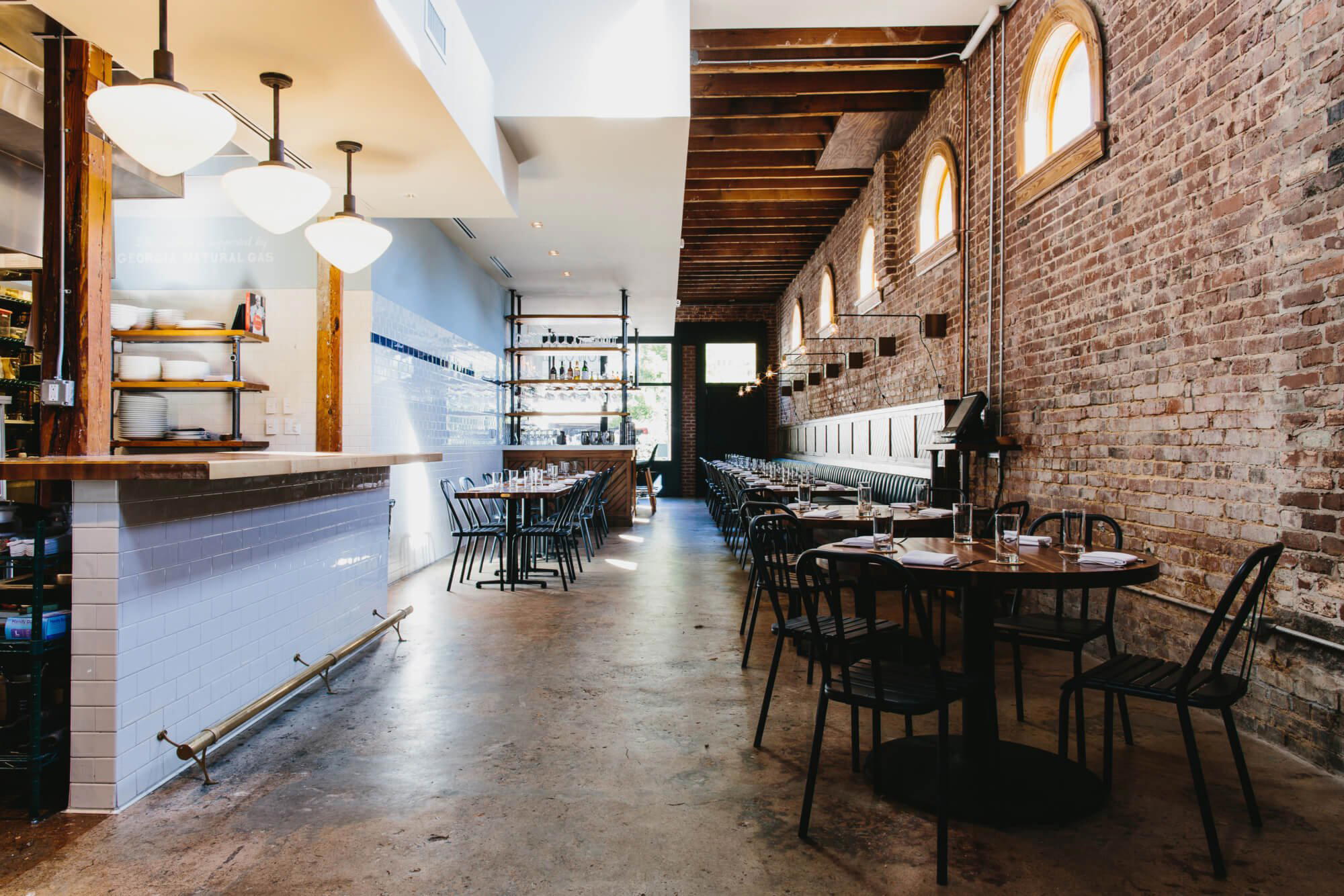
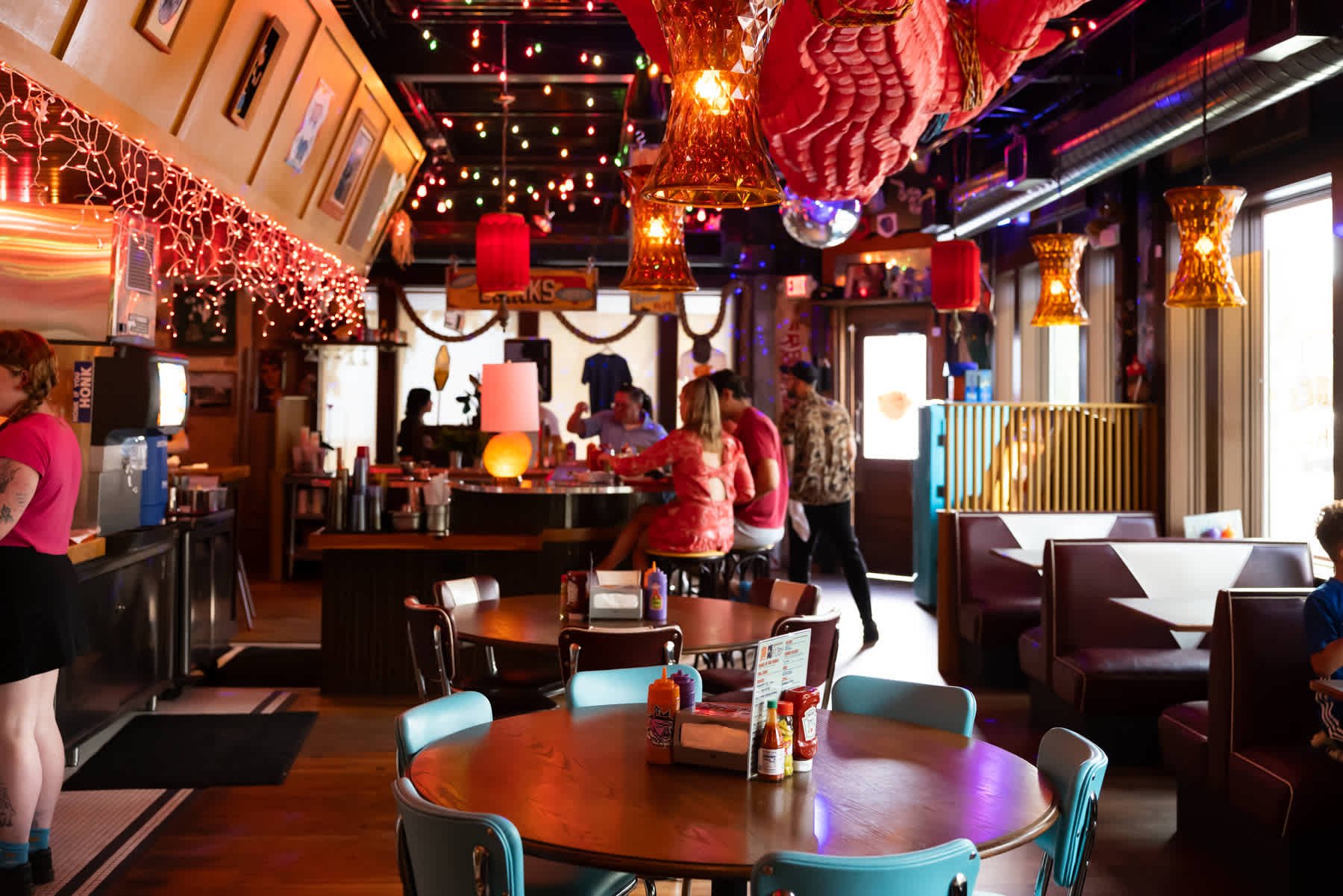
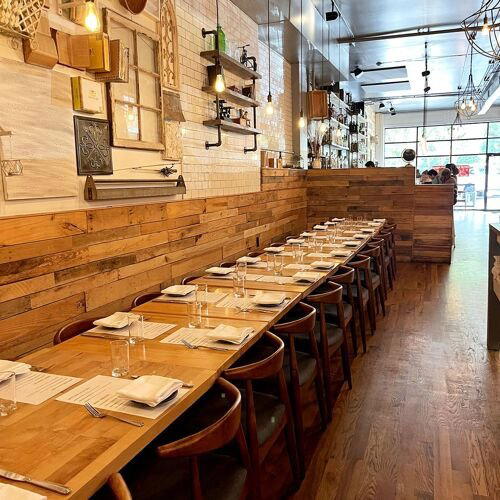
Casual, laid-back atmosphere with lively energy; maintains exterior vibe of former Crab Shack location without nautical decor; features karaoke nights and pleasantly low-key music