
Historical profile: Ubat Veggie by Tabu at Vesterå 5, 9000 Aalborg, Denmark is listed as closed or replaced after a June 22, 2026 audit. Active booking, hours, and contact details have been removed.
- Address
- Vesterå 5, 9000 Aalborg, Denmark
- Website
- ubatveggie.dk
- Directions
- Get directions
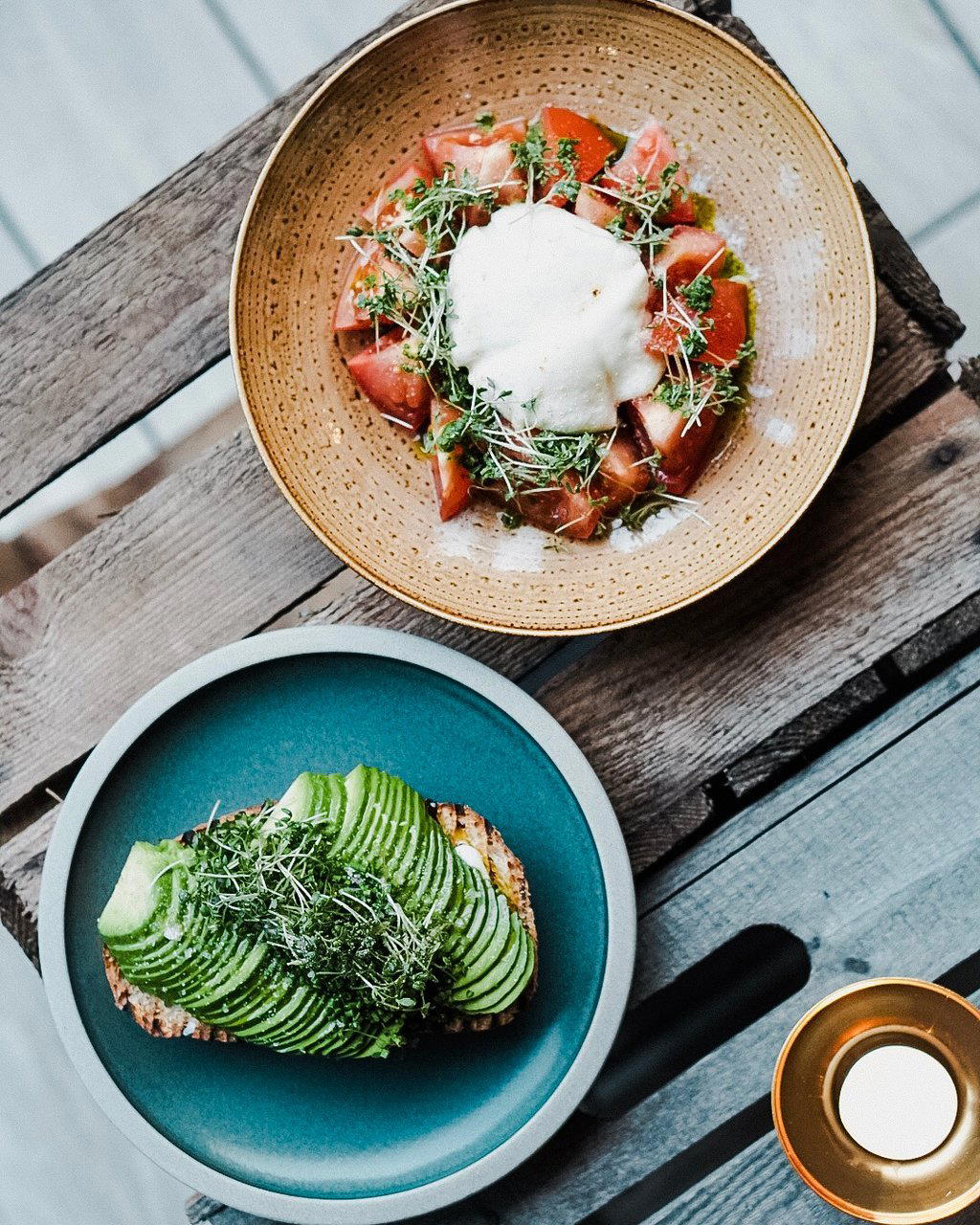
Vesterå, the pedestrian artery threading through central Aalborg, has long been the address where the city's more experimental dining concepts tested their ideas. At number 5, Ubat Veggie by Tabu occupied that territory with a format that was, at the time of its operation, relatively unusual in a Danish city of Aalborg's scale: a full vegetable-led menu built not as a supplement to meat-centred cooking, but as the architectural centre of the meal itself. The restaurant was permanently closed, and its presence in the local record mattered because it arrived during a period when plant-based fine dining in provincial Danish cities was rarely done with the kind of seriousness it received at Tabu.
The Menu as Statement
In Danish restaurant culture, the vegetable menu debate has run parallel to the broader New Nordic movement for years. What Noma in Copenhagen demonstrated at the summit tier, that fermentation, foraged produce, and radical vegetable technique could reframe the entire structure of a meal, gradually filtered into regional cities, but inconsistently. Many restaurants adopted the vocabulary without the conviction, tucking a token vegetarian tasting menu alongside a conventional meat programme. Ubat Veggie by Tabu did not take that route.
The award it received speaks directly to this distinction. The Radishes recognition, issued by a specialist plant-based dining evaluation system, is calibrated specifically for venues where vegetables are the primary ingredient logic, not an accommodation. Earning five of those markers placed Ubat Veggie by Tabu at the upper tier of that narrow peer group, a cohort that in Denmark includes only a handful of addresses at any given time. For context, venues earning equivalent plant-forward recognition in larger Danish cities, like Frederikshøj in Aarhus or ARO in Odense, operate in markets with significantly deeper fine-dining infrastructure. Tabu achieved comparable recognition in a smaller, more competitive environment for specialist concepts.
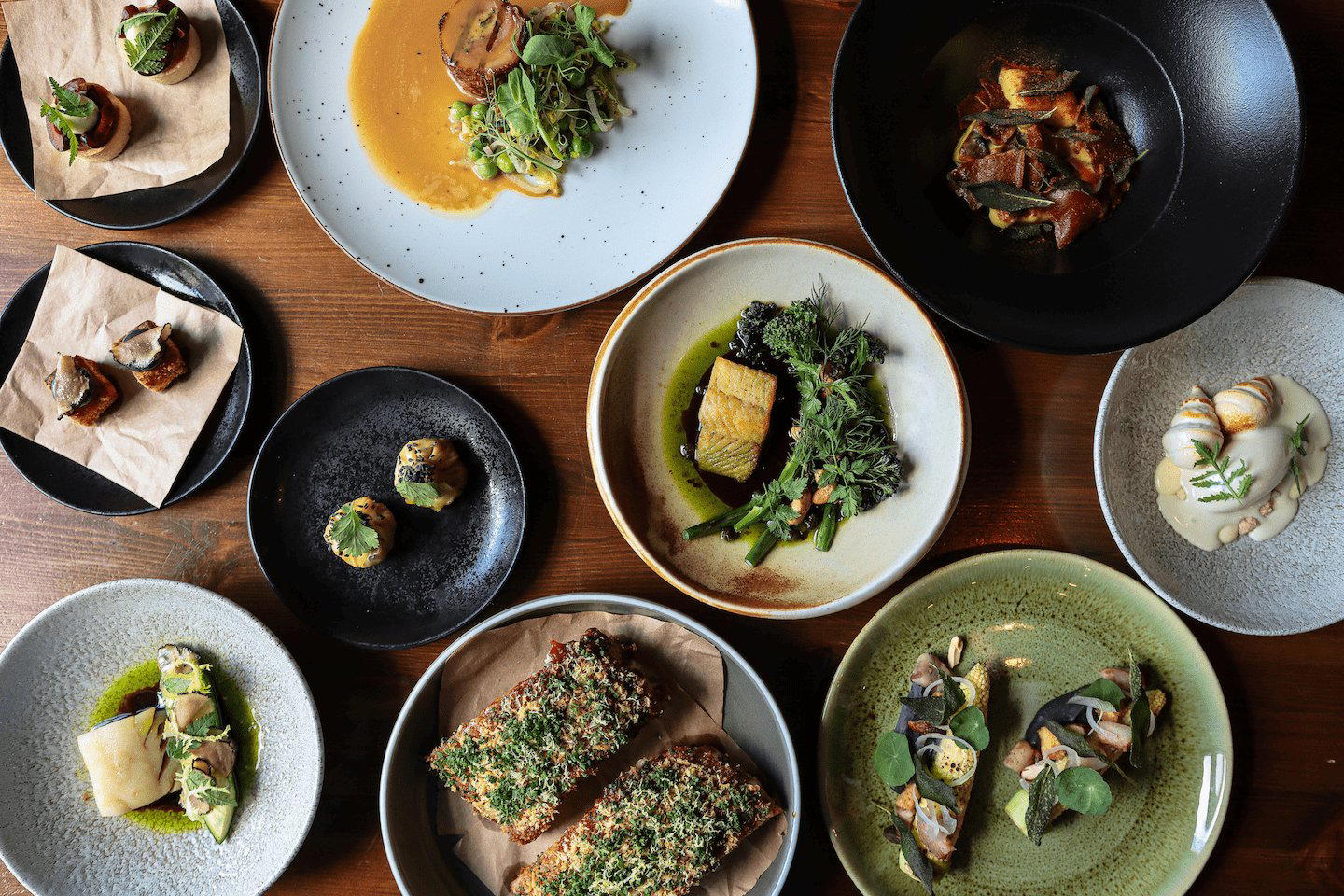
The menu architecture that earned this recognition was organised around vegetable abundance rather than substitution logic. The distinction matters more than it might first appear. Substitution menus replace a protein with a vegetable equivalent, leaving the underlying plate structure intact. Abundance menus, by contrast, build from the vegetable outward, the cuts, preparation techniques, temperatures, and textures are all determined by what the ingredient itself demands. The result is a different kind of eating pace, one where the progression of a meal is governed by season and botanical variety rather than the protein-starch-vegetable formula that still dominates much of mainstream Danish dining.
Drinks Architecture and the Non-Alcoholic Programme
as significant as the food programme was Tabu's approach to non-alcoholic pairing. In most fine-dining contexts, non-alcoholic pairings remain an afterthought, a list of juices and infusions assembled as an accommodation for guests who decline wine, rather than as a designed complement to the food. The 5 Radishes citation specifically referenced Tabu's adapted non-alcoholic drinks programme as a point of merit, placing it alongside the food as a co-equal element of the experience.
This is a meaningful signal in the broader Danish drinks context. Copenhagen venues like Jordnær in Gentofte have demonstrated that serious non-alcoholic pairing can carry the same intellectual weight as a conventional wine flight, using fermented botanicals, reduced fruit liquors, and temperature-precise infusions to mirror the progression of a tasting menu. Tabu's approach in Aalborg aligned with that direction, applying the same design rigour to drinks that it applied to the plate. For guests who sought a fully structured dining experience without alcohol, this represented one of the few addresses in the city where that was possible at a meaningful level of craft.
Aalborg's Plant-Forward Gap
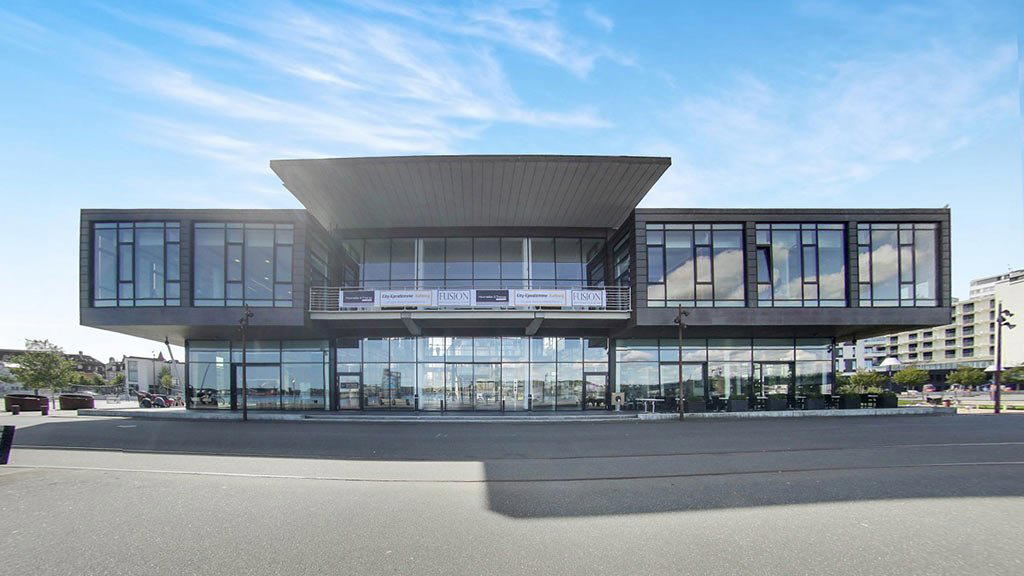
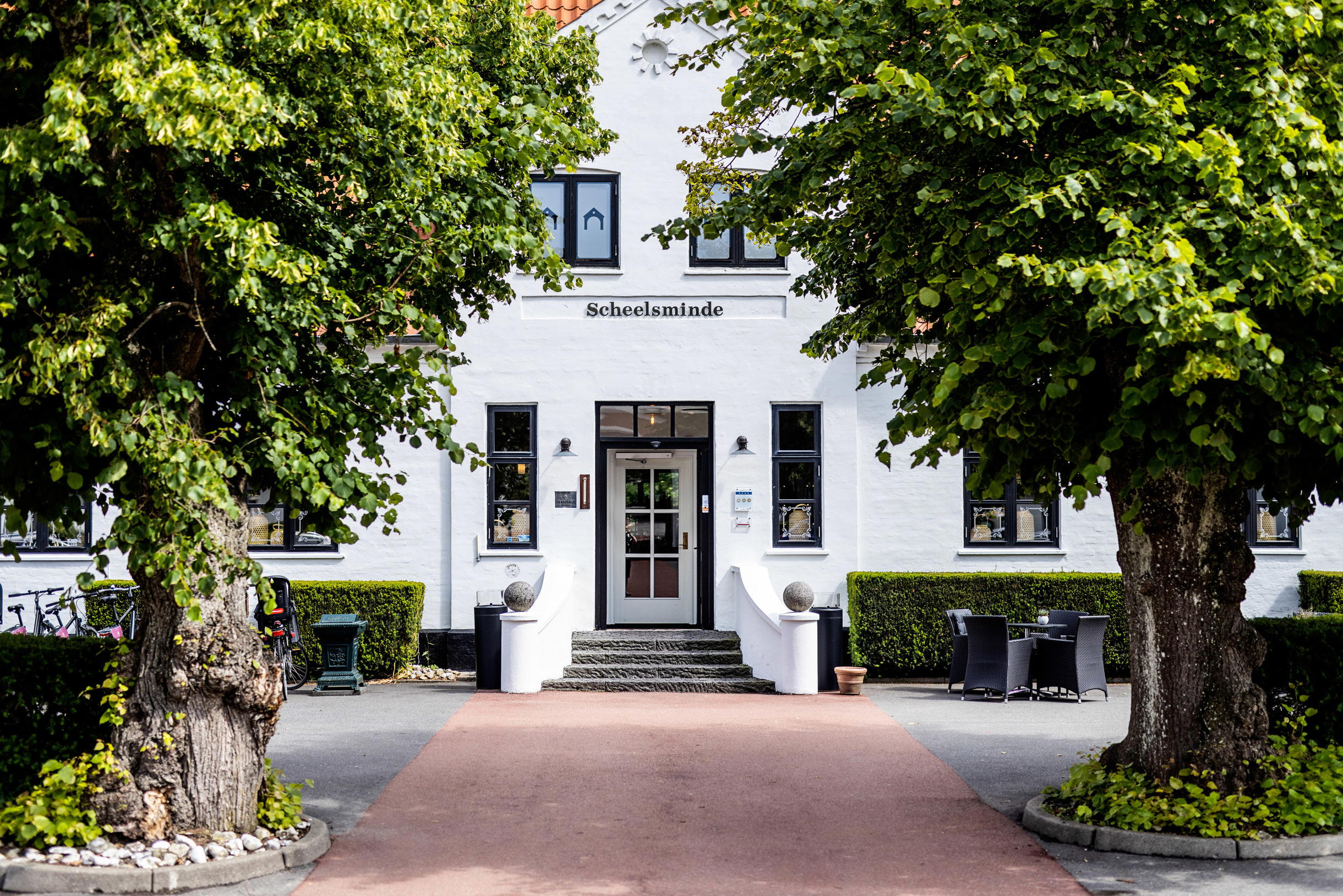
The closure of the restaurant left a noticeable absence in the Aalborg dining calendar. The city's current restaurant scene is capable and in places genuinely ambitious, Alimentum operates at the modern cuisine tier, Bach and Nurup represents the creative end of the market, and venues such as Restaurant Applaus, Restaurant Bühlmann at Scheelsminde Hotel, and Restaurant Fusion fill out a range of styles and price points. What is notably absent is a dedicated vegetable-led programme at the level Tabu operated. For a city that draws from a university population and a growing food-literate visitor base, that gap is likely to be filled eventually, but at the time of writing, no direct equivalent exists at the same recognition tier.
The broader pattern this reflects is not distinctive to Aalborg. Across Danish provincial cities, specialist formats tend to be more fragile than their urban counterparts because the viable customer base is narrower. A five-radish vegetable restaurant in Copenhagen operates within a large pool of regularly dining food-literate guests. The same concept in a city of 115,000 people depends on a smaller, though often more loyal, audience. When that audience is sufficient, the concept thrives; when it shifts, the economics become difficult. Tabu's permanent closure is consistent with that structural reality rather than a reflection of its quality, which the recognition record suggests was not in question.
Planning and Context
The restaurant at Vesterå 5 was permanently closed and could no longer be visited. Travellers seeking plant-forward dining in Denmark at this tier of recognition were directed toward Copenhagen, where the density of comparable concepts was considerably higher, or toward venues in Aarhus and Odense that had developed serious vegetable programmes within broader tasting menus. For Danish restaurant context at the national level, Henne Kirkeby Kro in Henne and Domæne in Herning illustrate how serious fine dining operates in non-metropolitan Danish settings. For international reference points on non-alcoholic pairing programmes and technically driven vegetable menus, Le Bernardin in New York City and Emeril's in New Orleans offer useful comparisons on how serious kitchens structure the non-meat side of a programme.
Accolades, Compared
Comparable venues nearby, for context on price, style, and recognition.
| Venue | Cuisine | Price | Awards | Notes |
|---|---|---|---|---|
| Ubat Veggie by TabuThis venue — the venue you are viewing | Nordic Vegetable Fine Dining | $$$ | Not listed | Not listed |
| Restaurant Fusion | Asian-European Fusion with Sushi | $$$ | Not listed | Waterfront |
| Tian Fu | Chinese Buffet with Sushi | $$ | Not listed | Shoppen City Syd |
| Struktur | French-Nordic Brasserie | $$$ | Not listed | Aalborg Centrum |
| tabu | Dining | Not listed | Michelin Plate | Aalborg |
| KARMA | Fusion Sushi | $$ | Not listed | city center |
Recognition history
Dated appearances from independent guides and award organizations, with the underlying list record or original source where available.
We're Smart World 5 Radishes
We're Smart World
Continue exploring
More in Aalborg
Restaurants in Aalborg
Browse all →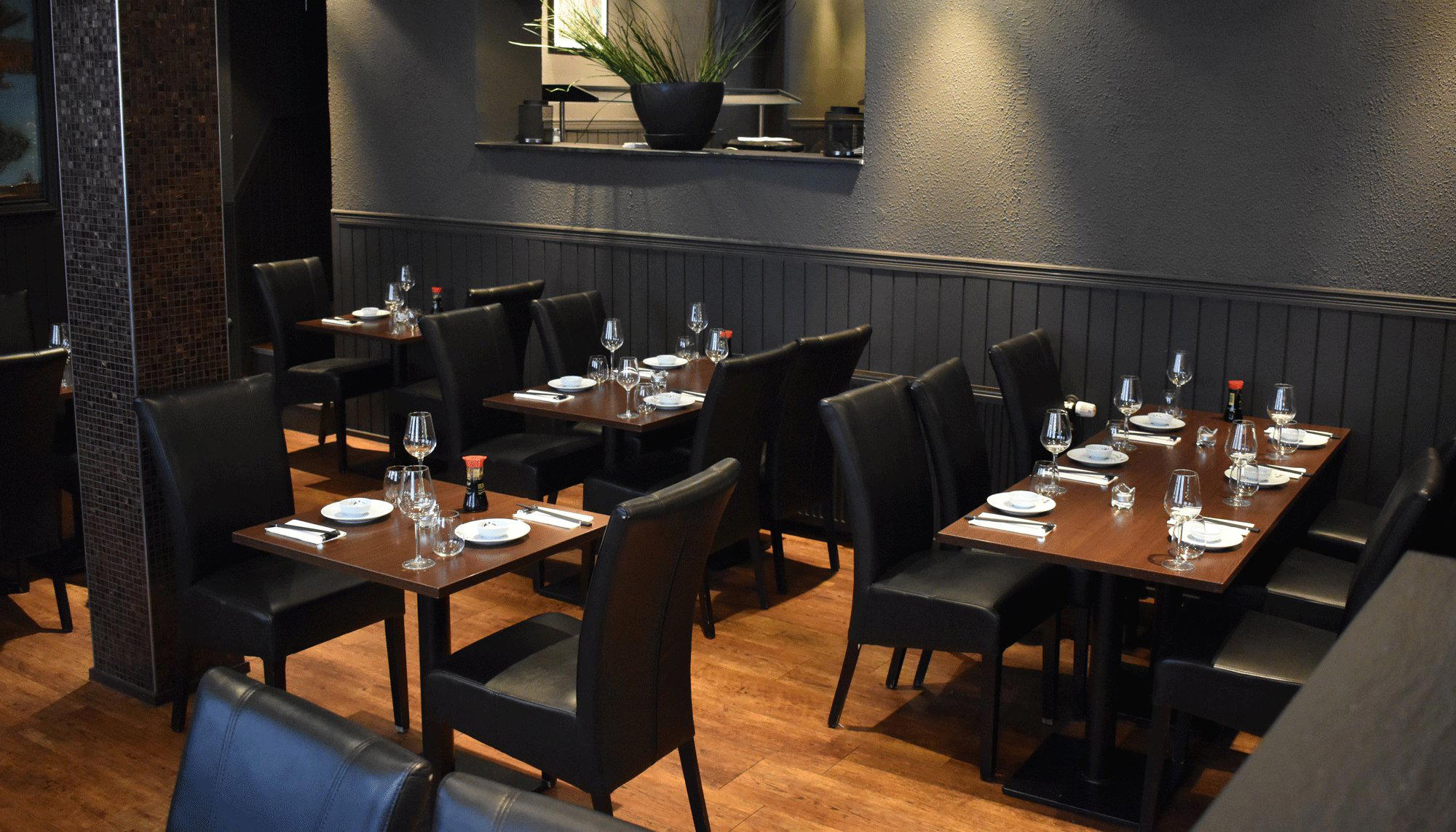
Hotels in Aalborg
Browse all →
Wineries in Aalborg
Browse all →
At a Glance
- Elegant
- Sophisticated
- Intimate
- Modern
- Special Occasion
- Date Night
- Celebration
- Open Kitchen
- Standalone
- Sommelier Led
- Farm To Table
- Local Sourcing
- Organic
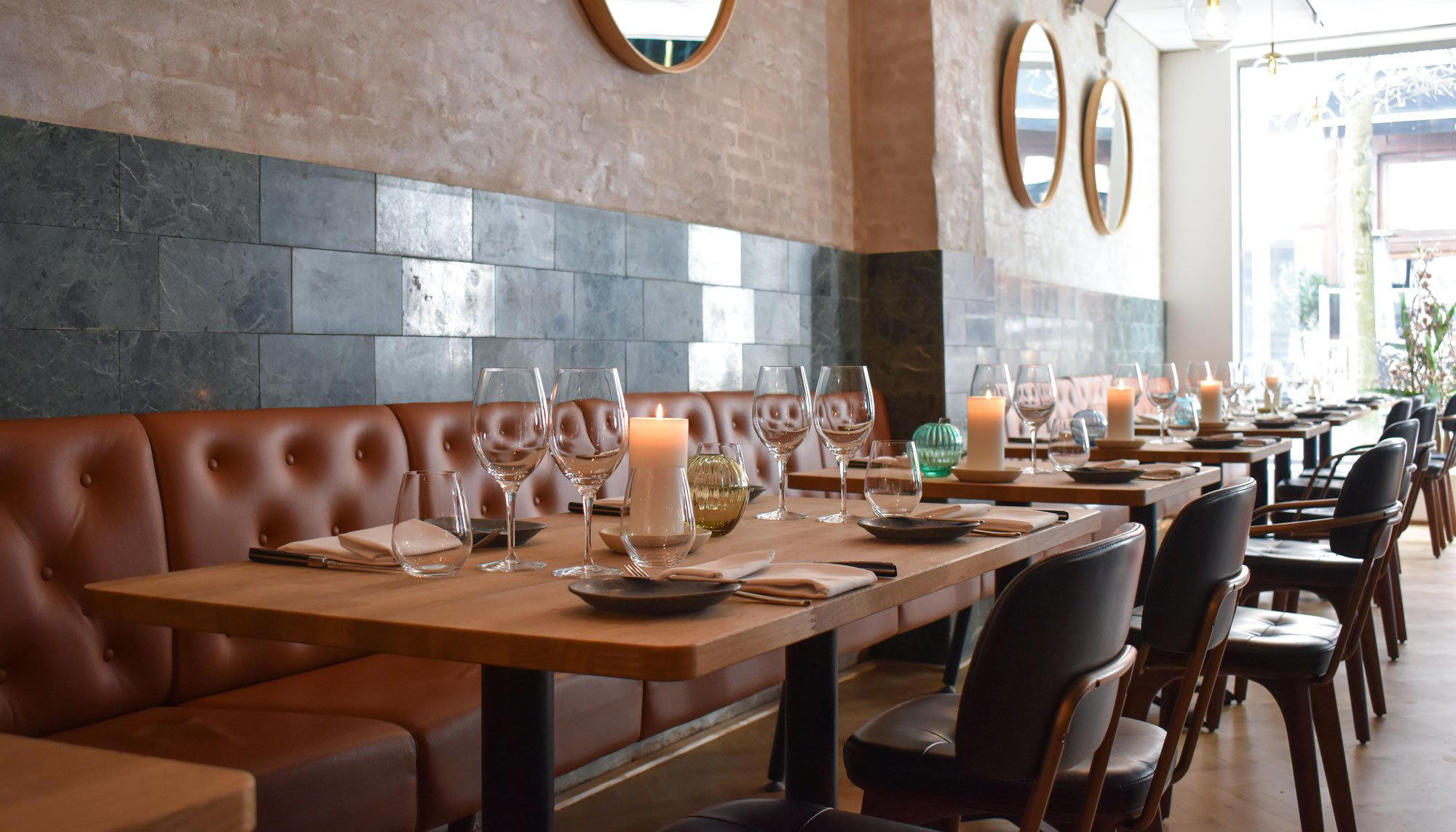
Refined and artistic atmosphere with carefully composed plating and engaged service; intimate setting in a converted shop space with focus on culinary presentation and ingredient storytelling.