U Cavagnetu
On a quiet lane in Monaco's oldest quarter, U Cavagnetu occupies a position that most of the principality's dining scene cannot: a genuinely neighbourhood-scaled room in a city defined by grand-hotel spectacle. The address at 14 Rue Comte Félix Gastaldi places it in La Condamine, where the cooking is rooted in Ligurian and Monégasque tradition rather than international luxury programming.
Pearl is the En Primeur Club membership app — saves, bookings, and concierge access live there. Same editors, same standards.
- Address
- 14 Rue Comte Félix Gastaldi, 98000 Monaco
- Phone
- +377 97 98 20 40
- Directions
- Get directions
 Saves & bookings on Pearl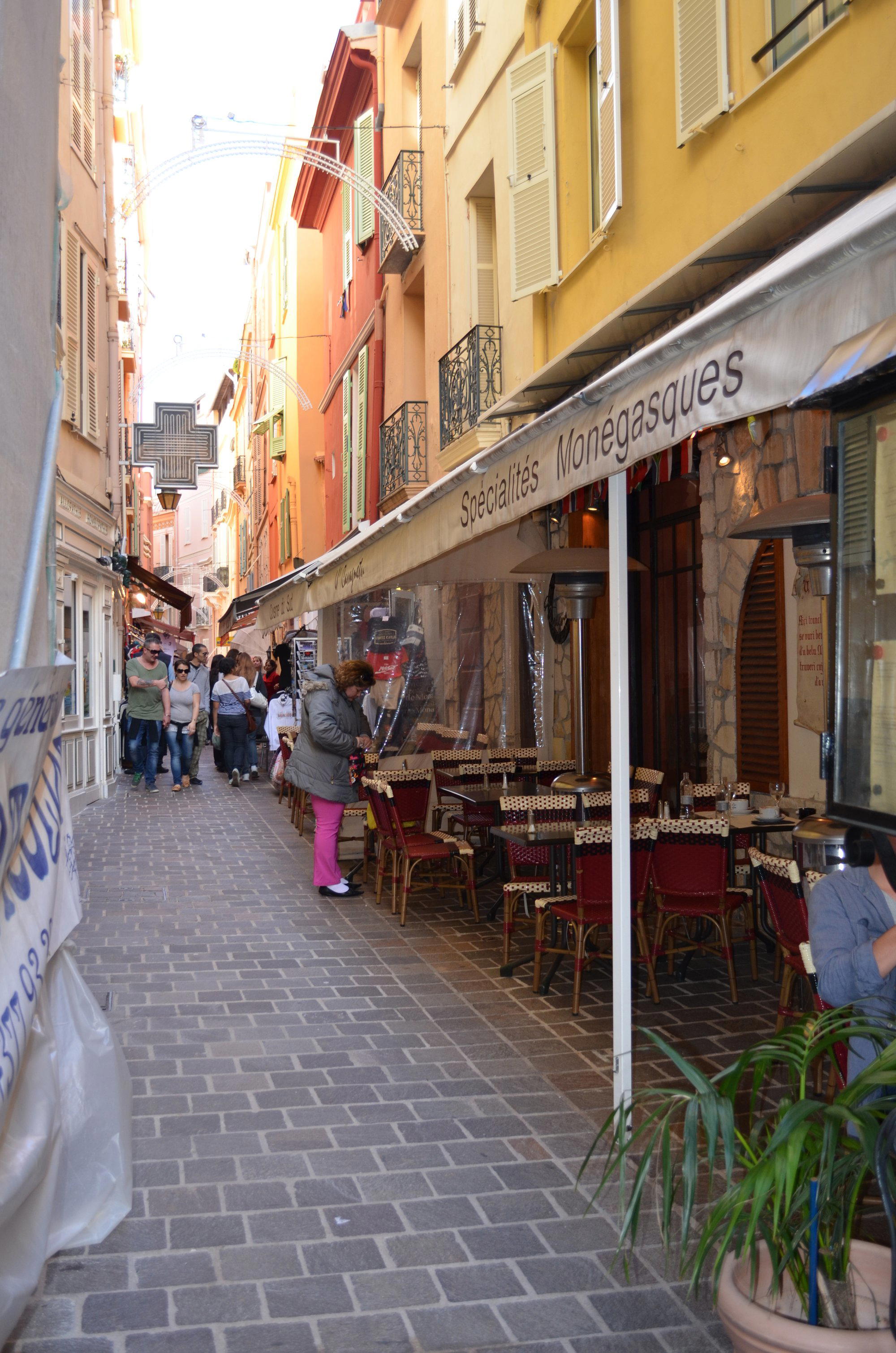
Where Monaco's Oldest Quarter Still Sets the Table
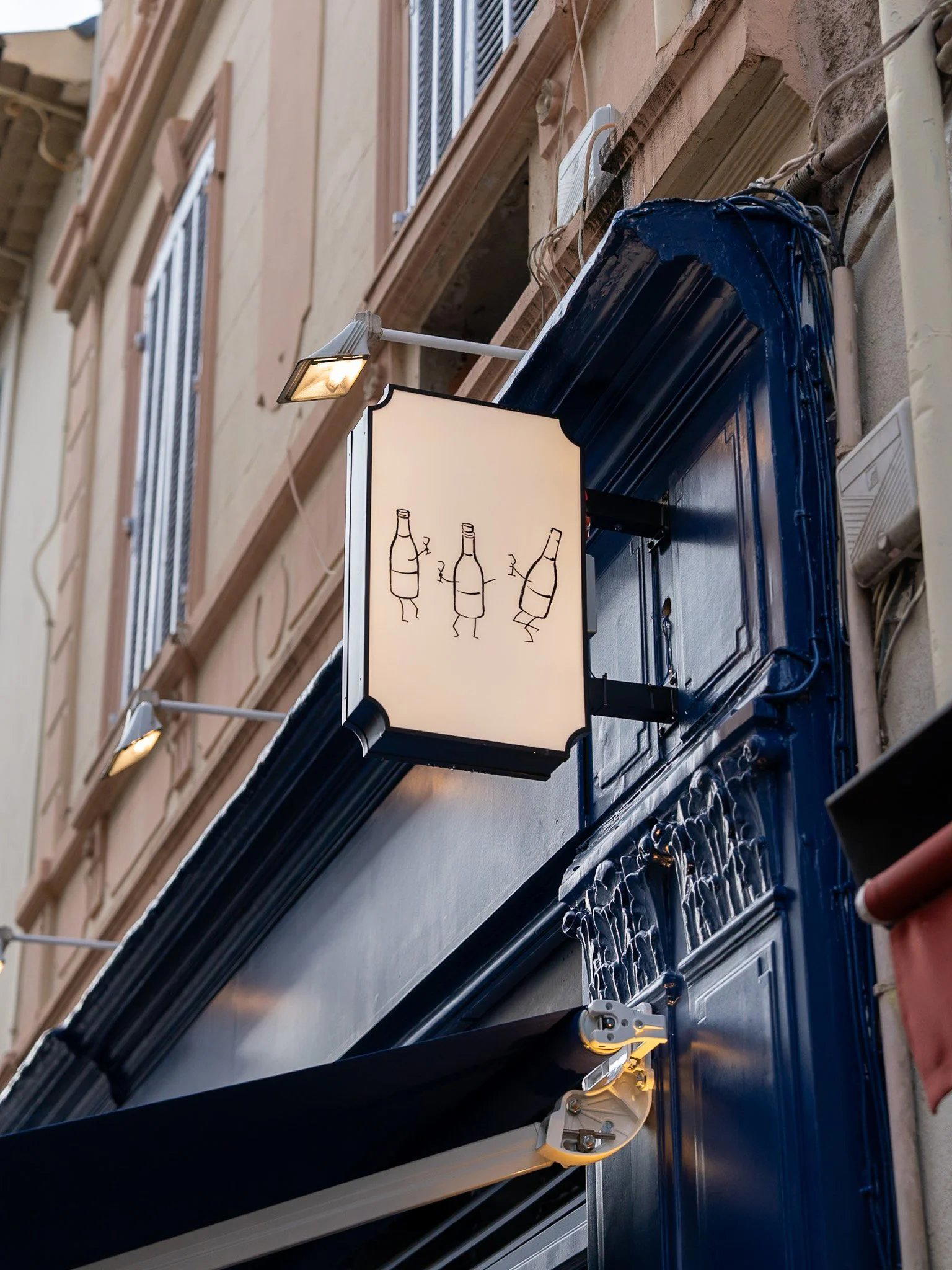
La Condamine is the part of Monaco that predates the casino economy. Its streets run narrow and residential, and the buildings along Rue Comte Félix Gastaldi face inward rather than toward the sea. This is not the Monaco of Alain Ducasse's Louis XV or the Hotel de Paris forecourt. It is older, denser, and considerably less staged. U Cavagnetu sits at number 14 on that street, and the physical approach tells you something immediately: the scale is domestic, not ceremonial. You are not walking into an atrium or past a maître d' station designed to impress. The room announces itself on modest terms, which in Monaco functions as a form of distinction in itself.
For a principality with fewer than two square kilometres of land, the neighbourhood trattoria format is genuinely rare. The major addresses, from Blue Bay Marcel Ravin to L'Abysse Monte-Carlo and Les Ambassadeurs by Christophe Cussac, operate from within hotel structures with corresponding overhead and positioning. U Cavagnetu occupies a different register entirely: a freestanding address in a working quarter, shaped by the Monégasque and Ligurian culinary tradition that predates Monaco's transformation into a luxury destination.
The Ligurian Pantry and Why It Matters Here
The cooking of the western Ligurian coast, which runs from Ventimiglia through the French border and into the hills above Monaco, is one of the more ingredient-specific traditions in the Mediterranean. It depends on a narrow band of produce: the small, intensely flavoured olives of the arrière-pays, the Taggiasca variety in particular; the anchovies landed at Menton and San Remo; the wild herbs that grow on the limestone slopes above the coast; and the pasta formats, including trofie and trofiette, that evolved as vehicles for pesto made from the small-leafed basil that the coastal microclimate produces differently from its Genovese counterpart.
This is not the Mediterranean kitchen that Elsa works in, which tilts broader in sourcing. The Ligurian-Monégasque register is more austere in its building blocks, though not in its results. The flavour logic depends on concentration and precision rather than richness and volume. An anchovy from the Ligurian coast carries enough salt, fat, and umami to season an entire dish without supporting ingredients. Taggiasca olives pressed into oil produce something fruitier and less peppery than Tuscan standards, and that distinction matters when oil is a primary flavour rather than a background medium.
What this means in practical terms is that the kitchens working in this tradition are necessarily connected to a specific supply geography. The relevant producers are located in a corridor running roughly from Imperia to Menton, with seasonal variation that affects availability more sharply than in industrialised supply chains. Spring brings the first tender courgette flowers and new-season olive oil from the previous autumn's harvest, still vivid. Late summer shifts toward tomato preparations and dried pulses. Winter is the anchovy and salt-cod season, when the larder logic turns preserved rather than fresh. A restaurant positioned in this tradition is, by definition, operating on a seasonal calendar tied to a specific stretch of coastline and hillside.
Late spring through early autumn is the period when the fresh-produce dimension of this cooking is at its most expressive. May and September also bring easier table planning than the peak summer months.
U Cavagnetu in Monaco's Competitive Picture
Monaco's dining map divides broadly between the grand-hotel tier, a cluster of standalone fine-dining addresses, and a thinner stratum of neighbourhood-format places with local identity. The restaurant falls into the third category, which is the smallest and the informative about what the principality was before the wealth concentration of the late twentieth century reshaped it.
The comparison that matters most is not with three-Michelin-star peers like Ducasse's room but with mid-tier addresses working adjacent culinary territory. The Ligurian and Monégasque traditions share ingredients and techniques with the Provençal kitchen that dominates the hinterland, but they diverge in their relationship to olive oil, preserved fish, and pasta formats in ways that create a distinctly different plate aesthetic. A restaurant like Hostellerie Jérôme in La Turbie, up in the hills above Monaco, works similar coastal-alpine ingredient logic but from a more formal fine-dining position. The restaurant operates at a different social register, one that prioritises repetition and familiarity over occasion dining.
Internationally, the closest analogue is the Ligurian neighbourhood osteria format found in Genoa or Savona, where the same pantry logic applies in a context of local clientele and menus built around availability. The gap between that format and what addresses like Le Bernardin in New York or Alléno Paris au Pavillon Ledoyen represent is not a quality hierarchy so much as a completely different intention. The neighbourhood trattoria is not trying to compete with tasting-menu architecture; it is trying to cook the same dishes reliably across many years, letting the ingredients do the work that technique performs elsewhere.
Planning a Visit
The restaurant is located at 14 Rue Comte Félix Gastaldi in La Condamine, the lower commercial district of Monaco between the port and the Rocher. The address is walkable from the Place d'Armes market and the Fontvieille area. The restaurant is open daily from 11 AM to 4 PM.
Reservations are recommended. La Condamine addresses of this format tend to run limited covers, and the combination of local regulars and visiting diners who have specifically sought out non-hotel dining in Monaco can fill smaller rooms earlier than expected. For those building a broader Monaco itinerary, the EP Club guides to Monte Carlo hotels, bars, wineries, and experiences cover the full picture across categories.
Comparable Venues
Comparable venues nearby, for context on price, style, and recognition.
| Venue | Cuisine | Price | Notes |
|---|---|---|---|
| U CavagnetuThis venue — the venue you are viewing | Traditional Monégasque & Italian | $$ | Not listed |
| L'Hirondelle | Healthy Mediterranean | $$$$ | Monte-Carlo |
| Nikki Beach Monte Carlo | Mediterranean Coastal Fusion | $$$$ | Monte Carlo |
| Robuchon Monaco | Dining | Not listed | Monte Carlo |
| Il Terrazzino | Traditional Neapolitan Italian | $$$ | Monte-Carlo |
| Le Salon Rose | Mediterranean Bistro with Asian Influences | $$$ | Place du Casino |
Continue exploring
More in Monte Carlo
Restaurants in Monte Carlo
Browse all →
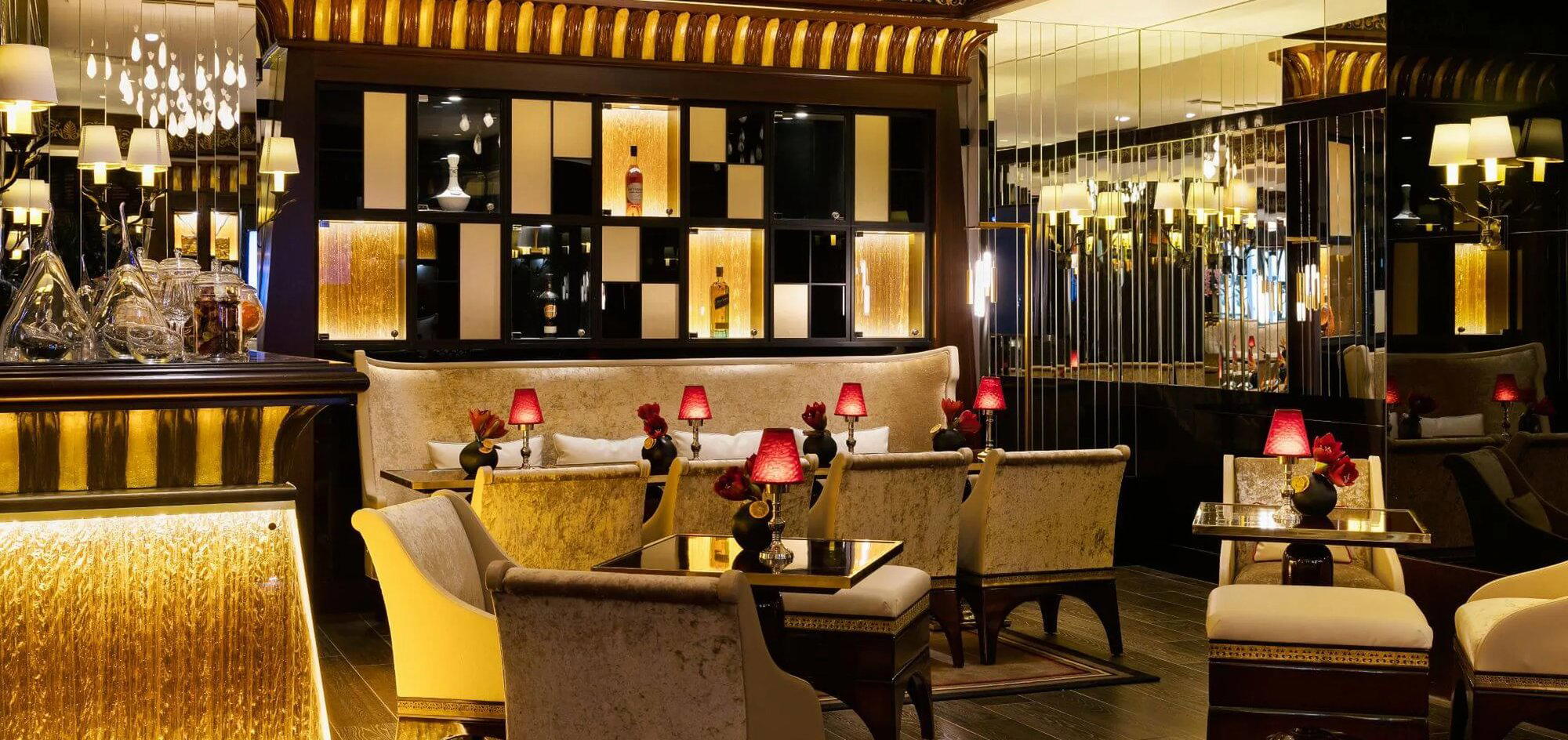
Bars in Monte Carlo
Browse all →
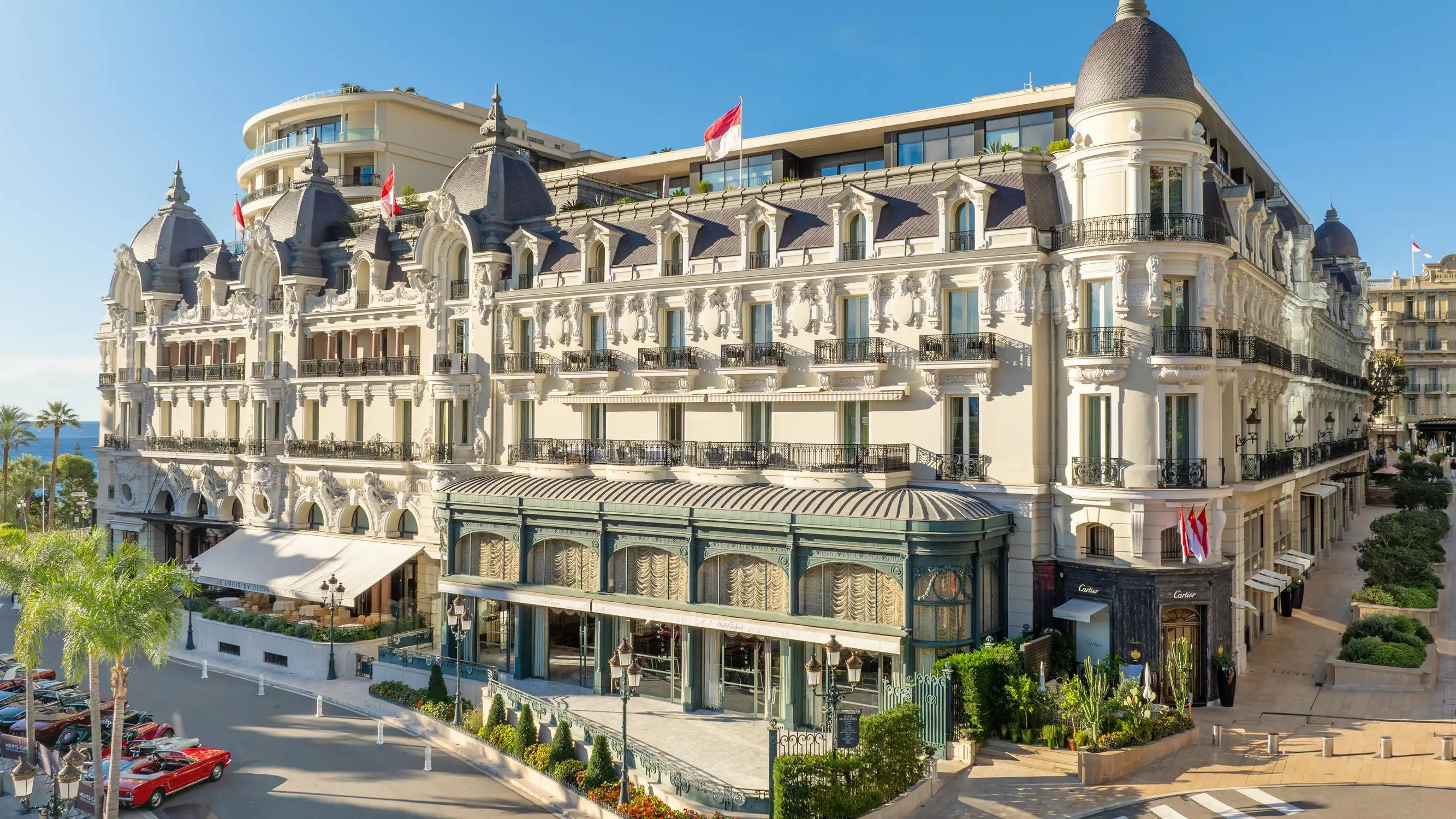
Hotels in Monte Carlo
Browse all →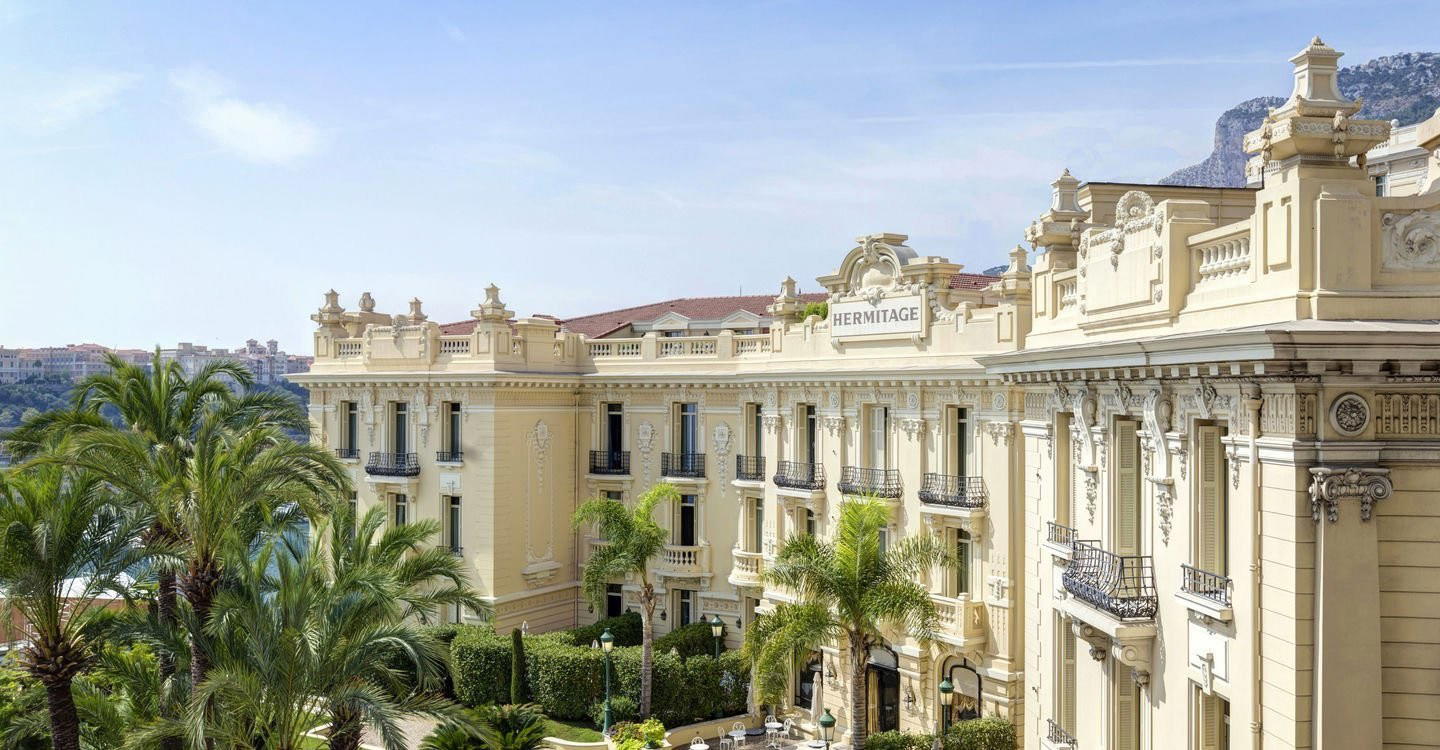
Wineries in Monte Carlo
Browse all →
At a Glance
- Cozy
- Rustic
- Classic
- Intimate
- Casual Hangout
- Family
- Group Dining
- Terrace
- Historic Building
- Standalone
- Beer Program
- Local Sourcing
- Street Scene
Current opening hours
- Monday
- 11 AM–4 PM
- Tuesday
- 11 AM–4 PM
- Wednesday
- 11 AM–4 PM
- Thursday
- 11 AM–4 PM
- Friday
- 11 AM–4 PM
- Saturday
- 11 AM–4 PM
- Sunday
- 11 AM–4 PM
Hours can change for holidays and private events. Last verified .
Warm, welcoming atmosphere with orange-toned walls; cozy indoor seating and atmospheric outdoor terrace ideal for people-watching on a quiet pedestrian street.