Twisted Laurel Downtown
Twisted Laurel Downtown sits on College Street in the heart of Asheville, North Carolina, where the city's deep Appalachian pantry meets techniques drawn from broader American and global kitchens. The restaurant occupies a central position in downtown's dining corridor, making it a practical anchor for any evening in the neighborhood. Visitors planning around Asheville's fall harvest season will find the timing particularly well-suited to the kitchen's regional sourcing habits.
Pearl is the En Primeur Club membership app — saves, bookings, and concierge access live there. Same editors, same standards.
- Address
- 130 College St, Asheville, NC 28801
- Phone
- +18289444106
- Directions
- Get directions
 Saves & bookings on Pearl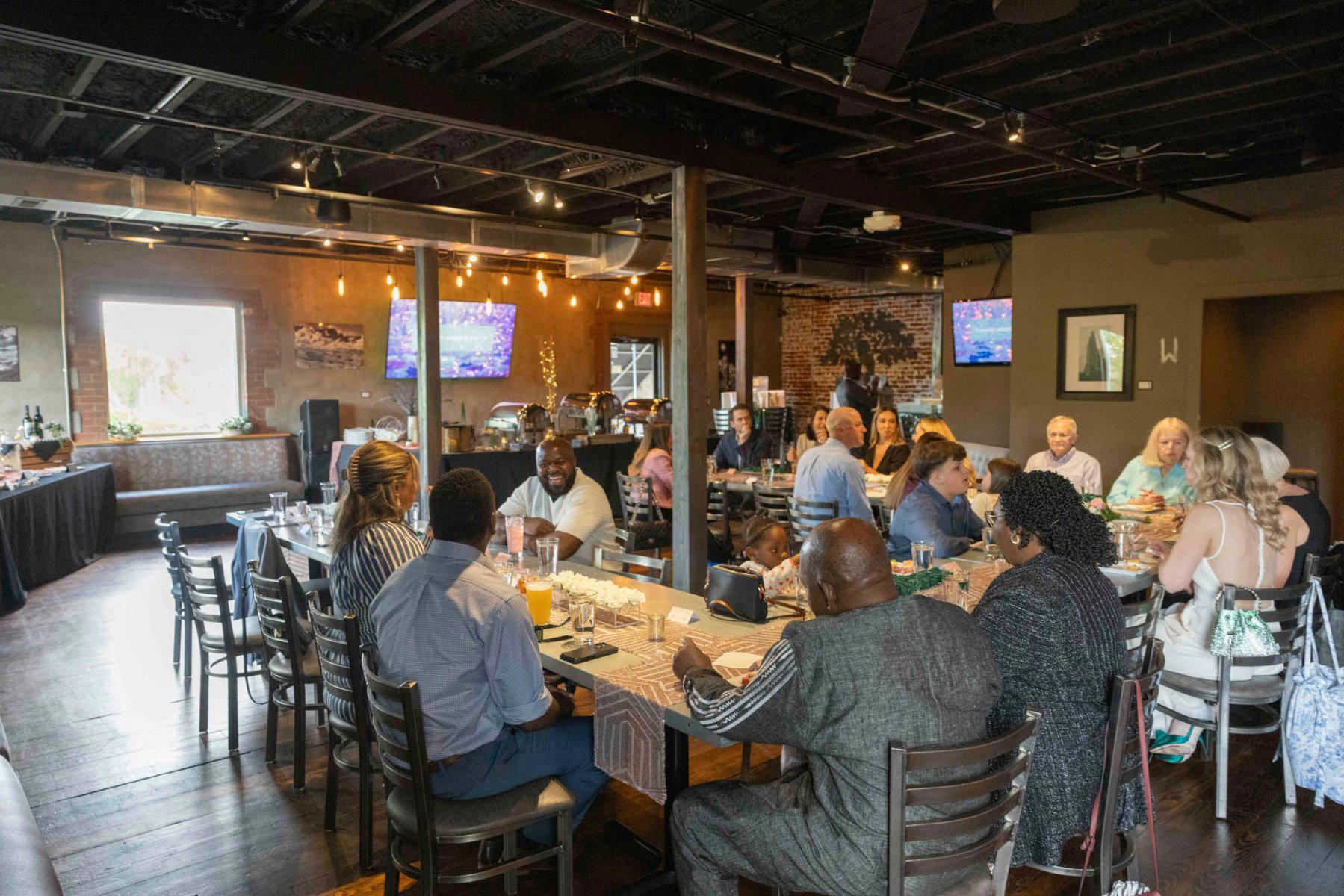
College Street and the Downtown Dining Corridor
Downtown Asheville's restaurant density is concentrated along a tight grid between Lexington Avenue and the Grove Arcade, and College Street sits near the center of that activity. The block functions as a throughline between the city's performing arts venues and its hotel cluster, which means foot traffic on any given Thursday evening skews toward a mix of pre-show diners, hotel guests, and locals who have made the walk from the River Arts District. Twisted Laurel Downtown occupies 130 College St within that corridor, positioned to capture both the passing crowd and the deliberate reservation.
Asheville's downtown dining scene has matured considerably over the past decade. What was once a collection of independent cafes and direct Southern kitchens has become a competitive field that includes Spanish tapas at Cúrate, farm-aligned American cooking at Asheville Proper, and a broadening set of global formats anchored by places like Addissae Ethiopian Restaurant. The city now supports a dining culture that rewards kitchens willing to reach beyond regional clichés while still drawing on the Appalachian larder that makes Western North Carolina genuinely distinctive as a sourcing environment.
Appalachian Ingredients, Broader Technique
The culinary argument for Western North Carolina has always rested on what grows here: ramps and pawpaws from the forest understory, heirloom corn varieties that predate industrial agriculture, trout from cold mountain streams, and a fall mushroom season that rivals the Pacific Northwest in diversity. What the region has historically lacked is the technical infrastructure to translate those ingredients into cooking that competes at a national register. That gap has narrowed substantially as trained cooks have returned to or relocated to Asheville, bringing methods associated with ambitious kitchens elsewhere in the country.
The intersection of imported technique and indigenous product is now the defining mode of Asheville's better kitchens. At its most disciplined, this means applying precision fermentation, careful acid balance, and controlled high-heat cooking to ingredients that carry genuine provenance. At its least disciplined, it means gesturing at local sourcing while building menus that could exist anywhere. The restaurants that have earned sustained local attention are those that treat the Appalachian pantry as a constraint and an asset simultaneously, rather than a marketing footnote. Twisted Laurel Downtown sits in this broader current, serving a downtown audience that has grown accustomed to kitchens with real culinary ambition.
For reference points on what this intersection of regional sourcing and formal technique can achieve at its highest register, kitchens like Blue Hill at Stone Barns in Tarrytown and Single Thread Farm in Healdsburg have demonstrated how deeply a kitchen can commit to place-based sourcing while executing at a level that generates national conversation. Asheville operates at a different scale and price tier, but the underlying logic of terrain-driven cooking is the same.
Where Twisted Laurel Sits in the Field
Asheville's downtown restaurants now occupy a recognizable spread from the casual and affordable, represented by spots like All Day Darling and All Souls Pizza, to more composed mid-market dining that draws on the same local sourcing networks but applies greater kitchen labor. Twisted Laurel occupies the mid-to-upper range of that spread, functioning as the kind of place where the menu warrants attention rather than just a backdrop to the evening.
The broader American restaurant category that Twisted Laurel Downtown represents has analogues in cities across the country, from Lazy Bear in San Francisco to Emeril's in New Orleans, though those operate at different price tiers and with different levels of national recognition. Closer to Twisted Laurel's actual competitive set are the ambitious independent American restaurants that have emerged in secondary cities over the past decade, kitchens that benefit from lower operating costs, loyal local audiences, and proximity to genuinely interesting regional ingredients. At the more formal end of American fine dining, places like Alinea in Chicago, The French Laundry in Napa, and Providence in Los Angeles define one ceiling for the category. Twisted Laurel functions several tiers below that register but within a city that has become a credible dining destination on its own terms. For a fuller picture of where it sits among Asheville's restaurants, the EP Club Asheville restaurants guide maps the field in detail.
Planning Your Visit
Fall is the strongest season to time a visit. Western North Carolina's harvest window runs from late September through November, when the sourcing networks that supply downtown kitchens are at their most productive. The city also draws significant tourist volume during leaf season, which means weekend reservations at the better downtown restaurants book out faster than the rest of the year. Midweek evenings in October and early November offer the combination of peak ingredient availability and slightly less compressed booking windows.
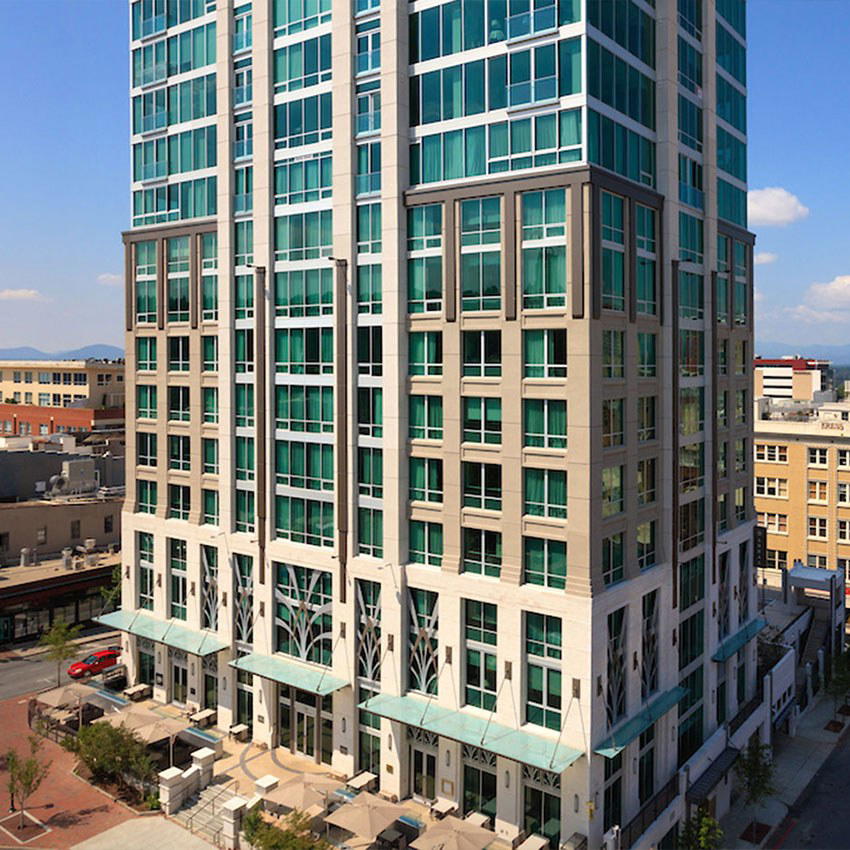
College Street's central location means Twisted Laurel Downtown is walkable from most of the downtown hotel cluster and from the Lexington Avenue corridor. Parking in the immediate area follows the standard downtown Asheville pattern: the city-operated garages off Rankin Avenue and Lexington Avenue are the most reliable options, particularly on weekend evenings when street parking on College Street fills quickly. For those arriving from outside the city, Asheville Regional Airport sits roughly fifteen miles southeast of downtown, with drive times ranging from twenty to forty minutes depending on traffic on I-26.
Visitors building a multi-stop evening might pair a meal here with the nearby performing arts venues or combine it with a visit to the River Arts District earlier in the day. The Addissae Ethiopian Restaurant and All Souls Pizza offer good alternatives for different budget points within the same walkable radius.
Continue exploring
More in Asheville
Restaurants in Asheville
Browse all →
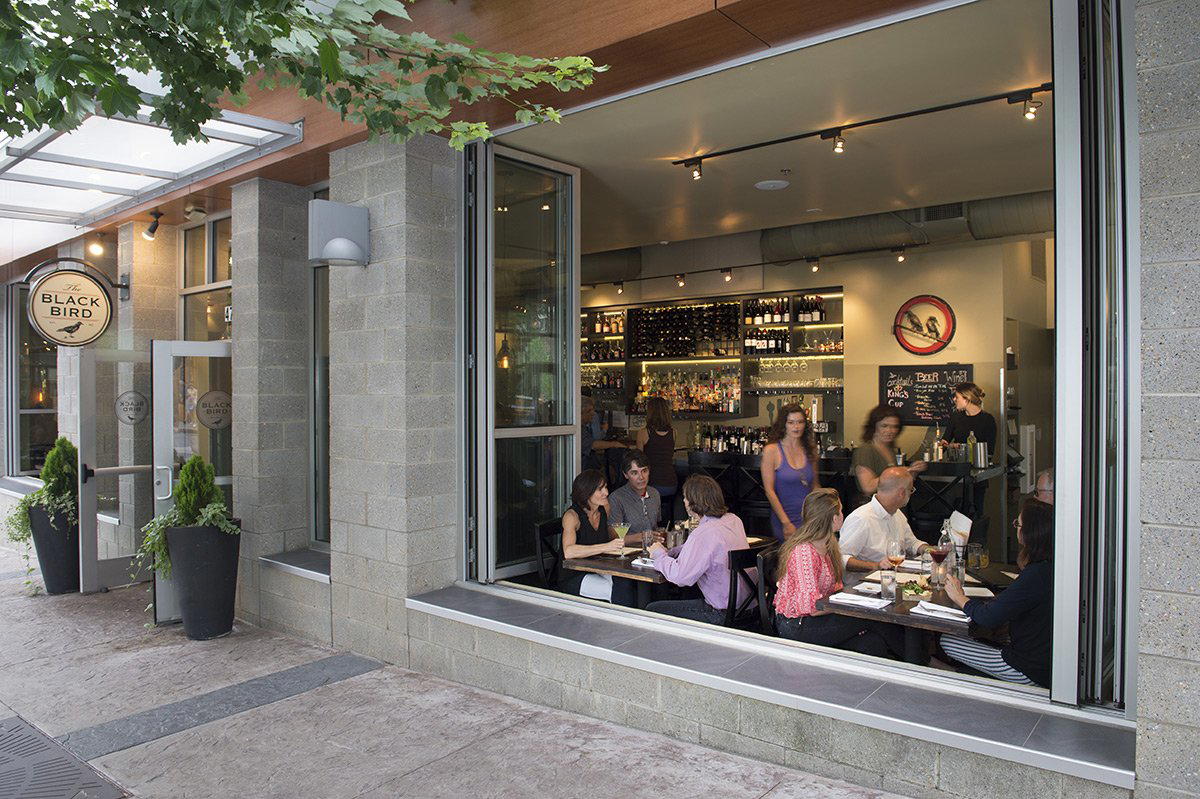
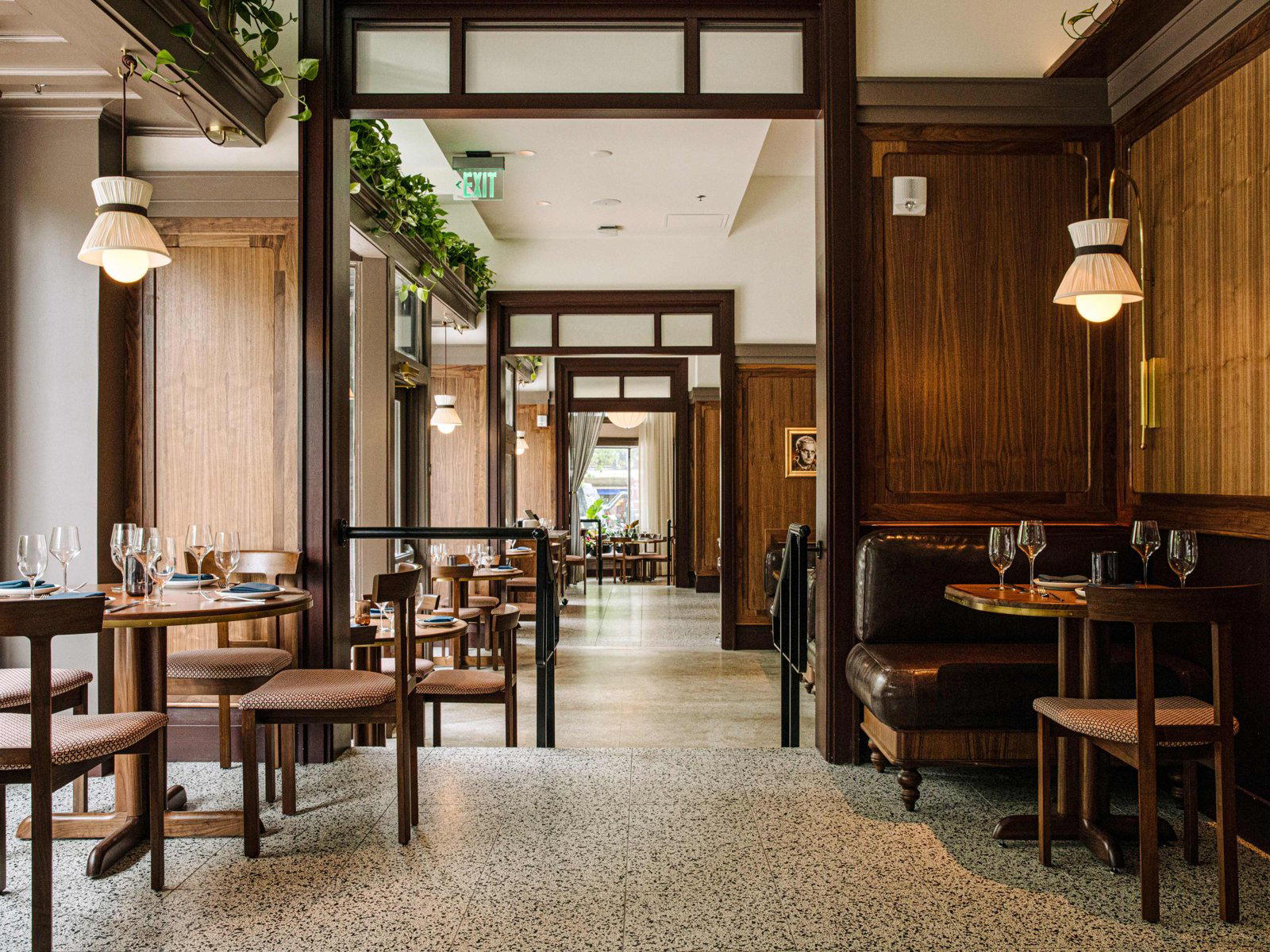
Bars in Asheville
Browse all →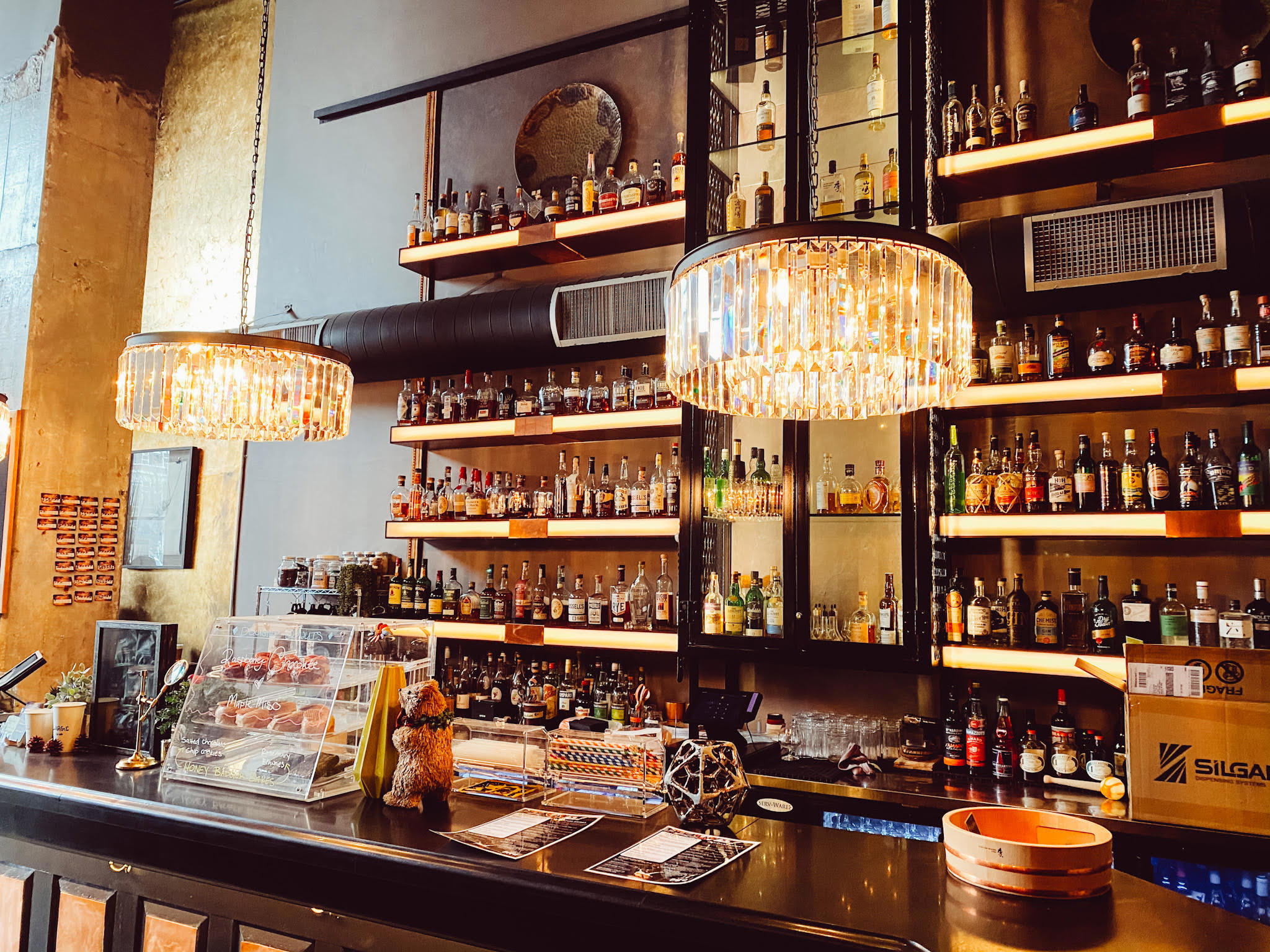
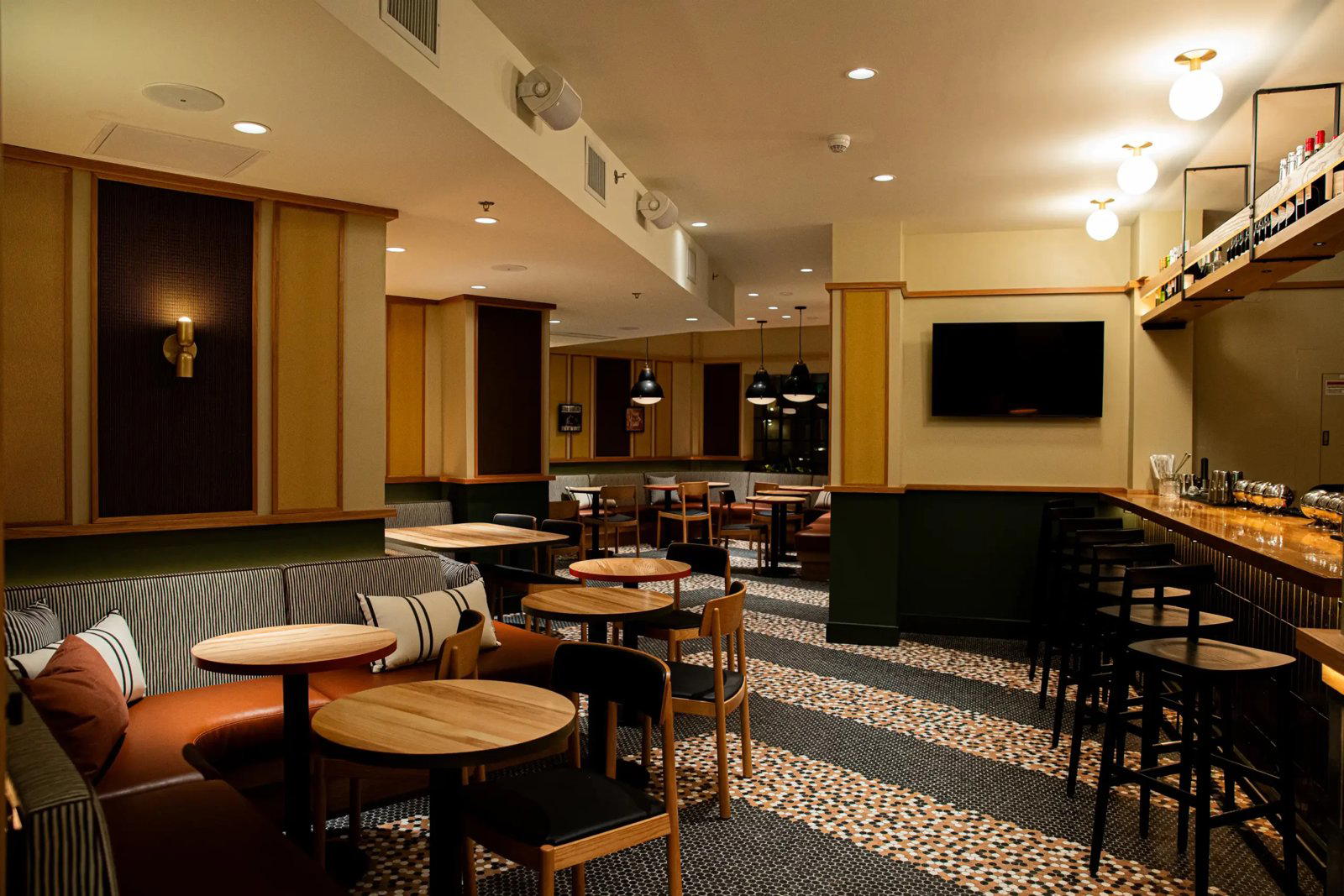
At a Glance
- Lively
- Rustic
- Industrial
- Family
- Group Dining
- Casual Hangout
- Open Kitchen
- Terrace
- Private Dining
- Craft Cocktails
- Beer Program
- Street Scene
Current opening hours
- Monday
- Closed
- Tuesday
- 11:30 AM–8:30 PM
- Wednesday
- 11:30 AM–8:30 PM
- Thursday
- 11:30 AM–8:30 PM
- Friday
- 11:30 AM–9:30 PM
- Saturday
- 11:30 AM–9:30 PM
- Sunday
- Closed
Hours can change for holidays and private events. Last verified .
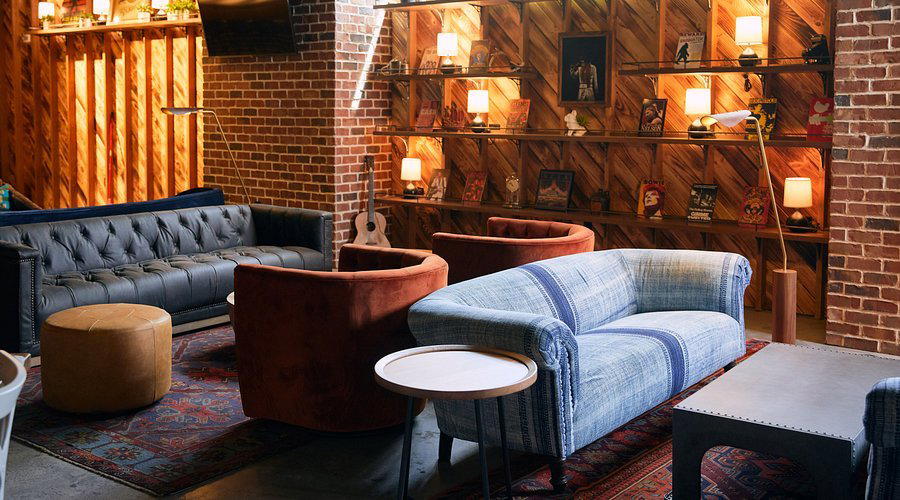
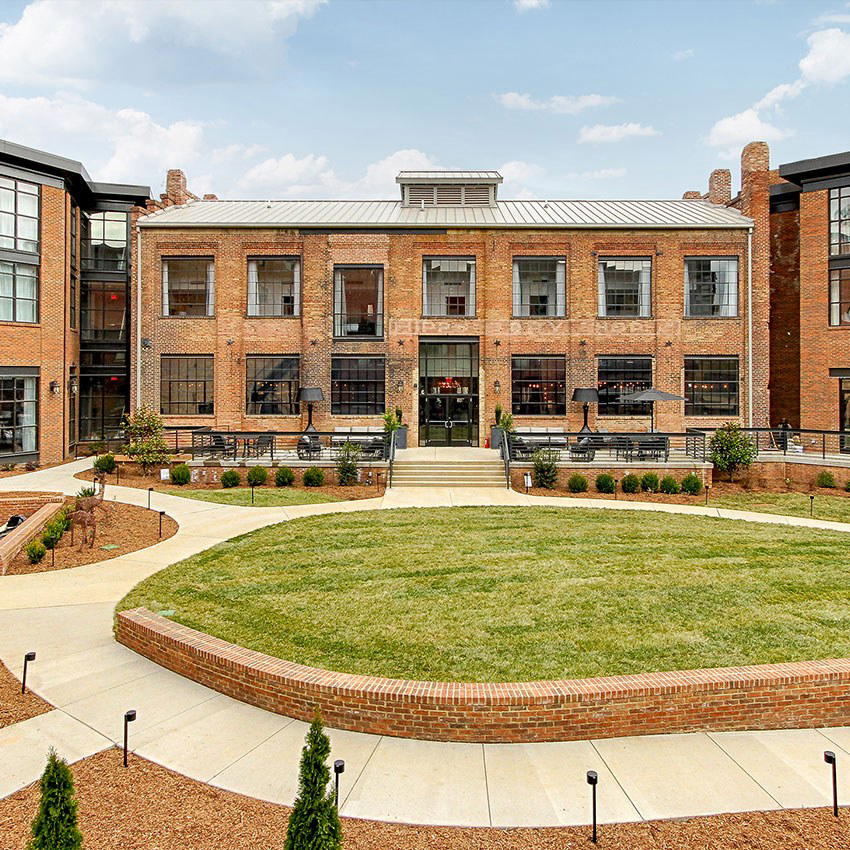
Simplistic industrial-chic dining room with spacious interiors and a lively pet-friendly patio adjacent to Pack Square Park.
Know Before You Go
- Getting there
- 130 College St, Asheville, NC 28801