Our verdict
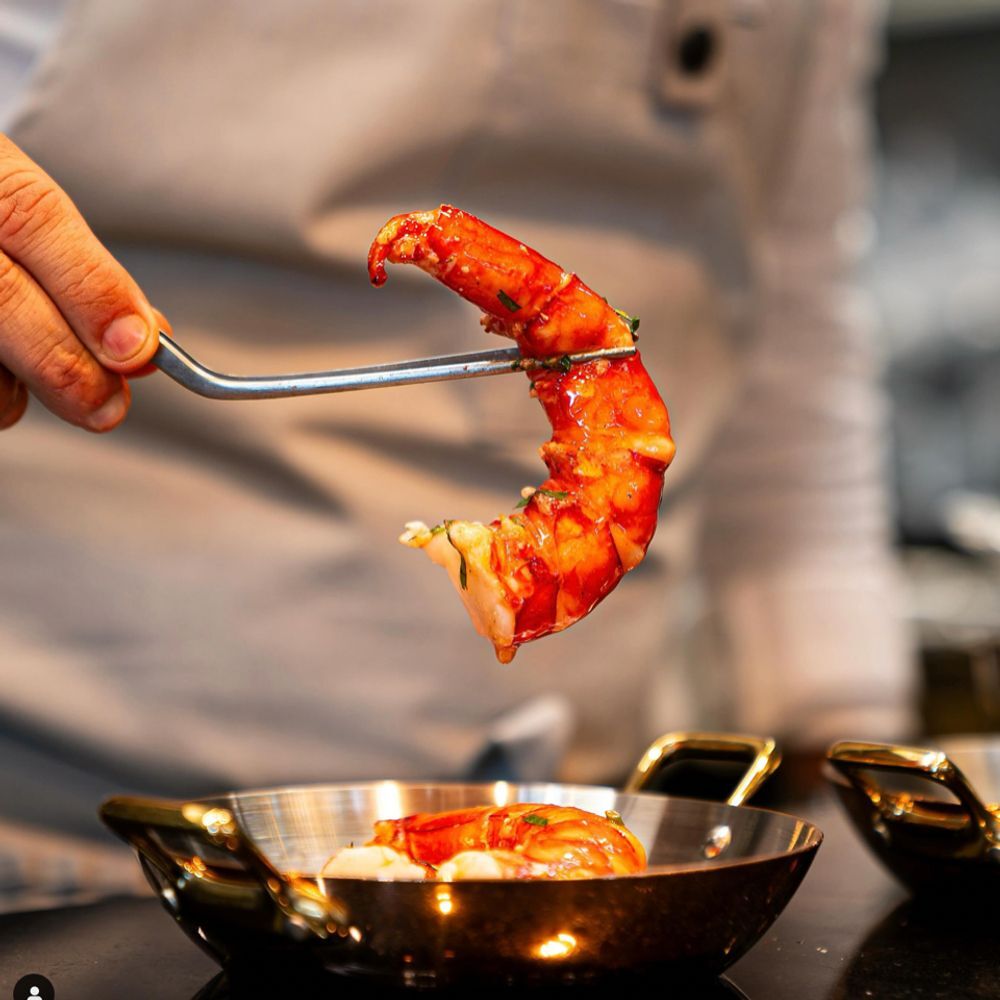
TUPUQ Restaurant & Bar sits within Albufeira's growing tier of Mediterranean-inspired dining rooms that take the region's communal table culture seriously. The menu is built around sharing, drawing on the small-plates traditions that run from the Algarve through to the wider Mediterranean basin. For visitors already planning time in the area, the linked Casa da Praia by TUPUQ offers a casual counterpart for daytime meals.

Pearl is the En Primeur Club membership app, where members save venues, book tables and use the concierge.
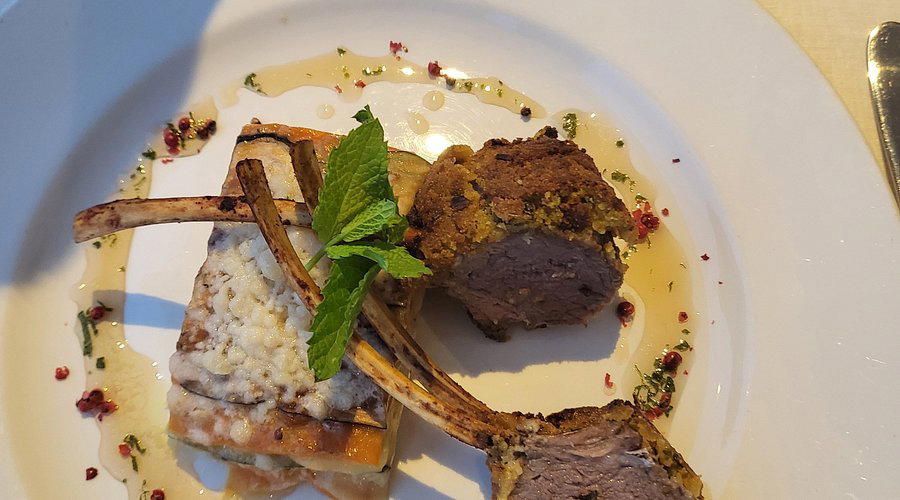
The Algarve's Sharing Table, Reconsidered
Along Portugal's southern coast, the instinct to eat communally runs deep. The Algarve's older tavernas built their identity around platters placed at the centre of the table: grilled fish, cataplana stews, olives arriving before anyone had thought to ask. That tradition hasn't vanished so much as it has bifurcated. On one side sit the resort-adjacent restaurants serving volume; on the other, a smaller cohort of places that have taken the communal-plates format and applied more deliberate sourcing and presentation to it. TUPUQ Restaurant & Bar, in Albufeira, positions itself in that second category, working within a Mediterranean-inspired register that draws on the shared-plates logic without being pinned to any single national tradition.
Albufeira itself is a useful frame for understanding why that positioning matters. The town is one of the Algarve's most visited points, which creates a hospitality market with wide variance in ambition. At the apex of the local dining tier sit places like Vila Joya, which holds two Michelin stars and operates at a price point and formality level well above the broader market. Al Quimia occupies a similarly serious position in the modern cuisine bracket. TUPUQ reads differently: less tasting-menu formality, more table-led conviviality, which is not a lesser ambition, just a different one.
What the Mediterranean Sharing Format Actually Means Here
The meze and small-plates tradition carries different weight depending on where you encounter it. In its Levantine form, it implies a specific rhythm: cold dishes first, then warm, then larger proteins, with bread and dips as the structural foundation. In its Iberian coastal inflection, the logic shifts toward seafood-led plates, cured items, and vegetables prepared simply enough that the ingredient does most of the work. Mediterranean-inspired, as a descriptor, signals that TUPUQ is drawing from both ends of that spectrum rather than committing to either.
That kind of culinary positioning has become more common in Algarve dining over the past decade, partly because the region's own larder, Atlantic fish, citrus, local olive oil, carob, almonds, Portuguese charcuterie, maps naturally onto the shared-plates format. The leading versions of this approach let the table build its own meal rather than following a predetermined arc, which changes how a dinner feels. Conversation and ordering become intertwined. The pace is set collectively. This is a meaningfully different proposition from the tasting-menu format that defines the region's Michelin-level restaurants.
TUPUQ's affiliated concept, Casa da Praia by TUPUQ, extends the same thinking into a casual beach-dining register, handling breakfast and lighter daytime plates. The two venues together suggest a considered approach to the different occasions that the Algarve's visitors actually need: relaxed daytime eating and a more composed evening format. That split is fairly uncommon at this scale, and it places TUPUQ within a cohort of operators who think about hospitality across the whole day rather than just dinner service.
Albufeira in the Context of Portugal's Dining Conversation
Portugal's restaurant culture has undergone significant transformation over the past fifteen years, and that change has been most visible at the level of serious fine dining. Belcanto in Lisbon and Antiqvvm in Porto represent the Michelin-starred end of that evolution. On the coast, Ocean in Porches and Casa de Chá da Boa Nova in Leça da Palmeira have established that serious dining need not be confined to urban centres. Elsewhere in the country, The Yeatman in Vila Nova de Gaia, Il Gallo d'Oro in Funchal, A Cozinha in Guimaraes, and Ó Balcão in Santarém demonstrate how broadly that ambition has spread across the country's regions.
The Algarve's contribution to that conversation has historically been shaped by its tourism infrastructure, which tilts the market toward accessibility rather than experimentation. What's shifted is that a subset of operators in the south are now applying the quality and intent that once felt exclusive to Lisbon or Porto to formats that suit the region's coastal, sociable character. Shared-plates Mediterranean dining is one of the more natural vehicles for that shift, because it doesn't require the same capital investment or kitchen depth as tasting-menu cooking, but it does require genuine knowledge of ingredients and sourcing.
Planning Your Visit
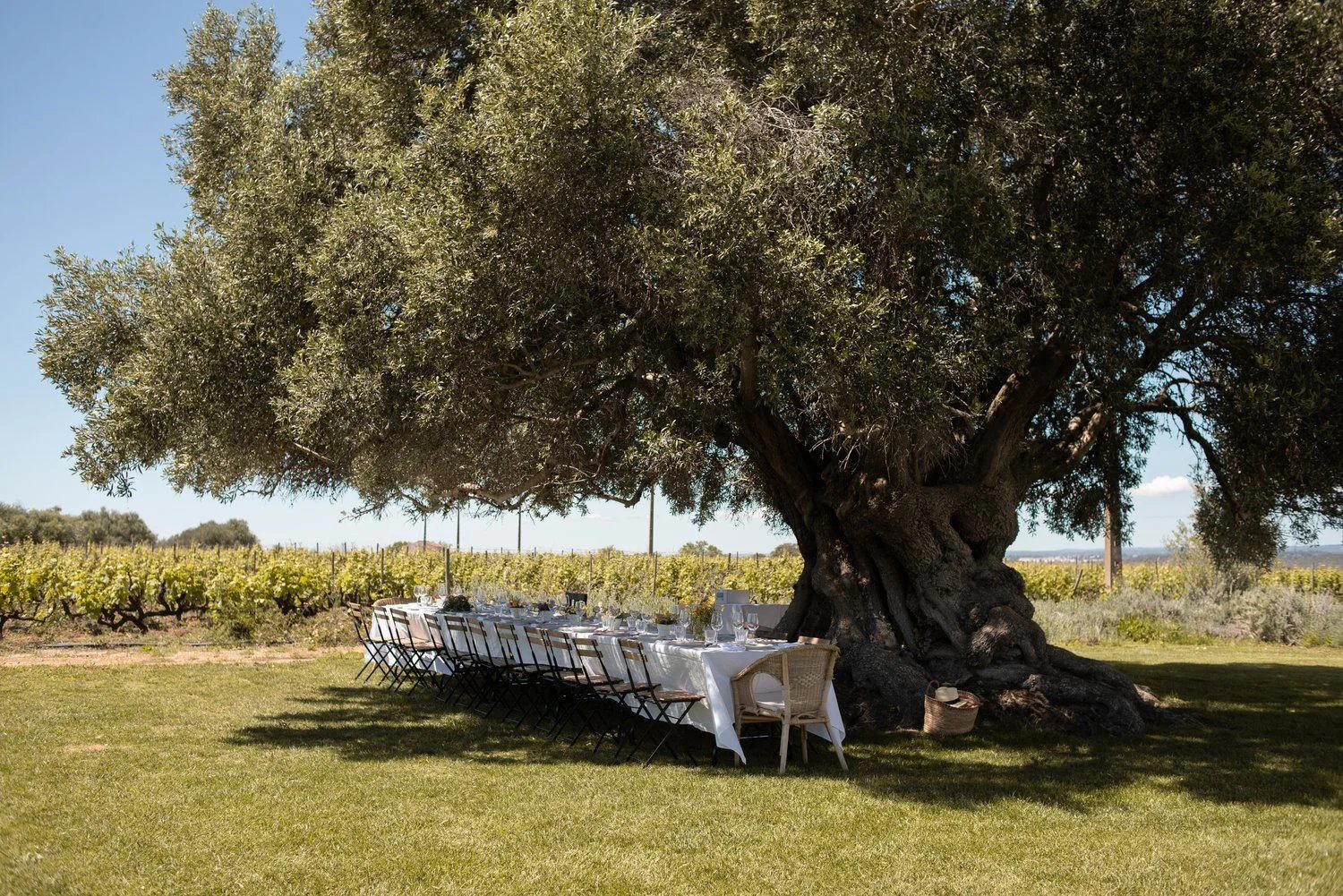
Albufeira draws its heaviest visitor traffic between June and September, and the town's better restaurants feel that pressure acutely. Booking ahead is advisable for any evening visit during peak summer months; the communal dining format that TUPUQ operates within tends to generate longer table occupancy than quick-service alternatives, which means covers are less flexible on busy nights. Outside the summer peak, from October through April, the Algarve offers a materially quieter experience, and the light in this part of Portugal during spring and autumn has a quality that changes how outdoor and semi-outdoor dining spaces feel. If the format allows for terrace or exterior seating, shoulder season is when that element of the setting is most rewarding.
For visitors building a broader Algarve itinerary, the full Albufeira restaurants guide covers the range from beach casual to formal. The Albufeira hotels guide provides accommodation context, and the bars guide and experiences guide round out the picture for multi-day stays. The wineries guide is relevant for anyone tracking the Algarve's wine production, which remains small in volume but increasingly serious in quality, particularly in the Lagoa and Tavira denominações.
For a point of international comparison within the broader Mediterranean-inspired and sharing-plates space, the approach TUPUQ takes has analogues at very different scales: Le Bernardin in New York City represents one pole of how serious seafood-led cooking can be executed, while Emeril's in New Orleans sits in a different register of American coastal cooking that also leans on shared table culture and bold, produce-led flavours. Neither is a direct peer to an Algarve Mediterranean bar and restaurant, but both illustrate how the impulse to centre a meal around communal sharing and quality ingredients manifests across very different contexts.
Frequently asked questions
Is TUPUQ Restaurant & Bar suitable for a full evening out combining food and drinks in Albufeira?
TUPUQ operates as both a restaurant and a bar, which means the venue is structured to carry a full evening rather than a single dining course. The Mediterranean-inspired sharing format naturally extends the pace of a meal, and the bar side gives guests a reason to stay once plates are cleared. For visitors to Albufeira looking to avoid the split of finding a separate dinner venue and bar, TUPUQ's dual format addresses that directly.
What should I order at TUPUQ Restaurant & Bar?
TUPUQ's menu is built around Mediterranean-inspired sharing plates, so ordering broadly across the menu makes more sense than choosing a single dish. The format rewards tables of two or more who are willing to order several rounds rather than individual mains. Specific current dishes are best checked directly with the venue, as the sharing concept typically shifts with season and supply.
Do I need a reservation for TUPUQ Restaurant & Bar?
Albufeira absorbs a significant surge of visitors between June and September, and restaurants operating at this level of the market fill quickly during that window. Booking ahead is advisable for any evening visit during peak summer months. Outside high season, walk-ins are more realistic, but contacting the venue directly before arrival remains the practical approach.
What is TUPUQ Restaurant & Bar known for?
TUPUQ is positioned as a Mediterranean-inspired restaurant and bar in Albufeira, operating within a sharing-plate format that draws on the communal dining traditions found across the broader Mediterranean region. That format distinguishes it from the more conventional à la carte taverna style that still dominates much of the Algarve's dining offering. The bar component means the experience extends beyond the meal itself.
Continue exploring
More in Albufeira
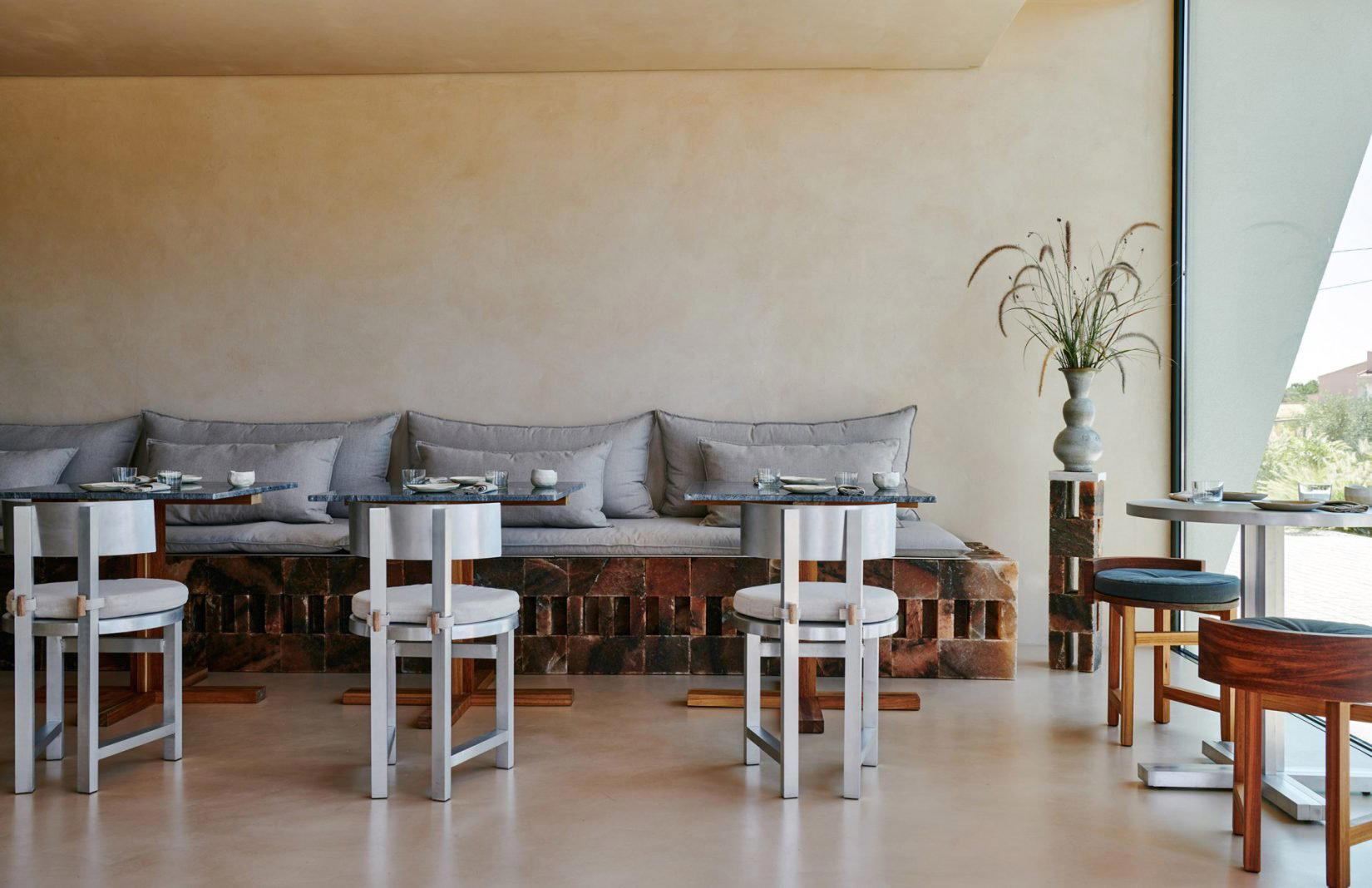
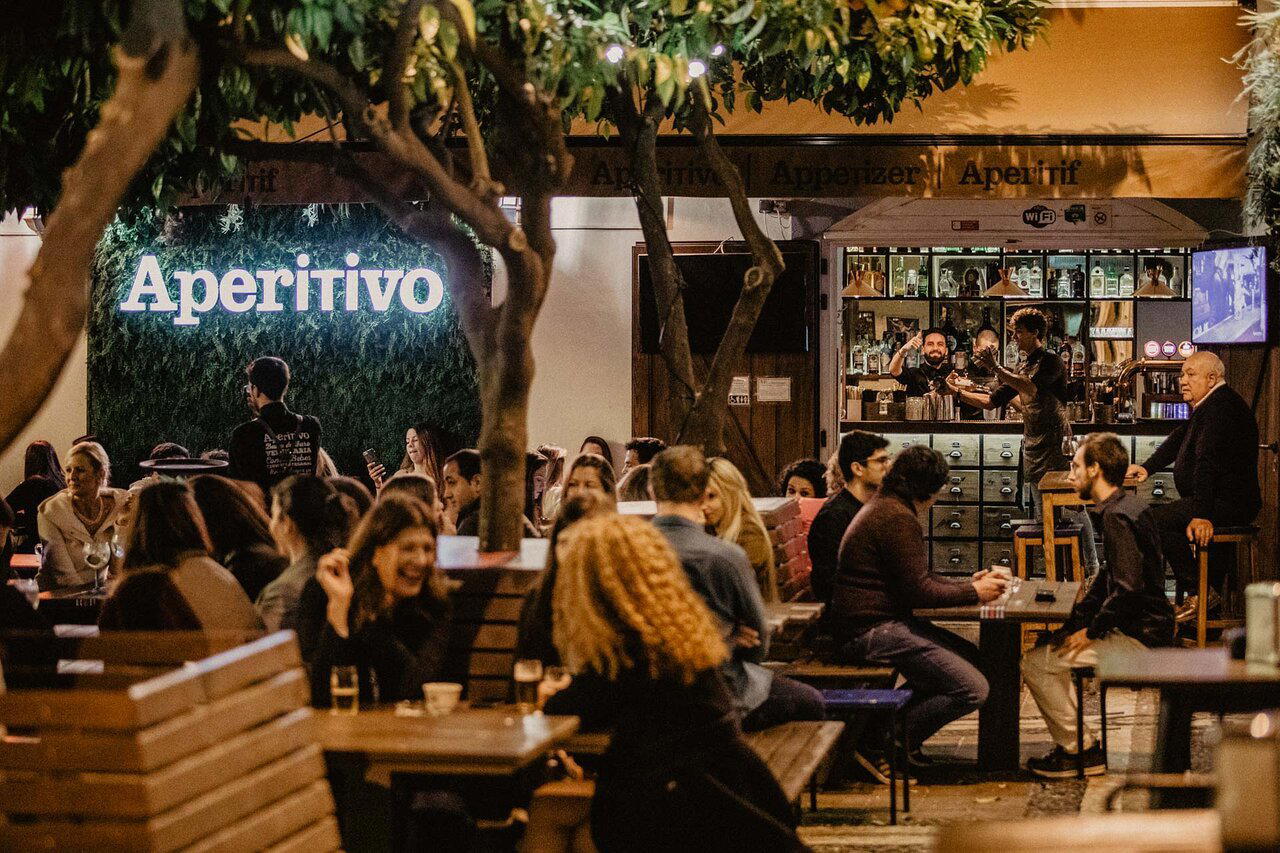
Restaurants in Albufeira
All restaurants in Albufeira →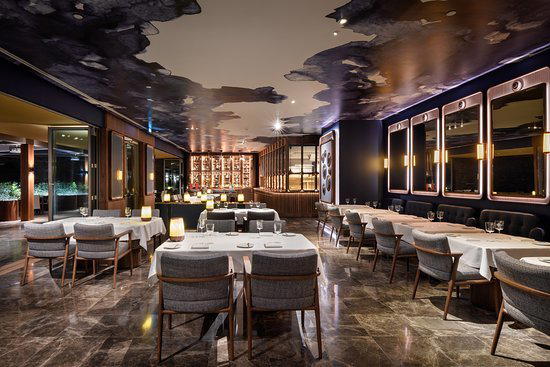
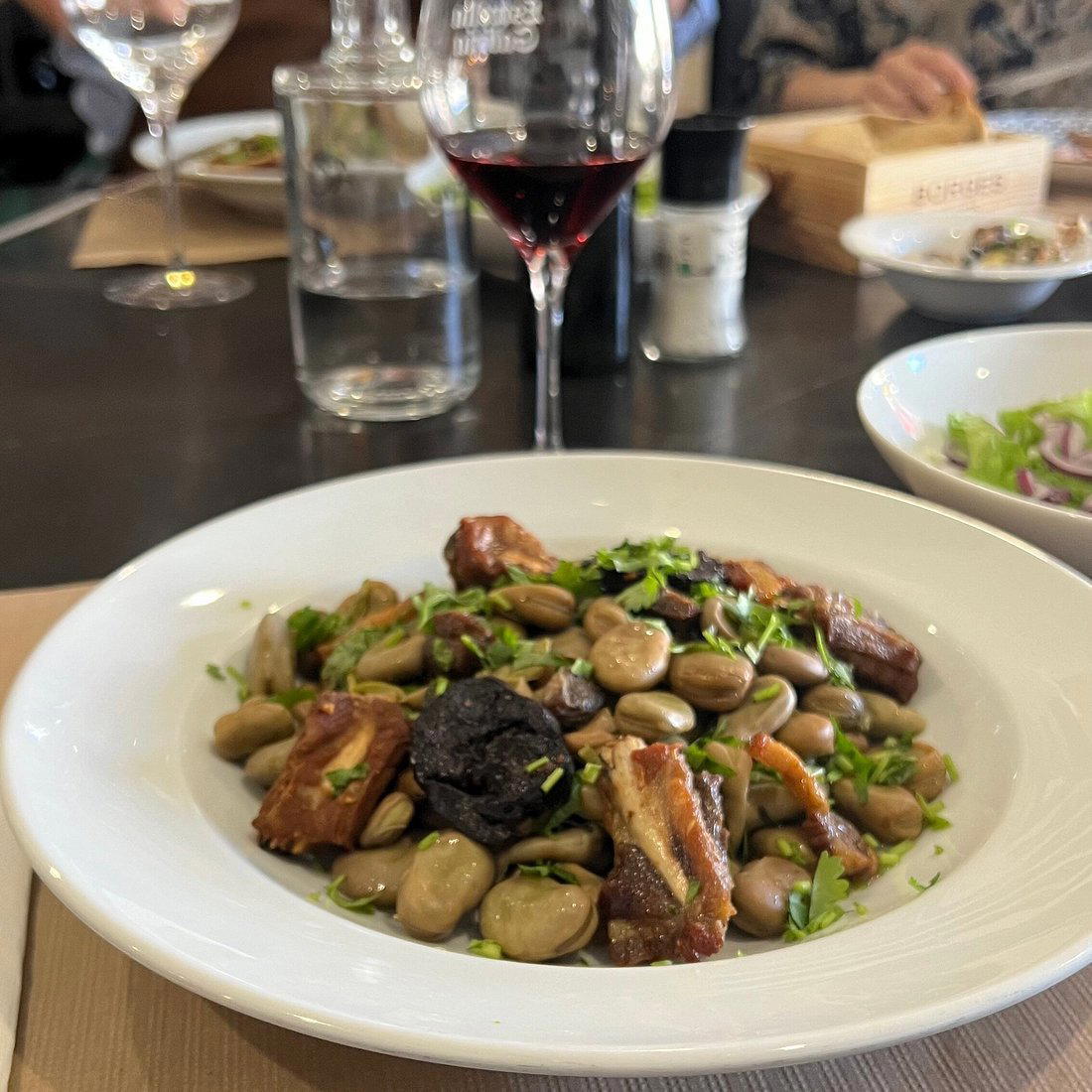
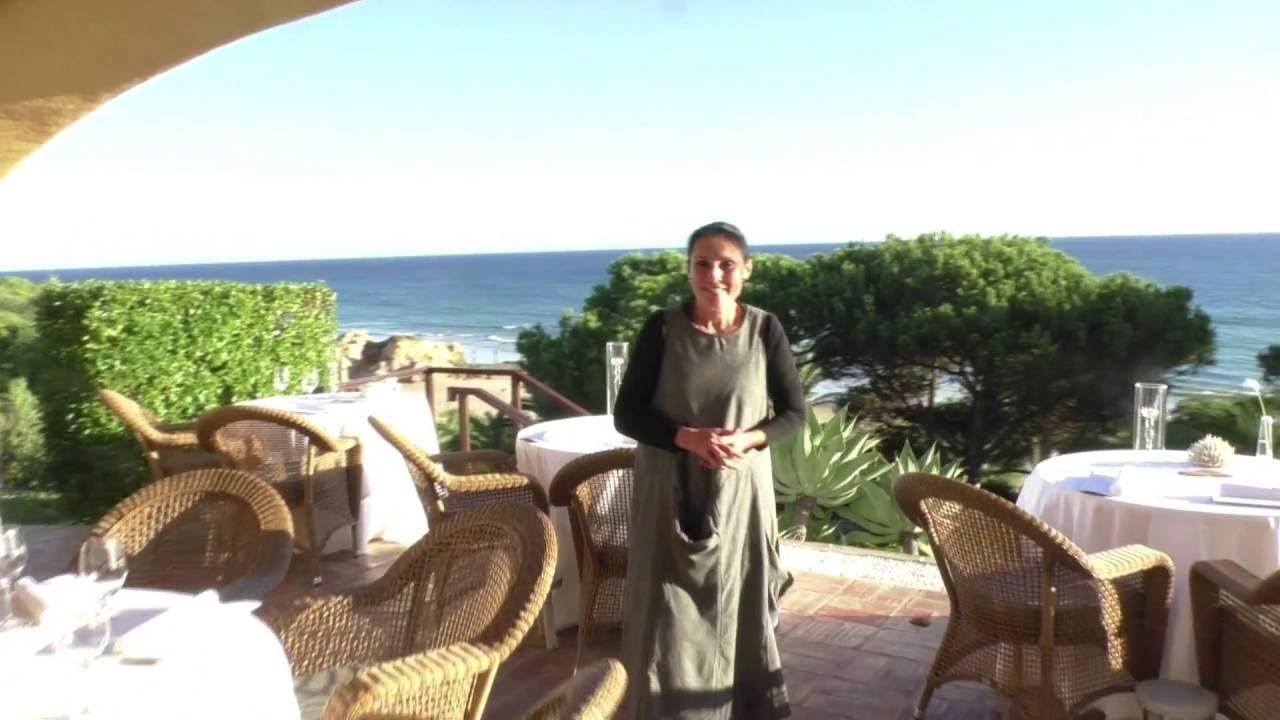
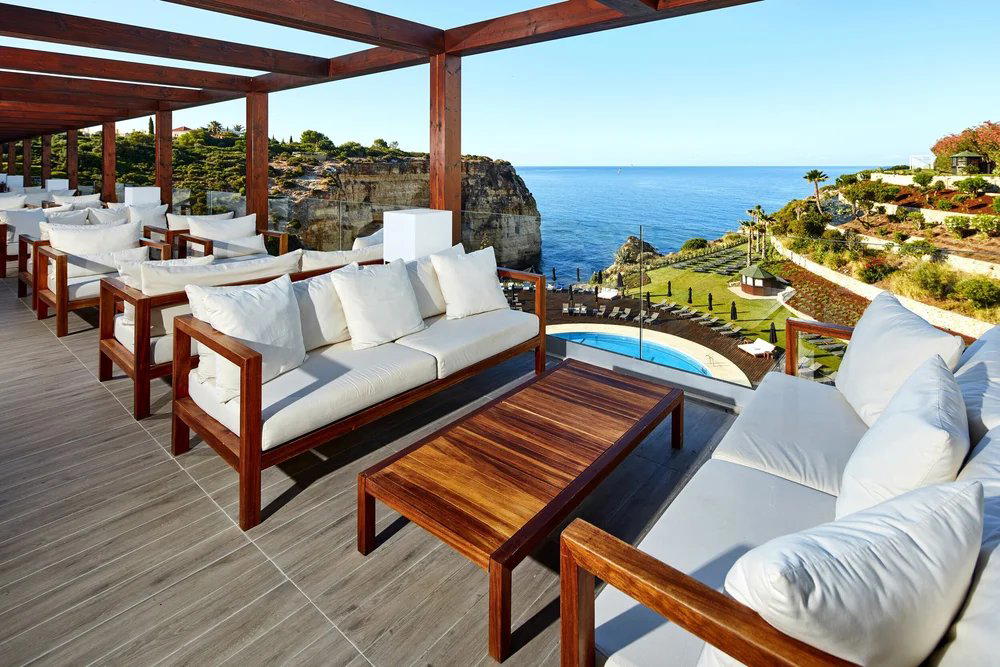
Bars in Albufeira
All bars in Albufeira →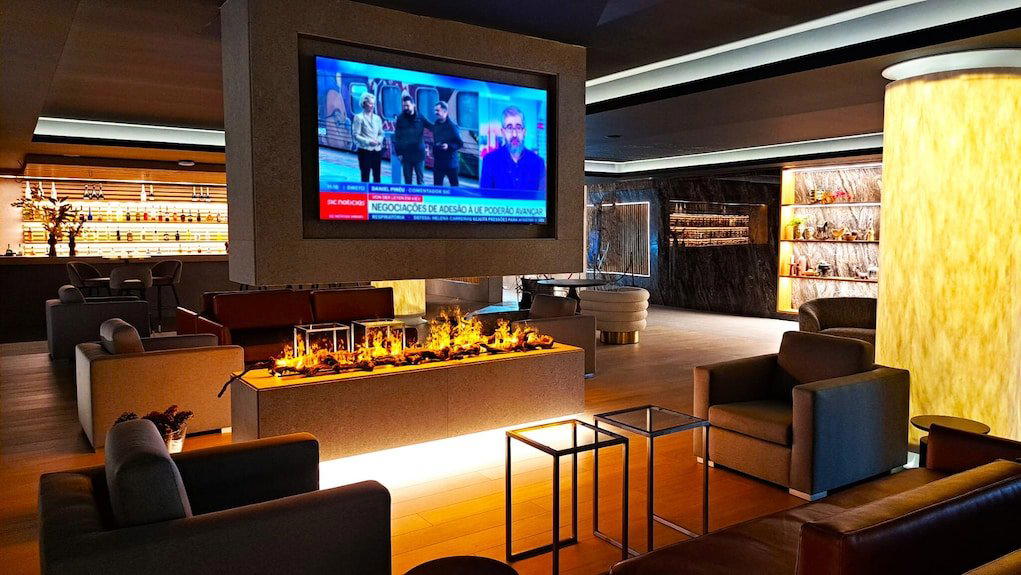
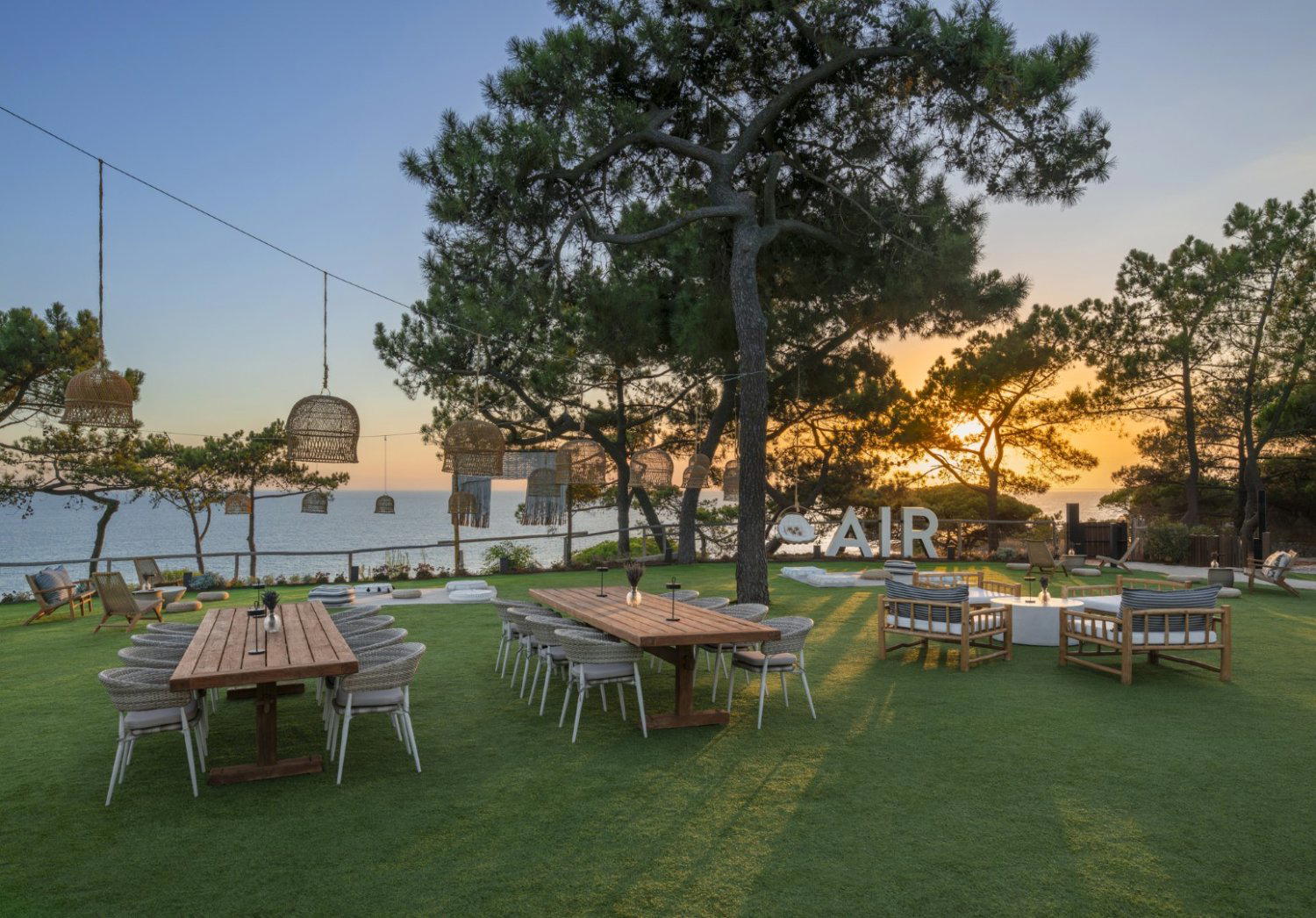
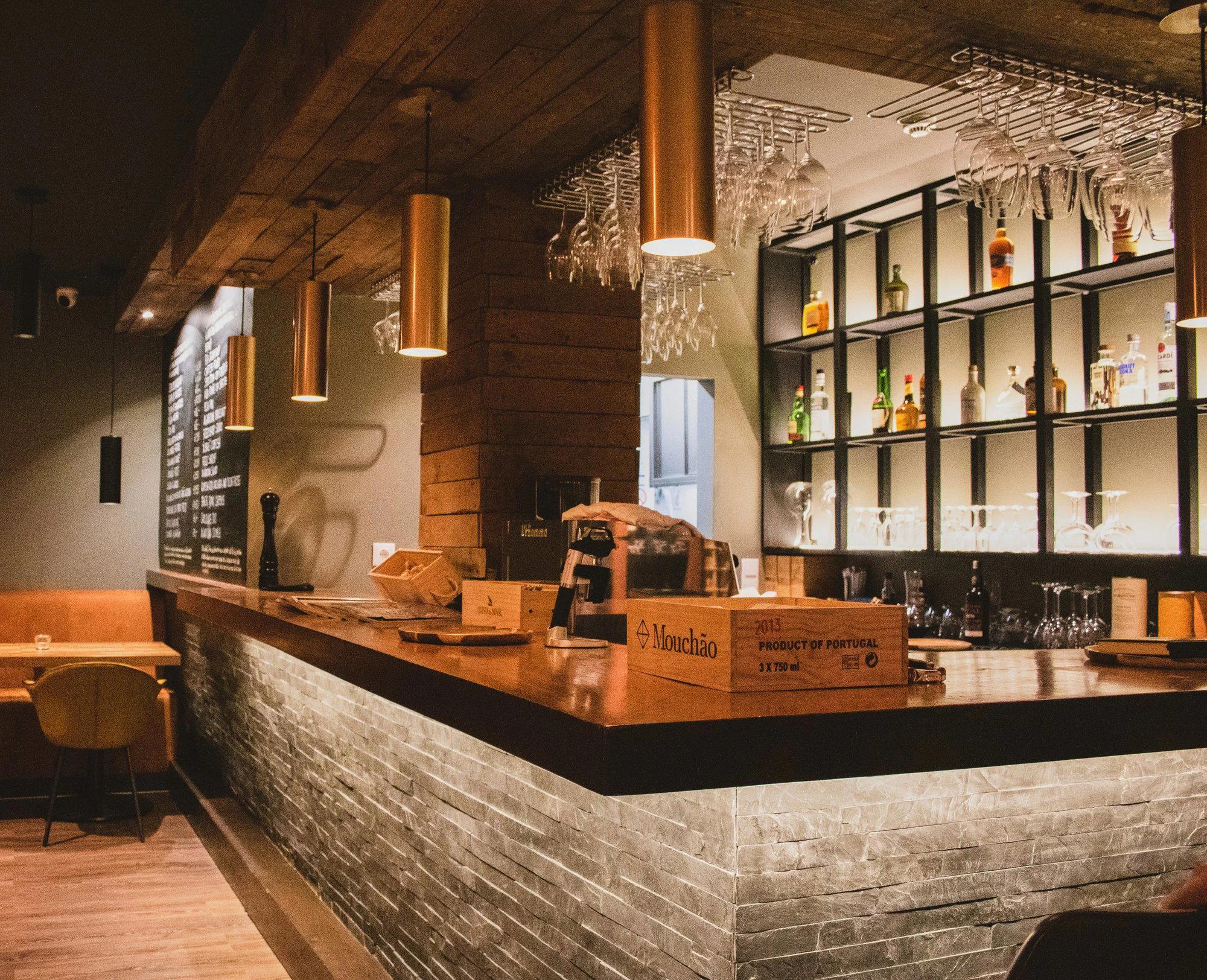
Hotels in Albufeira
All hotels in Albufeira →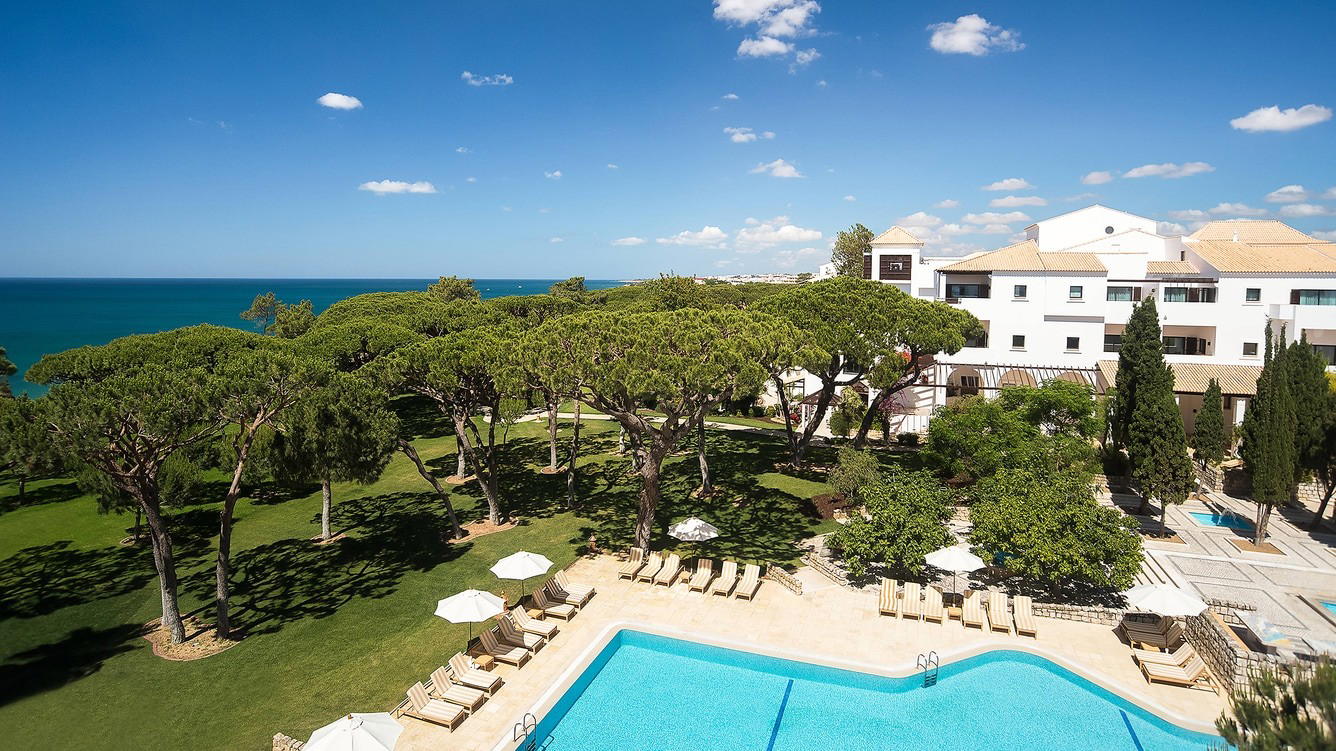
Wineries in Albufeira
Browse all →

Details
- Cozy
- Intimate
- Sophisticated
- Elegant
- Scenic
- Date Night
- Special Occasion
- Group Dining
- Casual Hangout
- Waterfront
- Terrace
- Standalone
- Craft Cocktails
- Extensive Wine List
- Waterfront
- A La Carte
- Small Plates
- Family Style
- Cocktails
- Wine
Current opening hours
- Monday
- 7:30 AM–8 PM
- Tuesday
- 7:30 AM–8 PM
- Wednesday
- 7:30 AM–8 PM
- Thursday
- 7:30 AM–8 PM
- Friday
- 7:30 AM–8 PM
- Saturday
- 7:30 AM–8 PM
- Sunday
- 7:30 AM–8 PM
Hours can change for holidays and private events. Hours as of .
Cosy, intimate, and warm, with a relaxed yet refined atmosphere and a timeless feel.