Balthazar café & restaurant
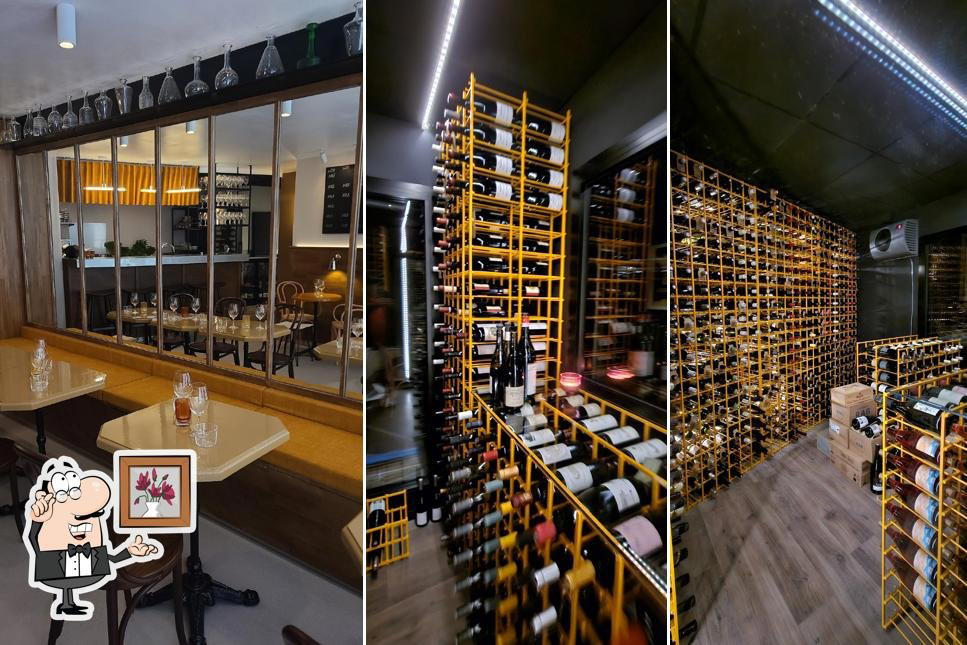
On Place Chabaneau, one of Montpellier's more quietly animated squares, Balthazar café & restaurant occupies a position that suits a certain kind of unhurried afternoon or evening. The address sits within a city that has developed a serious mid-range dining culture alongside its Michelin-tracked establishments, and Balthazar reads as a neighbourhood anchor in that broader pattern, a place where the ritual of the French meal is observed without ceremony becoming performance.
Pearl is the En Primeur Club membership app — saves, bookings, and concierge access live there. Same editors, same standards.
- Address
- 9 Pl. Chabaneau, 34000 Montpellier, France
- Phone
- +33434400940
- Website
- balthazar-restaurant.fr
- Directions
- Get directions
 Saves & bookings on Pearl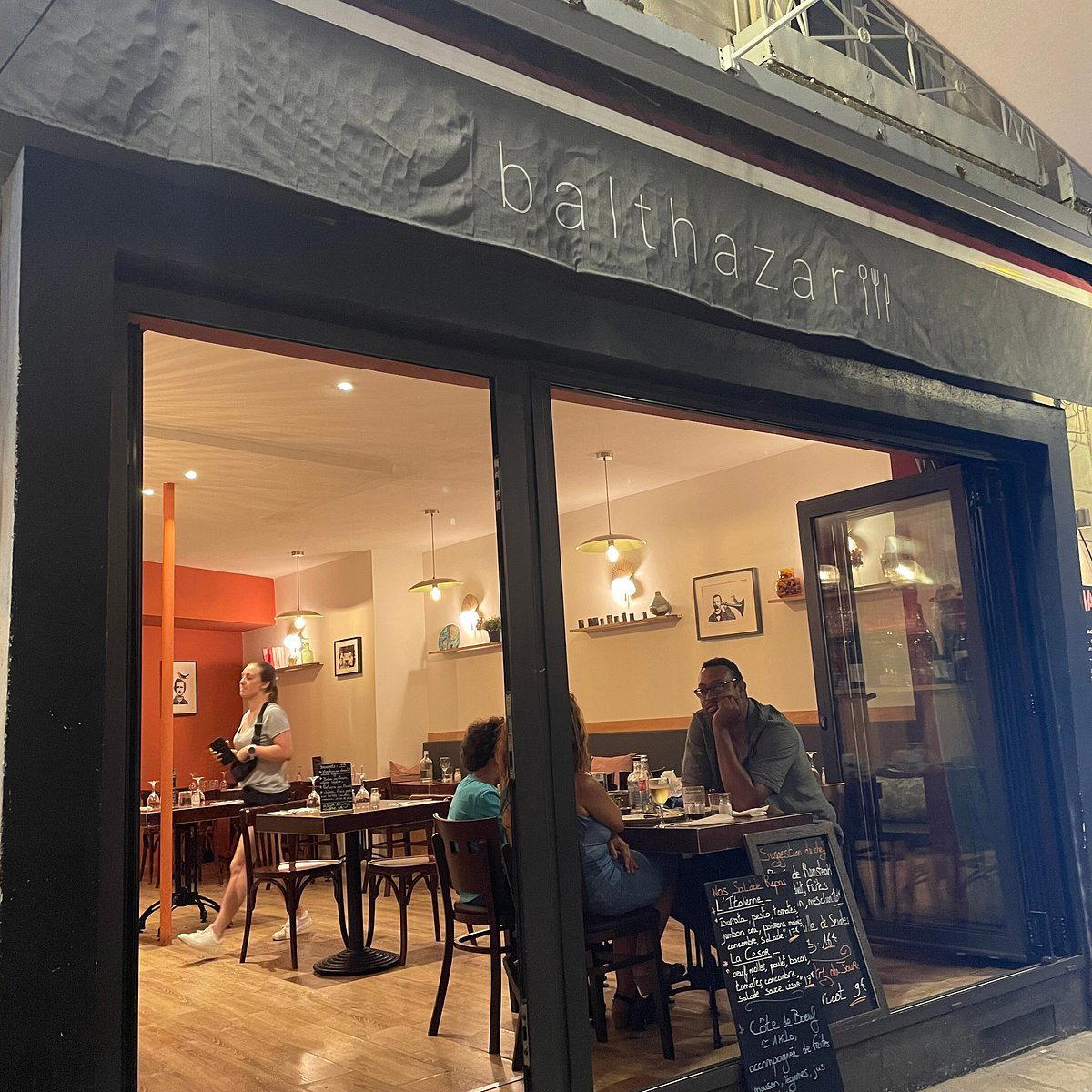
Place Chabaneau and the Rhythm of the Montpellier Table
Balthazar café & restaurant is a Classic French Brasserie at 9 Pl. The city's squares function as extensions of domestic life rather than tourist stages, and Place Chabaneau, where Balthazar café & restaurant is addressed at number 9, carries that character with some consistency. Arriving at this address, the transition from street to table feels lateral rather than transformational: you move from one version of the city's social fabric into another, slightly more deliberate one. That relationship between public square and dining room is, across the south of France, one of the defining structural features of how meals here actually work.
Montpellier's restaurant scene has developed along two distinct tracks over the past decade. The first is a Michelin-facing circuit that includes addresses like Jardin des Sens at the summit of the formal register and Reflet d'Obione and La Réserve Rimbaud operating in the creative modern tier. The second track, where neighbourhood cafés and brasserie-adjacent restaurants hold their own, is less visible to international visitors but more representative of how the city actually eats from week to week. Balthazar operates within that second track, which is not a diminishment. In a city of roughly 300,000 people with a significant student and academic population, the mid-register dining ritual carries genuine cultural weight.
The Structure of the Meal Here
French dining ritual, in its classical form, is not about individual dishes arriving in sequence so much as it is about time allocated and respected. The meal has a beginning, a middle, and an end that are socially enforced rather than merely suggested. Even at café-register addresses in southern France, this structure tends to hold: an aperitif moment that is rarely rushed, a main course that arrives when the kitchen decides it is ready, and a dessert or cheese course that functions as permission to stay rather than a signal to leave. Balthazar's position as both café and restaurant implies it spans the more casual end of this ritual, the long lunch that drifts into afternoon, the early evening that doesn't commit to a full tasting sequence.
That dual register, café and restaurant under one roof, is common in French provincial cities and performs a specific social function. It allows the space to absorb different pacing expectations across the day without fragmenting its identity. A table at midday might be occupied by someone nursing a single coffee and reading, while the adjacent table runs a full three-course lunch. By evening, the café register recedes and the restaurant logic takes over, though the transition is rarely announced. For visitors accustomed to the more regimented distinctions between bar, café, and restaurant in Anglo-American dining cultures, this fluidity requires a small recalibration of expectations.
Where Balthazar Sits in Montpellier's comparable set
Montpellier's dining options have broadened in terms of format and price point across the past several years. Addresses like Leclère and Pastis Restaurant operate in the modern cuisine register with more deliberate editorial ambitions, menus that signal a chef's point of view through sourcing choices, plating logic, and seasonal rotation. Balthazar, as a café-restaurant rather than a destination dining address, occupies a different position: it is the kind of place the city uses rather than visits on occasion. That distinction matters when calibrating how to approach an evening there.
For readers who have spent time at France's higher-register addresses, say, Flocons de Sel in Megève, Mirazur in Menton, or the longer-established institutional houses like Bras in Laguiole and Auberge de l'Ill in Illhaeusern, the café-restaurant format operates on different logic entirely. Where those addresses are built around a singular culinary proposition that justifies travel, the neighbourhood café-restaurant justifies presence: being in the city, being at the table, being inside the ordinary social rhythm of a French afternoon or evening. Both are valid reasons to eat. They are simply different genres of the same general activity.
France's broader fine dining canon, represented at its most formal by addresses like Alléno Paris au Pavillon Ledoyen, Troisgros in Ouches, Paul Bocuse, Les Prés d'Eugénie, Georges Blanc, and La Table du Castellet in the south, rests on a foundation of neighbourhood and regional restaurants that maintained the dining ritual during periods when destination dining was not yet a framework anyone had named. The café-restaurant is not the bottom of that hierarchy; it is the base layer on which the rest was built.
For international comparison, the neighbourhood anchoring function of a place like Balthazar has loose equivalents in cities elsewhere, the kind of all-day address that Lazy Bear in San Francisco and Le Bernardin in New York are explicitly not, because those addresses are occasion-specific by design. The café-restaurant tradition exists precisely to handle the other 350 dinners a year that don't require an occasion.
Planning a Visit
Place Chabaneau is located in central Montpellier, accessible on foot from the main tram lines that serve the historic centre. The square itself is compact and operates as a meeting point for the neighbourhood, meaning the terrace, where one exists, absorbs ambient city life rather than filtering it out. For a broader sense of where Balthazar fits within the city's dining options, the EP Club Montpellier restaurants guide maps the full range from café-register to destination addresses.
Cuisine and Recognition
Comparable venues nearby, for context on price, style, and recognition.
| Venue | Cuisine | Price | Notes |
|---|---|---|---|
| Balthazar café & restaurantThis venue — the venue you are viewing | Classic French Brasserie | $$ | Not listed |
| Comptoir de l'Arc | French Brasserie with World Influences | $$ | Préfecture |
| Le Métropole Oceania | Traditional Southern French Brasserie | $$$ | Comédie |
| La Closerie | Modern French Bistro | $$$ | Comédie |
| La Table Des Poètes | Modern French Mediterranean | $$$ | Gambetta |
| L'Original | French Seafood Mediterranean Contemporary | $$$ | Pont De Sète |
Continue exploring
More in Montpellier
Restaurants in Montpellier
Browse all →
Bars in Montpellier
Browse all →
Hotels in Montpellier
Browse all →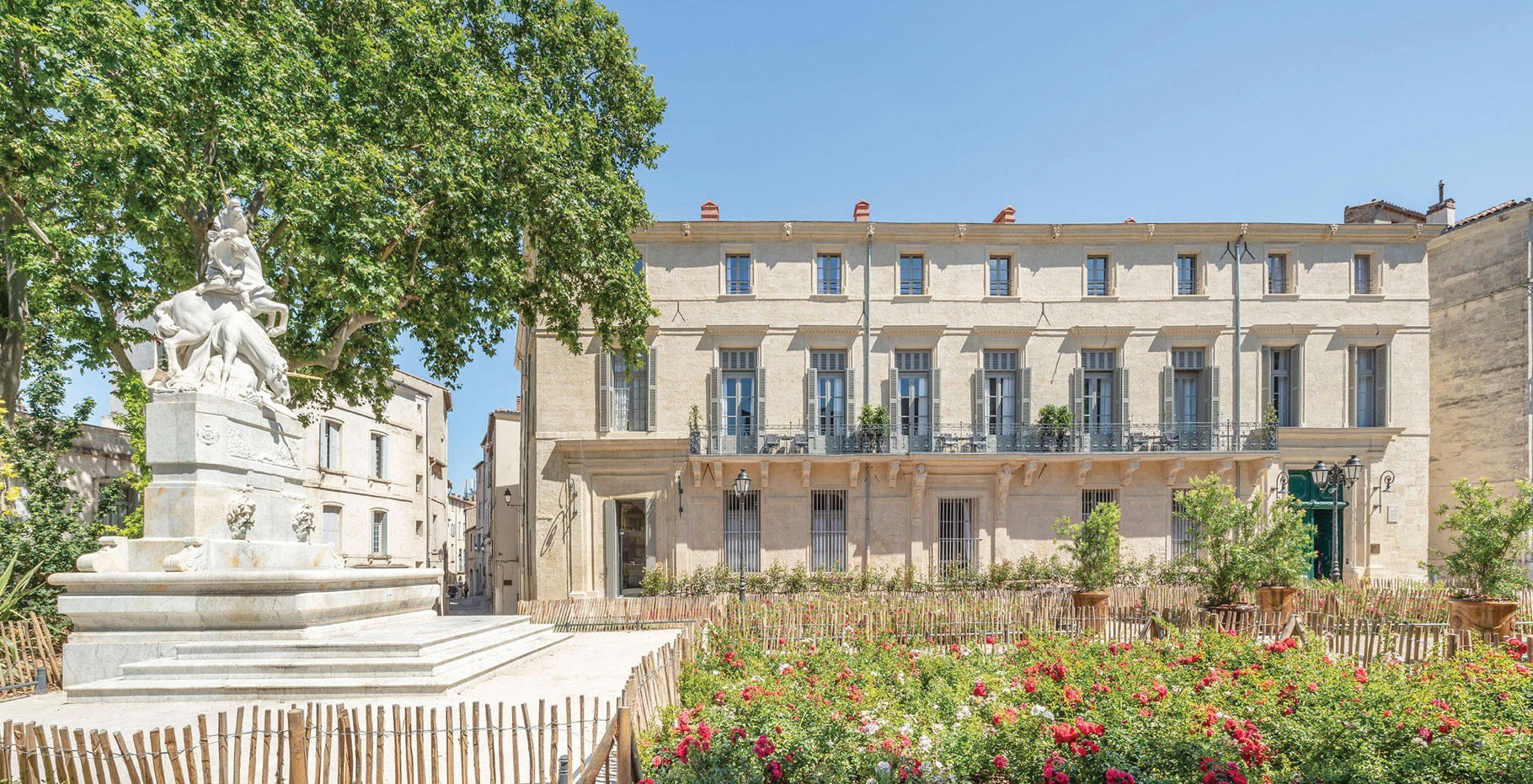

At a Glance
- Classic
- Cozy
- Elegant
- Date Night
- Family
- Casual Hangout
- Terrace
- Local Sourcing
- Street Scene
Current opening hours
- Monday
- Closed
- Tuesday
- 12–2:30 PM
- Wednesday
- 12–2:30 PM, 7–10 PM
- Thursday
- 12–2:30 PM, 7–10 PM
- Friday
- 12–2:30 PM, 7–10 PM
- Saturday
- 12–2:30 PM, 7–10 PM
- Sunday
- Closed
Hours can change for holidays and private events. Last verified .
Charming and relaxed atmosphere in a small square with fountain, quiet dining room, and terrace seating.