Tosa
On King Street in Hammersmith, Tosa occupies a stretch of west London that punches above its postcode in Japanese dining. The address alone makes it a reference point for the neighbourhood, where mid-format Japanese restaurants hold steady against the city's more celebrated omakase counters. A considered alternative for those looking beyond central London's well-trodden options.
Pearl is the En Primeur Club membership app — saves, bookings, and concierge access live there. Same editors, same standards.
- Address
- 332 King St, London W6 0RR, United Kingdom
- Phone
- +44 20 8748 0002
- Website
- tosa.uk
- Directions
- Get directions
 Saves & bookings on Pearl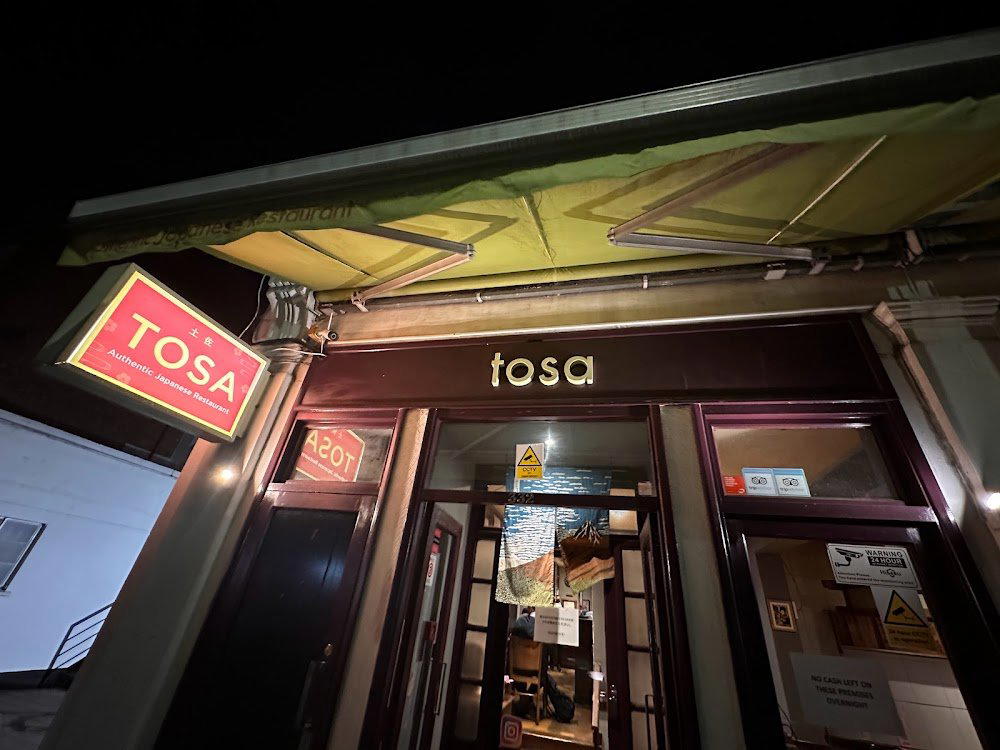
If You're Eating Japanese in West London, King Street Deserves Attention
London's Japanese dining scene has sorted itself into fairly legible tiers over the past decade. At one end sit the omakase counters of Mayfair and the City, where fourteen-seat rooms and three-month booking windows define the experience. At the other end, the city's neighbourhood Japanese restaurants do reliable work for local regulars without drawing much critical attention. Tosa, on King Street in Hammersmith at W6 0RR, operates in the territory between those poles, on a high street that has quietly accumulated a stronger food offer than its Zone 2 postcode might suggest.
Hammersmith is not a neighbourhood that generates restaurant column inches the way Fitzrovia or Soho does, which is partly what makes a sustained presence on King Street worth reading as a signal. Restaurants that survive here do so on repeat custom rather than tourist spillover or destination-dining traffic. That context shapes what a menu needs to do: it has to work for Tuesday evenings and weekend family dinners alike, not just for special-occasion bookings.
What the Menu Structure Reveals
Japanese restaurants in London tend to declare their ambitions through format before a single dish arrives. An omakase counter says one thing; an izakaya-style sharing menu says another; a kitchen built around donburi and ramen says something else entirely. The structure of a menu is, in effect, an argument about what the restaurant thinks dining is for.
Tosa's address and neighbourhood positioning place it within a category of west London Japanese restaurants that have historically read menus as broad invitations rather than narrow editorial statements. In this format, the kitchen typically spans grilled yakitori, robata or teppan preparations alongside sashimi, maki, and cooked rice dishes, allowing a table to eat across several registers in a single sitting. This is a different discipline from the omakase model, where the chef controls the sequence entirely. Here, the diner assembles the meal, and the kitchen's job is to execute across a wider range without losing coherence.
That breadth, when done well, is genuinely harder to sustain than a tightly controlled tasting format. A ten-course omakase counter can be optimised around a handful of techniques and a daily market run. A menu that spans raw fish, grilled proteins, fried items, and hot pots requires consistency across more variables, more suppliers, and more equipment. The neighbourhood Japanese restaurants that hold up over time are those where the kitchen has found its discipline within that breadth, rather than using it as cover for inconsistency.
What the format implies, however, is that ordering across categories, rather than anchoring to a single section, tends to reveal whether a kitchen of this type has genuine range.
King Street in the Wider West London Picture
West London's dining corridor, running from Chiswick through Hammersmith and into Shepherd's Bush, has never attracted the same concentration of critical attention as the neighbourhoods closer to the centre, despite holding a reasonably dense population of residents who eat out regularly and have clear expectations. That gap between local quality and critical coverage creates conditions where good restaurants operate without the booking pressure or price inflation that Michelin recognition tends to generate.
For comparison, London's most decorated rooms sit in a different competitive set entirely. CORE by Clare Smyth, The Ledbury, Sketch, The Lecture Room and Library, Restaurant Gordon Ramsay, and Dinner by Heston Blumenthal all operate at the ££££ tier with formal booking structures, seasonal menus, and tasting formats that require a specific kind of commitment from the diner. Their counterparts outside the centre, those doing honest, technically grounded work in residential neighbourhoods, occupy a different but not lesser role in the city's dining ecosystem.
The same pattern holds across the wider UK. Destination restaurants like The Fat Duck in Bray, L'Enclume in Cartmel, Moor Hall in Aughton, Gidleigh Park in Chagford, Hand and Flowers in Marlow, and Le Manoir aux Quat' Saisons in Great Milton draw from national and international audiences. Neighbourhood restaurants serve the city's actual residents, and that function matters.
Internationally, the contrast is equally clear. The structured tasting format at Atomix in New York City or the precisely engineered seafood sequences at Le Bernardin represent one end of a long spectrum. Neighbourhood Japanese dining sits at a different point on that spectrum, serving a different purpose, and should be assessed on those terms.
Planning a Visit
Tosa is located at 332 King Street, London W6 0RR, accessible from Ravenscourt Park or Stamford Brook on the District line. Tosa is a casual Japanese izakaya in Hammersmith, and reservations are recommended. As with most neighbourhood Japanese restaurants in west London, booking ahead for weekend evenings is the sensible approach.
Quick reference: 332 King St, London W6 0RR. Nearest tube: Ravenscourt Park (District line).
Comparable Spots, Quickly
Comparable venues nearby, for context on price, style, and recognition.
| Venue | Cuisine | Price | Notes |
|---|---|---|---|
| TosaThis venue — the venue you are viewing | Authentic Japanese Izakaya | $$$ | Not listed |
| Titu | Modern Pan-Asian Gyoza Specialist | $$$ | Mayfair |
| 123V Browns | Modern Vegan Garden Sushi | $$$ | Mayfair |
| OITA Soho | Modern Japanese Izakaya | $$$ | Soho |
| Cafe Japan | Authentic Japanese Sushi | $$ | Golders Green |
| wagamama victoria | Japanese-inspired Ramen and Noodles | $$ | Victoria |
Continue exploring
More in London
Restaurants in London
Browse all →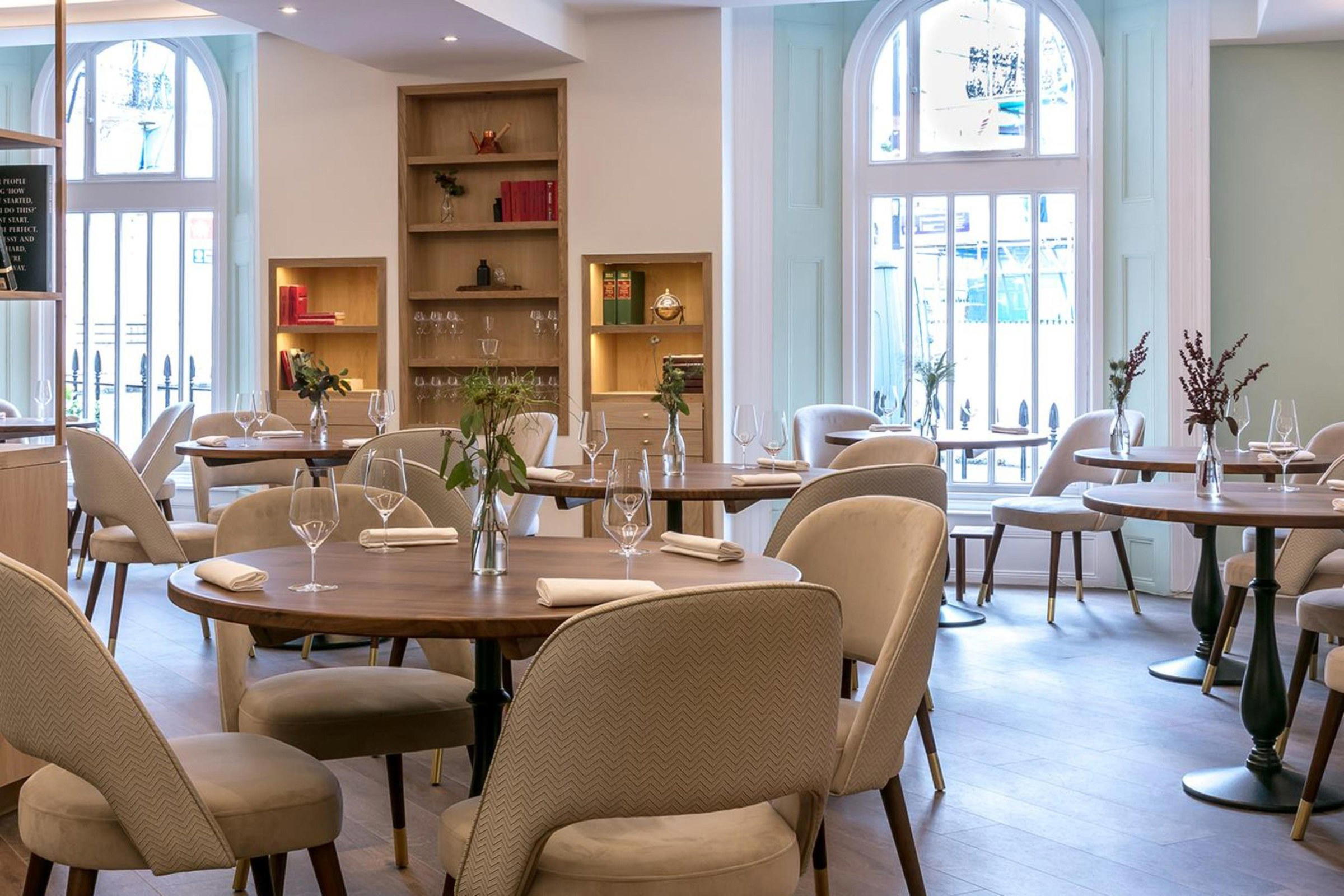
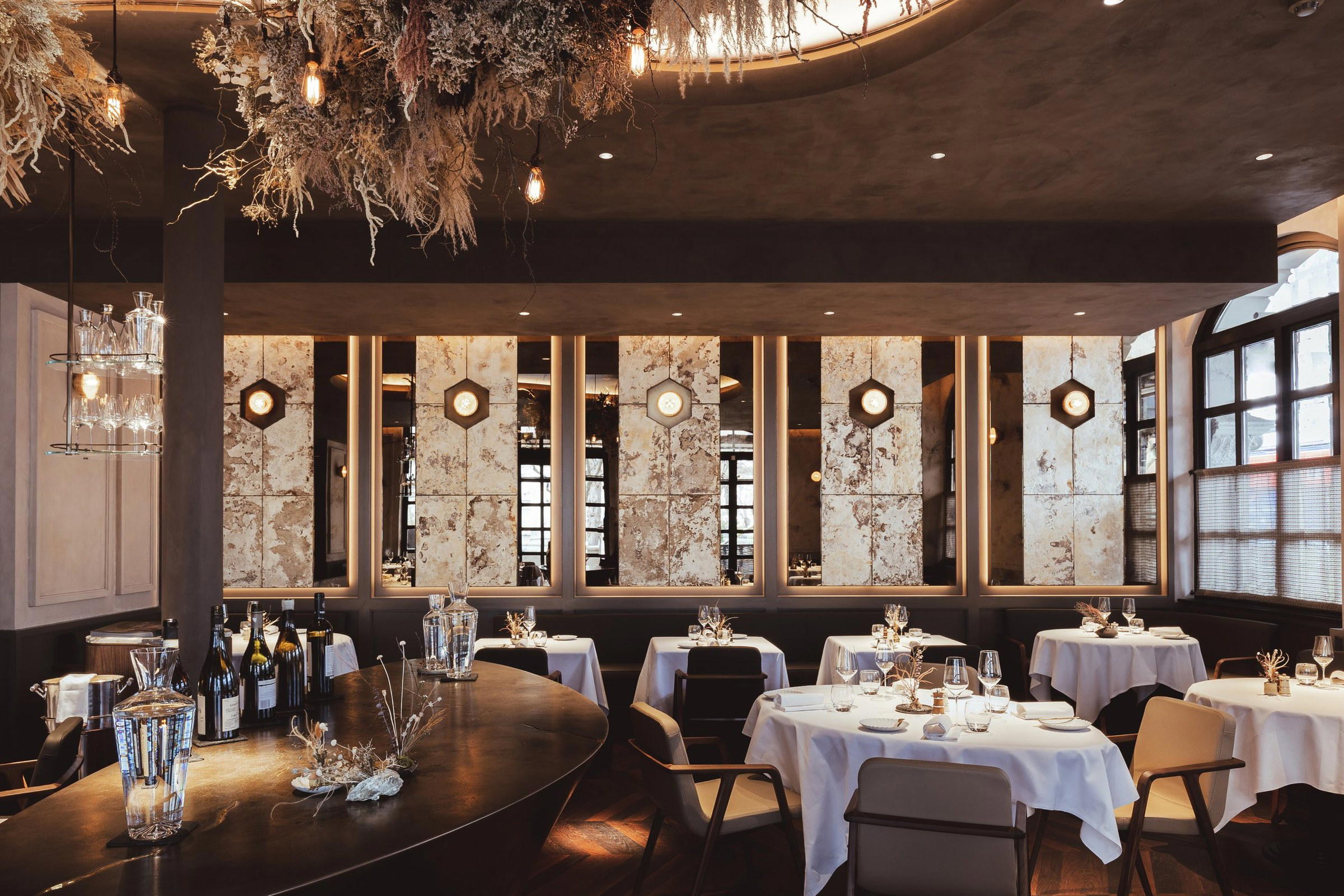
Bars in London
Browse all →
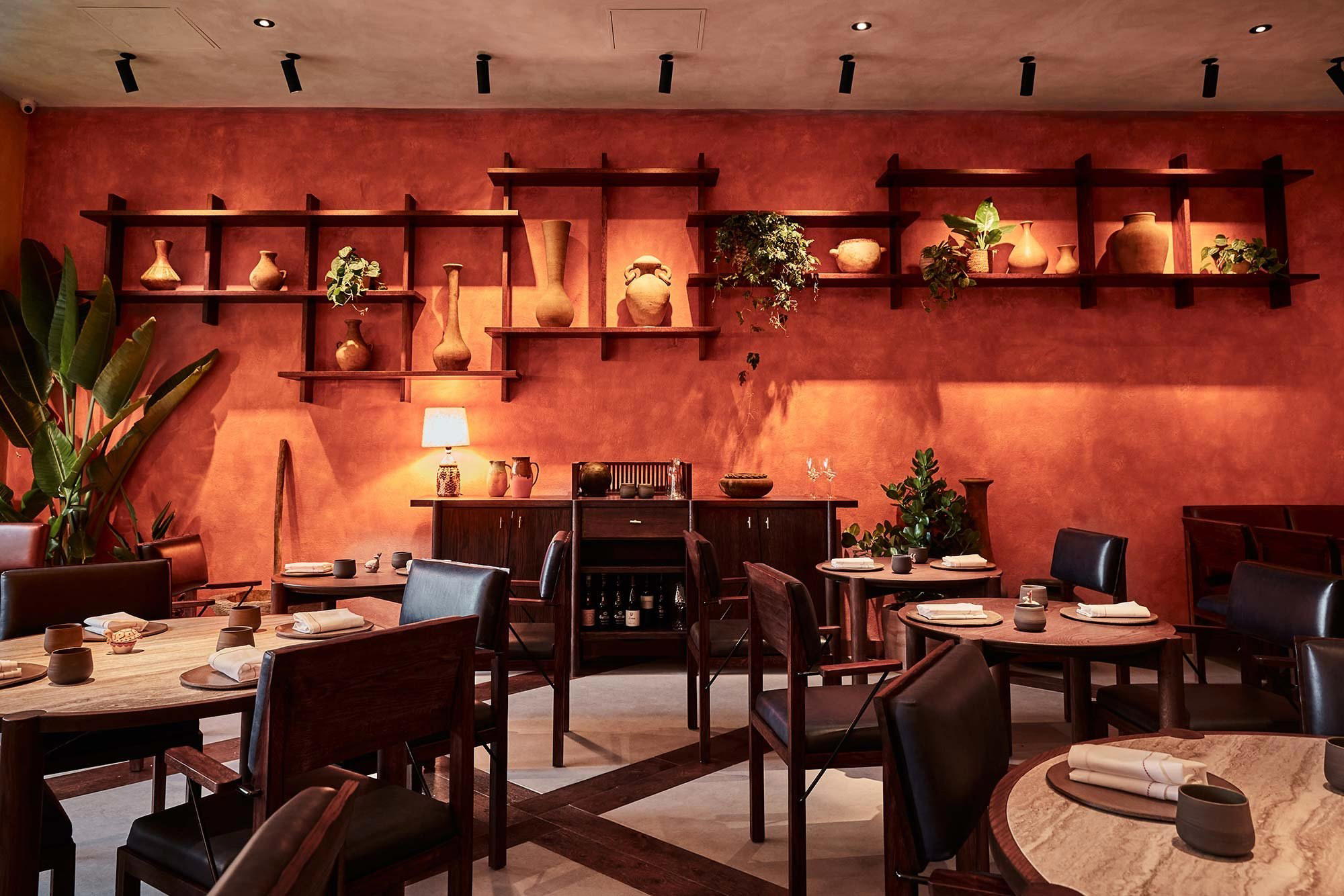
Hotels in London
Browse all →
Wineries in London
Browse all →
At a Glance
- Cozy
- Casual Hangout
- Group Dining
- Open Kitchen
- Sake Program
Current opening hours
- Monday
- Closed
- Tuesday
- Closed
- Wednesday
- 12:30–2:30 PM, 6–10 PM
- Thursday
- 12:30–2:30 PM, 6–10 PM
- Friday
- 12:30–2:30 PM, 6–10 PM
- Saturday
- 12:30–2:30 PM, 6–10 PM
- Sunday
- 12:30–2:30 PM, 6–10 PM
Hours can change for holidays and private events. Last verified .
Spartan and simple with tiled floors and wooden tables, featuring an open kitchen grill that adds to the authentic, no-frills atmosphere.