Toranj Manhattan Beach
Persian grilling in Manhattan Beach, Toranj brings the charcoal-driven kebab tradition of Iran to the South Bay, where fire-cooked skewers and aromatic marinades occupy a niche that few coastal California restaurants address directly. For a city better known for casual surf culture than Persian kitchen craft, it represents a genuine shift in the local dining conversation. Check our full Manhattan Beach restaurants guide for context on where it sits among peers.
Pearl is the En Primeur Club membership app — saves, bookings, and concierge access live there. Same editors, same standards.
- Address
- Manhattan Beach, United States
- Website
- toranjrestaurant.com
 Saves & bookings on Pearl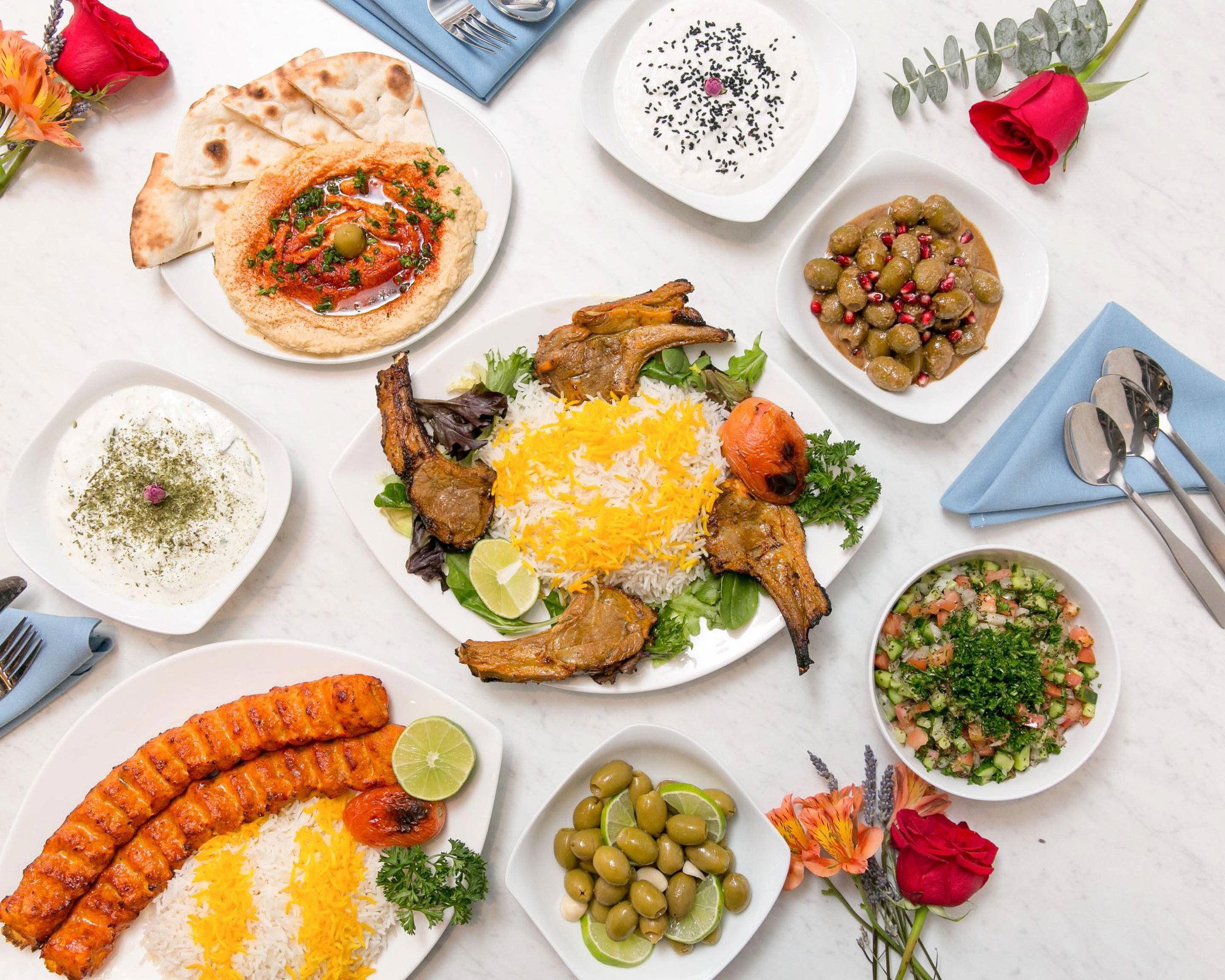
Where Persian Charcoal Meets the South Bay Shore
Manhattan Beach does not, as a rule, announce itself through its restaurants. The city's dining scene runs toward casual fish tacos, upscale American comfort, and the occasional splashy sushi counter. Persian cooking, with its slow-burn marinades, saffron-threaded rice, and the particular discipline of live-fire grilling, sits well outside that default register. Which is precisely why Toranj (Manhattan Beach outpost) deserves more than passing attention: it occupies a near-empty space in the South Bay's restaurant geography, one that the broader Los Angeles Persian dining tradition has long held in denser, more established neighborhoods further north and east.
Persian cuisine in greater Los Angeles, particularly in Westwood and the Tehrangeles corridor along Westwood Boulevard, has a documented presence going back decades, built by a community that resettled after 1979 and gradually shaped among the more substantial Iranian diaspora dining cultures outside Iran itself. That foundation means informed diners in the region have a reference point: they know what properly rendered koobideh should taste like, how chelo rice should behave when it arrives at the table, and what the distance between a good and a mediocre bastani means at the end of a meal. Toranj in Manhattan Beach steps into that inherited expectation and brings the tradition south along the coast.
The Grammar of the Grill
The heart of Persian restaurant cooking, wherever it sets up, is the mangal, the charcoal grill around which the kebab canon is organized. This is not a casual or improvisational affair. The Iranian kebab tradition distinguishes sharply between styles: koobideh, made from minced lamb or beef seasoned with grated onion, turmeric, and black pepper, formed directly onto flat skewers and cooked over live coals; barg, thinly pounded lamb fillet marinated in saffron, lemon, and onion; joojeh, bone-in chicken steeped in saffron and citrus before it meets the fire; and shishlik, rib chops that arrive with the char marks of high, direct heat. Each style requires its own skewer gauge, its own fire management, its own timing window. The difference between koobideh that holds its shape with a slight crust and koobideh that falls apart or steams rather than grills is not a small one, it is the measure of whether a kitchen takes the discipline seriously.
That discipline connects Persian kebab culture to other live-fire grilling traditions across the Middle East and Central Asia, but it is also distinct from them. The marinade logic leans on saffron, dried limes, and sumac rather than the chile heat or garlic intensity common in Levantine or Turkish grilling. The accompaniment of chelo, long-grain basmati steamed to produce a crust called tahdig, is not a side in the Western sense but a structural part of the meal, and the quality of that tahdig (golden, shatteringly crisp, not gummy or pale) functions as a kitchen signal on its own. Alongside the grilled meats, herb-heavy stews like ghormeh sabzi and fesenjan, with its walnut-and-pomegranate molasses base, extend the menu into territory where slow cooking and layered sourness take over from fire.
For comparison's sake, the kebab-forward Persian format at this level sits in a different competitive conversation than the tasting-menu progression you'd find at Lazy Bear in San Francisco or Alinea in Chicago, or the French-influenced fine dining of Le Bernardin in New York City and Providence in Los Angeles. It also differs from the produce-driven formats of Single Thread Farm in Healdsburg or Blue Hill at Stone Barns in Tarrytown. Persian grilling is a specific tradition with its own internal logic, and the leading versions of it should be judged against that tradition, not absorbed into a generalized American fine-dining frame.
Persian Dining Across Geographies
The Los Angeles Persian restaurant landscape has a long-established anchor in establishments like Attari Sandwich Shop in Los Angeles, which represents the more casual, counter-service end of the tradition. At the other end of the international spectrum, Ariana's Persian Kitchen in Dubai operates in a market where Persian cuisine competes directly with pan-Middle Eastern and South Asian kitchens in a high-density hospitality environment. Manhattan Beach, by contrast, offers a quieter competitive frame, which cuts both ways. There is less noise, but also less of the community density that typically sustains a Persian restaurant at a high technical level over time. The South Bay's dining audience is largely accustomed to different flavor registers, which means a Persian kitchen here is, in effect, educating a portion of its room while simultaneously serving diners who already know the tradition well.
That dual audience dynamic is something Persian restaurants in non-diaspora-dense markets deal with in different ways. Some drift toward fusion, softening the sourness and reducing the saffron intensity to meet unfamiliar palates partway. The stronger play, and the harder one, is to hold the line on technique and let the food do the explaining. Whether Toranj Manhattan Beach takes that approach is something a visit will answer more directly than any description. For comparable high-effort restaurant formats in nearby cities, Addison in San Diego and Emeril's in New Orleans show how kitchens with a defined culinary identity navigate markets where that identity is not the default expectation.
Planning a Visit
Manhattan Beach sits along the South Bay coastline roughly 18 miles southwest of central Los Angeles, accessible via the 405 freeway. The city's dining district runs primarily along Manhattan Beach Boulevard and Highland Avenue, with most restaurants drawing a combination of local residents and visitors from the broader South Bay corridor. For those assembling a fuller South Bay itinerary, our Manhattan Beach hotels guide, bars guide, wineries guide, and experiences guide cover the surrounding options in detail.
Cost Snapshot
Comparable venues nearby, for context on price, style, and recognition.
| Venue | Cuisine | Price | Notes |
|---|---|---|---|
| Toranj Manhattan BeachThis venue — the venue you are viewing | Manhattan Beach, Authentic Persian | $$ | Not listed |
| Toranj | Manhattan Beach, Authentic Persian | $$ | Not listed |
| Second Story | Not listed | $$ | Manhattan Beach, Contemporary California American |
| Nick's Manhattan Beach | Manhattan Beach, American Comfort Food | $$$ | Not listed |
| Beach Pizza | Manhattan Beach, Classic Italian Pizza | $ | Not listed |
| Petros | downtown Manhattan Beach, Coastal Greek | $$$ | Not listed |
Continue exploring
More in Manhattan Beach
Restaurants in Manhattan Beach
Browse all →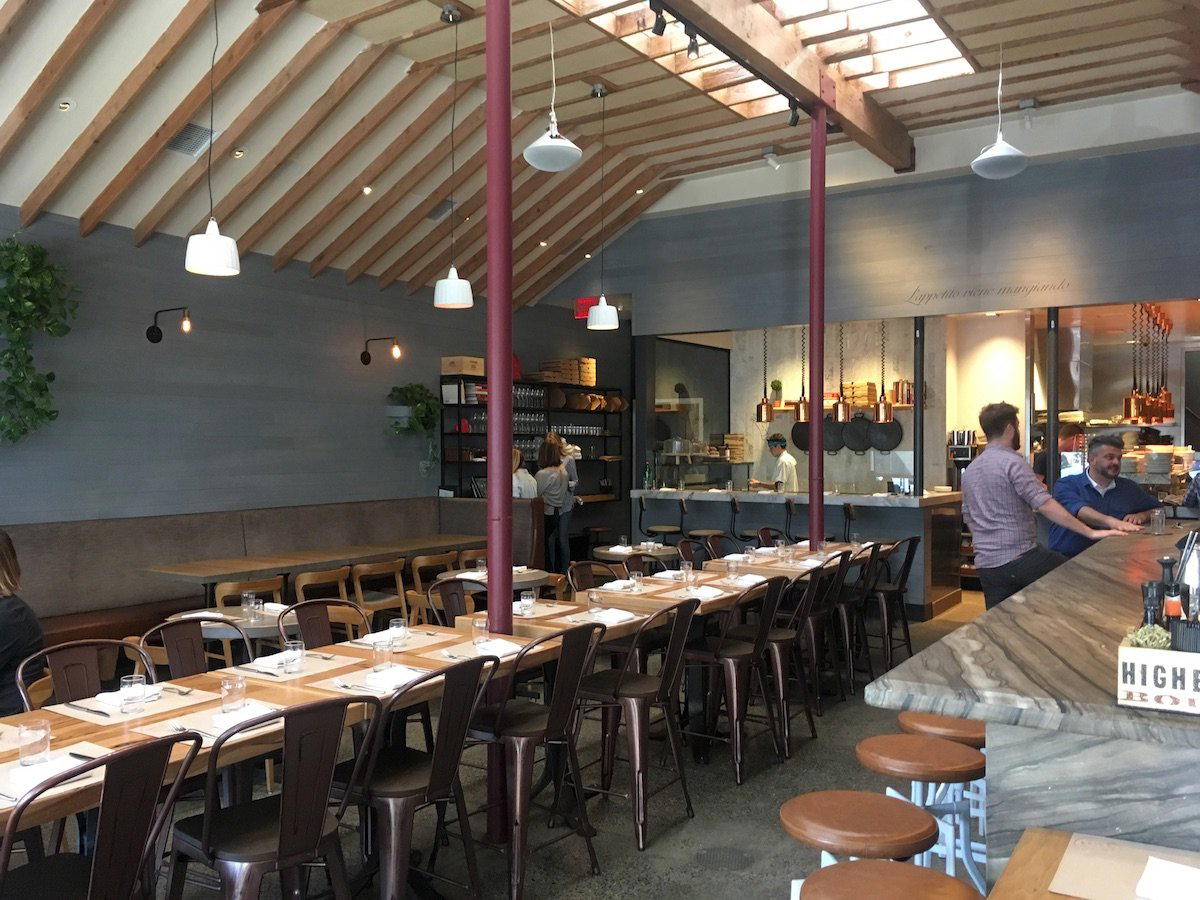
Bars in Manhattan Beach
Browse all →
Hotels in Manhattan Beach
Browse all →
At a Glance
- Elegant
- Modern
- Cozy
- Sophisticated
- Family
- Special Occasion
- Group Dining
- Casual Hangout
- Open Kitchen
- Craft Cocktails
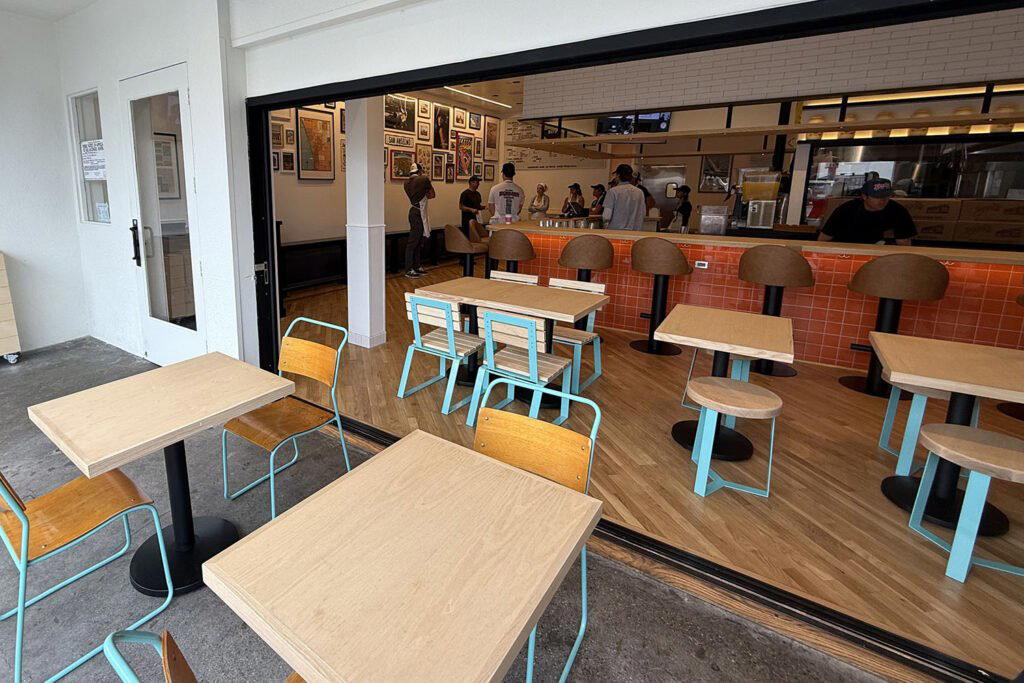
Sleek modern interior with soft lighting, wooden tables, and subtle Persian artwork creating an elegant yet inviting atmosphere.