Talula's Daily
Our verdict
Talula's Daily occupies a corner of Washington Square West that has long rewarded those who pay attention to where their food comes from. The cafe and market format prioritizes ingredient provenance and seasonal rhythm over culinary spectacle, making it a practical destination for Philadelphians who treat sourcing transparency as a baseline expectation rather than a selling point.

Pearl is the En Primeur Club membership app — saves, bookings, and concierge access live there. Same editors, same standards.
- Address
- 208 W Washington Square, Philadelphia, PA 19106
- Phone
- (215) 592-6555
- Hours
- Daily 8 AM–6 PM
- Website
- talulasdaily.com
- Directions
- Get directions
- Booking
- Book on OpenTable
The menu
What to order
- Wild Ramp and Potato Soup
- Grilled Asparagus Salad
- Lavender Goat Cheese
Washington Square West and the Ethics of the Everyday Cafe
Washington Square West sits at one of Philadelphia's more legible intersections between neighborhood life and food culture. The square itself, bounded by historic rowhouses and walkable from both Old City and Center City, has accumulated a dining scene that leans toward the considered rather than the showy. In this context, Talula's Daily at 208 W Washington Square occupies a position that other Philadelphia restaurants rarely attempt: the cafe and market format where the editorial argument is not the chef or the tasting menu, but the supply chain.
That framing matters because it places Talula's Daily in a different competitive conversation than, say, Friday Saturday Sunday or Fork, both of which operate within the New American fine-dining tier where technique and credential are the primary signals. Talula's Daily operates closer to the ground, where the question is not what the kitchen can do with an ingredient, but whether the ingredient itself was grown responsibly and moved through a short, accountable chain before landing on your plate.
The Sustainability Frame: Why Sourcing Is the Story
Across American dining, a split has developed between restaurants that treat sustainability as a marketing layer and those that embed it structurally into their format. The former category is large and visible; the latter is smaller and tends to express itself through less glamorous choices: shorter menus, seasonal rotations, relationships with specific farms, and a willingness to serve what is available rather than what is expected.
Talula's Daily belongs to the structural category. The cafe-and-market model it operates under is inherently aligned with low-waste principles in ways that tasting-menu restaurants are not. A market that sells what it has, rather than committing to a static menu, creates natural pressure to minimize overproduction and respond to supply rather than impose demand on it. This is a different discipline than the kind practiced at farm-to-table destination restaurants like Blue Hill at Stone Barns in Tarrytown or Single Thread Farm in Healdsburg, where the agricultural integration is theatrical and expensive. The Talula's Daily version is quieter and more transactional, which in some ways makes the commitment more credible: there is no refined price point to justify, no ceremony to perform.
Philadelphia has a developed infrastructure for this kind of sourcing. The region's proximity to Lancaster County, the Lehigh Valley, and the South Jersey agricultural corridor means that restaurants and markets in the city have access to a producer network that most American cities cannot match for density and diversity. Talula's Daily draws on that geography, which gives its market-cafe model genuine logistical backing rather than aspirational framing.
How It Fits Philadelphia's Broader Food Map
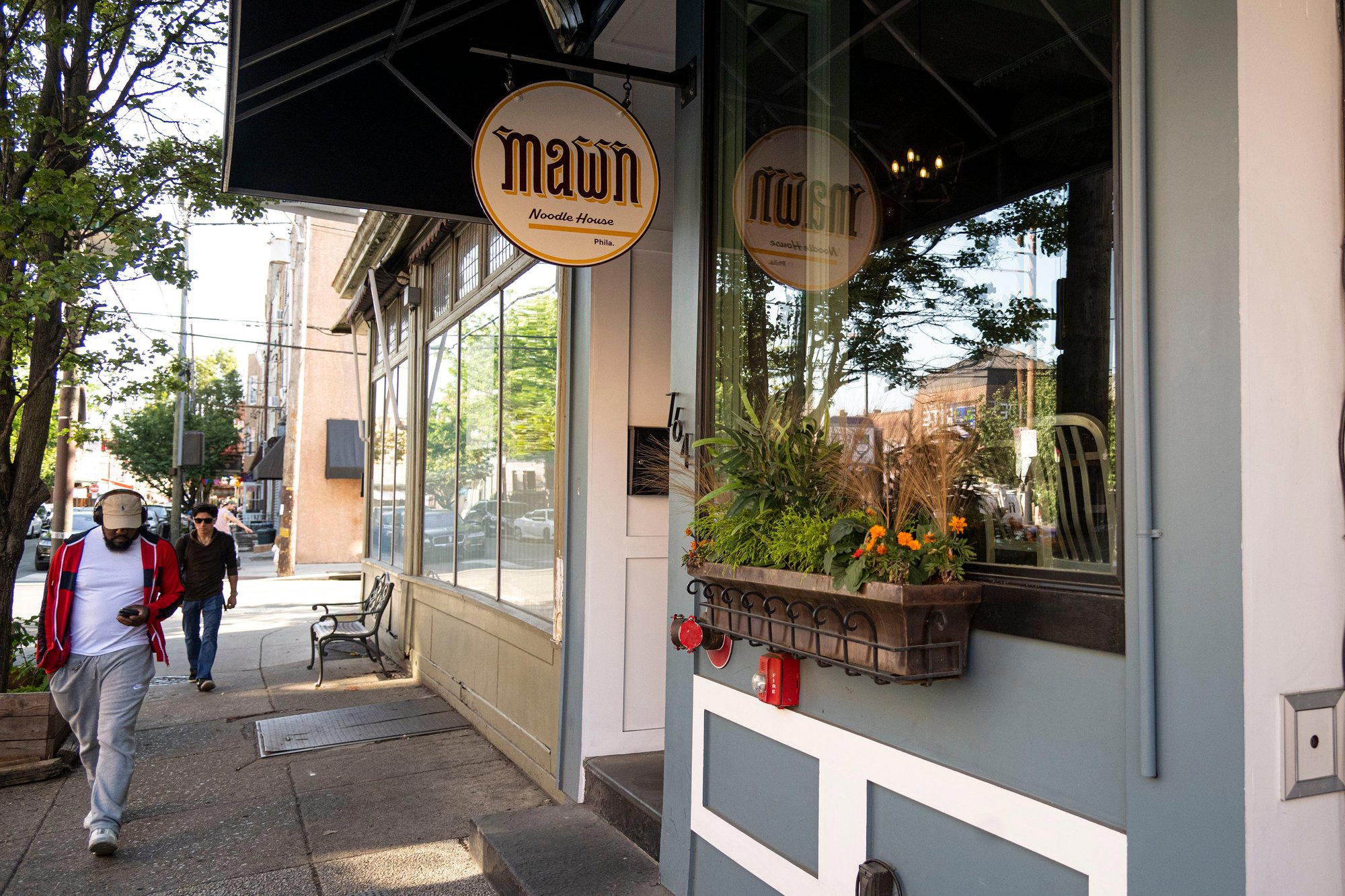
Philadelphia's food scene has matured in ways that make space for multiple tiers and formats to coexist without one crowding out another. The city now supports highly technical New American cooking at places like Friday Saturday Sunday, culturally specific kitchens like Mawn (Cambodian and Pan-Asian) and South Philly Barbacoa (Mexican), French-influenced rooms like My Loup, and the kind of ingredient-forward market-cafe that Talula's Daily represents. These categories do not compete directly; they answer different questions for the same city.
What Talula's Daily answers is the question of where to eat when the premise is not occasion or spectacle, but quality of ingredient and transparency of origin. That question comes up more often in daily life than tasting-menu occasions do, which is precisely why the format has durability. The comparison set here is not restaurants but rather the broader category of serious urban markets and cafe-daytime operations that have emerged in cities like New York, San Francisco, and Chicago as food-literate populations have demanded the same sourcing standards from their weekday breakfast as from their Saturday dinner.
Format, Atmosphere, and What to Expect
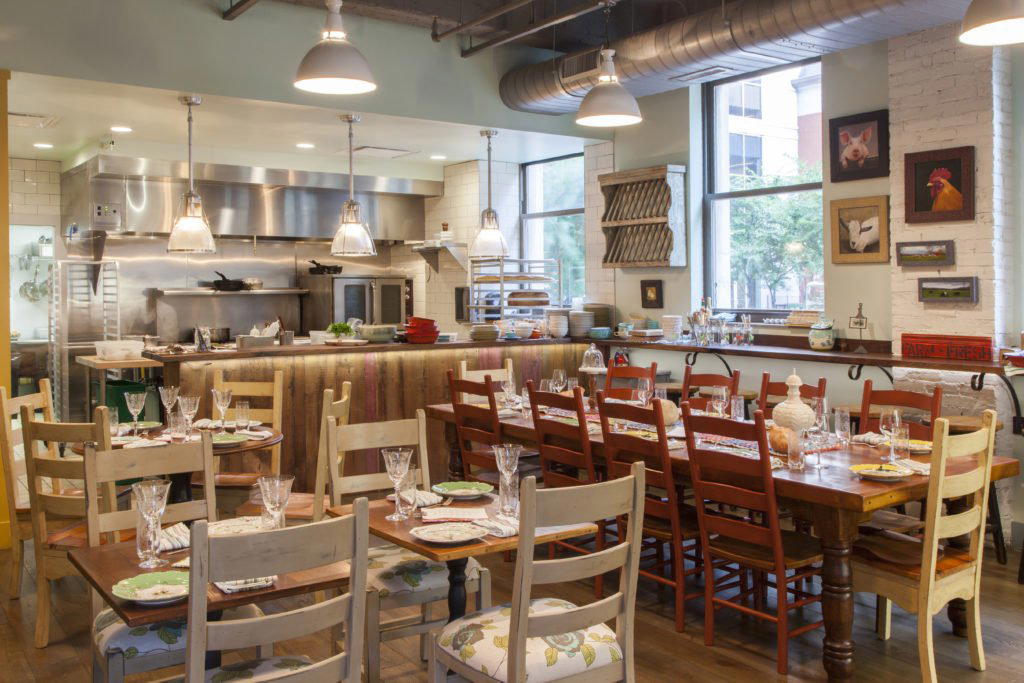
The cafe-and-market format at Washington Square West creates a physical experience oriented around product rather than service theater. Arriving on the square, the building sits in a stretch of ground-floor retail and food that serves both foot traffic and destination visitors. The interior logic of a market-cafe like this one typically organizes around a counter, a retail section, and a casual seating area, with the visual emphasis on the goods themselves rather than on table setting or dining room design. This is deliberate: the environment is meant to make the sourcing legible, not to obscure it behind atmosphere.
For planning purposes, the cafe-and-market format generally operates on daytime and early-afternoon hours, making it most relevant for breakfast, brunch, and lunch visits rather than dinner. That distinction matters for itinerary planning in Philadelphia, where evenings tend to pull visitors toward the dinner-service restaurants clustered in Rittenhouse, Old City, and South Philadelphia. Talula's Daily fits the morning and midday slot in a way that complements, rather than duplicates, an evening at somewhere like Fork or My Loup.
The booking dynamic for a cafe-market is also different from reservation-driven restaurants. Capacity pressure tends to peak on weekend mornings and drops significantly on weekday afternoons, meaning that visitors who can flex their timing will find a more relaxed experience mid-week. This is worth knowing for anyone building a Philadelphia food itinerary around multiple stops in a day.
Sustainability at Scale: Where Talula's Daily Sits in a National Conversation
At the national level, the restaurants and operations most associated with structural sustainability tend to cluster at the fine-dining end of the market. Providence in Los Angeles holds Marine Stewardship Council certification for its seafood program. Addison in San Diego and Smyth in Chicago both embed seasonal and local sourcing into tasting-menu formats at premium price points. In Europe, Atelier Moessmer Norbert Niederkofler in Brunico has built an entire culinary philosophy around Alpine ingredient ethics. These are high-visibility, high-investment versions of the same underlying commitment.
Talula's Daily represents a different scale of the same argument: that responsible sourcing does not require a tasting-menu format or a four-figure bill to be real. The cafe-and-market model, when executed with genuine producer relationships and seasonal discipline, makes the same ethical claim without the ceremony. For the Philadelphia food visitor who wants to understand how the city's ingredient culture works at street level rather than at special-occasion altitude, it is a more instructive stop than a Michelin-listed dinner might be.
For a fuller picture of where Talula's Daily sits within Philadelphia's dining options across all tiers and formats, the EP Club Philadelphia restaurants guide maps the full range.
Planning Your Visit
Talula's Daily is located at 208 W Washington Square in Philadelphia's Washington Square West neighborhood, walkable from both the Old City historic district and the Walnut Street corridor. The cafe-and-market format positions it as a daytime destination; build it into a morning or lunch slot rather than an evening itinerary. The format does not require reservations in the conventional sense, but weekend morning crowds at well-regarded Philadelphia cafe-markets can be substantial enough to suggest arriving before 9:30 a.m. or after 1:00 p.m. for a more considered visit.
Frequently asked questions
What do people recommend at Talula's Daily?
Talula's Daily operates as a cafe and market with a seasonal, supply-driven approach, which means the menu shifts with what the kitchen has sourced rather than holding a fixed roster of signature dishes. The strongest recommendation framework here is to follow what is fresh and regionally produced on the day of your visit. Philadelphia's access to Lancaster County and South Jersey farms means the seasonal range is wide, and the market section typically signals what the kitchen considers the strongest current product.
How far ahead should I plan for Talula's Daily?
The cafe-and-market format does not operate on a conventional reservation model the way Philadelphia's dinner-service restaurants do. Unlike a table at a sought-after New American room in the city, Talula's Daily functions on walk-in timing. The practical planning variable is time of day and day of week: weekend mornings draw the most traffic, so weekday visits or off-peak weekend timing will give you a calmer experience. No advance booking window applies in the way it would for, say, a reservation-driven kitchen in the city.
What is Talula's Daily leading at?
The strongest argument for Talula's Daily is its sourcing discipline within a casual, accessible format. Where Philadelphia's more credentialed kitchens apply regional ingredients to technically complex cooking, Talula's Daily keeps the ingredient itself as the primary subject. That makes it particularly relevant for anyone interested in how Philadelphia's agricultural region translates into daily food culture, rather than into special-occasion dining.
Is Talula's Daily connected to Talula's Garden, and does the same sourcing philosophy apply to both?
Talula's Daily and Talula's Garden share a brand family rooted in the same Washington Square West neighborhood and are associated with the same ownership and sourcing commitments that have defined the Talula's name in Philadelphia. The daily cafe-and-market format at Talula's Daily operates at a more casual register than the garden-restaurant format, but the underlying emphasis on regional producer relationships and seasonal availability runs through both. For visitors comparing the two, Talula's Daily is the daytime, market-oriented expression of that philosophy, while Talula's Garden handles the sit-down dinner format.
Cost and Credentials
Comparable venues nearby, for context on price, style, and recognition.
| Venue | Cuisine | Price | Notes |
|---|---|---|---|
| Talula's DailyThis venue — the venue you are viewing | Seasonal American Tasting Menu | $50–100 | Not listed |
| Revolution House | Modern American Tapas & Pizza | $30–50 | Old City, Modern American Tapas & Pizza |
| The Board and Brew | American Comfort Food with Board Games | $20–30 | University City, American Comfort Food with Board Games |
| Spread Bagelry | Montreal-Style Wood-Fired Bagels | $10–20 | Rittenhouse Square, Montreal-Style Wood-Fired Bagels |
| Emmy Squared Pizza: Queen Village | Detroit-Style Pizza | $20–30 | South Street, Detroit-Style Pizza |
| Brunch N | Southern-Inspired American Brunch | Not listed | Callowhill, Southern-Inspired American Brunch |
Continue exploring
More in Philadelphia
Restaurants in Philadelphia
Browse all →
Bars in Philadelphia
Browse all →
Details
- Cozy
- Intimate
- Trendy
- Special Occasion
- Date Night
- Group Dining
- Open Kitchen
- Extensive Wine List
- Local Sourcing
- Tasting Menu
- Prix Fixe
- Vegetarian Friendly
- Vegan Options
- Gluten Free Options
Current opening hours
- Monday
- 8 AM–6 PM
- Tuesday
- 8 AM–6 PM
- Wednesday
- 8 AM–6 PM
- Thursday
- 8 AM–6 PM
- Friday
- 8 AM–6 PM
- Saturday
- 8 AM–6 PM
- Sunday
- 8 AM–6 PM
Hours can change for holidays and private events. Last verified .
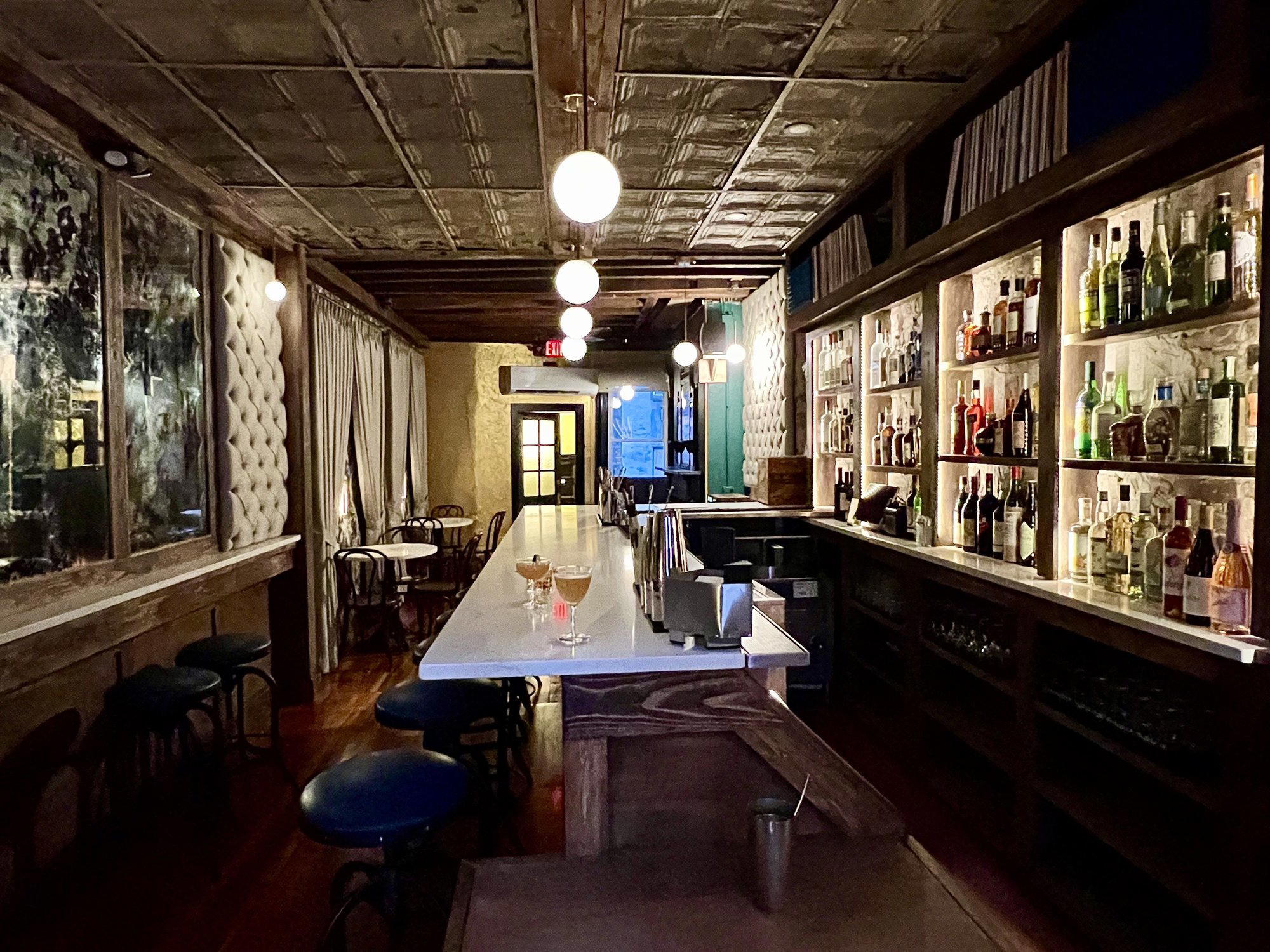
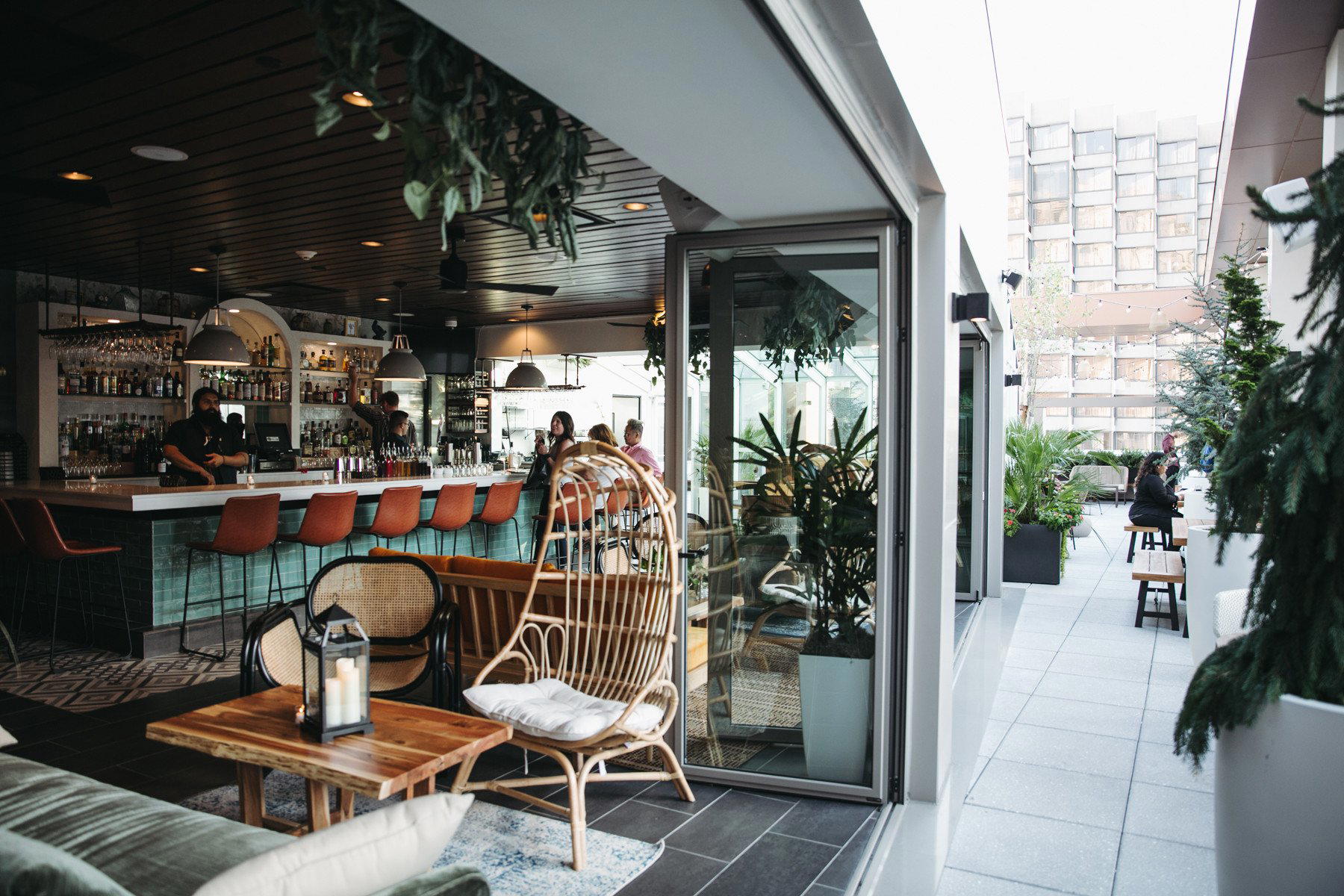
Lively yet relaxed atmosphere with casual-elegant intimate dining, moderate noise, and colorful greenery in connected patio spaces.