Tobi ornot ToBe
Our verdict
In a city better known for Bauhaus architecture than restaurant culture, Tobi ornot ToBe occupies a quiet but deliberate position on Johannisstraße 14 in Dessau-Roßlau. The name alone signals a certain irreverence toward fine-dining convention, and the venue has built a local following in a market where serious food destinations are thin on the ground. For visitors working through Germany's broader dining circuit, it offers a counterpoint to the metropolitan concentration of the country's Michelin-tracked scene.

Pearl is the En Primeur Club membership app, where members save venues, book tables and use the concierge.
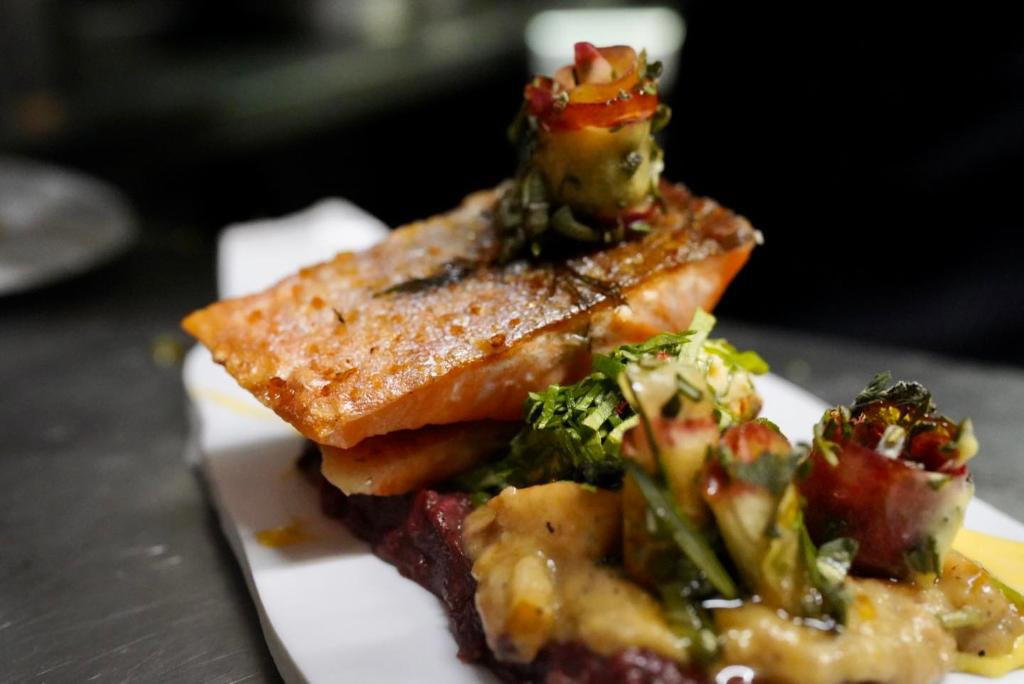
Dessau-Roßlau and the Question of Where Serious Food Takes Root
Germany's fine-dining conversation concentrates heavily in Munich, Hamburg, Berlin, and a handful of Black Forest addresses. The provincial cities, those without a major tourist economy or a dense corporate lunch market, tend to operate at a different register, where restaurants succeed not by chasing recognition guides but by embedding themselves in the rhythms of a local community. Dessau-Roßlau, a city in Saxony-Anhalt with a population of around 80,000, sits squarely in that second category. It draws heritage tourists to the Bauhaus Foundation and the Wörlitz Garden Kingdom, but it does not have the restaurant density or the overnight visitor volume of a Frankfurt or a Düsseldorf. That context matters when reading any serious dining address here.
Tobi ornot ToBe, at Johannisstraße 14, is one of those addresses. The name, a play on Shakespeare's most famous line, announces a self-aware sensibility before you have even looked at a menu. In a German dining culture that can trend toward formality and institutional gravity, a venue that titles itself with a pun is staking a quiet position: this will not be stiff. Whether that registers as approachable or merely clever depends on what surrounds it, and in Dessau-Roßlau, the surrounding context is a city that has not historically produced restaurants capable of drawing visitors from outside the region for the food alone.
Ingredient Sourcing as the Defining Question for Regional Kitchens
For any kitchen operating outside Germany's main urban corridors, ingredient sourcing is not simply a marketing angle, it is a structural challenge. The supply chains that feed three-Michelin-star kitchens like Aqua in Wolfsburg or Schwarzwaldstube in Baiersbronn are built on years of supplier relationships, volume commitments, and geographic proximity to premium producers. A restaurant in Saxony-Anhalt works in a different agricultural geography: the Elbe lowlands produce grain, sugar beet, and stone fruit; the surrounding Brandenburg and Harz edges contribute game and forest produce. A kitchen that reads this landscape correctly, building around what grows or grazes within reach rather than importing the same prestige ingredients used everywhere else, can develop a genuinely distinct identity.
This is the question that defines whether a provincial restaurant is merely a local convenience or something worth crossing a region to find. Germany's most interesting recent examples of regional-sourcing discipline include ES:SENZ in Grassau, which has built a coherent identity around Alpine produce, and JAN in Munich, which has built around a tight producer network despite operating in a city where sourcing alternatives are abundant. The discipline is harder to maintain in a smaller city, where the kitchen has fewer cover nights to justify premium supplier minimums and fewer front-of-house staff to narrate the sourcing story to guests.
Reading the Venue Without a Full Data Set
That absence is itself editorial information. Restaurants that appear in international databases with verified award data, star ratings, and press coverage tend to accumulate that data quickly once they cross a certain recognition threshold. Venues that remain sparse in these systems are typically operating in a local register: well-regarded within their city, not yet tracked by the national or international recognition infrastructure that monitors addresses like Vendôme in Bergisch Gladbach, Restaurant Haerlin in Hamburg, or Waldhotel Sonnora in Dreis.
That is not a dismissal. Germany's recognition infrastructure, Michelin, Gault&Millau;, the 50 Best orbit, is geographically uneven. Saxony-Anhalt as a whole produces far fewer starred addresses than Bavaria or Baden-Württemberg, and that gap reflects inspector visit frequency as much as actual kitchen quality. Venues like Bagatelle in Trier and ATAMA by Martin Stopp in Sankt Ingbert demonstrate that serious cooking happens in smaller German cities, even when the recognition follows slowly. The name Tobi ornot ToBe, with its self-aware tone, suggests a kitchen that is aware of its position in this system and has made a deliberate choice about how seriously to court it.
Where It Sits in a Wider German Circuit
For a visitor building a German dining itinerary that extends beyond the obvious metropolitan anchors, Dessau-Roßlau is a logical stop for reasons that have nothing to do with food: the Bauhaus Dessau building, the Masters' Houses, and the Wörlitz estate together make a compelling day or overnight. Any restaurant that can serve that visitor well, with produce that reflects the Elbe-Saxony region, a format that does not require a two-hour commitment, and a room that does not feel transactional, performs a real function in the local hospitality economy.
For comparison, the creative German kitchens that have built the strongest reputations in non-metropolitan settings, Schanz in Piesport, AUGUST in Augsburg, AURA in Wirsberg, share a common thread: they made the regional context a feature rather than a limitation. Whether Tobi ornot ToBe is working toward that kind of definition, or whether it is content to serve Dessau well without the wider ambition, is a question the venue's own evolution will answer. Visitors with access to broader creative dining formats, from CODA Dessert Dining in Berlin to ammolite in Rust, will arrive with a calibrated sense of what regional ambition looks like at its ceiling.
Planning a Visit
Tobi ornot ToBe is located at Johannisstraße 14, 06844 Dessau-Roßlau. Dessau-Roßlau is served by direct rail connections from Leipzig (approximately 45 minutes) and from Berlin (approximately 90 minutes via Bitterfeld or Halle), making it accessible as a day trip from either city without a car. For guests combining a visit with Bauhaus sites, the restaurant address sits within the central Dessau grid, walkable from the main Bauhaus building. Visitors coming specifically for the food rather than the architecture should verify the current format before travelling from outside the region, particularly if comparing against credentialed German addresses such as Victor's Fine Dining by Christian Bau in Perl or Le Bernardin in New York for a sense of what verified sourcing-led excellence looks like at full commitment. Dessau-Roßlau's dining scene is not yet structured around destination dining in the way that peer-city scenes are, and Tobi ornot ToBe is leading approached as part of a broader regional visit rather than as a standalone draw.
Frequently asked questions
Is Tobi ornot ToBe child-friendly?
No specific family policy is documented for Tobi ornot ToBe. Given the address at Johannisstraße 14 in central Dessau-Roßlau, the practical approach is to check the venue's official channels before visiting with children, as format and atmosphere details are not on public record.
What's the vibe at Tobi ornot ToBe?
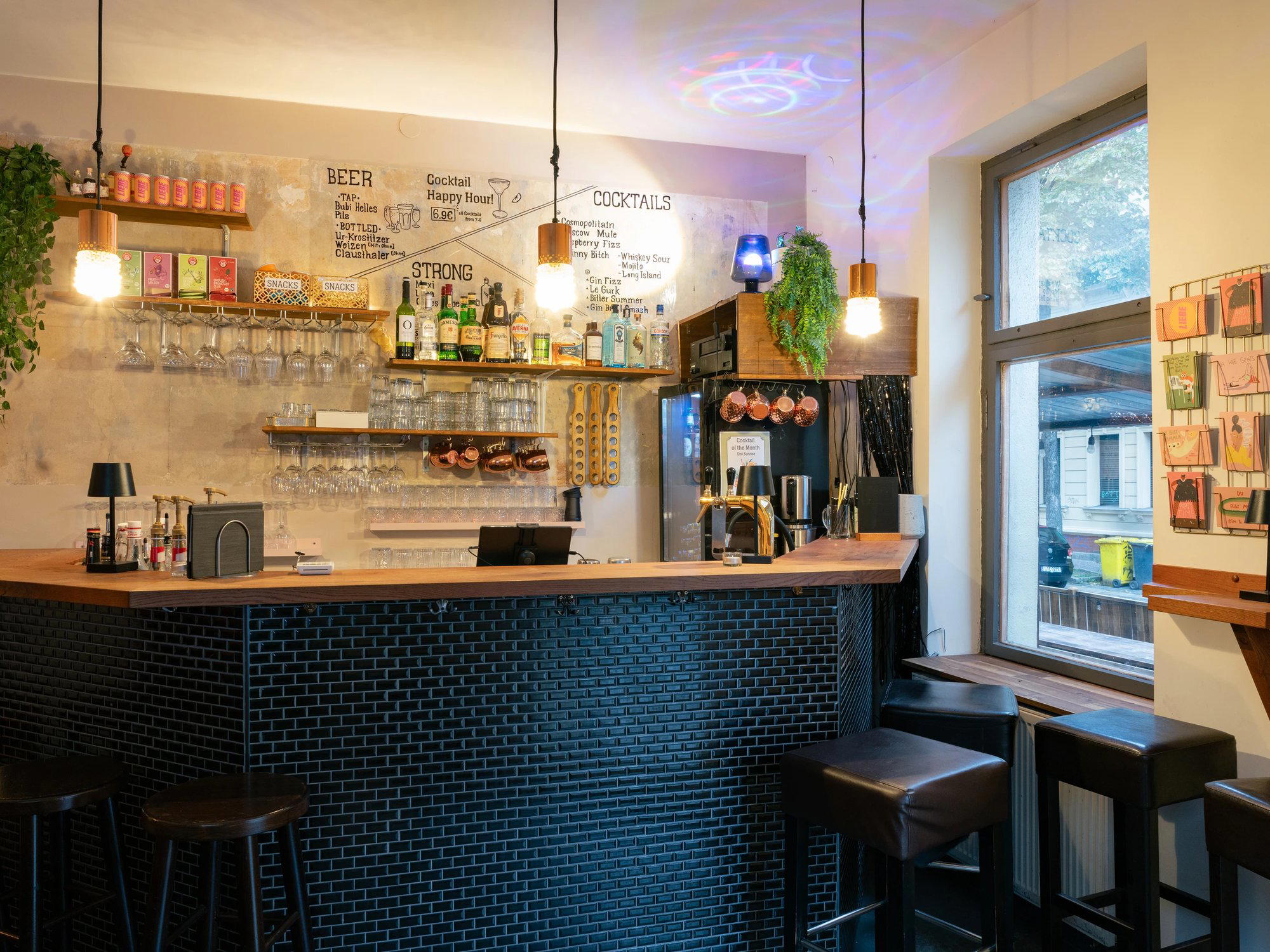
The name itself signals a self-aware, non-corporate sensibility, not the language of a hotel restaurant or a chain. Dessau-Roßlau's dining scene sits outside the metropolitan mainstream, which typically produces rooms that rely on character over production values. Beyond that, atmosphere specifics are not documented.
Why is Tobi ornot ToBe worth adding to a Dessau-Roßlau itinerary?
Dessau-Roßlau draws visitors primarily for the Bauhaus Dessau Foundation, one of Germany's most significant cultural sites, which means the city sees an internationally aware audience that serious restaurants can tap. Tobi ornot ToBe at Johannisstraße 14 sits within that context, a dining address in a city where the competition for attention is limited and the visiting crowd is not indifferent to quality.
What do regulars order at Tobi ornot ToBe?
No menu data is currently held for Tobi ornot ToBe, so standout dishes can change. For a kitchen in Dessau-Roßlau, the regional larder, Saxony-Anhalt's agricultural output, proximity to Elbe river produce, tends to shape what serious local regulars return for, but specific dishes require direct contact with the venue. Check the venue's official channels for the latest details.
Quick Comparison
| Venue | Cuisine | Price | Awards | Notes |
|---|---|---|---|---|
| Tobi ornot ToBeThis venue (the venue you are viewing) | Not listed | Not listed | Not listed | Not listed |
| Aqua | Contemporary German, Italian/Japanese, Creative | Not listed | Michelin 3 Star | Not listed |
| Schwarzwaldstube | Modern French Fine Dining | $150–200 | 3 Michelin Stars · World's 50 Best #47 | French, Classic French |
| CODA Dessert Dining | Dessert-Inspired Fine Dining | $200–300 | 2 Michelin Stars · World's 50 Best #79 | Creative |
| Vendôme | Modern German Haute Cuisine | $200–300 | 2 Michelin Stars · World's 50 Best #47 | Modern European, Creative |
| Tantris | Modern French Fine Dining | $300–500 | 2 Michelin Stars · World's 50 Best #73 | Modern French, French Contemporary |
Continue exploring
More in Dessau Ro Lau
Restaurants in Dessau Ro Lau
All restaurants in Dessau Ro Lau →
Bars in Dessau Ro Lau
Browse all →
Details
Current opening hours
- Monday
- 5–11 PM
- Tuesday
- 5–11 PM
- Wednesday
- 5–11 PM
- Thursday
- 5–11 PM
- Friday
- 5–11 PM
- Saturday
- 5–11 PM
- Sunday
- Closed
Hours can change for holidays and private events. Hours as of .