The Waterman's Arms



Michelin Plate · The Good Food Guide GFG Good
Our verdict
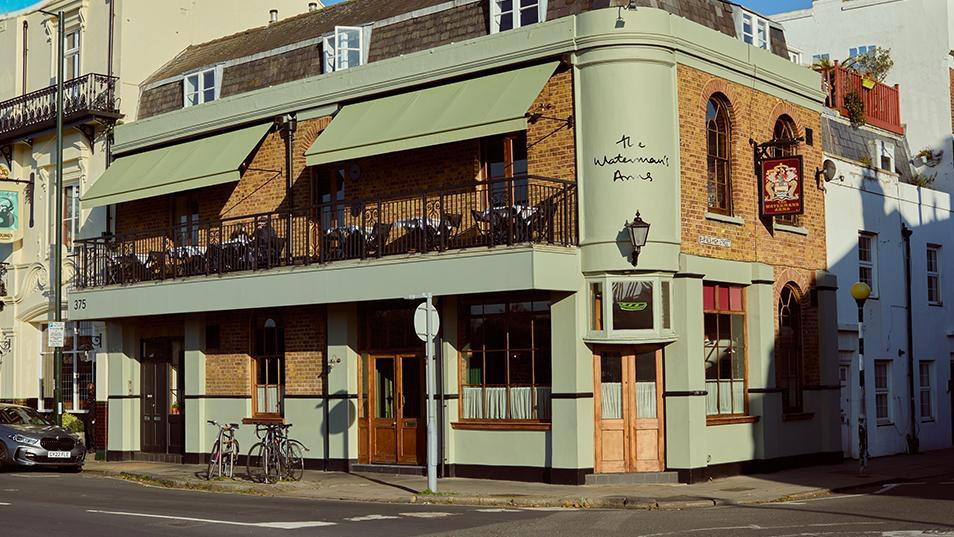
A Thames-side Barnes pub with award-note recognition for the feeling of the room as much as the cooking, The Waterman’s Arms belongs to London’s renewed appetite for serious neighbourhood dining in old public-house settings. Its appeal sits in the culture of the river pub: local, informal, and better judged against Barnes peers than central London tasting-menu rooms.

Pearl is the En Primeur Club membership app — saves, bookings, and concierge access live there. Same editors, same standards.
- Address
- 375 Lonsdale Road, Barnes, London, Greater London, SW13 9PY, GBR
- Phone
- +44 20 4529 8970
- Website
- guide.michelin.com
- Directions
- Get directions
The menu
What to order
- Homemade merguez sausage with labneh
- Curried scallop
- Arroz de marisco
- Steaks with seasonal sides
- Sunday roasts
Approaching The Waterman’s Arms changes the tempo of London dining. Pavement queues, theatre traffic and hotel dining rooms give way to a quieter register, where the room matters because the format matters. The Waterman’s Arms fits that tradition: a London venue where atmosphere and ease carry as much weight as the meal itself. Here, the setting is not a decorative shell for a restaurant concept, but part of a broader civic rhythm, closer to a local meeting point than a high-pressure destination dining room.
That distinction matters. London has spent the past decade turning informal venues into serious dining rooms, with mixed results. Some lose the looseness that makes them useful; others keep the casual frame but never fully commit to the meal. The stronger examples understand that informality is not the opposite of ambition, but a format with rules: food must be direct, service human, and the room able to work for a casual visit as well as a planned meal. The Michelin recognition for The Waterman’s Arms is a MICHELIN Plate, which is best read here as a marker of confident hospitality rather than spectacle.
Why London venues carry a different kind of authority
The Waterman’s Arms occupies a useful place on the city’s dining map. London’s strongest neighbourhood-style venues often run on repeat use rather than social-media urgency, and that changes the expectations. A room must serve regulars, families and visitors as much as diners arriving with a fixed restaurant agenda. That audience is demanding, but does not reward theatricality for its own sake.
The local comparison helps. Rick Stein Barnes, Olympic Studios, Home SW13, Sonny’s Kitchen and Osteria Otello all show different ways a London venue can frame a meal for a local audience. Against that group, The Waterman’s Arms is better read through its own relaxed London format than destination-dining formality. It is not chasing high-gloss ceremony, but making an informal London room feel relevant in a city where casual dining has become more technically alert.
That wider informal-dining revival is one of London’s important shifts. The capital once separated categories sharply: casual rooms for easy visits, restaurants for dinner, hotels for ceremony. The boundaries are now porous. Serious kitchens borrow sociability; relaxed venues borrow restaurant discipline. The useful question is not whether a place is formal, but whether the format fits the occasion. A London venue of this kind should not behave like a tasting counter. It should hold the room, serve its audience, and give visitors a reason to come without pretending to be somewhere else.
The food expectation: London hospitality without the theme-park treatment
Without a published chef narrative or named signature dishes to lean on, the sensible reading is cultural rather than biographical. Informal London dining has always balanced appetite, season, value and conviviality. Its modern version succeeds when it avoids nostalgia as costume. The format asks for cooking that can carry conversation rather than interrupt it: plates with enough intent to justify the trip, but not so much ceremony that the venue’s usefulness disappears.
This is where the London setting becomes editorially interesting. Casual dining can drift into postcard territory, selling atmosphere harder than the meal. The better version treats location as context, not compensation. Here, the room and hospitality confidence matter; the kitchen has to make the visit feel current rather than merely familiar. The Waterman’s Arms is worth considering because its MICHELIN Plate points to the whole equation rather than a trophy dish or personality-led story.
For readers mapping London by dining style, this sits far from the city’s compact counter culture and tasting-menu economy. Some London dining rooms are built around different expectations, while others belong to the city’s school of short menus, tight rooms and wine-led ease. Neighbourhood-style polish and hotel-adjacent comfort can pull in different directions. Elsewhere in the city, focused casual venues may be driven by a single format rather than the layered social role of a room built for repeat use.
How to place it within a wider London itinerary
The Waterman’s Arms makes sense when the day is built around London at a slower pace rather than a rapid-fire tour of reservations. The format rewards less hurried planning: a meal that does not need to announce itself immediately, and a room that can absorb different kinds of visits. That is the practical advantage of the format. It can welcome different occasions without demanding every diner treat the meal as an event.
EP Club readers comparing London options should use category, not hype, as the filter. For a broader city scan, start with our full London restaurants guide, then cross-check the adjacent culture through our full London hotels guide, our full London bars guide, our full London wineries guide and our full London experiences guide.
For UK trips beyond the capital, the contrast sharpens. Other British dining rooms show how the country moves between destination formats, city neighbourhood-style rooms and heritage settings. Internationally, the same editorial point holds from another angle: format shapes expectation. The Waterman’s Arms belongs to London’s relaxed dining lineage, and that is the lens that makes it legible.
Frequently asked questions
Where is The Waterman's Arms in London?
London.
Is The Waterman's Arms award-winning?
The Waterman's Arms has received MICHELIN Plate recognition.
Do I need a reservation for The Waterman's Arms?
Advance planning is sensible for dinner and weekend tables, especially if the room fills around peak hours. London dining works best when the booking is set before arrival.
What makes The Waterman's Arms worth seeking out?
Its appeal is the format: a London setting with the slower cadence that strong local-style dining rooms can still deliver. The MICHELIN Plate recognition gives it more weight than a standard neighbourhood-style stop.
Do they accommodate allergies at The Waterman's Arms?
Allergy requests should be raised ahead of time at The Waterman's Arms in London, so the team can plan around them. That advance notice is the practical way to handle dietary constraints.
Price Lens
Comparable venues by cuisine and price in the same metro.
| Venue | Cuisine | Price | Awards |
|---|---|---|---|
| The Waterman's ArmsThis venue — the venue you are viewing | Seasonal Modern British Gastropub | $50–100 | Michelin Plate · The Good Food Guide GFG Good |
| Osteria Otello | Authentic Italian Regional | $20–30 | Not listed |
| Rick Stein Barnes | British Seafood | $50–100 | Not listed |
| Olympic Studios | Bar & Bistro | $50–100 | Not listed |
| Home SW13 | Modern British Bistro | $50–100 | Not listed |
Recognition history
Dated appearances from independent guides and award organizations, with the underlying list record or original source where available.
Michelin Plate
Michelin
Top 50 Gastropubs 2026 Estrella Damm Top 100 Gastropubs #33
Top 50 Gastropubs
The Good Food Guide GFG Good
The Good Food Guide
Full recognition history (4 entries)
Michelin Plate
Michelin
Continue exploring
More in London
Restaurants in London
Browse all →
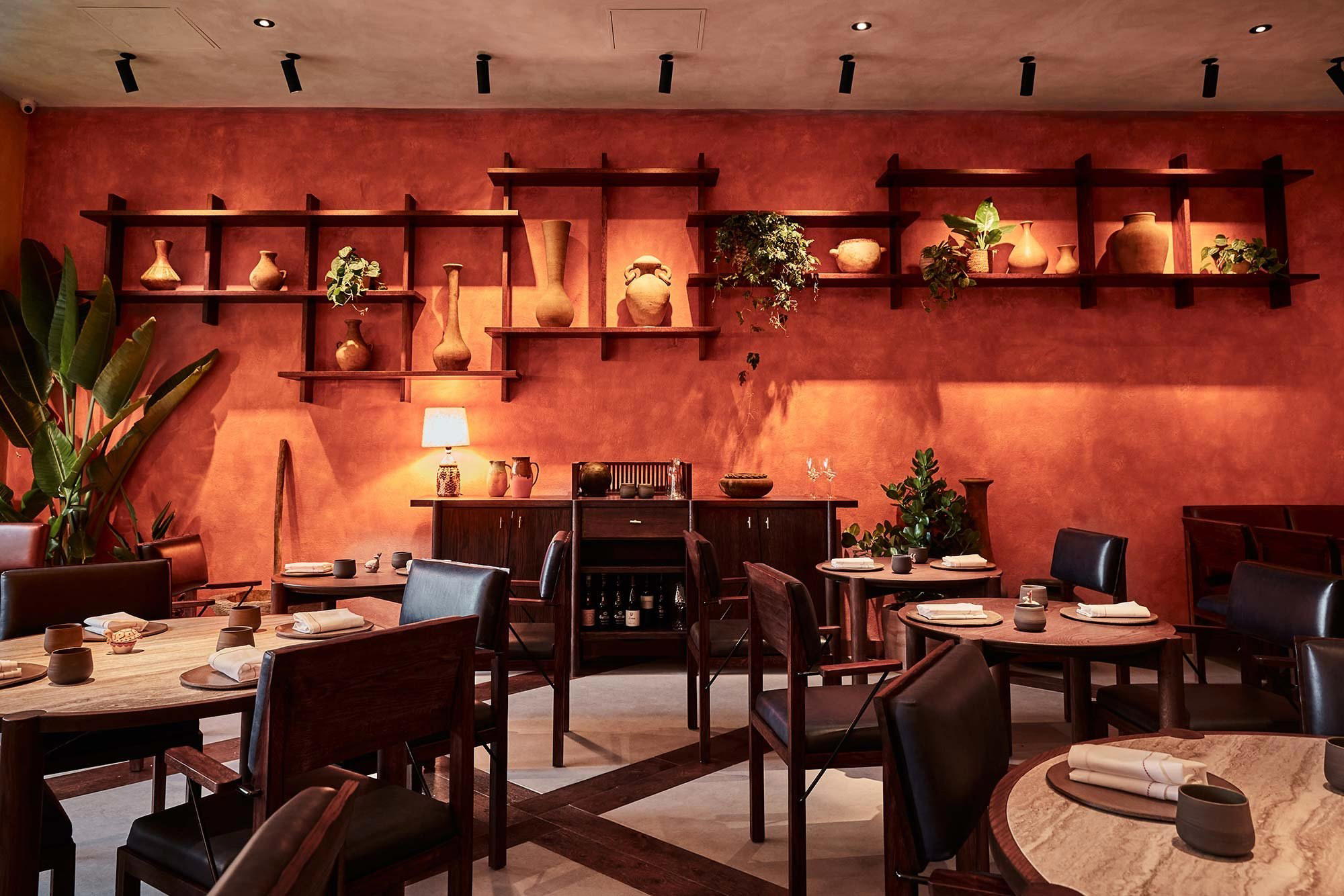
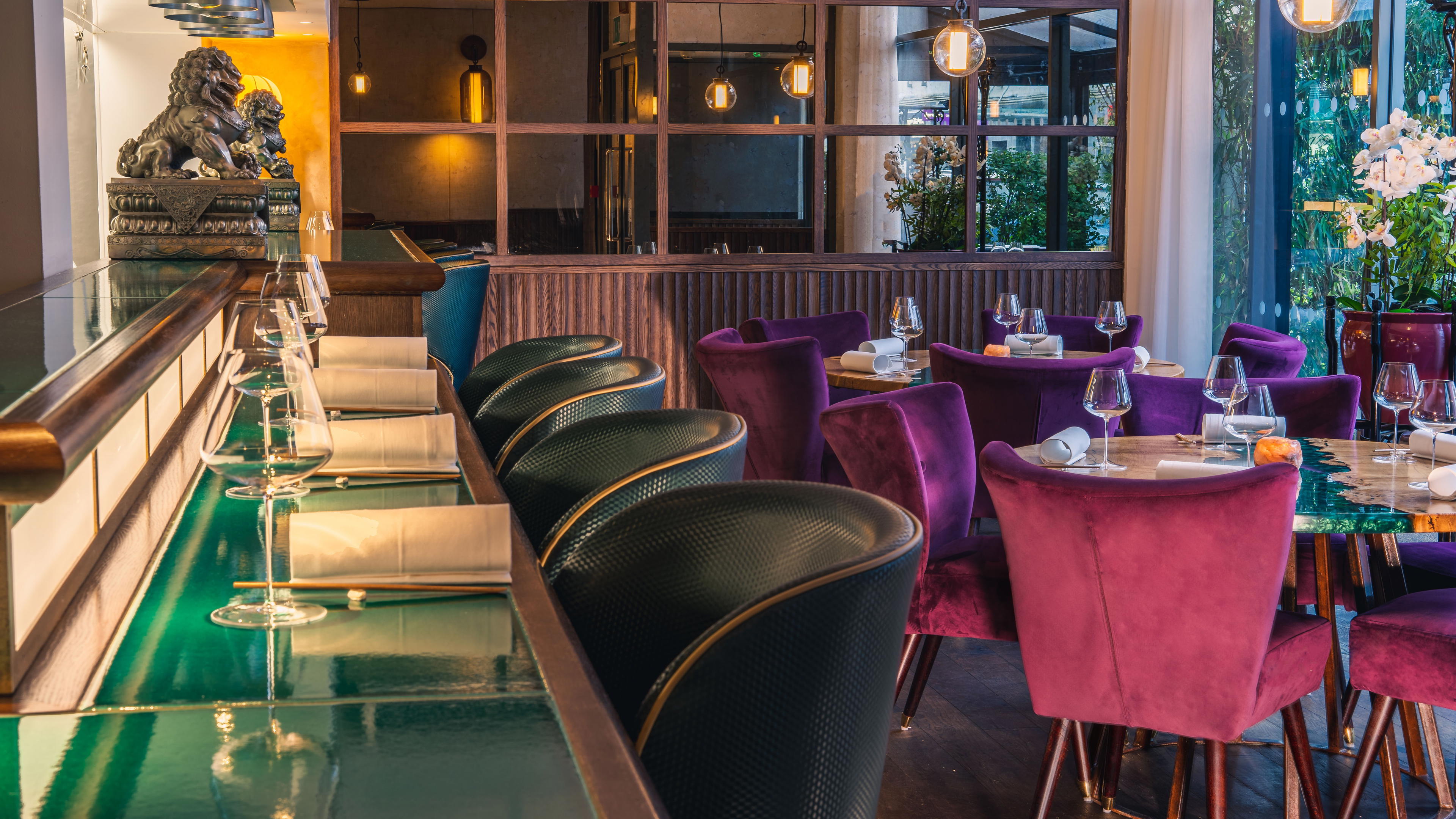
Bars in London
Browse all →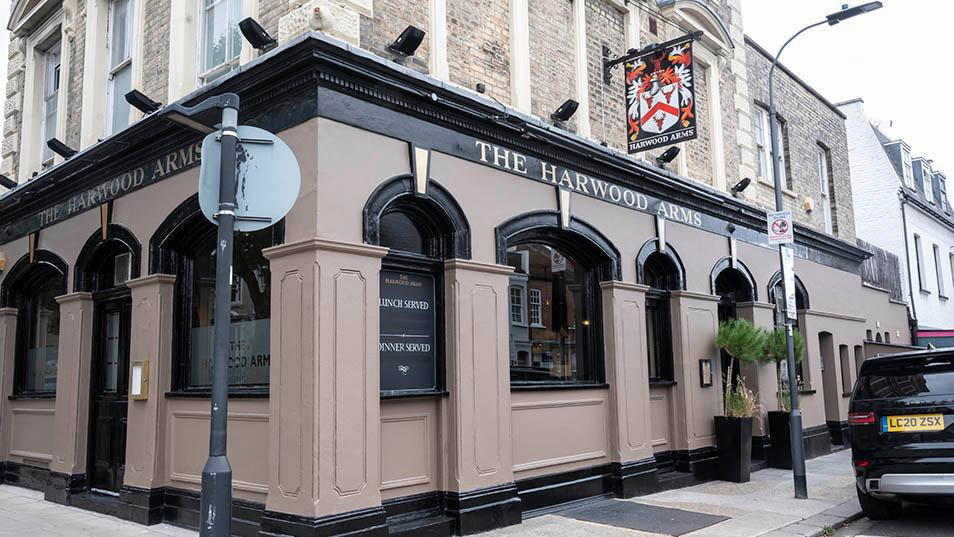
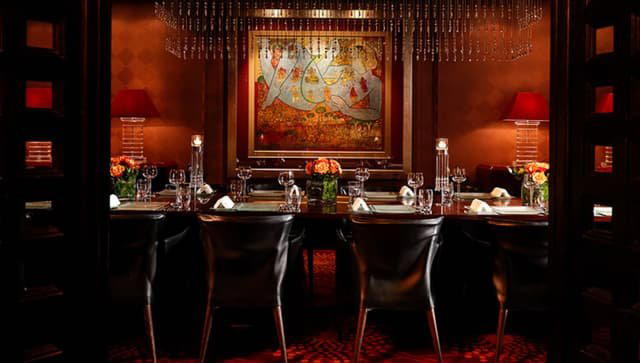
Hotels in London
Browse all →




Details
- Cozy
- Classic
- Rustic
- Lively
- Date Night
- Casual Hangout
- After Work
- Family
- Group Dining
- Special Occasion
- Waterfront
- Historic Building
- Standalone
- Private Dining
- Terrace
- Extensive Wine List
- Beer Program
- Craft Cocktails
- Local Sourcing
- Waterfront
- A La Carte
- Small Plates
- Wine
- Beer
- Cocktails
- Vegetarian Friendly
A warmly lit, traditional riverside pub with wood and period features, a relaxed downstairs bar and a more intimate dining room upstairs, creating a cozy but lively neighborhood atmosphere rather than formal fine dining.