The Troublesome Lodger

The Good Food Guide GFG Very Good
Our verdict
Current operating status was confirmed in a June 2026 audit; detailed venue content is being refreshed from verified sources.
- Address
- 46 Spittal Street (upstairs), Marlow, SL7 1DB, United Kingdom
- Phone
- 07596517189
- Website
- theoarsman.co.uk
- Directions
- Get directions
The menu
What to order
- Salcombe crab with apple and cashew
- Marinated dived scallops with roast peppers
A Discreet Door on Spittal Street
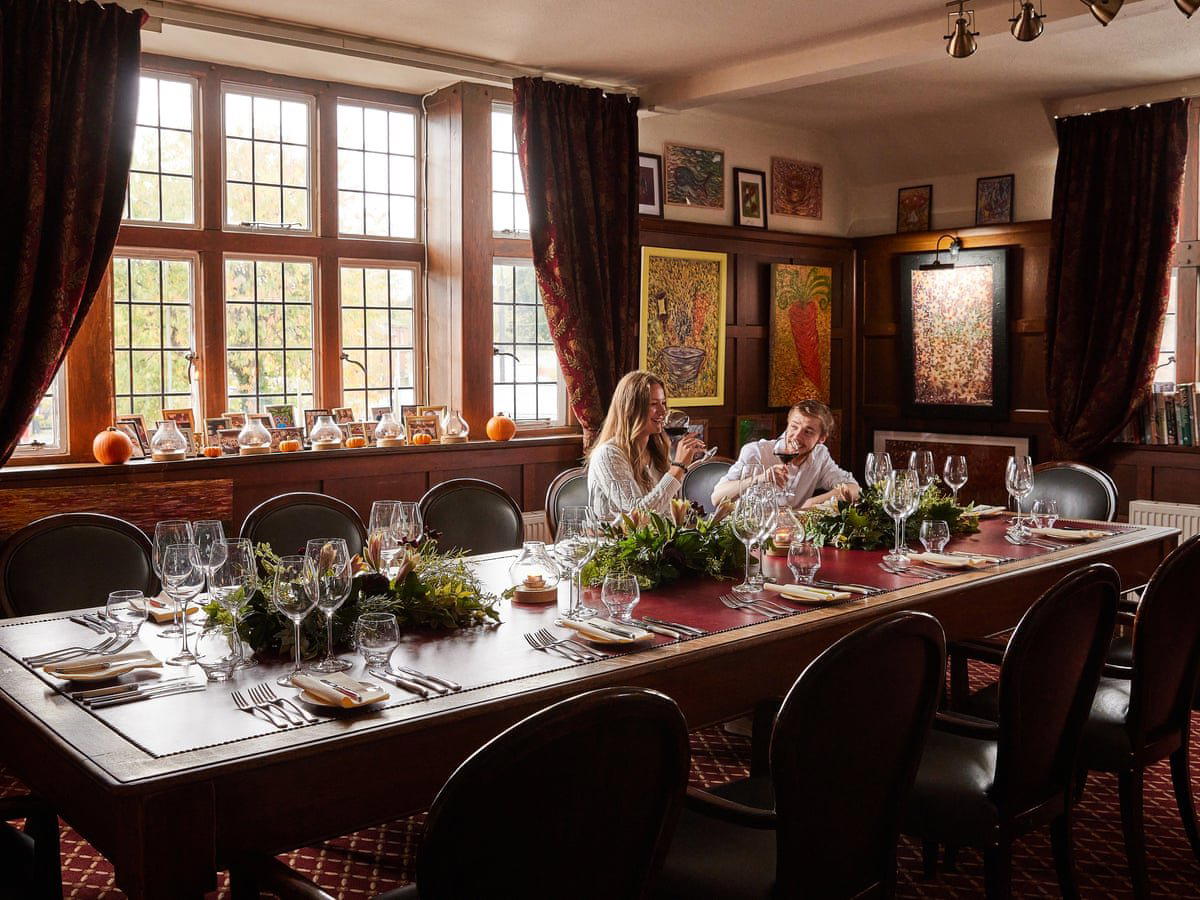
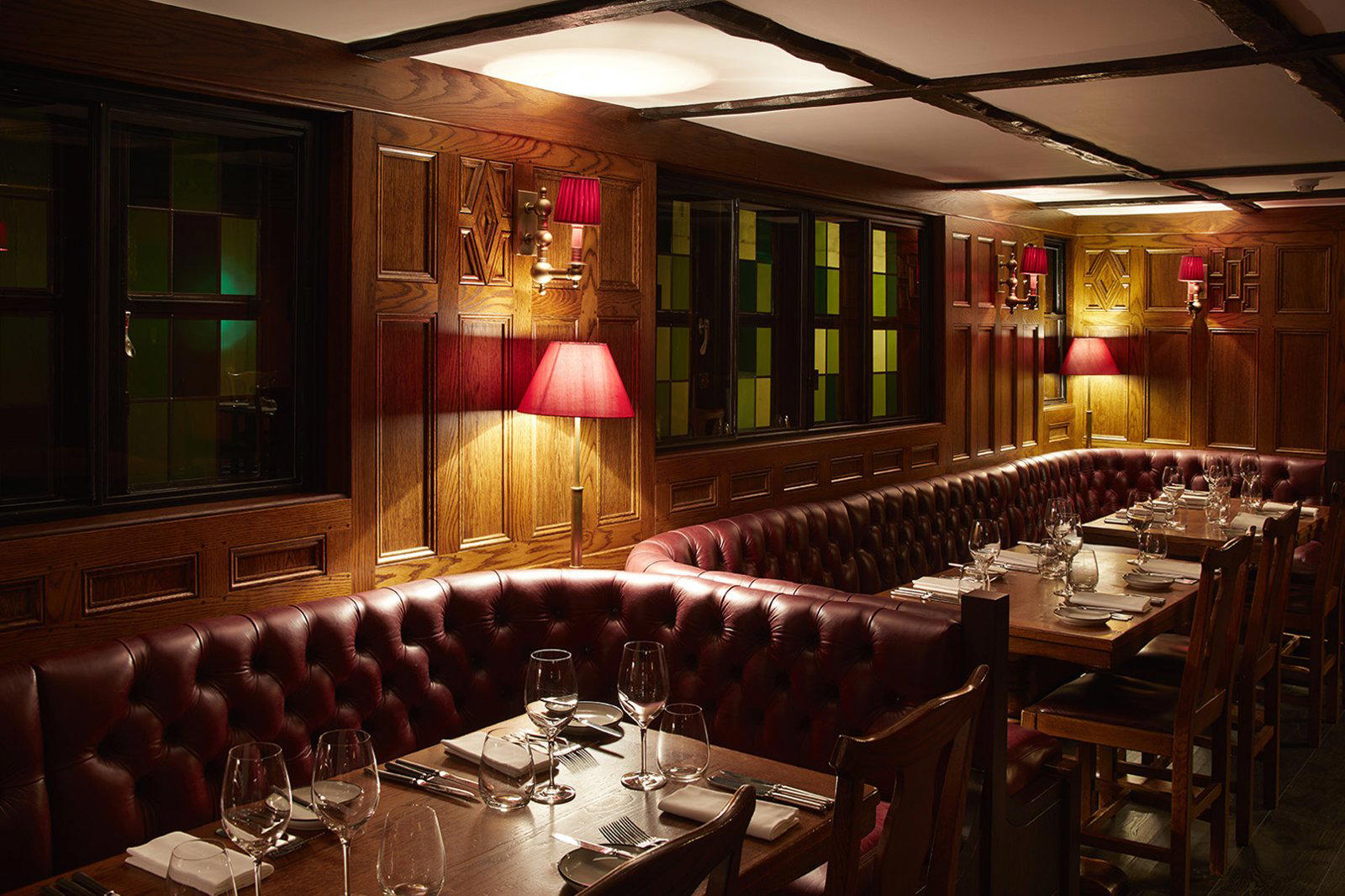
A left-hand door beside the Oarsman pub on Spittal Street, easy to walk past on a Tuesday, marks the entry point to one of Marlow's more quietly discussed dining arrangements. The Troublesome Lodger is a French fine dining restaurant in Marlow, with a reservation-essential format and a £95-per-person price point. The staircase leads to an oak-panelled first-floor room hung with the chef's own paintings. Centre stage is a single grand table, set with three small olive shrubs, where up to twelve guests share the same surface and, depending on how the evening unfocks, the same conversation.
Marlow already carries a higher-than-average dining density for a Thames-side market town. The presence of Hand and Flowers and The Coach has established the town on the national dining map, and venues like Sindhu, Compleat Angler, and Danesfield House round out a scene that punches well above what most towns of this size can sustain. The Troublesome Lodger occupies a completely different register: not a restaurant with a conventional front-of-house operation, but a residency format where the boundaries between dining room, studio, and private supper club blur deliberately.
The Collaboration at the Heart of the Evening
The format here, cooking alone while Savannah Baker manages everything from welcome to wine, reflects a working model that small-format dining in the UK has been refining for years. Where large-brigade restaurants distribute responsibility across departments, this kind of two-person operation compresses all the moving parts into a tight, legible collaboration. The quality or failure of an evening rests almost entirely on how well those two elements hold together.
Baker's role is not decorative. Guests who arrive expecting passive table service will find something closer to a hosted evening, with Baker pairing each course with a wine selection from the Oarsman's list and narrating the choices with the ease of someone who has genuinely thought about them. The £95 wine flight covers five glasses. For those who prefer to choose independently, the Oarsman's full list is available, with 500ml carafes providing a more affordable way into the cellar without committing to bottles.
This kind of front-of-house model, where the host also functions as sommelier, is more common in European supper-club formats and in cities like London where low-overhead dining has pushed creative operators toward stripped-back staffing. Seeing it applied in a market town setting, and applied this fluently, is genuinely notable. Comparable pairings of precision cooking with serious wine hosting at this scale can be found at L'Enclume in Cartmel or, at a different price point, at Atomix in New York City, though the formats differ substantially in ambition and formality.
What the Kitchen Sends Out
The six-course menu prioritises execution and flavour intensity over novelty. This is a deliberate positioning, and worth understanding clearly: if you arrive expecting technical provocation of the kind associated with The Fat Duck in Bray or the analytical rigour of The Ledbury in London, the register here is different. The kitchen is working in a classical tradition that values comfort and satisfaction alongside craft.
The menu in its documented form opens with a pot of full-flavoured pork pâté topped with a sweetish jellied relish, a clean statement of intent. A Parmesan and saffron risotto followed, creamy, deeply cheesy, rice cooked to an accurate al dente, the kind of dish that is harder to execute well than its apparent simplicity suggests. A salmon main course, topped with sweet puréed tomato and served with mash, kept the same sensibility: ingredients handled cleanly, flavours clear. A Bleu d'Auvergne mousse, blended with walnuts and served beneath a wafer, provided the cheese course equivalent without lifting wholesale from convention. Dessert was an ultra-light chocolate fondant with a caramelised café crumb and dense vanilla ice cream, closing before a final plate of macarons.
Consistency of approach across these courses matters. The cooking reflects a clear aesthetic. For context within fine dining at this ambition level, the price sits well below what comparable six-course formats charge at Moor Hall in Aughton, Gidleigh Park in Chagford, or Le Manoir aux Quat' Saisons in Great Milton.
The Shared Table as Format
Sitting at a single large table with complete strangers is not incidental to the Troublesome Lodger experience; it is structural. The format introduces a social variable that neither the kitchen nor front-of-house can fully control, and that unpredictability is evidently accepted as part of the proposition. Some guests will find the communal arrangement the highlight of the evening. Others will tolerate it in exchange for the cooking. What it produces, almost inevitably, is a more memorable evening than a conventional two-leading in a standard restaurant room, for better or worse.
Within the UK dining scene, this kind of deliberate communal seating has precedents in supper club culture and in chef's table formats, but applying it as the primary seating arrangement for a £95-per-head tasting menu in a residency context is less common. It asks something of the guest, and the evenings that work leading are presumably those where the table's composition cooperates.
Planning Your Visit
The restaurant operates Thursday through Sunday from the first floor of the Oarsman on Spittal Street (46 Spittal Street, Marlow, SL7 1DB). The room accommodates up to twelve guests. The wine pairing is priced at £95 for five glasses.
Frequently asked questions
What part of town is The Troublesome Lodger in?
The Troublesome Lodger is located at 46 Spittal Street (upstairs), Marlow, SL7 1DB, United Kingdom.
Is the wine included at The Troublesome Lodger, and what are the options?
Wine is not included in the food price. Savannah Baker offers a paired flight of five glasses for £95.
What should I eat at The Troublesome Lodger?
The six-course menu runs from a pork pâté with jellied relish through a Parmesan and saffron risotto, a salmon main course with puréed tomato and mash, a Bleu d'Auvergne walnut mousse, and a chocolate fondant with caramelised café crumb before finishing with macarons. Bonwick cooks every dish alone, and the through-line is precision and flavour depth rather than novelty — comfort-register cooking held to a high technical standard. The menu is set, so there are no à la carte choices to make.
Do they take walk-ins at The Troublesome Lodger?
The format makes walk-ins impractical: the room holds a maximum of 12 guests at a single shared table, and the restaurant operates Thursday through Sunday only. With that capacity ceiling, seats fill on reservations. The entrance — a discreet door to the left of the Oarsman on Spittal Street — is easy to miss even when you know where to look, which reinforces that this is a planned visit rather than a spontaneous one.
Booking and Cost Snapshot
Comparable venues nearby, for context on price, style, and recognition.
| Venue | Cuisine | Price | Awards | Notes |
|---|---|---|---|---|
| The Troublesome LodgerThis venue — the venue you are viewing | Marlow, French Fine Dining | Not listed | The Good Food Guide GFG Very Good | Not listed |
| Compleat Angler | Modern Indian Fine Dining | Not listed | Not listed | Marlow, Modern Indian Fine Dining |
| Sindhu | Contemporary Indian Fine Dining | $50–100 | Not listed | Marlow, Contemporary Indian Fine Dining |
| Vanilla Pod | Modern British Fine Dining | Not listed | Not listed | Marlow, Modern British Fine Dining |
| Danesfield House | British Fine Dining | $100–150 | Not listed | Marlow, British Fine Dining |
| Vaasu | Modern North Indian Fine Dining | $50–100 | The Good Food Guide GFG Good | Marlow, Modern North Indian Fine Dining |
Recognition history
Dated appearances from independent guides and award organizations, with the underlying list record or original source where available.
The Good Food Guide GFG Very Good
The Good Food Guide
Continue exploring
More in Marlow
Restaurants in Marlow
Browse all →
Bars in Marlow
Browse all →
Hotels in Marlow
Browse all →

Details
- Intimate
- Cozy
- Elegant
- Special Occasion
- Date Night
- Chefs Counter
- Private Dining
- Extensive Wine List
- Local Sourcing
- Tasting Menu