Google: 4.5 · 353 reviews
Vaasu

Atul Kochhar's second Marlow address sits on Chapel Street with a dining room dressed in muted woodland tones and festoon lighting — a calm counterpoint to its ambitious menu. Tandoori broccoli, spiced scallops, and muntjac venison with berry-chocolate sauce mark a kitchen operating well beyond the conventions of regional Indian cooking. The jaggery and coriander mojito alone is worth the trip.
 Discover on Pearl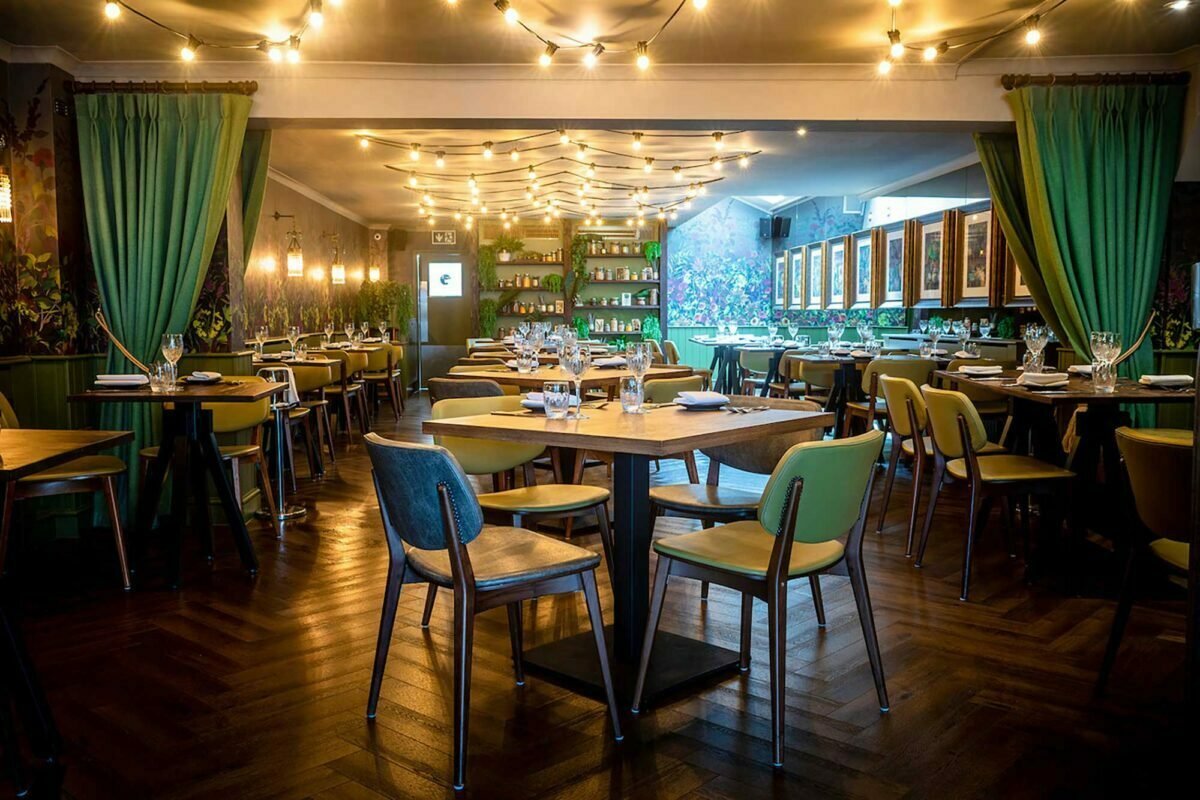
What Draws People Back to Chapel Street
Marlow has developed a dining identity that punches well above its size. Hand and Flowers and The Coach have anchored the town's reputation in Modern British cooking, while the riverside Compleat Angler and Danesfield House serve a more traditional country-house register. Vaasu occupies a different position in this local map entirely. Sitting at 2 Chapel Street, it represents a strand of contemporary Indian cooking that has had to fight harder for critical attention in the English home counties than it would in London — and that contrast, in part, explains the loyalty of its regulars.
Atul Kochhar belongs to a small group of chefs who made a material argument in the late 1990s and early 2000s that Indian cooking could hold its own in the upper tier of British fine dining. That argument has since become received wisdom, but Kochhar was making it when it still required proof. Sindhu, his riverside Marlow restaurant, is the better-known of the two addresses; Vaasu, on Chapel Street, is where regulars say the kitchen takes more risks.
The Room and Its Logic
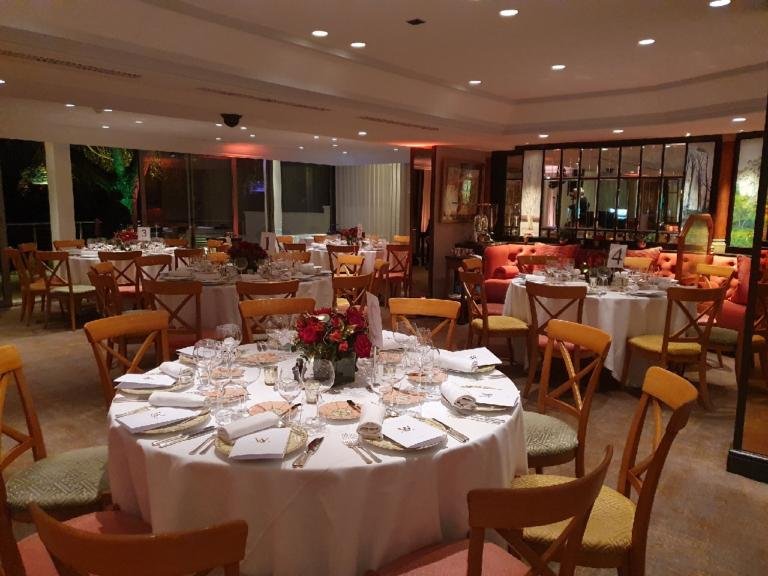
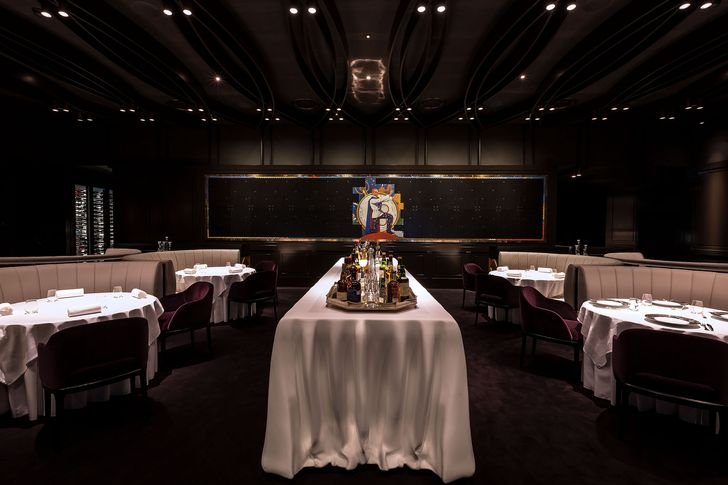
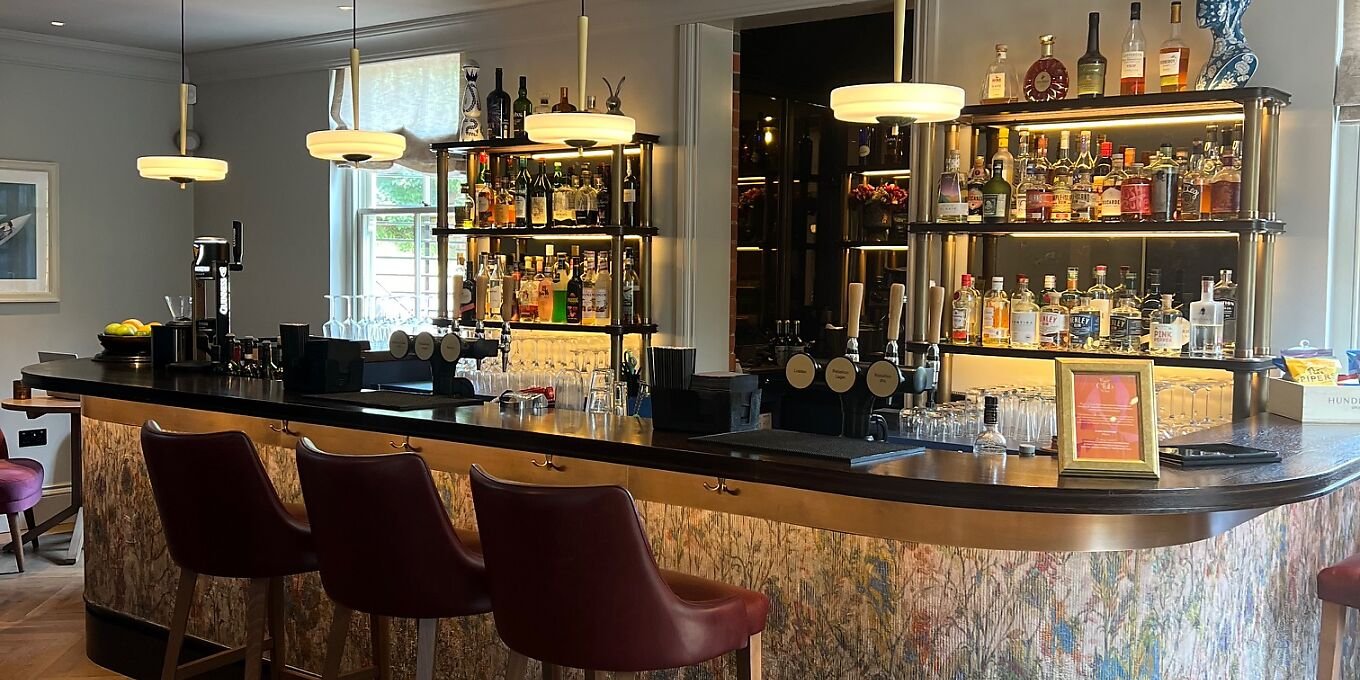
The dining room at Vaasu is assembled around restraint rather than statement. Muted woodland colours, a sequence of matched framed prints, and festoon lighting strung across the ceiling create an atmosphere that reads as deliberately unhurried. There is no effort to signal exoticism through décor — no carved screens or brass Ganesh , and that choice is itself a statement about how the kitchen positions itself. The room says: the food will do the explaining.
For regulars, this restraint is part of the draw. The space does not compete with the plate, and over a long evening, that distinction matters. Cocktail service opens with preparations like a jaggery and coriander mojito , fragrantly carbonated, precisely balanced , that frame what follows as something other than a standard curry-house experience. The wine list, described as leaning toward full-bodied bottles with perceptible acidity, is calibrated to work with spiced food rather than against it.
Reading the Menu as a Regular Would
The menus at Vaasu reward repeat visits in a specific way: they are constructed to satisfy both the diner who wants anchoring familiarity and the one who wants to be surprised. The kitchen keeps classical Indian preparations , dhal makhani, saag gosht , on the menu not as concessions but as demonstrations that the fundamentals are in good order. For the regulars who return for these dishes specifically, the confidence Kochhar brings to slow-cooked lentils or braised lamb is the evidence that the more speculative dishes are also worth trusting.
Those speculative ideas are where the kitchen's ambition becomes clearest. Muntjac venison served with aubergine, celeriac purée, and a sauce built from berries and chocolate represents a cooking style that would sit comfortably in broader discussions of modern British-Indian fusion , the same conversation happening at more discussed addresses like The Ledbury in London or, in a different register, at the fine-dining Indian kitchens that have emerged post-pandemic across the country. What distinguishes Vaasu's version is that the subcontinental spicing never disappears entirely; it recedes and reappears across a meal rather than being abandoned once the European techniques are deployed.
Tandoori broccoli with tomato chutney and pomegranate is a representative opening: technically a vegetarian starter, but one that uses the tandoor's char and the pomegranate's sharpness in the same way a good chef uses contrast in any serious kitchen. Baked spiced scallops with cauliflower purée and herb-scented ghee lands in similar territory , familiar to anyone who has eaten at ambitious modern Indian restaurants, but executed with enough precision to justify the ordering. The spicing across these dishes is consciously calibrated toward the mild side of the spectrum, which suits a room where most diners are eating a three- or four-course menu rather than a single dish.
Lobster cooked in the tandoor, served with caramelised tomato, coconut korma, and grilled pineapple salad, is the kind of combination that reads as risky on paper and delivers on the plate when the balance is right. Desserts, notably, make almost no claim to subcontinental influence , carrot cake with walnut brittle, chocolate fondant with berry salsa , which is either a small disappointment or a relief, depending on what you ordered before them.
Vaasu in the Wider Context of Indian Fine Dining
British Indian cooking at the serious end of the market has expanded considerably since the early 2000s. London now has multiple addresses operating at the level where Indian cuisine gets placed alongside European fine dining in the same critical breath , though none of the Thames Valley's options sit in quite that bracket. For comparison, the tasting-menu precision of Atomix in New York City or the classical rigour at Le Bernardin represents a different scale of investment and ambition. Vaasu is not competing at that level of global fine dining, nor is it trying to. Its peer set is the mid-to-upper tier of regional British restaurants , a bracket that includes, in terms of culinary seriousness if not cuisine type, addresses like L'Enclume in Cartmel, Moor Hall in Aughton, Gidleigh Park in Chagford, and Le Manoir aux Quat' Saisons nearby in Great Milton , where the standard is set by kitchen ambition and ingredient quality rather than cuisine category.
Within Marlow specifically, the comparison to Hand and Flowers is instructive not because the cooking is similar but because both restaurants operate with a clear culinary identity in a town small enough that reputation travels fast. Vaasu's regulars are not just local; the restaurant draws from the wider M40 corridor and from London-based diners who combine a weekend in the Thames Valley with a specific dining itinerary. If you are building that itinerary, our full Marlow restaurants guide maps the full range of options, and our Marlow hotels guide covers where to stay. For drinks before or after, the Marlow bars guide is a useful companion, alongside local wineries and experiences in the area. The nearby Fat Duck in Bray is also within easy reach for those making a longer trip of the area.
Planning a Visit
Vaasu is located at 2 Chapel Street, Marlow SL7 1DD , a short walk from the high street and the river. Given that Marlow restaurants at this level attract visitors from well outside the immediate area, booking ahead is advisable, particularly for weekend evenings. The restaurant does not publish a set booking window, but arriving without a reservation on a Friday or Saturday night is not a reliable strategy. Visiting on a weekday evening tends to offer a quieter room and more attentive pacing through the menu. For those comparing options across the town, Kochhar's other Marlow address, Sindhu, operates in a different physical setting by the Thames and is worth considering as a distinct experience rather than an alternative to the same meal.
Cuisine and Awards Snapshot
A quick peer list to put this venue’s basics in context.
| Venue | Cuisine | Awards | Notes |
|---|---|---|---|
| Vaasu | Atul Kochhar was among the first generation of chefs to reinvent Indian cooking… | This venue | |
| Hand and Flowers | Modern British | Michelin 2 Star | Modern British, ££££ |
| The Coach | Modern British | Michelin 1 Star | Modern British, £££ |
| The Butcher's Tap and Grill | Meats and Grills | Meats and Grills, ££ | |
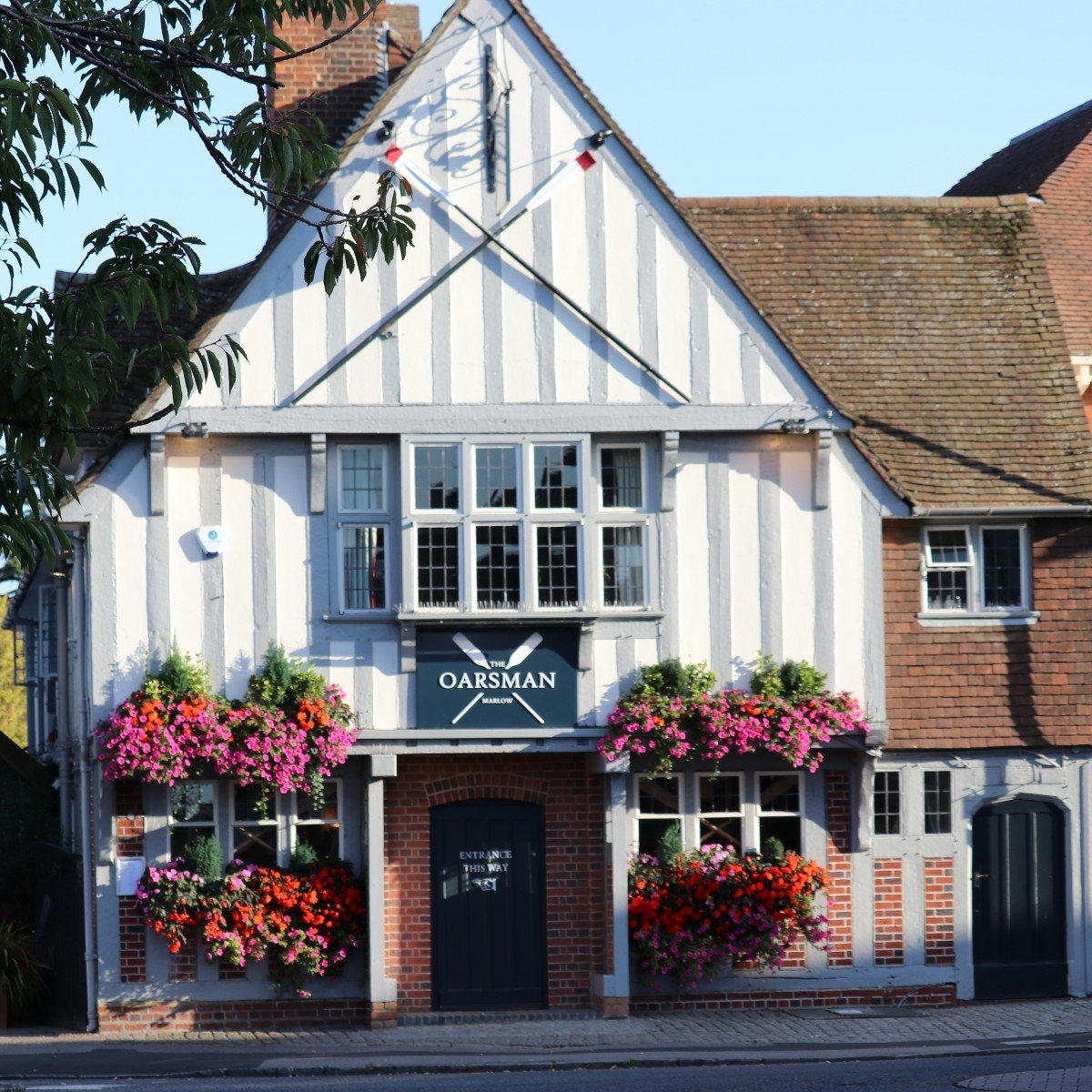
| The Oarsman | British Contemporary | British Contemporary, ££ | |
| The Troublesome Lodger |
At a Glance
- Elegant
- Sophisticated
- Intimate
- Modern
- Date Night
- Special Occasion
- Celebration
- Open Kitchen
- Extensive Wine List
Gentle atmosphere with muted woodland colours, festoon lighting, and an elegant, urbane vibe described as polished and sophisticated.