The Stile Bridge

A roadside pub in the Kent countryside that carries a Michelin Plate in consecutive years, The Stile Bridge runs a menu shaped by the chef's South American roots alongside Mediterranean and Asian influences, with an open fire at the centre of the cooking. At a mid-range price point, it sits in a small category of rural British pubs that punch above their postcode. The shared rib of beef is the dish to order.
Pearl is the En Primeur Club membership app — saves, bookings, and concierge access live there. Same editors, same standards.
- Address
- Staplehurst Rd, Tonbridge TN12 9BH, United Kingdom
- Phone
- +44 1622 831236
- Website
- thestilebridge.com
- Directions
- Get directions
 Saves & bookings on Pearl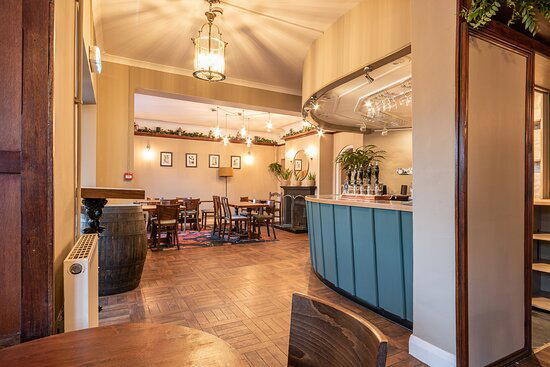
A Roadside Pub That Does Not Cook Like One
Along the Staplehurst Road between Marden and Tonbridge, the rural pub format is a familiar one: low beams, a fireplace, a car park that fills on Sunday afternoons. The Stile Bridge occupies that physical template but departs sharply from it on the plate. Where most Kentish roadside pubs default to gastropub staples, this kitchen draws from South American technique and produce traditions, folding in Mediterranean and Asian references around a working open fire. That combination, sustained across two consecutive Michelin Plate awards in 2024 and 2025, places it in a narrow tier of rural pubs that operate at a culinary register well above their setting.
The Stile Bridge is a restaurant in Tonbridge, Kent, with. Across Kent and the wider Weald, that distinction is shared by a small number of addresses. The Stile Bridge holds it in a price bracket, ££, that makes it accessible by the standards of comparable Michelin-recognised cooking elsewhere in the UK. For reference, properties like The Ledbury in London, L'Enclume in Cartmel, or Moor Hall in Aughton operate at the ££££ end of the spectrum. The Stile Bridge delivers Michelin attention at a fraction of that outlay.
What South American Roots Mean for a Kent Menu
South American cooking has a particular relationship with fire and with sourcing that maps naturally onto a pub kitchen with an open hearth. Across the continent, from the asado traditions of Argentina and Uruguay to the wood-fired preparations common in coastal Peru and southern Chile, live fire is not decoration but method. It determines texture, temperature, and the degree of char that differentiates a good piece of beef from a great one. When that sensibility transfers to a Kent setting, the local supply chain becomes the key variable: the quality of the beef, the seasonal produce available from the surrounding Weald, and the capacity to use fire without reducing it to theatre.
The farm-to-table movement in the UK has matured considerably since its early-2000s iteration, when sourcing credentials were often more badge than practice. The more credible end of that tradition now operates with specific supplier relationships and kitchen processes that reflect the actual characteristics of local produce rather than simply advertising its origin. A kitchen rooted in South American cooking brings a useful corrective to this: those culinary traditions built their fire techniques around the qualities of specific animals and cuts long before the locavore framing arrived. At the restaurant, that approach is most legible in the rib of beef recommended for two, a cut that rewards extended heat exposure and benefits from the kind of unhurried open-fire cooking that a pub setting, with its relaxed pacing, can support in ways a formal restaurant sometimes cannot.
The Mediterranean and Asian threads in the menu are not dilutions of the South American core but reflect how contemporary kitchens across the UK and further afield have absorbed multiple culinary grammars simultaneously. Restaurants operating in that register elsewhere in the country include Opheem in Birmingham and hide and fox in Saltwood, both of which draw on non-European traditions within a British context. The crossover at the restaurant is less formally structured than either of those but follows a similar logic: using techniques and flavour profiles from outside the local tradition where they serve the ingredient better than native methods would.
The Open Fire as a Structural Element
In British pub dining, the fireplace is usually atmospheric furniture. At the restaurant, the open fire is a functional kitchen tool, and that distinction changes the character of the food. Cooking over live fire requires constant adjustment and a working knowledge of heat management that differs substantially from the controlled environment of a modern range. The results are readable on the plate: irregular edges, pronounced crust, the kind of smoke integration that only comes from proximity to the source rather than from smoking as a post-cooking technique.
This positions the restaurant within a broader UK movement toward open-fire and hearth-centric cooking that has gathered pace since the early 2010s. At the formal end of that spectrum, operations like Gidleigh Park in Chagford and Midsummer House in Cambridge have incorporated live-fire elements into otherwise technically precise kitchens. The pub format at the restaurant allows a less formal execution of the same principle, which suits it. A shared rib of beef from an open fire is not a tasting-menu moment; it is the kind of food that works better in a room with worn surfaces and a relaxed service pace than it would under formal dining conditions.
How It Sits Within Marden and the Surrounding Area
Marden is a village on the Weald of Kent, midway between Maidstone and Tenterden, in a part of the county better known for hop gardens and orchards than for destination dining. What the setting does offer is the kind of physical remove from urban dining circuits that tends to keep a place honest. An address that fills on local reputation rather than foot traffic or tourism has to sustain its quality between press cycles.
For those building a broader itinerary in the area, The address on Staplehurst Road makes it reachable by car from Maidstone to the north or Headcorn to the south, and from the broader Tonbridge corridor.
For South American cooking at greater scale or urban intensity, Amazónico in London operates in a different format altogether, and Nuema in Quito represents how the source tradition is developing at its own high end. The restaurant belongs to neither of those contexts. It is a rural pub that happens to cook with a South American compass, holds Michelin recognition, and prices at the accessible middle of the market. That combination is rarer than it sounds.
The comparable Michelin-recognised pub format, at this price point and in a rural setting, can also be tracked at Hand and Flowers in Marlow, though Hand and Flowers operates at a higher price tier and carries two Michelin stars. The restaurant is a different scale of ambition, which is not a criticism. Knowing what a place is trying to do, and doing it consistently enough to hold Michelin attention twice running, is a more reliable signal than a single impressive year.
Planning a Visit
The venue sits at Staplehurst Road, Tonbridge TN12 9BH. Reservations are recommended, and the restaurant is open Tue to Sun with Monday closed. The ££ pricing puts a meal well within reach of a casual evening rather than a special-occasion budget.
How It Stacks Up
Comparable venues nearby, for context on price, style, and recognition.
| Venue | Cuisine | Price | Awards | Notes |
|---|---|---|---|---|
| The Stile BridgeThis venue — the venue you are viewing | British Gastropub with Global Influences | $$$ | Michelin Plate | Not listed |
| Bell | British Gastropub | $$$ | Michelin Plate | Ticehurst |
| Kintsu | Modern British Tasting Menu | $$$ | Michelin Plate | city centre |
| Silver Birch | Modern British Fine Dining | $$$ | Michelin Plate | Turnham Green |
| Rogues | Modern British Small Plates | $$$ | Michelin Plate | Cambridge Heath |
| Cadet | Modern British Small Plates | $$$ | Michelin Plate | Mildmay |
Recognition history
Dated appearances from independent guides and award organizations, with the underlying list record or original source where available.
Michelin Plate
Michelin
Michelin Plate
Michelin
Michelin Plate
Michelin
Continue exploring
More in Marden
Restaurants in Marden
Browse all →
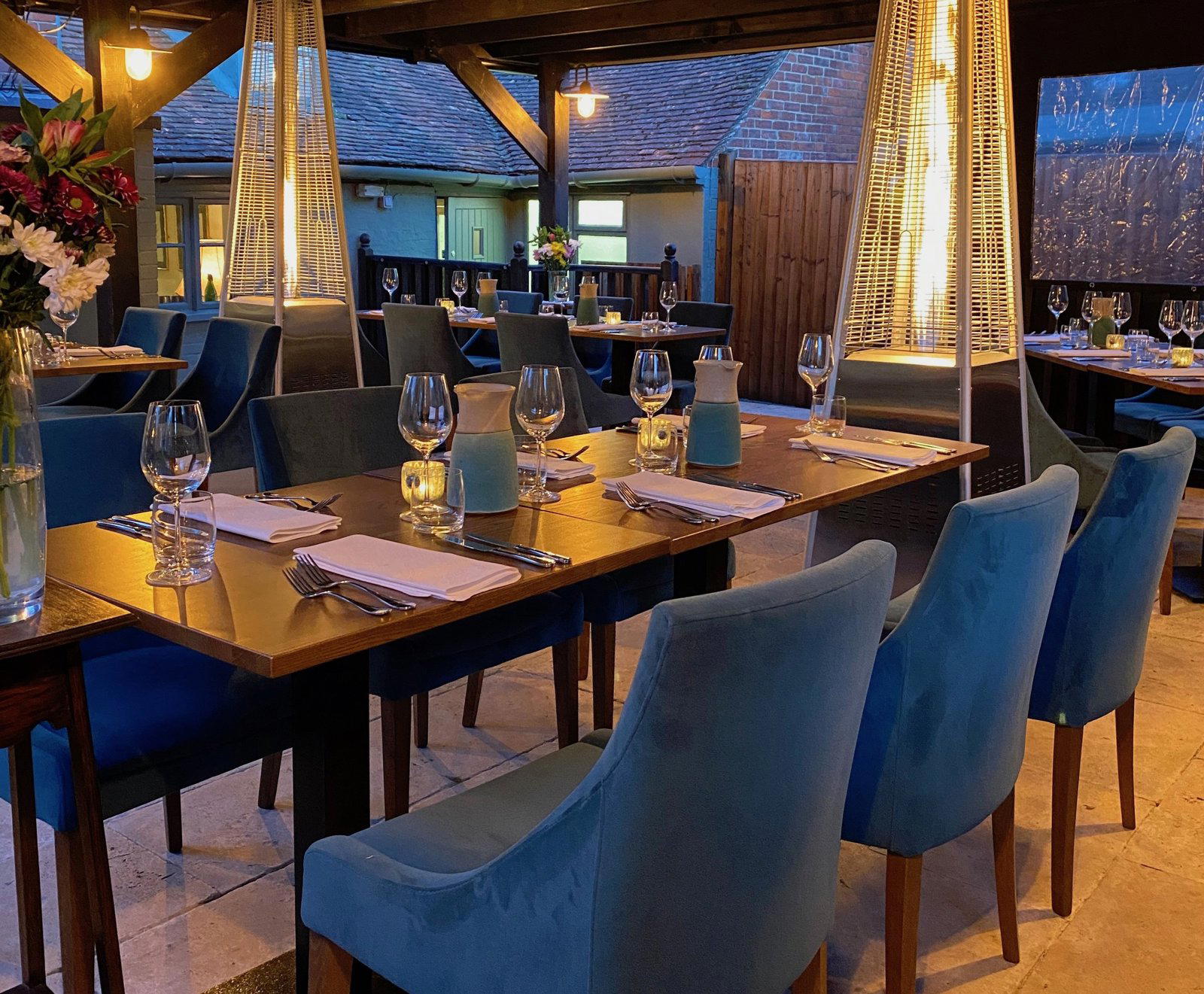
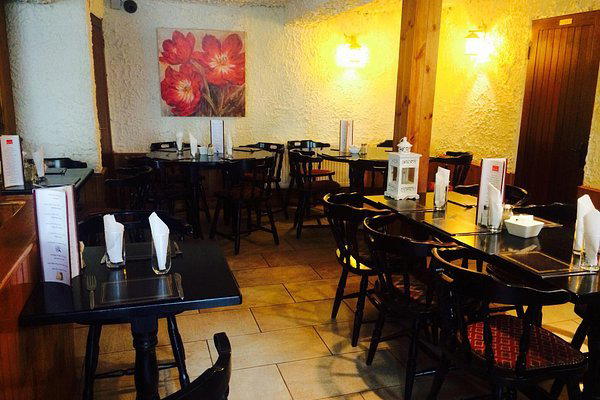
Bars in Marden
Browse all →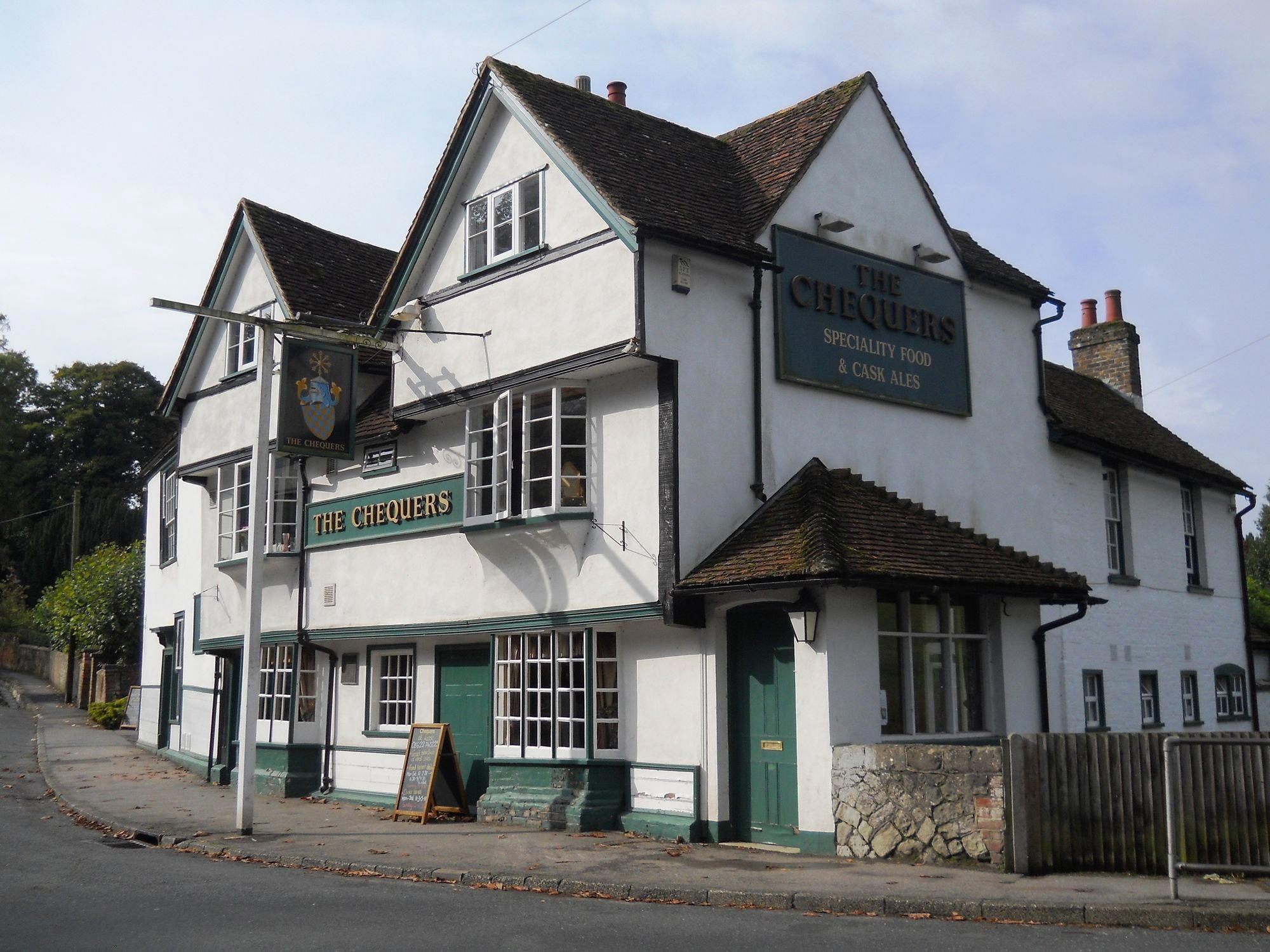
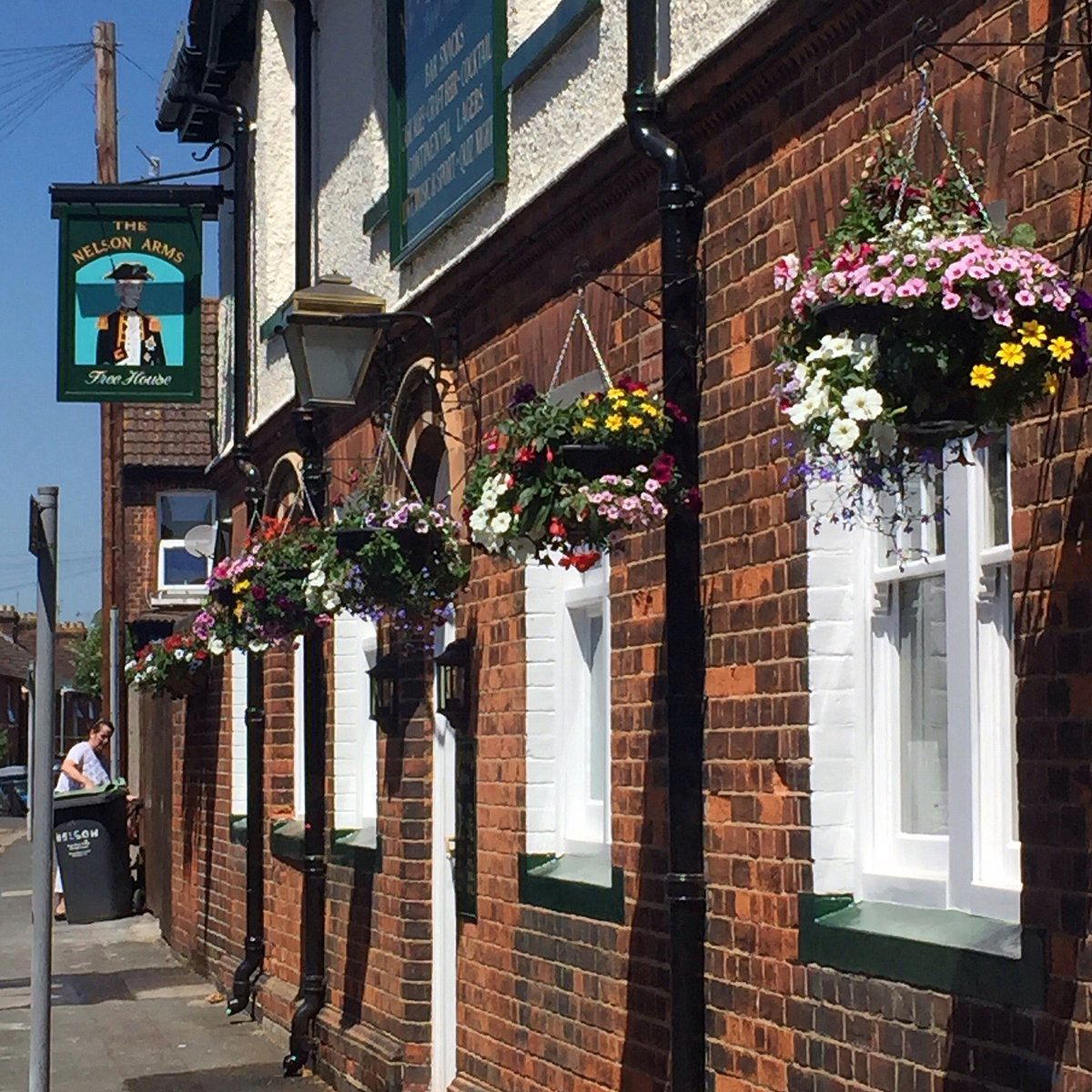
Hotels in Marden
Browse all →


At a Glance
- Cozy
- Rustic
- Elegant
- Intimate
- Date Night
- Celebration
- Special Occasion
- Group Dining
- Family
- Open Kitchen
- Live Music
- Standalone
- Garden
- Extensive Wine List
- Beer Program
- Craft Cocktails
- Local Sourcing
- Farm To Table
- Garden
Current opening hours
- Monday
- Closed
- Tuesday
- 12–9 PM
- Wednesday
- 12–11 PM
- Thursday
- 12–11 PM
- Friday
- 12–11 PM
- Saturday
- 12–11 PM
- Sunday
- 12–6 PM
Hours can change for holidays and private events. Last verified .
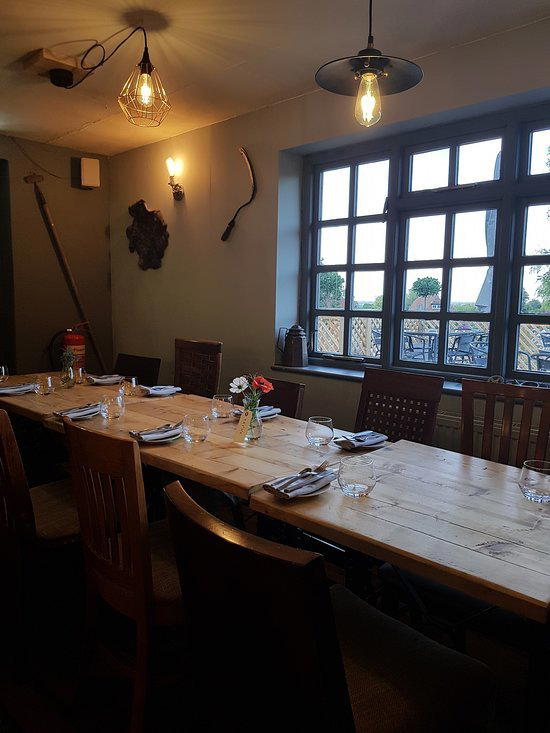
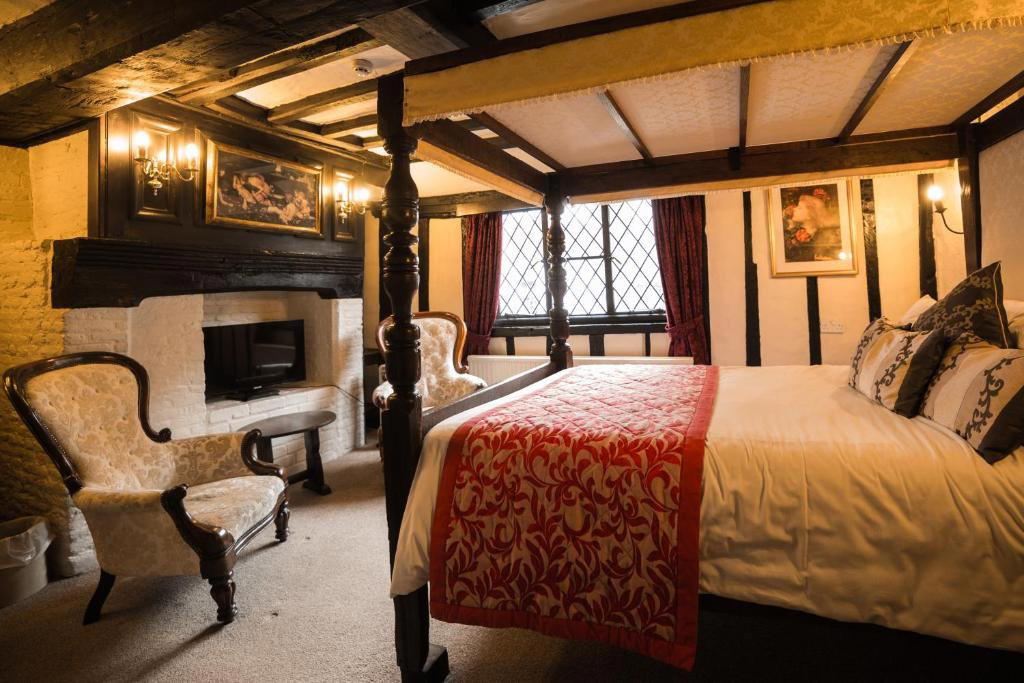
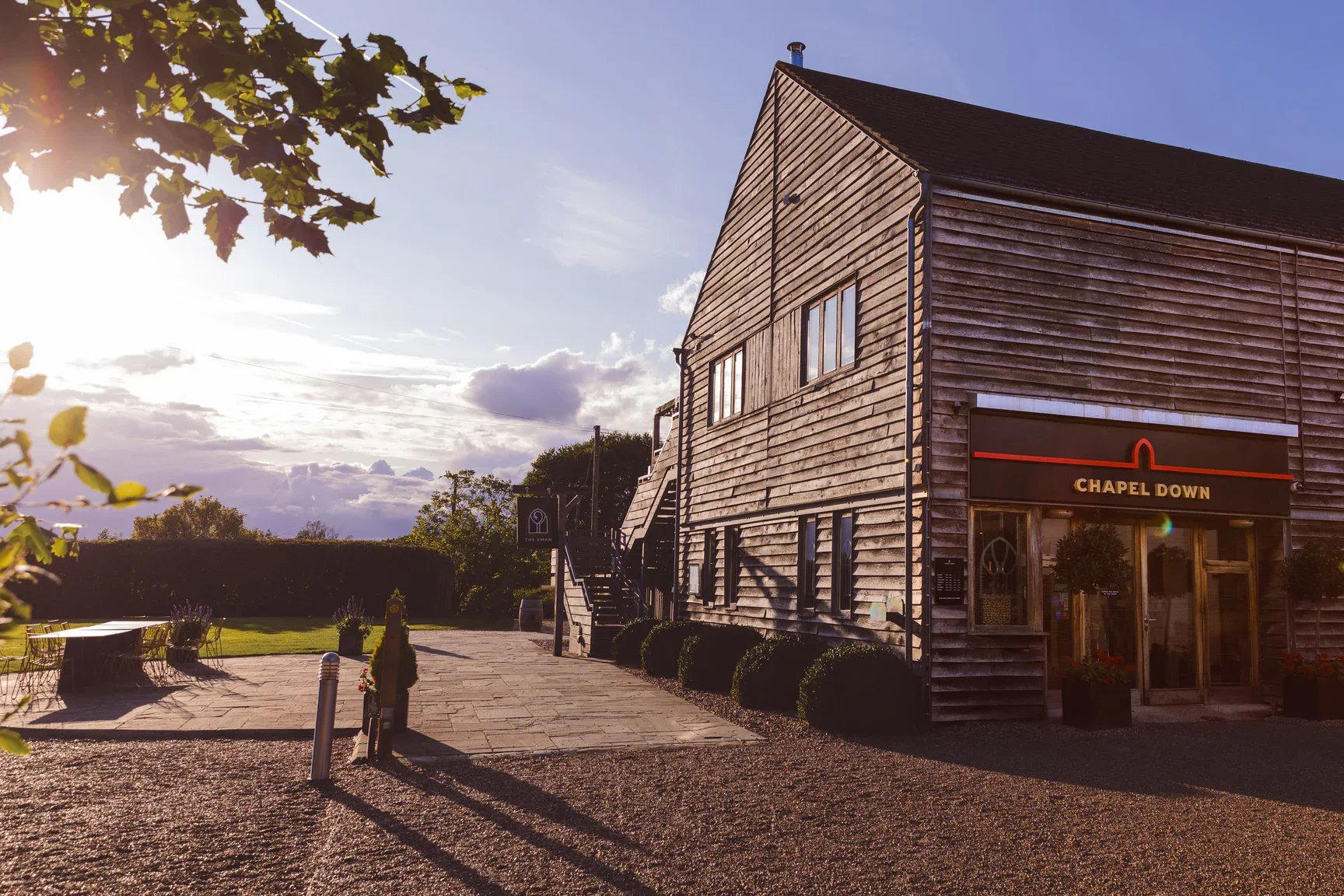
Warm and inviting with soft lighting, wooden flooring, and wooden furnishings; vintage charm blends with contemporary cool in a relaxed, welcoming atmosphere with multiple dining rooms.