The Steak Library
Our verdict
On Pacific Coast Highway in Lomita, The Steak Library occupies a stretch of the South Bay where independent dining rooms hold their ground against chain competition. The address alone signals a particular kind of local commitment: a steakhouse format on a coastal California highway, where questions of sourcing and provenance increasingly define how a room is judged by the guests who return to it.

Pearl is the En Primeur Club membership app — saves, bookings, and concierge access live there. Same editors, same standards.
The menu
What to order
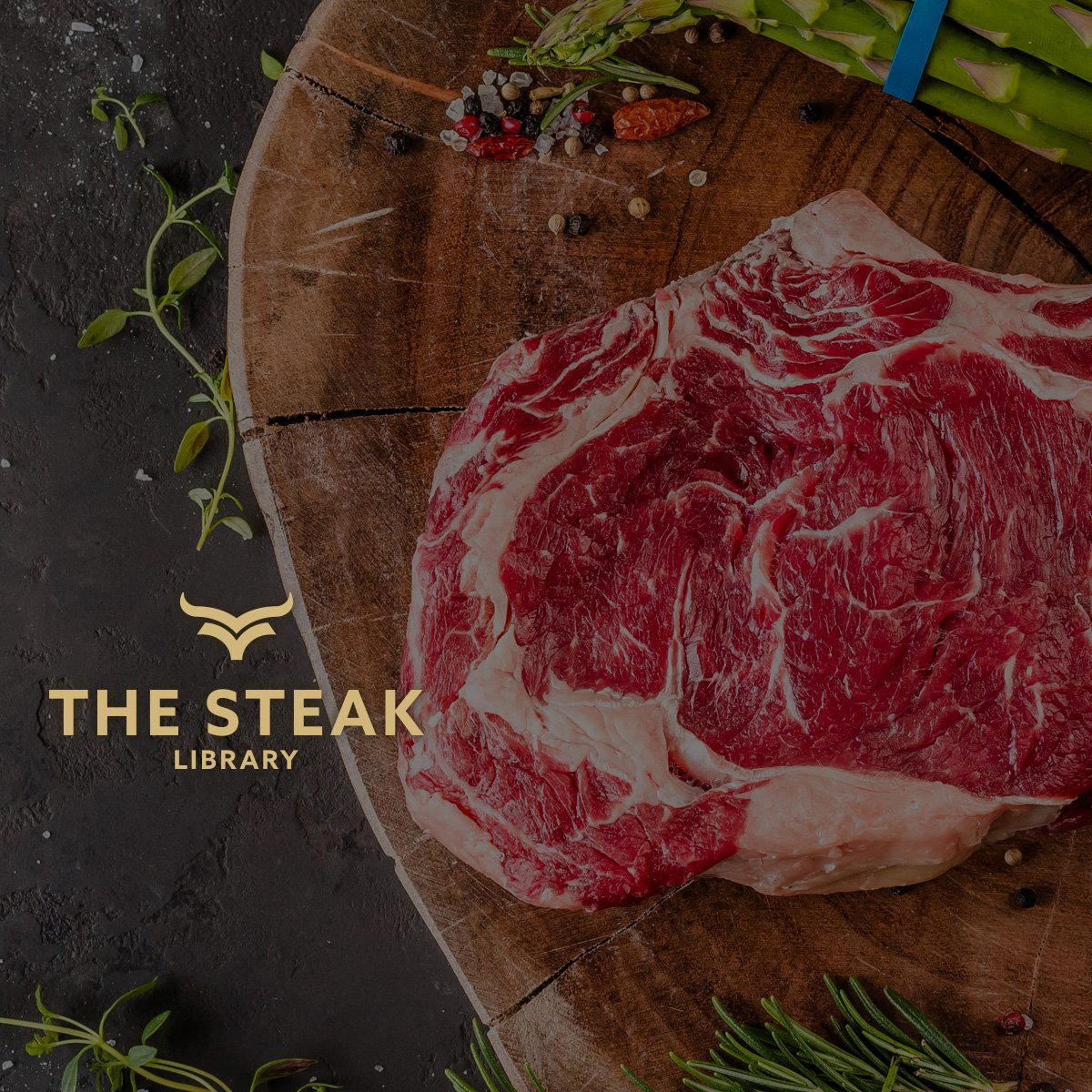
- Japanese A5 Wagyu Ribeye
- Dry Aged Beef
- Wagyu Tomahawk
Pacific Coast Highway and the Question of Where Beef Comes From
There is a particular character to dining on Pacific Coast Highway through the South Bay corridor. The road runs close enough to the water that you carry salt air in with you, but the strip itself is functional California: auto shops, strip-mall sushi counters, and the occasional independent restaurant holding its own on a thoroughfare designed for throughput rather than destination dining. The Steak Library at 1937 Pacific Coast Hwy sits within that context, a steakhouse format in Lomita that invites a more specific set of questions than most of its neighbors on the highway.
In contemporary American steakhouse culture, the sourcing conversation has become the central one. The broad shift across the past decade has moved the category away from undifferentiated commodity beef toward a granular interest in breed, feed, and provenance. Operations that once described their product simply as USDA Prime now find themselves competing against rooms advertising specific ranches, aging programs, and grass-to-grain finishing ratios. That shift has reached every tier of the market, from Michelin-recognized tasting rooms like The French Laundry in Napa to the mid-format steakhouses that serve the working coastal communities of Southern California.
Lomita in the South Bay Dining Map
Lomita is not a city that appears on most editorial maps of Los Angeles dining. The South Bay's food story tends to be told through Hermosa Beach, Manhattan Beach, and increasingly Torrance, where a dense corridor of Japanese restaurants has earned serious attention. Lomita occupies the quieter middle ground, a largely residential city whose dining rooms serve the community rather than attracting visitors from elsewhere in the metro area. That positioning is neither a flaw nor a distinction to romanticize; it simply means the room earns its regulars through repetition and reliability rather than press cycles.
For an honest comparison of what Lomita offers against the broader California dining tier, the gap is measurable. The sourcing-driven, farm-integrated formats that have defined California's critical conversation, restaurants like Single Thread Farm in Healdsburg or Blue Hill at Stone Barns in Tarrytown, operate with vertically integrated supply chains and correspondingly high price points. Community steakhouses on the South Bay operate in a different register entirely, where the sourcing question is answered through supplier relationships and menu communication rather than on-site agriculture.
The Steakhouse Format and What It Promises
The American steakhouse is one of the most stable restaurant formats in the country, resistant to trend cycles in ways that tasting-menu rooms and chef-driven concepts are not. It survives because its contract with the diner is explicit: quality beef, cooked to specification, with sides that exist to support rather than compete. The format's durability is precisely why sourcing has become the arena where differentiation happens. When the service model, the menu structure, and the dining ritual are largely fixed, what you are selling is increasingly the animal itself: where it was raised, how it was fed, how long it was aged, and by whom it was butchered.
Steakhouses that take that question seriously tend to place themselves in a different competitive conversation than those that do not. Across the country, operations that have done this work, whether in coastal California or at recognized rooms like Bacchanalia in Atlanta or Addison in San Diego, have found that the sourcing story becomes a loyalty driver. Guests who care about provenance return because the answer changes, or deepens, over time.
What The Steak Library communicates through its name alone is an organizational sensibility: the idea that a steakhouse can be a reference point, a place where different cuts, grades, or origins are presented with enough specificity to educate rather than simply serve. Whether the execution matches that framing is the question a visit would answer, but the premise aligns with where the format has been heading for years across California's dining culture. For further context on how the sourcing conversation plays out at the highest tier of California dining, Providence in Los Angeles offers a useful model in the seafood category, where provenance documentation has become a primary menu feature.
Where This Fits in the Broader California Steakhouse Tier
California's steakhouse market is stratified in ways that have sharpened in the past five years. At the leading, hotel-anchored and celebrity-chef operations charge prices that benchmark against fine dining tasting menus. At the community level, independent rooms compete on consistency, value, and the kind of accumulated local trust that no press mention can replicate. The South Bay has historically supported the latter tier well, with a working-class and middle-professional residential base that sustains independent formats across multiple decades.
The ingredient-sourcing angle matters more in this context than in trophy dining, because the independent community steakhouse cannot rely on brand recognition or chef celebrity to carry the room. It has to answer, every service, why its beef is worth ordering. The sourcing story, when it is told clearly, does that work more efficiently than any other form of communication. For comparison, operations in other cities that have solved this at the community level, rather than the trophy level, including Frasca Food and Wine in Boulder and Brutø in Denver, offer instructive models of how sourcing credibility gets built over time through supplier transparency rather than media coverage.
Planning a Visit
The Steak Library is located at 1937 Pacific Coast Highway in Lomita, California 90717, with street parking and access consistent with Pacific Coast Highway's standard commercial corridor. Lomita sits south of Torrance and north of San Pedro, accessible from the 110 freeway and direct from most South Bay points. For a broader picture of what the South Bay and surrounding Los Angeles area offer across price tiers, our full Lomita restaurants guide maps the neighborhood context in more detail.
Readers who want to benchmark the steakhouse sourcing conversation against the wider American fine dining scene can cross-reference formats at Lazy Bear in San Francisco, Alinea in Chicago, Le Bernardin in New York City, Atomix in New York City, Emeril's in New Orleans, Causa in Washington, D.C., The Inn at Little Washington, ITAMAE in Miami, and 8 1/2 Otto e Mezzo Bombana in Hong Kong.
Frequently asked questions
Is The Steak Library a family-friendly restaurant?
Lomita is a predominantly residential South Bay community, and a steakhouse on Pacific Coast Highway at this address tends to serve the neighbourhood rather than a destination-dining crowd. That community-facing orientation generally means a format accessible to families, with the volume and pace of a mid-price American steakhouse rather than a hushed tasting-menu room. Confirm directly with the restaurant for seating arrangements or younger-guest accommodations.
What is the atmosphere like at The Steak Library?
The name signals something specific: a steakhouse that positions itself around the idea of catalogued knowledge of beef, which suggests a room with more intention than a generic grill house. On Pacific Coast Highway in Lomita, that likely translates to a neighbourhood anchor rather than a hotel-adjacent destination, meaning the energy runs closer to accessible and regular than to formal or occasion-only. Visit 1937 Pacific Coast Hwy, Lomita CA 90717 to form a firsthand read on the room.
Does The Steak Library in Lomita have parking?
The restaurant sits at 1937 Pacific Coast Highway in Lomita, CA 90717, a stretch of PCH through the South Bay corridor where street parking and surface lots are the standard access model. This differs from the valet-dependent experience common to West Hollywood or downtown Los Angeles steakhouses. Confirm current parking specifics with the venue directly before your visit.
What's the best thing to order at The Steak Library?
In any steakhouse that leans into the 'library' framing, the implied promise is range and specificity in the beef selection, so a conversation about available cuts and preparation is the most productive entry point. The restaurant is located at 1937 Pacific Coast Hwy, Lomita, CA 90717.
At-a-Glance Comparison
Comparable venues nearby, for context on price, style, and recognition.
| Venue | Cuisine | Price | Awards | Notes |
|---|---|---|---|---|
| The Steak LibraryThis venue — the venue you are viewing | Japanese-Influenced Steakhouse | $100–150 | Not listed | Not listed |
| SLAY Steak + Fish House | American Steakhouse & Seafood | Not listed | Not listed | Manhattan Beach |
| Leatherby's Cafe Rouge | Modern California Steakhouse | $50–100 | Not listed | Segerstrom Center for the Arts |
| Mastro's Ocean Club | Classic Steakhouse & Seafood | $100–150 | Wine Spectator Best of Award of Excellence | Topanga |
| Steak & Whisky | California Modern Steakhouse | $50–100 | Not listed | Hermosa Beach |
Continue exploring
More in Lomita
Restaurants in Lomita
All restaurants in Lomita →
Bars in Lomita
All bars in Lomita →
Hotels in Lomita
Browse all →
Wineries in Lomita
Browse all →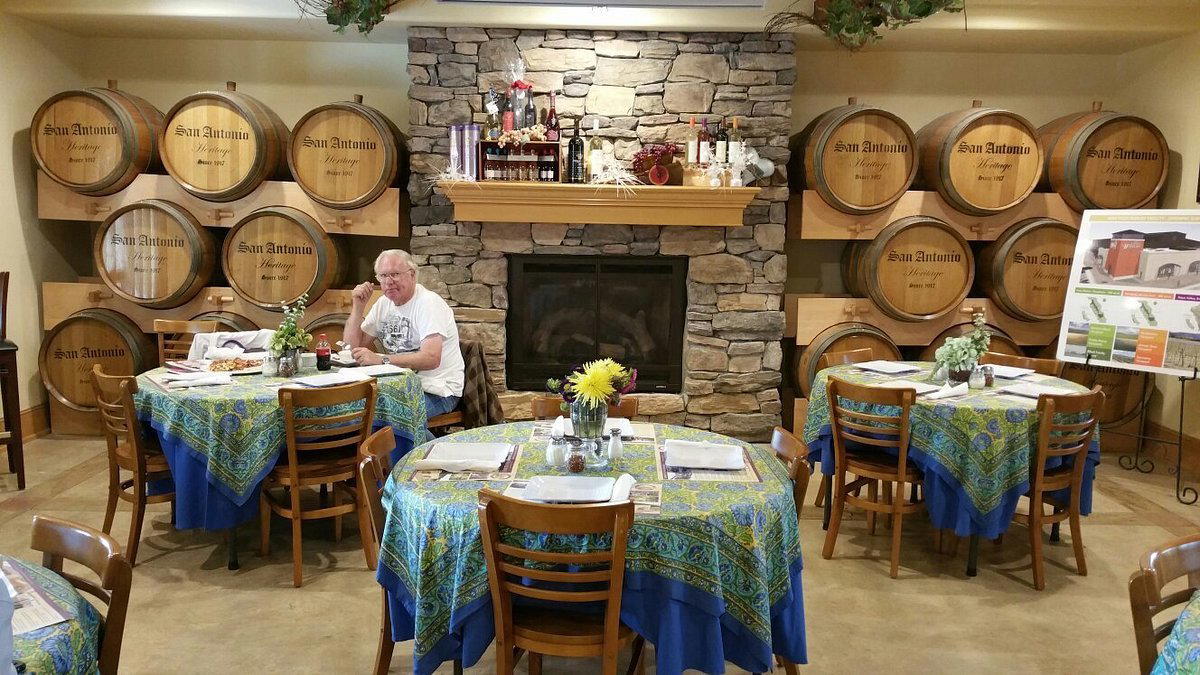
The Steak Library
The wine
- Wine program
- Curated wine list
- Corkage allowed
Details
- Elegant
- Sophisticated
- Cozy
- Date Night
- Business Dinner
- Special Occasion
- Wine Cellar
- Corkage Allowed
- A La Carte
Current opening hours
- Monday
- 5–9:30 PM
- Tuesday
- 5–9:30 PM
- Wednesday
- 5–9:30 PM
- Thursday
- 5–9:30 PM
- Friday
- 5–10 PM
- Saturday
- 5–10 PM
- Sunday
- 5–9:30 PM
Hours can change for holidays and private events. Last verified .
Low noise level with an elegant, sophisticated atmosphere featuring fine-dining steakhouse standards.