Mastro's Ocean Club

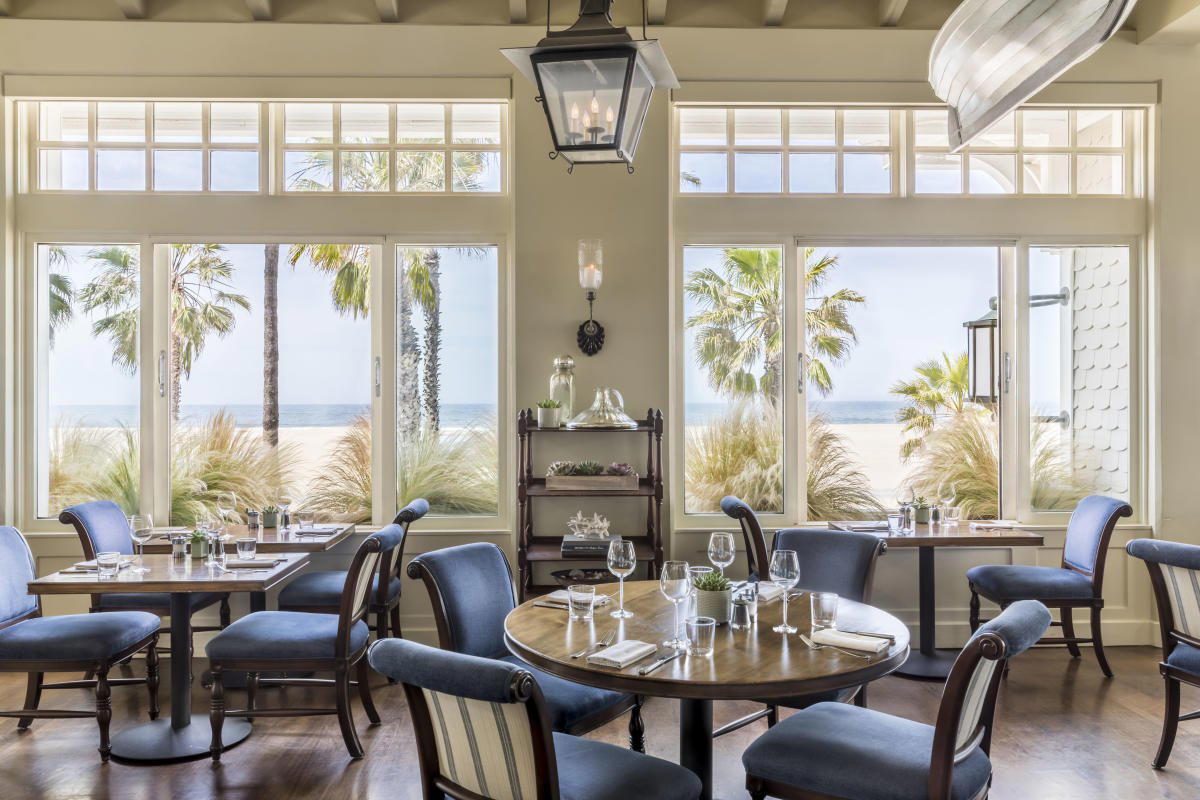
Mastro's Ocean Club sits directly on Pacific Coast Highway in Malibu, where the steakhouse-and-seafood format that defines the brand acquires an oceanic backdrop unavailable to its inland counterparts. The dining ritual here follows a deliberate cadence, raw bar, dry-aged beef, tableside theater, framed by floor-to-ceiling views of the Pacific. For the Malibu corridor, it occupies a distinct tier of polished, occasion-driven dining.
Pearl is the En Primeur Club membership app — saves, bookings, and concierge access live there. Same editors, same standards.
- Address
- 18412 Pacific Coast Hwy, Malibu, CA 90265
- Phone
- +1 310 454 4357
- Website
- mastrosrestaurants.com
- Directions
- Get directions
 Saves & bookings on Pearl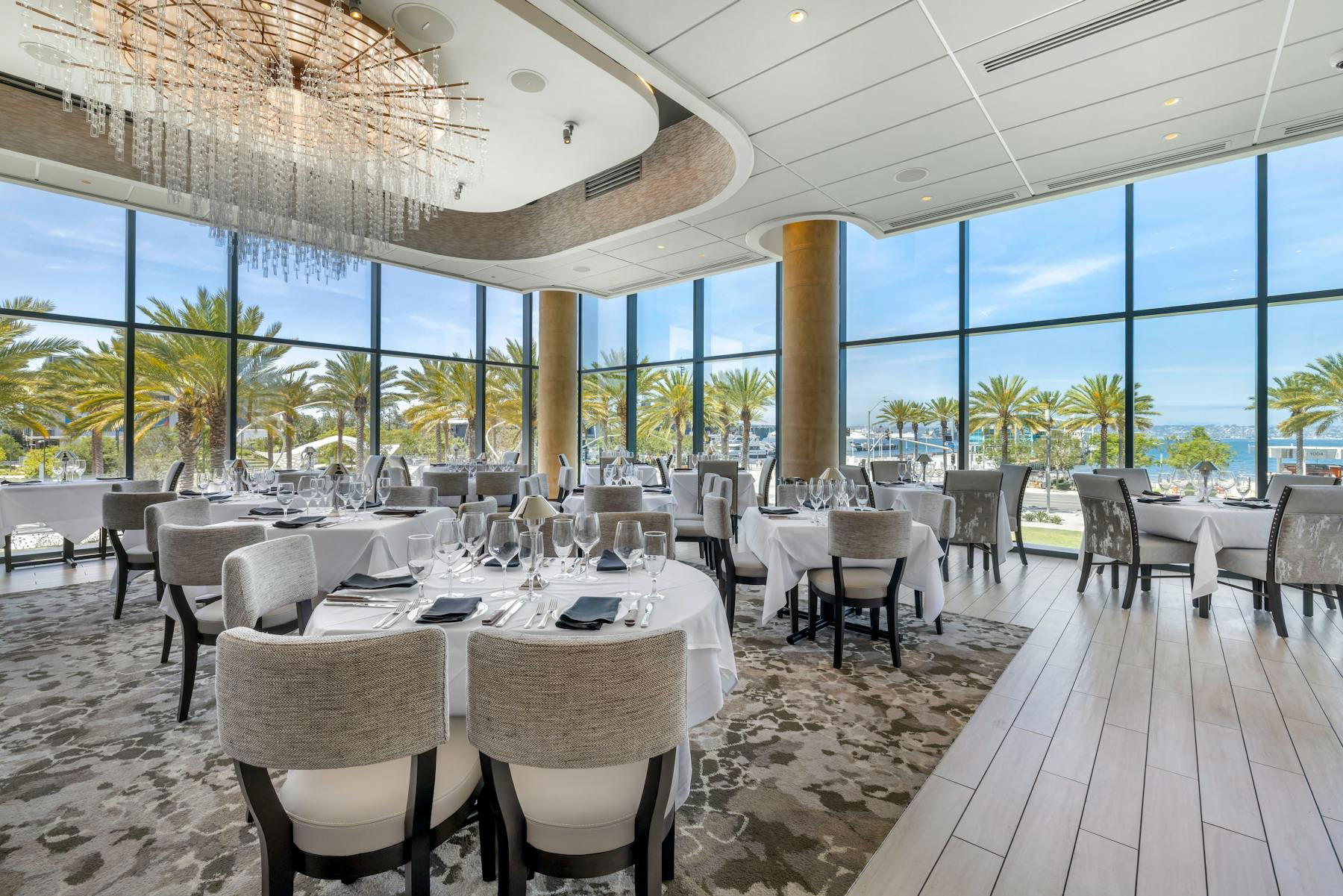
Where PCH Becomes a Dining Room
Pacific Coast Highway between Santa Monica and Malibu has always functioned as a kind of open-air corridor between Los Angeles ambition and coastal informality. Most of its restaurants resolve that tension by leaning hard toward the casual end: fish tacos at the counter, booths facing parking lots, the kind of places where sandy feet are unremarkable. Mastro's Ocean Club, at 18412 Pacific Coast Hwy, Malibu, is a classic steakhouse and seafood restaurant with an upscale price tier.
The physical context matters here more than at most addresses. Arriving on PCH at dusk, with the Pacific catching the last of the light, the setting does half the work that interior design teams spend millions trying to replicate inland. For the Malibu dining corridor, that combination of occasion-caliber service cadence and genuine ocean frontage is not replicated at comparable price points, a contrast that becomes clearer when you consider that the coastal alternatives nearby, from the casual Thai plates at Cholada Thai Beach Cuisine to the direct fish counter model at Reel Inn Malibu, are operating in an entirely different format and price register.
The Ritual of the Meal
The Mastro's brand, which operates locations across major American markets, built its reputation around a particular dining ritual: the steakhouse as ceremony. That format travels to the Malibu location with its structure largely intact. The meal tends to unfold in a sequence that functions almost like a liturgy for its regulars, raw shellfish as opening act, tableside preparations at key intervals, the main course as the load-bearing moment around which everything else is arranged, and dessert as punctuation rather than afterthought.
In cities like New York or Chicago, this format competes inside a dense steakhouse tier where differentiation depends on subtleties of sourcing and service depth. On PCH, the competitive context is different. The occasion-dining vacuum on the Malibu coast means the restaurant occupies a position with fewer direct rivals, a dynamic more comparable to destination restaurants that benefit from geographic isolation, such as Single Thread Farm in Healdsburg or The Inn at Little Washington, where the surrounding environment amplifies the sense of occasion regardless of what appears on the plate.
That structural advantage shapes how the meal feels. The pacing at a coastal venue with a view this direct tends to slow naturally: guests linger over the raw bar because there is something to look at between courses. The rhythm of a formal meal, which can feel imposed in a windowless interior, reads here as the natural tempo of an evening that has nowhere better to be.
Seafood, Beef, and the Coastal Steakhouse Format
The coastal steakhouse occupies an interesting niche in American dining. It asks guests to accept that a kitchen with serious beef credentials is equally serious about its seafood program, a proposition that works at venues like Providence in Los Angeles (where the seafood program operates at the highest documented level) and at the opposite end of formality at the Reel Inn model, but which requires genuine execution to hold in the middle register. The Mastro's format is built around the claim that both programs can coexist at occasion-dining quality, with the raw bar and cold seafood presentations serving as the first evidence the kitchen presents to the room.
Dry-aged beef remains the anchor of the Mastro's identity across its locations, and the Ocean Club inherits that emphasis. In the broader American market, dry-aged beef programs at this tier are now common enough that the credential alone carries less differentiation than it did a decade ago. What the Malibu address adds is context: the contrast between the weight of an aged ribeye and the brightness of the Pacific outside produces the kind of sensory counterpoint that makes the steakhouse format feel more considered than it would in a purely urban setting.
Among the restaurants that define serious American dining in this era, the coastal format remains an underexplored category. Institutions like Le Bernardin in New York City have demonstrated what a fully committed seafood program looks like at the highest level, while places like Addison in San Diego and Blue Hill at Stone Barns in Tarrytown show how geography can become part of the dining argument. The Ocean Club borrows from all of these premises without occupying any of their specific niches.
Planning the Visit
The address, 18412 Pacific Coast Hwy, Malibu, places the restaurant in a stretch of coast that requires either a drive from Santa Monica or a deliberate detour from the canyon roads. PCH traffic between late afternoon and early evening can extend travel times significantly from central Los Angeles, which means planning arrival around the dining window, rather than around standard LA traffic patterns, is the practical calculus. Sunset reservations are especially contested, for obvious reasons. Reservations are essential.
Venues like Endless Color represent the quieter, neighbourhood-scale side of the local dining picture, a useful contrast for understanding what Mastro's Ocean Club is positioning itself against, and what it is deliberately not.
For those mapping the wider American occasion-dining circuit, the Ocean Club sits alongside a set of restaurants that use environment as a structural ingredient: Lazy Bear in San Francisco, Smyth in Chicago, Frasca Food & Wine in Boulder, The Wolf's Tailor in Denver, Atomix in New York City, Emeril's in New Orleans, Atelier Moessmer Norbert Niederkofler in Brunico, and The French Laundry in Napa. The Ocean Club operates in a different price tier and culinary register than several of those, but the principle, that where you eat shapes how you eat, applies across all of them.
Cuisine and Recognition
Comparable venues nearby, for context on price, style, and recognition.
| Venue | Cuisine | Price | Notes |
|---|---|---|---|
| Mastro's Ocean ClubThis venue — the venue you are viewing | Classic Steakhouse & Seafood | $$$$ | Not listed |
| Cholada Thai Beach Cuisine | Beachside Thai Cuisine | $$ | Topanga |
| Reel Inn Malibu | Casual Seafood Shack | $$ | Topanga |
| Endless Color | American Pizza and Casual Eats | $$ | Topanga |
| Larsen's Steakhouse - Encino | Classic Steakhouse | $$$$ | Encino |
Recognition history
Dated appearances from independent guides and award organizations, with the underlying list record or original source where available.
Wine Spectator Best of Award of Excellence
Wine Spectator
Continue exploring
More in Topanga
Restaurants in Topanga
Browse all →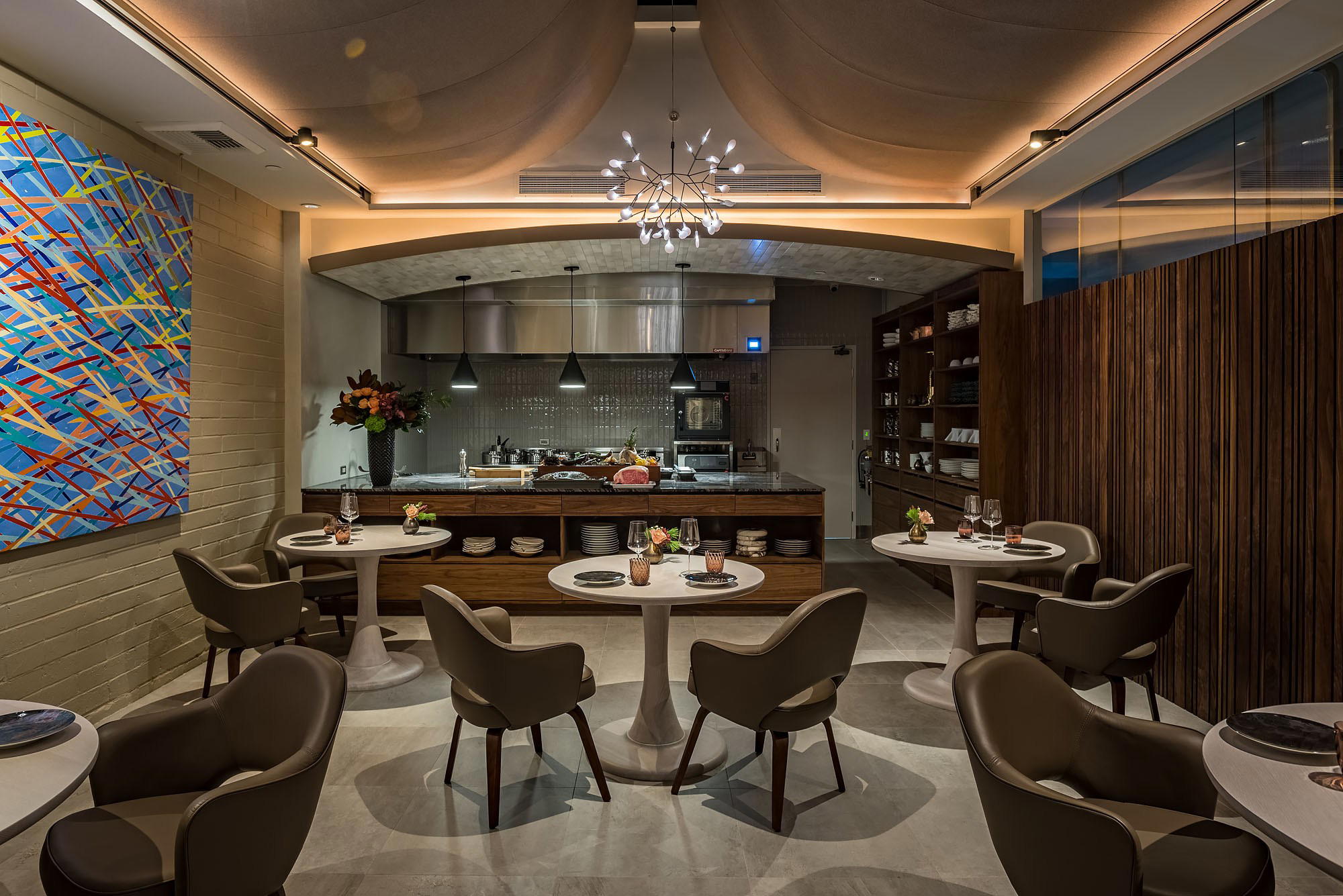
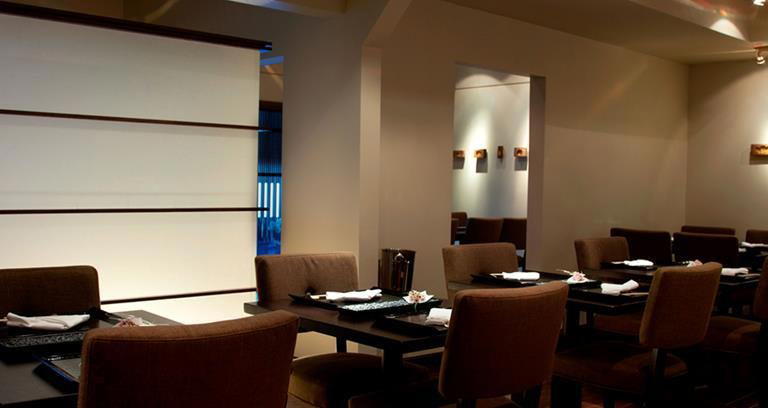
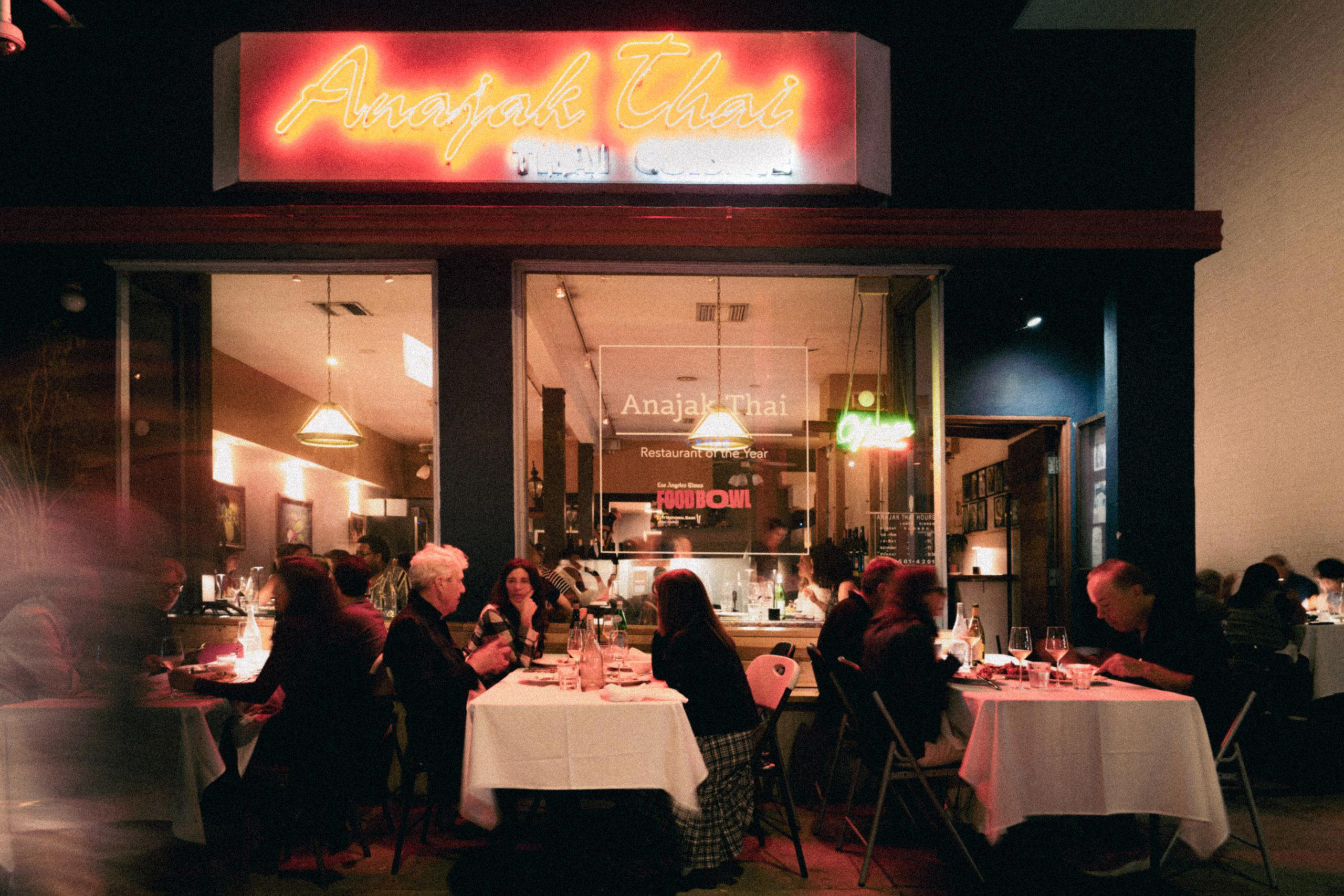
Bars in Topanga
Browse all →
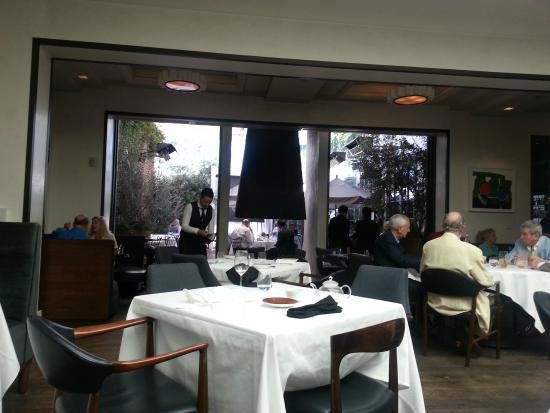
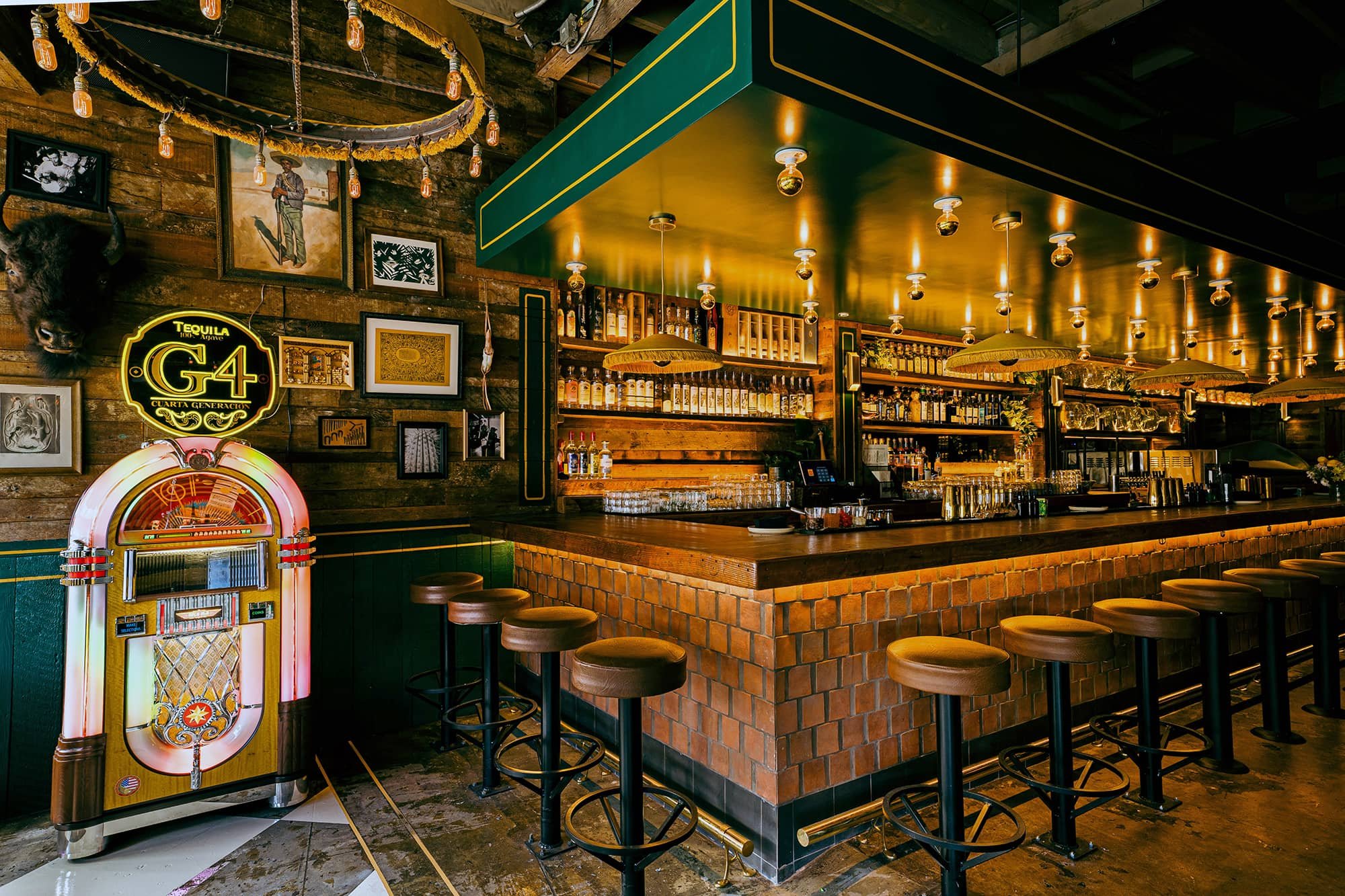
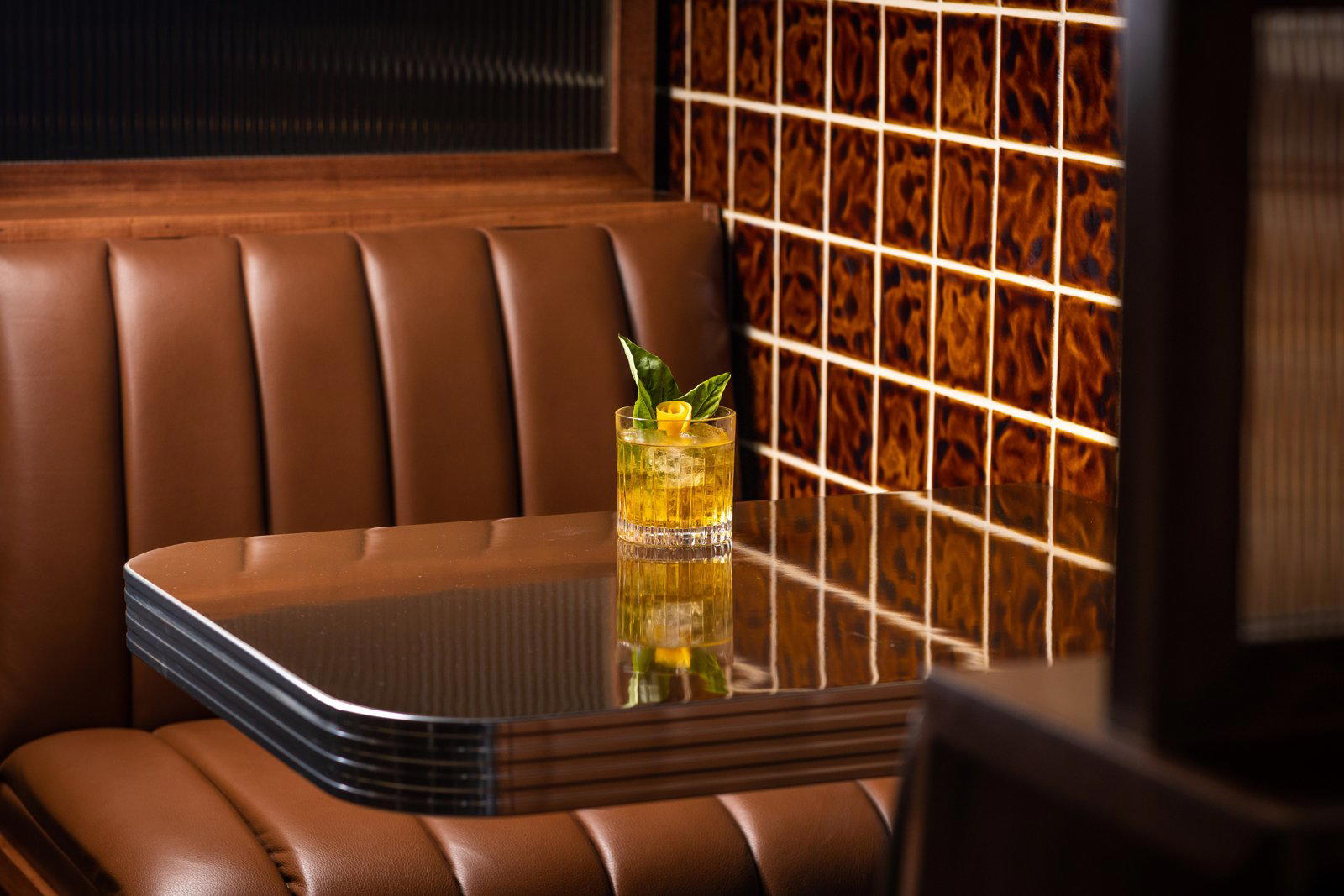
Hotels in Topanga
Browse all →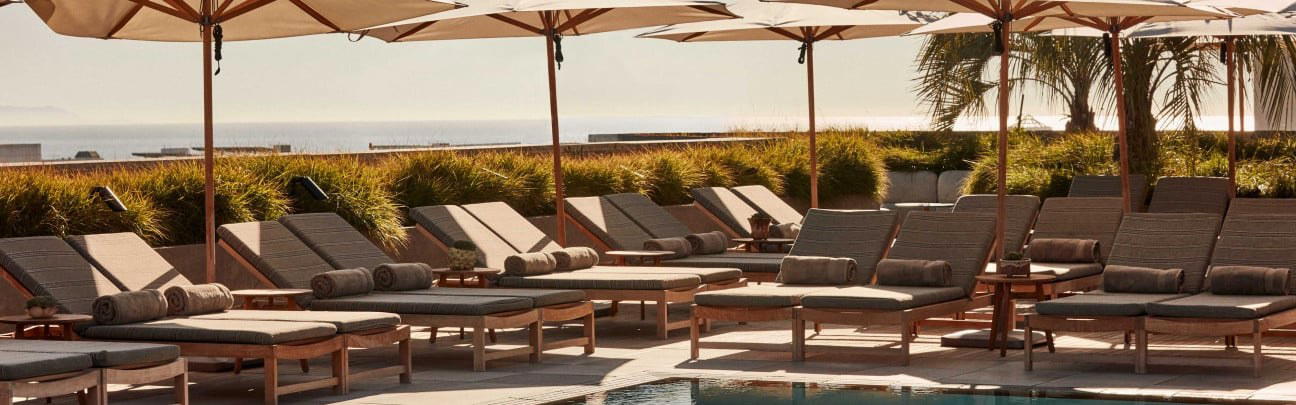
Wineries in Topanga
Browse all →
At a Glance
- Elegant
- Sophisticated
- Ornate
- Date Night
- Special Occasion
- Celebration
- Waterfront
- Live Music
- Extensive Wine List
- Waterfront
Current opening hours
- Monday
- 5–9 PM
- Tuesday
- 5–9 PM
- Wednesday
- 5–9 PM
- Thursday
- 5–9 PM
- Friday
- 5–10 PM
- Saturday
- 11 AM–2:30 PM, 4–10 PM
- Sunday
- 11 AM–2:30 PM, 4–9 PM
Hours can change for holidays and private events. Last verified .
Elegant yet energetic atmosphere with sophisticated lighting, live entertainment, and dramatic Pacific Ocean vistas.