The Roebuck

A Borough pub with a clear ethical position, The Roebuck on Great Dover Street operates through a formal partnership with the Sustainable Restaurant Association and WWF, sourcing ingredients exclusively from small independent producers. The cooking is classic and unpretentious, with vegetarian options running as permanent fixtures rather than afterthoughts. It sits at a different register from SE1's destination dining scene, but occupies its lane with consistency.
Pearl is the En Primeur Club membership app — saves, bookings, and concierge access live there. Same editors, same standards.
- Address
- 50 Great Dover St, London SE1 4YG, United Kingdom
- Phone
- +44 20 7357 7324
- Website
- theroebuck.net
- Directions
- Get directions
 Saves & bookings on Pearl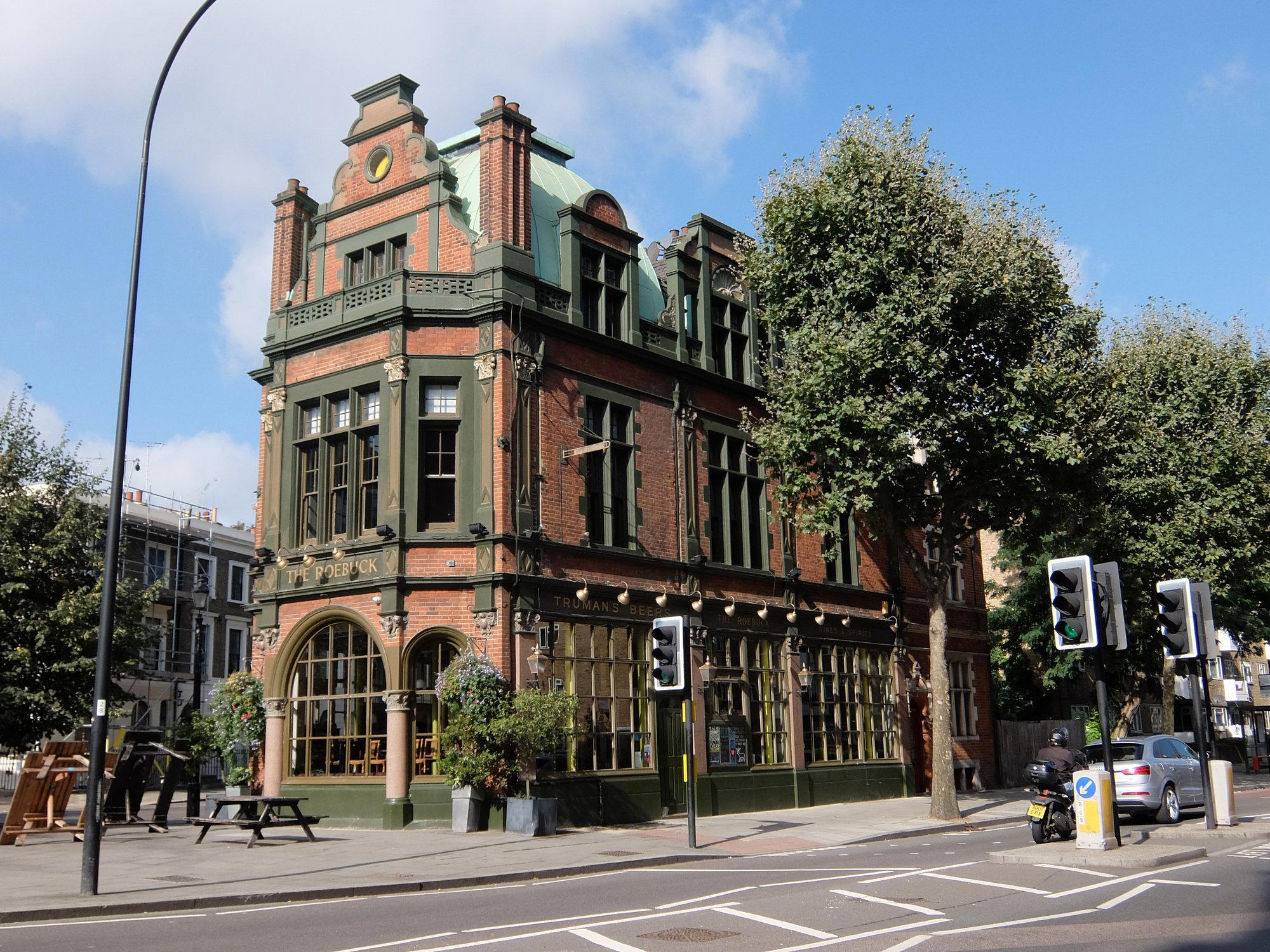
A Borough Pub With a Declared Position
Great Dover St runs south from Borough toward Elephant and Castle, a stretch that sees fewer tourists than the Market itself and more of the neighbourhood's working rhythm. The Roebuck sits at number 50, in that part of SE1 where the dining conversation is not driven by Michelin ambition. London's pub scene has, over the past decade, split between two directions: the gastro-pub route, where kitchens compete on tasting-menu terms, and the opposite tendency, where operators commit to a specific ethical or sourcing framework that gives the food its character rather than the cooking technique alone. The Roebuck has gone the second way.
That commitment is documented rather than implied. The pub operates through a formal collaboration with the Sustainable Restaurant Association and WWF, which positions it in a small cohort of London venues where the supply chain is as deliberate as the menu. Ingredients come from small independent producers rather than wholesale distributors, which matters less as a marketing point and more as a structural one: smaller suppliers change what appears on the plate seasonally, because they grow or raise to natural cycles rather than demand forecasts.
The Shape of a Meal Here
The editorial angle most useful for understanding The Roebuck is not comparison against high-end contemporaries like CORE by Clare Smyth or The Ledbury, both operating at the ££££ tier with multi-course formats designed around chef-driven progression. Nor does it belong in the same conversation as Ikoyi or The Clove Club, where the tasting progression is the entire proposition. The Roebuck runs a traditional pub format: dishes are classic, the sequencing is the diner's to choose, and the room operates as a pub first.
Within that framework, how a meal here actually sequences matters. British pub food at its leading moves through a logic that mirrors good domestic cooking: something to start that doesn't demand too much, a substantial central dish, and the kind of pudding that justifies the walk over. What the sourcing model adds at the restaurant is that each of those stages draws on produce with a traceable origin, from operations too small to supply at volume. That specificity rarely announces itself on the plate, but it shows in what's available and what rotates, as smaller producers create natural variety that wholesale supply chains don't.
Vegetarian options are a permanent fixture at every stage of the meal, not a retrofit. That matters in the context of how London's pub sector generally handles non-meat eating: in most traditional pubs, vegetarian dishes are structural accommodations rather than kitchen priorities. Here the WWF and SRA alignment makes plant-based options a core commitment rather than a concession, which shifts the weight of those dishes across the menu.
Borough and Its Dining Register
SE1 carries significant dining density. Borough Market draws producers and visitors in numbers that have shaped the neighbourhood's food identity for more than two decades. The streets immediately around the market host a tier of destination restaurants that increasingly compete on national terms. Pubs in that radius face a specific pressure: the area's food reputation lifts expectations, while the pub format constrains price and complexity.
The venues that survive that pressure tend to do so by holding a clear lane. The restaurant's lane is defined by its supply chain ethics and its classicism rather than by culinary ambition in the tasting-menu sense. That is a coherent position. London's ethical-sourcing pub cohort remains small enough that operators who occupy it with genuine structural commitment, partnership agreements rather than vague provenance language, carry a distinction that more elaborate menus sometimes don't.
For readers who want the other end of the spectrum, the broader London restaurant scene runs from neighbourhood naturals like The Roebuck through to destination properties. Alain Ducasse at The Dorchester represents the formal European dining register; The Clove Club the creative tasting format. Further afield in England, the country-house and destination restaurant tradition runs through Waterside Inn in Bray, Moor Hall in Aughton, L'Enclume in Cartmel, and Gidleigh Park in Chagford. The Michelin-starred pub format has its own standard-bearer in Hand and Flowers in Marlow. The restaurant shares the pub format with some of those names but operates at a different ambition level and a different price register, which is precisely the point.
For a broader map of where the restaurant sits within London's dining options, our full London restaurants guide covers the range. Our guides to London hotels, London bars, and London experiences cover the wider visit.
Seasonal Timing and When to Go
The supply chain model means the menu shifts with what independent producers have available, which makes autumn and winter the periods when British pub classics align most naturally with what smaller farms and growers produce in volume. Root vegetables, game where it appears, and the kind of cold-weather cooking that suits a traditional pub environment all land more convincingly in the October-to-February window. Spring brings lighter produce into the rotation. That rhythm is not a guarantee of specific dishes, but it is a structural pattern that affects what the kitchen has to work with.
Know Before You Go
- Address: 50 Great Dover St, London SE1 4YG
- Area: Borough, Southwark
- Format: Traditional pub with food; à la carte style ordering
- Sourcing: Small independent producers; Sustainable Restaurant Association and WWF partnership
- Dietary: Vegetarian options available at all stages of the meal as permanent fixtures
- Getting there: Borough tube station is the closest Underground stop; the pub is walkable from London Bridge station
How The Roebuck London compares with similar nearby venues.
| Venue | Cuisine | Price | Awards |
|---|---|---|---|
| The Roebuck | Not listed | Not listed | We're Smart World 2025, 1 Radish |
| Mangal Ocakbasi | Turkish | Not listed | Not listed |
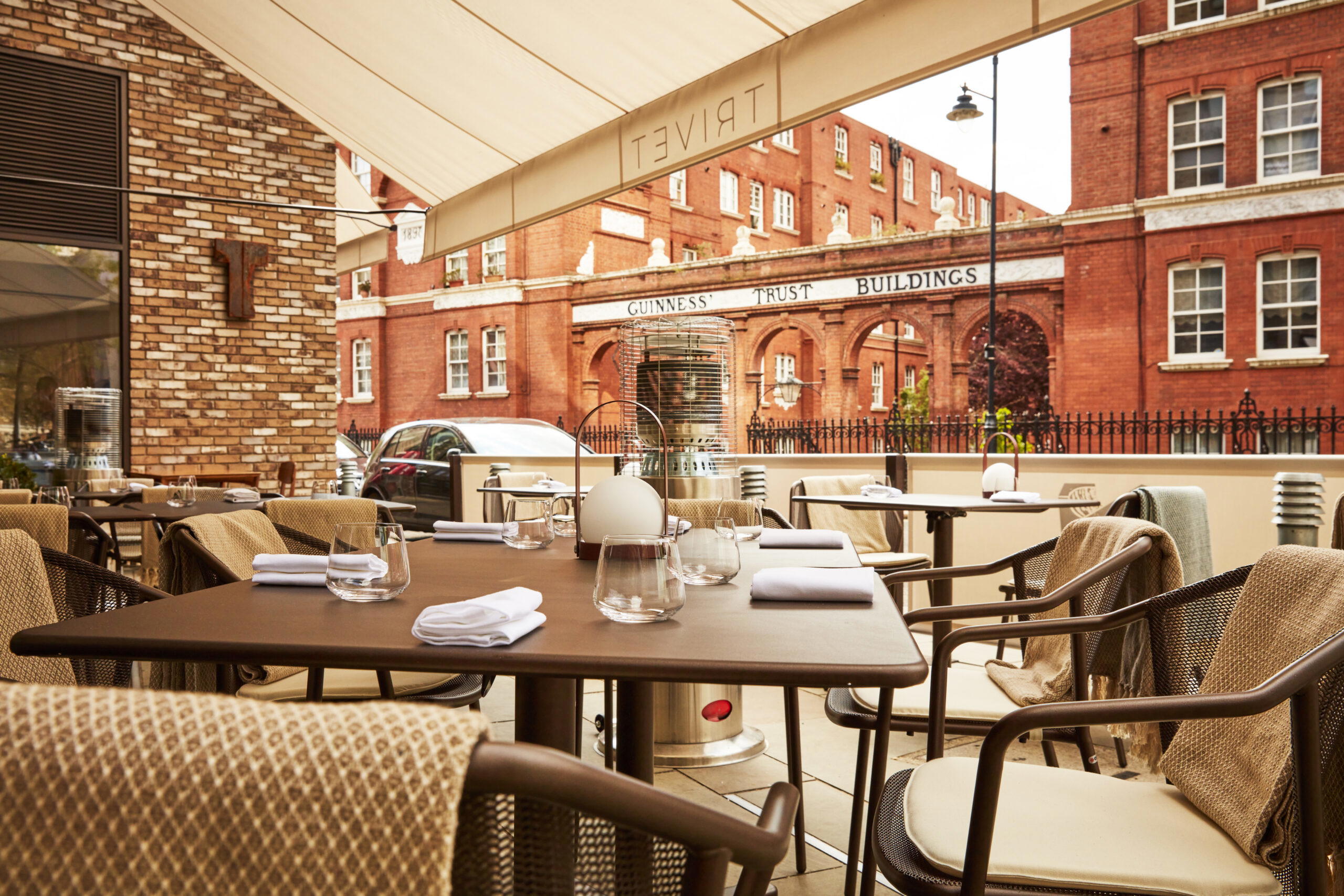
| Trivet | Progressive, Modern Cuisine | ££££ | Not listed |
Recognition history
Dated appearances from independent guides and award organizations, with the underlying list record or original source where available.
We're Smart World 1 Radish
We're Smart World




At a Glance
- Lively
- Classic
- Cozy
- Group Dining
- Family
- Casual Hangout
- Historic Building
- Beer Program
Current opening hours
- Monday
- 12–11 PM
- Tuesday
- 12–11 PM
- Wednesday
- 12–11 PM
- Thursday
- 12 PM–12 AM
- Friday
- 12 PM–1 AM
- Saturday
- 12 PM–1 AM
- Sunday
- 12–11 PM
Hours can change for holidays and private events. Last verified .
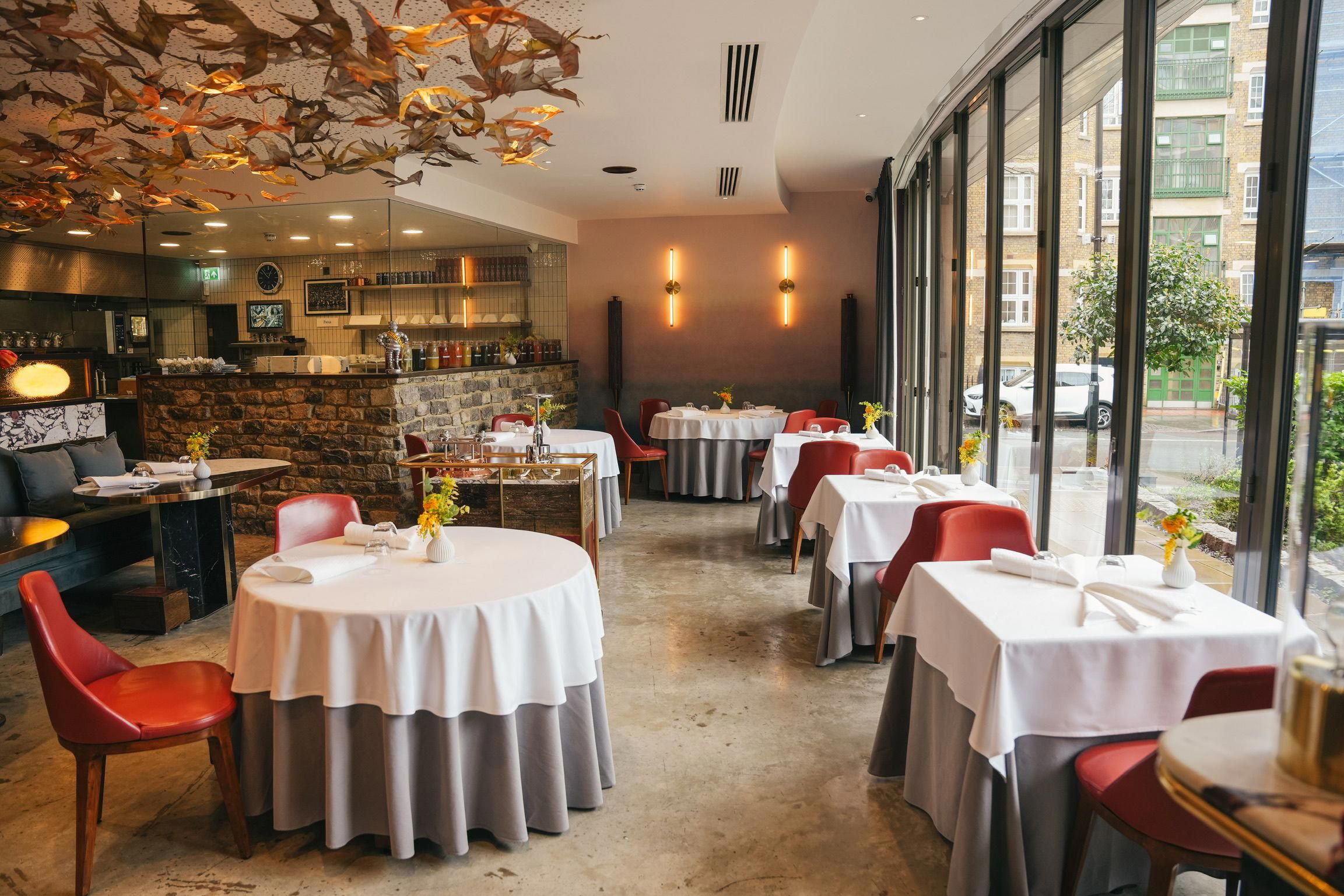
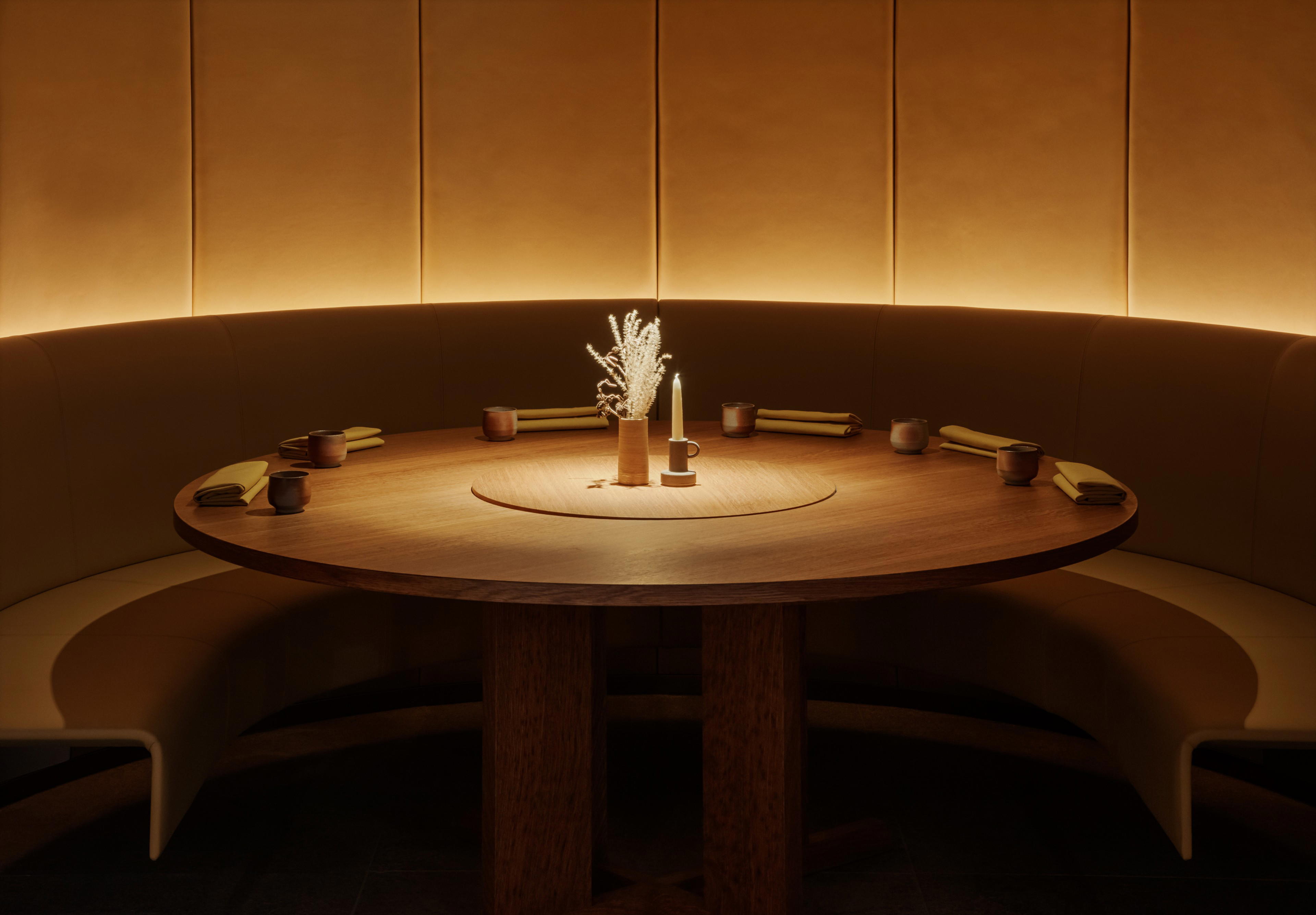
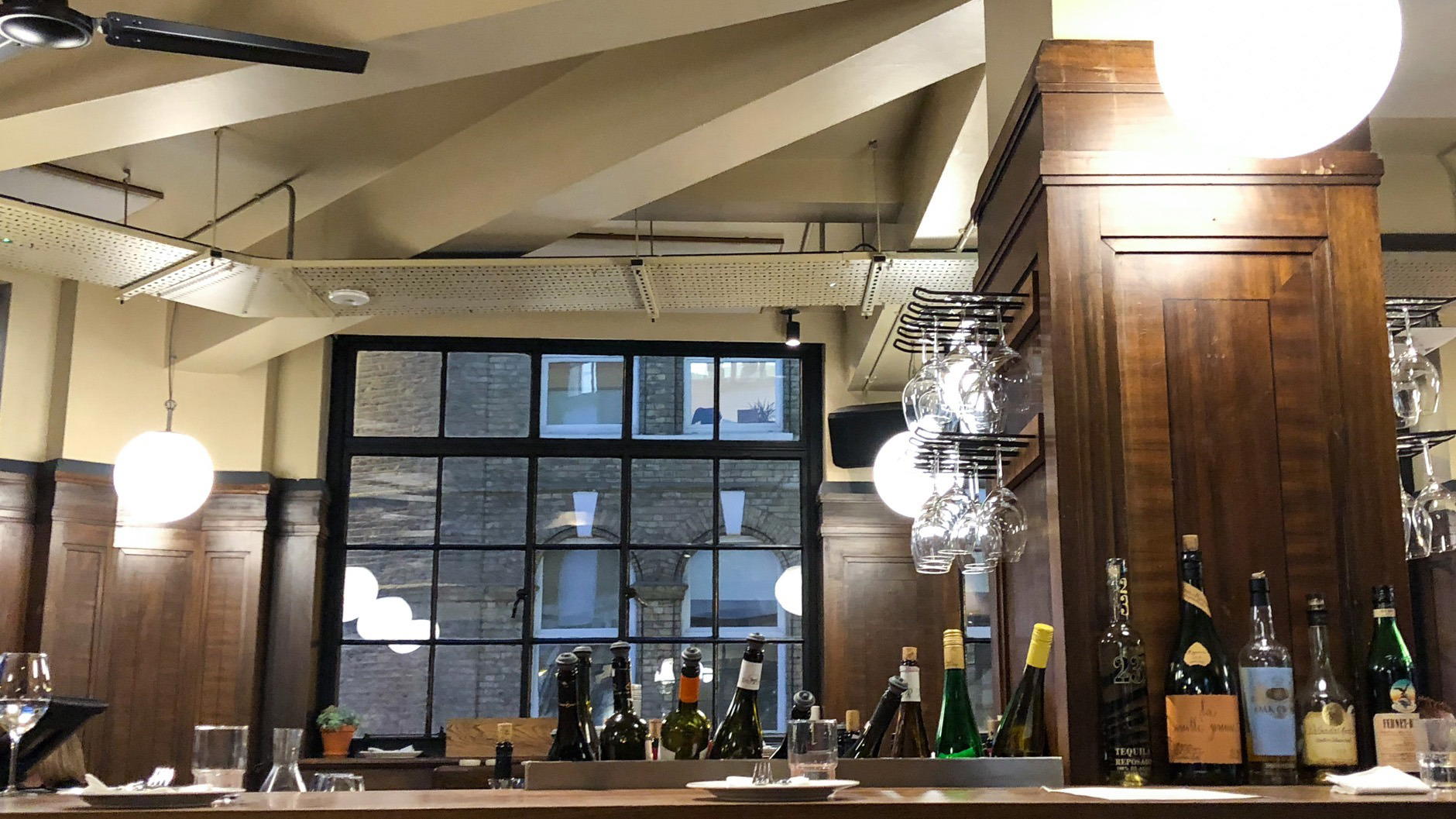
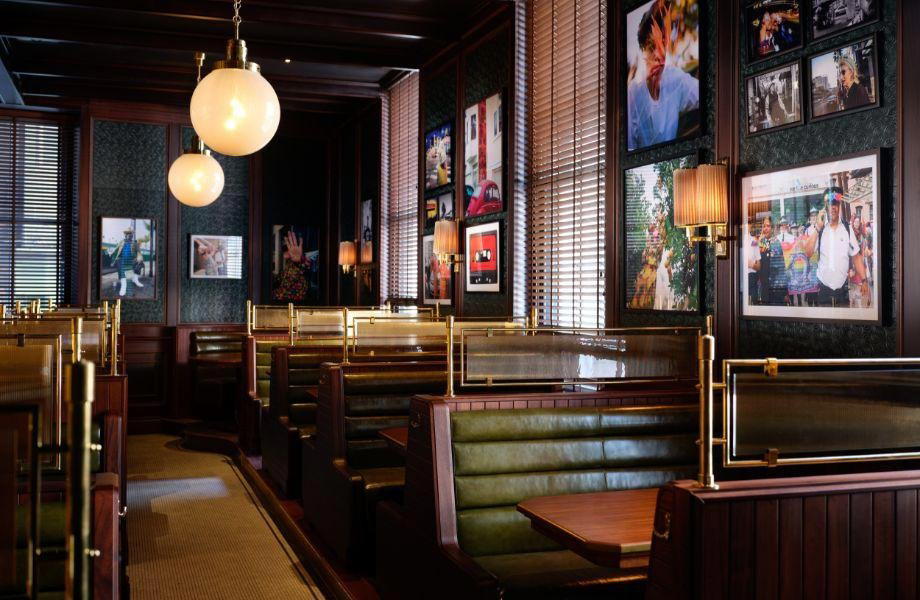
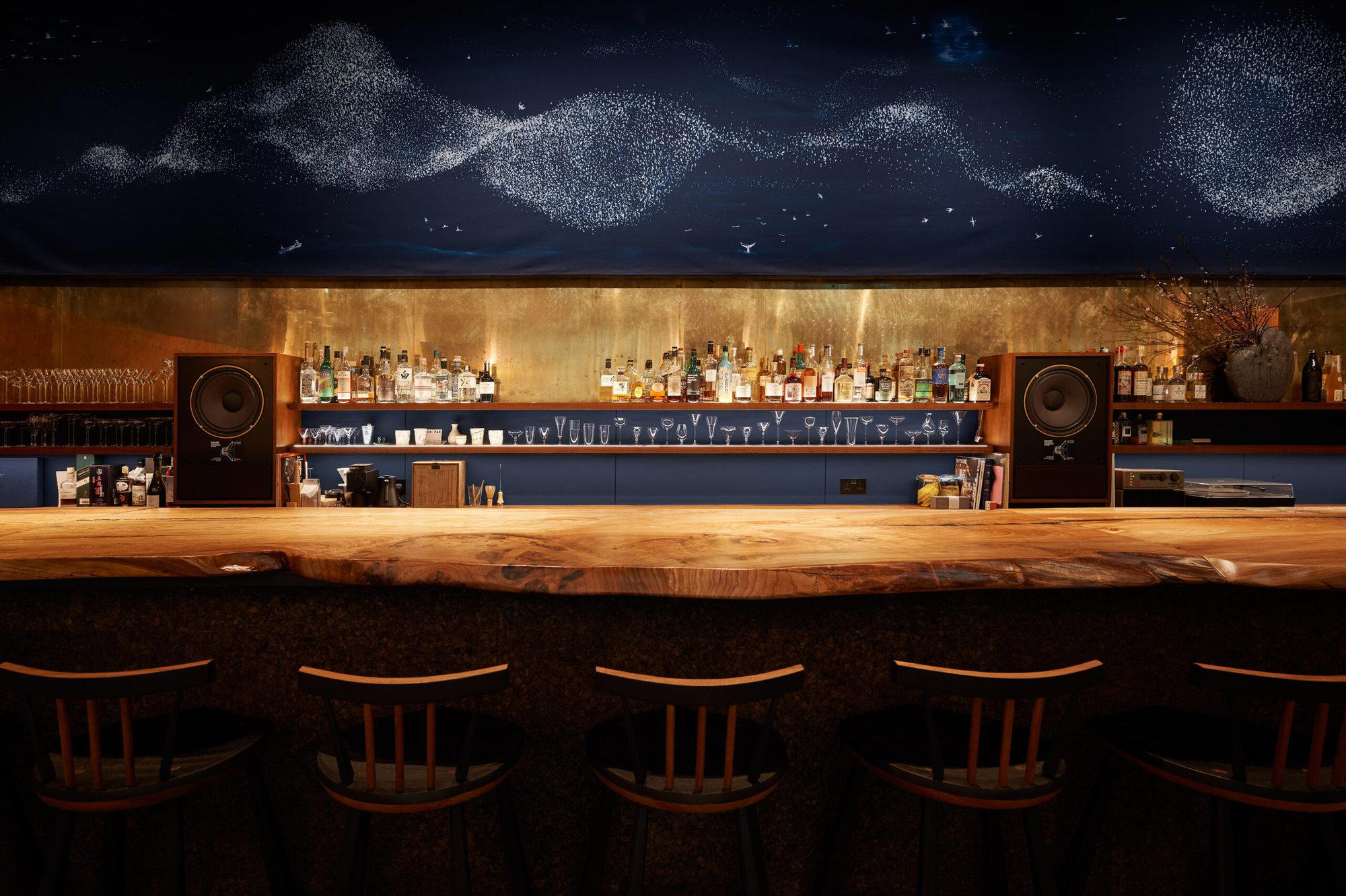
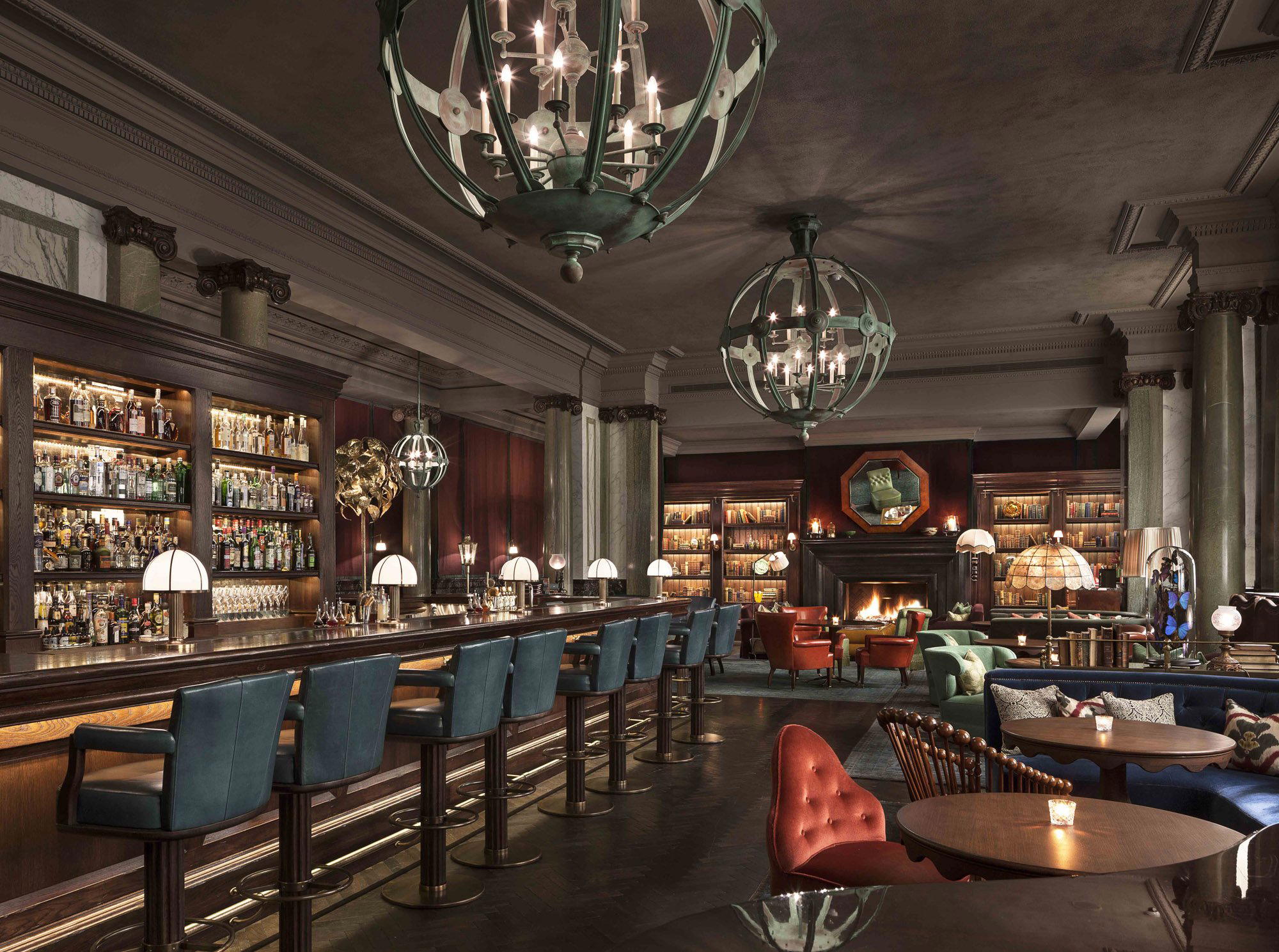
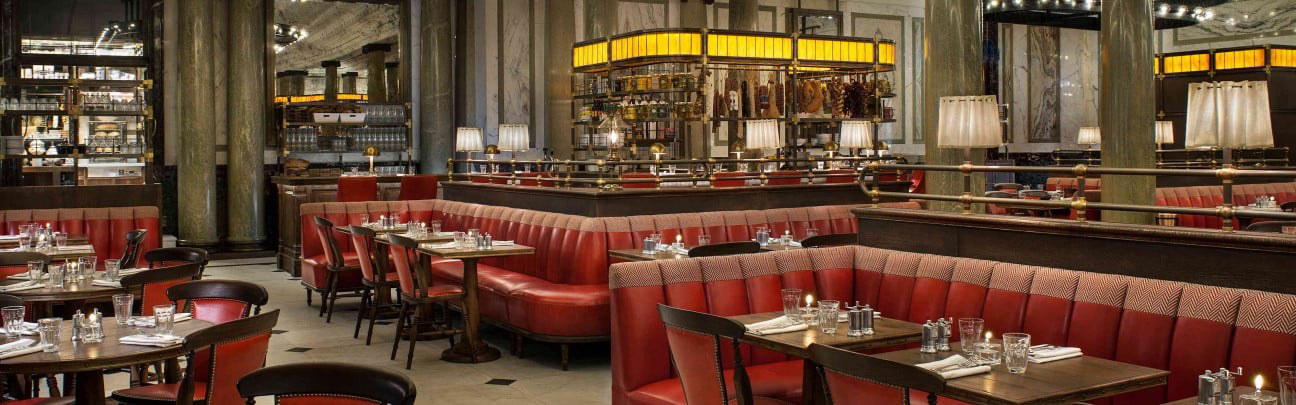
Classic pub atmosphere with warm lighting, lively energy, and comfortable dining areas.