The Refectory

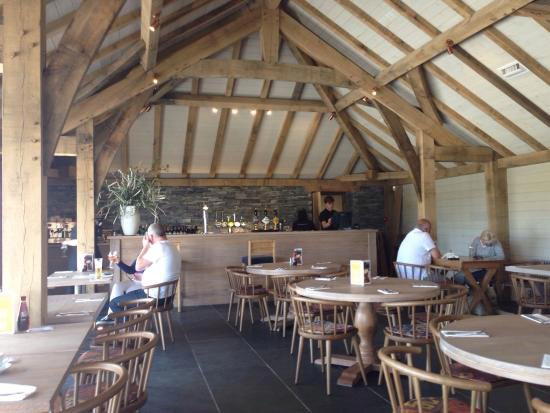
The Refectory sits at Fowlescombe Farm in Ugborough, placing it inside Devon’s growing farm-led dining conversation rather than the standard country-house restaurant circuit. The interest is provenance: rural South Hams cooking shaped by agricultural setting, seasonality, and the tension between comfort and seriousness in a dining room tied to the land around it.
Pearl is the En Primeur Club membership app — saves, bookings, and concierge access live there. Same editors, same standards.
- Address
- Fowlescombe Farm, Ugborough, Devon, PL21 0HW, GBR
- Phone
- +44 1752 426570
- Website
- guide.michelin.com
 Saves & bookings on Pearl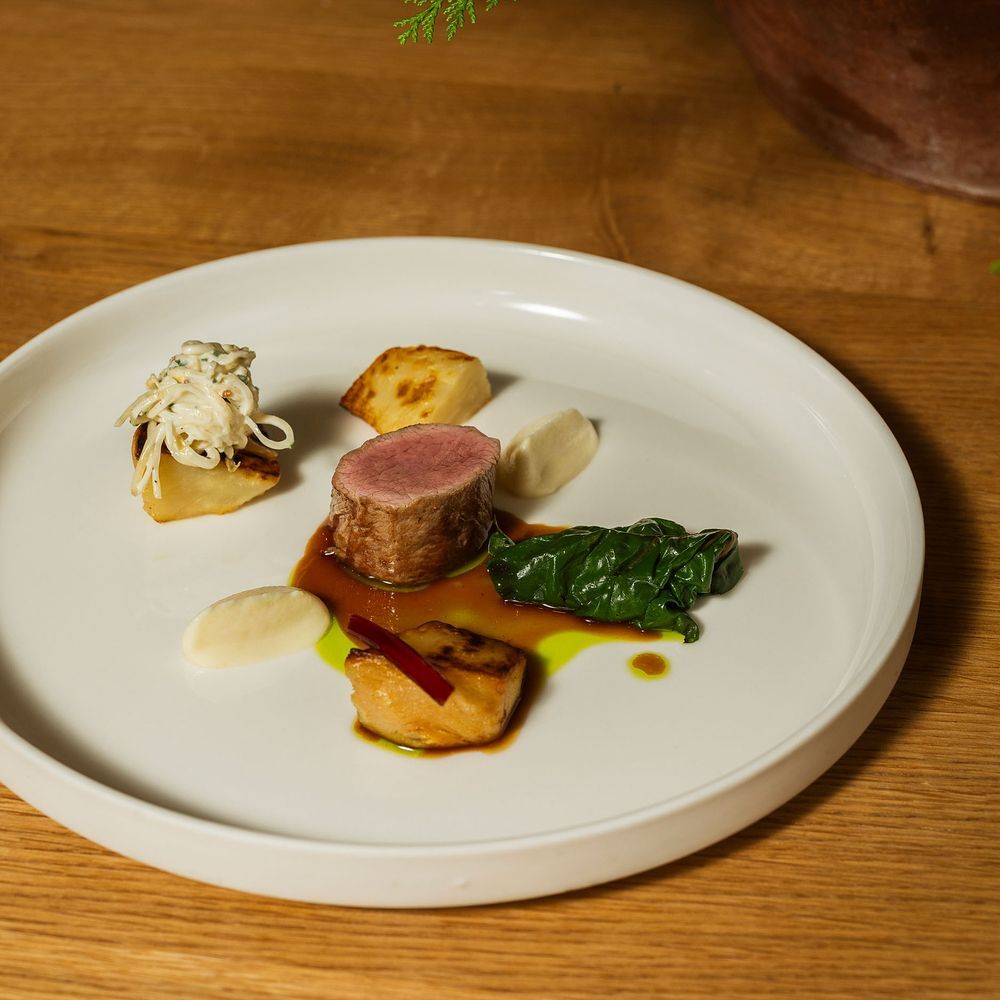
The approach to Fowlescombe Farm sets the terms before a menu appears. Ugborough is not a dining district in the urban sense; it is Devon pasture, lanes, stone, weather and working countryside. A restaurant here has to answer a different question from a city dining room: not how far a kitchen can reach, but how convincingly it can cook from what is close at hand.
That makes The Refectory part of a wider shift in British country dining. The stronger rural rooms are no longer content to play heritage theatre with linen, roasts and a token local cheese. They are being judged on sourcing discipline, kitchen restraint and whether the setting is more than scenery. In South Devon, where farms, coast and market towns sit within a short drive of one another, the advantage is obvious. The test is whether the plate keeps pace with the geography.
Farm context matters more than country-house polish
The Refectory’s location at Fowlescombe Farm gives it a built-in editorial argument: ingredient sourcing is not an accessory here, it is the premise. Devon restaurants often trade on proximity to growers, fishermen and dairies, but a farm setting changes the reader’s expectations. It asks for a tighter relationship between land and kitchen, with menus that make sense of season, supply and rural scale rather than importing metropolitan habits into a field.
This is where Ugborough’s size becomes useful. The village does not carry the density of Bristol, Manchester or London, so a restaurant has fewer distractions and less tolerance for empty performance. Nearby comparators sharpen the point. Twenty Seven and Circa Totnes sit in the broader South West modern British conversation, where seasonal produce and regional identity are no longer decorative claims. The Refectory belongs in that same rural-modern register, but its farm address gives the sourcing discussion a more direct frame.
The awards line attached to the restaurant reads as modest, even self-effacing: “A small piece of a much bigger picture...” That phrase is more revealing than a conventional trophy list. It positions the restaurant as one element in a larger agricultural and hospitality project, a useful signal for diners who care about where food begins. In a region where provenance can become menu copy, the stronger argument is structural: the restaurant is physically tied to the place producing its context.
What Ugborough adds to the Devon dining map
Devon’s restaurant identity is often split between coast-facing seafood rooms, market-town bistros and rural inns. Ugborough brings a quieter version of that story. It sits close enough to South Hams produce networks to matter, yet outside the usual weekend-destination shorthand. That makes the restaurant a more interesting proposition for travellers who have already done the obvious West Country circuit and want to understand how farm hospitality is being folded into contemporary British dining.
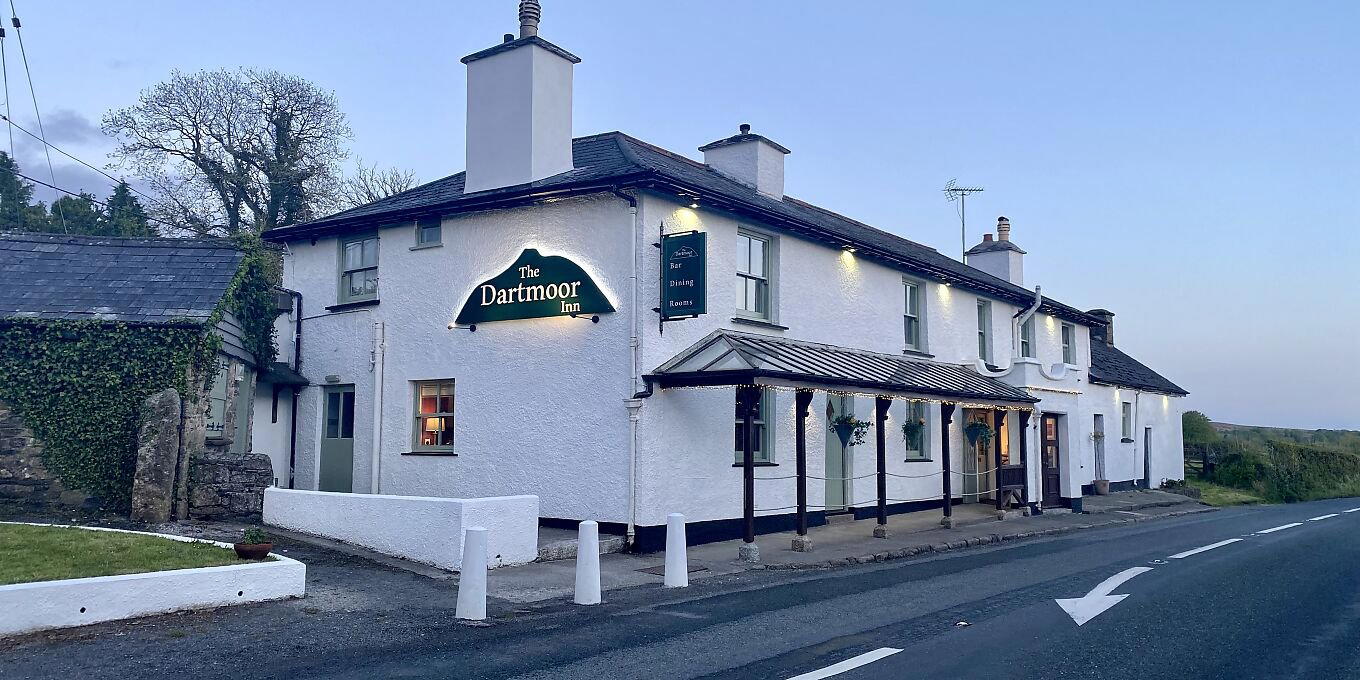
The Church House Inn and Wild Artichokes give the surrounding area a more varied food map, while Gather points toward the low-capacity, ingredient-led end of the regional spectrum. None of these comparisons need to be forced into a ranking. The more useful distinction is format: village inn, specialist kitchen, market-town modern British room, farm-based dining. The restaurant’s value lies in how clearly it occupies the last category.
That category has become more serious across Britain. Country restaurants now compete not only on charm but on logistics: supply chains, waste control, menu flexibility and the ability to cook with restraint when ingredients change. A farm restaurant can fail by becoming too literal, treating provenance as a slogan rather than a discipline. It can also overcorrect, burying rural clarity under tasting-menu affectation. The sweet spot is food that feels connected to place without turning dinner into a lecture.
For a broader sense of how Ugborough is developing across categories, the city guides are useful companions: Our full Ugborough restaurants guide, Our full Ugborough hotels guide, Our full Ugborough bars guide, Our full Ugborough wineries guide and Our full Ugborough experiences guide place the restaurant within a wider rural travel pattern rather than treating it as an isolated meal.
How to read the room before choosing it
The restaurant is better understood as a countryside dining decision than a quick city-style reservation. The setting is part of the format, and that matters for expectations. Diners looking for high-gloss theatre may find the rural premise too grounded; those interested in how British farm hospitality is changing will read the address as the point. The practical appeal is strongest when the meal is built into time in South Devon rather than squeezed between unrelated plans.
The absence of a named chef or public menu detail should not push the story toward guesswork. The safer, more useful reading is category-based. This is a restaurant to assess through sourcing logic, regional fit and the credibility of its agricultural setting. In 2026, that matters. British diners have become more fluent in provenance claims, and rural restaurants have to show coherence between place, product and price tier rather than simply repeating the language of seasonality.
Travellers comparing across the UK can see how different formats carry regional identity in different ways: 'Seasgair' by Michel Roux Jr in Fort William frames Highland ingredients through a hotel-dining lens, “8” By Andrew Sheridan in Liverpool belongs to a more theatrical urban tasting-menu mode, and 1 York Place in Bristol shows how city restaurants can make regional produce feel immediate without using a farm setting as proof.
Other reference points show the range of British and international casual-to-serious formats: 081 Pizzeria Peckham in London, 10 Tib Lane in Manchester, 11th and Social in Norwich, 1215 in Egham, 1498 The Spice Affair in Peterborough, 1610 at The Globe Inn in Dumfries, 17-18 Prince Albert St in Brighton and Hove, 1861 in Abergavenny, Jōdo Saké Bar in Los Angeles and Onigiri Time in Pasadena. The contrast is useful: the restaurant’s argument is not breadth or spectacle, but the credibility of a rural Devon table attached to a working farm context.
Quick Comparison
Comparable venues by cuisine and price in the same metro.
| Venue | Cuisine | Price | Awards |
|---|---|---|---|
| The Refectory | A small piece of a much bigger picture,... | This venue | |
| The Church House Inn | |||
| Wild Artichokes | |||
| Twenty Seven | Modern British | £££ | Modern British, £££ |
| Circa Totnes | Modern British | ££ | Modern British, ££ |
| Gather |
Recognition history
Dated appearances from independent guides and award organizations, with the underlying list record or original source where available.
Michelin Plate
Michelin · 2026 Michelin Plate
Continue exploring
More in Ugborough
Restaurants in Ugborough
Browse all →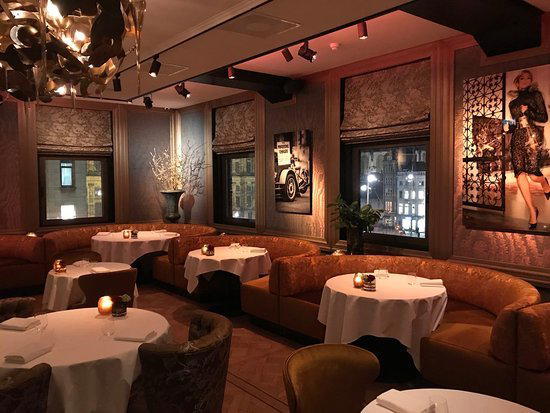
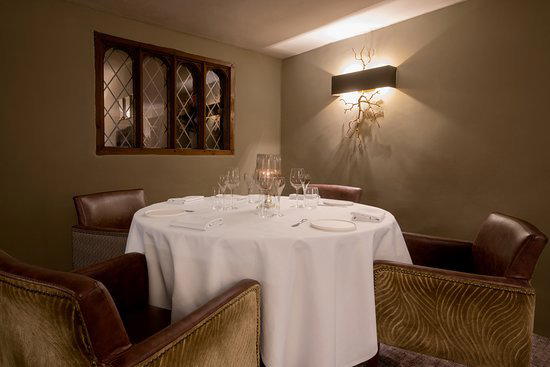
Bars in Ugborough
Browse all →
At a Glance
- Cozy
- Rustic
- Elegant
- Romantic
- Low Profile Address
- Scenic
- Date Night
- Special Occasion
- Celebration
- Group Dining
- Garden
- Historic Building
- Design Destination
- Hotel Restaurant
- Standalone
- Extensive Wine List
- Farm To Table
- Local Sourcing
- Sustainable Seafood
- Organic
- Garden
- Mountain
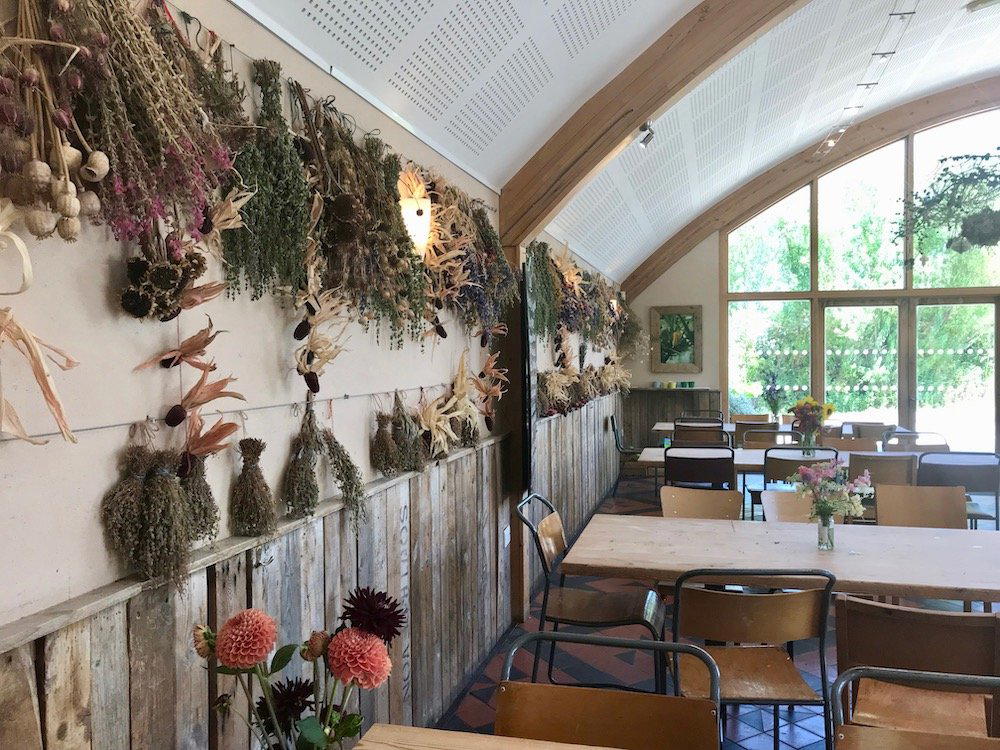
An intimate, candlelit barn space with an open kitchen and long oak table, combining rustic farmhouse warmth and countryside views with quietly refined, low-key elegance.