The Prince of Wales
Sitting on Church Lane in Baslow, on the edge of the Peak District, The Prince of Wales is a traditional British pub operating in a village where the sourcing of local produce is not a trend but a long-standing expectation. For visitors moving through Bakewell and the Derbyshire Dales, it represents the kind of grounded, place-rooted hospitality that the region's best addresses share as a common thread.
Pearl is the En Primeur Club membership app — saves, bookings, and concierge access live there. Same editors, same standards.
- Address
- Church Ln, Baslow, Bakewell DE45 1RY, United Kingdom
- Phone
- +441246583880
- Website
- princeofwalesbaslow.co.uk
- Directions
- Get directions
 Saves & bookings on Pearl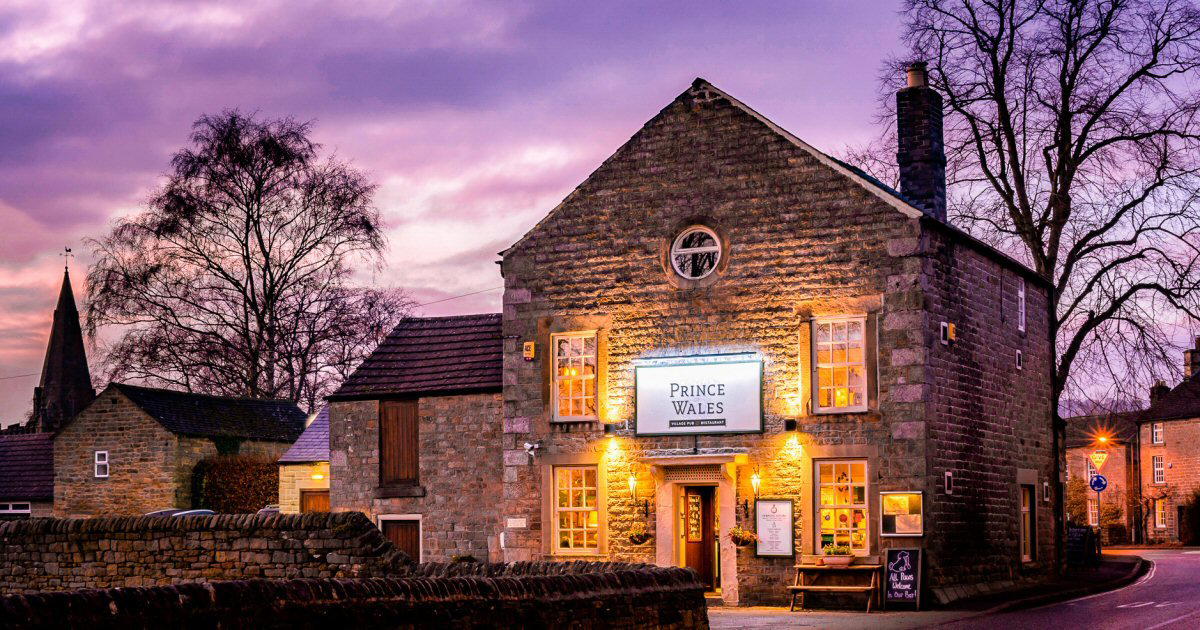
Church Lane, Baslow: Where the Peak District Sets the Table
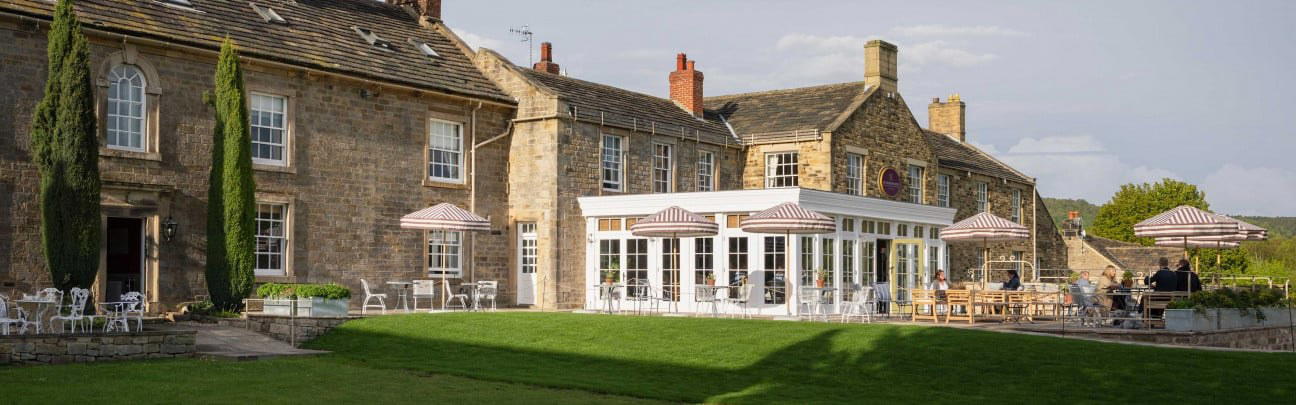
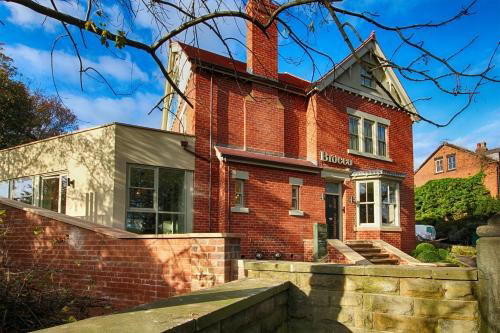
The approach to Baslow from Bakewell runs through limestone country, past dry-stone walls and moorland that have shaped this part of Derbyshire for centuries. By the time Church Lane comes into view, the built environment has shrunk to village scale: a church, a few stone cottages, and The Prince of Wales sitting among them with the kind of quiet permanence that rural English pubs either earn over decades or never quite manage at all. There is no theatrical entrance, no curated forecourt. The exterior is dressed stone, the proportions are modest, and the surrounding landscape does most of the atmospheric work before you have even stepped inside.
This is the broader condition of Peak District hospitality at the village level. The region does not have the resort-hotel infrastructure of the Cotswolds or the density of destination restaurants found along the Thames Valley. What it has instead is a network of market towns, estate villages, and working farms whose food culture is built on proximity rather than aspiration. Bakewell itself, the nearest town, is better known for its pudding than for Michelin recognition, and the villages that ring it, including Baslow, tend to produce dining experiences shaped by what the land and local producers actually supply.
The Sourcing Logic of the Peak District Table
The Derbyshire Dales and the surrounding moorland support a specific kind of agriculture: hardy cattle breeds, free-range game from the great estates, wild trout from limestone streams, and seasonal produce from farm suppliers who have sold to local kitchens for generations. In this context, a village pub that takes its sourcing seriously is not performing farm-to-table theatre, it is simply working within the supply chain that has always existed here. The distance between a Derbyshire farm and a Baslow kitchen is often measured in single-digit miles.
This is a meaningful distinction from the ingredient-sourcing narrative at the higher end of British fine dining, where provenance has become a signalling device as much as a culinary one. At establishments like L'Enclume in Cartmel or Moor Hall in Aughton, the relationship between kitchen and landscape has been formalised into kitchen gardens, named suppliers on menus, and tasting course structures built around seasonal arcs. Village pubs in areas like Baslow operate on a less codified version of the same principle: the sourcing is local because the alternatives are less practical, not because the marketing requires it.
Further south in England, Michelin-recognised country house restaurants such as Le Manoir aux Quat'Saisons in Oxford and Gidleigh Park in Chagford have built their reputations in part on access to notable estate produce. The Peak District equivalent of that access is more diffuse, distributed across independent farms and gamekeepers rather than concentrated in a single estate kitchen garden, but the underlying geography, cool climate, well-drained soils, and clean water, points to produce of genuine quality.
The Village Pub in the British Dining Hierarchy
British dining has developed a reasonably clear hierarchy over the past two decades, with destination restaurants at the leading, gastropubs in the middle tier, and traditional village locals at the base. The lines between those categories have blurred considerably. A number of operations that carry pub names now cook at a level that would have required a restaurant classification a generation ago. Hand and Flowers in Marlow is the clearest example of a pub that occupies full fine-dining territory without abandoning the format. Hide and Fox in Saltwood operates at Michelin-star level in a setting that retains its local character.
The Prince of Wales in Baslow sits within a regional context that includes Lovage, one of the more technically ambitious addresses in Bakewell itself, and operates within easy reach of a broader Derbyshire dining scene that has been quietly developing its range. For a comprehensive picture of what the area currently offers across price points and formats, the Bakewell area maps the options with more granularity.
At the national level, the trajectory of Modern British cooking, traced through addresses like CORE by Clare Smyth in London and Midsummer House in Cambridge, has reinforced the idea that the British larder, properly sourced, needs relatively little intervention. That philosophy finds its most unpretentious expression not in urban tasting menus but in rural kitchens that have been cooking from the same farms for years without calling it a philosophy at all. Internationally, the emphasis on produce-led cooking connects to kitchens as different as Le Bernardin in New York City, where the sourcing of fish defines everything downstream, and Atomix in New York City, where Korean ingredient culture underpins the tasting structure.
Planning a Visit to Baslow and the Prince of Wales
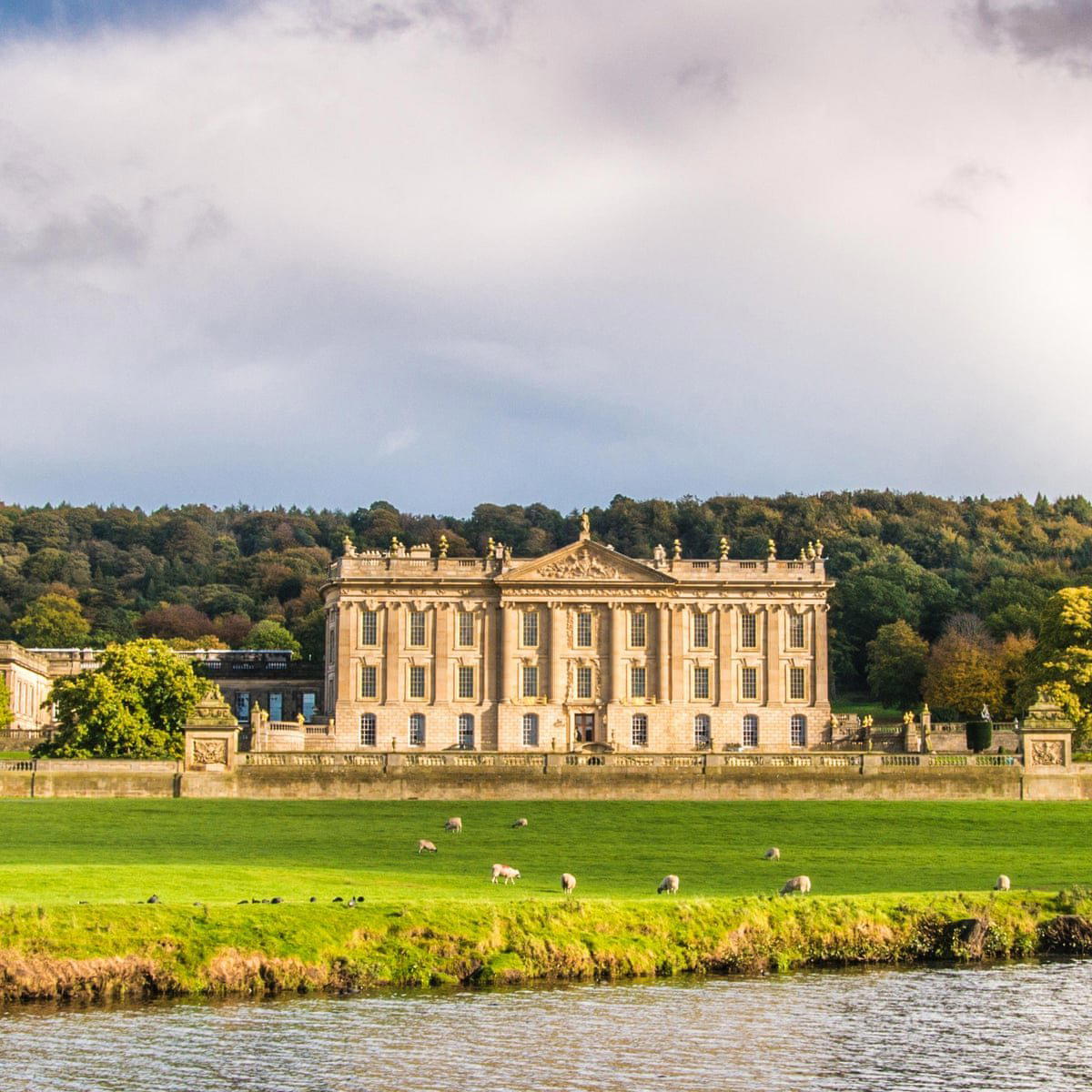
Baslow sits roughly four miles north of Bakewell along the A619, with Chatsworth House and its estate grounds a short distance to the south-east. Visitors travelling from Sheffield reach Baslow in under thirty minutes; from Manchester, the drive through the Hope Valley takes approximately an hour depending on the route chosen. Peak season in the Peak District runs from late spring through September, when the limestone dales and moorland above Baslow are at their most accessible for walking. Midweek visits in shoulder months, October and March in particular, tend to produce a quieter village atmosphere and shorter waits at local food and drink addresses.
Booking is recommended, particularly on weekends when demand from local and visitor trade can be heavier. The concentration of quality eating in the Bakewell area, including the broader Derbyshire Dales circuit, makes the region practical to explore across two or three days. Those coming specifically for the highest tier of British restaurant cooking in the north of England would also look at Restaurant Sat Bains in Nottingham and, for the full northern circuit, Ynyshir Hall in Machynlleth or Restaurant Andrew Fairlie in Auchterarder in Scotland, alongside The Glenturret Lalique in Crieff and Opheem in Birmingham for a wider British touring context.
Comparison Snapshot
Comparable venues nearby, for context on price, style, and recognition.
| Venue | Cuisine | Price | Awards | Notes |
|---|---|---|---|---|
| The Prince of WalesThis venue — the venue you are viewing | British Gastropub | $$ | Not listed | Not listed |
| Lovage | Modern British Fine Dining | $$$ | Michelin Plate | Bakewell town centre |
| The Fat Loaf | Sophisticated British Bistro | $$ | Not listed | Ashton upon Mersey |
| The Fisherman's Retreat Ltd | Traditional British Steakhouse | $$ | Not listed | Ramsbottom |
| Bench Sheffield | Seasonal British bistro with small plates & natural wine | $$ | Not listed | Nether Edge |
| Seats at Robinsons | British Steakhouse & Roasts | $$ | Not listed | Tettenhall |
At a Glance
- Cozy
- Rustic
- Classic
- Casual Hangout
- Terrace
- Open Kitchen
- Historic Building
- Extensive Wine List
- Local Sourcing
Current opening hours
- Monday
- Closed
- Tuesday
- 11 AM–11 PM
- Wednesday
- 11 AM–11 PM
- Thursday
- 11 AM–11 PM
- Friday
- 11 AM–11 PM
- Saturday
- 11 AM–11 PM
- Sunday
- 11 AM–6 PM
Hours can change for holidays and private events. Last verified .
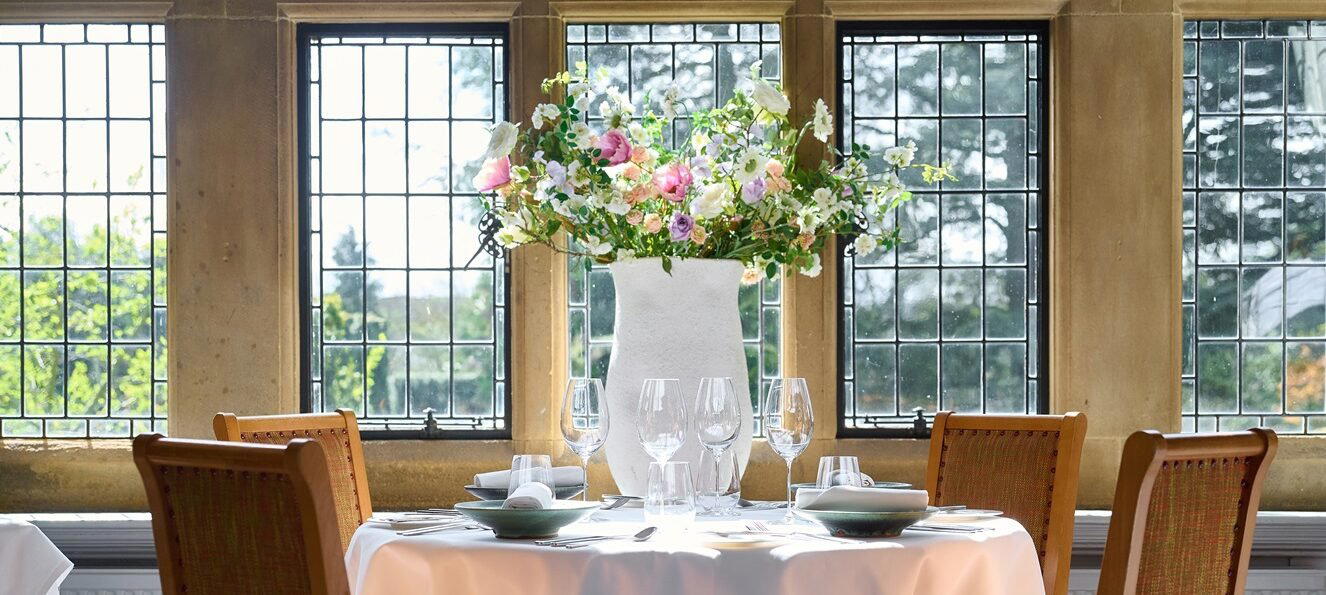
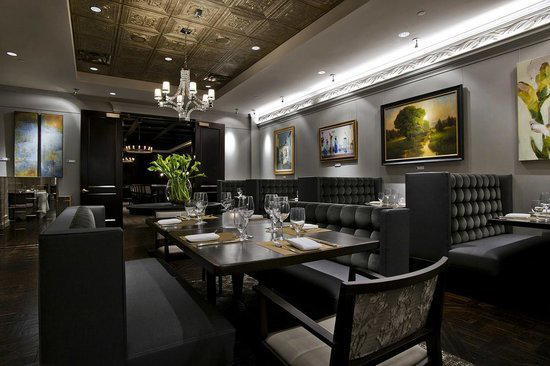
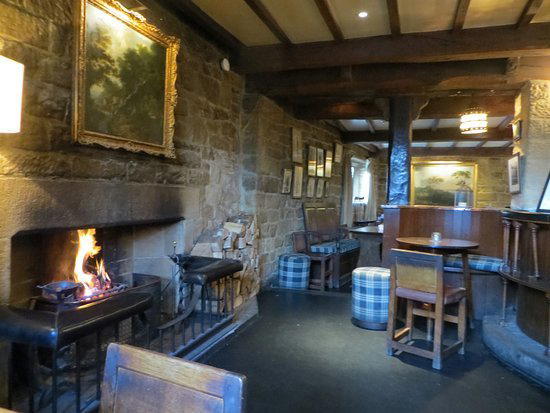
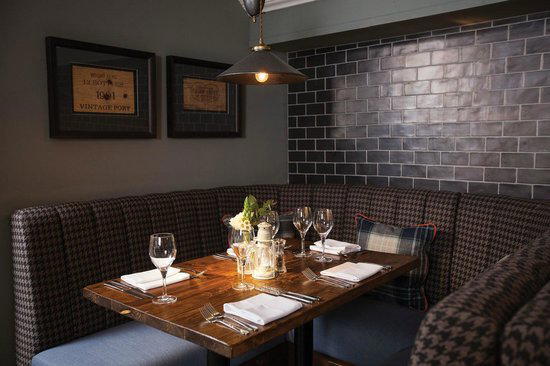
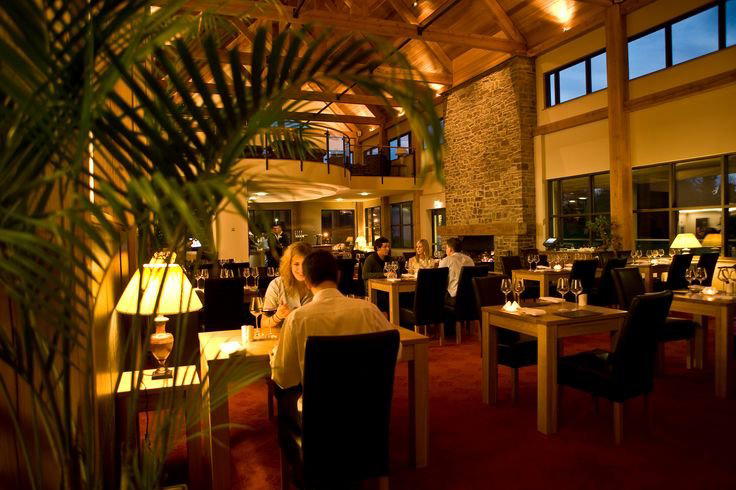
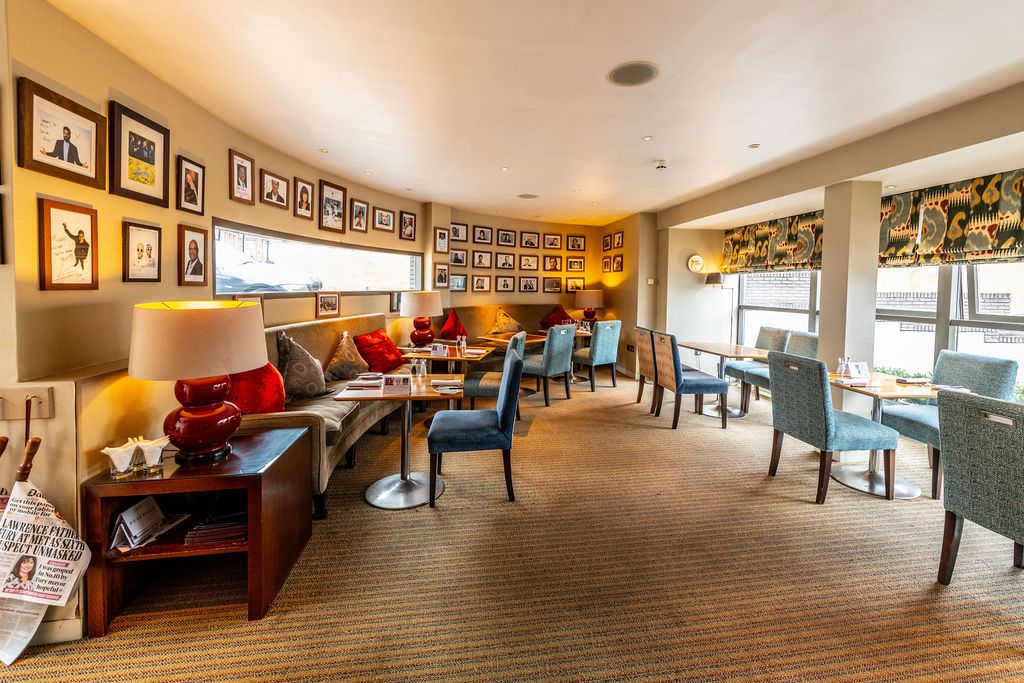
Contemporary country pub with modern touches, traditional elements, cozy fires in winter, bright gallery dining room, and open kitchen seating.