
Black Pearl 1 Diamond
Our verdict
The Peony Pavilion · LUYI holds a Black Pearl 1 Diamond award (2025), placing it among a select tier of recognised fine-dining addresses in Nanchang. It sits on Gaoxin 7th Road in the Qingshanhu District, a serious table in Jiangxi’s capital.

Pearl is the En Primeur Club membership app, where members save venues, book tables and use the concierge.
A Listed Table in Nanchang
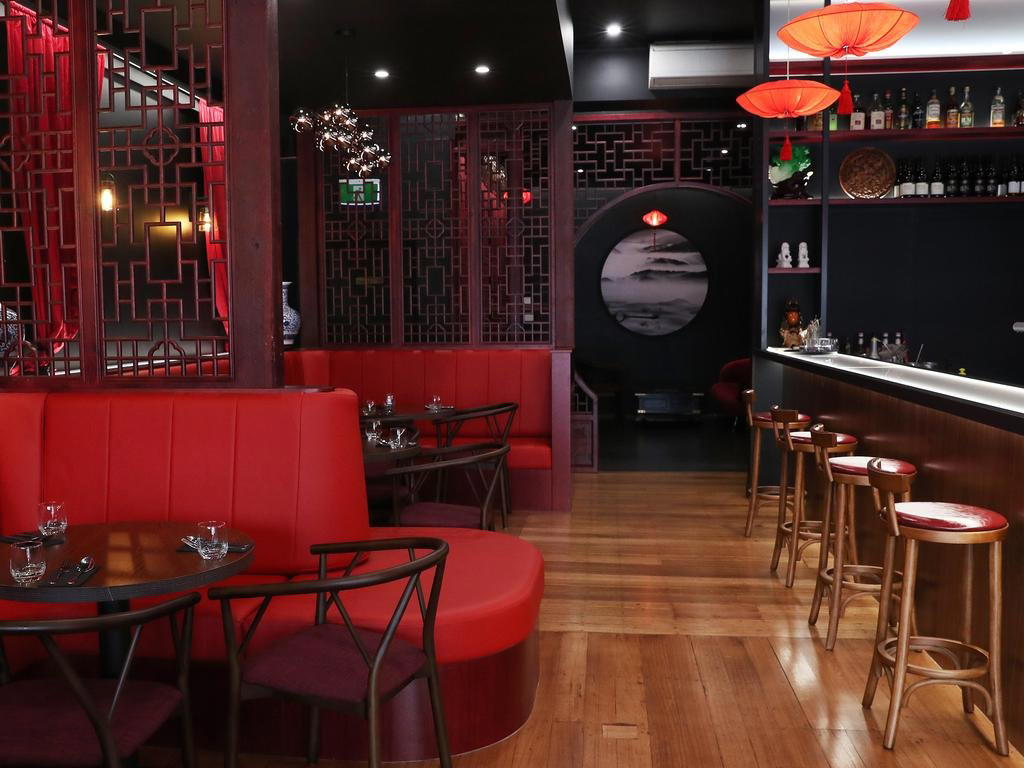
Nanchang occupies an unusual position in China's culinary map. The capital of Jiangxi Province sits geographically between the bold spice traditions of Hunan and Sichuan to the west and the refined river-and-lake cooking of the Yangtze Delta to the east. Jiangxi cooking is often discussed through freshwater fish, preserved vegetables, and fermented or slow-cooked preparations, a regional language that rarely travels far beyond the province. The Peony Pavilion · LUYI, located at No. 228, Gaoxin 7th Road in the Qingshanhu District, is a contemporary fine-dining room in that capital. Its 2025 Black Pearl 1 Diamond recognition places it in a small, credentialled group of restaurants outside China’s major metropolitan centres.
The Black Pearl Restaurant Guide awards diamonds across a tiered system. A single diamond entry is not a participation award, it represents a restaurant that has been assessed against national peers and found to meet a threshold that most restaurants in any given city do not. For Nanchang, which has historically sat outside the densest critical conversation in Shanghai, Beijing, or Guangzhou, that listing is a useful signal of ambition in the city.
The Cultural Weight of the Name
The Peony Pavilion is not an incidental name. The Peony Pavilion (牡丹亭, Mudan Ting) is a celebrated Kunqu opera by Tang Xianzu of Linchuan, Jiangxi, and is counted among the great dream plays of the Ming dynasty. A restaurant in Jiangxi taking this name is tying itself to the province’s best-known literary export.
That kind of cultural positioning has become common among ambitious Chinese dining rooms. Related addresses for context include Ru Yuan in Hangzhou, Dingshan·Jiangyan (Xiangcheng) in Suzhou, and Jiangnan Wok·Rong in Fuzhou. The Peony Pavilion · LUYI belongs in that conversation through its name and its Nanchang setting, not through an imported luxury idiom.
Nanchang's Fine-Dining Tier
China's secondary cities have developed fine-dining credentials at an uneven pace. Shanghai’s upper restaurant tier now sits in an international conversation, with rooms such as 102 House. Nanchang is further along that curve than a pure transit stop, and The Peony Pavilion · LUYI is one address that makes a deliberate meal in the city worthwhile, Nanchang remains a major rail hub connecting southern and central China.
Nearby-region rooms worth opening for context include Fleurs Et Festin in Xiamen and Dai Yuet Heen in Nanjing. Further afield, related Chinese dining rooms include Xin Rong Ji (Xinyuan South Road) in Beijing, Xin Rong Ji in Chengdu, Chef Tam's Seasons in Macau, and Imperial Treasure Fine Chinese Cuisine in Guangzhou. For international context on cuisine-specific fine dining, see Atomix in New York City and Le Bernardin in New York City.
The Qingshanhu Setting
The Qingshanhu District sits apart from Nanchang’s older urban core around Bayi Square and Tengwang Pavilion. Gaoxin 7th Road belongs to this newer commercial fabric, so the restaurant’s immediate surroundings are modern rather than historically layered. Those planning a longer stay will find our experiences guide useful for building a fuller itinerary.
Planning a Visit
Contact the restaurant directly through its official channels for current booking information.
Frequently asked questions
Has The Peony Pavilion. LUYI won any awards?
The Peony Pavilion. LUYI has received recognition including: Black Pearl 1 Diamond (2025).
Where exactly is The Peony Pavilion. LUYI?
The Peony Pavilion. LUYI is located at No. 228, Gaoxin 7th Road, Qingshanhu District, Nanchang City, Jiangxi Province, China.
How The Peony Pavilion. LUYI Nanchang compares with similar nearby venues.
| Venue | Awards |
|---|---|
| The Peony Pavilion. LUYI | Black Pearl 1 Diamond (2026) |
Recognition history
Dated appearances from independent guides and award organizations, with the underlying list record or original source where available.
Black Pearl 1 Diamond
Black Pearl
Full recognition history (2 entries)
Black Pearl 1 Diamond
Black Pearl
Continue exploring
More in Nanchang
Restaurants in Nanchang
All restaurants in Nanchang →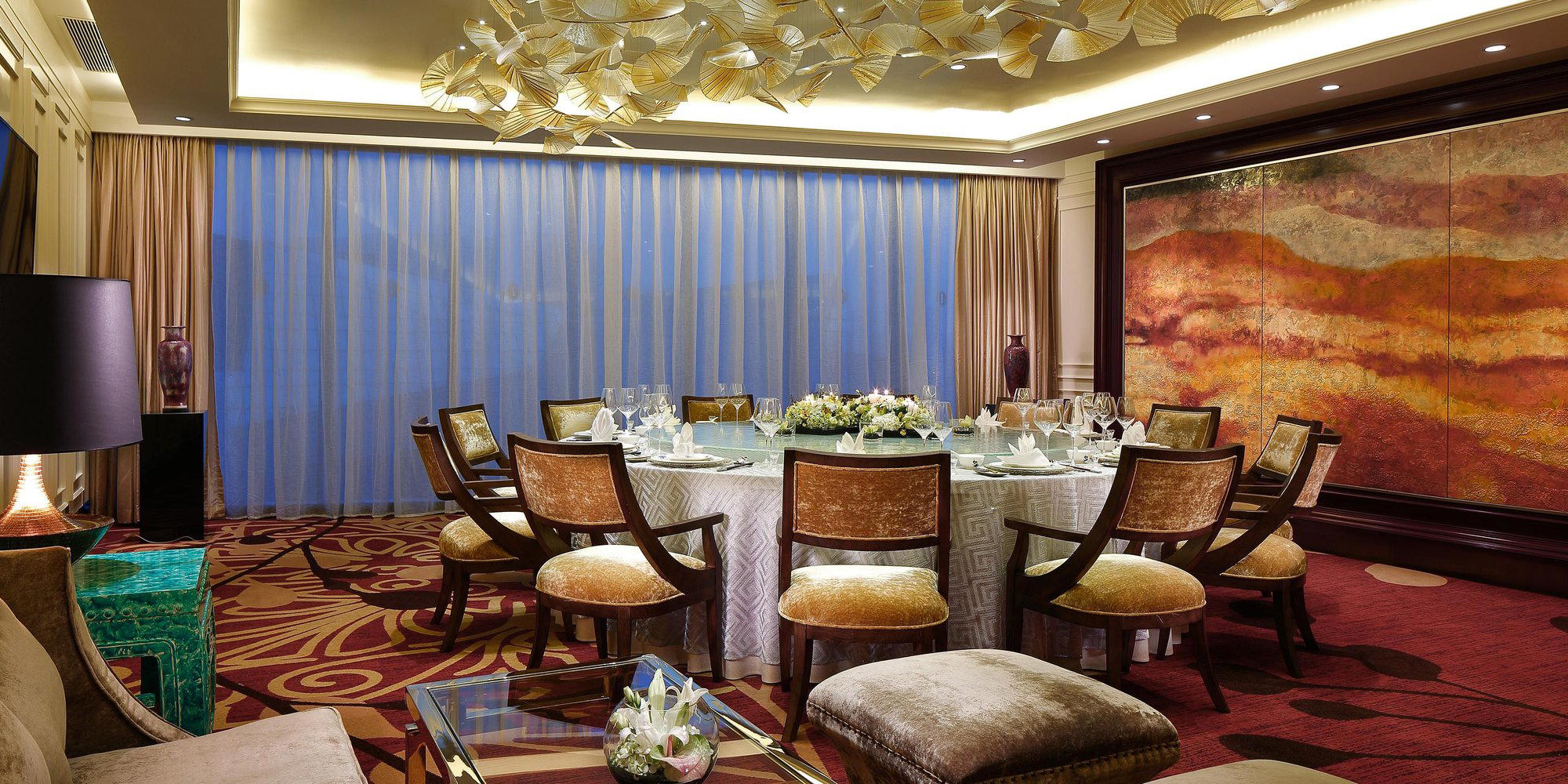
Details
- Elegant
- Cozy
- Date Night
- Group Dining
- Small Plates
- A La Carte
- Vegetarian Friendly
Warm and inviting with attractive decor.