The Old Fire Engine House

The Good Food Guide GFG Good
Our verdict
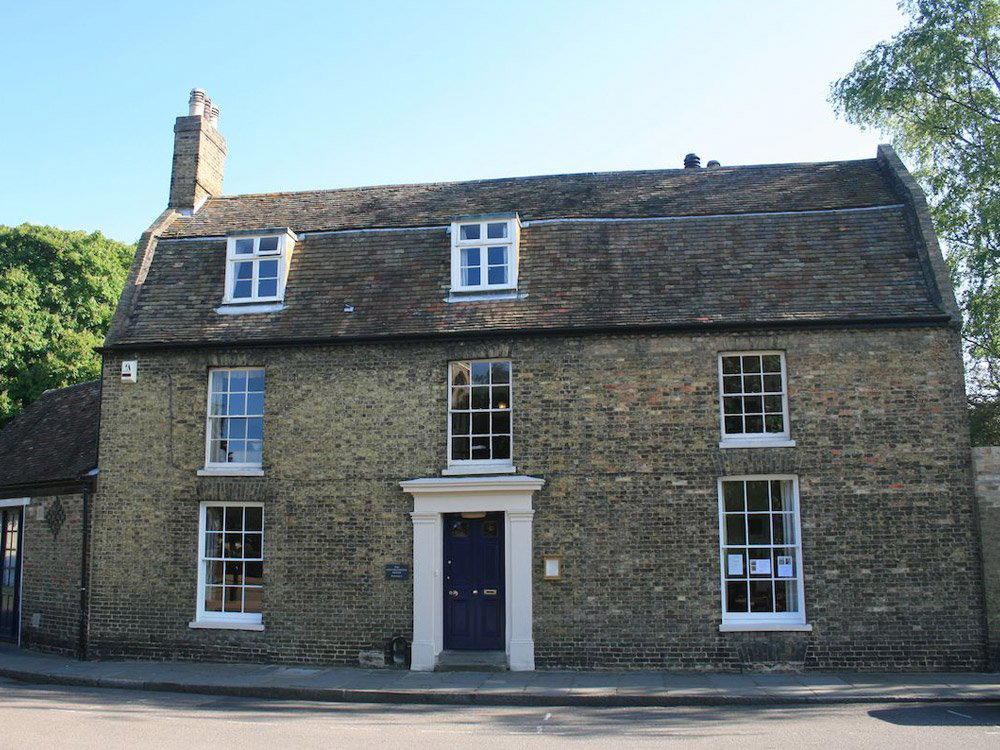
Operating from a Georgian building a short walk from Ely Cathedral since 1968, The Old Fire Engine House has spent more than five decades demonstrating that English cooking, at its most grounded and generous, needs no reinvention. The daily-changing menu draws on Norfolk crab, Cambridgeshire game, and seasonal local produce, served with a candour and portion generosity that has kept a loyal following returning for generations.

Pearl is the En Primeur Club membership app — saves, bookings, and concierge access live there. Same editors, same standards.
- Address
- 25 St Mary's St, ELY CB7 4ER, United Kingdom
- Phone
- +44 1353 662582
- Hours
- Mon ClosedTue–Sat 10:30 AM–8:30 PMSun 12–5:30 PM
- Website
- theoldfireenginehouse.co.uk
- Directions
- Get directions
The menu
What to order
- Braised beef
- Roast loin of pork
- Tomato and onion soup
A Georgian Room, a Walled Garden, and the Case for Staying the Course
Approaching 25 St Mary's Street on a grey Fenland afternoon, the building makes its intentions clear before you reach the door. The proportions are Georgian, the stonework weathered without apology, and the cathedral spire visible above the roofline as a quiet reminder of where you are. English market-town dining at this latitude has always operated in the shadow of grander culinary ambitions elsewhere, but The Old Fire Engine House has been answering that pressure with the same response since 1968: cook well, source locally, and be generous about it.
Inside, the floors are worn, the log fire in the bar is lit when the season calls for it, and the dining room windows look out over a walled garden that changes register with the months. Artworks hang throughout the building and rotate through a gallery space on the first floor, a detail that places the restaurant inside a longer tradition of English country-house hospitality where food and culture were expected to coexist. The atmosphere is sedate rather than hushed, and the service is described by those who visit regularly as kindly, if unhurried — a combination that signals either frustration or relief depending on your expectations walking in.
What English Cooking Actually Looked Like Before It Became a Brand
The rehabilitation of British cuisine is usually told as a 1990s story, with a handful of television chefs credited as its architects. That narrative, while not wrong, has a convenient blind spot: places like The Old Fire Engine House, which spent the preceding decades cooking English food without embarrassment, holding a regular listing in major national guides for more than thirty consecutive years. The restaurant's approach was never about positioning or trend-surfing. It was simply about cooking what the region produced, cooking it well, and repeating the exercise the following day with whatever had arrived that morning.
That context matters when placing The Old Fire Engine House in the current field. Cambridgeshire now has strong representation at the formal end of the spectrum, with Midsummer House in Cambridge operating at Michelin two-star level and drawing on a very different culinary vocabulary. Further afield, the tasting-menu format has come to dominate the conversation at places like L'Enclume in Cartmel and Moor Hall in Aughton. The Old Fire Engine House does not compete in that register and has never tried to.
The Produce Case: Fen Country as Larder
East Anglia's agricultural output has always been underrepresented in food writing relative to its actual quality. Norfolk crab, game from across Cambridgeshire and the surrounding counties, honey produced locally: these are the ingredients that appear regularly on The Old Fire Engine House menu, and their presence is not decorative. The Fens produce at volume and with seasonality that is sharper than almost anywhere else in England, given how directly the flat, open landscape responds to the calendar. A restaurant committed to using what the region offers will necessarily have a menu that shifts by the day, which is exactly what happens here.
The daily-changing format is a practical commitment to ingredient-led cooking rather than a marketing position. It means that what appears on the menu in September is genuinely different from what appears in February, and that the kitchen is working with produce at its moment of availability rather than engineering a fixed dish around a fixed delivery schedule. This approach aligns The Old Fire Engine House with a strand of English cooking that predates the modern farm-to-table framing by several decades — and arguably does it with less fanfare and more institutional memory.
Dishes documented from the kitchen include mitton of pork, a full-flavoured meat preparation matched with sweet-pickled red onion relish; whole roast pigeon in white wine; and a slow-cooked shoulder of lamb described as fall-off-the-bone in texture. Vegetables arrive on a separate plate, in portions that reflect a direct commitment to feeding people properly: puréed swede, shredded leeks and cabbage, cauliflower cheese. The tradition of offering seconds at the table is an established feature of the experience. The wine list runs to around 100 bottles, weighted toward established French regions at moderate prices.
Afternoon Tea and the Longer Ely Visit
The afternoon tea offering, which incorporates Cambridgeshire honey, extends the restaurant's usefulness beyond lunch and dinner bookings. Ely rewards a full day rather than a passing stop, with the cathedral and its surrounding streets accounting for several hours without difficulty. For visitors working through our full Ely experiences guide, the afternoon tea at The Old Fire Engine House provides a natural pause point between the morning and evening. The walled garden adds particular value in warmer months.
For those who want to extend the trip overnight, [our full Ely hotels guide]() covers the available options at various price levels. The town's scale means that most dining and accommodation is within walking distance of the cathedral, and the restaurant's location on St Mary's Street places it well within that compact radius.
Where This Fits in a Wider Itinerary
Cambridgeshire and the surrounding region offer a range of reference points for food-led travel. Those planning a circuit of serious English restaurants will find comparison useful across a broad spectrum: Gidleigh Park in Chagford and Hand and Flowers in Marlow represent different expressions of what English country dining can mean at high investment levels. The Ledbury in London and Waterside Inn in Bray anchor the formal end of the regional spectrum. The Old Fire Engine House occupies none of those brackets. It is a different argument about what English cooking is worth, and it has been making that argument continuously since 1968.
For further planning across Ely's dining options, [our full Ely restaurants guide]() covers the full range. Bars are detailed in [our full Ely bars guide](), and those interested in local wine and producers will find [our full Ely wineries guide]() a useful companion.
Frequently asked questions
Does The Old Fire Engine House work for a family meal?
The format suits families reasonably well. The dining room is sedate rather than formal, service is described as kindly, and the tradition of offering 'seconds' signals a generosity that takes the edge off feeding hungry tables. The daily-changing menu skews toward straightforward English cooking — roast pigeon, shoulder of lamb, lemon tart — so younger diners with conservative tastes are unlikely to be stranded.
What is the atmosphere like at The Old Fire Engine House?
The building is a Georgian property a short walk from Ely Cathedral, and the interior follows that lead: weathered floorboards, a log fire in the bar, windows overlooking a walled garden, and artworks for sale throughout, including a gallery and sitting room on the first floor. The pace is deliberately unhurried, with a loyal regular clientele that gives the room the feel of somewhere long settled rather than newly arrived. Open since 1968, it has the weight of accumulated habit behind it.
What kind of recognition has The Old Fire Engine House received?
The Old Fire Engine House has received recognition including: The term ‘old fashioned’, applied to our native cuisine, is rarely a compliment. But this cherished Ely stalwart, launched in 1968 and a regular Guide listing for more than three decades back in the day, is a reminder that decent English co….
What's the signature dish at The Old Fire Engine House?
The menu changes daily, so no single dish anchors every visit, but mitton of pork — a garlicky, full-flavoured meat loaf served with sweet-pickled red onion relish — appears in documented accounts of the kitchen's output and captures the house approach well. Slow-cooked shoulder of lamb and whole roast pigeon in white wine represent the broader register: traditional English technique applied to locally sourced Fenland and East Anglian produce.
Where do I go for The Old Fire Engine House?
The Old Fire Engine House is located at 25 St Mary's St, ELY CB7 4ER, United Kingdom, Ely.
How It Stacks Up
Comparable venues nearby, for context on price, style, and recognition.
| Venue | Cuisine | Price | Awards | Notes |
|---|---|---|---|---|
| The Old Fire Engine HouseThis venue — the venue you are viewing | Traditional English | $50–100 | The Good Food Guide GFG Good | Not listed |
| Peacocks Tearoom | Traditional English Tearoom | $10–20 | Not listed | Waterside |
| Rochelle Canteen | Seasonal Modern British | $30–50 | The Good Food Guide GFG Good | Bethnal Green |
| Hans' Bar & Grill | British Grill | $50–100 | Relais Chateaux Award | Knightsbridge |
| The Narrow | Modern British Gastropub | $50–100 | Not listed | Limehouse |
| Paternoster Chop House | Modern British Steakhouse | $50–100 | Not listed | Blackfriars |
Recognition history
Dated appearances from independent guides and award organizations, with the underlying list record or original source where available.
The Good Food Guide GFG Good
The Good Food Guide
Continue exploring
More in Ely
Restaurants in Ely
Browse all →
Bars in Ely
Browse all →
Hotels in Ely
Browse all →
Wineries in Ely
Browse all →
Details
- Cozy
- Classic
- Rustic
- Intimate
- Family
- Special Occasion
- Historic Building
- Garden
- Local Sourcing
- Garden
- A La Carte
- Set Menu
- Vegetarian Friendly
Current opening hours
- Monday
- Closed
- Tuesday
- 10:30 AM–8:30 PM
- Wednesday
- 10:30 AM–8:30 PM
- Thursday
- 10:30 AM–8:30 PM
- Friday
- 10:30 AM–8:30 PM
- Saturday
- 10:30 AM–8:30 PM
- Sunday
- 12–5:30 PM
Hours can change for holidays and private events. Last verified .
Warm, homely atmosphere in a historic Georgian house with weathered floorboards, log fire, sedate dining rooms overlooking a lush walled garden, and artworks for sale, evoking a family home feel.