The Marc occupies a considered position within Edmonton's maturing fine-dining corridor along 106 Street, drawing on Canadian culinary traditions in a city increasingly willing to fund serious restaurant ambitions. For visitors working through the city's upper tier, it sits alongside Bündok and Rge rd as a reference point for where Edmonton's dining identity is currently being tested and refined.
Pearl is the En Primeur Club membership app — saves, bookings, and concierge access live there. Same editors, same standards.
- Address
- 9940 106 St, Edmonton, AB T5K 2N2, Canada
- Phone
- +17804292828
- Website
- themarc.ca
- Directions
- Get directions
 Saves & bookings on Pearl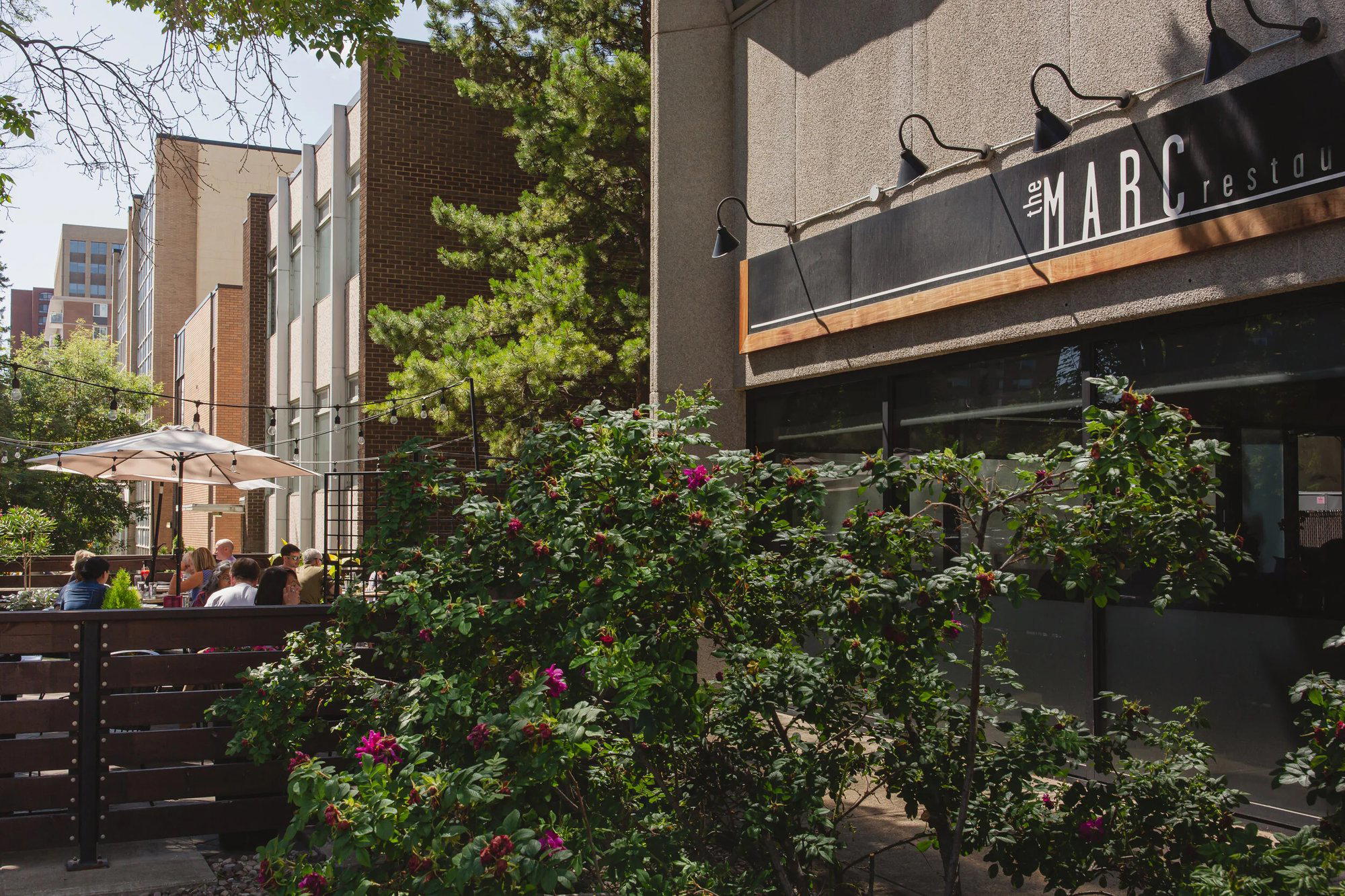
Edmonton's Fine-Dining Corridor and Where The Marc Fits
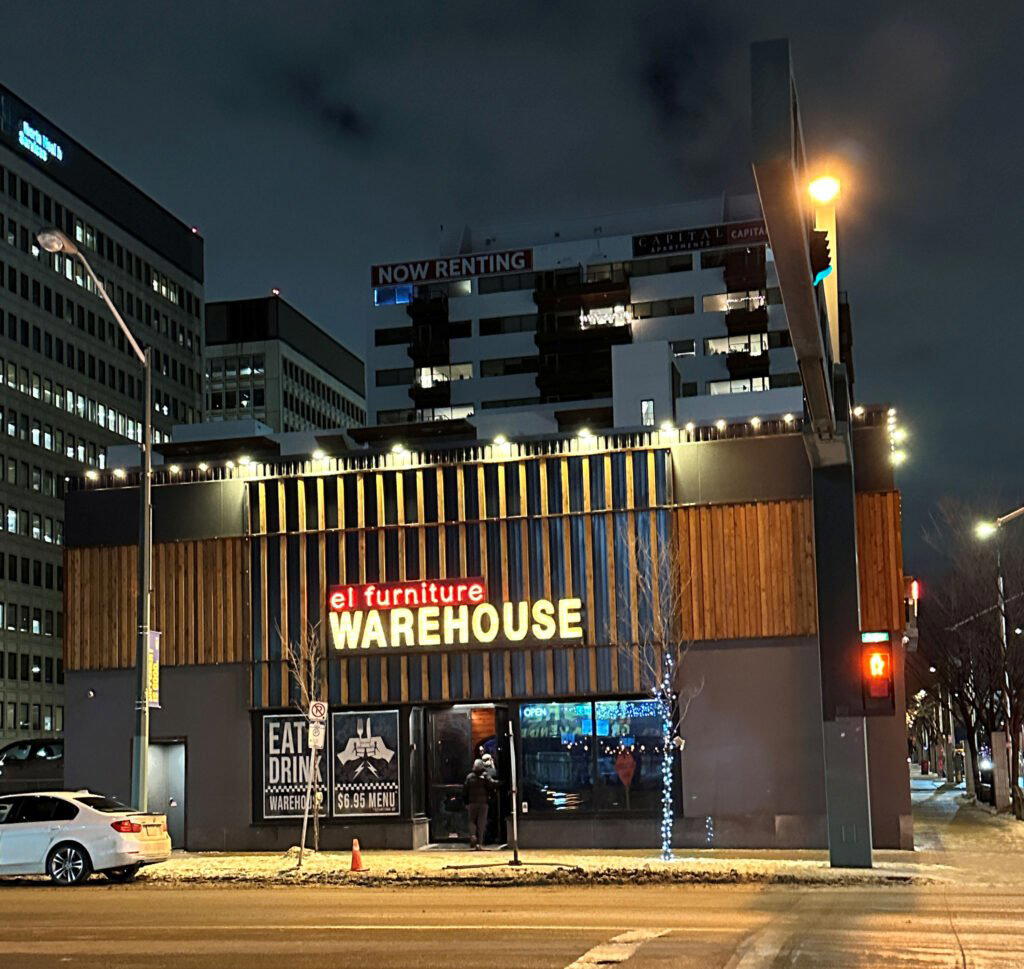
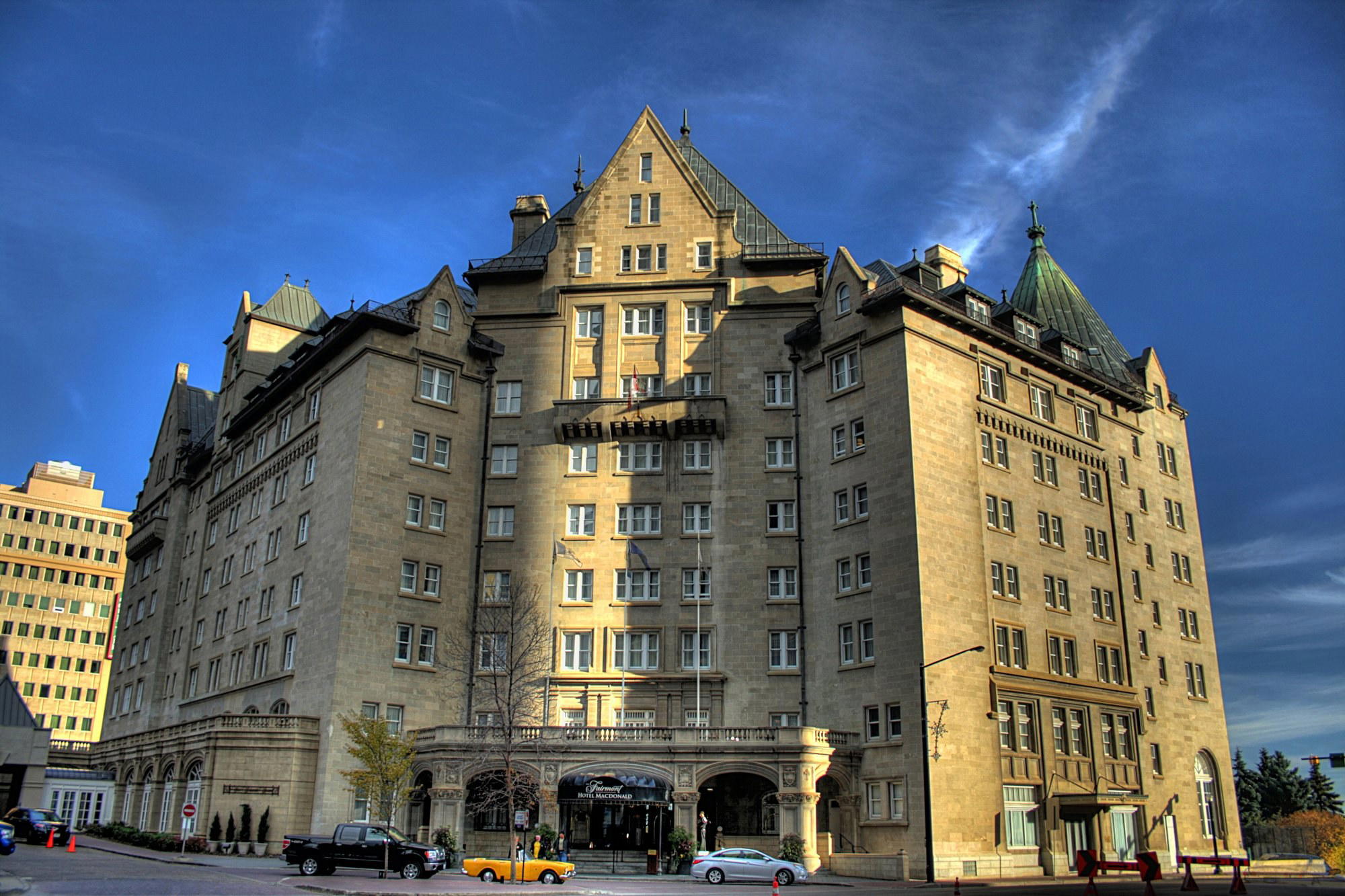
Edmonton's restaurant scene has spent the better part of a decade sorting itself into tiers. At the leading end, a small cluster of addresses along and near the downtown core has begun doing the kind of cooking that earns national attention, the sort of conversation once monopolized by Toronto, Montreal, and Vancouver. The Marc, at 9940 106 Street, sits inside that upper corridor, in a part of the city where ambition has been concentrating steadily. Arriving here, you are already in a neighbourhood that signals intent: the architecture is mixed, the street has commercial weight, and the building's presence reads as something deliberate rather than incidental. That sense of purpose carries into the room.
To understand The Marc's position in Edmonton, it helps to understand what Edmonton's fine-dining market has been doing broadly. The city's higher-end operators have increasingly moved away from generic continental formats toward programs with a clearer editorial point of view, whether that means Canadian regional sourcing, tasting-menu discipline, or beverage programs serious enough to anchor a full evening. Rge rd (Canadian) built its identity around Alberta producers and hyper-local sourcing; Bündok occupies the refined neighbourhood-restaurant tier with a tighter format. The Marc enters this competitive set as a more formally structured proposition, and the address on 106 Street places it where the city's professional and cultural infrastructure converges.
Canadian Fine Dining as a Cultural Category
There is a broader argument worth making about what Canadian fine dining actually means in 2024, because the category has been genuinely contested. For years, the comparison set defaulted to French technique filtered through local ingredients: a kind of colonial culinary grammar dressed in Boreal vocabulary. What has changed, slowly and then quickly, is the willingness of serious Canadian kitchens to treat indigenous ingredients, regional traditions, and climate-specific produce as the architecture of a meal rather than its decoration. You see this most clearly at addresses like Tanière³ in Quebec City and AnnaLena in Vancouver, where the cuisine's cultural roots are the starting point rather than an afterthought. Alo in Toronto and Jérôme Ferrer - Europea in Montreal represent the European-formal end of the spectrum, where technique remains the primary language even when local sourcing provides the vocabulary.
Edmonton operates within this national tension. Alberta's agricultural wealth, its beef and grain and cold-climate produce, gives kitchens in the city a specific larder to work from. The question for any serious restaurant here is whether that larder becomes a genuine culinary argument or simply a marketing frame. At its most considered, Edmonton's upper-tier dining has been pushing toward the former. Properties like Eigensinn Farm in Singhampton have demonstrated nationally that Canadian fine dining can carry philosophical weight when the sourcing relationship is structural rather than decorative. The same principle applies at urban addresses working from the same ingredients but in a different format.
What the Room and Format Signal
The structure of a fine-dining room tells you something before the first course arrives. Format choices, counter versus table, tasting menu versus à la carte, length of service, all communicate the kitchen's assumptions about its audience. Edmonton has seen both formats succeed: the counter-and-tasting model rewards patience and signals a kitchen confident in its own sequence; à la carte at the upper end signals a kitchen confident in individual execution.
Nationally, the restaurants that have built the most sustained reputations in smaller or emerging markets have done so by treating the local competitive set as secondary and benchmarking instead against the leading work being done anywhere in the country. Narval in Rimouski is the clearest example of this dynamic: a small-city address operating with the discipline and sourcing logic of a major metropolitan program. Restaurant Pearl Morissette in Lincoln and The Pine in Creemore both built national profiles by refusing to calibrate down to their geography. The Marc's position in Edmonton follows that same logic.
Planning a Visit
The Marc is located at 9940 106 Street in Edmonton's downtown core, an area with reasonable access from the city's central hotel district and navigable by transit or short cab ride from most of the urban core. Edmonton's upper-tier restaurants have tightened their booking windows in recent years, with the most in-demand tables filling two to four weeks out; confirming early is standard practice at this level regardless of specific venue. For a full picture of where The Marc sits relative to the rest of Edmonton's dining options, our full Edmonton restaurants guide maps the competitive set across price tiers and cuisine types.
For travellers extending beyond Edmonton, the Alberta and broader western Canada dining circuit connects logically to Bearspaw Golf Club in Calgary for a different format, while those moving east toward Ontario will find Barra Fion in Burlington and Biagio's Kitchen + Catering in Ottawa useful anchors. For the transatlantic comparison, the technical benchmark at Le Bernardin in New York City and the genre-defining work at Atomix in New York City illustrate how cultural context shapes tasting-menu ambition at the highest tier. Aux Anciens Canadiens in Quebec offers the useful counterpoint of a Canadian restaurant where the cultural argument is historical rather than contemporary, a different mode of the same national conversation Edmonton's leading kitchens are now engaged in.
- Entrecôte Frites
- Duck Breast
- Moules Frites
- Beef Tartare
- Escargot
- Charcuterie Boards
How The Marc Edmonton compares with similar nearby venues.
| Venue | Cuisine |
|---|---|
| Rge rd | Canadian |
At a Glance
- Classic
- Elegant
- Sophisticated
- Cozy
- Date Night
- Business Dinner
- Group Dining
- Special Occasion
- Standalone
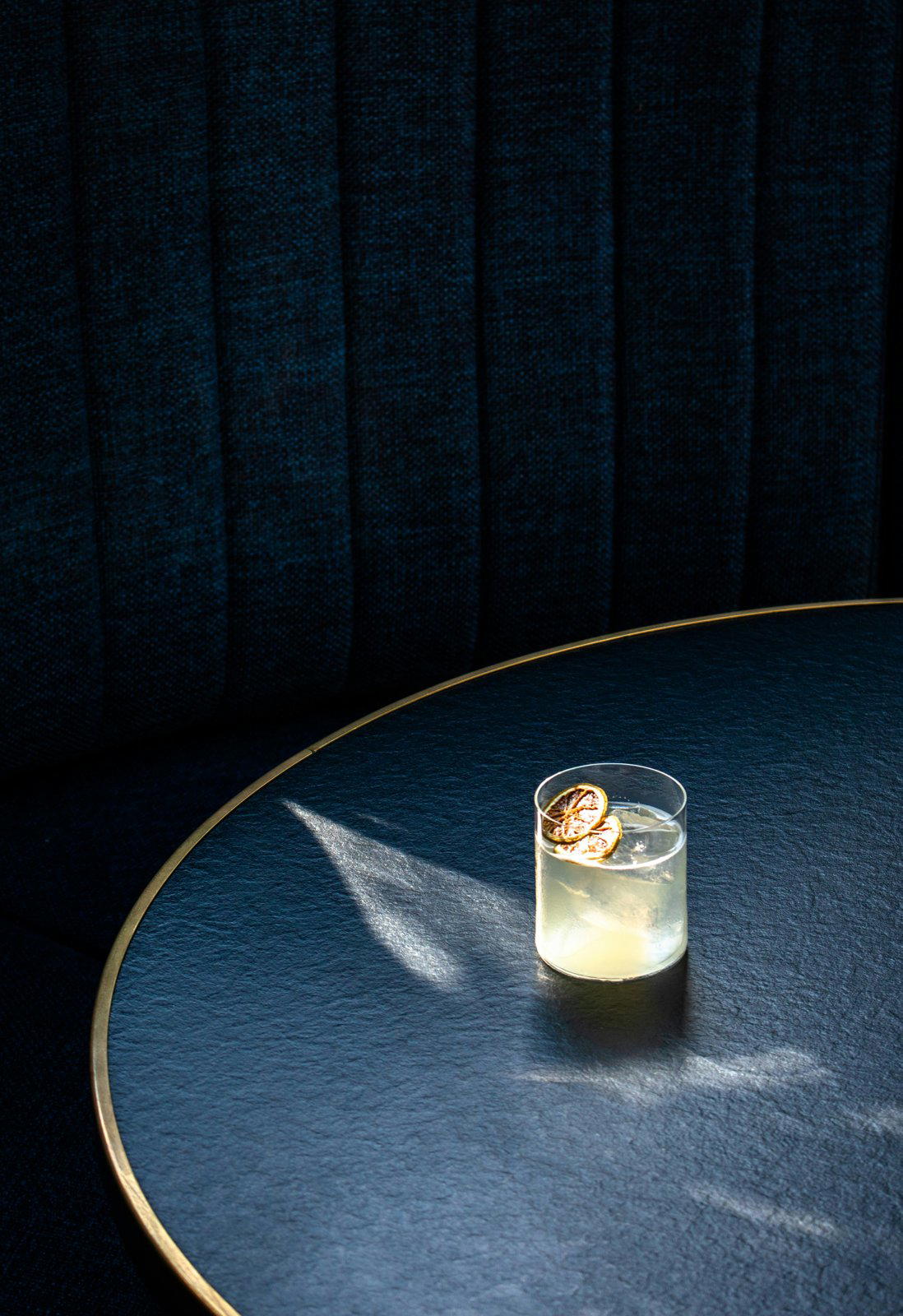
- Craft Cocktails
- Local Sourcing
- Farm To Table
Current opening hours
- Monday
- Closed
- Tuesday
- 11:30 AM–1:30 PM, 5–10 PM
- Wednesday
- 11:30 AM–1:30 PM, 5–10 PM
- Thursday
- 11:30 AM–1:30 PM, 5–10 PM
- Friday
- 11:30 AM–1:30 PM, 5–10 PM
- Saturday
- 5–10 PM
- Sunday
- Closed
Hours can change for holidays and private events. Last verified .
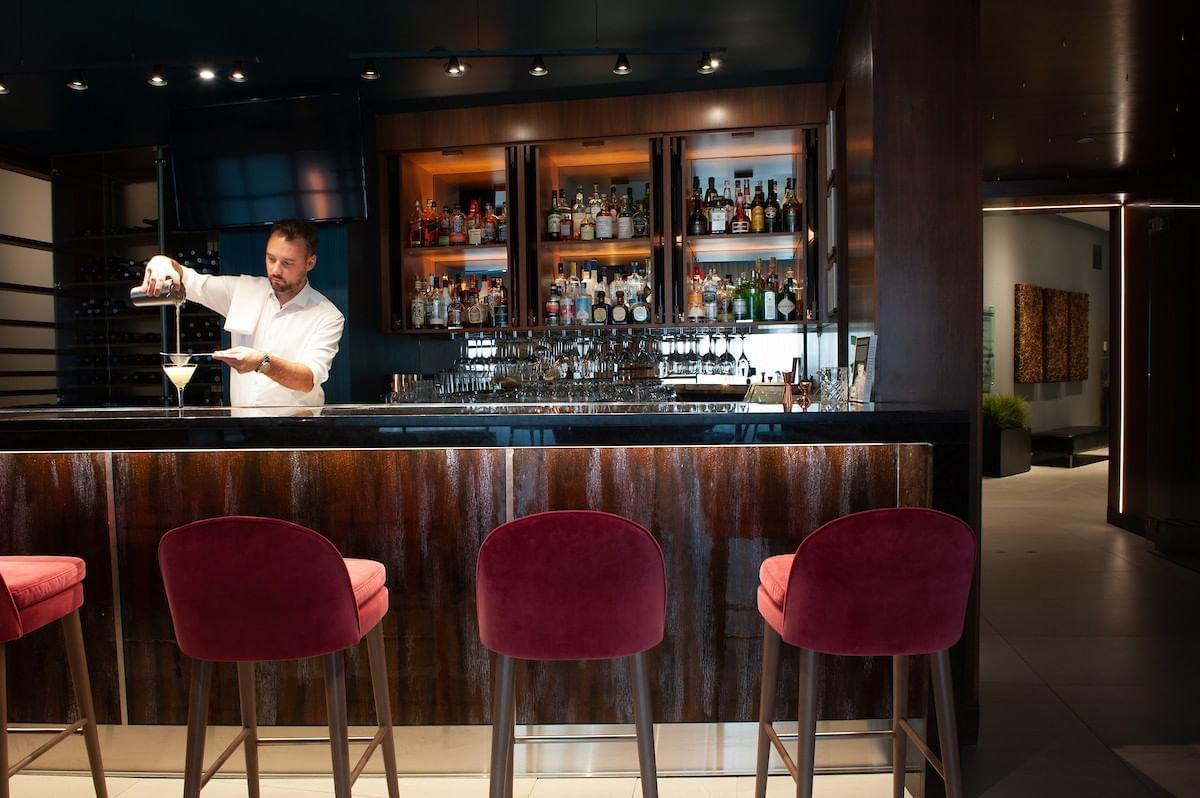
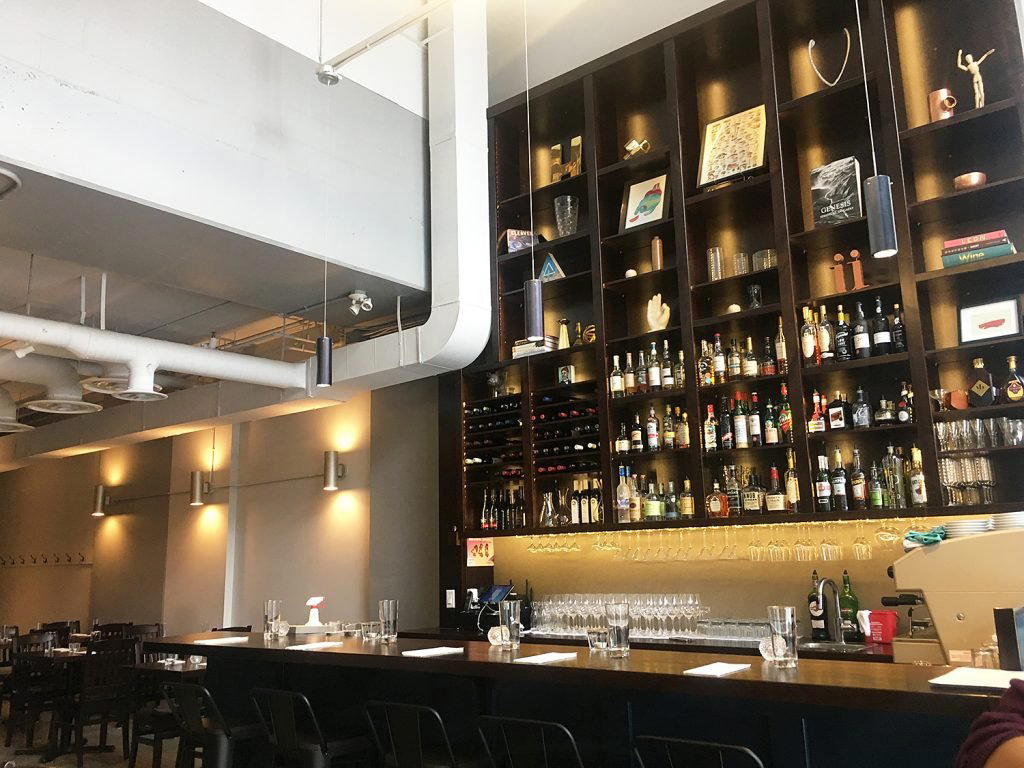
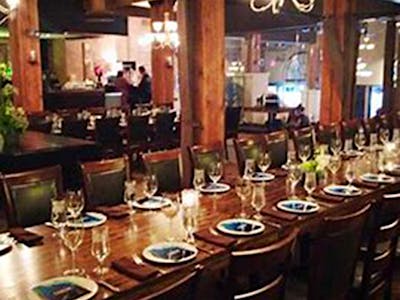
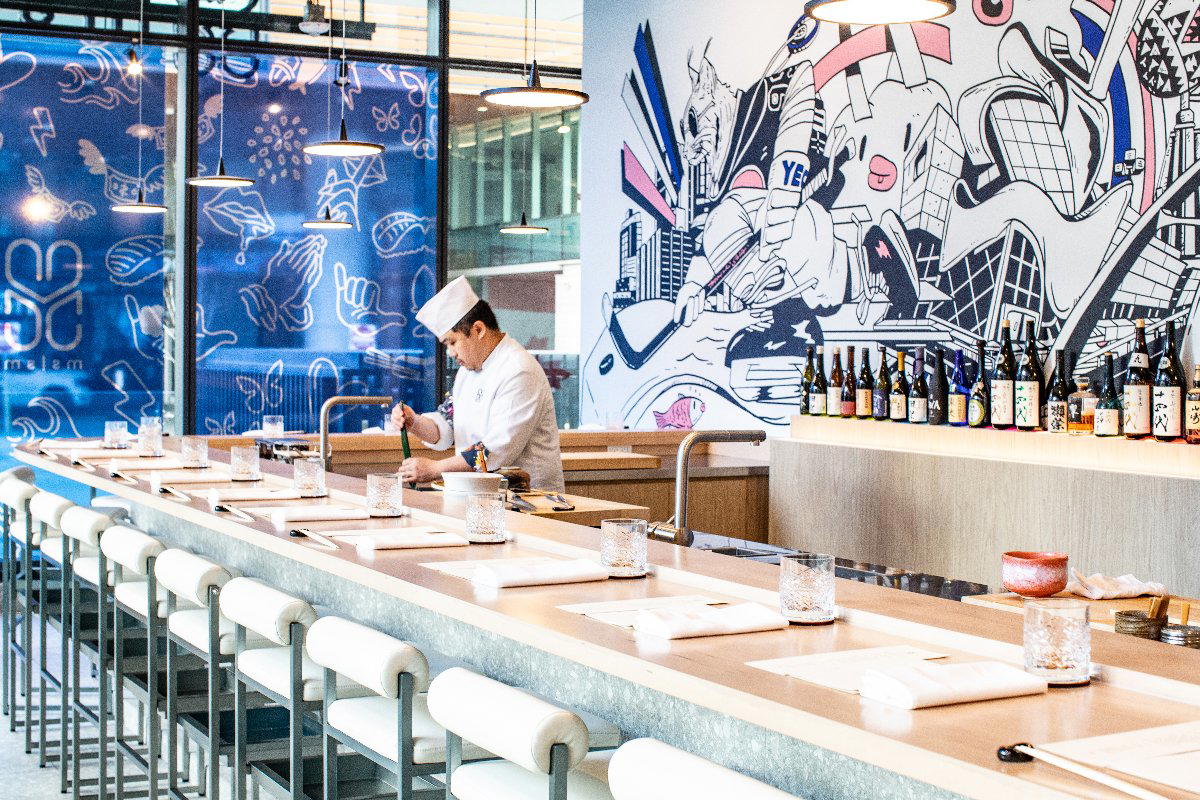
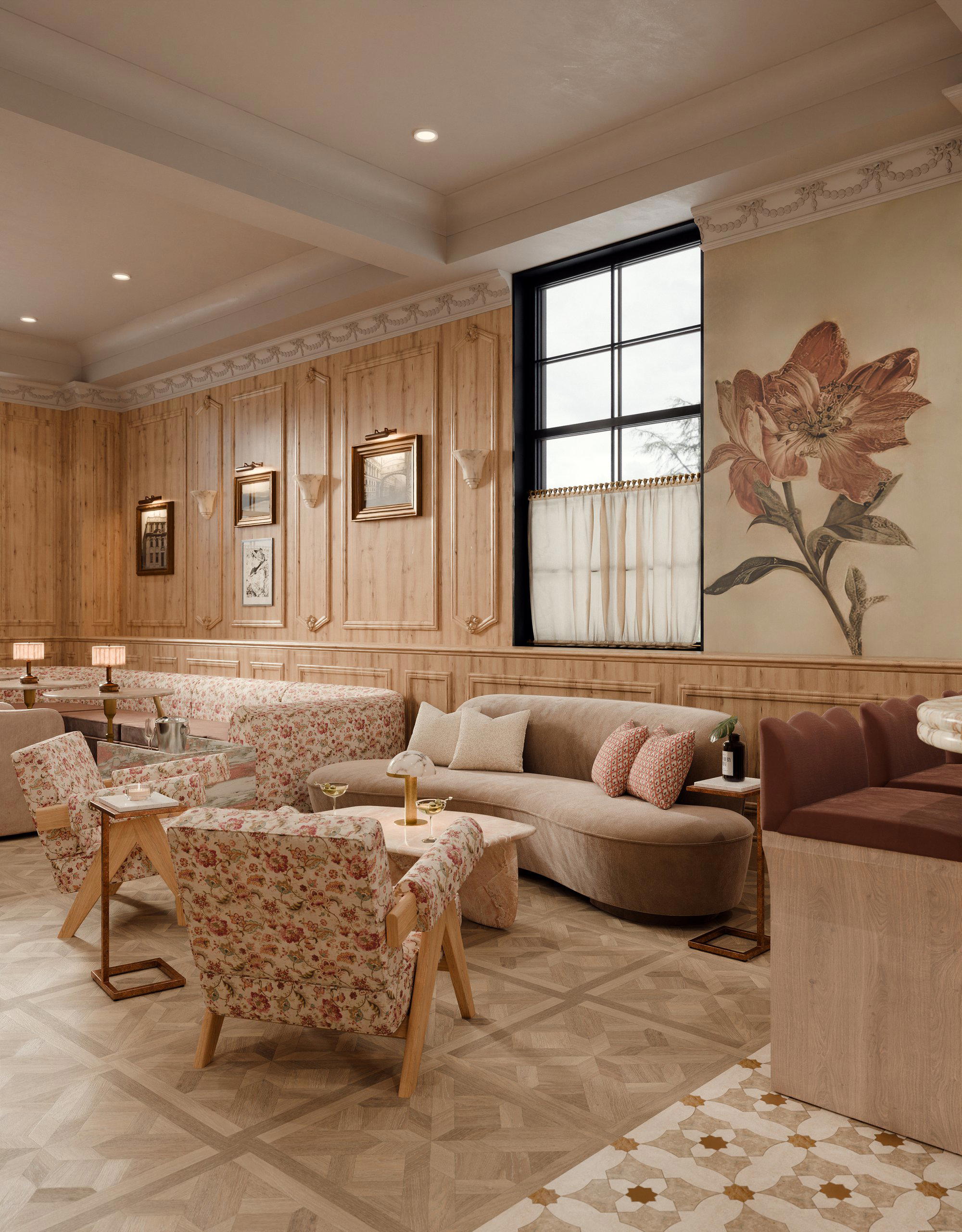
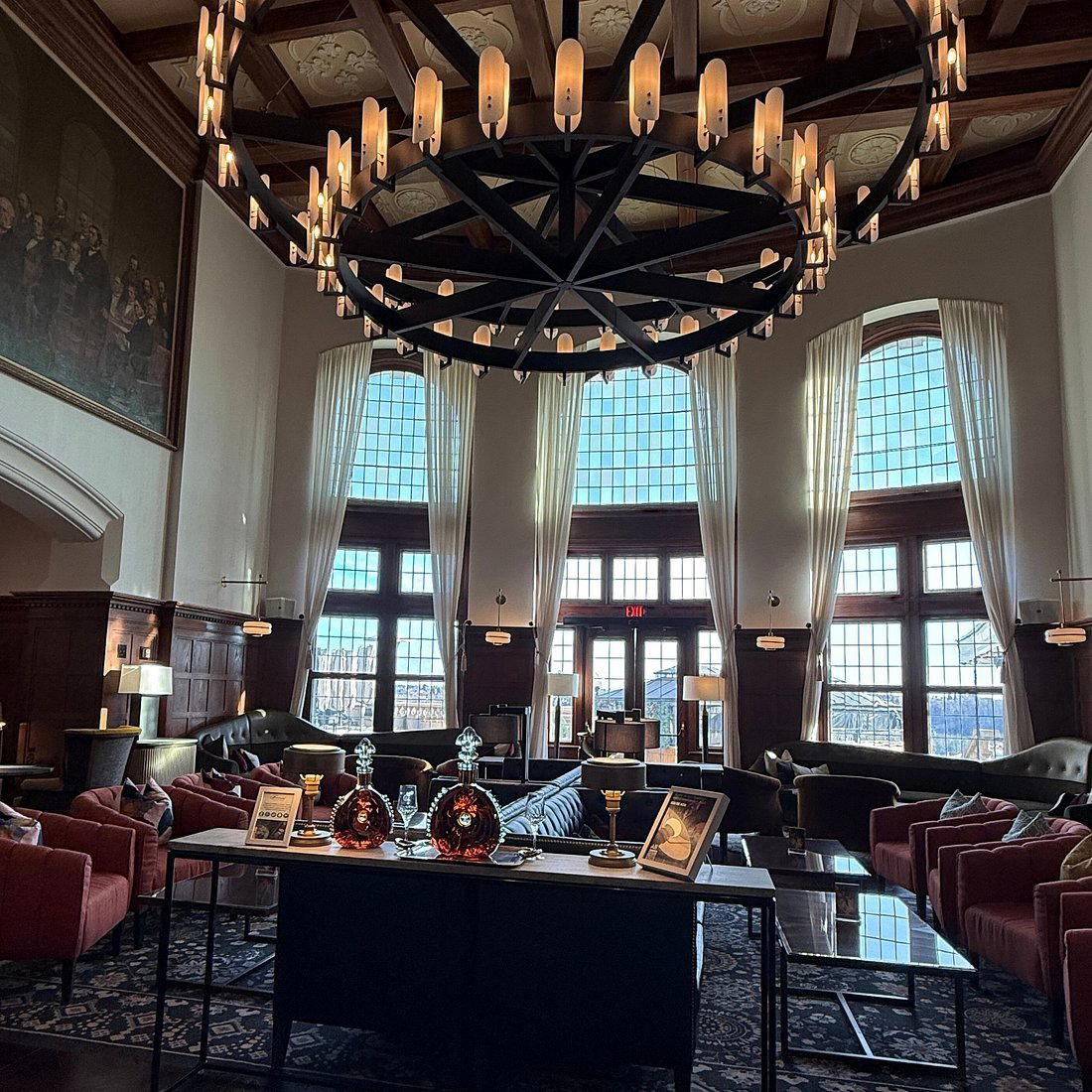
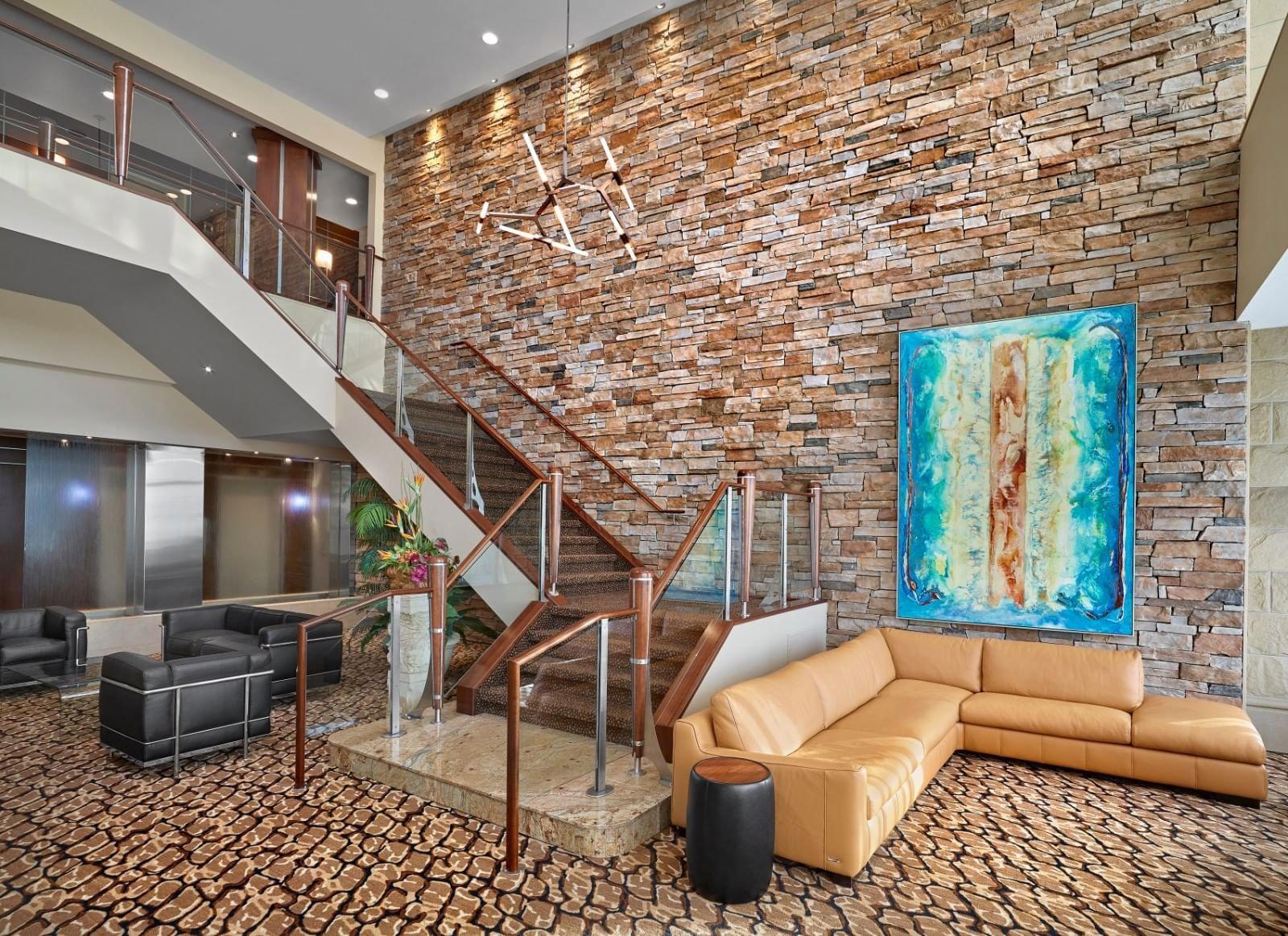
Warm and inviting interior with knowingly casual vibe underpinned by smooth professionalism; intimate bistro atmosphere with honest, fresh aesthetic.
Know Before You Go
- Getting there
- 9940 106 St, Edmonton, AB T5K 2N2, Canada