
Perched above the North Saskatchewan River in a French Renaissance château that dates to Edmonton's railway era, the Fairmont Hotel MacDonald delivers 198 rooms of thoroughly contemporary Fairmont luxury inside a genuinely historic shell. The grand afternoon tea and lavish named suites — Churchill, King Edward VIII, Queen Elizabeth II — place it in the upper tier of Canada's celebrated railway hotel collection.
Pearl is the En Primeur Club membership app — saves, bookings, and concierge access live there. Same editors, same standards.
- Address
- 10065 100 St NW, Edmonton, AB T5J 0N6
- Phone
- +1 780-424-5181
- Website
- fairmont.com
- Directions
- Get directions
 Saves & bookings on Pearl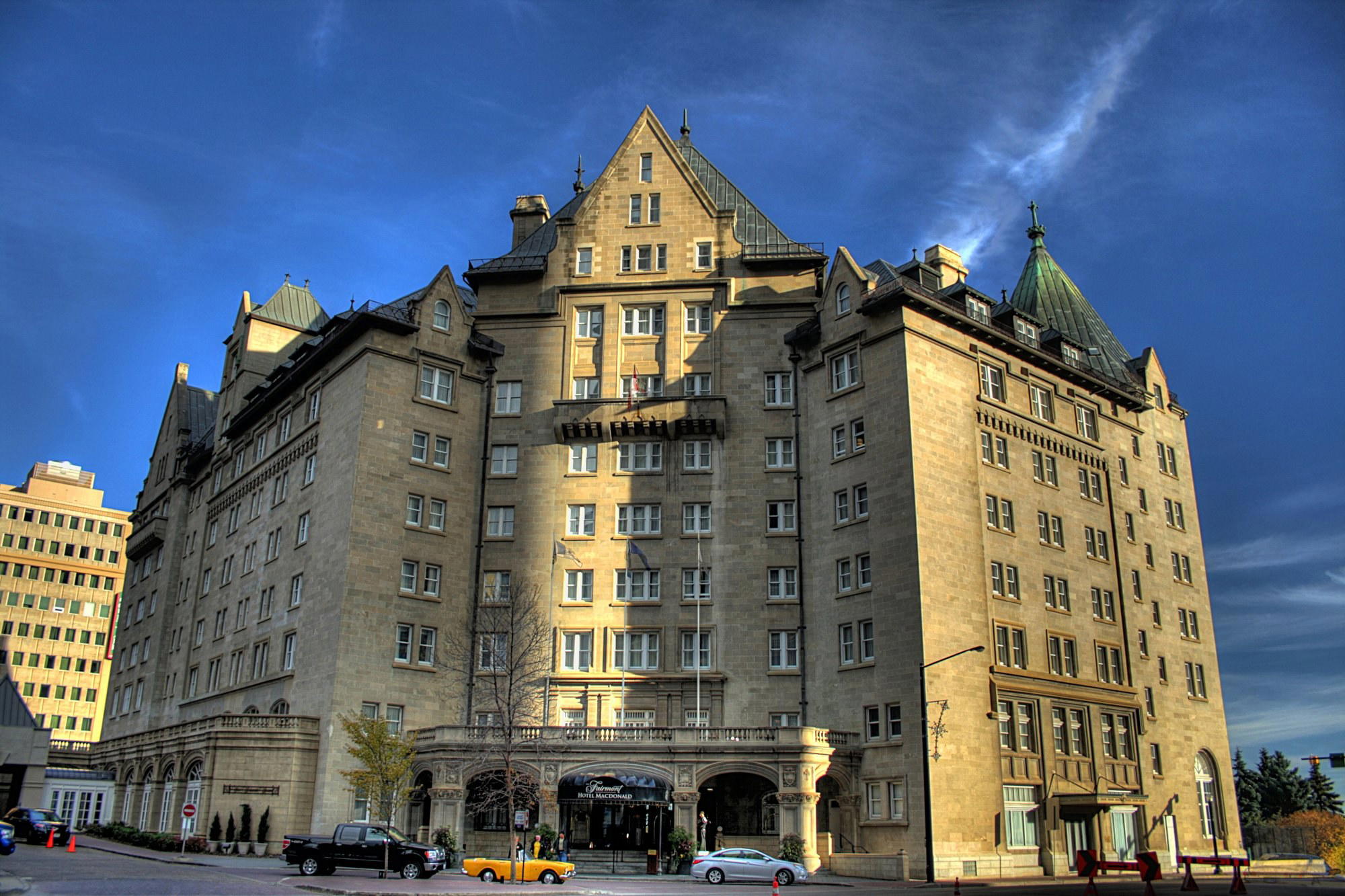
A Castle on the River Bluff
Canada's chain of grand railway hotels occupies a category with no real equivalent elsewhere in North America. Built to anchor transcontinental travel, these châteaux were designed to make the journey itself feel consequential — stone towers, steep copper rooflines, corridors wide enough to feel ceremonial. The Fairmont Hotel MacDonald, positioned above the North Saskatchewan River valley at the edge of downtown Edmonton, is one of the clearest expressions of that tradition still operating at full luxury register. Its French Renaissance exterior reads almost anachronistically against the city skyline, which makes arriving here feel genuinely different from checking into a contemporary tower hotel two blocks away.
Edmonton doesn't receive the same reflexive luxury-travel attention as Calgary or Vancouver, but the MacDonald has been shaping the city's hospitality standard for long enough that its position is simply assumed. It's not competing to prove itself; it's the reference point against which other Edmonton hotels are measured. For travellers planning around the city's peak winter months — January and February draw visitors for festivals, indoor culture, and the particular stillness of the river valley under snow, the hotel's river-bluff setting makes it a considerably more atmospheric base than anything in the central business district proper.
Inside the Château: Rooms, Suites, and the Logic of the Property
The 198-room count places the MacDonald in a middle tier for a Fairmont property, larger than a boutique but compact enough that the staff-to-guest ratio stays at a level where service actually functions with precision. Fairmont's operational model, applied consistently across its Canadian château portfolio, emphasises anticipatory service over reactive hospitality: the assumption is that requests should be met before they're made, and the hotel's physical scale supports that.
At the top of the room hierarchy sit the named suites, Churchill, King Edward VIII, and Queen Elizabeth II, a naming convention that signals both the hotel's historical self-positioning and its target guest profile. Named suites at legacy hotels carry a different logic than numbered suites at newer properties: they're bought partly as a narrative, an association with a lineage of guests who have occupied the same rooms. Whether that narrative justifies the premium depends on how a traveller weights history against pure square footage, but at the MacDonald, the rooms themselves are, by Fairmont's own standards, thoroughly contemporary in equipment and finish. The château shell contains a hotel that has been updated rather than preserved in amber.
Compared to sister properties like Fairmont Banff Springs in Banff or Fairmont Chateau Lake Louise in Lake Louise, both of which carry a similar architectural DNA and comparable room profiles, the MacDonald operates in a city context rather than a resort one. That distinction matters: guests here are as likely to be in Edmonton for business, hockey, or theatre as for pure leisure, and the hotel's service cadence reflects that mixed-use reality. The Fairmont Empress Hotel in Victoria and Fairmont Chateau Whistler in Whistler complete the core Canadian château set, each occupying a distinct regional register, the MacDonald's is the prairie city, where the river valley provides the drama that mountains supply elsewhere.
The Afternoon Tea Question
Afternoon tea at a grand hotel is a cultural performance as much as a food service, and the MacDonald's version is consistently cited as one of Edmonton's most regarded. The Empress in Victoria has set the benchmark for Canadian hotel afternoon tea for decades, it draws visitors specifically for the ritual rather than as an incidental amenity, and the MacDonald operates within that same tradition, if at a different scale of institutional fame. In the winter months, when Edmonton's short daylight hours push social life indoors and the river valley sits under ice, afternoon tea becomes a particularly coherent way to spend the middle hours of the day. It serves a function beyond the ceremonial: it's a warm room with good service and structured eating in a city where the temperature outside may be well below freezing.
For visitors to the broader Canadian luxury hotel circuit, the parallel afternoon tea offerings at Manoir Hovey in North Hatley or the dining programs at Hotel Le Germain Montreal in Montreal offer a useful calibration: different regional interpretations of what hotel hospitality can mean in the Canadian context. The MacDonald's afternoon tea sits in the formal, tradition-led camp rather than the contemporary-reinterpretation camp, an important distinction for guests who care about which version they're getting.
Edmonton as a Hotel Destination
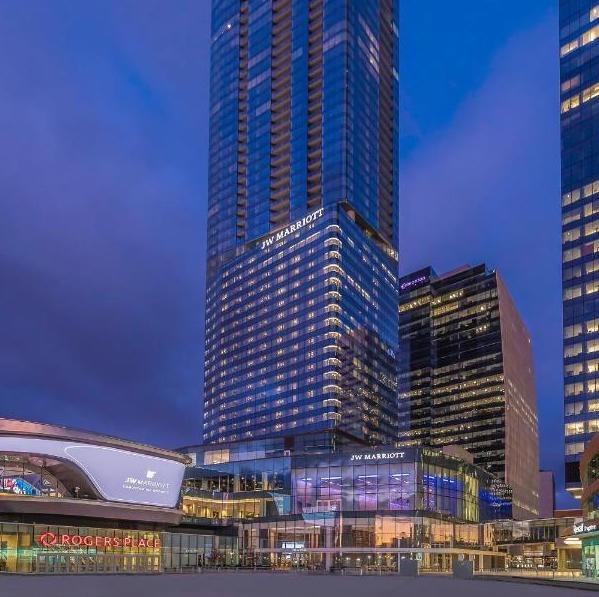
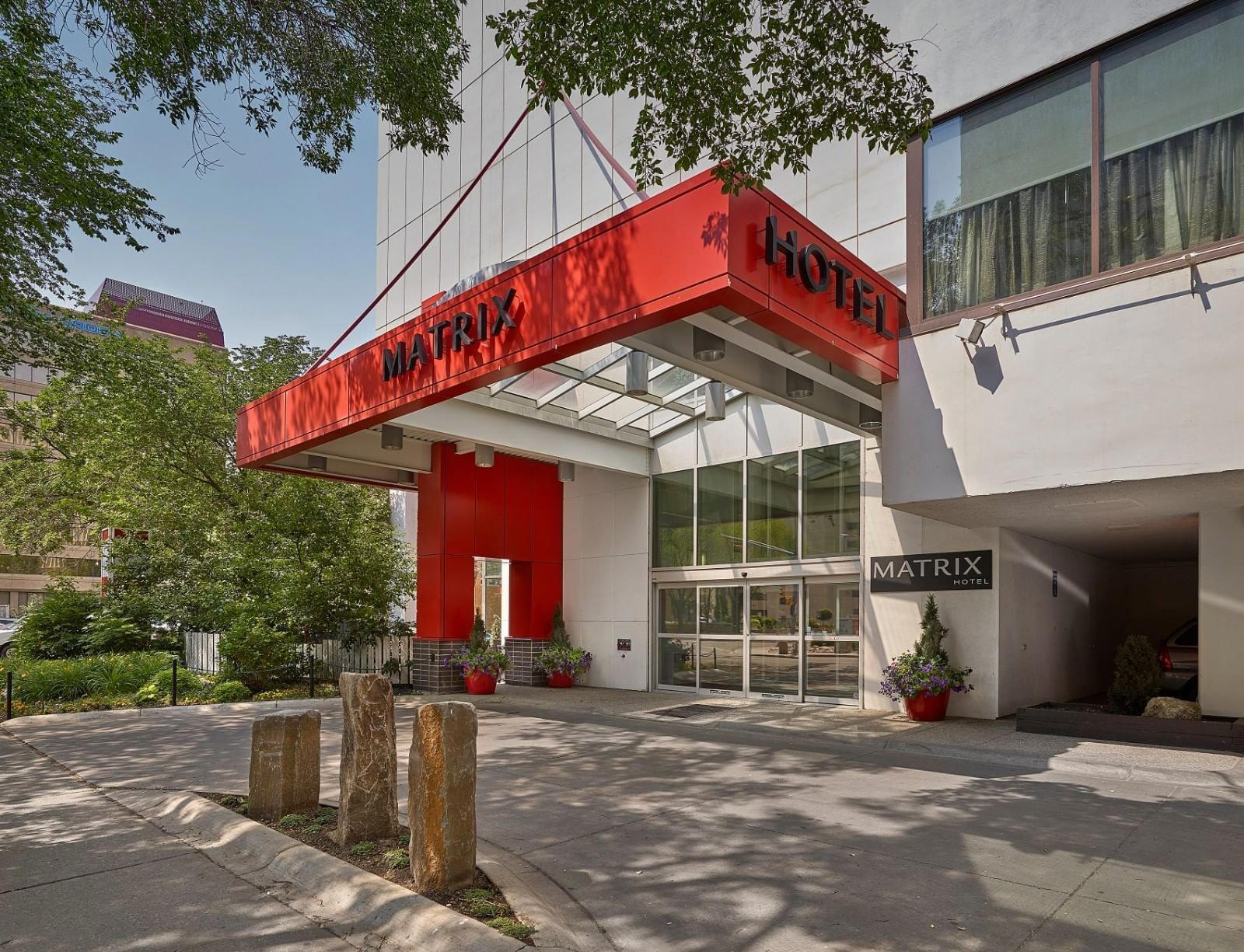
Edmonton's hotel market is more competitive at the independent and boutique level than its reputation might suggest. Properties like Matrix Hotel and Metterra Hotel on Whyte represent the city's design-forward, neighbourhood-rooted alternative to grand-hotel formality. The choice between these tiers reflects a fundamental travel decision: proximity to local texture versus the full-service certainty of an internationally operated property. Neither is wrong; they serve genuinely different guest agendas.
The MacDonald's position at 10065 100 Street NW puts it close to the river valley trail system, relevant for winter visitors who want to access the valley even in cold months, and within walking distance of the downtown arts and culture quarter. For a broader read on the city's restaurant and hospitality scene, our full Edmonton restaurants guide maps the dining options by neighbourhood. For travellers plotting a wider western Canadian arc, the logical companion properties are the Fairmont Banff Springs and Chateau Lake Louise, with The Dorian, Autograph Collection in Calgary as the contemporary alternative on the corridor south. Those building a longer Canadian route might also consider Rosewood Hotel Georgia in Vancouver or, for something further afield, Fogo Island Inn in Joe Batt's Arm and Clayoquot Wilderness Lodge in Tofino, both representing a very different expression of Canadian hospitality ambition.
Planning Your Stay
Booking lead times at the MacDonald vary considerably by season. The hotel's peak demand arrives in winter (January through February) and again in the summer festival window. For named suites specifically, planning two to three months ahead is advisable during peak periods. The hotel's 198-room count means availability is more consistent than at smaller properties, but the suite tier does compress quickly during major events. Guests arriving for afternoon tea should confirm reservations directly with the hotel, as seating is structured and the service does not function as a walk-in offering at peak times. Standard rooms follow Fairmont's usual booking infrastructure, with Fairmont Bonvoy membership carrying the expected priority-access and rate advantages across the network.
How Fairmont Hotel MacDonald Edmonton compares with similar nearby venues.
| Venue | Awards |
|---|---|
| Fairmont Hotel MacDonald | Michelin 1 Key |
Recognition history
Dated appearances from independent guides and award organizations, with the underlying list record or original source where available.
Michelin 1 Key
Michelin
Michelin 1 Key
Michelin
At a Glance
- Well Known
- Elegant
- Sophisticated
- Classic
- Scenic
- Business Trip
- Celebration
- Destination Wedding
- Romantic Getaway
- Weekend Escape
- Historic Building
- Panoramic View
- Waterfront
- Terrace
- Destination Spa
- Wi Fi
- Pool
- Spa
- Fitness Center
- Concierge
- Room Service
- Business Center
- Valet Parking
- Waterfront
- Skyline
- Wi Fi
- Pool
- Spa
- Fitness Center
- Concierge
- Room Service
- Business Center
- Valet Parking
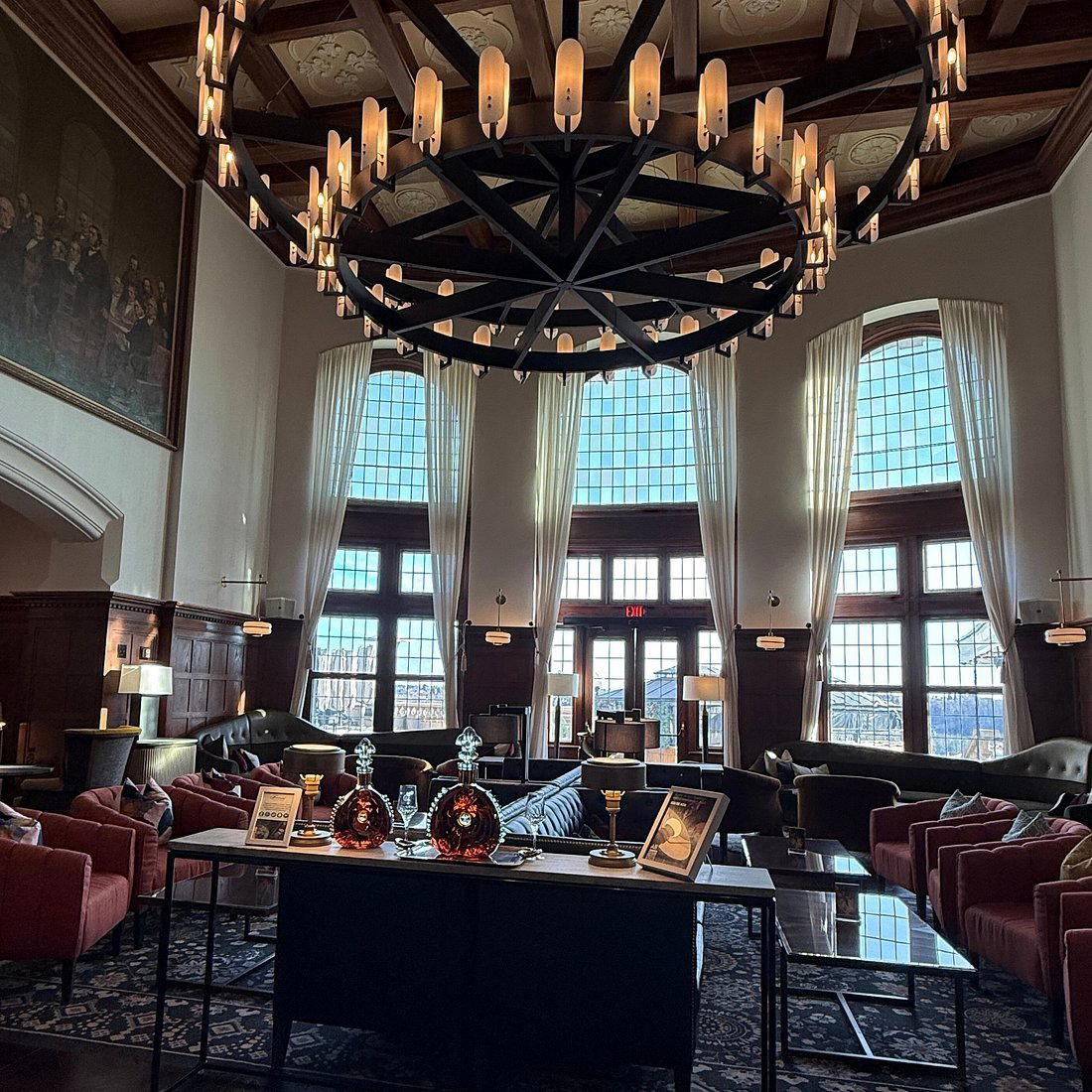
Grand, elegant, and heritage-rich, with a chateau-like atmosphere, vaulted stone-and-wood interiors, river-valley views, and a formal luxury feel.
Know Before You Go
- Getting there
- 10065 100 St NW, Edmonton, AB T5J 0N6