The Lime Tree

A West Didsbury fixture that readers return to year after year, The Lime Tree occupies a pair of rooms on Lapwing Lane, a conservatory and a wood-fireplace parlour, and serves a bistro menu built around direct European classics: mussels marinière, 21-day dry-aged sirloin, and a good-value set menu that pulls its weight without overreaching. Accessible wine pricing and warm service complete the picture.
Pearl is the En Primeur Club membership app — saves, bookings, and concierge access live there. Same editors, same standards.
- Address
- 8 Lapwing Ln, West Didsbury, Manchester M20 2WS, United Kingdom
- Phone
- +44 161 445 1217
- Website
- thelimetreerestaurant.co.uk
 Saves & bookings on Pearl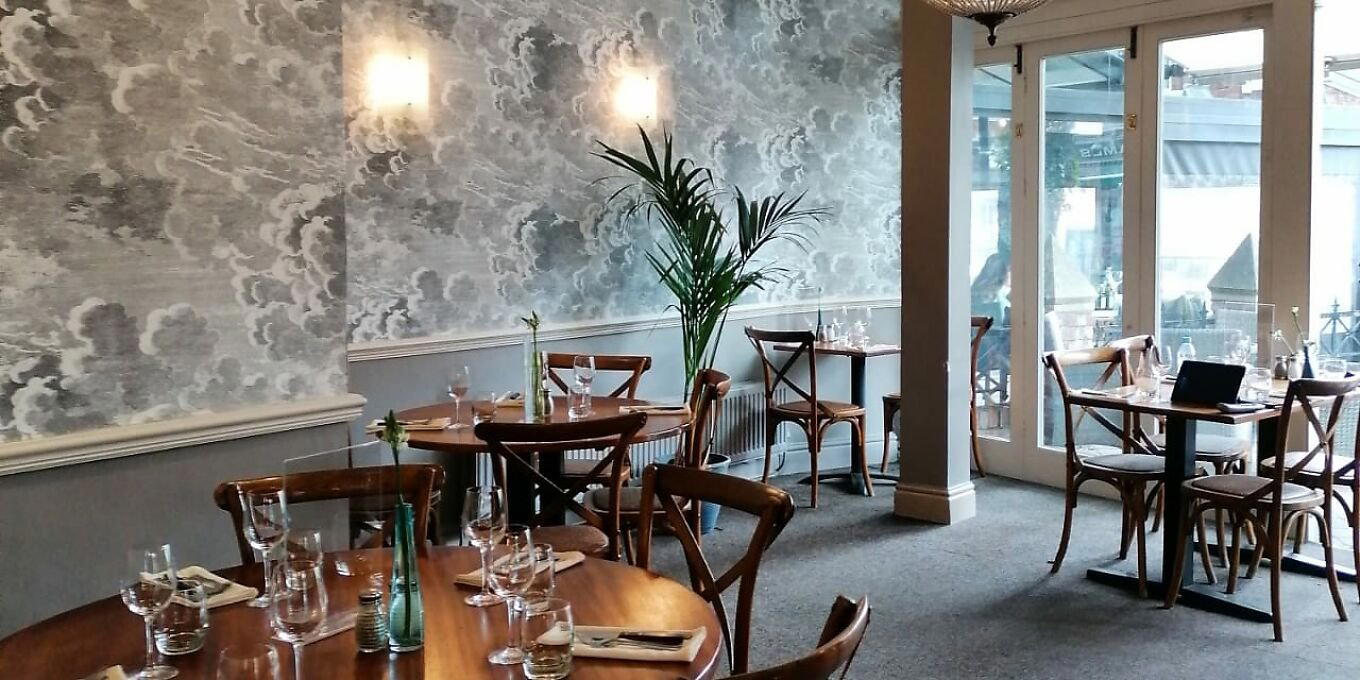
What West Didsbury Neighbourhood Dining Actually Looks Like
Manchester's restaurant conversation tends to default to the city centre, Spinningfields openings, Northern Quarter buzz, Ancoats ambition. What gets discussed less is the quiet durability of the neighbourhood dining room, the kind of place that earns its reputation not through critical fanfare but through the loyalty of the people who live nearby. West Didsbury has developed one of the more coherent neighbourhood dining strips in Greater Manchester, with Lapwing Lane at its core. The restaurants here compete less on novelty and more on consistency, value, and the kind of atmosphere that makes midweek dinners feel worth the effort.
The Lime Tree is a restaurant in West Didsbury, Manchester, serving Contemporary British Brasserie cooking. It occupies the middle ground that is actually the hardest to execute well: a proper dinner out, without the ceremony or the invoice of a destination restaurant.
Two Rooms, One Consistent Register
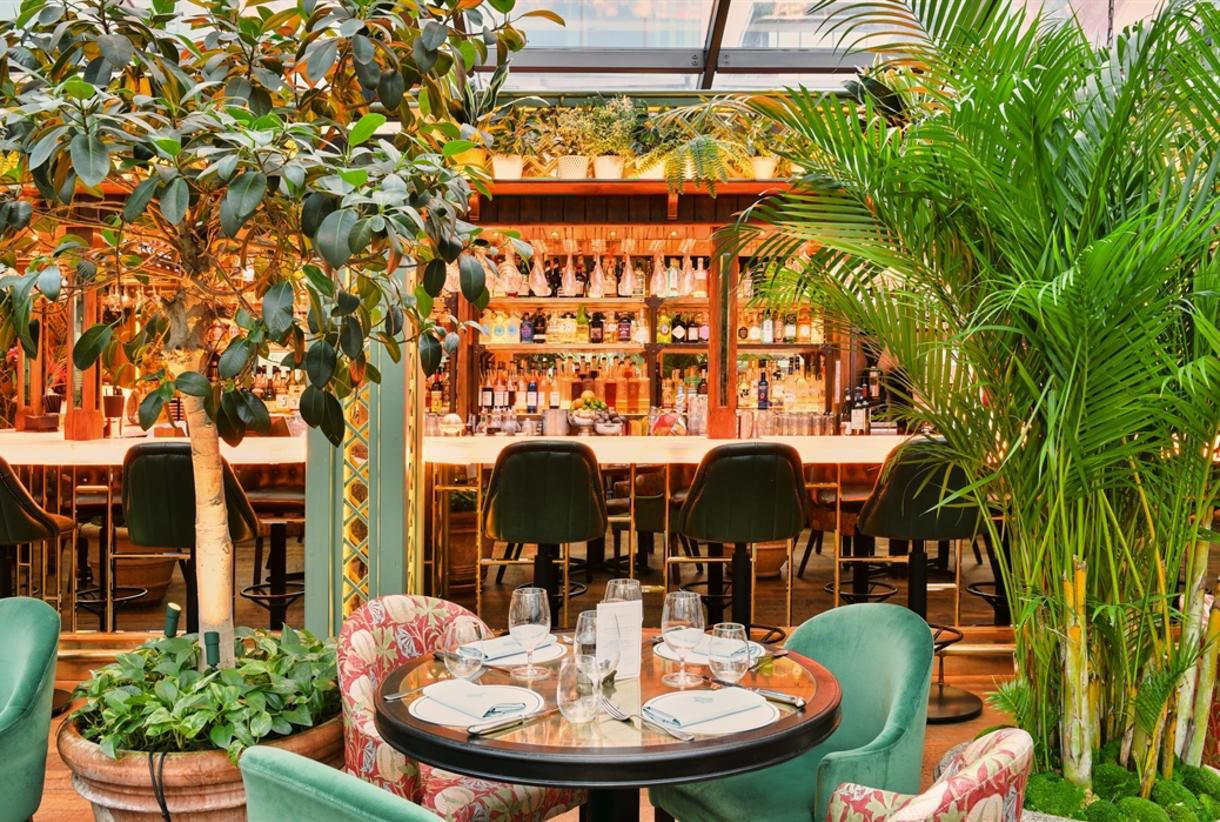
The physical layout of The Lime Tree tells you something about how it thinks about hospitality. A light-filled conservatory handles one kind of visit, lunch with natural light, the sense of being in a space that breathes. A cosier parlour, with a wood-stacked fireplace and access to an enclosed terrace, handles another. The division gives regulars genuine options depending on mood, season, and occasion, and it signals that the restaurant has been set up to accommodate repeat visits rather than once-off experiences. The terrace becomes a genuine asset in the warmer months, adding an outdoor dimension that most Lapwing Lane options cannot match.
Service is described consistently as warm and willing, a phrase that sounds modest but represents something genuinely difficult to sustain. The neighbourhood dining room lives and dies on whether the room feels like it wants you there. Transactional service is easy to spot, and it drives regulars elsewhere. The fact that readers report returning year after year suggests the welcome at The Lime Tree has stayed on the right side of that line.
The Menu's Sourcing Logic
The Lime Tree's menu is built around a sourcing instinct that prioritises quality of ingredient over complexity of technique. The 21-day dry-aged sirloin served au poivre is the clearest expression of this: dry-ageing at that duration requires a supplier relationship and a kitchen willing to commit to a higher-cost process for a result that speaks in the eating rather than on the menu description. The approach places it alongside the cooking philosophy that has made British beef programmes central to mid-market restaurant identity in the North of England, where producer relationships and provenance have become as commercially important as they once were only in fine dining.
The mussels marinière follows the same logic. Marinière is one of the more unforgiving preparations in the European bistro canon, the shellfish has nowhere to hide, and the quality of sourcing is immediately legible. Choosing it as a signature tells you the kitchen is confident in its supply chain. The roast beetroot salad with goat's cheese mousse, candied walnuts, and balsamic sits in a different register, drawing on the kind of British seasonal vegetable cookery that has become a reliable fixture on menus across the country since producers and chefs began working more directly together in the 2010s. The addition of bonbons to the plate, a technique borrowed from fine dining's textural repertoire, shows a kitchen that reads across price tiers without being enslaved to any single one.
Ragoût of monkfish, king prawns, and sweet potato with Thai spices and coconut rice is the outlier on the menu, and intentionally so. It represents the kind of confident cross-cultural borrowing that has characterised British restaurant cooking for two decades, not fusion for its own sake, but an acknowledgment that the British palate now ranges widely and that a neighbourhood bistro need not confine itself to a single European lane. The fact that it sits alongside mussels marinière and steak au poivre without the menu feeling incoherent is the mark of a kitchen with genuine editorial control over what it puts out.
The Set Menu Question
Good-value set menu at the restaurant deserves specific attention. Set menus in the mid-market sector have a tendency to function as loss leaders, truncated versions of the à la carte, priced low to fill covers on quiet nights and composed with whatever needs to move. The restaurant's version, which has included chicken liver parfait, slow-cooked duck ragoût with rigatoni pasta, and a chocolate brownie with vanilla ice cream, reads like it was designed as a genuine proposition rather than an afterthought. Duck ragoût with rigatoni is exactly the kind of dish that requires proper braising time and confident pasta sourcing; it is not a cheap dish to produce well, which suggests the set menu is priced to attract rather than to offload.
For the price-conscious diner, this is relevant intelligence. The set menu represents an access point to the kitchen's full register without the full à la carte outlay, and it positions the restaurant in direct competition with any neighbourhood restaurant that offers a prix fixe worth considering.
Wine and the Accessible Pricing Question
The wine list at the restaurant is skewed towards Europe and pitched accessibly. This is a deliberate choice that reflects the restaurant's understanding of its customer: a local who wants a decent bottle without a lengthy deliberation or a significant mark-up. European-led lists at this price point tend to prioritise France and Italy as the core, with Spain and Portugal offering the value plays. A list structured this way is easier to navigate for the regular who knows what they want and harder to impress for the wine enthusiast looking for depth or discovery. The restaurant's list sits clearly in the former camp, which is the right call for a neighbourhood bistro. For those exploring beyond dinner, our West Didsbury bars guide covers the area's drinking options, and our West Didsbury wineries guide covers anything further afield.
Planning Your Visit
The restaurant is at 8 Lapwing Lane, West Didsbury, Manchester M20 2WS. Lapwing Lane is accessible by tram via the East Didsbury Metrolink stop, roughly ten minutes on foot. Given its consistent reader-reported popularity and the fact that it runs two dining rooms with a fixed number of covers, booking ahead is advisable, particularly for Friday and Saturday evenings and for the cosier parlour specifically. The restaurant's reputation for drawing regulars means that tables fill not just on weekends but on busier midweek evenings too.
It occupies a different tier and register from destination restaurants like Restaurant Sat Bains in Nottingham or hide and fox in Saltwood, and a different one from London's upper bracket, represented by venues like The Ledbury or international benchmarks such as Le Bernardin in New York City. That is not a criticism; it is a clarification of what the restaurant is for. Its comparable set is neighbourhood restaurants that sustain genuine loyalty over years, and by that measure, it holds its position credibly.
Comparable Venues
Comparable venues nearby, for context on price, style, and recognition.
| Venue | Cuisine | Price | Notes |
|---|---|---|---|
| The Lime TreeThis venue — the venue you are viewing | Contemporary British Brasserie | $$$ | Not listed |
| Hispi | Modern British Bistro | $$$ | Didsbury East |
| Flawd | Modern British Small Plates | $$$ | Ancoats & Beswick |
| Tawny Stores | British Seasonal Kitchen & Deli | $$$ | Marple, Hawk Green |
| Botanic Road Kitchen | Modern British Small Plates | $$$ | Churchtown |
| V&V | Modern British Fine Dining | $$$ | city centre |
Recognition history
Dated appearances from independent guides and award organizations, with the underlying list record or original source where available.
The Good Food Guide GFG Good
The Good Food Guide
Continue exploring
More in West Didsbury
Restaurants in West Didsbury
Browse all →
Bars in West Didsbury
Browse all →
Hotels in West Didsbury
Browse all →
Wineries in West Didsbury
Browse all →
At a Glance
- Cozy
- Classic
- Intimate
- Date Night
- Special Occasion
- Family
- Open Kitchen
- Extensive Wine List
- Local Sourcing
Current opening hours
- Monday
- Closed
- Tuesday
- Closed
- Wednesday
- Closed
- Thursday
- 5–9 PM
- Friday
- 12–9:30 PM
- Saturday
- 12–9:30 PM
- Sunday
- 12–4 PM
Hours can change for holidays and private events. Last verified .
Low lighting, comfortable seating, carpets, wood-stacked fireplace in cosier parlour, warm and laid-back atmosphere.