The Hope Farm

The Hope Farm occupies a distinctive position in Fairhope, Alabama's evolving dining scene, where farm-to-table sourcing is less a marketing phrase and more a geographic fact. Located at 915 Nichols Ave, the property frames ingredient provenance as the organizing principle of its kitchen. For anyone tracing the Gulf South's shift toward locally rooted hospitality, this address warrants attention.
Pearl is the En Primeur Club membership app — saves, bookings, and concierge access live there. Same editors, same standards.
- Address
- 915 Nichols Ave, Fairhope, AL 36532
- Phone
- +12513403276
- Website
- thehopefarm.com
- Directions
- Get directions
 Saves & bookings on Pearl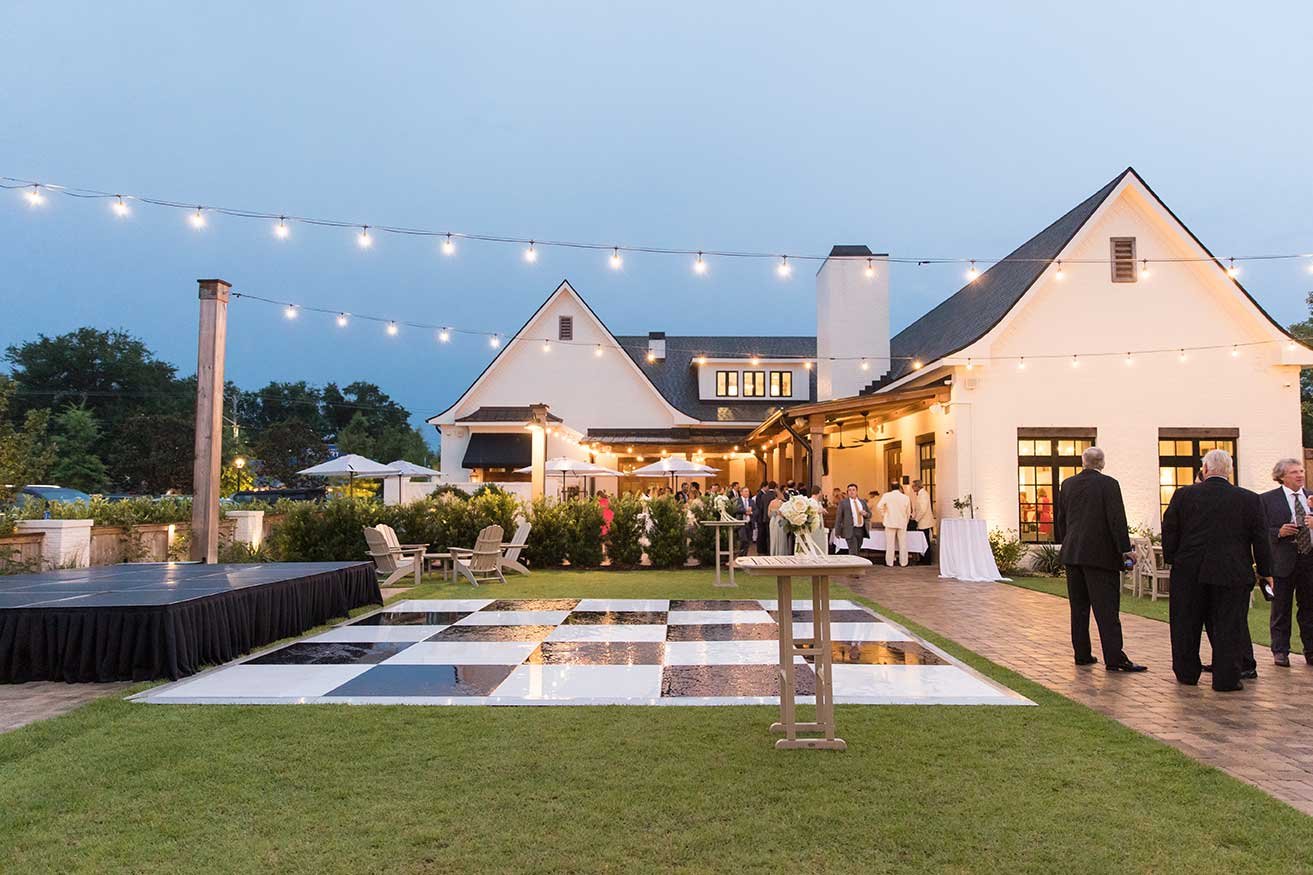
Where the Gulf South's Farm-to-Table Argument Gets Literal
Arrive at 915 Nichols Ave and Fairhope's particular version of small-town Alabama asserts itself immediately. The Eastern Shore of Mobile Bay has long operated at a remove from the coastal resort circuit, which means its food culture developed on different terms: slower, more community-facing, and tethered to what the surrounding land and water actually produce. The Hope Farm inhabits that character rather than performing it. The physical setting at this Fairhope address carries the unhurried weight of a working property, the kind of place where the distance between the kitchen and the source of its ingredients can be measured in walking steps rather than supply-chain spreadsheets.
That proximity matters in ways that go beyond talking points. Across the American dining conversation, the gap between claimed sourcing and actual sourcing remains wide. A handful of properties manage to close it: Blue Hill at Stone Barns in Tarrytown built an entire critical identity around the Rockefeller estate's working farm; Single Thread Farm in Healdsburg operates its own farm as the literal starting point of each menu. The Hope Farm belongs to this tradition of place-as-ingredient-source, though it operates in a very different register from those higher-profile benchmarks, one shaped by the Gulf South rather than by California or New York critical attention.
The Sourcing Logic of the Eastern Shore
Baldwin County, where Fairhope sits, is among the most agriculturally productive counties in Alabama. The growing season runs long, the soil is generous, and the bay system adds a seafood dimension that few inland agricultural counties can match. A kitchen operating out of this geography has access to a supply chain that larger metro restaurants would require significant effort and expense to replicate. The Gulf Coast's warm-water fisheries, combined with the kind of market-garden productivity that Baldwin County's climate permits, create the conditions for a kitchen vocabulary that is genuinely regional rather than aspirationally regional.
This is the specific sourcing argument The Hope Farm enters. It is not making the claim that the ingredients are local because that sounds appealing to a certain kind of diner. It is making the claim because the address makes it almost structurally inevitable. Farm properties of this type in the Gulf South typically organize their menus around what is available rather than constructing a fixed format and sourcing backward into it. The seasonal discipline that properties like The French Laundry in Napa or Addison in San Diego achieve through procurement rigor, farm properties achieve through proximity and calendar. The constraint is productive.
Fairhope's Dining Scene and Where This Fits
Fairhope itself has become one of Alabama's more interesting dining addresses over the past decade, drawing visitors who might otherwise anchor in Mobile or skip the Eastern Shore entirely. The town's independent retail and food culture, concentrated around its bluff-leading downtown, gives it a civic confidence unusual for a city of its size. For a fuller read on what's worth your time across the city, our full Fairhope restaurants guide maps the scene in more detail.
Within that scene, farm-anchored properties occupy a specific tier. They tend to attract diners who have moved past novelty seeking and want the sourcing story to be legible in the plate. This is a more exacting audience than the general Fairhope visitor, and it shifts the competitive conversation. The comparison set for The Hope Farm is less about other Fairhope restaurants and more about the broader category of American farm-property dining, which includes operations as varied as Bacchanalia in Atlanta, with its long commitment to Georgia producers, or the community-table format that properties like Lazy Bear in San Francisco have used to reframe the relationship between kitchen and guest.
What the Ingredient-First Format Demands of a Kitchen
Operating from a farm site rather than a conventional restaurant building changes the kitchen's relationship to the menu in concrete ways. Prep decisions get made in response to what came in that day, which requires a more improvisational fluency than a fixed-format restaurant kitchen exercises. It also means the kitchen cannot rely on the kind of supply-chain consistency that allows places like Le Bernardin in New York City or Providence in Los Angeles to execute the same dish at the same specification week after week. The trade-off is freshness and specificity; the risk is inconsistency.
This is the format tension that ingredient-sourcing restaurants always sit inside. The ones that manage it well, like The Inn at Little Washington in Virginia or Frasca Food and Wine in Boulder, do so by building kitchen systems that are flexible enough to absorb sourcing variability without visible inconsistency on the plate. The format disciplines the team in ways that a stable supply chain simply does not.
Planning Your Visit
The Hope Farm is located at 915 Nichols Ave, Fairhope, AL 36532, on Alabama's Eastern Shore. Fairhope is roughly 35 miles east of Mobile, making it accessible as a day trip from Mobile or as part of a broader Gulf Coast itinerary. Given the farm property format, visiting with some advance planning is advisable: confirm current service days and any reservation requirements directly before arrival, as farm-anchored properties of this type often operate on schedules that shift with the season. Dress is typically informal at properties in this category, though the setting rewards a considered casualness rather than resort wear. Families with older children who are curious about where food comes from will find the provenance-forward format more engaging than a conventional restaurant; younger children's appetite for the format will vary.
How The Hope Farm Fairhope compares with similar nearby venues.
| Venue | Cuisine | Price |
|---|---|---|
| The Noble South | American | $$ |
Recognition history
Dated appearances from independent guides and award organizations, with the underlying list record or original source where available.
Wine Spectator Best of Award of Excellence
Wine Spectator
Continue exploring
More in Fairhope
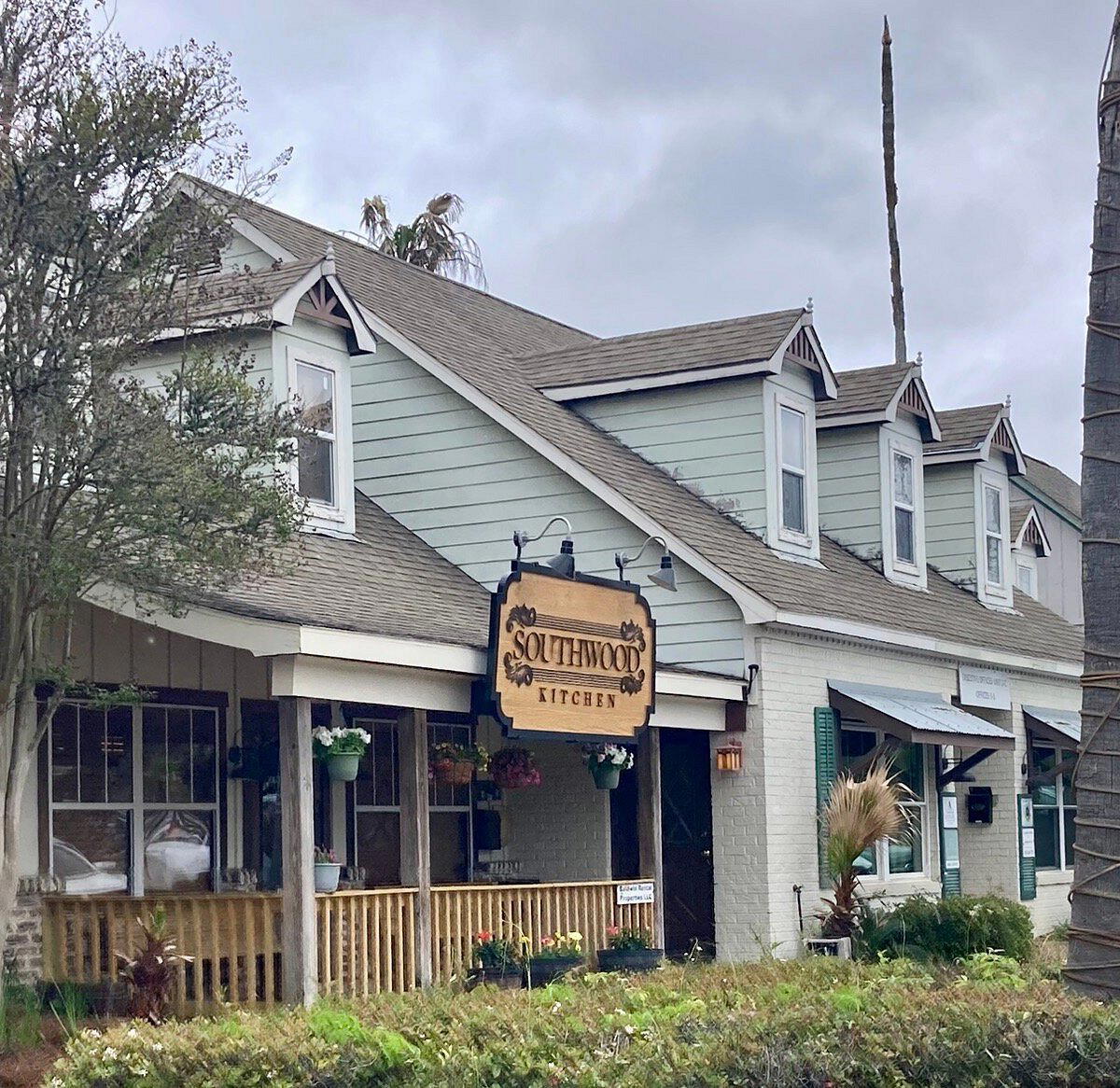
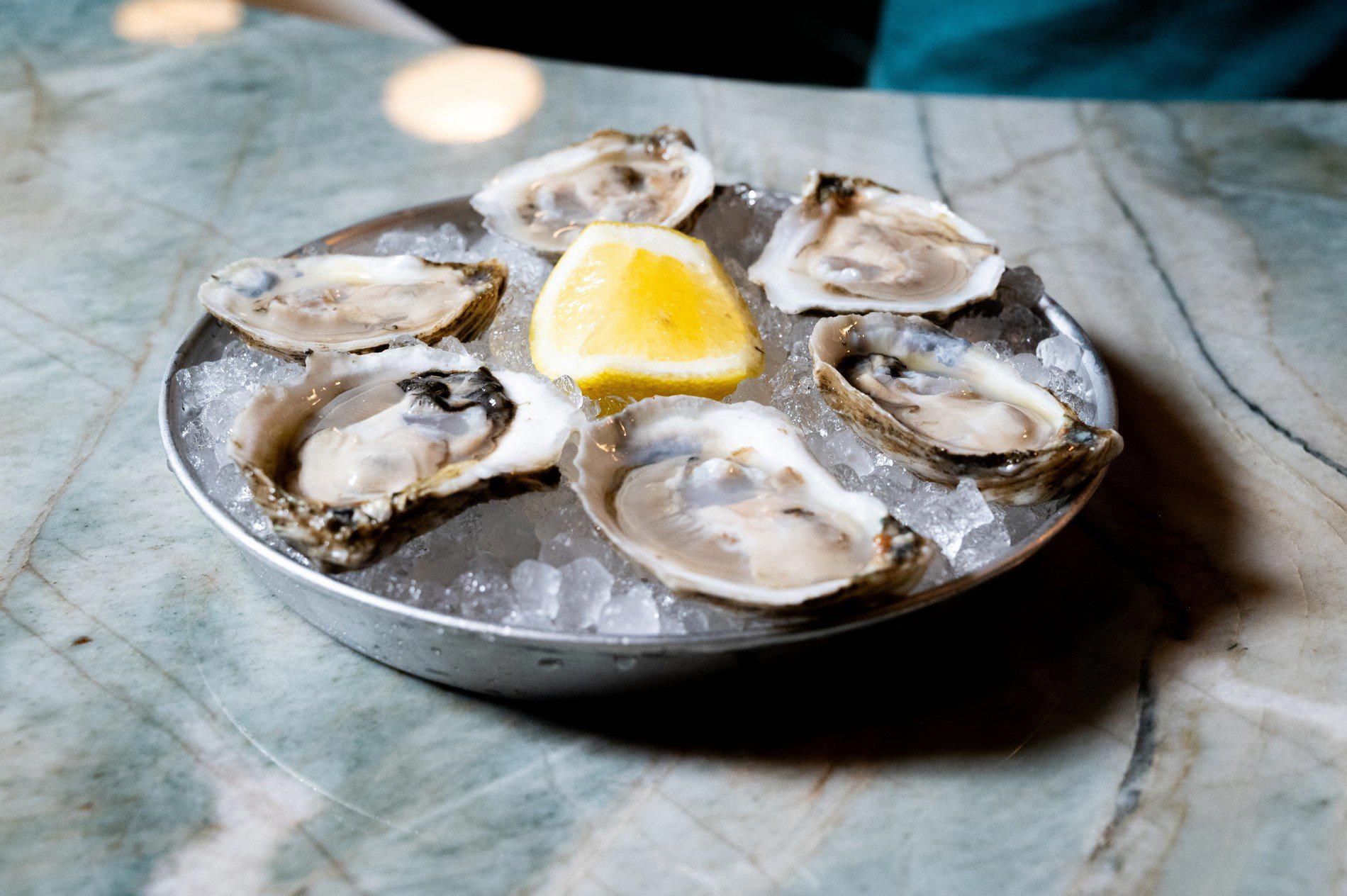
Restaurants in Fairhope
Browse all →
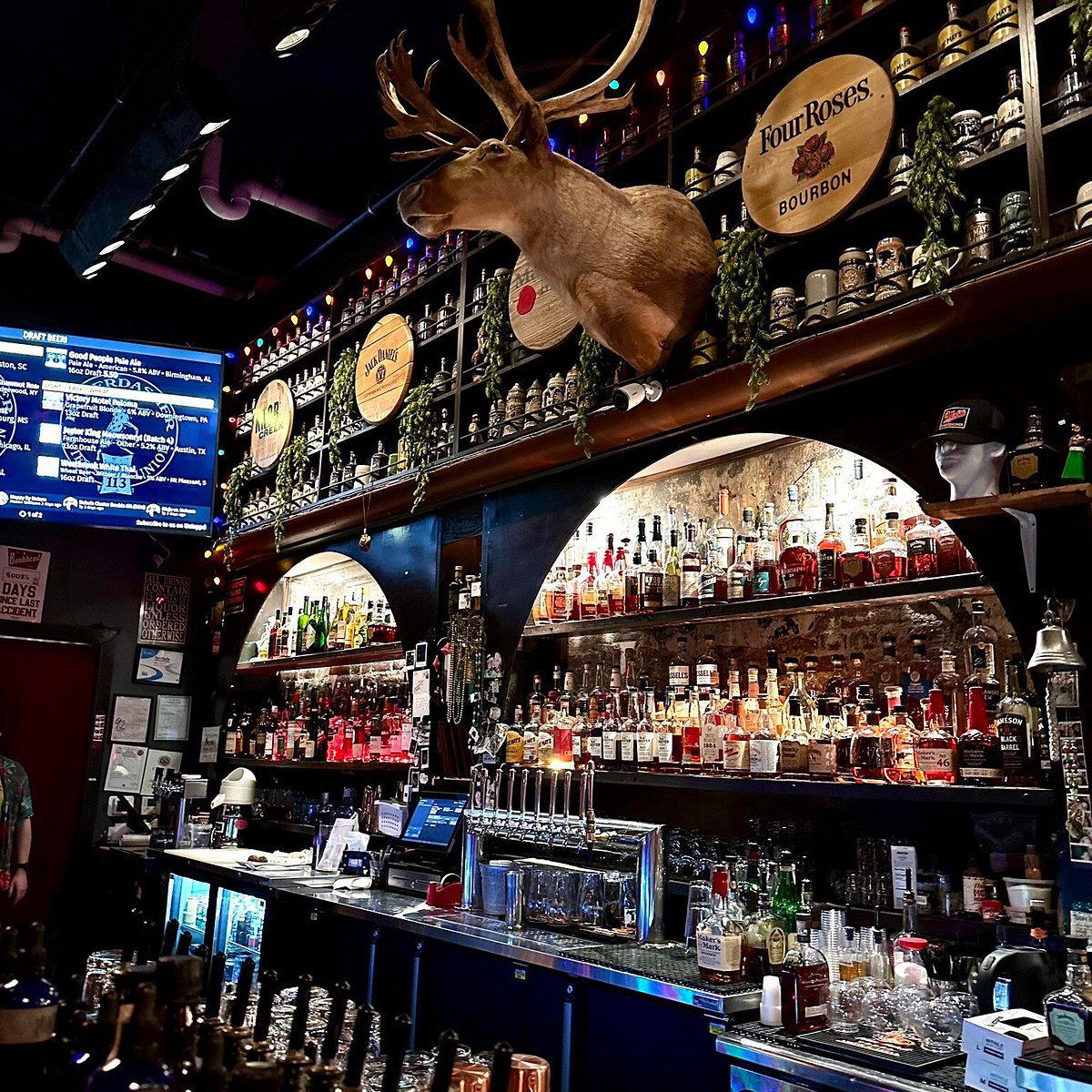
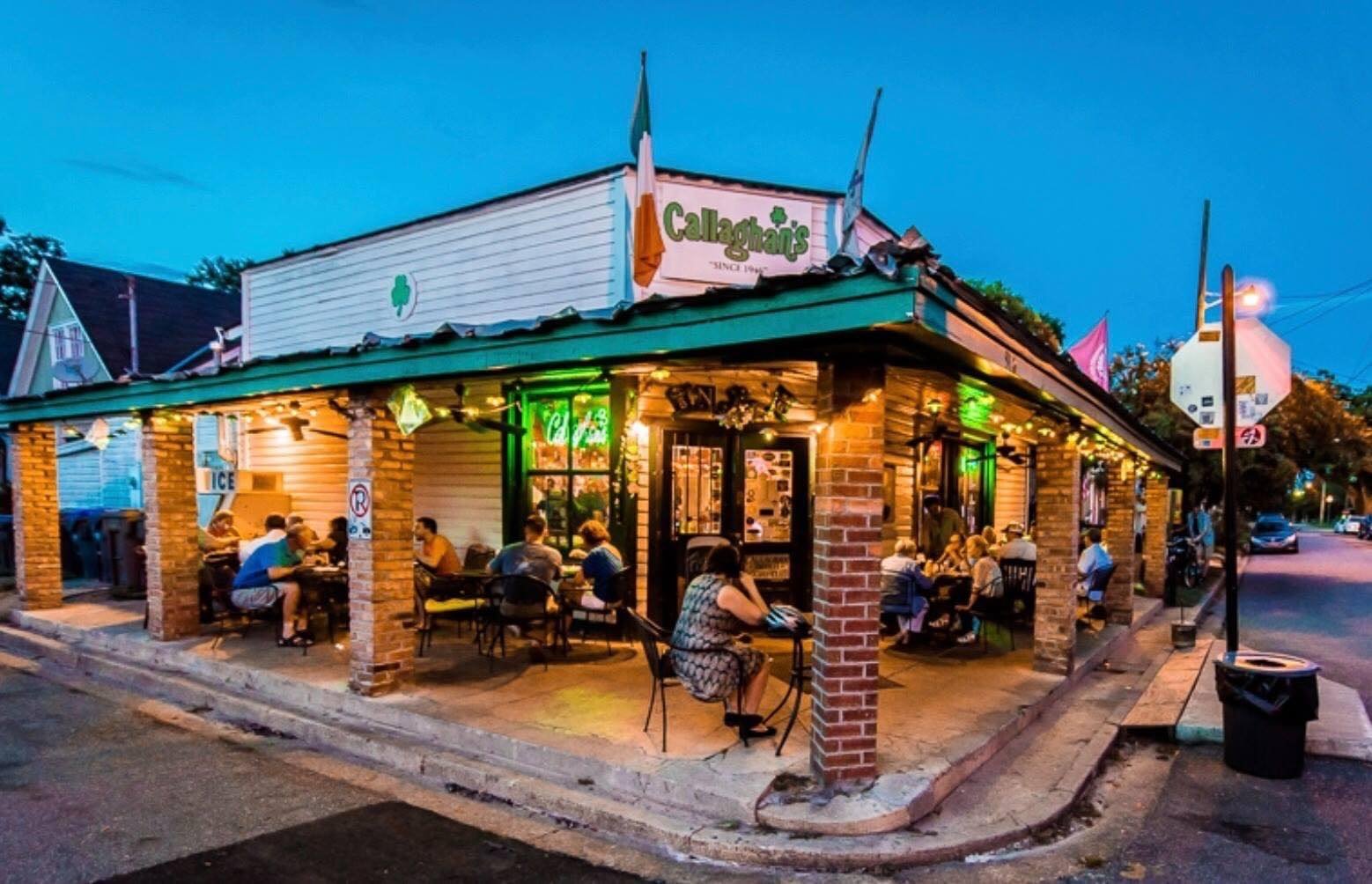
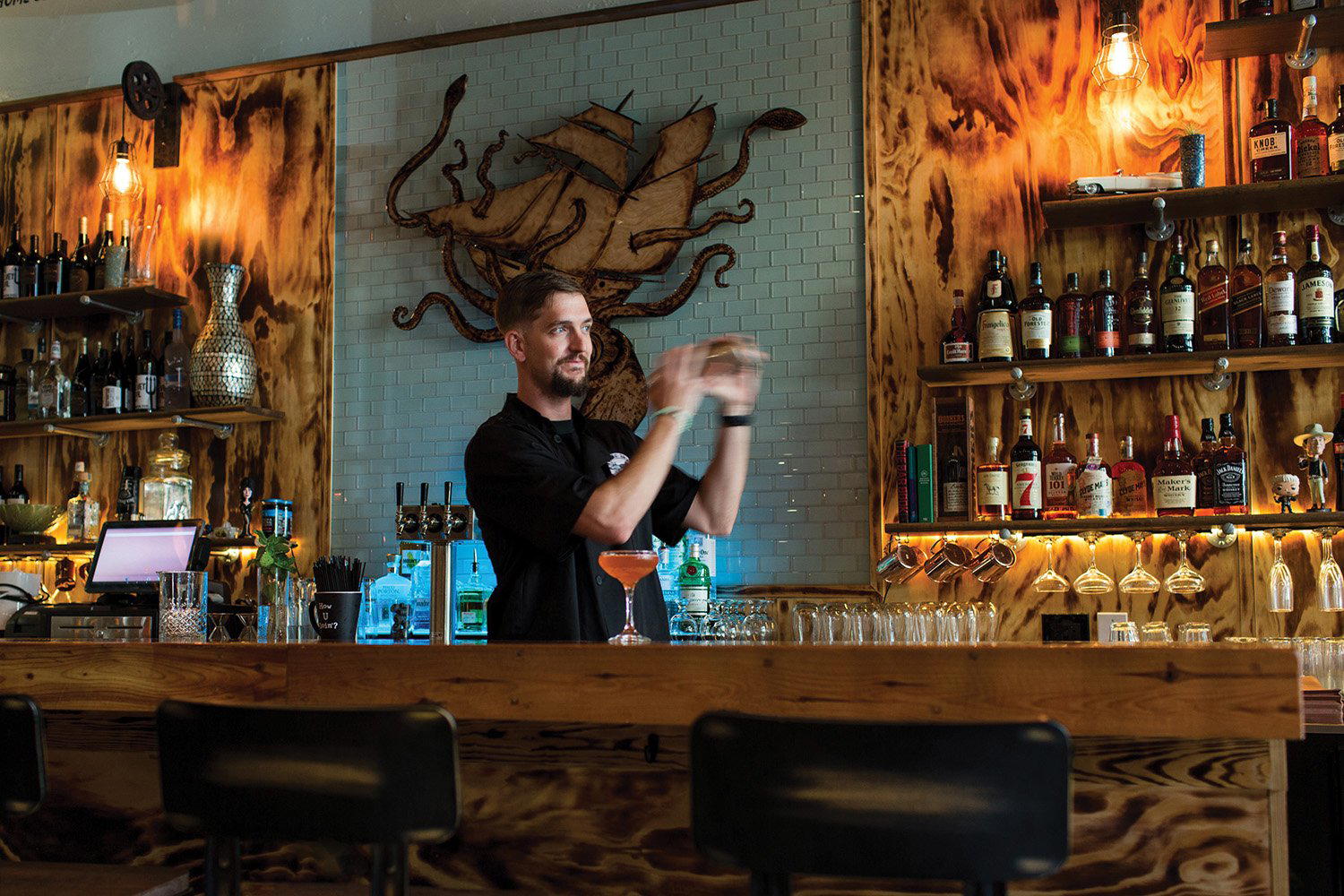
Bars in Fairhope
Browse all →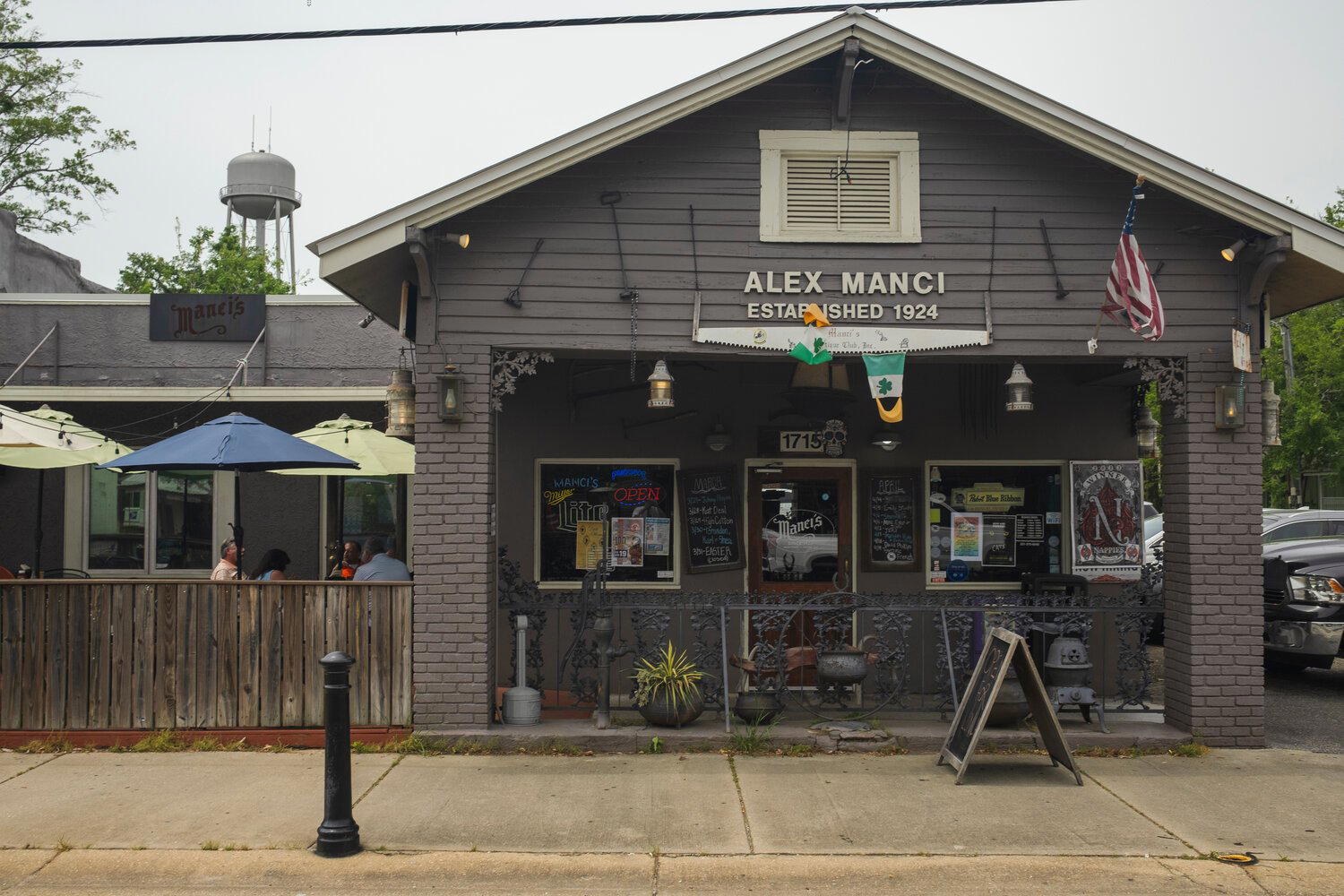
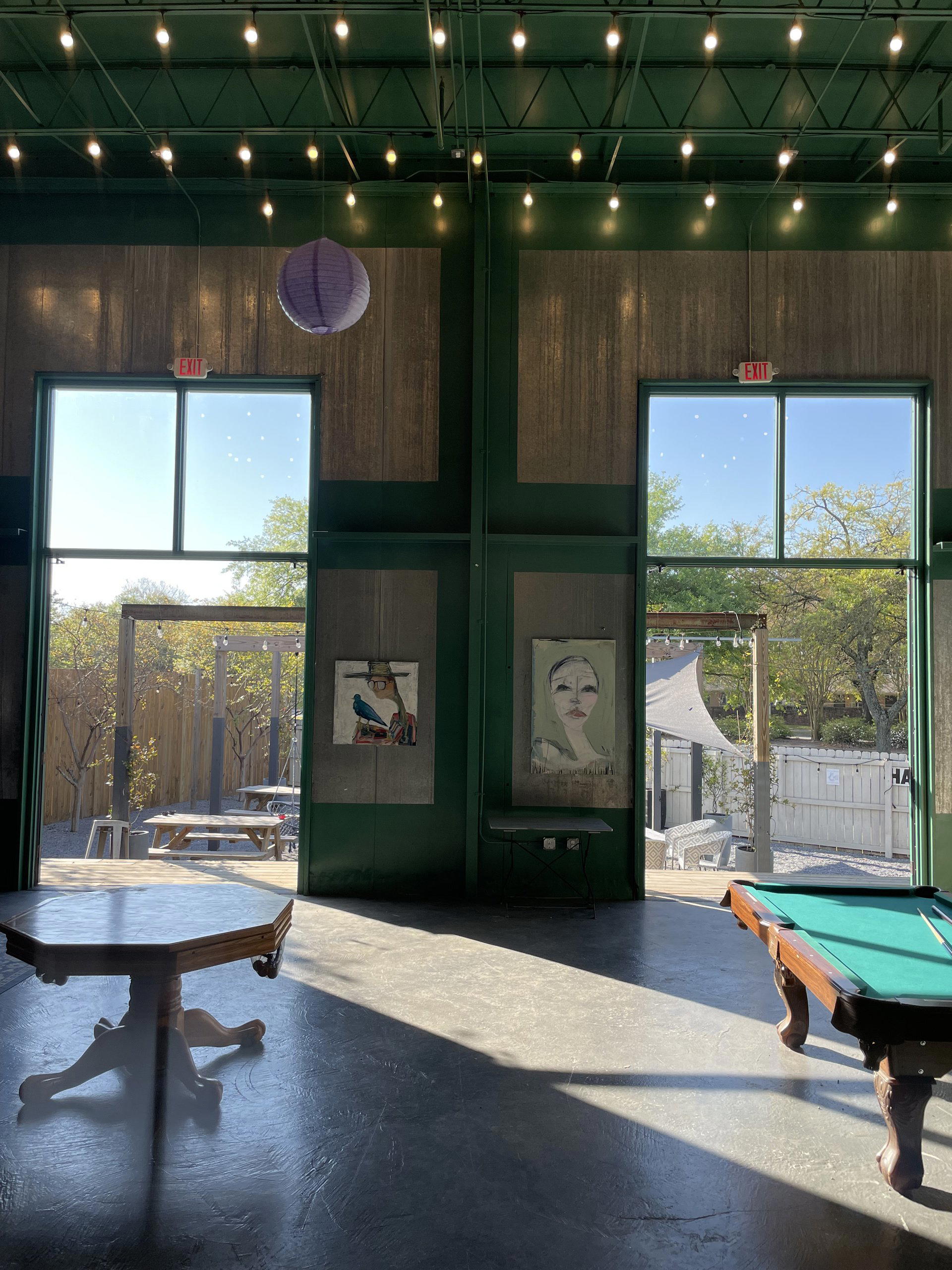
Hotels in Fairhope
Browse all →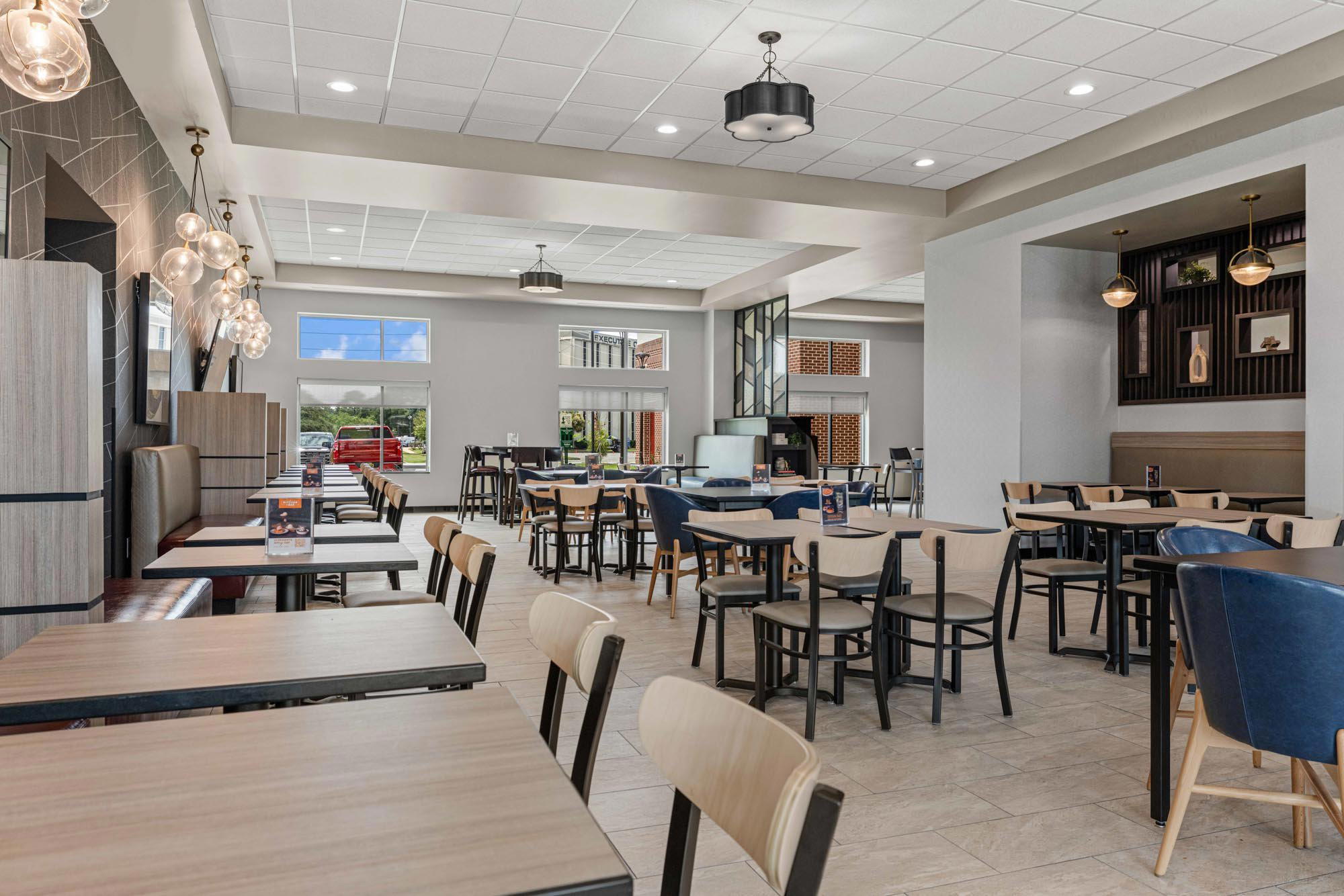
At a Glance
- Rustic
- Cozy
- Elegant
- Modern
- Date Night
- Special Occasion
- Brunch
- Live Music
- Private Dining
- Open Kitchen
- Craft Cocktails
- Extensive Wine List
- Farm To Table
- Local Sourcing
- Garden
Current opening hours
- Monday
- 7 AM–2 PM
- Tuesday
- 7 AM–2 PM, 5–10 PM
- Wednesday
- 7 AM–2 PM, 5–10 PM
- Thursday
- 7 AM–2 PM, 5–10 PM
- Friday
- 7 AM–2 PM, 5–11 PM
- Saturday
- 8 AM–3 PM, 4–11 PM
- Sunday
- 8 AM–3 PM, 4–9 PM
Hours can change for holidays and private events. Last verified .
Beautiful modern garden atmosphere with cozy outdoor fireplaces, clean laid-back rustic indoor spaces, and warm welcoming lighting.
Know Before You Go
- Getting there
- 915 Nichols Ave, Fairhope, AL 36532