The Gruff Goat
A pub on Teviot Place that draws students, locals, and visitors alike, The Gruff Goat occupies a stretch of Edinburgh's Old Town fringe where the university quarter meets the medieval city. The address places it within walking distance of the Meadows and Greyfriars, making it a practical and atmospheric stop in a neighbourhood defined by layered history and everyday life rather than tourist-trail polish.
Pearl is the En Primeur Club membership app — saves, bookings, and concierge access live there. Same editors, same standards.
- Address
- 19-20 Teviot Pl, Edinburgh EH1 2QZ, United Kingdom
- Phone
- +447999556660
- Website
- thegruffgoat.co.uk
- Directions
- Get directions
 Saves & bookings on Pearl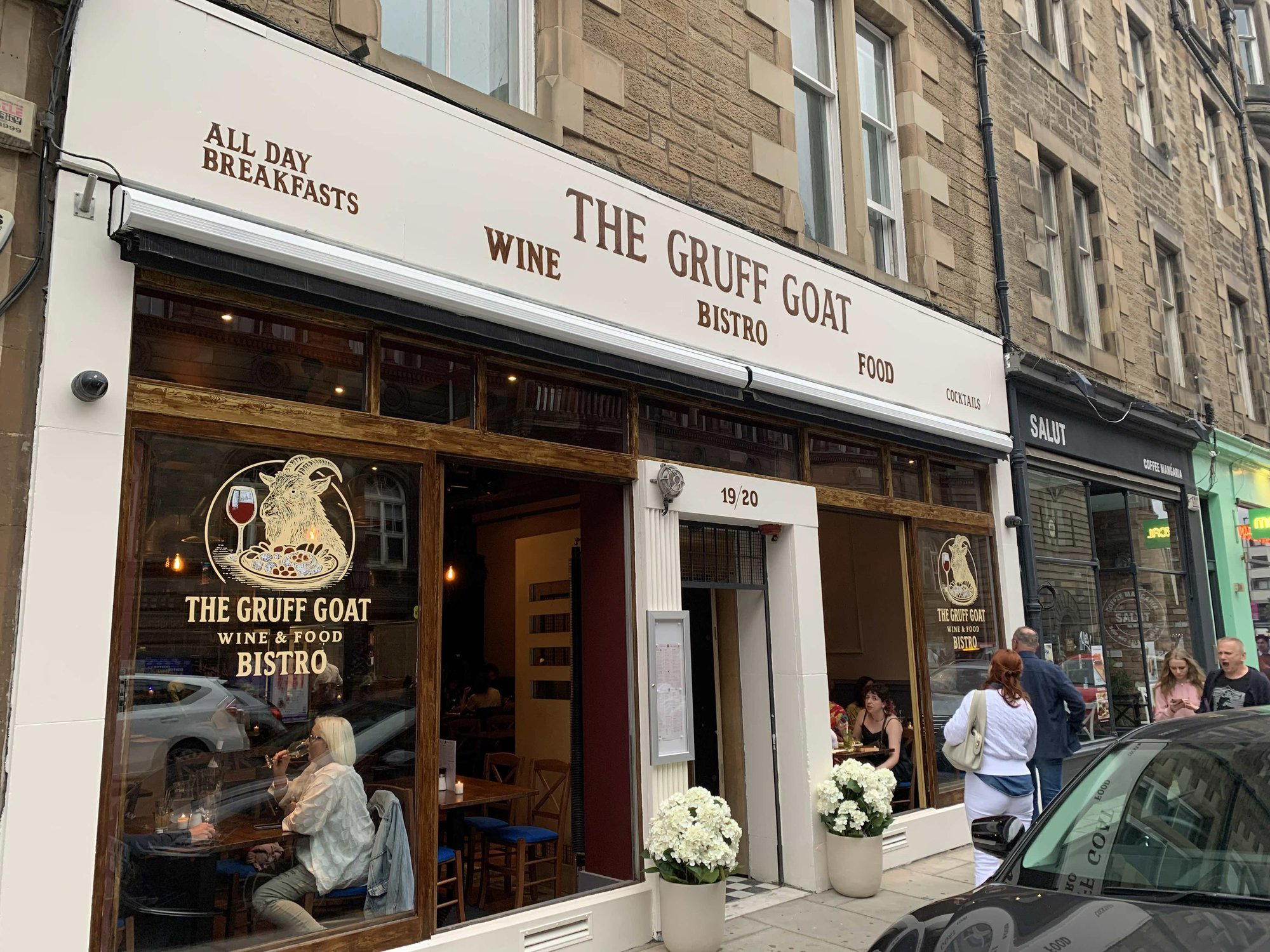
Where the University Quarter Meets the Old Town Edge
Teviot Place sits at a particular kind of Edinburgh crossroads. To the north, the tenements and closes of the Old Town proper climb toward the Royal Mile. To the south, the open green of the Meadows stretches toward Marchmont and Bruntsfield. The street itself belongs, in character and daily rhythm, to the university quarter: dominated by the medical school, by Greyfriars Kirkyard just around the corner, and by the steady churn of students, academics, and the residents who have lived alongside them for decades. It is not a tourist corridor, but it is not sealed off from visitors either. Venues on Teviot Place earn their custom through neighbourhood relevance rather than foot-traffic positioning, which tends to produce a more honest kind of hospitality.
The Gruff Goat is a Scottish Gastropub Bistro at 19-20 Teviot Pl, Edinburgh EH1 2QZ, United Kingdom, with. It sits in this context, occupying a spot where the audience is genuinely mixed: postgraduates on a weeknight, families on a Saturday afternoon, professionals who work nearby. That demographic spread is more common in Edinburgh's inner-southern fringe than in the Old Town or New Town centres, where venues increasingly pitch to a narrower set. Edinburgh's pub culture has always been embedded in neighbourhood life in a way that differs from, say, the destination-drinking culture of London's cocktail-bar scene, and the Teviot Place stretch reflects that continuity.
Edinburgh's Inner South and What It Means for a Pub
The area around Teviot Place, Forrest Road, and Candlemaker Row forms one of Edinburgh's more characterful urban patches, though it rarely gets the editorial attention directed at Leith or Stockbridge. Greyfriars is within a short walk; the National Museum of Scotland is minutes away on Chambers Street. For anyone spending time at either, a pub on Teviot Place is a logical and convenient pause rather than a detour. That matters for how a venue like The Gruff Goat functions: it is positioned to absorb both the planned visit and the spontaneous one, a combination that keeps trade more consistent across the week than a purely destination-focused model would allow.
Edinburgh's pub landscape has shifted considerably over the past decade. The city's premium end has consolidated around a smaller number of well-capitalised operations, while the middle tier has seen pressure from rising rents and changing drinking habits. Venues that survive and hold a local following in this environment tend to do so through a combination of reliable food, a sensible drinks offer, and a physical space that gives people a reason to stay rather than move on. The Gruff Goat's Old Town fringe address keeps it away from particularly competitive zones while still placing it close enough to major visitor draws to benefit from that traffic when it passes through.
The Broader Edinburgh Dining Context
For visitors who want to map Edinburgh's dining tier above pub-level, the city's established fine-dining addresses concentrate elsewhere. Martin Wishart in Leith and The Kitchin, also in Leith, anchor the Michelin end of the spectrum. Timberyard on Lady Lawson Street takes a Nordic-inflected approach to Scottish produce and has built a consistent reputation for sourcing depth. AVERY and Condita both operate at the creative end of modern cuisine, with Condita in particular running a low-capacity, reservation-driven format that sits at the opposite end of the accessibility spectrum from a neighbourhood pub.
The pub format occupies a different function in that city-wide picture. It is where the before and after of a museum visit happens, where a late-September afternoon in Edinburgh, cold enough to want an interior, light enough to still feel like autumn, becomes something comfortable. The contrast between the fine-dining tier and the pub tier in Edinburgh is not a gap in quality so much as a difference in purpose. Venues like CORE by Clare Smyth in London, Le Manoir aux Quat'Saisons in Oxford, or L'Enclume in Cartmel serve a planned-occasion function that a pub on Teviot Place is not competing for, any more than Waterside Inn in Bray or Moor Hall in Aughton are competing with each other's neighbourhood audiences. Each tier has its own logic.
That said, the pub tier in Edinburgh has its own quality gradations. Venues that lean on tourist proximity without developing a local following tend to underperform on both counts. The Old Town fringe addresses that hold a genuine neighbourhood audience, as Teviot Place does through its university population, tend to maintain a baseline of reliability that is harder to sustain in purely transient zones. British pub dining more broadly has moved in a more considered direction over the past fifteen years, a shift visible at the gastropub end of the spectrum in venues like Hand and Flowers in Marlow, though most neighbourhood pubs operate well below that register and are better assessed on a different set of criteria.
Venues like Le Bernardin in New York City or Atomix in New York City occupy the occasion-dining tier in their city in much the same way Edinburgh's Michelin addresses do, but the neighbourhood-pub function has no precise equivalent there. British pubs, and Scottish pubs in particular, carry a social infrastructure role that is worth understanding before writing them off as merely a drinks stop. Other UK fine-dining references include Gidleigh Park in Chagford, hide and fox in Saltwood, Midsummer House in Cambridge, and Opheem in Birmingham, each operating at the formal end of their respective city's dining tier.
Know Before You Go
Address: 19-20 Teviot Place, Edinburgh EH1 2QZ, United Kingdom
Neighbourhood: Old Town fringe / University quarter, within walking distance of Greyfriars Kirkyard and the National Museum of Scotland
Nearest transport: Frequent bus services on George IV Bridge and Bristo Place; Edinburgh Waverley station is approximately 15 minutes on foot
Timing note: The Teviot Place stretch is busiest during the university term, particularly weekday lunchtimes and Friday evenings. Visit midweek outside term time for a quieter experience
Same-City Peers
Comparable venues nearby, for context on price, style, and recognition.
| Venue | Cuisine | Price | Notes |
|---|---|---|---|
| The Gruff GoatThis venue — the venue you are viewing | Scottish Gastropub Bistro | $$ | Not listed |
| Cafe Calton | Modern British Café with Scottish Influences | $$ | Greenside |
| Puffin' Rooms - Edinburgh | Modern British Small Plates & Tasting Menus | $$ | Lauriston |
| McLarens on the Corner | Modern Scottish Gastropub | $$ | Bruntsfield |
| Loudons New Waverley | Modern British Brunch Cafe | $$ | St. Leonard's |
| The Ivy on the Square | Modern British Brasserie | $$$ | Greenside |
Continue exploring
More in Edinburgh
Restaurants in Edinburgh
Browse all →
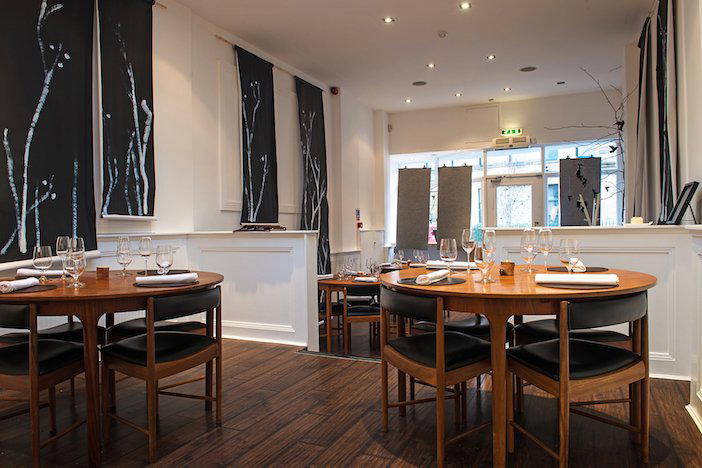
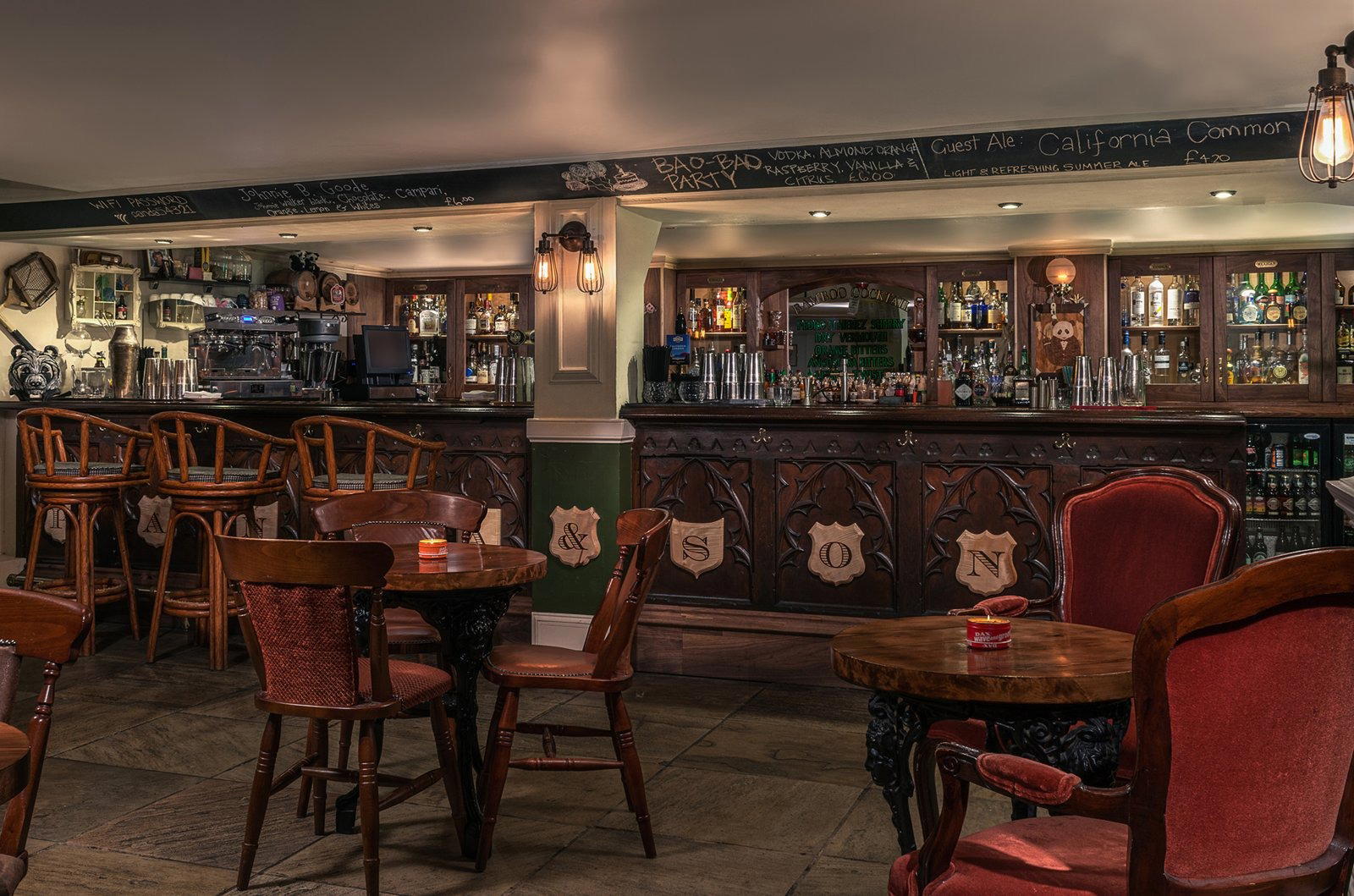
Bars in Edinburgh
Browse all →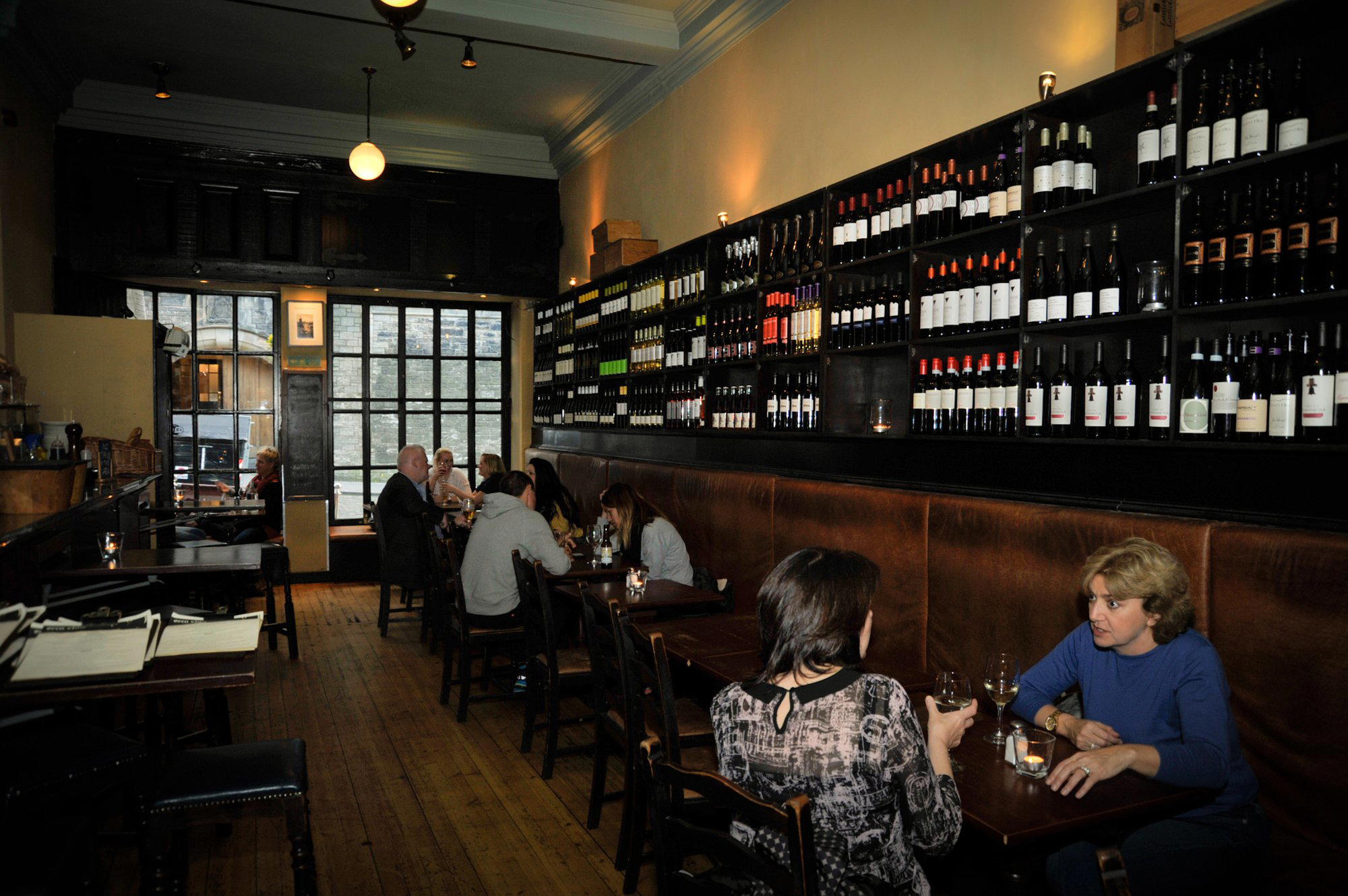
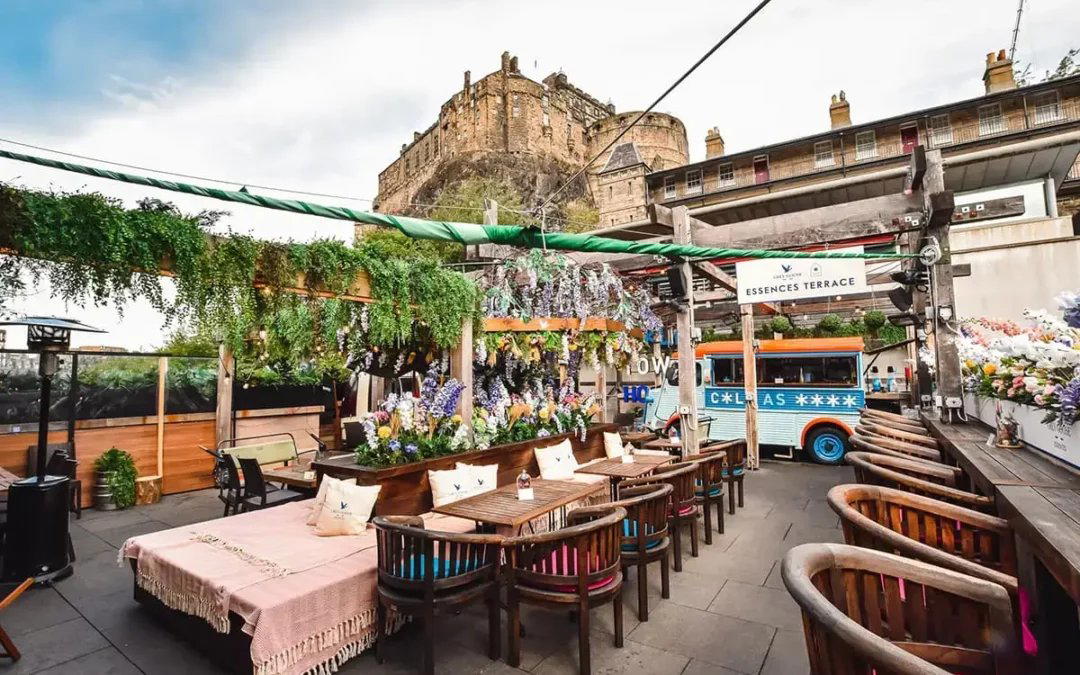
At a Glance
- Cozy
- Lively
- Brunch
- Casual Hangout
- Group Dining
- Open Kitchen
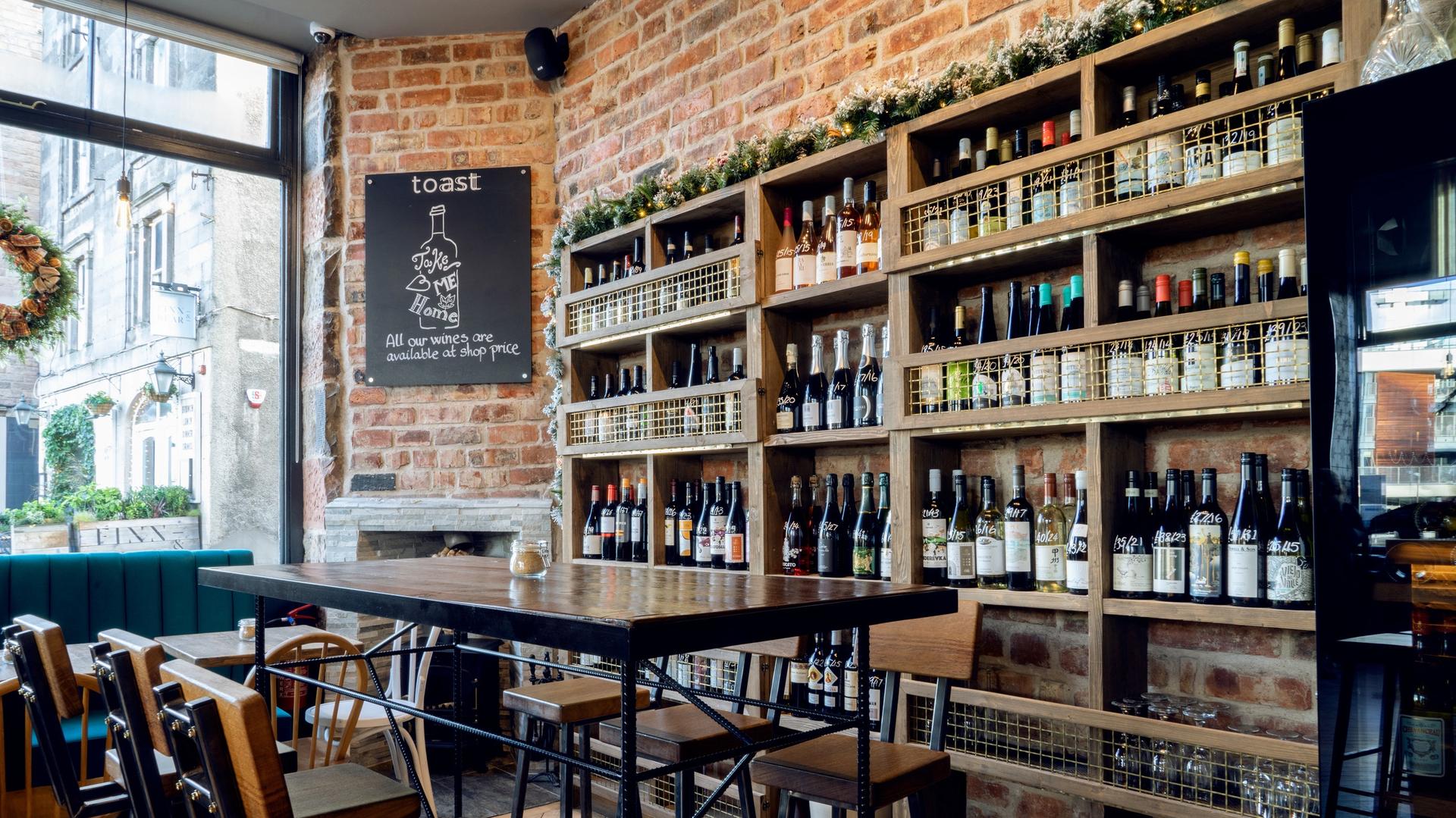
- Extensive Wine List
Current opening hours
- Monday
- 8 AM–9 PM
- Tuesday
- 8 AM–9 PM
- Wednesday
- 8 AM–9 PM
- Thursday
- 8 AM–9 PM
- Friday
- 8 AM–9 PM
- Saturday
- 8 AM–9 PM
- Sunday
- 8 AM–9 PM
Hours can change for holidays and private events. Last verified .
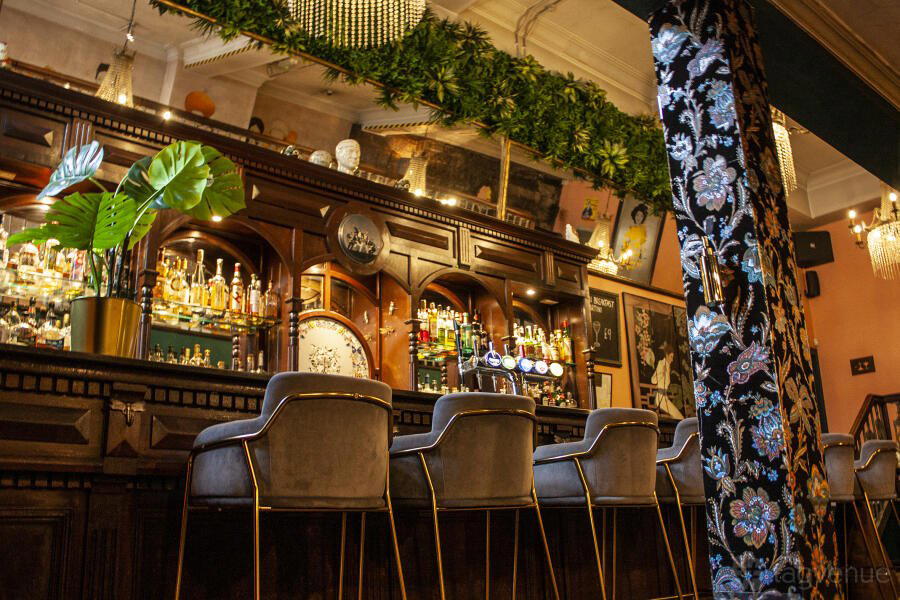
Energetic and welcoming atmosphere with friendly service, suitable for various occasions from breakfast to late-night drinks.