The Great House
Our verdict
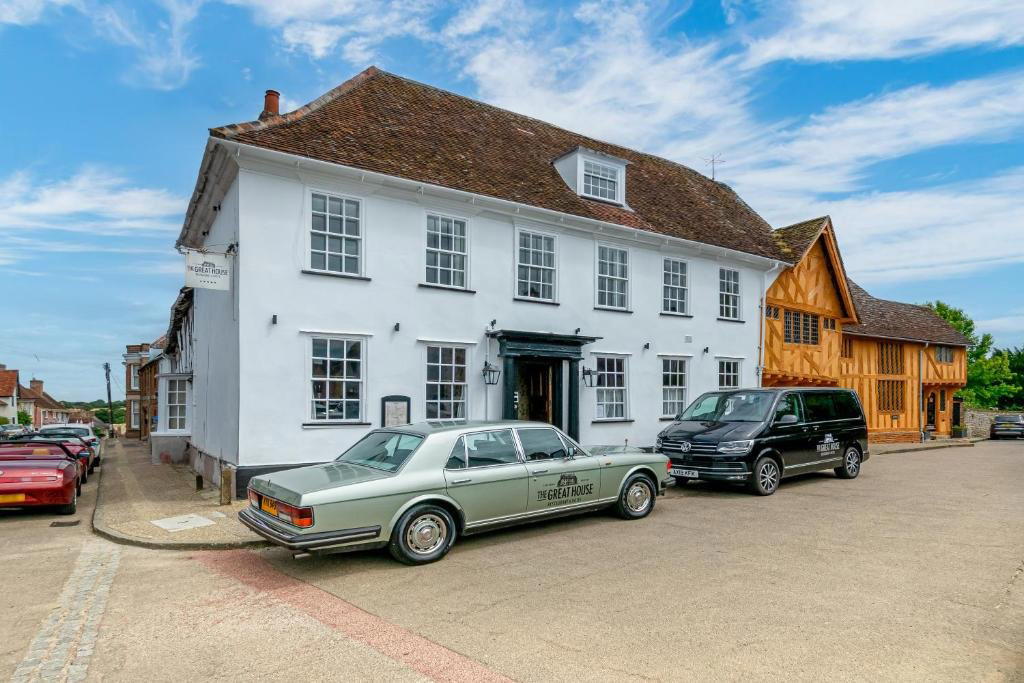
Set within a 15th-century timber-framed building on Lavenham's medieval Market Place, The Great House is among the most atmospheric dining addresses in the Suffolk countryside. The cooking draws on the produce traditions of East Anglia, placing it in a recognisable lineage of French-inflected country-house restaurants that have long shaped serious rural dining in England. For anyone travelling through the wool towns of Suffolk, it warrants a detour.

Pearl is the En Primeur Club membership app — saves, bookings, and concierge access live there. Same editors, same standards.
- Address
- Market Place, Lavenham, Sudbury CO10 9QZ, United Kingdom
- Phone
- +44 1787 736836
- Website
- thegreathouselavenham.co.uk
- Directions
- Get directions
The menu
What to order
- Catch of the Day
- Braised Lamb Shepherd's Pie
- Scallops
- Pork Belly
- Venison
A Medieval Frame for Contemporary Cooking
Lavenham is one of the best-preserved medieval towns in England, and its Market Place functions as an open-air architectural museum: crooked timbered facades, wattle-and-daub panels, and buildings that have leaned fractionally into their neighbours for five centuries. The Great House occupies one of these structures, at Market Place in the centre of the village. Before you reach the door, the building itself makes an argument for the meal — the physical environment carries centuries of context that most purpose-built dining rooms cannot manufacture. This is a category of restaurant that depends on its setting as much as its kitchen: an old building in a small town that has enough culinary seriousness to draw visitors who would otherwise drive past on the way to Cambridge or Bury St Edmunds.
That relationship between place and plate is not incidental. Suffolk's position as a farming county with direct access to the North Sea has shaped a food culture that values provenance — livestock from the Constable Country valleys, fish from the Suffolk coast, game from the estates that still define the county's land use. Restaurants operating in this context have material to work with that their urban counterparts would pay considerably more to source. The Great House, sitting in a market town built on medieval wool wealth, is positioned to draw on that geography directly.
Sourcing as Strategy: Suffolk's Larder
The editorial case for a restaurant in a place like Lavenham rests, in large part, on what the surrounding countryside makes possible. East Anglia has a claim to being England's most agriculturally coherent region: the combination of light, well-drained soils, coastal access, and estate farming has produced a consistent supply of free-range pork, aged beef, wild game, and shellfish that represents some of the more traceable provenance available to English kitchens. For a kitchen operating in this context, the sourcing argument is not a marketing stance, it is a structural advantage.
The broader pattern in serious English country dining, visible at houses like L'Enclume in Cartmel or Moor Hall in Aughton, is that the most compelling rural restaurants are those that treat their geography as a discipline rather than a backdrop. Farms are named, seasons drive the menu structure, and the distance between field and plate becomes part of the narrative that arrives with the food. Suffolk supports this approach as well as any English county: the coastline from Aldeburgh to Southwold supplies crab, lobster, and smoked fish; inland, the arable and mixed farms produce the kind of rare-breed pork and free-range poultry that commands premiums in London. A kitchen in Lavenham can access these without the logistics overhead that city restaurants absorb. That structural position matters when assessing what a place like The Great House can offer against urban competition.
For comparison, the French-inflected country-house model that has long anchored serious rural dining in England, typified by Le Manoir aux Quat' Saisons in Great Milton or, at the gastropub end, The Hand and Flowers in Marlow, tends to succeed when the kitchen keeps classical technique in service of local ingredients rather than importing continental produce at the expense of the surrounding larder. The Great House's French associations place it in that lineage.
Lavenham as a Dining Destination
Context matters for how you plan a visit. Lavenham is not a dining hub in the way that Cambridge functions for the region. It is a village with preserved architecture and a small number of places to eat and stay, which means the destination logic runs differently: you come to Lavenham to spend time in the town, and the restaurant becomes part of a slower visit rather than a standalone booking. This changes the calculus of the meal. The appropriate comparison is not with a city restaurant charging similar prices but with other destinations that reward a night or two away, the kind of trip where the setting justifies the journey. Lavenham rewards that approach. The medieval streetscape, the Guildhall, the parish church at the edge of the village, these frame a stay in a way that makes The Great House feel like part of something coherent rather than a detour in isolation.
For those building a broader Suffolk itinerary, hide and fox in Saltwood, while technically in Kent, represents the kind of small-county serious dining that the eastern counties are increasingly producing. Closer to home, the wider EP Club editorial on Lavenham's restaurant scene provides context for where The Great House sits among the village's other options. Supplement a visit with the Lavenham hotels guide and the bars guide to build out the stay. The experiences guide covers the architectural walks and textile history that make the town worth more than an afternoon.
Where The Great House Sits in the English Country Dining Picture
England's serious country restaurants now occupy a reasonably well-defined spectrum. At the technical and investment apex are places with sustained Michelin recognition and national reach: The Fat Duck in Bray, The Ledbury, Restaurant Andrew Fairlie in Auchterarder. Below that tier sits a large and varied cohort of regionally significant restaurants in small towns, many with French-trained kitchens and local sourcing commitments, operating with fewer covers and drawing a mix of local regulars and destination visitors. The Great House belongs to this second category, which is not a diminishment, it is simply where most of the genuinely interesting rural dining in England happens. This cohort is less covered by London-centric food media and more dependent on word of mouth, which means it rewards the kind of deliberate travel that EP Club readers tend to do anyway.
The French-inflected style that has historically defined The Great House places it in a tradition with strong precedents across the English countryside. This is the mode that produced Gidleigh Park in Chagford and continues to shape how serious country-house cooking is judged in England: classical technique, local produce, formal-but-unhurried service, a wine list with depth in France. The format works in a village like Lavenham because the setting supplies the theatre that urban restaurants spend considerably more to approximate. For international visitors, particularly those familiar with Le Bernardin in New York or Atomix, The Great House represents a distinctly English mode of serious dining, quieter, more grounded in place, less concerned with spectacle. For those who find Opheem in Birmingham's urban intensity appealing but want a countryside counterpoint, the rural French-English model offers a different register entirely.
Planning a Visit
The address at Market Place, Lavenham, Sudbury CO10 9QZ places the restaurant at the centre of the village, within walking distance of the principal medieval buildings. Lavenham is accessible by road from Bury St Edmunds, roughly 10 miles to the east, and from Colchester to the south; the nearest rail connection is Long Melford or Sudbury, with onward road transfer required. Given the village's limited evening transport options, building an overnight stay into the visit makes practical sense, the Lavenham hotels guide covers the relevant accommodation options. The village is quieter midweek, which tends to suit a longer, unhurried dinner. For those planning a Suffolk wine or drinks itinerary alongside the meal, the Lavenham wineries guide provides further regional context.
Frequently asked questions
Can I bring kids to The Great House?
The Great House occupies a formal medieval dining room in Lavenham's Market Place, and its French-inflected country-house tradition places it closer to adult occasion dining than casual family meals. Younger children are likely to find the setting and format a poor fit. Older children accustomed to long, multi-course dinners may manage, but the atmosphere is calibrated for quiet, unhurried eating rather than flexibility.
Is The Great House better for a quiet night or a lively one?
Lavenham is a small medieval village with no late-night economy, and The Great House's address on Market Place puts it squarely in that context. This is a venue for slow, conversation-led evenings, not energetic group dining or post-dinner bar culture. If you want a room with pace and noise, the Suffolk countryside is the wrong starting point.
Is The Great House in Lavenham worth a special trip from London or Cambridge?
Lavenham sits roughly 100 kilometres from London and around 45 kilometres from Cambridge, making it a viable day-trip or weekend destination rather than a casual midweek detour. The case for the journey rests on combining the restaurant with the town itself: Lavenham's timber-framed Market Place is one of the most intact medieval streetscapes in England, so the meal fits inside a broader architectural argument for the visit. On cooking alone, the French-country format at The Great House is not a genre you must travel to Suffolk to find, but the setting adds a context few urban rooms can replicate.
What do regulars order at The Great House?
Verified menu data is not available for a specific dish call here. What the kitchen's French-inflected approach and East Anglian location consistently point toward is classical technique applied to regional produce: the surrounding Suffolk and Essex countryside supplies some of England's better arable and livestock sourcing, and French country cooking is a natural frame for it. Ask the room what's leading the menu that week.
In Context: Similar Options
| Venue | Cuisine | Price | Awards |
|---|---|---|---|
| The Great HouseThis venue — the venue you are viewing | Modern British Fine Dining | $50–100 | Not listed |
| The Ledbury | Modern European, Modern Cuisine | Not listed | Michelin 3 Star |
| Sketch, The Lecture Room and Library | Modern French | Not listed | Michelin 3 Star |
| CORE by Clare Smyth | Modern British | Not listed | Michelin 3 Star |
| Restaurant Gordon Ramsay | Contemporary European, French | Not listed | Michelin 3 Star |
| Dinner by Heston Blumenthal | Modern British, Traditional British | Not listed | Michelin 2 Star |
Continue exploring
More in Lavenham
Restaurants in Lavenham
Browse all →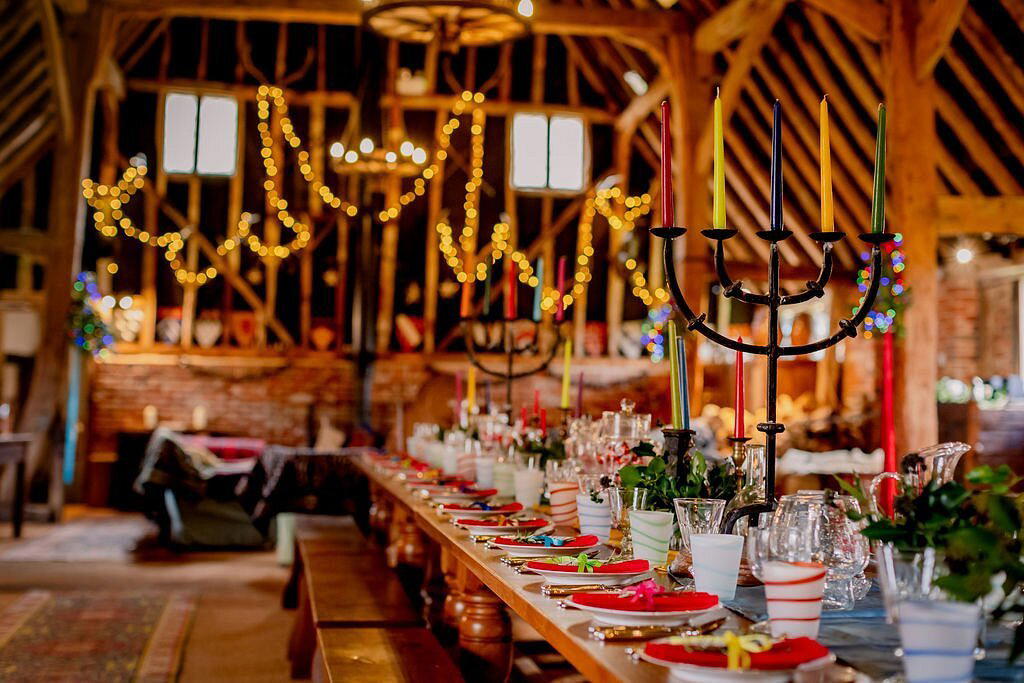
Bars in Lavenham
Browse all →

Hotels in Lavenham
Browse all →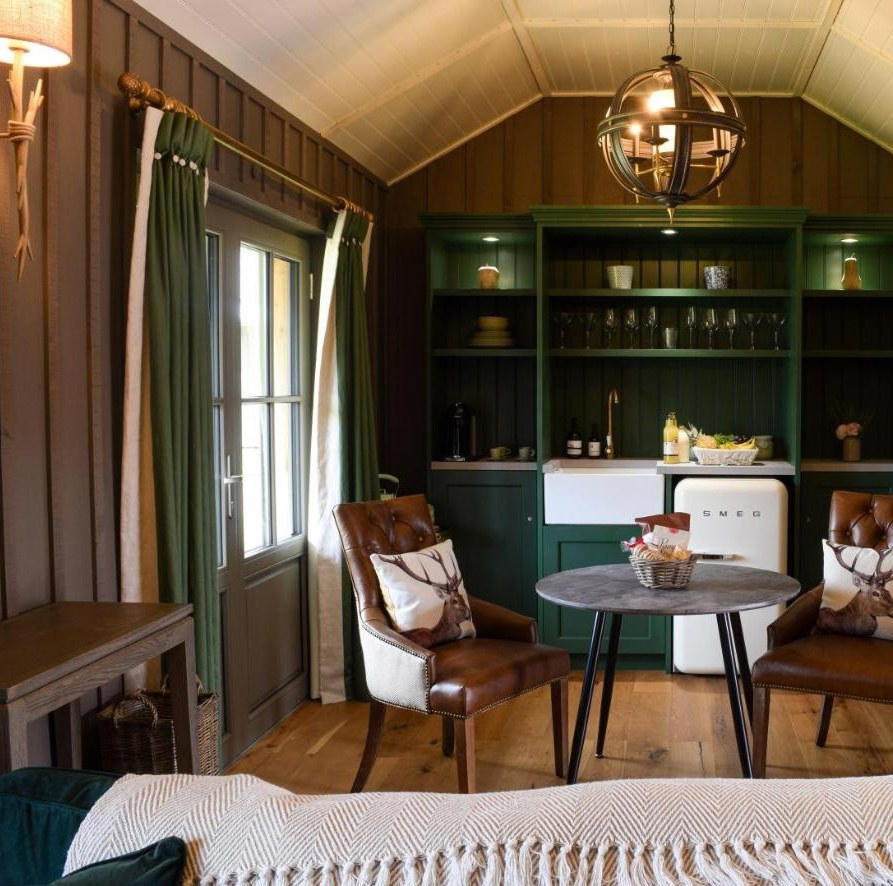
Wineries in Lavenham
Browse all →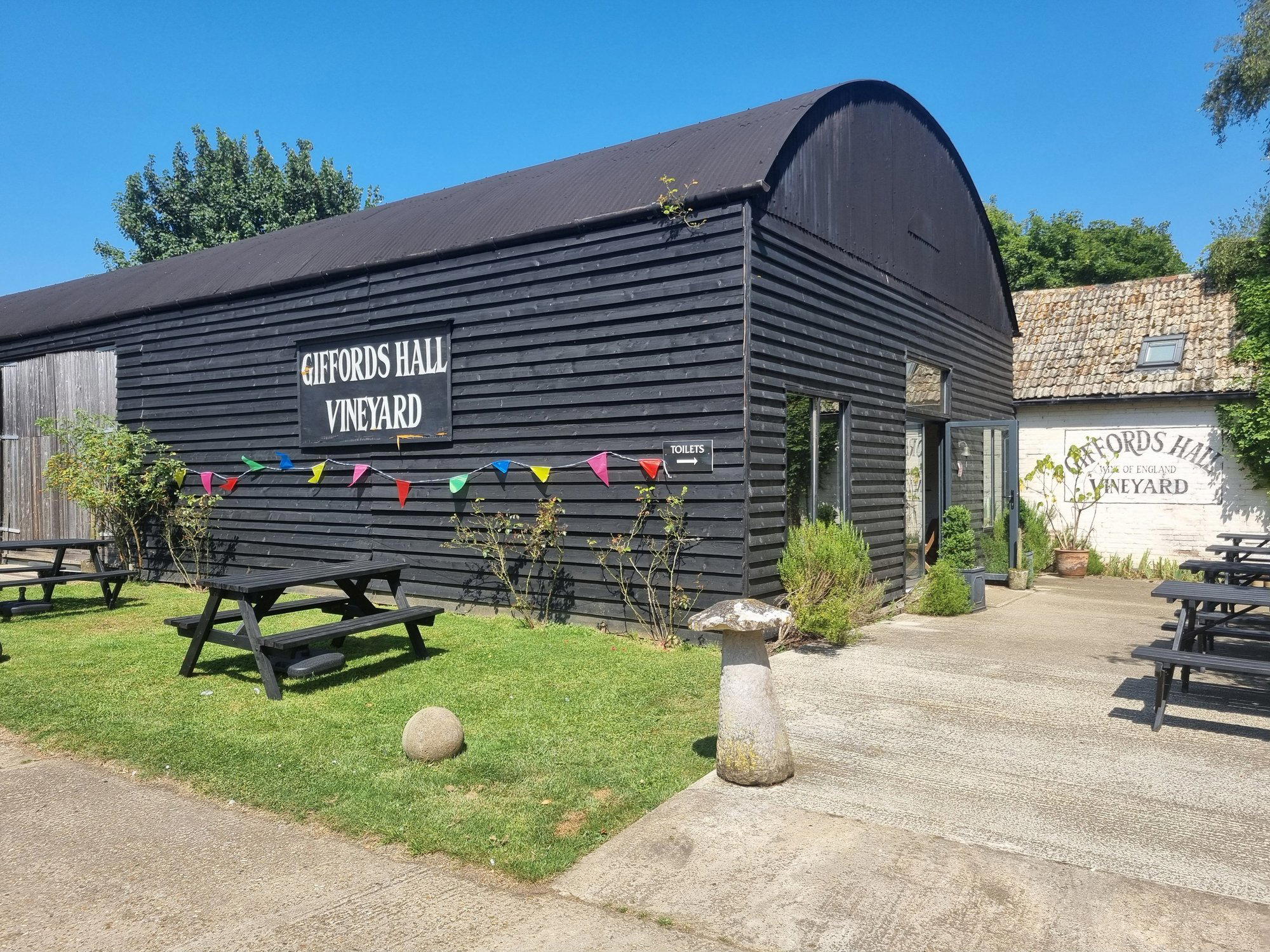
Details
- Elegant
- Romantic
- Classic
- Sophisticated
- Date Night
- Special Occasion
- Celebration
- Group Dining
- Business Dinner
- Historic Building
- Courtyard
- Private Dining
- Hotel Restaurant
- Extensive Wine List
- Craft Cocktails
- Sommelier Led
- Local Sourcing
- A La Carte
- Tasting Menu
- Wine
- Cocktails
- Vegetarian Friendly
- Allergy Accommodating
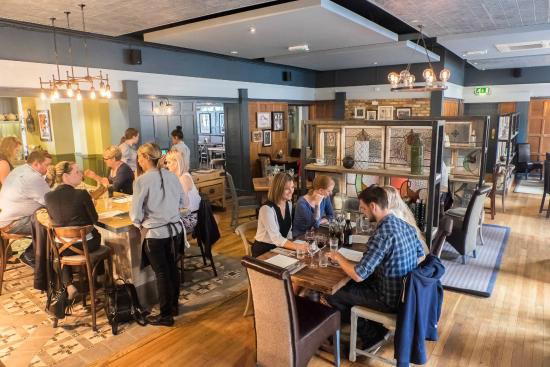
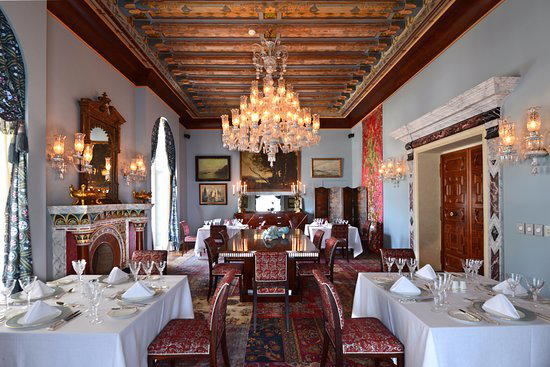
Artfully furnished with comfortable seating, well-lit dining room with mirrors, elegant decor in keeping with the historic building, warm and welcoming atmosphere with a touch of contemporary Soho-style swagger in the bar area.