The General Tarleton

The General Tarleton sits in the North Yorkshire inn tradition, where the quality of a meal is judged as much by sourcing discipline as by polish on the plate. Its 18th-century coaching-inn bones give the room a rural register, but the more useful question is how confidently the kitchen connects Ferrensby to the wider produce culture of Yorkshire.
Pearl is the En Primeur Club membership app — saves, bookings, and concierge access live there. Same editors, same standards.
- Address
- Harrogate Road, Ferrensby, North Yorkshire, HG5 0PZ, GBR
- Phone
- +44 1423 297050
- Website
- guide.michelin.com
 Saves & bookings on Pearl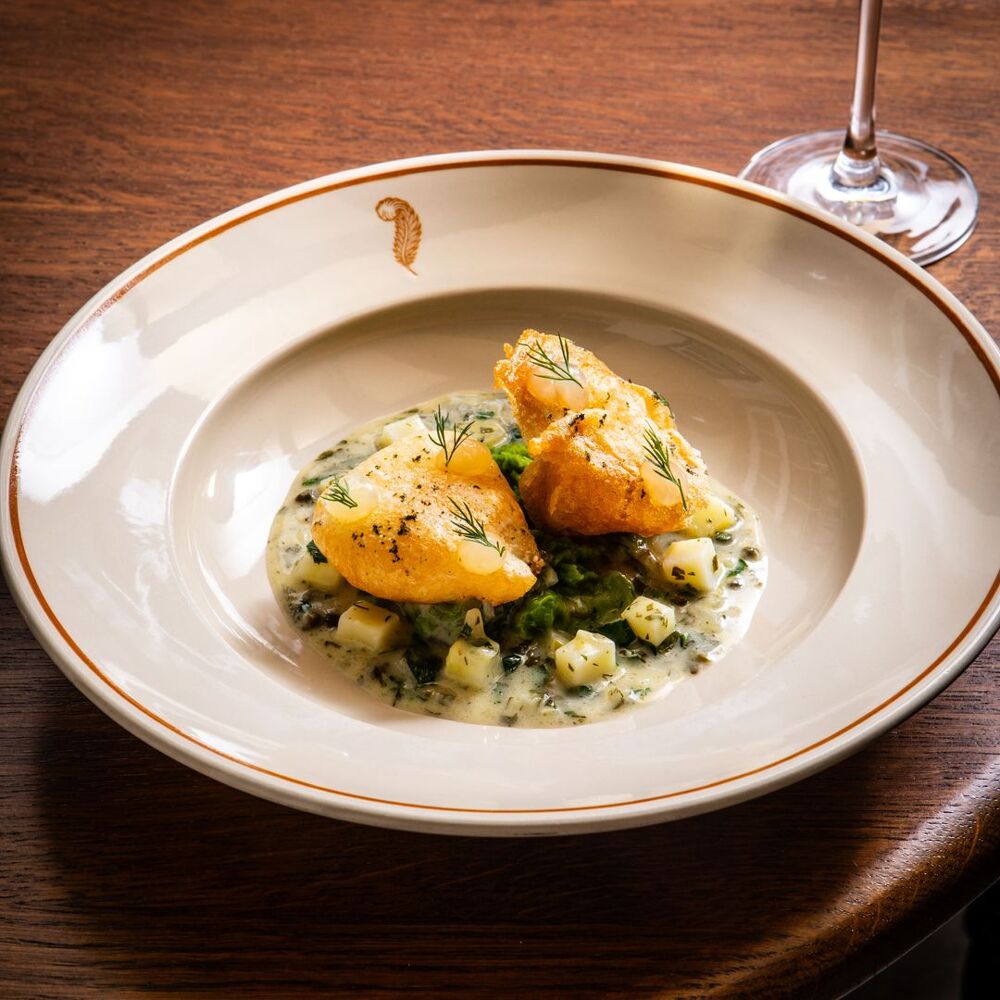
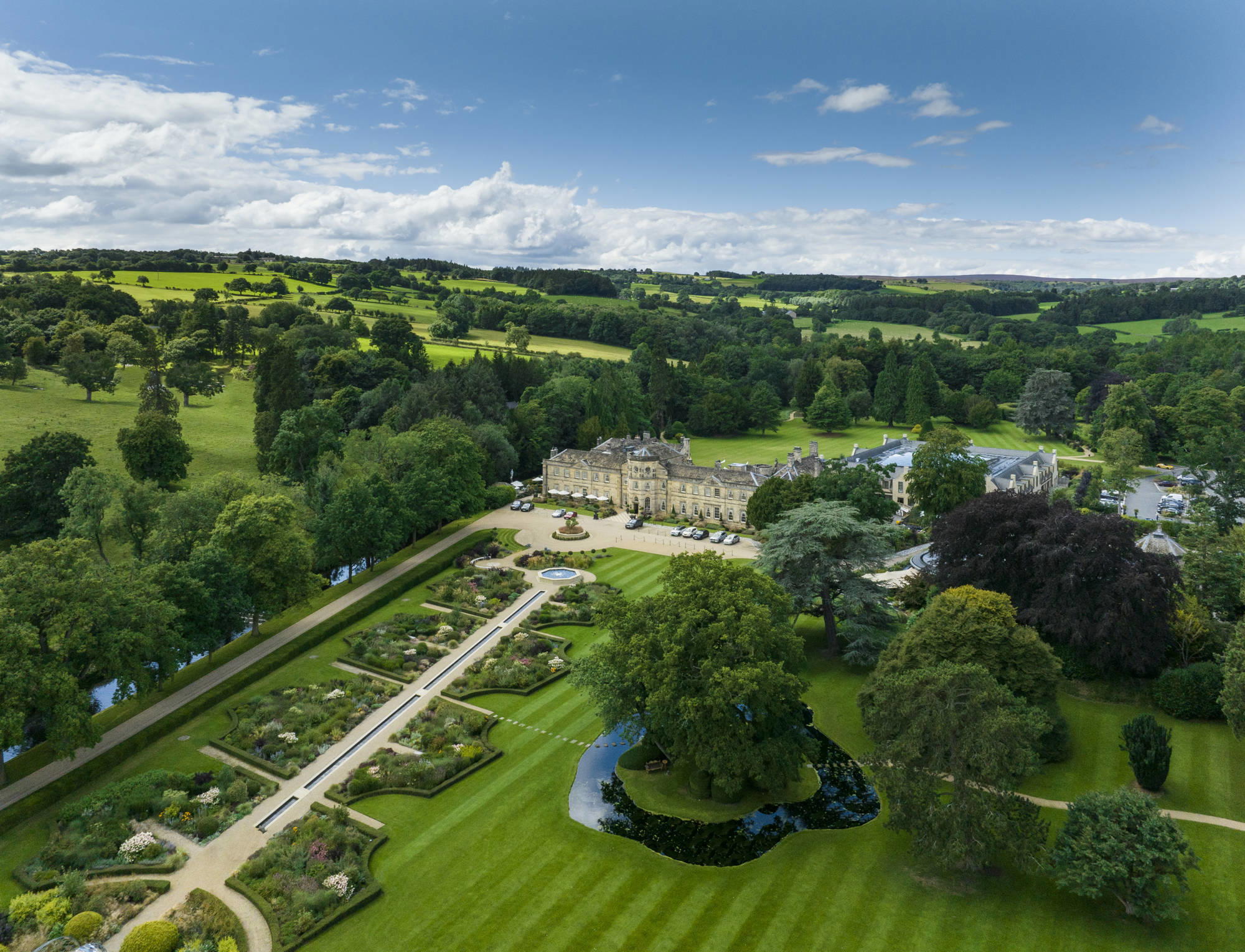
Arriving at a North Yorkshire coaching inn sets different expectations from a city dining room: older, lower, rooted in road travel, market-town rhythms, stone, timber, passing traffic, and the assumption that food should make sense in its county before impressing beyond it. The General Tarleton belongs to that lineage in Ferrensby. Its interest is not theatrical reinvention, but how a rural inn handles provenance, comfort, and restaurant ambition without losing the grammar of the pub.
That matters here. Yorkshire dining draws strength from farms, game, dairy, root vegetables, orchard fruit, and fish from the coast, yet serious regional kitchens face a familiar test: local sourcing cannot be a slogan. It must show in purchasing, menu structure, and restraint. A country inn leaning into regional supply has a clearer reason to exist than one chasing metropolitan tasting-menu codes. For broader planning, our full Ferrensby restaurants guide places it within the local dining circuit, while our full Ferrensby hotels guide, our full Ferrensby bars guide, our full Ferrensby wineries guide, and our full Ferrensby experiences guide give the surrounding travel context.
Yorkshire inn cooking works when provenance leads the plate
The strongest modern British inn is not nostalgic. It treats the building as inheritance and the menu as a current-season argument. In North Yorkshire, that means access to a broad larder: pasture-led meat, kitchen-garden vegetables, cheeses with county identity, and coastal supply close enough to shape a specials board when buying is serious. The General Tarleton is better read this way than as a standalone destination with one calling card. The question is whether the meal feels anchored to place, not whether it mimics the formality of York, Leeds, or London.
Comparable rural and out-of-metro rooms split into two camps. The Lime Tree Inn and Paradise Café signal approachable modern cuisine, where price and informality matter as much as technique. FIFTY TWO and The Old Deanery sit in a higher-price modern British register, where expectation shifts toward tighter pacing and a more composed restaurant experience. The General Tarleton occupies the inn side of that conversation: a historic hospitality format with restaurant intent, where the sourcing story must carry weight because the surroundings already supply atmosphere.
That helps judge value. In a city, diners often pay for scarcity, chef visibility, or a compact counter format. In a North Yorkshire inn, more persuasive value comes from ingredient clarity, cellar common sense, and a room that can handle both a planned meal and a slower lunch without feeling over-staged. The 18th-century coaching-inn background is not decorative trivia; it explains the format. These places were built around movement, rest, and feeding travellers. The modern version succeeds when it updates that function rather than sanding it into generic luxury.
The room should feel grounded, not overproduced
Ferrensby lacks the density of a restaurant quarter, so the inn carries more responsibility as a social room. Service must cover multiple tempos: drinkers, local regulars, overnight guests if rooms are in play, and diners travelling for food. The better country inns manage that range without turning the room into a hushed special-occasion set. The restaurant’s appeal sits in that middle register, where polish is welcome but stiffness would be a mistake.
For travellers comparing British regional dining, this is a useful counterpoint to more chef-forward formats. 'Seasgair' by Michel Roux Jr in Fort William carries a named-chef mountain-hospitality signal; “8” By Andrew Sheridan in Liverpool points to a city tasting-menu model; 081 Pizzeria Peckham in London shows how a narrower format can define a meal around dough and heat. Ferrensby asks for a different read: how convincingly the inn ties food, room, and county identity together.
That comparison also separates substance from rural theatre. Not every old building with beams and a fire earns culinary attention. The cooking must justify the trip in ingredient terms, especially where diners can find serious produce-led cooking at different levels of formality. 1 York Place in Bristol, 10 Tib Lane in Manchester, and 11th and Social in Norwich sit in different urban contexts, but underline the same national trend: British dining has moved away from heavy symbolism toward tighter, more legible formats. The inn version must do that while preserving warmth.
How to place it in a North Yorkshire itinerary
The restaurant makes clearest sense as part of a North Yorkshire day built around driving, market towns, and a meal with regional footing, not as a box-ticking stop. Ferrensby’s position gives it a countryside rhythm, so timing matters: lunch can feel more connected to the road-inn tradition, while dinner puts greater pressure on kitchen and room to carry the evening. The lack of a dense surrounding dining district is not a weakness; it means the meal should be chosen for the inn format itself.
Families should judge fit by occasion and timing rather than by the word “inn” alone. A rural dining room can be relaxed without being casual in the chain-pub sense, and a produce-led kitchen may not read as children’s dining if planned late or around a longer sitting. For adults, the stronger reason to go is the Yorkshire sourcing frame: food belonging to its county, served in a building type with centuries of hospitality logic behind it.
Readers building a wider UK eating map can use contrast to sharpen expectations. 1215 in Egham, 1498 The Spice Affair in Peterborough, 1610 at The Globe Inn in Dumfries, 17-18 Prince Albert St in Brighton and Hove, and 1861 in Abergavenny each show how regional rooms negotiate place, price, and format. Internationally, Jōdo Saké Bar in Los Angeles and Onigiri Time in Pasadena make the contrast sharper: compact specialist formats can succeed through precision alone, while a North Yorkshire inn must succeed through atmosphere, sourcing, and continuity. That is the standard by which the restaurant should be read.
Fast Comparison
Comparable venues by cuisine and price in the same metro.
| Venue | Cuisine | Price | Awards |
|---|---|---|---|
| The General Tarleton | This 18th-century coaching inn has been... | This venue | |
| The Lime Tree Inn | Modern Cuisine | ££ | Modern Cuisine, ££ |
| Horto | |||
| Paradise Café | Seasonal Cuisine | ££ | Seasonal Cuisine, ££ |
| FIFTY TWO | Modern Cuisine | ££££ | Modern Cuisine, ££££ |
| The Old Deanery | Modern British | ££££ | Modern British, ££££ |
Recognition history
Dated appearances from independent guides and award organizations, with the underlying list record or original source where available.
Michelin Plate
Michelin · 2026 Michelin Plate
Continue exploring
More in Ferrensby
Restaurants in Ferrensby
Browse all →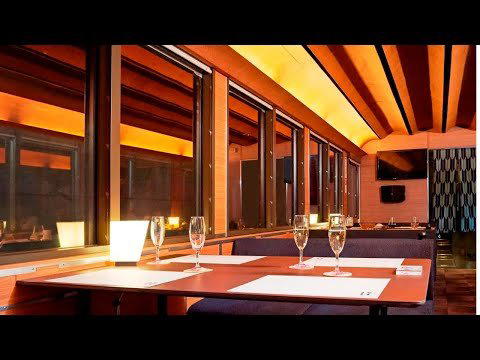
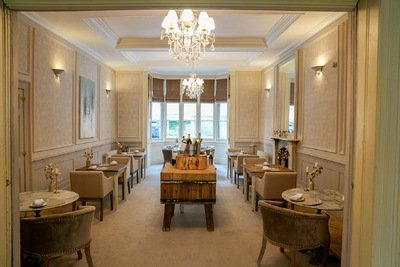
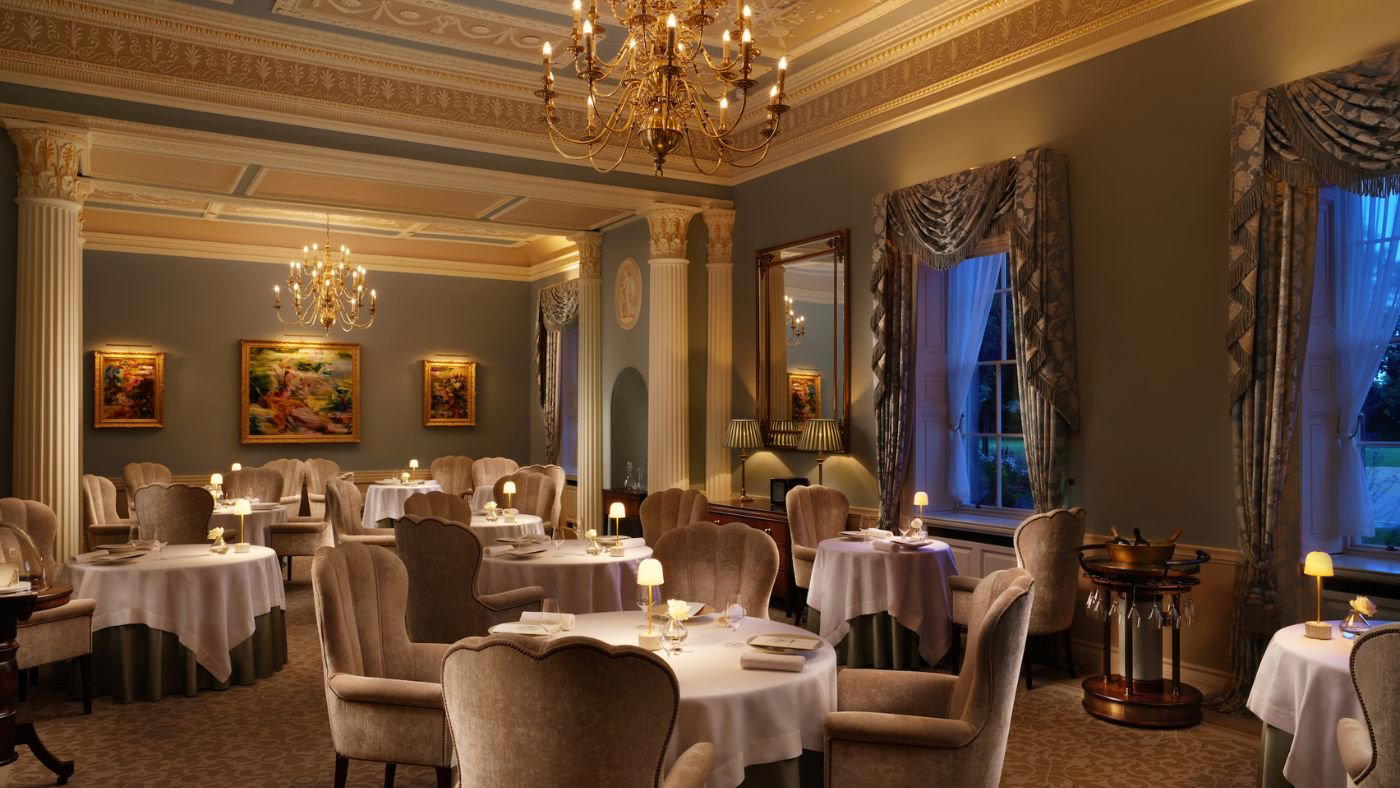
Bars in Ferrensby
Browse all →
At a Glance
- Classic
- Cozy
- Elegant
- Scenic
- Low Profile Address
- Date Night
- Group Dining
- Family
- Celebration
- Casual Hangout
- Special Occasion
- Garden
- Private Dining
- Historic Building
- Standalone
- Beer Program
- Local Sourcing
- Garden
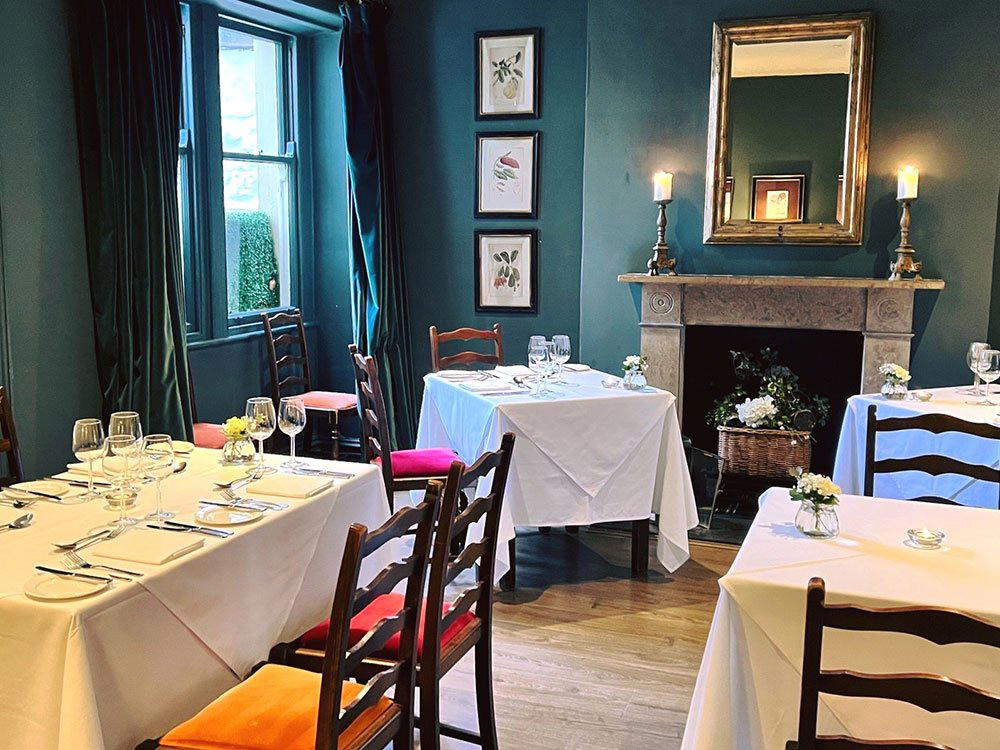
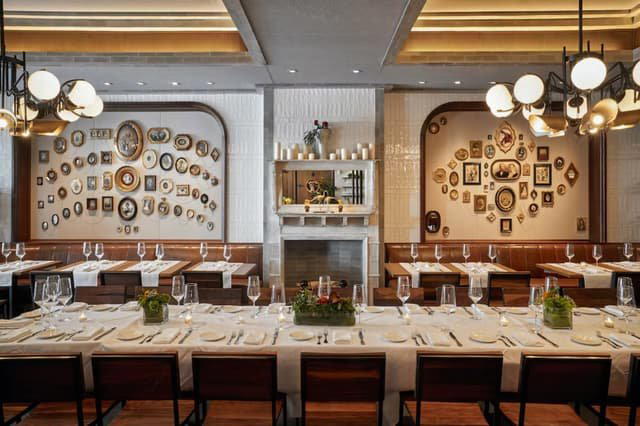
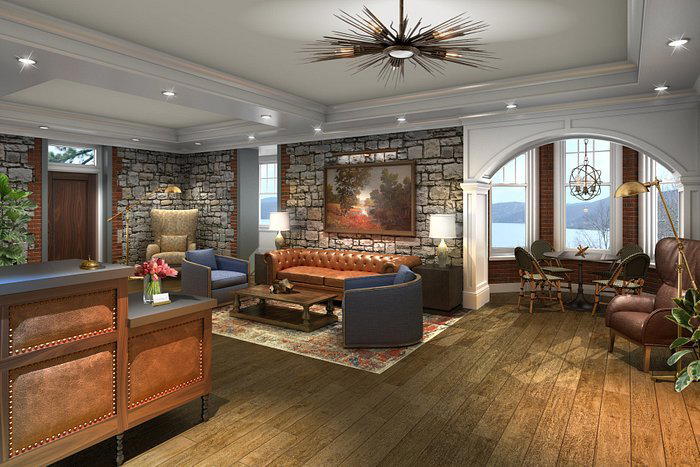
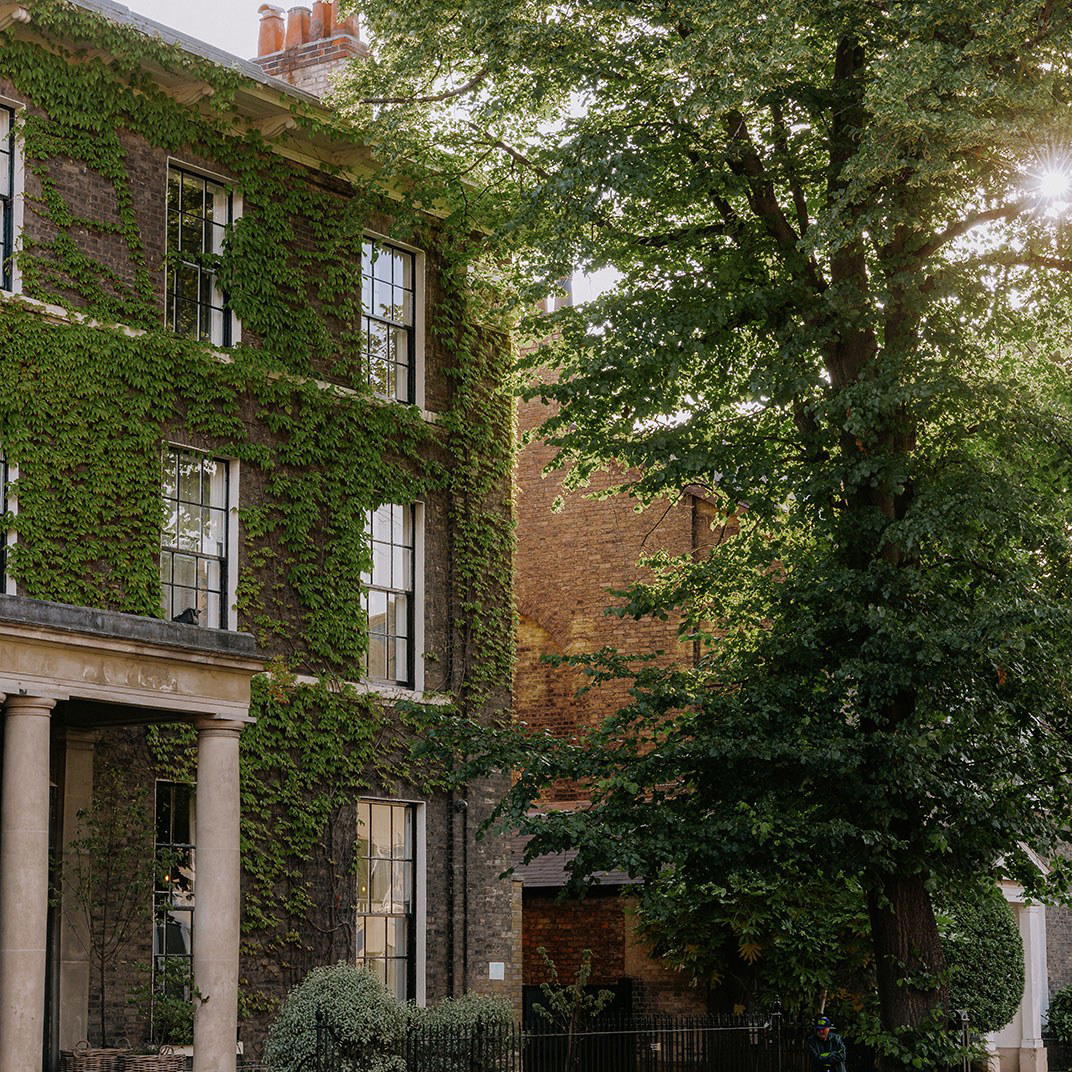
A restored old Yorkshire inn with a homely oak-and-Windsor-chair bar, a light-filled atrium, and separate roomier spaces that balance traditional warmth with a brighter modern feel.