The Farmers Arms


Michelin Plate · The Good Food Guide GFG Very Good
Our verdict
Hogget, zero-mile vegetables, and house-made syrups anchor a Modern British kitchen that takes sustainability as a structural commitment rather than a marketing line. The ££ price point makes it one of Devon's more accessible Michelin-recognised addresses.

Pearl is the En Primeur Club membership app — saves, bookings, and concierge access live there. Same editors, same standards.
- Address
- Woolfardisworthy, Bideford EX39 5QS, United Kingdom
- Phone
- +44 1237 439328
- Hours
- Mon–Sat 11:30 AM–11 PMSun 11:30 AM–6 PM
- Website
- woolsery.com
- Directions
- Get directions
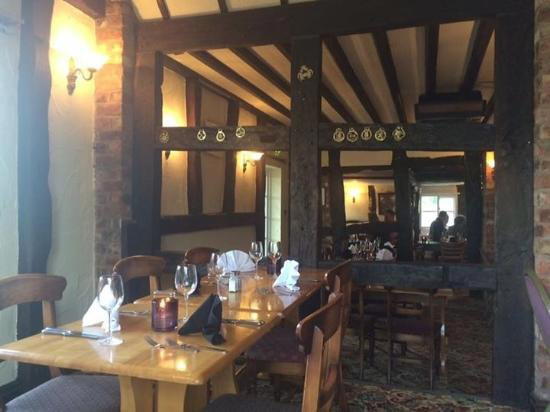
Where the Gastropub Argument Gets Serious
The reinvention of British pub dining has been one of the more convincing stories in the country's food culture over the past two decades. It moved from novelty to institution when places like Hand and Flowers in Marlow proved that a pub could hold two Michelin stars without abandoning its identity as a pub. The question the movement now poses is not whether a village inn can cook seriously, but how far that seriousness can reach without a city's supply chain, critic circuit, or dining density to support it.
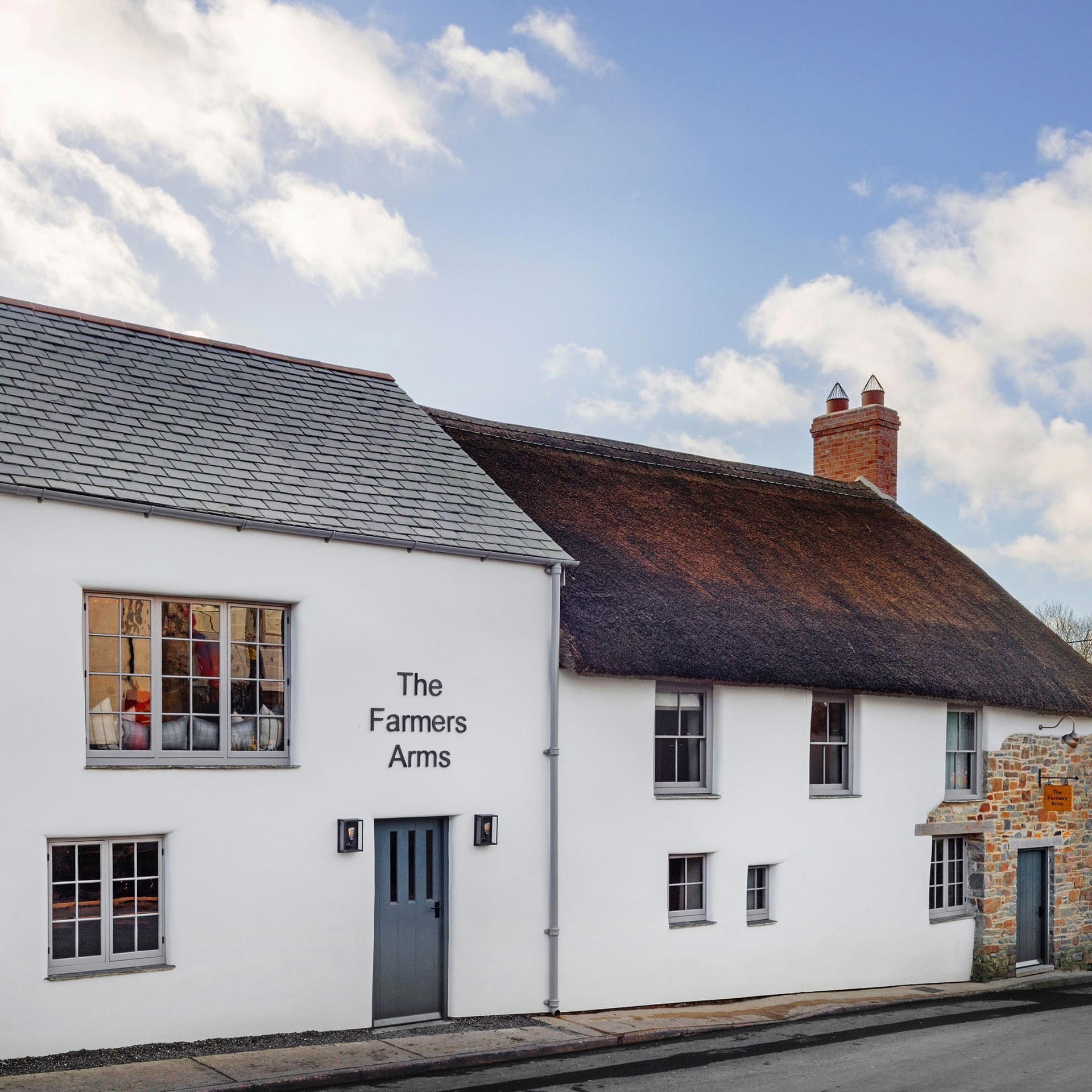
The building announces its age before you cross the threshold. Open fires, exposed timbers, and the low-ceilinged geometry of a rural Devon pub form the base layer, with touches of contemporary design worked in at deliberate intervals rather than imposed wholesale. The result is a room that feels neither preserved in amber nor inappropriately modernised. It is the physical argument for what the gastropub format does at its most coherent: the bones of a centuries-old community space, retooled for a kitchen that earns Michelin recognition.
The Farm-to-Table Commitment in Practice
Across British gastropub cooking, 'local sourcing' has become a phrase that can mean almost anything. At The Farmers Arms, it carries a specific structural meaning: the kitchen draws on produce from their own farm, which removes a supply layer and tightens the definition of seasonality considerably. Hogget — sheep between one and two years old, carrying more flavour than lamb but less fat than mutton — appears on the menu as a farm-direct product, not as a premium import. That distinction matters in a region where Devon farming runs deep and where the distance between field and plate is genuinely measurable.
The zero-mile philosophy extends to flavour substitution in a way that repays attention. Lemon geranium cake uses lemon verbena to replicate the citrus note, sidestepping imported lemons in favour of what grows locally. It is the kind of move that signals kitchen confidence rather than restriction: finding the flavour result through a different route, then presenting it without apology. Homemade syrups extend the same thinking into the drinks side, producing aperitifs that read as refreshing rather than rustic.
Michelin Recognition at the ££ Level
The Farmers Arms holds a Michelin Plate for both 2024 and 2025, a designation that signals consistent cooking quality rather than the full star framework. At the ££ price range, it occupies a different tier from the country's headline Modern British addresses. CORE by Clare Smyth and The Ritz Restaurant in London sit at ££££, as do L'Enclume in Cartmel and Moor Hall in Aughton, venues where the tasting menu format and the full front-of-house apparatus drive costs upward. The Farmers Arms does something structurally different: it applies serious culinary intent within a format that retains the informality and accessibility of a village pub. That combination is harder to sustain than it sounds, and the Michelin Plate across consecutive years suggests the kitchen is doing it consistently.
That is a meaningful sample size for a rural Devon hamlet, and the consistency of the score indicates that the kitchen's output holds across a range of diners rather than only those pre-disposed to fine dining. For context on how this fits into the wider Michelin-recognised dining in the south-west, Gidleigh Park in Chagford and hide and fox in Saltwood represent adjacent points of comparison in the regional recognition map.
The Frequently Changing Menu as Editorial Signal
Menus that change frequently at this level of the market do so for two reasons: produce availability and kitchen ambition. When a kitchen is tied to its own farm output and a sustainability brief, the calendar dictates the card. A dish that was on last month may not be on this month, not because of trend-chasing but because the ingredient is no longer at the right moment. That structure rewards repeat visits and punishes advance planning based on specific dishes seen online. It also means that the zero-mile lemon geranium cake and the hogget preparations are entry points into the kitchen's thinking, not fixed menu items to bank on finding. Details on bars, hotels, wineries, and Hand and Flowers in Marlow than to a white-tablecloth room like Midsummer House in Cambridge or Opheem in Birmingham.
Frequently asked questions
What does dinner at The Farmers Arms typically cost?
Pricing at The Farmers Arms is listed as ££.
Where is The Farmers Arms in Woolfardisworthy?
The Farmers Arms is located at Woolfardisworthy, Bideford EX39 5QS, United Kingdom, Woolfardisworthy.
At-a-Glance Comparison
| Venue | Cuisine | Price | Awards |
|---|---|---|---|
| The Farmers ArmsThis venue — the venue you are viewing | Farm-to-Table Gastropub | $30–50 | Michelin Plate · The Good Food Guide GFG Very Good |
| The Ledbury | Modern European, Modern Cuisine | Not listed | Michelin 3 Star |
| Sketch, The Lecture Room and Library | Modern French | Not listed | Michelin 3 Star |
| CORE by Clare Smyth | Modern British | Not listed | Michelin 3 Star |
| Restaurant Gordon Ramsay | Contemporary European, French | Not listed | Michelin 3 Star |
| Dinner by Heston Blumenthal | Modern British, Traditional British | Not listed | Michelin 2 Star |
Recognition history
Dated appearances from independent guides and award organizations, with the underlying list record or original source where available.
Michelin Plate
Michelin
The Good Food Guide GFG Very Good
The Good Food Guide
Full recognition history (4 entries)
Michelin Plate
Michelin
Michelin Plate
Michelin
Continue exploring
More in Woolfardisworthy
Restaurants in Woolfardisworthy
Browse all →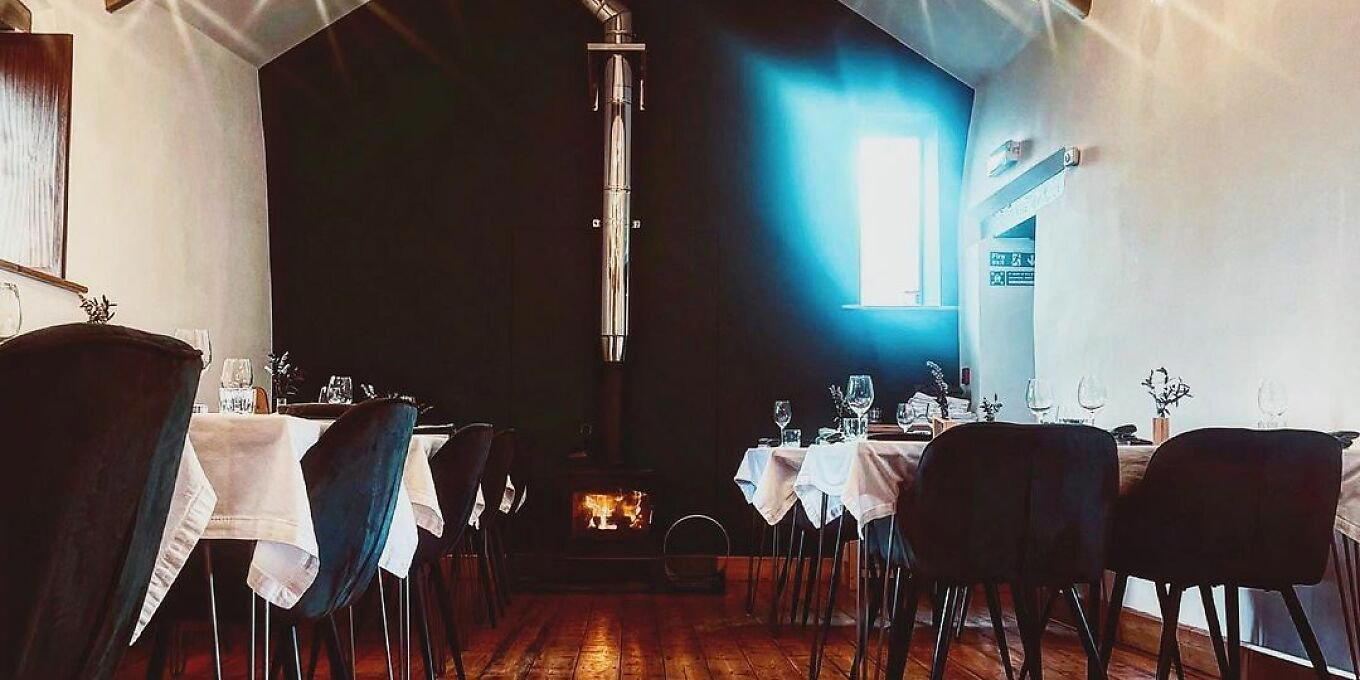
Bars in Woolfardisworthy
Browse all →

Details
- Cozy
- Rustic
- Elegant
- Classic
- Special Occasion
- Date Night
- Family
- Celebration
- Historic Building
- Beer Program
- Farm To Table
- Local Sourcing
- A La Carte
- Tasting Menu
- Set Menu
Current opening hours
- Monday
- 11:30 AM–11 PM
- Tuesday
- 11:30 AM–11 PM
- Wednesday
- 11:30 AM–11 PM
- Thursday
- 11:30 AM–11 PM
- Friday
- 11:30 AM–11 PM
- Saturday
- 11:30 AM–11 PM
- Sunday
- 11:30 AM–6 PM
Hours can change for holidays and private events. Last verified .
Cozy and stylish with beautiful decor, rustic wood elements, high vaulted ceilings, big fireplaces, and a relaxed yet upscale pub atmosphere.