Pattard Restaurant

The Good Food Guide GFG Good
Our verdict
Set in a converted milking parlour on a 90-acre farm inside an Area of Outstanding Natural Beauty, Pattard Restaurant operates as a 26-cover dining room run entirely by two chefs who split kitchen and floor duties between them. The menu pivots with the seasons, drawing from local north Devon producers and the surrounding waters, with dishes that demonstrate what serious sourcing looks like at small scale.

Pearl is the En Primeur Club membership app — saves, bookings, and concierge access live there. Same editors, same standards.
- Address
- Farm, Pattard, Hartland, Bideford EX39 6BY, United Kingdom
- Phone
- +44 1237 441444
- Hours
- Mon–Sat 5–9 PMSun Closed
- Website
- pattardrestaurant.co.uk
- Directions
- Get directions
- Booking
- Book on the venue's website
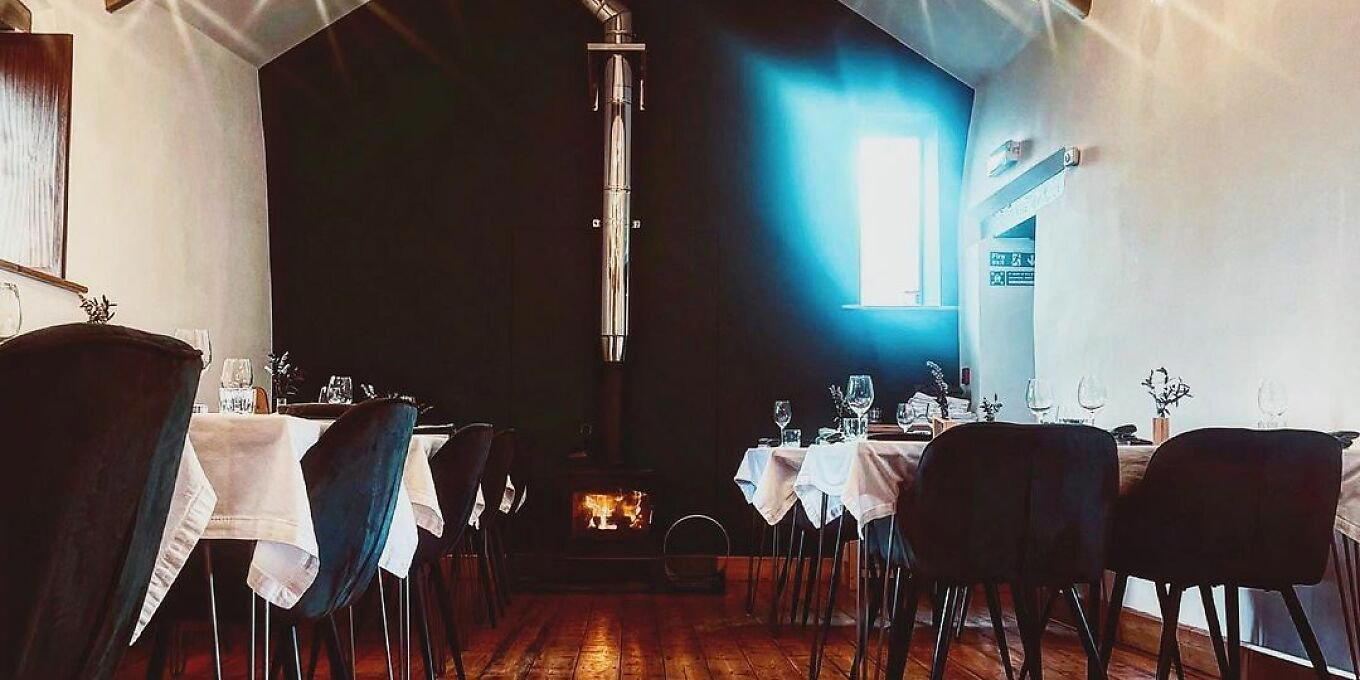
A Farm, a Parlour, and a Particular Approach to Sourcing
There is a version of farm-to-table dining that exists mostly as branding: a few local suppliers credited on a menu printed in a rustic font, served in a room that could be anywhere. Pattard Restaurant, on a 90-acre working farm in Hartland, north Devon, is the other version. The building is a former milking parlour. The farm shares the restaurant's name. The sourcing is not a narrative layer placed over the cooking; it is the architecture of every dish on the plate.
North Devon's coastline and its immediate hinterland constitute one of England's more productive larders, and that geography is visible in what arrives at the table here. Cornish scallops, Fowey mussels, skrei cod, Herdwick lamb from upland flocks: these are not ingredients that require explanation, but they do require the discipline to let them lead rather than follow. At Pattard, that discipline is apparent in how restraint and specificity work together across a menu that changes with the seasons.
The Room and How It Works
The former milking parlour seats 26, and the layout pairs the dining room with an open kitchen in a single continuous space. Two chefs, Daniel Lord and Toni Mctoal, run the entire operation: cooking, plating, and taking turns at front of house during service. That arrangement creates something that most restaurants of this category cannot replicate through staffing alone. The person explaining a dish at the table is, in many cases, the person who cooked it. The level of detail exchanged during service is, as a result, genuinely instructive rather than scripted.
The location, within an Area of Outstanding Natural Beauty on the north Devon coast, places Pattard in a category of rural British restaurants that have turned remoteness into a feature rather than a limitation. The drive to Hartland is not short from any direction, but the distance functions as a filter, ensuring that the room fills with guests who have made a considered decision rather than a convenient one. For context on how the wider Hartland dining scene sits around this, see our full Hartland restaurants guide.
What the Sourcing Actually Produces
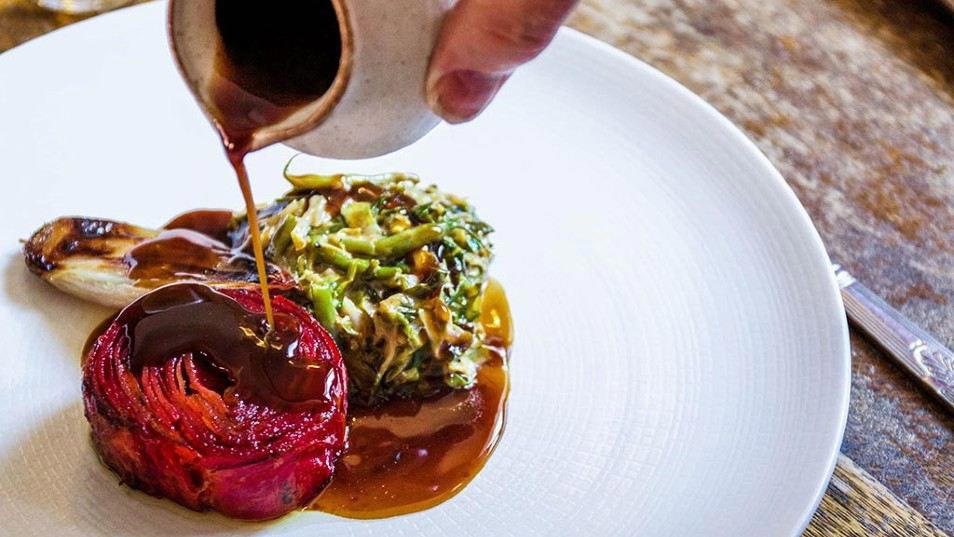
Britain's coastal restaurant tradition has long centred on the south-west, and Pattard's menu demonstrates why that geography carries weight. The waters around north Devon supply the kitchen with ingredients that require minimal intervention to be compelling. Skrei cod, the migratory Norwegian winter cod that reaches British markets between January and April, has a firmer, leaner texture than year-round Atlantic cod; here it arrives balanced against an earthy bean stew with Fowey mussels, sea vegetables, lovage, red dulce, and ramson. The combination works because each element is placed where it earns its inclusion, rather than assembled for effect.
The same logic applies to the meat sourcing. Herdwick lamb, from the fell-bred Cumbrian flocks that produce some of England's most flavourful new-season lamb, appears as both fillet and shredded shoulder on the same plate, alongside parsnip prepared two ways, fondant potatoes, fresh peas, and a fennel-infused lamb jus. It is a dish built around the argument that careful sourcing and thorough technique, applied together, produce something that elaborate creativity cannot substitute for.
On the starter side, Cornish scallops in a crab bisque with smoked roe, fennel, and tarragon, and goat's cheese tortellini with walnuts, beetroot, and buttered spinach, illustrate that the kitchen's range covers both the coast and the vegetable patch with equal confidence. Desserts, including a Black Forest crémeux with black cherry sorbet and chocolate soil, show that the seasonal discipline extends through every course.
Where Pattard Sits in the Broader Picture
The rural fine-dining model has produced some of England's most discussed restaurants over the past two decades. L'Enclume in Cartmel and Moor Hall in Aughton operate within that tradition at the highest tier of critical recognition, with multiple Michelin stars and years of accumulated reputation. Gidleigh Park in Chagford holds a comparable position for Devon specifically. Pattard operates at a different scale and with a different structure, two chefs, 26 covers, a rotating front-of-house arrangement, but the sourcing philosophy places it in the same conversation about what serious regional cooking in England looks like when the ingredients are allowed to make the case.
The distinction worth noting is that the larger properties in this tradition can absorb specialist sourcing into a broader operation without that sourcing being the defining characteristic of how the kitchen works day to day. At a 26-cover restaurant run by two people on a farm, there is no equivalent buffer. The ingredients have to be right, or the menu does not function. That constraint produces a particular kind of clarity that is harder to achieve at scale.
For those comparing destinations across southern England's restaurant offering, Hide and Fox in Saltwood and Hand and Flowers in Marlow represent the same commitment to place-specific cooking expressed through different regional contexts. At the other end of the formality spectrum, The Ledbury in London and Le Manoir aux Quat' Saisons in Great Milton show what the same emphasis on sourcing and seasonality looks like within a high-investment urban or country-house format.
Planning a Visit
Hartland sits on the north Devon coast, a stretch of coast that is genuinely remote by English standards: the roads narrow significantly on approach, and the farm address requires attention to navigation. There is no walk-in culture for a 26-cover restaurant of this kind; advance booking is the operating assumption. The wine list is described as a brief selection, but it offers flexible measures and reasonable pricing, which at a restaurant of this ambition represents a considered hospitality decision rather than a gap.
Accommodation in Hartland itself is limited, and guests travelling from further afield may want to anchor nearby, in Bideford or Barnstaple, where options are wider. For those extending the trip, our full Hartland hotels guide covers local accommodation, and our Hartland bars guide, wineries guide, and experiences guide map out what the surrounding area offers beyond the restaurant itself. Seasonal timing matters: the menu reflects what north Devon's land and coast produce in a given period, so the experience in February (skrei cod season, winter roots) differs meaningfully from a summer visit when scallops and garden vegetables lead.
Frequently asked questions
Is Pattard Restaurant a family-friendly restaurant?
The 26-cover dining room is an intimate, quiet space inside a converted milking parlour on a working 90-acre farm, which suits a focused dinner rather than a casual family outing. The seasonal tasting-style menu and the single-space kitchen-dining format lean toward adult diners who want to engage with the food and its provenance. Families with older children who appreciate that kind of setting would likely find it comfortable; those with very young children may find the room less accommodating.
What is the atmosphere like at Pattard Restaurant?
The former milking parlour creates an unselfconsciously rural feel: 26 covers in a room that opens directly onto the kitchen, with no separation between the two chefs cooking and the dining space. Daniel Lord and Toni Mctoal alternate front-of-house duties during service, so the conversation at table about the food and its sourcing is detailed and direct. It reads less like a curated restaurant experience and more like a working kitchen that happens to seat guests.
What kind of recognition has Pattard Restaurant received?
Pattard Restaurant has received recognition including: In an Area of Outstanding Natural Beauty, and sharing its name with the 90-acre farm on which it sits, Daniel Lord and Toni Mctoal’s rural restaurant celebrates the seasonal harvest from local producers and the waters around north Devon. Se….
What do people recommend at Pattard Restaurant?
The menu changes seasonally, but dishes that have drawn attention include fat, caramelised Cornish scallops in a crab bisque finished with smoked roe, fennel and tarragon, and a skrei cod loin set against a bean stew with Fowey mussels, sea vegetables and ramson. New-season Herdwick lamb, served as both fillet and shredded shoulder with confit and puréed parsnip, has also been noted for its balance of generosity and precision. Desserts such as the Black Forest crémeux with black cherry sorbet and chocolate soil round out a menu that reviewers have described as great value for the level of cooking.
Where is Pattard Restaurant in Hartland?
Pattard Restaurant is located at Farm, Pattard, Hartland, Bideford EX39 6BY, United Kingdom, Hartland.
Can I walk in to Pattard Restaurant?
At 26 covers run by just two people, the room fills quickly and walk-ins are a significant risk. Hartland itself is remote by English standards, so arriving without a booking and being turned away means a long drive back with no obvious alternative nearby. Booking ahead is the practical course of action.
What is Pattard Restaurant known for?
Pattard is known for a rigorous commitment to seasonal sourcing from local north Devon producers and the waters of the surrounding coast, executed by two chefs who run the entire operation, kitchen and front of house, between them. The restaurant sits within an Area of Outstanding Natural Beauty on the 90-acre farm that shares its name, and the menu reflects that geography directly: Cornish scallops, Fowey mussels, Herdwick lamb, and coastal sea vegetables appear as functional ingredients rather than decorative provenance claims. The format, a 26-cover parlour with an open kitchen and no support brigade, is as much a statement about how this kind of cooking can work as it is a practical constraint.
Comparison Snapshot
Comparable venues nearby, for context on price, style, and recognition.
| Venue | Cuisine | Price | Awards | Notes |
|---|---|---|---|---|
| Pattard RestaurantThis venue — the venue you are viewing | Modern British Seasonal | $30–50 | The Good Food Guide GFG Good | Not listed |
| The Highland Laddie | Modern British Gastropub | $30–50 | Not listed | Burley |
| Runwayskiln | British Coastal Cafe | $10–20 | Not listed | Marloes Sands |
| Café Ode | Sustainable British Cafe | $20–30 | The Good Food Guide GFG Good | Shaldon |
| Old Bushmills Distillery | British Comfort Food | Not listed | Not listed | Bushmills |
| Canteen | British Cafe with Local Seasonal Fare | $10–20 | Not listed | Fore Street |
Recognition history
Dated appearances from independent guides and award organizations, with the underlying list record or original source where available.
The Good Food Guide GFG Good
The Good Food Guide

Details
- Rustic
- Cozy
- Intimate
- Date Night
- Special Occasion
- Group Dining
- Open Kitchen
- Extensive Wine List
- Local Sourcing
- Farm To Table
- A La Carte
- Vegetarian Friendly
- Vegan Options
- Gluten Free Options
Current opening hours
- Monday
- 5–9 PM
- Tuesday
- 5–9 PM
- Wednesday
- 5–9 PM
- Thursday
- 5–9 PM
- Friday
- 5–9 PM
- Saturday
- 5–9 PM
- Sunday
- Closed
Hours can change for holidays and private events. Last verified .
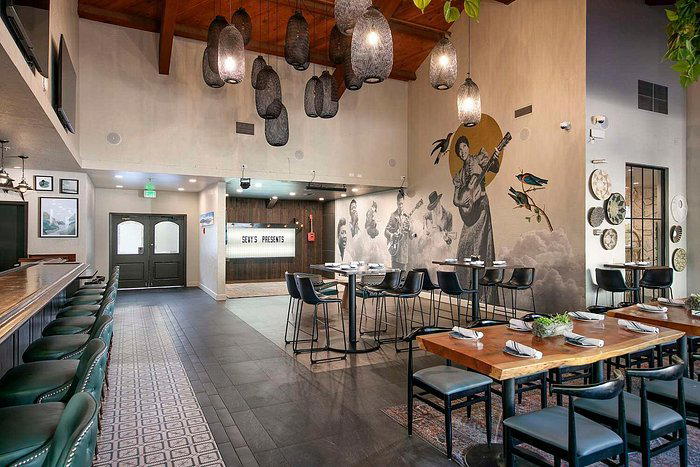
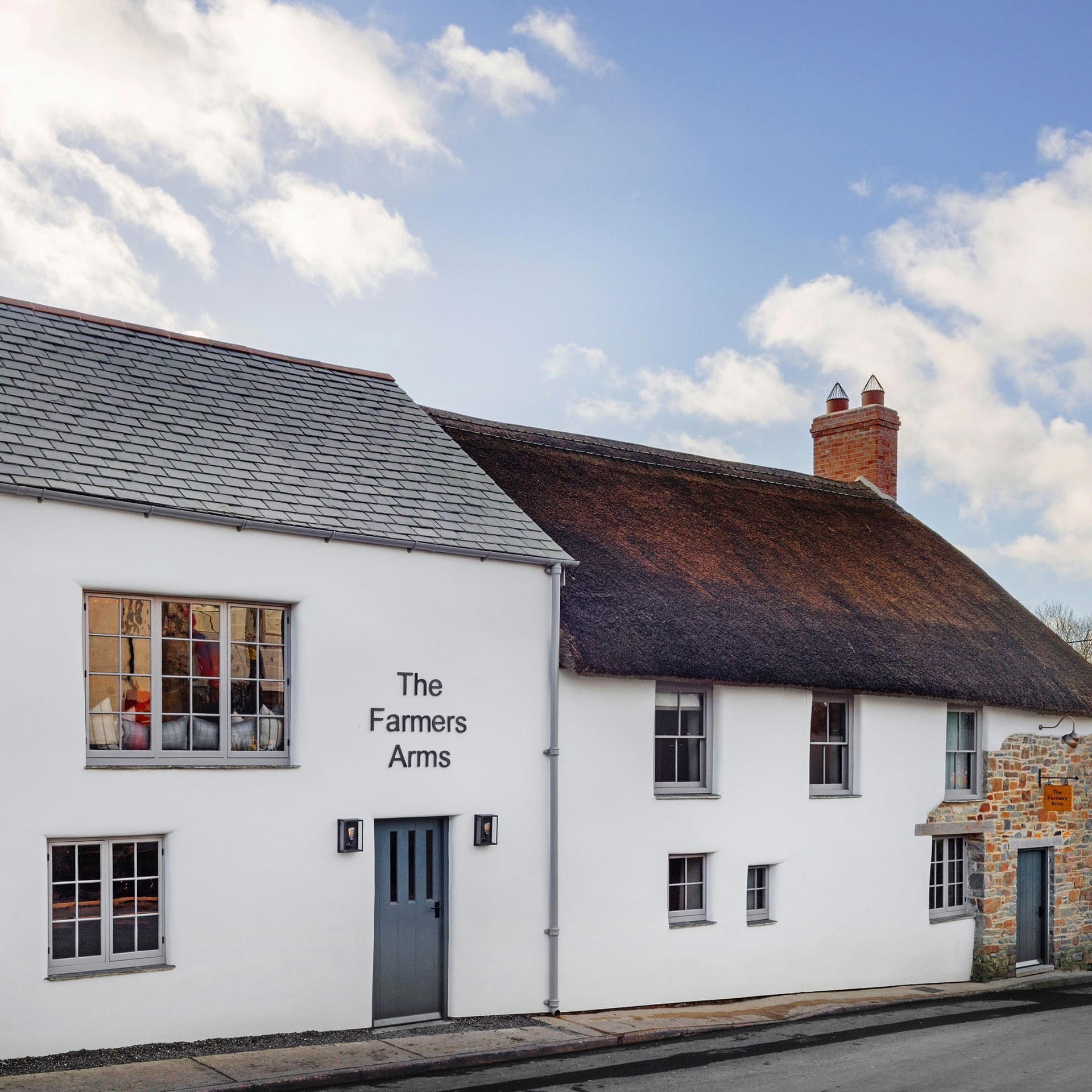
Warm, welcoming barn-style atmosphere with simple decor, cosy log burner, and tasteful lighting creating an inviting rustic setting.