The English Pig
On Brushfield Street in Spitalfields, The English Pig sits in one of London's most historically layered eating neighbourhoods, where market traders and City workers have demanded substance over style for centuries. The name signals a deliberate cultural statement: British pork cookery as something worth taking seriously. For visitors working through London's Modern British dining conversation, this address belongs on the itinerary.
Pearl is the En Primeur Club membership app — saves, bookings, and concierge access live there. Same editors, same standards.
- Address
- Brushfield St, London E1 6AG, United Kingdom
- Phone
- 020 7600 9707
- Website
- theenglishpig.co.uk
- Directions
- Get directions
 Saves & bookings on Pearl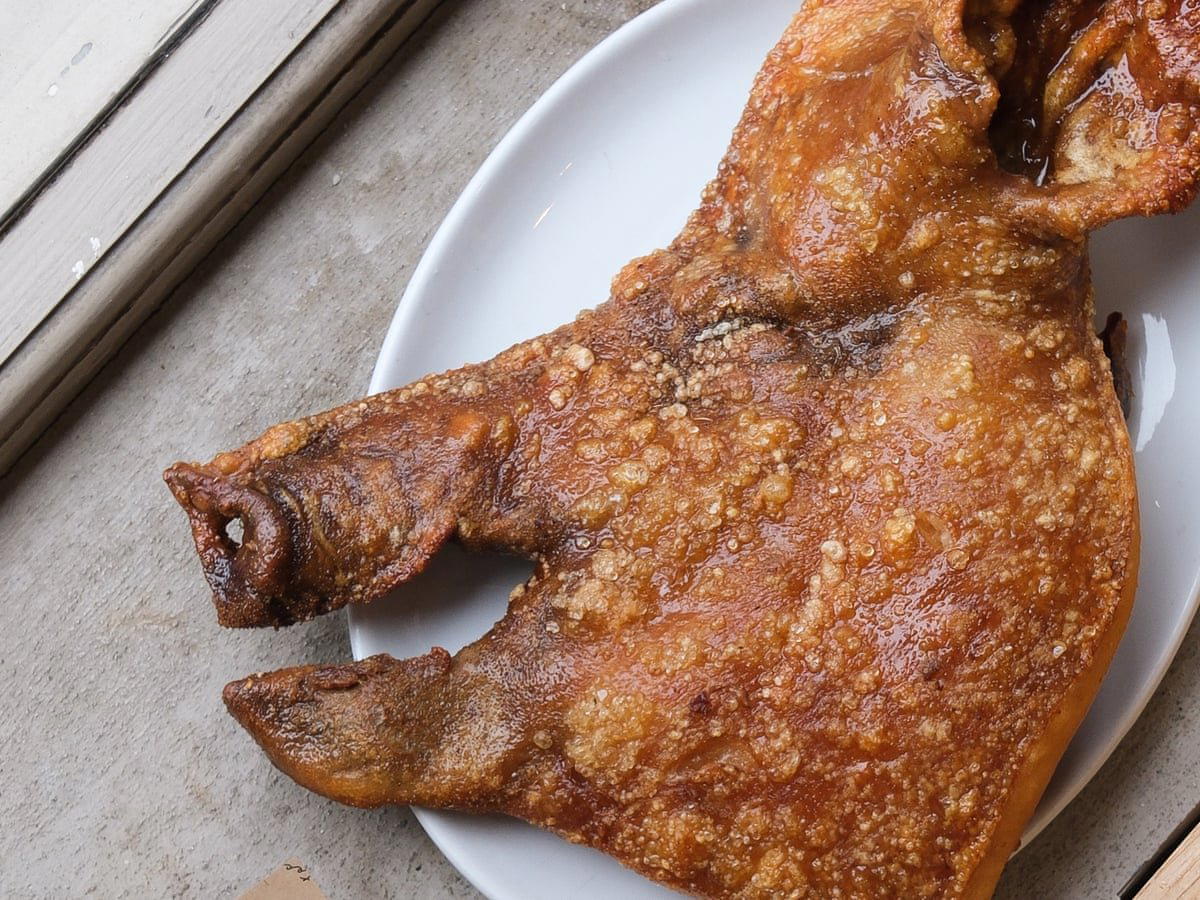
Spitalfields and the Case for British Pork Cookery
The English Pig is a restaurant in Spitalfields, London, serving British pork-focused gastropub cooking. That might sound like a narrowly drawn instruction, but it points to something genuinely underexplored in London's dining conversation. While the city's headline Modern British restaurants, places like CORE by Clare Smyth and Dinner by Heston Blumenthal, spend considerable effort reframing British culinary history through tasting menus and archival research, the more street-level tradition of nose-to-tail pork cookery has a longer, less glamorous, and more honest claim on London's food identity.
Spitalfields itself is worth understanding before arriving. The neighbourhood around Brushfield Street has operated as a trading and eating district since the seventeenth century, shaped in successive waves by Huguenot silk weavers, Jewish immigrants, Bangladeshi communities, and more recently by the financial workers spilling west from the City. Each group left a culinary deposit. The result is one of London's most contested and layered food streets, where a Victorian market hall now anchors boutique food stalls and the architecture carries more historical weight than the menus sometimes do. The English Pig, at Brushfield Street E1, plants itself in that context.
British Pork and Why It Demands Attention
The cultural roots of British pork cookery go deeper than most restaurant concepts acknowledge. Before refrigeration reshaped the English diet, the pig was the animal most households could afford to raise, slaughter, and preserve. Every part was used: offal eaten fresh, fat rendered for cooking, belly salted, hocks smoked. The tradition produced a body of preparation knowledge that most of Europe shares in some form but that Britain, uniquely, spent several decades treating as unfashionable. The revival of heritage breed farming through the 1990s and 2000s, with producers focusing on Gloucester Old Spot, Tamworth, and Middle White pigs, gave restaurants a reason to bring that knowledge back into professional kitchens.
That revival created a recognisable tier of British restaurants and gastropubs willing to build menus around the animal in something close to the old whole-beast logic. Hand and Flowers in Marlow and Moor Hall in Aughton each demonstrate, in different registers, that ingredient-led British cooking can carry serious critical weight. The English Pig occupies a different position in that conversation: a London address, a market neighbourhood, and a name that makes the cultural argument explicit rather than decorative.
The Neighbourhood Frame: Brushfield Street in Practice
Brushfield Street runs parallel to Commercial Street along the northern edge of the Old Spitalfields Market building. The foot traffic is mixed in a way few London streets manage: early-morning market visitors, mid-morning office workers, lunchtime crowds from the surrounding creative and financial sectors, and evening visitors drawn specifically to eat rather than to pass through. That demographic range shapes what works here commercially. Venues that survive long-term on Brushfield Street tend to offer something specific enough to draw deliberate visits but accessible enough to absorb walk-in trade.
The street sits within walking distance of Liverpool Street station, which connects it to both the Elizabeth line and the broader rail network. For visitors staying elsewhere in London, the journey is short. For those building a day around the East End, Brushfield Street pairs naturally with Brick Lane, Petticoat Lane, and the Columbia Road area to the north. Compared to the formal dining corridors of Mayfair or Chelsea, where restaurants like Restaurant Gordon Ramsay and Sketch, The Lecture Room and Library operate in a different register entirely, Spitalfields positions its eating around informality and directness.
Where The English Pig Sits in London's Broader Dining Picture
London's Modern British category has split into at least two distinct tiers over the past decade. The upper tier, including Michelin-decorated rooms such as The Ledbury, operates on tasting menu logic with price points to match. The broader mid-market tier, spread across gastropubs, neighbourhood bistros, and concept-driven smaller rooms, tends to work from a shorter, ingredient-focused menu with a more accessible cover charge. The restaurant fits structurally into the latter group, where the cultural statement about British produce carries as much weight as the technical execution.
That positioning places it in interesting company. Venues like L'Enclume in Cartmel and Gidleigh Park in Chagford demonstrate what the destination end of British ingredient-led cooking looks like, with longer menus, rural settings, and extended booking lead times. The restaurant operates in a more urban, compressed format: the setting is a working London street, the likely format is shorter and more direct, and the argument about British pork as a serious subject is made through the menu rather than through ceremony. For international visitors who have eaten at Le Bernardin in New York City or Atomix in New York City and want a London counterpoint that grounds itself in specifically British culinary culture rather than European fine dining convention, this kind of address is worth seeking out.
Planning Your Visit
The table below maps the restaurant against a selection of London comparators across practical criteria.
| Venue | Area | Cuisine Frame | Price Tier | Booking Lead Time |
|---|---|---|---|---|
| The restaurant | Spitalfields, E1 | British / pork-focused | Not confirmed | Advisable; check direct |
| CORE by Clare Smyth | Notting Hill | Modern British | ££££ | Weeks to months ahead |
| Dinner by Heston Blumenthal | Knightsbridge | Modern / Traditional British | ££££ | Several weeks ahead |
| The Ledbury | Notting Hill | Modern European | ££££ | Months ahead |
| Hand and Flowers | Marlow (day trip) | Modern British gastropub | £££ | Several weeks ahead |
Liverpool Street is the closest major station, served by the Central, Circle, Hammersmith and City, and Metropolitan lines, as well as the Elizabeth line. Brushfield Street is a short walk from the station's western exits. Street parking in the area is limited and metered; arriving by public transport is the practical choice for most visitors.
For comparable British cooking outside the city, The Fat Duck in Bray and Le Manoir aux Quat' Saisons in Great Milton each represent the destination end of the British dining spectrum.
What It’s Closest To
Comparable venues nearby, for context on price, style, and recognition.
| Venue | Cuisine | Price | Notes |
|---|---|---|---|
| The English PigThis venue — the venue you are viewing | British Pork-Focused Gastropub | $$ | Not listed |
| Ealing Park Tavern | British Gastropub | $$ | Northfields |
| The Ship | British Gastropub | $$ | Wandsworth |
| Havelock Tavern | British Gastropub | $$ | Brook Green |
| Bradleys | Modern British with French Accent | $$ | Swiss Cottage |
| The Lampery | Modern British | $$ | Fenchurch |
Continue exploring
More in London
Restaurants in London
Browse all →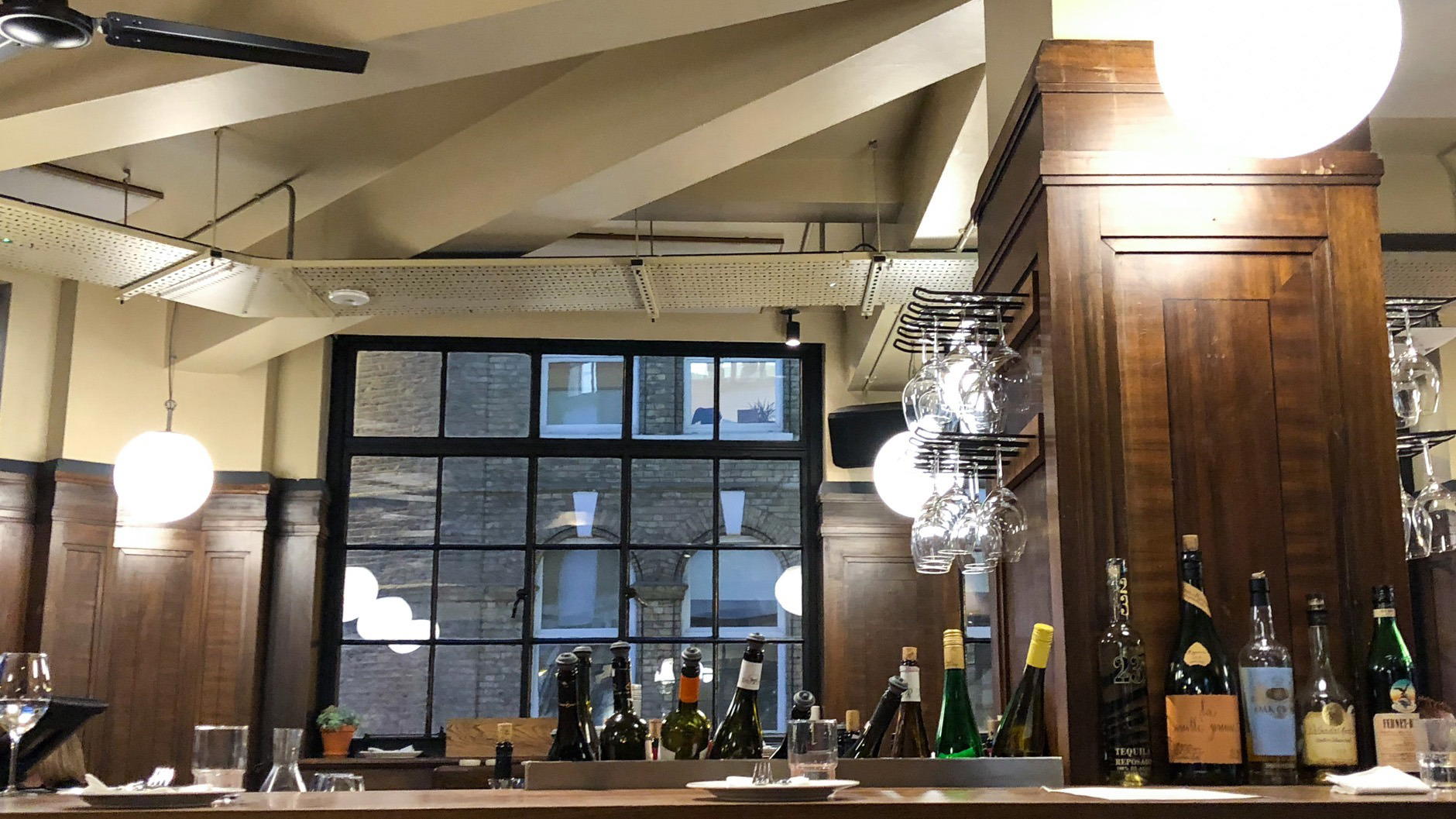
Bars in London
Browse all →
Hotels in London
Browse all →


At a Glance
- Rustic
- Cozy
- Casual Hangout
- Standalone
Current opening hours
- Monday
- 9 AM–11 PM
- Tuesday
- 9 AM–11 PM
- Wednesday
- 9 AM–11 PM
- Thursday
- 9 AM–11 PM
- Friday
- 9 AM–11 PM
- Saturday
- 9 AM–11 PM
- Sunday
- 9 AM–6 PM
Hours can change for holidays and private events. Last verified .
Casual atmosphere near the City of London Museum with focus on pork-centric menu.