The DEPOT Restaurant
On Washington's Long Beach Peninsula, The DEPOT Restaurant occupies a converted historic depot in Seaview, drawing from the Pacific Northwest's notable coastal larder. The surrounding region, Willapa Bay oysters, Columbia River seafood, local farms, frames what arrives on the plate. For visitors making the four-hour drive from Seattle, it anchors the peninsula's dining scene alongside Aquitania.
Pearl is the En Primeur Club membership app — saves, bookings, and concierge access live there. Same editors, same standards.
- Address
- 1208 38th Pl, Seaview, WA 98644
- Phone
- +13606427880
- Website
- depotrestaurantdining.com
- Directions
- Get directions
 Saves & bookings on Pearl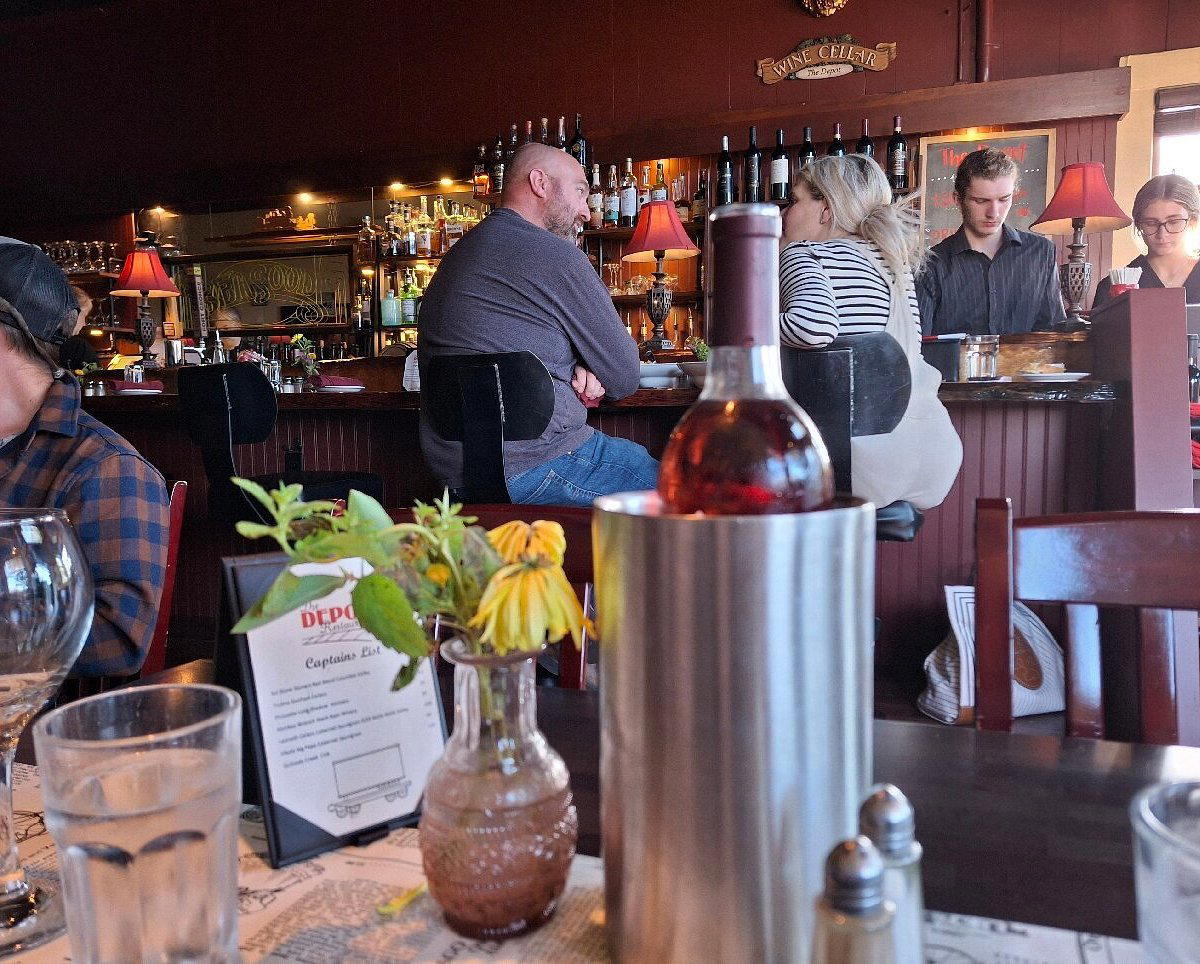
Where the Columbia River Meets the Table
The Long Beach Peninsula sits at the southwestern corner of Washington State, pinched between the Pacific Ocean and Willapa Bay, roughly four hours from Seattle and two from Portland. It is not a place you pass through. You come here deliberately, and what you find when you arrive is among the more productive estuarine systems on the West Coast: oyster beds, Dungeness crab grounds, razor clam beaches, and the cold-water salmon runs of the lower Columbia River. For a restaurant serious about ingredient sourcing, this geography is not a backdrop, it is the point.
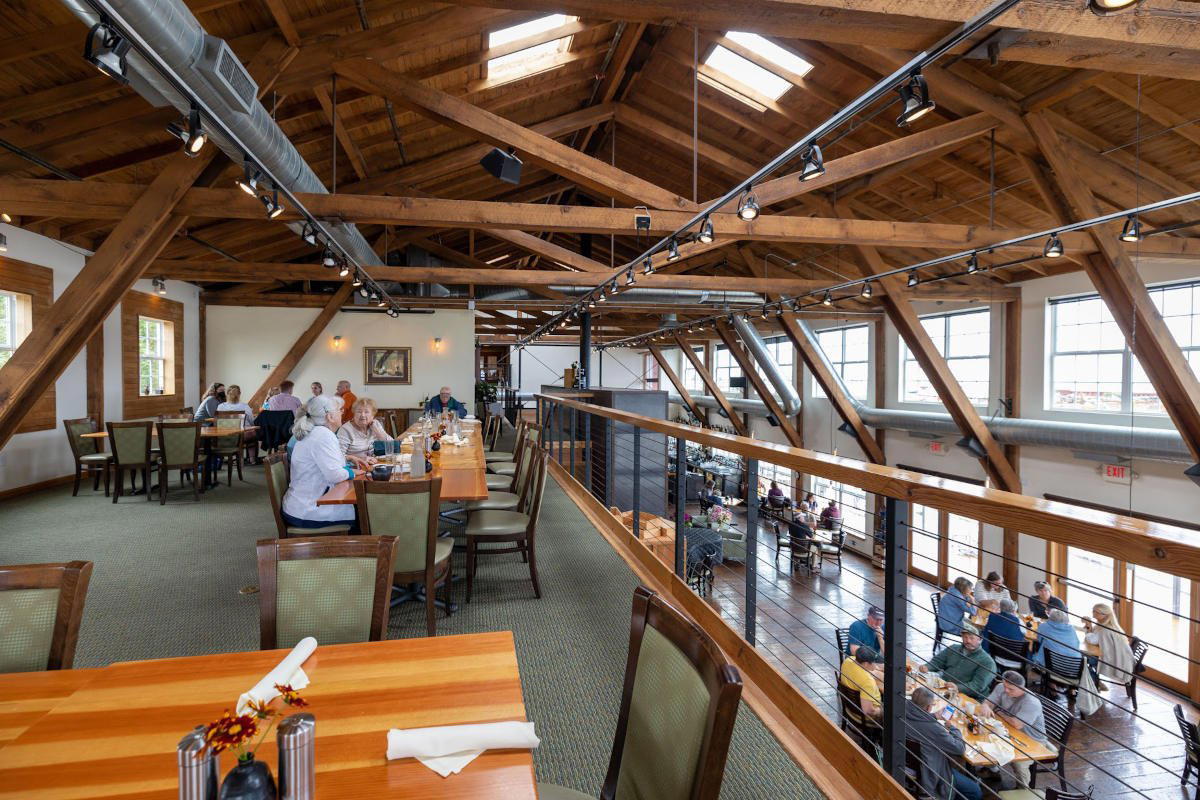
The DEPOT Restaurant, at 1208 38th Pl in Seaview, occupies a converted historic train depot. The structure signals something about the dining approach before you sit down: this is a place shaped by what was already here, not imported wholesale from an urban template. The Long Beach Peninsula has never been a hotspot for destination dining in the way that, say, Healdsburg supports Single Thread Farm or the Napa Valley anchors The French Laundry. It does not exist in dialogue with a dozen peer restaurants on the same block. It exists in dialogue with its landscape.
The Pacific Northwest Larder and Why It Matters Here
Ingredient case for the Pacific Northwest coast is one of the stronger ones in American dining. Willapa Bay is among the cleanest estuaries on the continent, producing oysters that carry a salinity and mineral quality shaped by cold, relatively unpolluted water. Dungeness crab from these waters ranks among the more commercially significant shellfish harvests in the Western United States. Razor clams, harvested seasonally along the Pacific beaches of the peninsula, are a regional staple that rarely travels far enough to appear on menus elsewhere in the country. The Columbia River system, one of the largest in North America, supports both wild Chinook and coho salmon runs, though fishing pressure and dam impacts have made wild salmon a more complicated procurement question than it was two decades ago.
Restaurants operating in this geography face a sourcing decision that shapes everything downstream: do you build your menu around what the coast and river produce, in season, at their natural volume, or do you supplement with broader regional and national supply chains? The former approach is the more demanding one. It requires menus that shift with harvest cycles and climate variability, and it limits the kind of consistency that institutional reviewers tend to reward. Blue Hill at Stone Barns in Tarrytown has built its national reputation around exactly this discipline in a different geography. On the Washington coast, the operating scale and visitor base are smaller, but the raw material quality is comparable.
The DEPOT's position in Seaview places it within reach of all of this. The peninsula's farming community is modest but active, and the proximity to both bay and ocean means that the distance between harvest and plate, for restaurants committed to local sourcing, can be genuinely short. In an era when farm-to-table has become a marketing reflex across American dining, the coastal Pacific Northwest remains one of the regions where the claim still carries geographical weight.
Seaview's Dining Context
Seaview and the adjacent town of Long Beach form the commercial and dining core of the peninsula. The area draws a mix of Oregon and Washington visitors, particularly in summer and during the razor clam season, which typically runs in specific windows approved by the Washington Department of Fish and Wildlife. The visitor profile skews toward families and regional weekend travelers rather than the destination-dining crowd that tracks Michelin announcements. That context shapes what a restaurant like The DEPOT can and should be: serious about its ingredients, grounded in regional identity, and accessible enough to serve the actual community that shows up.
The comparison set for The DEPOT is not, in practice, Le Bernardin in New York City or Alinea in Chicago, even if the underlying ingredient quality could support a conversation in that direction. It sits closer to the tier of regionally rooted American restaurants that prioritize sourcing discipline and sense of place over tasting-menu formalism. Think of how Emeril's in New Orleans or Bacchanalia in Atlanta have anchored regional dining identities without necessarily competing in the national fine-dining arms race. The DEPOT operates at a different scale, but the orientation is similar: a restaurant that earns its authority through relationship to place rather than through the credentials of its competitive tier.
For visitors planning a trip to the peninsula, Aquitania represents the other anchor of Seaview's more considered dining options. Together, they constitute a thin but real dining case for the area.
Planning Your Visit
Seaview sits at the tip of the Long Beach Peninsula, accessible via U.S. Route 101 from both the Oregon side (crossing at Astoria) and through southwest Washington. The drive from Portland runs approximately two hours under normal conditions. There is no rail service to the peninsula, and the nearest commercial airport is Portland International. Given the peninsula's seasonal rhythms, timing matters: summer brings the largest visitor volume, while late fall through early spring offers a quieter experience and often aligns with Dungeness crab and winter razor clam seasons.
Quick Comparison
Comparable venues nearby, for context on price, style, and recognition.
| Venue | Cuisine | Price | Notes |
|---|---|---|---|
| The DEPOT RestaurantThis venue — the venue you are viewing | Northwest Seafood in Historic Setting | $$$ | Not listed |
| Elliott's Oyster House | Classic Pacific Northwest Seafood & Oyster House | $$$ | Seattle Waterfront |
| Pidgin Cooperative | Filipino-Hawaiian Asian Fusion | $$$ | Interbay |
| Salty's on Alki | Pacific Northwest Seafood and Steakhouse | $$$ | West Industrial District |
| RockCreek Seafood and Spirits | Seafood & Spirits | $$$ | Downtown Kirkland |
| The Fisherman's Restaurant Seattle | Northwest Seafood | $$ | Seattle Waterfront |
At a Glance
- Historic
- Rustic
- Cozy
- Elegant
- Date Night
- Family
- Group Dining
- Special Occasion
- Historic Building
- Open Kitchen
- Extensive Wine List
- Local Sourcing
Current opening hours
- Monday
- 4:30–8 PM
- Tuesday
- 4:30–8 PM
- Wednesday
- 4:30–8 PM
- Thursday
- 4:30–8 PM
- Friday
- 4:30–8:30 PM
- Saturday
- 4:30–8:30 PM
- Sunday
- 4:30–8 PM
Hours can change for holidays and private events. Last verified .
Warm, charming atmosphere in a remodeled train station with original features, cozy lighting, and a bistro-like feel.