The Conservatory by Hohenort

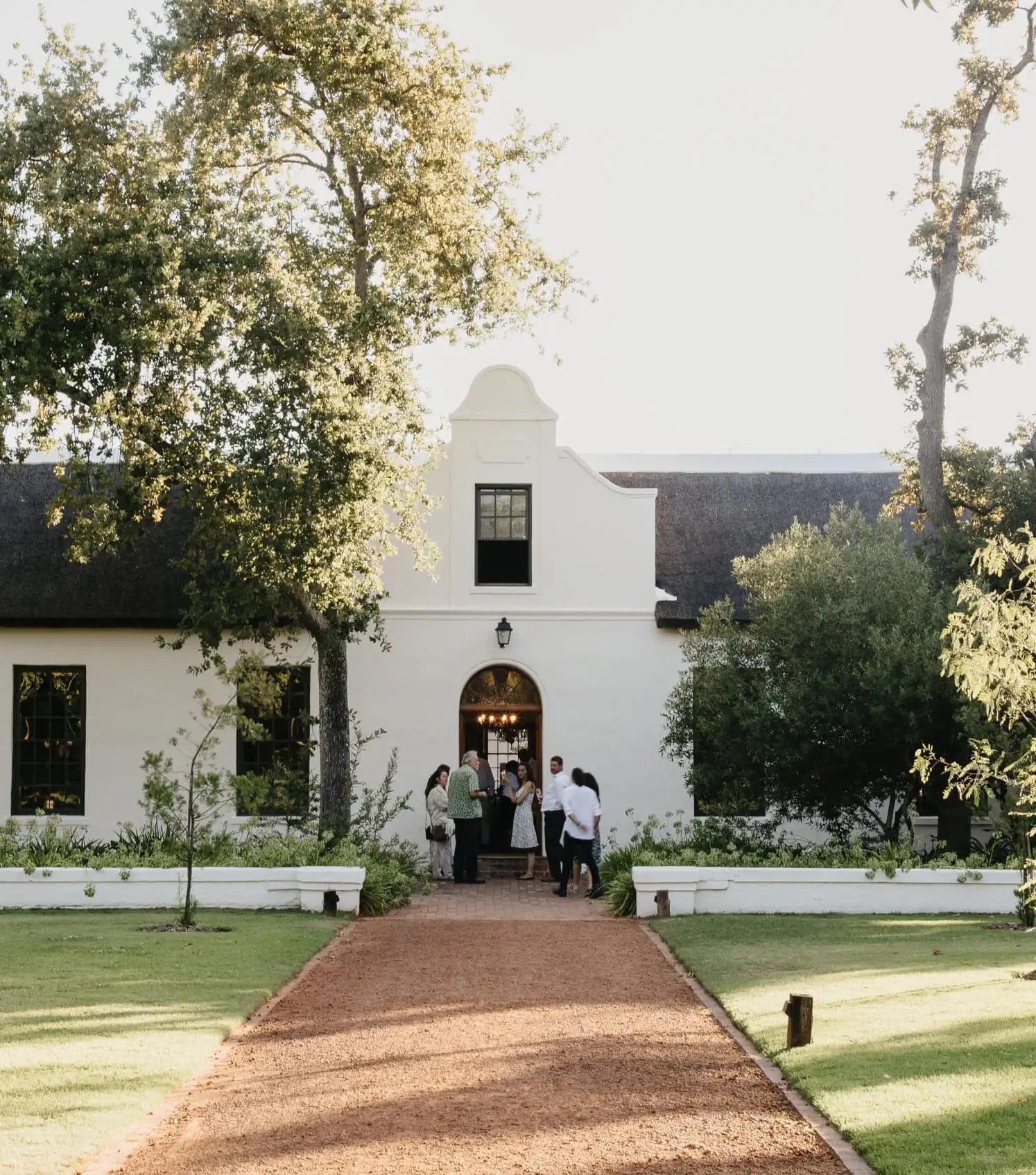
Set within the Cellars-Hohenort hotel grounds in Constantia, The Conservatory by Hohenort draws on the Cape's long tradition of garden-to-table cooking, with seasonal produce and classical technique at its centre. The kitchen leans into roast meats and fresh vegetables rather than modernist elaboration, placing it in a quieter register than Cape Town's tasting-menu circuit. For visitors exploring the Constantia Valley wine corridor, it offers a grounded, unhurried alternative to the city's more theatrical dining rooms.
 Discover on Pearl
Pearl is the En Primeur Club membership app — saves, bookings, and concierge access live there. Same editors, same standards.
- Address
- 93 Brommersvlei Rd, Constantia Heights, Cape Town, 7806, South Africa
- Phone
- +27 21 794 2137
- Website
- thecellars-hohenorthotel.com
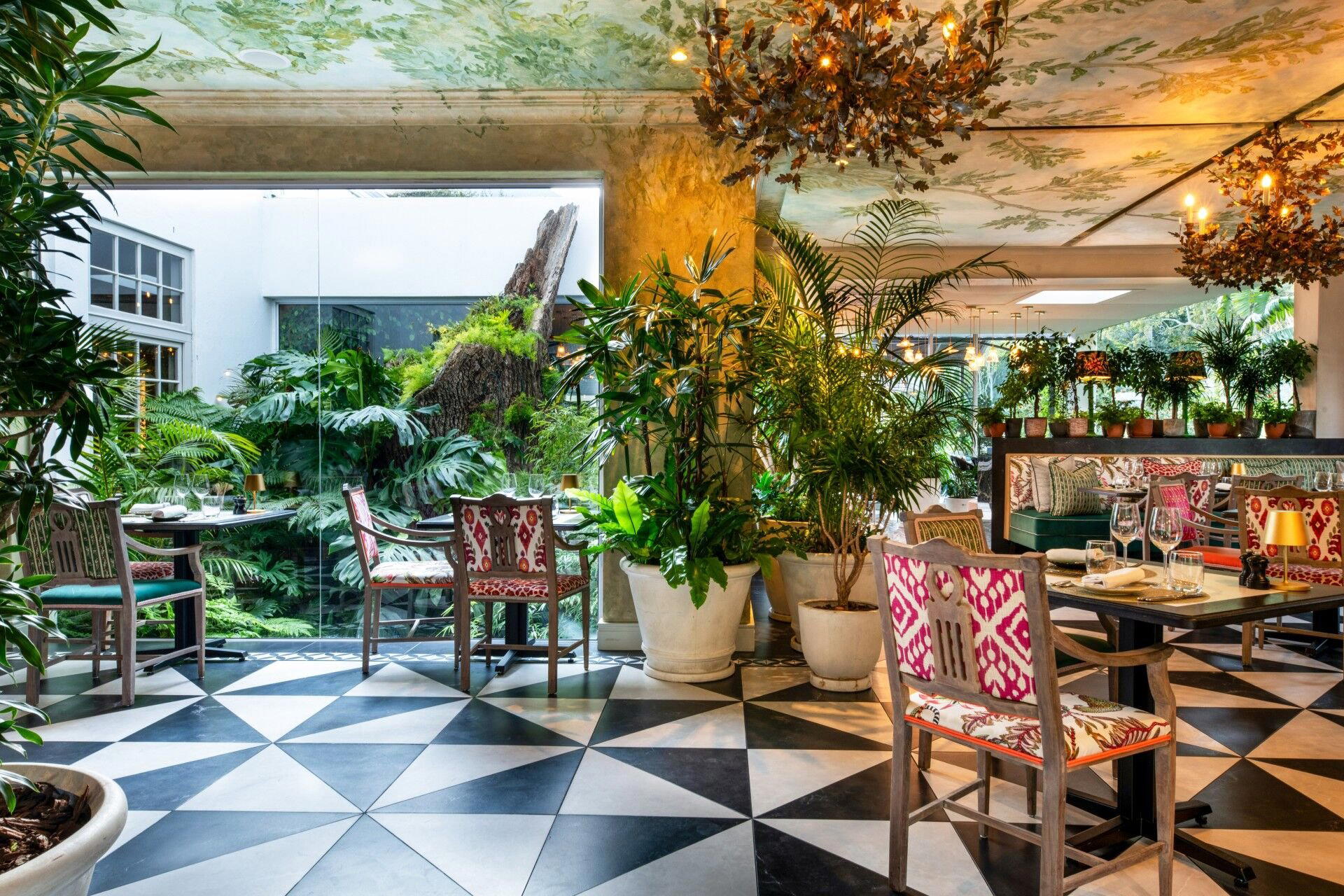
Constantia's Quiet Tradition of the Kitchen Garden
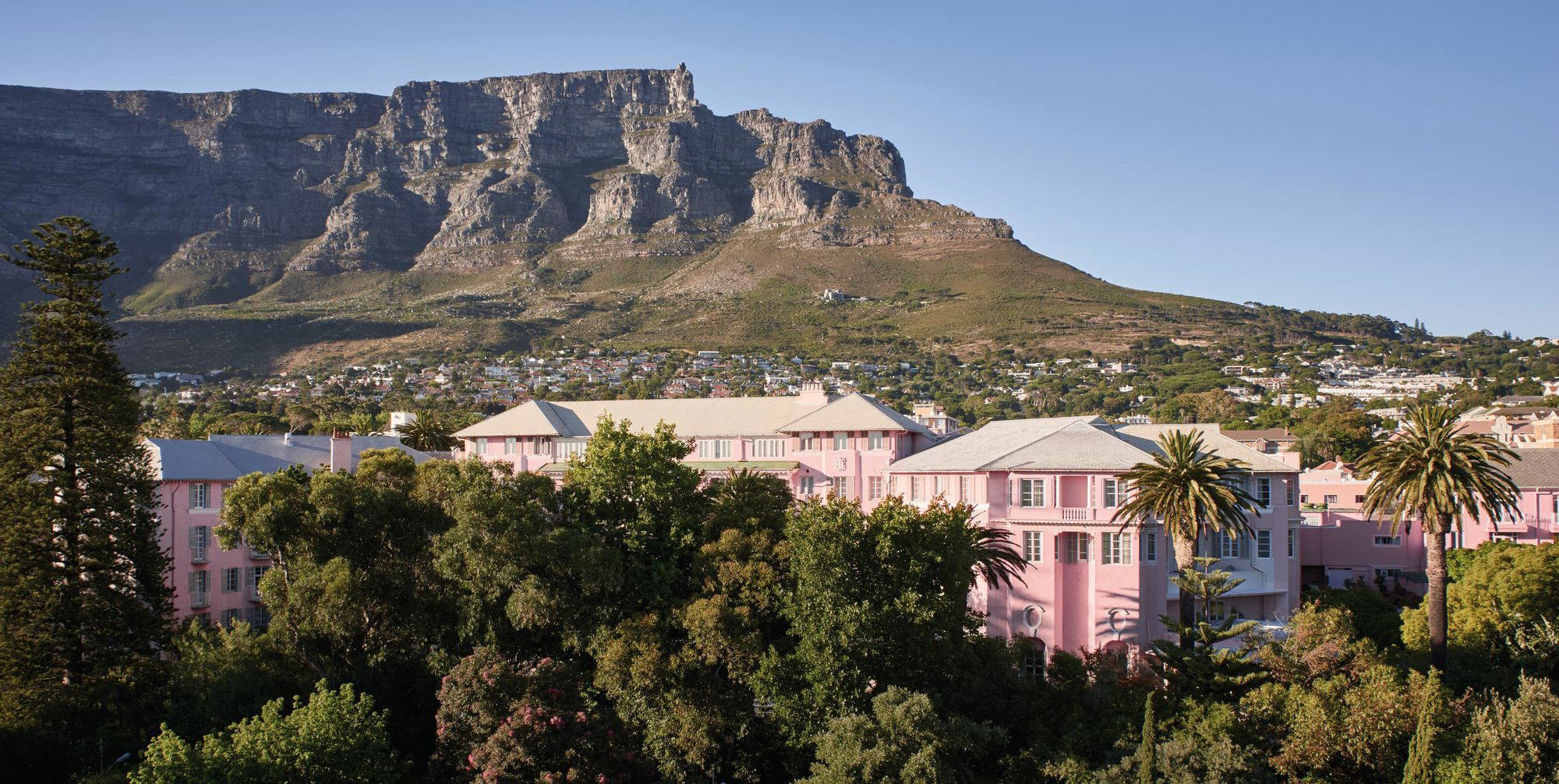
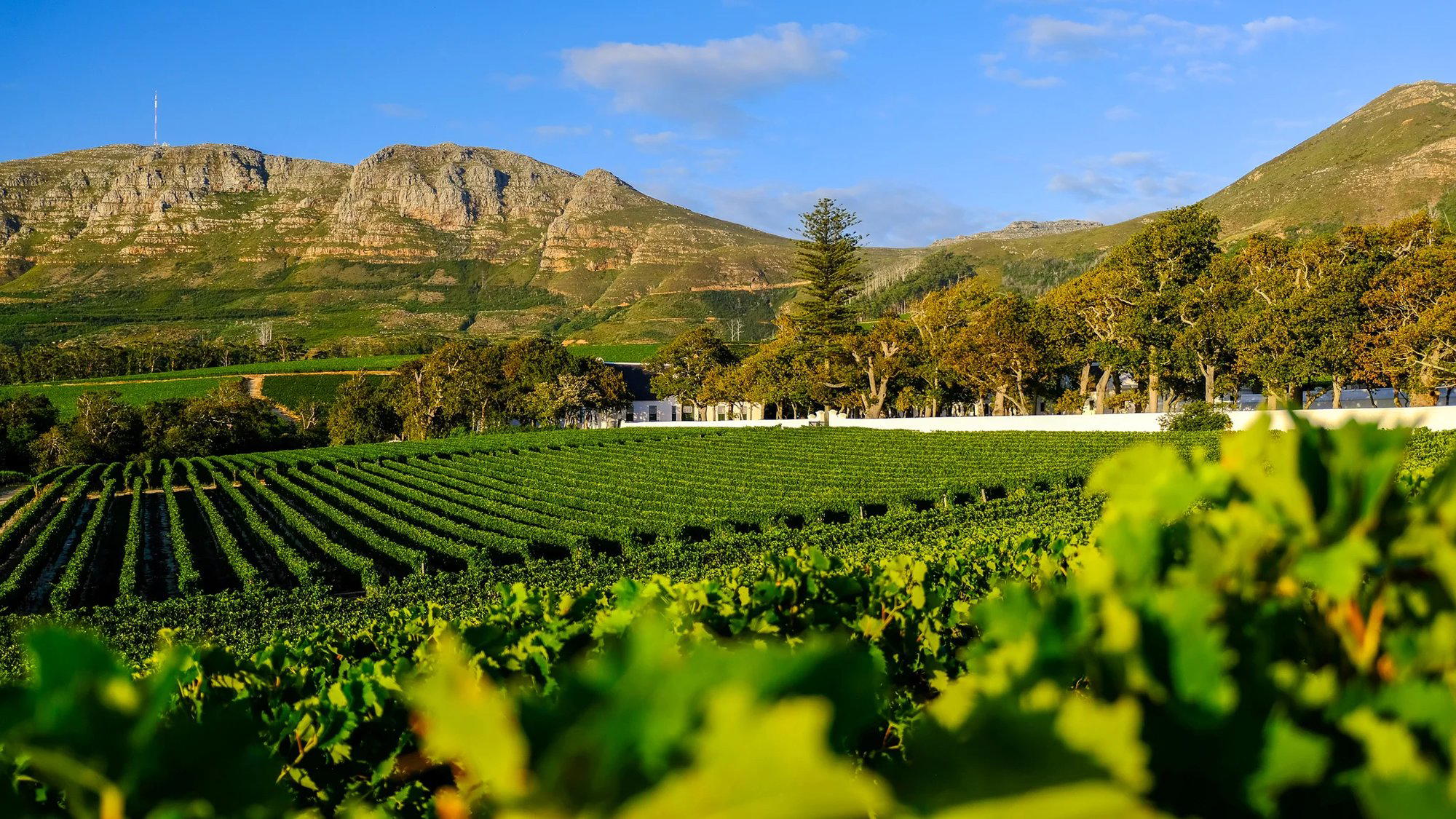
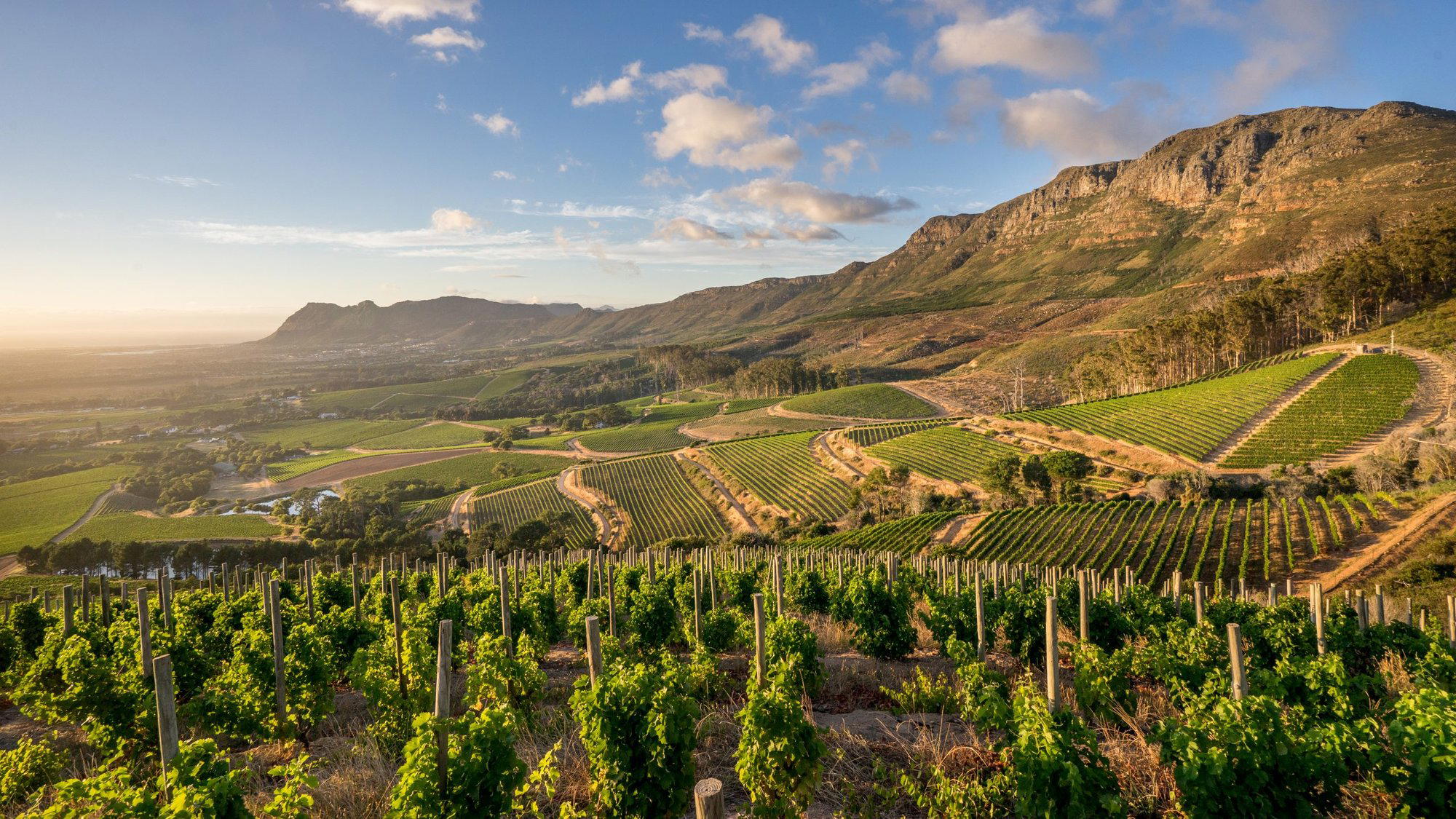
The southern suburbs of Cape Town have always operated at a different tempo from the waterfront and the CBD. Constantia, where the Cape's first commercial vineyards were planted in the seventeenth century, carries that history in its tree-lined drives and walled estates. Dining here has historically reflected that rootedness: produce-driven, classically framed, and uninterested in the kind of editorial spectacle that defines the city's more competitive tasting-menu rooms. The Conservatory by Hohenort is a restaurant in Constantia Heights, Cape Town, serving Contemporary South African Fine Dining at about $75 per person. It sits comfortably within that tradition, occupying the grounds of the Cellars-Hohenort hotel on Brommersvlei Road in Constantia Heights.
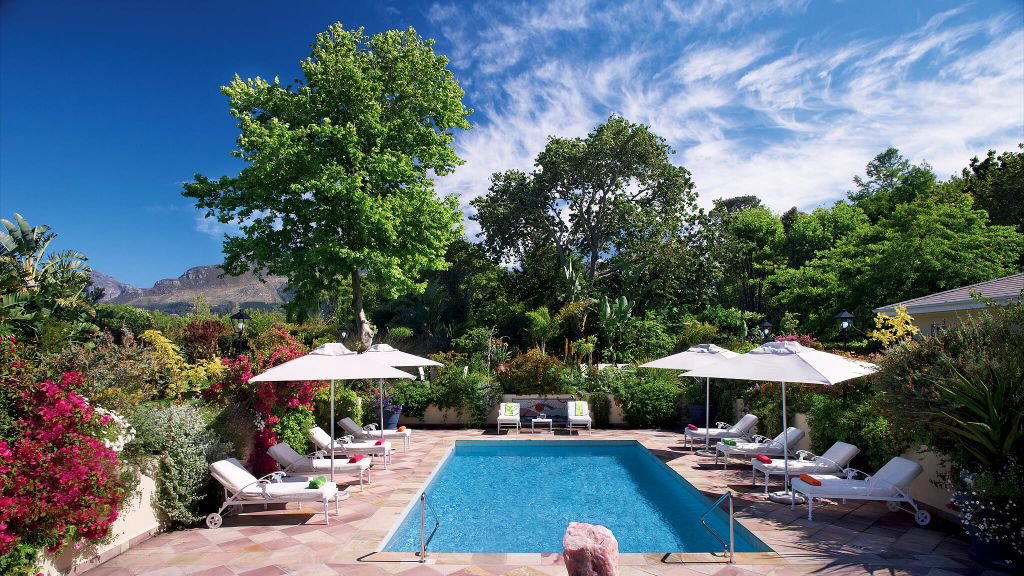
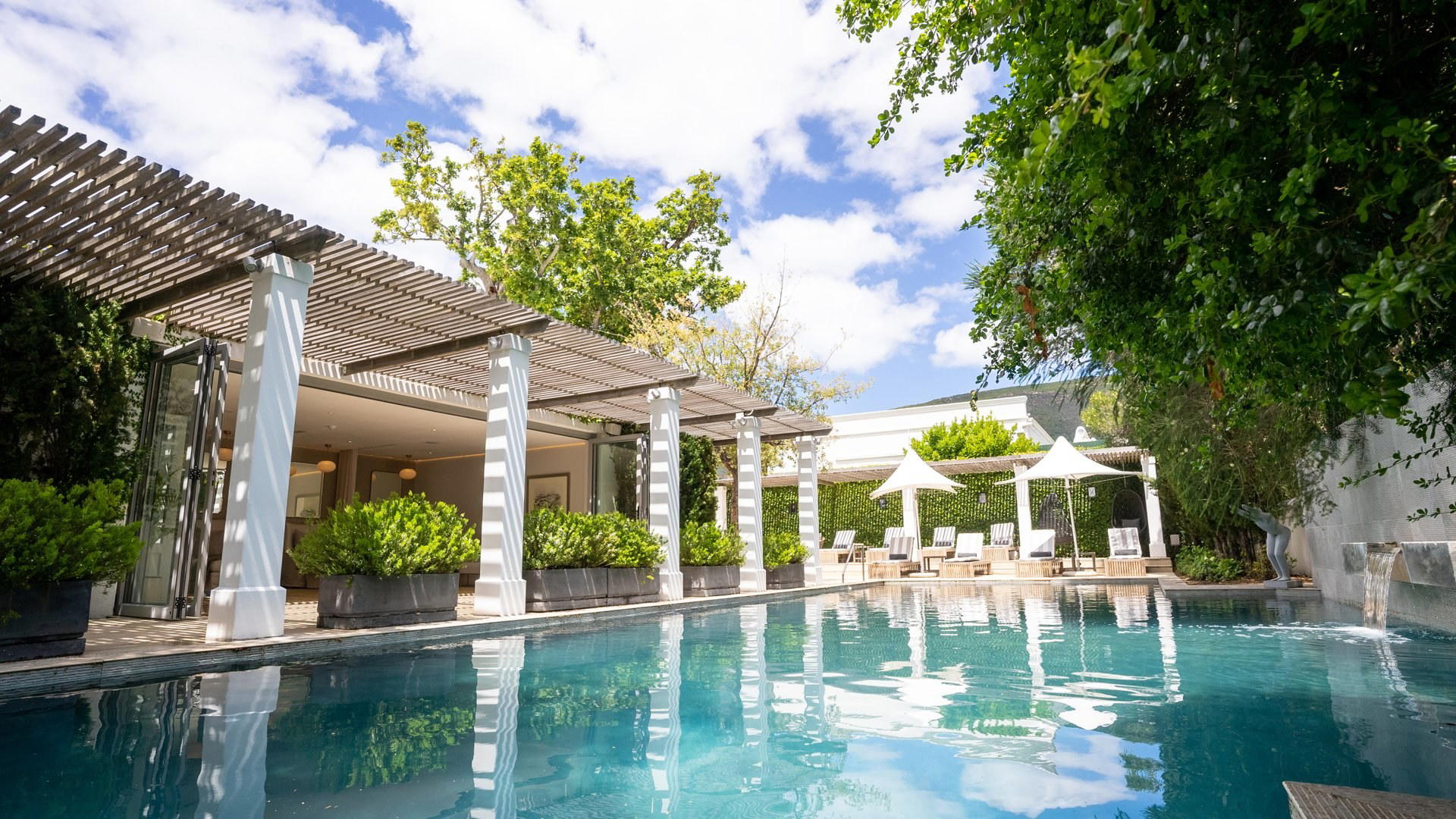
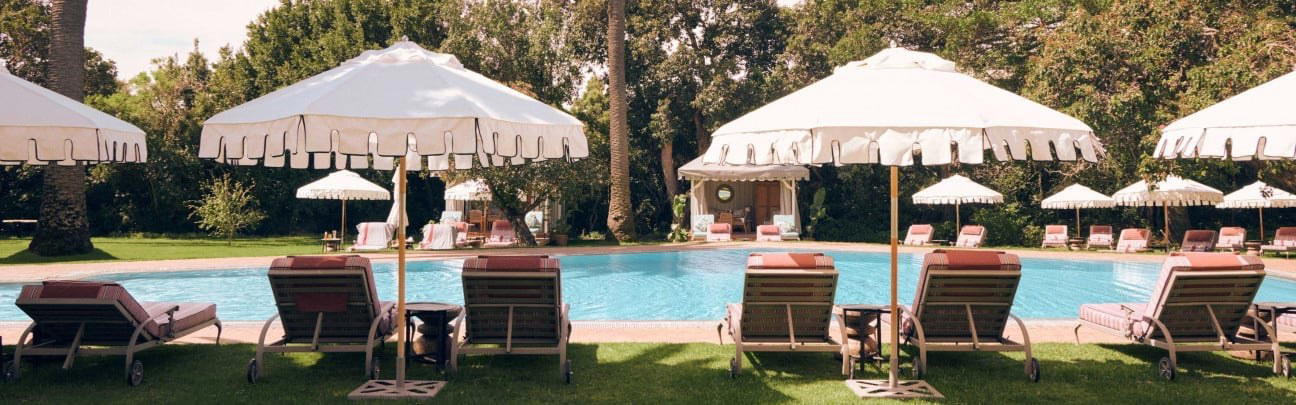
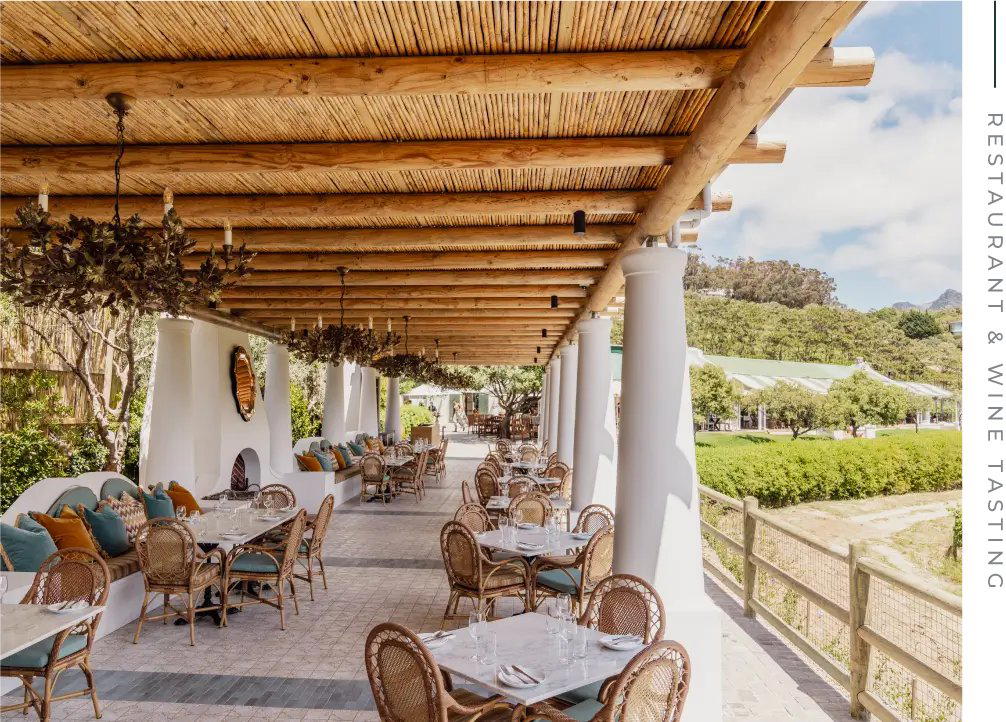
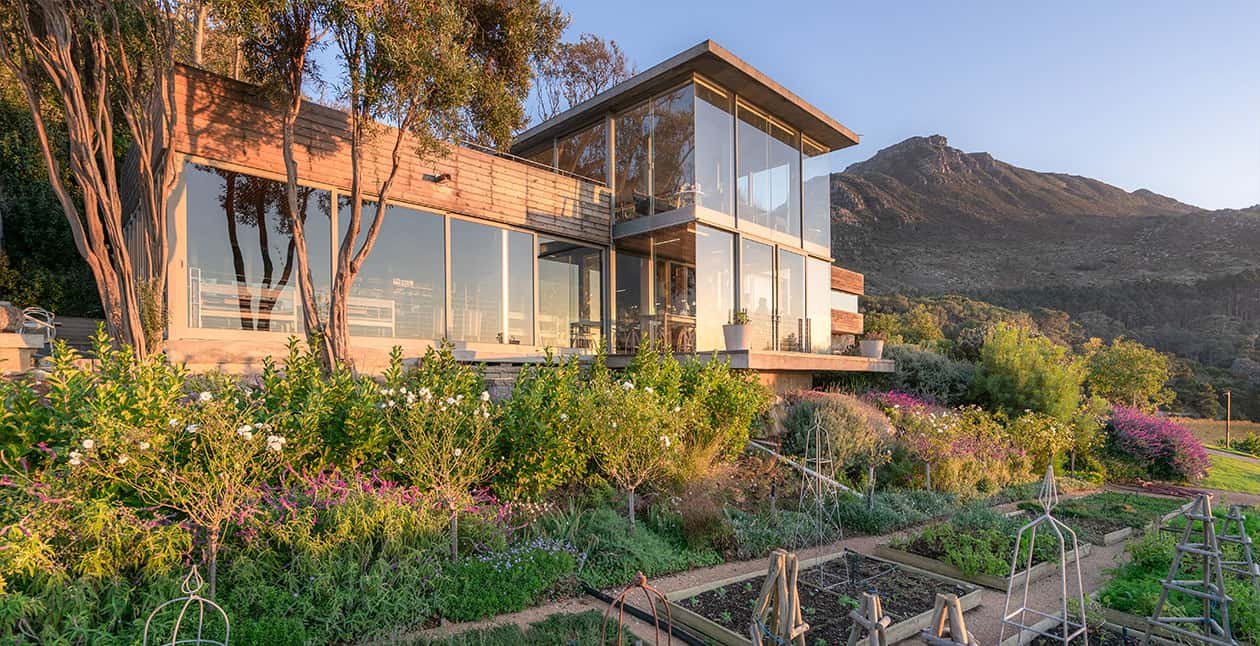
The physical setting matters here in a way it does not at, say, Fyn in Cape Town, where the experience is built inward around a tasting sequence. At The Conservatory, the landscape beyond the glass is part of the meal. The hotel's eight-hectare gardens, planted with a mix of indigenous and Cape Colonial species, create the kind of dining backdrop that money cannot convincingly replicate indoors. Light shifts through the afternoon, and the transition from the Cape's summer heat to the cooler air of the Constantiaberg slopes is something guests eat alongside rather than despite.
What the Kitchen Is Actually Doing
Cooking at The Conservatory sits in a register that has become increasingly rare on the Cape Town circuit: traditional in method, garden-centred in sourcing, and unashamed of simplicity. Where much of the city's premium dining has moved toward Korean-influenced fermentation, Japanese technique, or avant-garde plating, this kitchen takes a different position. Vegetables are not garnish. The seasonal salad, built from produce grown on or near the property, is the kind of dish that gets overlooked on menus dominated by protein and reductions, but which reflects more honestly the Cape's horticultural inheritance than many more elaborate preparations.
Roast chicken with a vegetable mix and crispy bacon represents a culinary lineage that runs through Cape Malay cooking, Dutch settler influence, and British colonial habit: the slow-cooked bird, the braised or roasted accompaniment, the salt-cured element providing texture and depth. It is not a dish designed to photograph well. It is a dish designed to satisfy, and the distinction matters. Across the Winelands, places like Le Quartier Français in Franschhoek and Dusk in Stellenbosch have built reputations on a more formally constructed version of Cape cuisine. The Conservatory occupies a less conspicuous position, but one with its own internal logic.
The Cultural Roots of Cape Kitchen Cooking
To understand why a kitchen would commit to vegetables as a primary editorial statement rather than an afterthought, it helps to look at the Cape's food history. The Cape Colony developed one of the most complex culinary traditions in the southern hemisphere, fusing the indigenous Khoekhoe diet, Malay slave cooking, Dutch provision habits, and later British and French Huguenot influences. Vegetables, legumes, and slow-cooked grains were central to the Malay-influenced kitchen that shaped domestic Cape cooking for centuries, long before they became fashionable in the language of contemporary plant-forward dining.
That tradition has been crowded out in recent decades by the international tasting-menu format, which prizes protein as centrepiece and treats vegetable cookery as an opportunity for technical display rather than nourishment. Restaurants like Wolfgat in Paternoster have reasserted the coastline's foraging traditions at the higher end of the market. The Conservatory works from a different angle: not the forager's precision, but the kitchen garden's abundance. The result is food that reads as uncomplicated but draws on a far deeper cultural deposit than the menu descriptions suggest.
Where It Sits in the Cape Town Dining Picture
Cape Town's restaurant scene in 2024 is genuinely competitive at multiple price points, and the Constantia sub-region has its own hierarchy. The hotel dining room format, of which The Conservatory is one example, competes indirectly with standalone destination restaurants and more directly with the farm-to-table operations that have proliferated across the Constantia and Tokai corridors. For comparison: Ellerman House in Bantry Bay operates at the formal luxury end of hotel dining; Delaire Graff Lodges and Spa in Helshoogte Pass pairs destination cooking with a wine estate setting. The Conservatory occupies a quieter tier: accessible, garden-anchored, and built for the kind of long afternoon meal that does not require a tasting menu to justify itself.
Visitors who arrived hoping for the tasting-menu architecture of The Test Kitchen or the Japanese-influenced precision of Fyn will find something differently paced. That is not a failing of ambition; it is a different set of priorities. The kitchen garden aesthetic, when executed with seasonal honesty, produces meals that read as generous rather than restrained, and The Conservatory appears to sit in that category. Guests have noted leaving satisfied, which is a less theatrical outcome than most food writing celebrates but a more consistent one than many technically ambitious kitchens achieve.
Those drawing comparisons with international hotel dining in a similar classical register might find Le Bernardin in New York City an instructive contrast: both operate within a tradition-first framework, though at dramatically different price points and levels of technical ambition. Closer to home, French Connection in the Western Cape represents another data point in the region's classically influenced dining tier.
Planning a Visit
The Conservatory is located at 93 Brommersvlei Road, Constantia Heights, Cape Town, within the Cellars-Hohenort hotel grounds. Constantia is most easily reached by car from central Cape Town. Booking is recommended. The format and pace of the room suit families, as the garden setting and traditional kitchen approach are notably more accommodating of different appetites and age groups than a tasting-menu counter. For visitors with a specific interest in the Winelands dining scene beyond Constantia, Klein Jan in the Kalahari and Jabulani Safari in Hoedspruit represent what destination cooking looks like at the remote safari-lodge end of the South African spectrum.
Cost Snapshot
Comparable venues nearby, for context on price, style, and recognition.
| Venue | Cuisine | Price | Awards | Notes |
|---|---|---|---|---|
| The Conservatory by HohenortThis venue — the venue you are viewing | $$$$ | 1 recognition | ||
| French Connection | Franschhoek, French Bistro | $$$ | 1 recognition | |
| Rust en Vrede | $$$$ | 1 recognition | Stellenbosch, Contemporary French Fine Dining | |
| Chefs Warehouse at Tintswalo Atlantic | Hout Bay, Contemporary Seafood Tapas | $$$$ | 2 recognitions | |
| Harbour House | $$$$ | , | Schotschekloof, Modern Seafood with Sushi | |
| OneEighty | $$$$ | 1 recognition | Bantry Bay, Refined Seasonal South African |
Continue exploring
More in Western Cape
Restaurants in Western Cape
Browse all →
Bars in Western Cape
Browse all →
Hotels in Western Cape
Browse all →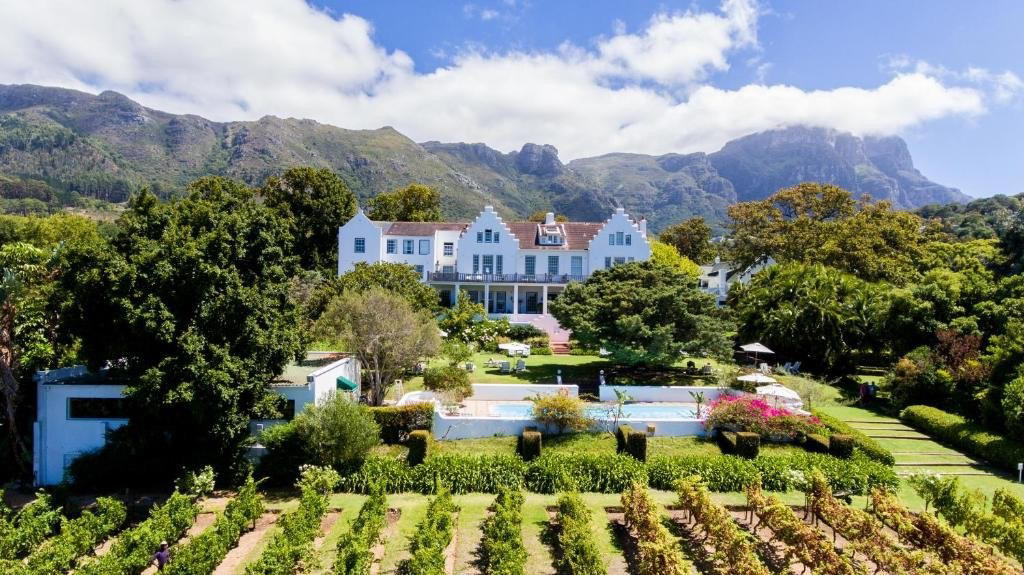
At a Glance
- Romantic
- Elegant
- Scenic
- Relaxed
- Sophisticated
- Date Night
- Special Occasion
- Celebration
- Garden
- Terrace
- Hotel Restaurant
- Historic Building
- Extensive Wine List
- Local Sourcing
- Garden
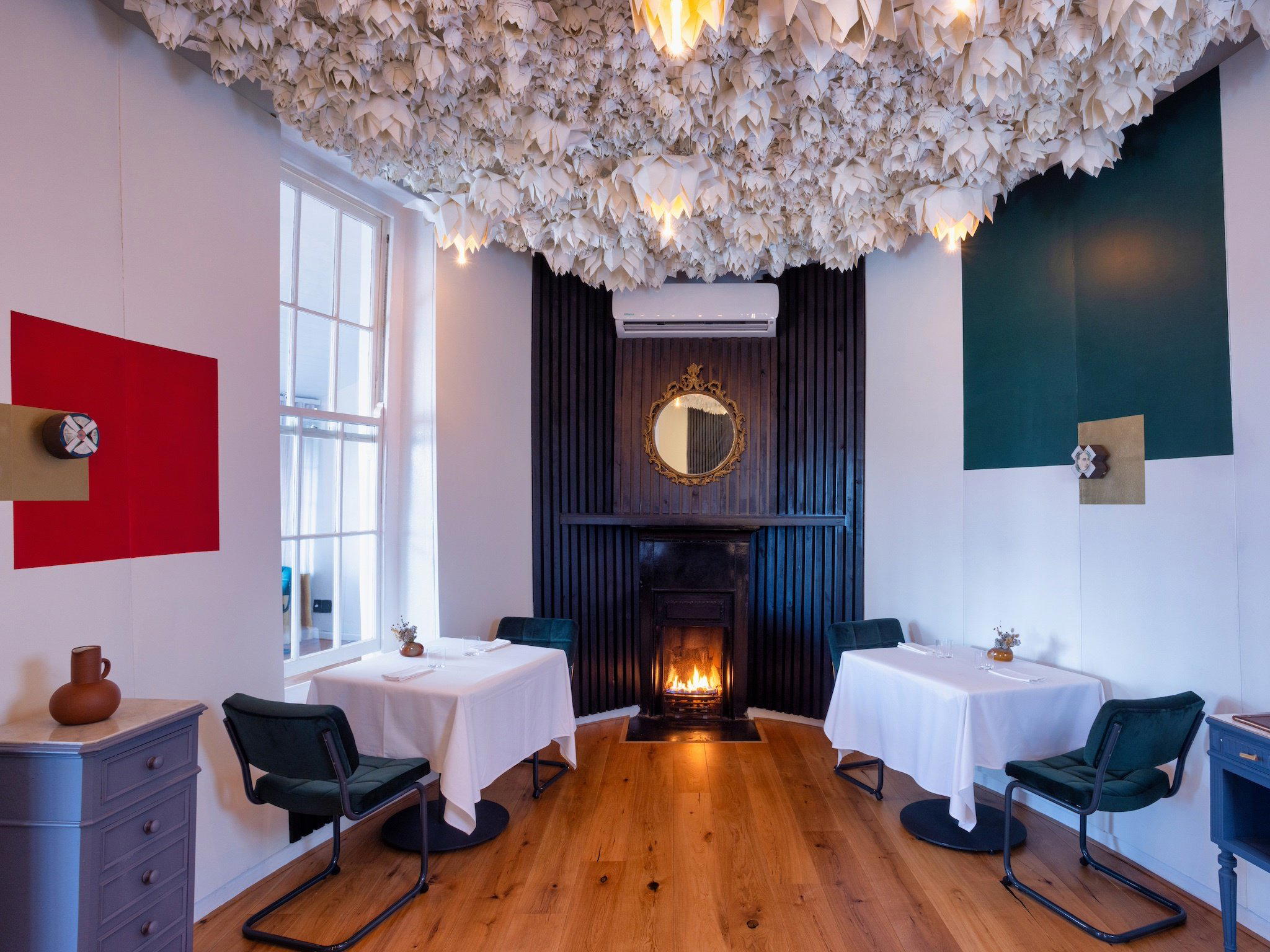
Light-filled conservatory with lush garden views, relaxed yet elegant atmosphere featuring fireplace and terrace seating.