Thai House on R. Kalantos g. brings Southeast Asian cooking to Kaunas, a city where Central European culinary traditions dominate and Asian cuisines occupy a distinct, specialist niche. For visitors building a broader picture of Kaunas dining, it sits alongside contrasting options like Arrivée and Monte Pacis.
Pearl is the En Primeur Club membership app — saves, bookings, and concierge access live there. Same editors, same standards.
- Address
- R. Kalantos g. 3, 52302 Kaunas
- Directions
- Get directions
 Saves & bookings on Pearl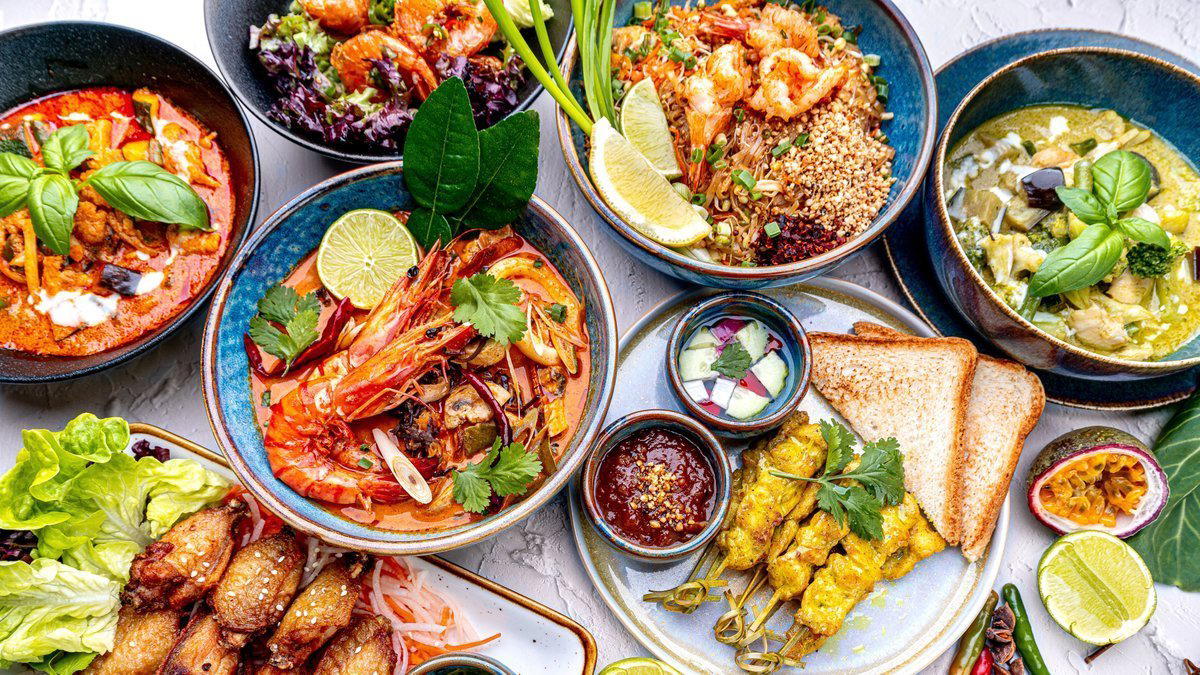
Thai Cooking in a Central European City: The Context Matters
Kaunas is not a city that has historically oriented its dining culture toward Southeast Asia. The restaurant scene here has built its reputation on Lithuanian tradition, Central European comfort, and, more recently, a wave of modern European cooking represented by addresses like Nüman, Arrivée, and DIA. That context matters when assessing any Thai restaurant operating in Lithuania's second city, because the competitive set is thin and the cultural reference points for the cuisine are not widely embedded in the local dining public. A Thai kitchen here is working from a different position than one in Bangkok, London, or even Warsaw.
Thai food belongs to one of the world's most codified culinary traditions. The balance of sour, sweet, salty, and spicy within a single dish is not a casual achievement; it reflects centuries of regional cooking logic across northern, northeastern, central, and southern Thai provinces, each with distinct ingredient palettes and technique hierarchies. Nam prik pastes ground by hand, fermented fish sauces used with precision, and the layering of fresh aromatics over cooked ones are not decorative choices. They are structural. In cities where Thai cooking is well-represented, diners calibrate their expectations against that structural complexity. In Kaunas, Thai House occupies a more singular position: it is, for much of its clientele, the primary reference point for the cuisine.
The Address and What It Signals
Thai House sits at R. Kalantos g. 3 in the 52302 postal district of Kaunas. The address places it in a part of the city accessible from the main commercial and cultural corridors, though visitors arriving from elsewhere in Lithuania should note that Kaunas is compact enough that most dining destinations are navigable on foot or by short taxi from the Old Town and Laisvės alėja. For those planning a broader dining itinerary across Lithuania, the city connects reasonably to coastal options like ALBA Bistro in Klaipėda and the more remote Fisheria in Neringa, as well as inland manor dining at Paliesius.
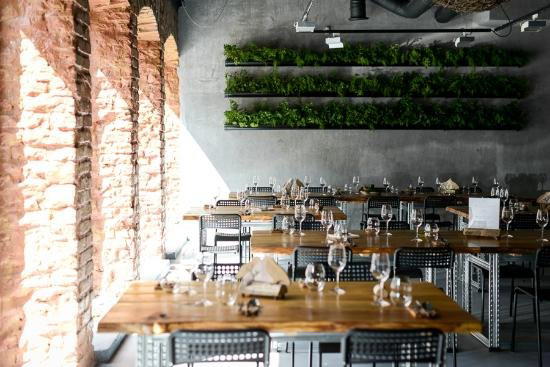
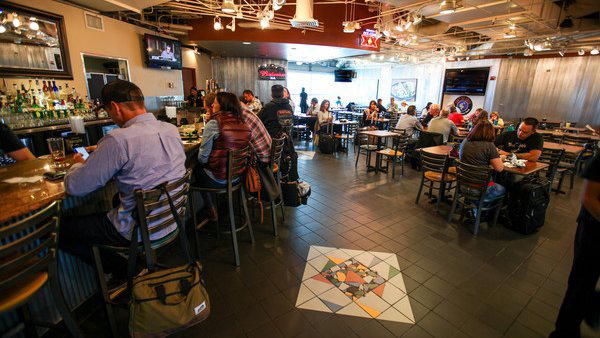
The physical setting of Thai House, based on available records, is not documented in enough detail to describe with precision. What can be said is that the category it occupies, a specialist Asian restaurant in a mid-sized Central European city, typically involves one of two approaches: faithful recreation of the source environment through imported materials and décor, or a more pragmatic adaptation that prioritises the food over atmosphere theater. Which mode Thai House leans toward is a question better answered on arrival than in advance.
Where Thai Cuisine Sits in the Kaunas Dining Picture
Kaunas has developed a credible fine dining tier in recent years. Monte Pacis operates at the contemporary end of the local spectrum, and the Radisson Hotel Kaunas anchors an international hotel dining offer. Against that backdrop, Thai House operates in a different register entirely: it is not competing for the special-occasion spend or the tasting-menu diner. Its relevance is categorical. It answers a question that the city's European-focused restaurants do not: where does someone go in Kaunas when they want the heat and fragrance of Southeast Asian cooking?
That question has broader currency than it might initially appear. Lithuanian cities have seen modest but consistent growth in international dining options over the past decade, driven partly by increased tourism, partly by a more widely-travelled local population. The pattern mirrors what happened in similar-sized cities in Poland, Estonia, and Latvia roughly five to ten years earlier, where a first generation of specialist Asian restaurants established a reference point before a second wave arrived with sharper sourcing and more technically confident kitchens. Whether Kaunas is at the beginning, middle, or end of that cycle is an open question. Thai House's longevity and positioning within that arc would tell a knowledgeable observer a good deal about where the local appetite for the cuisine currently sits.
For comparison, the Lithuanian capital Vilnius has moved further along that trajectory, with restaurants like Demo representing the kind of technically serious cooking that emerges once a dining scene has accumulated critical mass. Kaunas, smaller and historically less internationally-oriented in its restaurant culture, is catching up but remains a city where specialist cuisines like Thai still occupy a niche rather than a well-mapped sector.
The Cuisine Itself: What Thai Cooking Demands
Any serious assessment of a Thai restaurant, regardless of city, starts with a small set of diagnostic questions. Is the heat built from fresh chillies or dried, and is it calibrated by dish or applied uniformly? Are soups like tom kha or tom yum arriving with the right galangal-to-lemongrass ratio, where galangal provides the medicinal earthiness and lemongrass the citrus lift? Does the kitchen use kaffir lime leaves as a finishing aromatic or cook them into the base? These are not esoteric concerns for specialists; they are the difference between a dish that works structurally and one that approximates the right flavour profile without landing it.
In Central European cities, the sourcing constraints are real. Fresh kaffir lime leaves, galangal, and Thai basil (which differs meaningfully from Italian basil in anise content and heat tolerance) are harder to source reliably than in cities with larger Southeast Asian communities. Kitchens that navigate those constraints well, through reliable specialist suppliers or by adapting recipes intelligently rather than substituting carelessly, produce food that reads as Thai even under supply pressure. Kitchens that don't produce something adjacent but not quite. Without current, verified sourcing detail for Thai House, that judgment cannot be made from the desk. It is, however, the right question to bring to the table.
Planning a Visit: What to Know Before You Go
Thai House is located at R. Kalantos g. 3, Kaunas. Kaunas's dining scene, like many mid-sized European cities, tends toward flexible walk-in availability outside peak weekend hours, though a restaurant occupying a specialist niche in a smaller market can fill quickly when locally popular. Arriving with a reservation, where that option exists, is the more reliable approach for groups of more than two.
For those building a full Kaunas dining itinerary around Thai House, our full Kaunas restaurants guide maps the city's current options across price tiers and cuisines. Readers planning wider Lithuanian travel may also find value in the coastal and resort dining options covered at Vila Komoda in Palanga, Surr in Druskininkai, and the lakeside setting at Apvalaus Stalo Klubo in Trakai. For a sense of how specialist dining operates at a different scale, the tasting counter formats at Le Bernardin and Atomix in New York provide a useful reference for what category authority looks like when a cuisine has had decades to establish its benchmark.
A Pricing-First Comparison
| Venue | Price | Awards |
|---|---|---|
| Thai HouseThis venue — the venue you are viewing | This venue | Not listed |
| Nüman | €€ | Modern Cuisine, €€ |
| Arrivée | €€€ | French, €€€ |
| DIA | €€ | International, €€ |
| Monte Pacis | €€ | Contemporary, €€ |
Continue exploring
More in Kaunas
At a Glance
- Cozy
- Casual Hangout
- Organic
Cozy and inviting atmosphere.
Know Before You Go
- Getting there
- R. Kalantos g. 3, 52302 Kaunas