
Tabelog 100 #20
Our verdict
Teuchi Udon Gennai belongs to Kagawa’s serious udon circuit, where wheat, water, kneading and speed matter more than ceremony. Its Tabelog 100 Udon Kagawa 2024 selection places it among the prefecture’s recognized noodle rooms, with curry udon part of the appeal and a casual house-restaurant format that suits Sanuki’s everyday noodle culture.

Pearl is the En Primeur Club membership app, where members save venues, book tables and use the concierge.
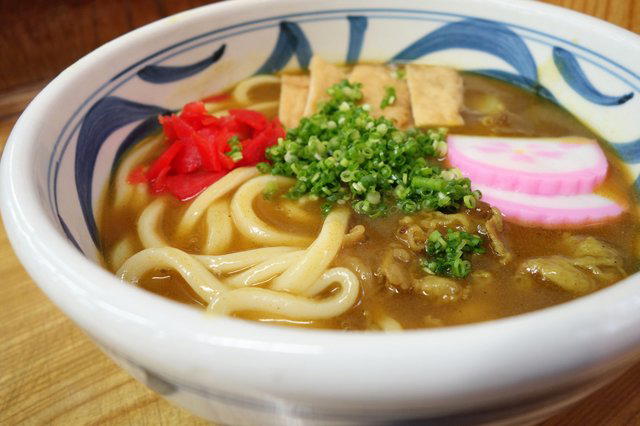
The menu
What to order
- Curry udon
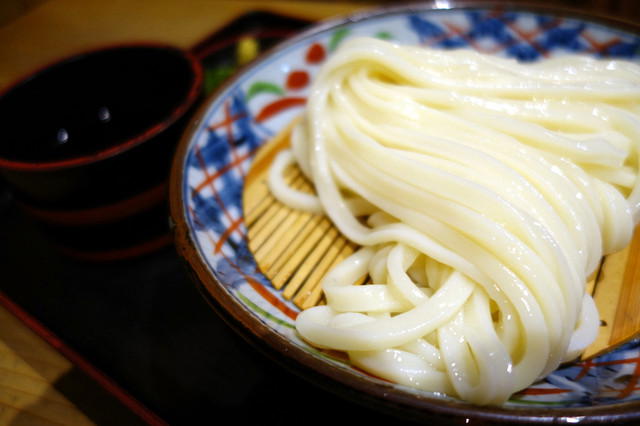
- Sanuki udon
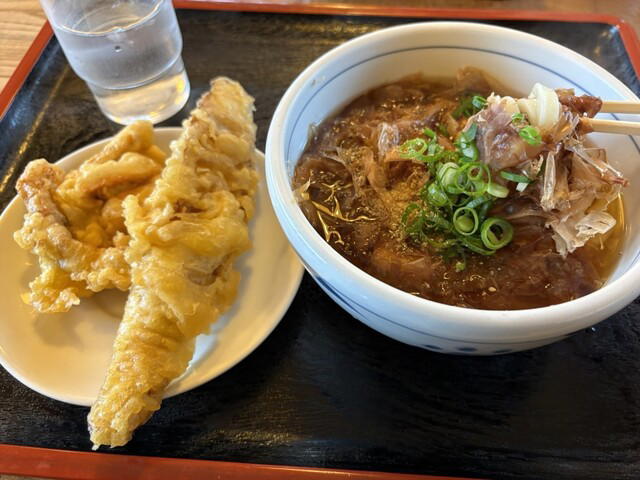
- Kake udon
- Bukkake udon
Approaching a Sanuki udon shop is rarely theatrical. The cues are practical: a straightforward local setting, an accessible everyday mood, and the quiet confidence of a region that treats wheat noodles as daily infrastructure rather than special-occasion dining. Teuchi Udon Gennai fits that Sanuki rhythm. The room’s appeal is not polish; it is the directness of a noodle house built around udon and curry udon, in a city where the question is less whether to eat noodles than which style deserves the stop.
Sanuki udon’s reputation rests on a narrow set of variables. Flour quality, hydration, salt, kneading, resting and boiling all show up in the bowl before garnish or service can distract from them. The area’s udon culture has long rewarded shops that keep the format focused: noodles made for turnover, broths calibrated for clarity or depth, and toppings that support rather than bury the wheat. Teuchi Udon Gennai’s 2024 Tabelog Hyakumeiten recognition is useful here because it reflects category-specific attention within a place saturated with serious noodle counters.
Sanuki udon judged by wheat, chew and regional discipline
The ingredient story in Sanuki begins with wheat and water, not luxury produce. Sanuki udon is a craft of texture: the noodle has to hold firmness without becoming rubbery, and it has to carry broth without losing its own character. That is why udon specialists in this region often feel more precise than their modest formats suggest. A casual room can still be technically demanding when the entire meal depends on the handling of dough.
At Teuchi Udon Gennai, the category focus is clear: udon and curry udon. That second lane matters. Curry udon in Japan can easily become a heavy comfort bowl, but in a Sanuki context it still has to answer to noodle structure. The sauce or broth cannot be the whole point; the wheat has to stay present. This is where Sanuki differs from places where udon may be one option inside a broader casual menu. In Sanuki, specialist identity is measured by repetition and control.
The local comparison is tight. Mendokoro Mahalo operates in the same broad Sanuki udon conversation, which makes the decision less about ceremony and more about noodle preference, room style and route planning. Names such as Udon Honjin Yamada Ya Sanuki honten, Azuma, Oudon Setobare and Zaigoudon Honke Waraya sit in the broader Sanuki udon conversation, but the meaningful distinction is format: some rooms lean toward destination atmosphere, others toward stripped-down noodle utility. Teuchi Udon Gennai belongs to the latter tradition, with enough recognition to merit attention beyond a purely local lunch stop.
A house-restaurant format, not a polished dining room
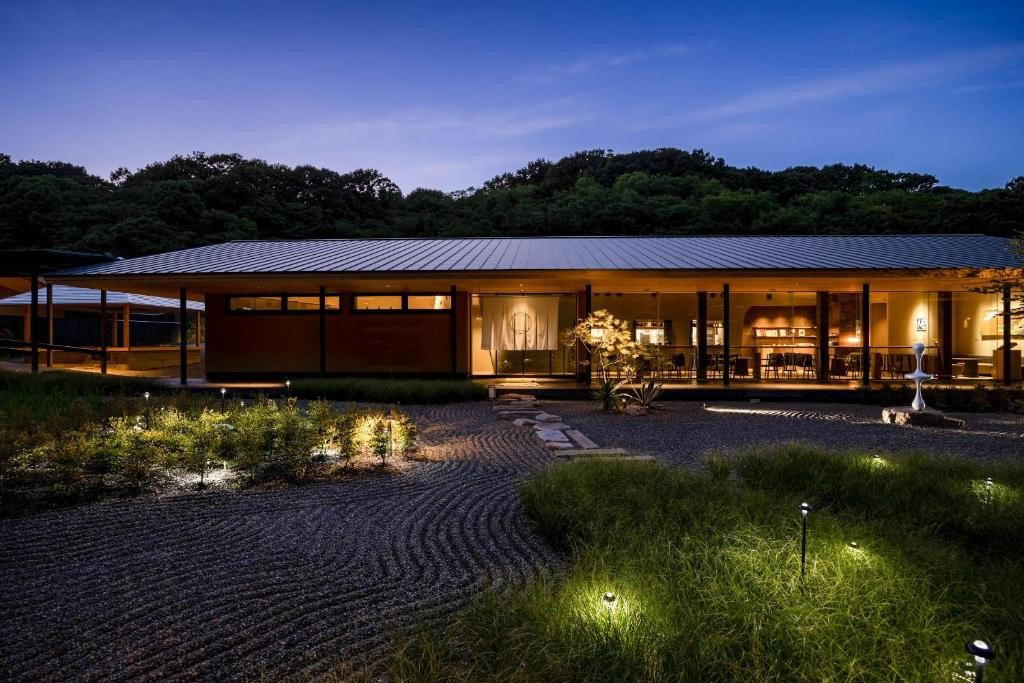
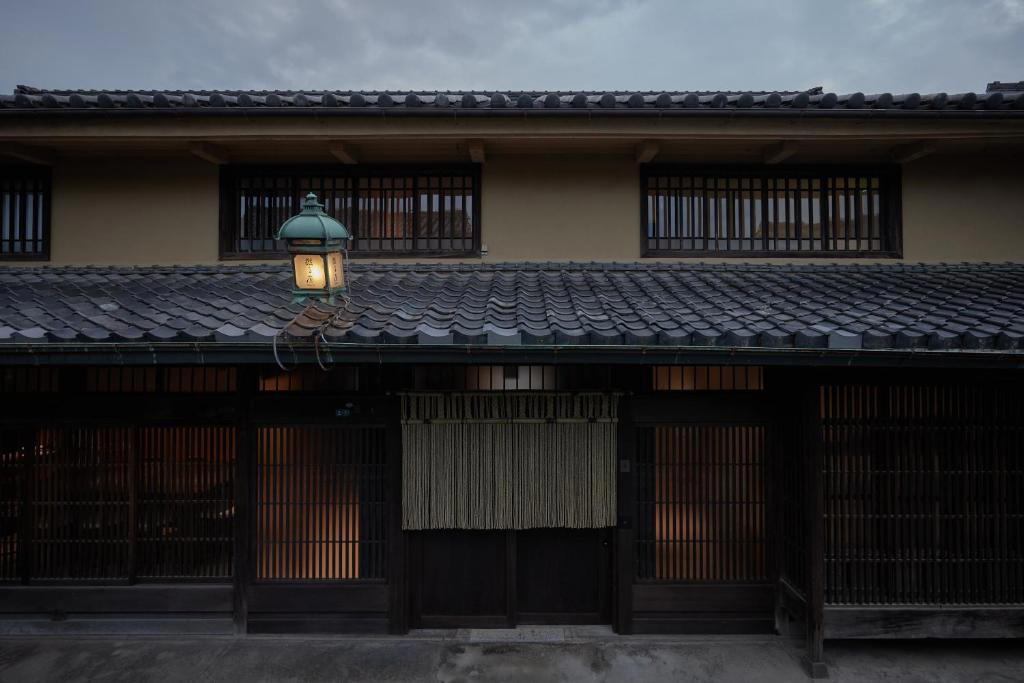
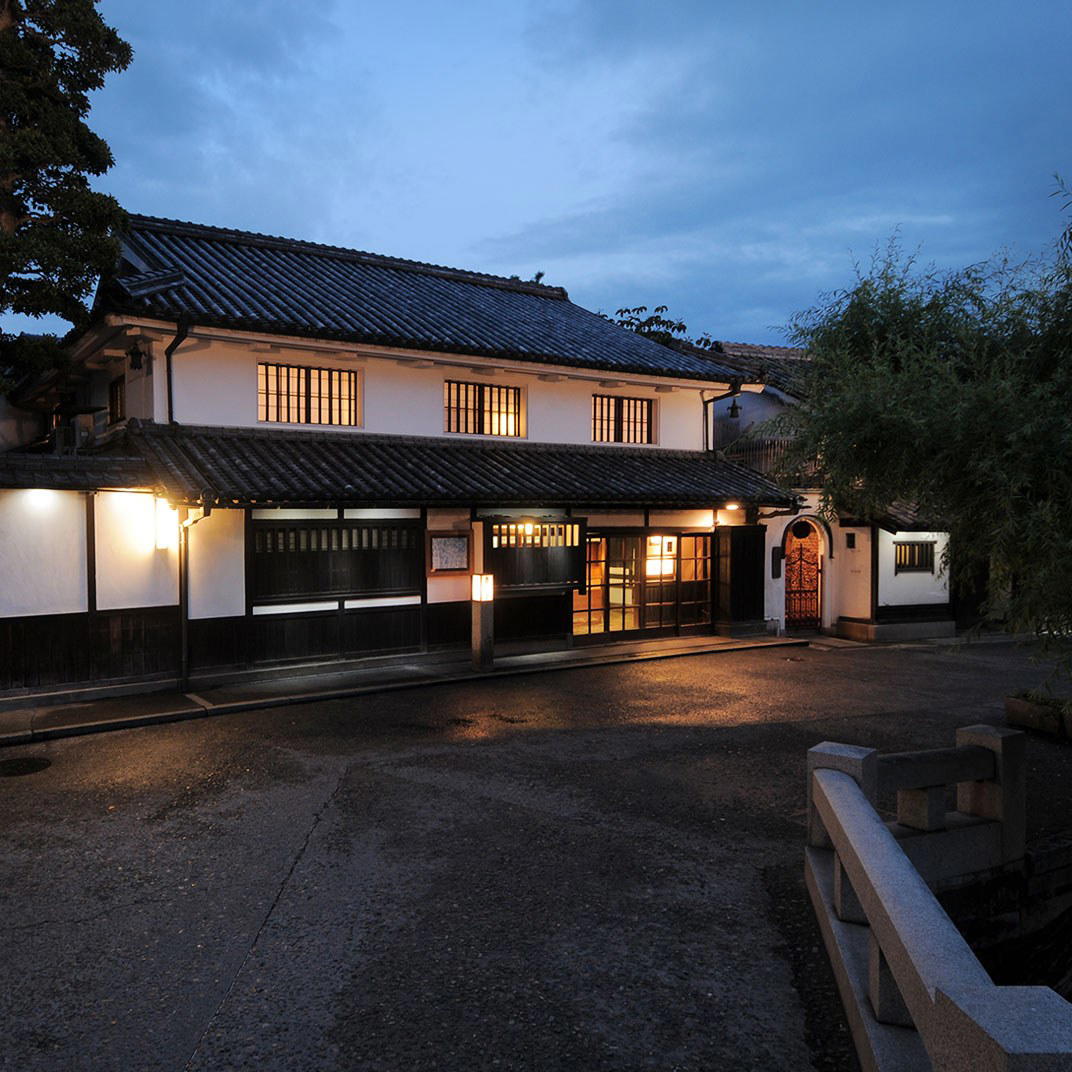
The physical setup should be read as everyday restaurant territory rather than a chef-counter performance. The appeal is relaxed but not vague: it is built for noodles, regular meals and the kind of repeatable dining rhythm that makes udon culture in Sanuki feel so grounded. The setting matters less as décor than as a frame for the bowl.
That informality should not be confused with lack of seriousness. Sanuki’s udon culture has a way of compressing craft into low-friction settings. A shop can be casual, accessible and technically exacting at once. The Tabelog score of 3.69 gives another signal, but the stronger trust marker is the 2024 Tabelog Hyakumeiten selection, because it places the restaurant inside a category where competition is dense and the audience is unusually literate about noodles.
For Sanuki planning, this is the sort of stop that works better as part of a focused food day than as a standalone fine-dining detour. The wider city pages help shape that route: Our full Sanuki restaurants guide covers the dining field, while Our full Sanuki hotels guide, Our full Sanuki bars guide, Our full Sanuki wineries guide and Our full Sanuki experiences guide help turn a noodle stop into a broader itinerary. Travelers building a Japan-wide casual dining map can also compare the register with other dining rooms across Japan. For an international contrast in Japanese casual formats, unnamed examples abroad show how Japanese food categories change when removed from their regional source.
Why the stop makes sense in Sanuki
The reason to pay attention here is not rarity. Sanuki has abundant udon. The reason is concentration: when a city is this fluent in a single food form, small differences in dough handling, broth style, curry weight and service rhythm become meaningful. Teuchi Udon Gennai sits in that compressed field with a recognized category badge, a casual format and a menu identity narrow enough to be judged on fundamentals.
For travelers, the editorial case is clear. This is not a luxury restaurant dressed down as a noodle shop. It is a Sanuki udon room operating in the idiom that made the city matter: wheat noodles, accessible pricing, a practical everyday feel and enough local credibility to justify a place on a tightly edited Sanuki route. Come for the noodle craft rather than ceremony, and read the curry udon as part of the region’s broader argument that everyday food can carry serious technique.
Frequently asked questions
Is Teuchi Udon Gennai okay with children?
Teuchi Udon Gennai is best read as a casual Sanuki udon stop rather than a formal dining room; check directly with the restaurant for current family or seating details.
Is Teuchi Udon Gennai formal or casual?
Casual, not formal. The listing categories are udon and curry udon, and the appeal is an everyday Sanuki noodle-shop format rather than a polished fine-dining experience.
What price level is Teuchi Udon Gennai?
Pricing at Teuchi Udon Gennai is listed as JPY 1,000 - JPY 1,999 JPY 1,000 - JPY 1,999.
What is Teuchi Udon Gennai known for?
Teuchi Udon Gennai is known for udon and curry udon in Sanuki.
Fast Comparison
Comparable venues by cuisine and price in the same metro.
| Venue | Cuisine | Price | Awards | Notes |
|---|---|---|---|---|
| Teuchi Udon GennaiThis venue (the venue you are viewing) | Sanuki udon & curry udon | $10–20 | Tabelog 100 #20 | Not listed |
| Mendokoro Mahalo | Sanuki udon noodle shop | $10–20 | Tabelog 100 #18 | Sangawamachi Kanzaki |
| 八十八庵 | Sanuki Udon | Not listed | Not listed | 多和 |
| Umemura | Japanese Soul Food | Not listed | Tabelog 100 #44 | Koto |
| Maki no Udon (牧のうどん 空港店) | Traditional Fukuoka Kamaage Udon | $1–10 | Not listed | Hakata |
| 明石食堂 | Okinawan Yaeyama Soba | $10–20 | Not listed | Ihara, Ishigaki |
Recognition history
Dated appearances from independent guides and award organizations, with the underlying list record or original source where available.
Tabelog 100 #20 · No. 20
Tabelog · Tabelog 100 - Udon - KAGAWA - 2024
Continue exploring
More in Sanuki
Restaurants in Sanuki
All restaurants in Sanuki →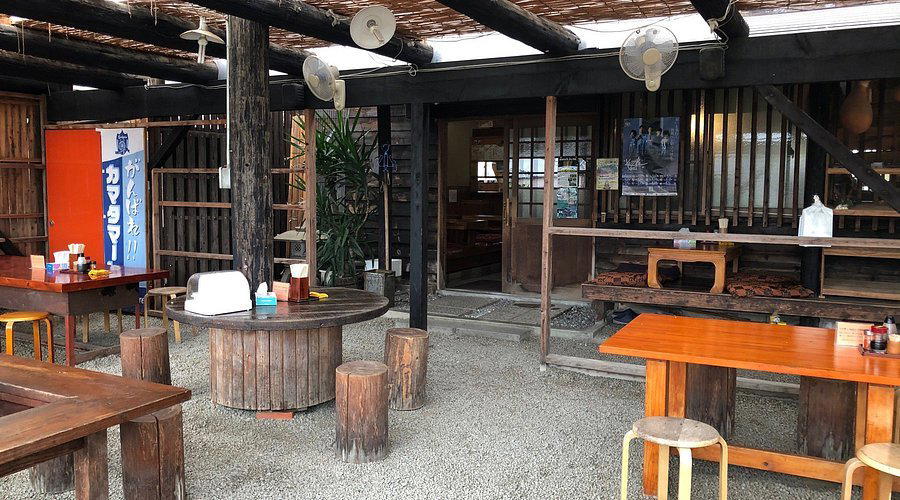
Bars in Sanuki
Browse all →

Details
- Classic
- Cozy
- Solo
- Family
- Casual Hangout
- After Work
- Group Dining
- Standalone
- A La Carte
- Counter Dining
Current opening hours
- Monday
- Closed
- Tuesday
- 10 AM–7 PM
- Wednesday
- 10 AM–7 PM
- Thursday
- 10 AM–7 PM
- Friday
- 10 AM–7 PM
- Saturday
- 10 AM–7 PM
- Sunday
- 10 AM–7 PM
Hours can change for holidays and private events. Hours as of .
Simple and relaxed house-style udon shop with counter and tatami seating, bright but unpretentious lighting, and a comfortable, family-friendly atmosphere focused on the noodles rather than decor.