Terroni

Rooted in a family tradition of importing Southern Italian staples that dates to the early 1990s, Terroni on Beverly Boulevard brings a specific regional conviction to Los Angeles Italian dining. The menu draws from classic Southern Italian templates rather than the pan-Italian comfort cooking that dominates much of the city. It occupies a distinct position on a stretch of Beverly that rewards those who know where to look.
Pearl is the En Primeur Club membership app — saves, bookings, and concierge access live there. Same editors, same standards.
- Address
- 7605 Beverly Blvd, Los Angeles, CA 90036
- Phone
- (323) 954-0300
- Website
- terroni.com
- Directions
- Get directions
 Saves & bookings on Pearl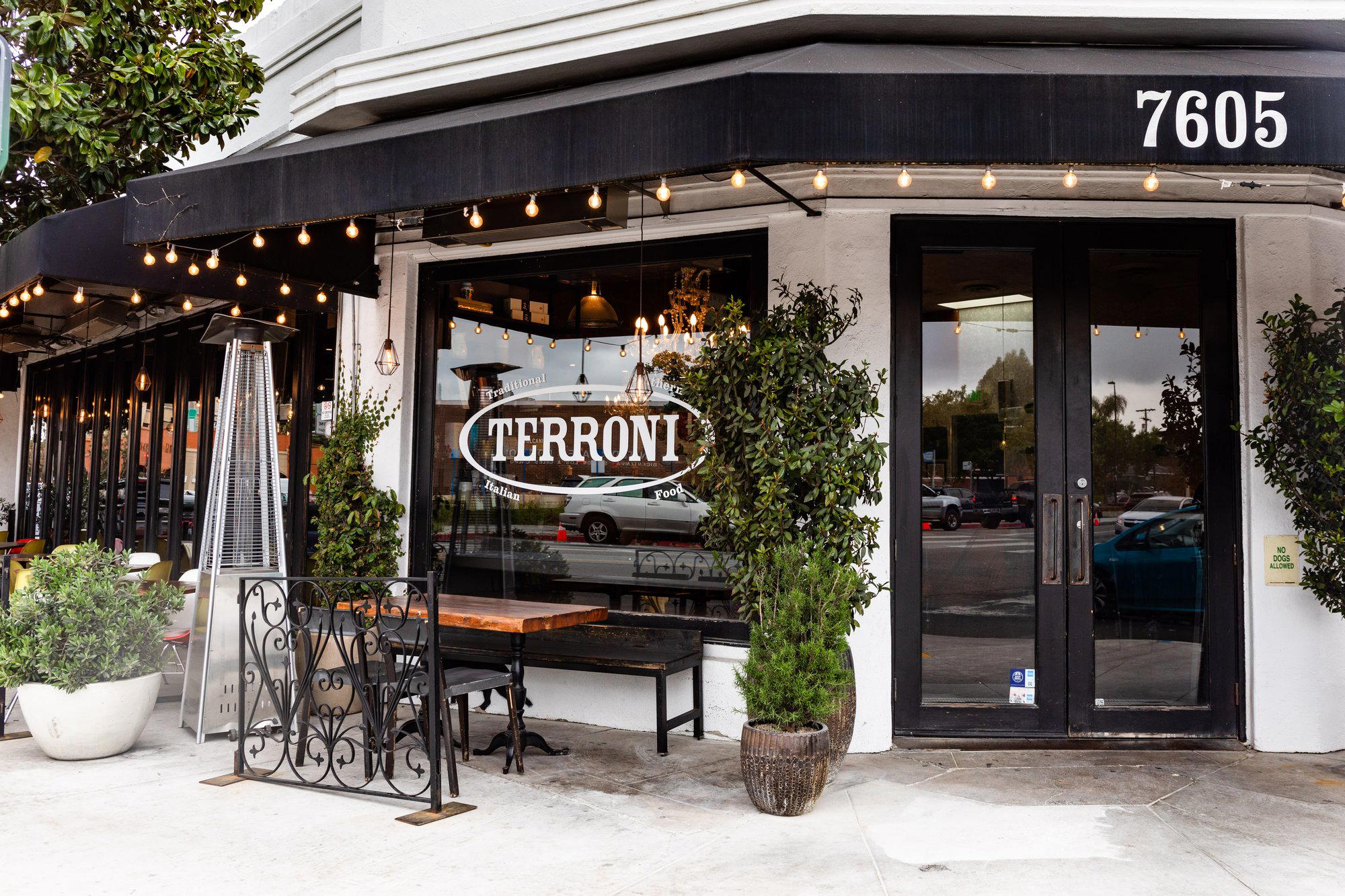
Beverly Boulevard and the Case for Regional Specificity
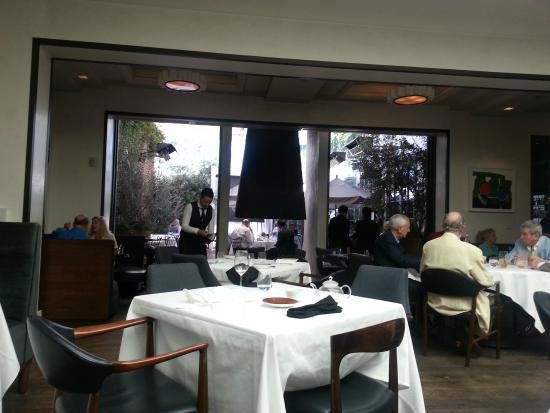
Los Angeles Italian dining has long operated on a spectrum between red-sauce Americana and the more considered regional cooking that arrived with chefs trained in Italy itself. Terroni, at 7605 Beverly Blvd, sits closer to the latter end of that spectrum. The room carries the density of a place that has been doing this for decades: worn surfaces, noise that feels earned rather than engineered, and a crowd that skews local in the way only neighbourhood restaurants with genuine reputations tend to attract. Beverly Boulevard in this stretch, between Fairfax and La Brea, runs through a part of the city that has historically supported independent operators over chain formats, and Terroni fits that pattern without calling attention to itself.
For readers building a broader picture of Los Angeles dining, our full Los Angeles restaurants guide maps the city's range from the tasting-menu tier occupied by Providence and Somni down through the neighbourhood-anchored mid-tier where Terroni operates. The contrast is instructive: where Kato and Hayato represent Los Angeles at its most technically ambitious, Terroni represents something equally deliberate but differently expressed: a refusal to drift from a defined regional source.
Where the Ingredients Come From and Why That Framing Matters
The foundational claim Terroni makes is supply-chain in nature. The restaurant grew directly from a family importing business specialising in Southern Italian staples, a lineage that predates the restaurant itself by some years and that places ingredient sourcing at the centre of the operation rather than as an afterthought. This is not an unusual origin story in Italian-American dining, but the specificity matters. Southern Italy, the Mezzogiorno, produces a distinct pantry: hard durum wheats from Puglia, San Marzano tomatoes from the volcanic plains near Salerno, nduja from Calabria, Pecorino from Basilicata and Sicily rather than the more familiar Parmigiano of the north. A restaurant with direct importing relationships is working from a different set of raw materials than one sourcing domestically or through general-market channels.
That sourcing orientation shapes what appears on the menu. The offerings draw from Italian classics with a Southern Italian emphasis, which in practice means a different ratio of dried to fresh pasta, a preference for olive oil over butter, and a flavour register that tends toward the assertive rather than the delicate. Comparing this regional commitment to the broader trajectory of ambitious Italian cooking elsewhere, places like Osteria Mozza on Melrose have pursued a California-Italian synthesis that draws from multiple Italian regions while foregrounding local produce. Terroni operates with a narrower, more insistent geographic focus.
For readers interested in how ingredient sourcing defines restaurant identity at the highest tier internationally, it is worth consulting how Single Thread Farm in Healdsburg has built an entire tasting-menu format around farm-to-table provenance, or how The French Laundry in Napa structures its sourcing relationships as a core part of the restaurant's identity. Terroni operates at a different price point and without the same institutional apparatus, but the underlying logic, that where food comes from determines what food can be, is shared.
Southern Italian Cooking in Los Angeles: The Competitive Context
Los Angeles Italian dining has historically skewed toward the Northern Italian and Californian-Italian registers that dominated restaurant culture in the 1980s and 1990s. Southern Italian cooking, with its harder pastas, sharper flavours, and fewer cream-based preparations, has had a smaller footprint in the city's restaurant scene than the demographics of Italian-American immigration might suggest. Terroni's origins in the early 1990s place it in a period when this regional gap was particularly pronounced, and the importing background gave it access to ingredients that were genuinely difficult to source in Los Angeles at the time.
The Beverly location functions as a neighbourhood anchor in a way that separates it from the destination-dining tier. You are not going to Terroni the way you might go to Alinea in Chicago or Le Bernardin in New York City, planning the evening months in advance and treating the reservation as the point of the trip. Terroni is the kind of place that rewards proximity and repeat visits, where familiarity with the menu produces better ordering. The food tradition it draws from, Southern Italian home and trattoria cooking, was never designed to be a spectacle.
That said, it operates in a city with a wide range of Italian options, and readers with specific itineraries should weigh their priorities. For drinks before or after, our full Los Angeles bars guide covers the neighbourhood and citywide options. For those planning a broader Los Angeles trip across multiple nights, our full Los Angeles hotels guide and full Los Angeles experiences guide fill out the context. Wine-focused readers can also consult our full Los Angeles wineries guide for regional production context.
Planning a Visit
Terroni sits at 7605 Beverly Blvd, placing it in the Mid-City stretch that is driveable from most parts of Los Angeles and walkable from the immediate Fairfax District neighbourhood. Street parking on Beverly can be competitive during peak dinner hours; arriving slightly before or after the main dining rush is the practical approach. Given the neighbourhood dining format, walk-in capacity may be available at off-peak hours, though this cannot be confirmed without direct inquiry. For readers comparing across the Italian tier in the city, Osteria Mozza operates a more formal booking system and a different price tier, while Terroni positions itself as an accessible regular rather than a special-occasion destination. For context on how Italian restaurants at the upper end of the global spectrum manage sourcing and format, see also 8 1/2 Otto e Mezzo Bombana in Hong Kong and Alain Ducasse at Louis XV in Monte Carlo, both of which illustrate how Italian and French-Mediterranean sourcing traditions operate at the tasting-menu tier. Terroni is a different proposition entirely, but understanding the range clarifies what it does and does not attempt.
How Terroni Los Angeles compares with similar nearby venues.
| Venue | Cuisine | Awards |
|---|---|---|
| Terroni | Not listed | Star Wine List (2026) |
| Potato Chips Deli | American Deli | Not listed |
Recognition history
Dated appearances from independent guides and award organizations, with the underlying list record or original source where available.
Star Wine List
Star Wine List
Continue exploring
More in Los Angeles
Restaurants in Los Angeles
Browse all →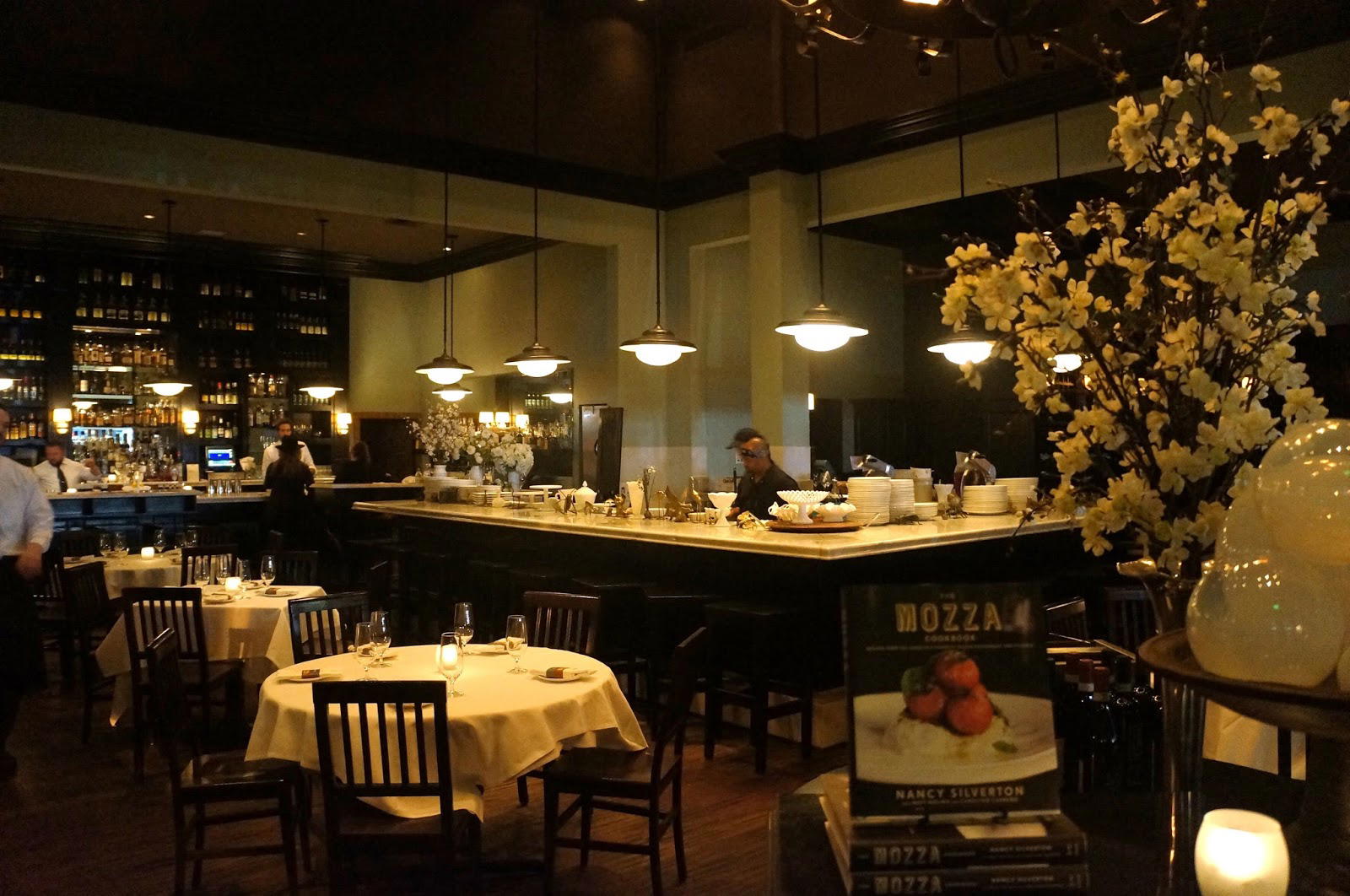
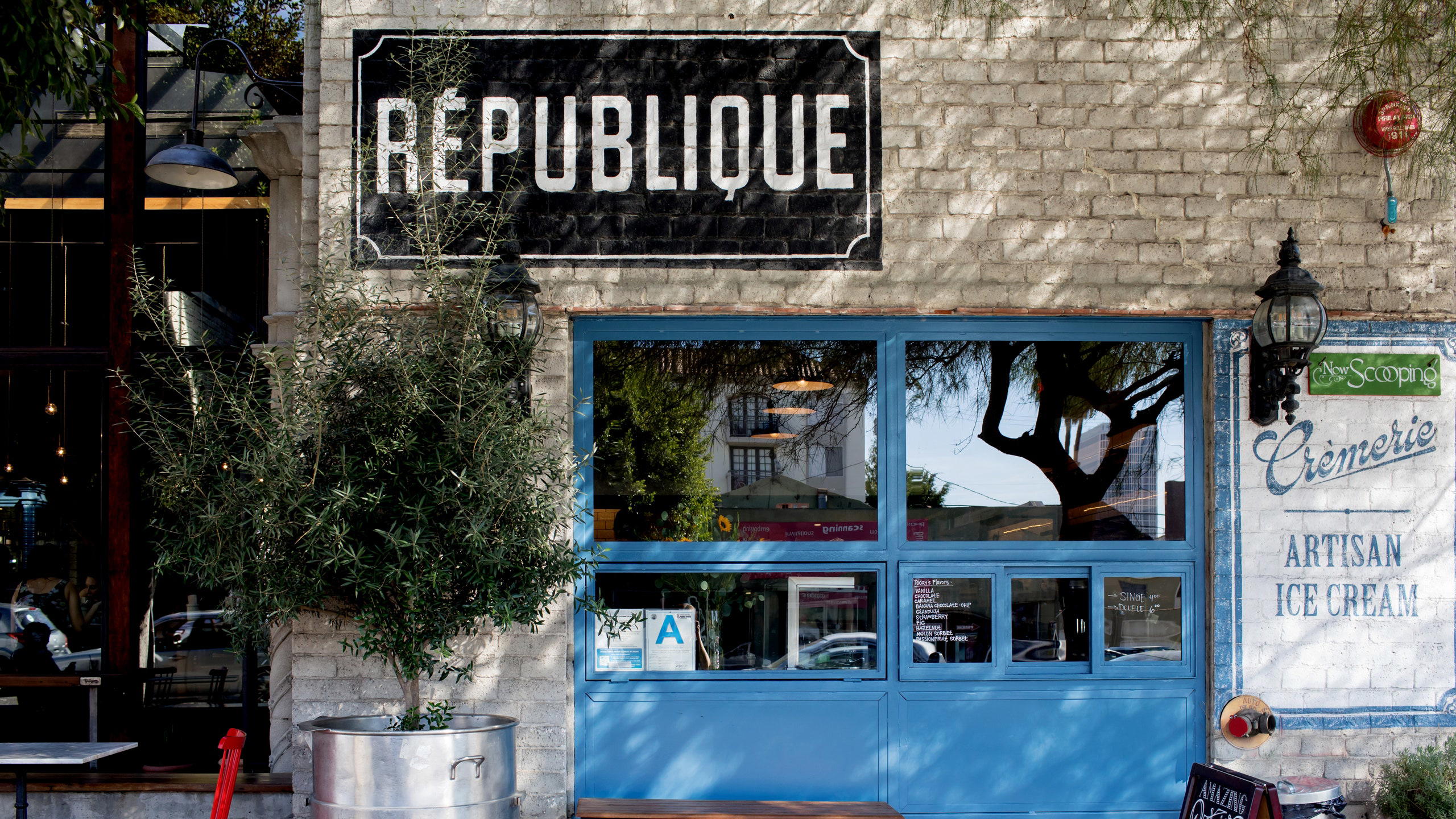
Bars in Los Angeles
Browse all →
Hotels in Los Angeles
Browse all →
Wineries in Los Angeles
Browse all →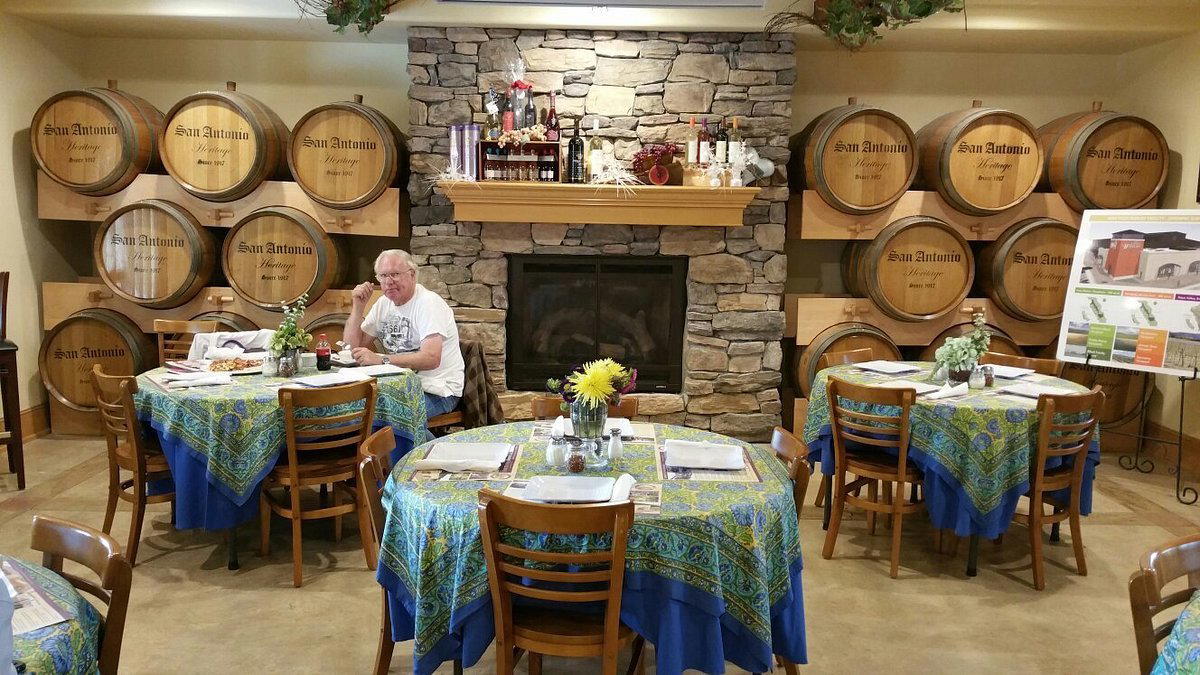
At a Glance
- Lively
- Cozy
- Trendy
- Date Night
- Group Dining
- Casual Hangout
- Private Dining
- Open Kitchen
- Extensive Wine List
Current opening hours
- Monday
- 11:30 AM–10 PM
- Tuesday
- 11:30 AM–10 PM
- Wednesday
- 11:30 AM–10 PM
- Thursday
- 11:30 AM–10 PM
- Friday
- 11:30 AM–11 PM
- Saturday
- 11 AM–11 PM
- Sunday
- 11 AM–10 PM
Hours can change for holidays and private events. Last verified .
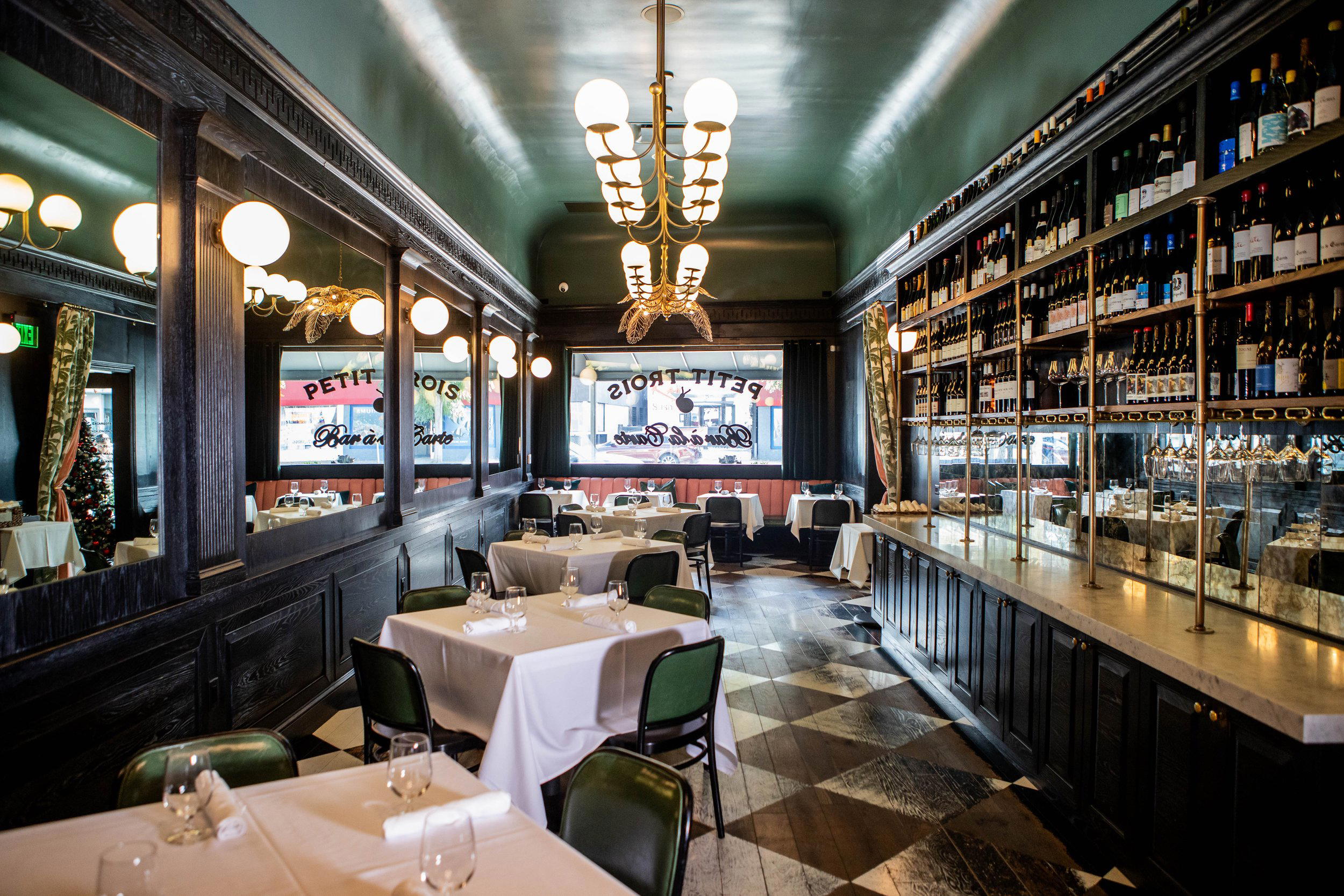
Communal bar area with leather booths, weathered wood tables, tin ceiling, and enormous chandelier creating a formal yet comfortable, timeless living room atmosphere.
Know Before You Go
- Getting there
- 7605 Beverly Blvd, Los Angeles, CA 90036