Terrace 54
Terrace 54 occupies an address in Houston's Texas Medical Center corridor, where the city's appetite for produce-driven, sustainability-conscious dining has been quietly reshaping expectations for what a neighborhood restaurant can be. The venue sits in a part of town that rewards those willing to look beyond the Galleria or Midtown circuits for serious cooking.
Pearl is the En Primeur Club membership app — saves, bookings, and concierge access live there. Same editors, same standards.
- Address
- 1709 Dryden Rd, Houston, TX 77030
- Phone
- +17137302404
- Website
- terrace54.com
- Directions
- Get directions
 Saves & bookings on Pearl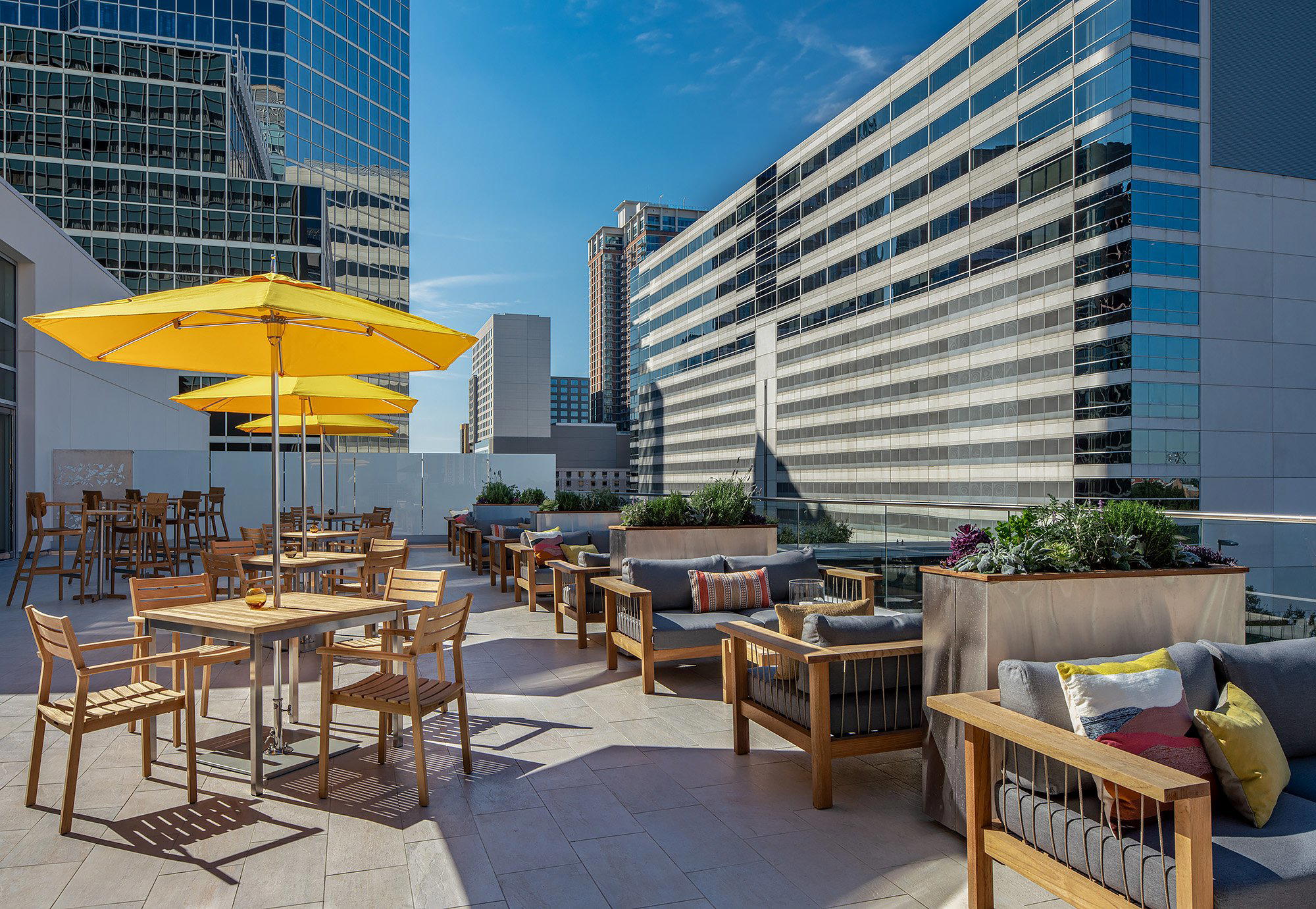
Where Houston's Sustainability Conversation Moves Off the Menu and Into the Kitchen
American fine dining has spent the better part of a decade debating sustainability in public, but the gap between stated values and actual practice remains wide. The restaurants that close that gap tend to share a few observable traits: sourcing relationships that predate the trend, waste protocols built into prep rather than bolted on as afterthought, and a kitchen culture that treats environmental discipline as operational standard rather than marketing angle. That conversation is particularly active in Houston, where the city's position as a Gulf Coast hub gives chefs direct access to regional seafood, Gulf-grown produce, and a ranching culture that has long supplied the Texas table on its own terms. Terrace 54, at 1709 Dryden Rd in the Texas Medical Center district, enters that conversation from a neighborhood that rarely makes Houston's dining headlines but sits within one of the city's most densely populated professional corridors.
The Medical Center Corridor and What It Demands
Houston's dining geography tends to concentrate critical attention in Montrose, Midtown, and the Heights, which means the Texas Medical Center area operates with less noise and more repeat business. Venues in this corridor serve a clientele that eats out frequently, travels professionally, and has calibrated opinions about value and consistency. That audience is arguably more demanding than the scenester crowd chasing openings, because they return on Tuesday nights when no one is watching. For a sustainability-oriented restaurant, a repeat-customer base is an asset: it allows the kitchen to explain sourcing shifts as seasons change, to retire dishes when an ingredient is out of cycle, and to build the kind of trust that makes a shorter menu feel like curation rather than limitation.
The Dryden Road address places Terrace 54 in proximity to Rice University's southern edge and the broader institutional density of the Medical Center, a part of Houston that has historically underperformed its foot traffic in terms of dining ambition. That context matters for understanding what kind of role a restaurant here can play. It is not competing for the same reservation pool as March, Houston's Venetian-influenced tasting menu destination, or Musaafer, the large-format Indian kitchen on Post Oak. The competitive frame is different: consistency, accessibility, and a genuine commitment to sourcing ethics carry more weight here than ceremony.
Sustainability as Operational Logic, Not Aesthetic
The restaurants that have made sustainability structurally meaningful rather than cosmetically appealing tend to do it through procurement and waste systems, not through branding. At the national level, Blue Hill at Stone Barns in Tarrytown built its entire identity around the farm-to-table chain to a degree that collapsed the distance between grower and plate almost entirely. Single Thread Farm in Healdsburg operates a working farm as the supply chain for its restaurant, a model that few urban kitchens can replicate but that sets the standard for what sourcing discipline looks like when fully realized. In an urban context without on-site agriculture, the markers shift toward supplier transparency, whole-animal and whole-fish utilization, and menu flexibility that allows the kitchen to respond to what is available rather than forcing produce to match a fixed template.
Houston is well-positioned for this approach. The Gulf supplies seasonal seafood across a range that extends from redfish and flounder to blue crab and shrimp, with catch cycles that a committed kitchen can follow. The Hill Country and surrounding ranching regions offer direct relationships with beef producers who operate outside the commodity system. And the city's significant Vietnamese, Mexican, and South Asian communities have sustained small-scale produce farming across the Houston metro for generations, creating a local supply infrastructure that larger, export-focused farms cannot match for variety or responsiveness. A restaurant on Dryden Road that chooses to source within that ecosystem is making a logistical argument, not just a political one: the supply is there, and it is often better.
Where Terrace 54 Fits in the Houston Conversation
Houston's serious dining tier has expanded meaningfully over the past decade. BCN Taste & Tradition brought Spanish technique to the city's upper bracket. Tatemó has developed a masa-focused Mexican program that operates at a level of precision more common to tasting menu formats. Le Jardinier Houston applies a French vegetable-forward approach that aligns with broader sustainability thinking at the level of menu architecture. Each of these venues signals something about where Houston's culinary ambitions are pointing: toward specificity, toward sourcing depth, toward cooking that has something to say beyond technique for its own sake.
Terrace 54 occupies a different position in that map, one defined more by neighborhood utility and daily-practice sustainability than by high-concept positioning. The comparison is less to tasting menu rooms in the Galleria corridor and more to the class of American restaurants that have made produce-driven cooking the operating assumption rather than the special occasion. At the national level, that cohort includes Lazy Bear in San Francisco, which built a communal format around seasonal California produce, and Providence in Los Angeles, where sustainable seafood sourcing has been a Michelin-recognized commitment for years. The scale and ambition differ, but the underlying logic, that what you source and how you use it defines the cooking more than any single technique, travels across price points and formats.
For readers building a Houston itinerary that extends beyond the canonical stops, the broader picture is worth consulting in our full Houston restaurants guide. The city's dining range now reaches from the Gulf-sourced precision of its leading seafood kitchens to the regional American ambition visible at venues like Addison in San Diego, Atomix in New York, and Alinea in Chicago, all of which provide reference points for what American fine dining looks like when environmental and sourcing commitments are structurally embedded rather than decorative.
Planning Your Visit
Address: 1709 Dryden Rd, Houston, TX 77030. Timing: The Texas Medical Center corridor draws weekday lunch and early dinner traffic; weekend evenings tend to be quieter than the city's Montrose or Heights corridors, which can work in your favor for walk-in availability. Budget: Specific pricing was not confirmed at time of publication; verify current menu pricing directly with the venue. Context: Pair a visit here with nearby institutions before or after, the Museum District is within reasonable distance, and the neighborhood rewards slower, less itinerary-driven exploration than Houston's more trafficked dining corridors.
How Terrace 54 Houston compares with similar nearby venues.
| Venue | Cuisine |
|---|---|
| iWok | Fast-casual Asian |
Continue exploring
More in Houston
Restaurants in Houston
Browse all →
Bars in Houston
Browse all →
Hotels in Houston
Browse all →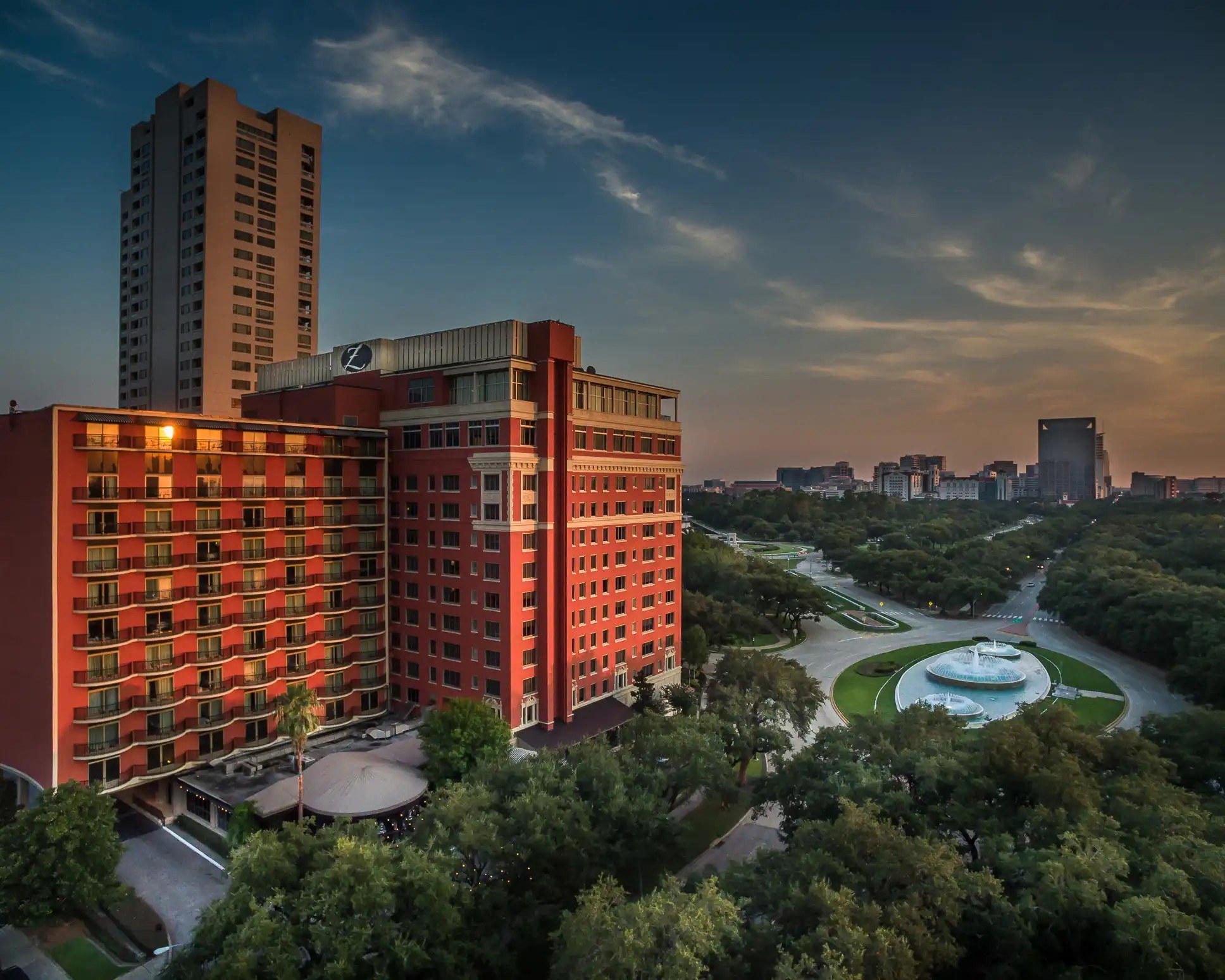
At a Glance
- Modern
- Elegant
- Scenic
- Sophisticated
- Date Night
- Business Dinner
- Brunch
- Rooftop
- Terrace
- Panoramic View
- Hotel Restaurant
- Craft Cocktails
- Local Sourcing
- Skyline
Current opening hours
- Monday
- 6:30 AM–10 PM
- Tuesday
- 6:30 AM–10 PM
- Wednesday
- 6:30 AM–10 PM
- Thursday
- 6:30 AM–10 PM
- Friday
- 6:30 AM–10 PM
- Saturday
- 6:30 AM–10 PM
- Sunday
- 6:30 AM–10 PM
Hours can change for holidays and private events. Last verified .
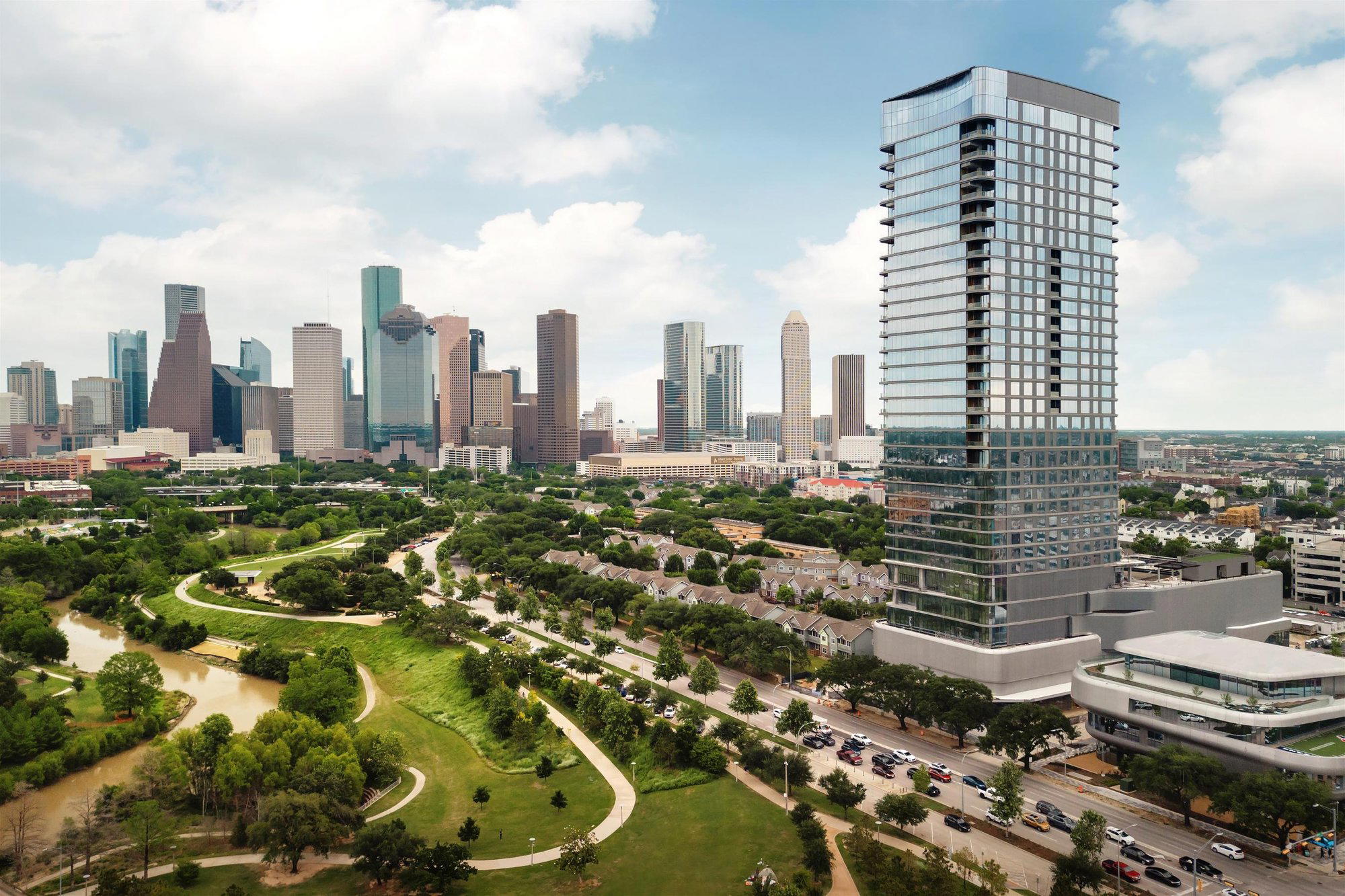
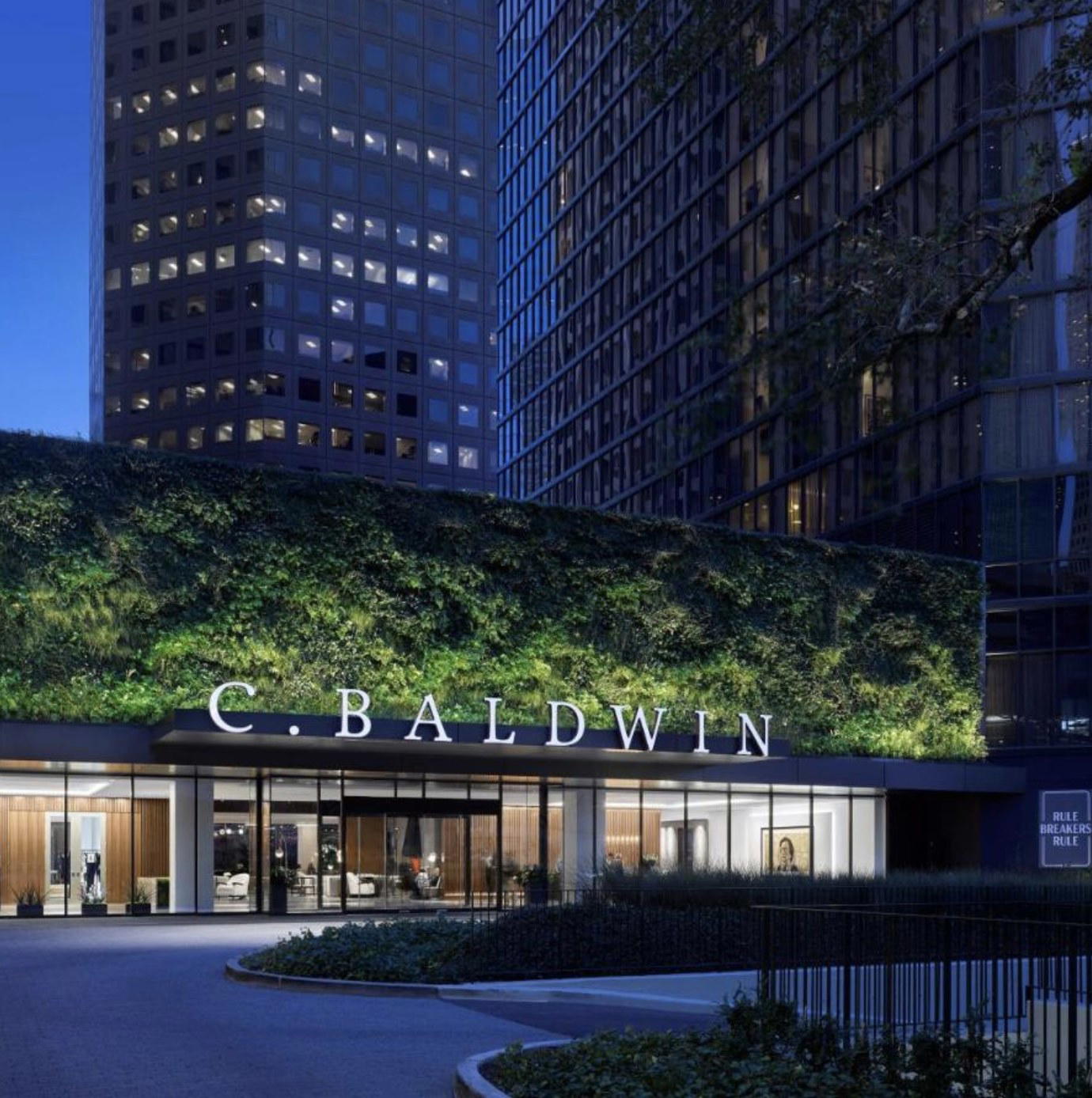
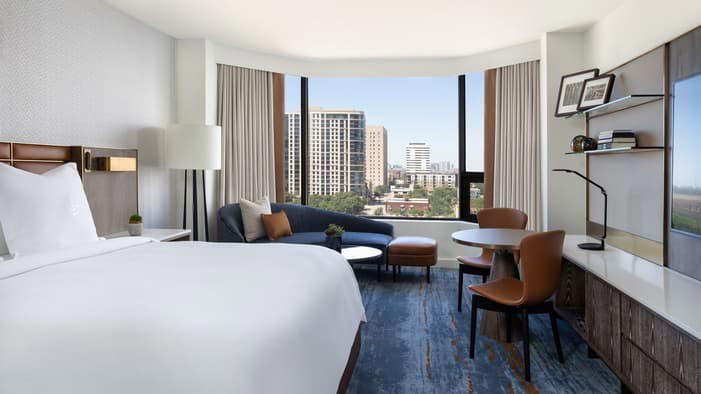
Inviting modern and tranquil atmosphere with abundant natural light, airy contemporary design, and romantic terrace setting ideal for sunset dining.
Know Before You Go
- Getting there
- 1709 Dryden Rd, Houston, TX 77030