Ted Peters Famous Smoked Fish

Diners, Drive-Ins and Dives Featured Restaurant
Our verdict
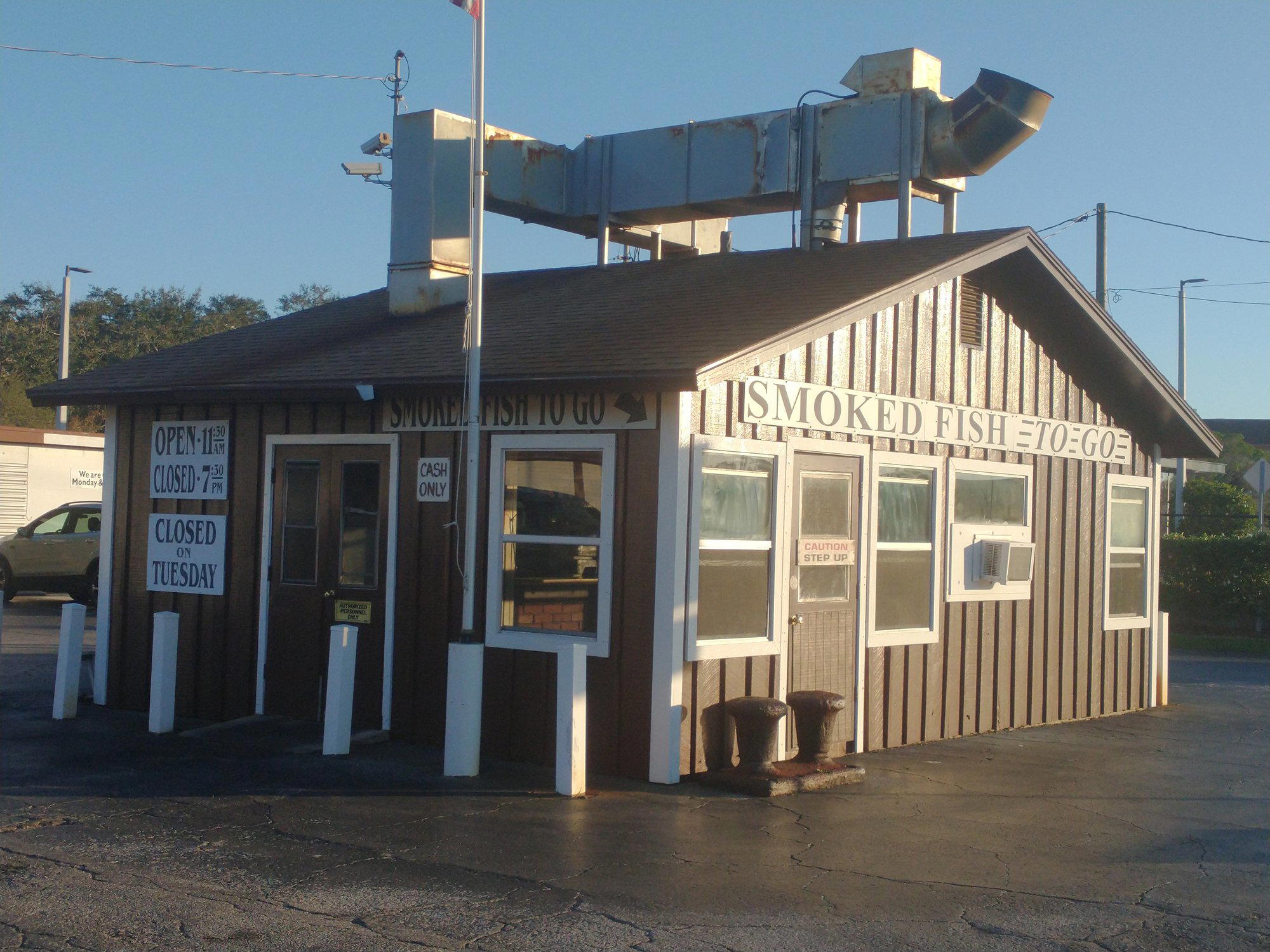
Ted Peters Famous Smoked Fish has anchored the St. Petersburg waterside eating tradition for decades, serving wood-smoked mullet, mackerel, and salmon at a no-frills outdoor counter where the fish does the talking. It occupies a category that few Florida institutions have managed to hold: genuinely local, genuinely old, and genuinely unchanged. The kind of place that earns its reputation through repetition rather than reinvention.

Pearl is the En Primeur Club membership app — saves, bookings, and concierge access live there. Same editors, same standards.
- Address
- 1350 Pasadena Ave S, St. Petersburg, FL 33707
- Phone
- (727) 381-7931
- Hours
- Mon–Tue ClosedWed–Sun 11:30 AM–7:30 PM
- Website
- tedpetersfish.com
- Directions
- Get directions
The menu
What to order
- Smoked Mullet
- Smoked Salmon
- German Potato Salad
Smoke, Salt, and the Gulf Coast Tradition That Refuses to Move On
Pull into the gravel lot on Pasadena Avenue South and the first thing that reaches you is not a sign or a host — it is smoke. The low, steady drift of smoldering wood cuts through the salt air before you have found a parking space, and it tells you everything you need to know about what kind of eating awaits. Ted Peters Famous Smoked Fish operates from a low-slung building with picnic tables and an outdoor pit that has been producing the same product in roughly the same way for generations. In a state where coastal restaurants have largely converted to open kitchens, craft cocktail programs, and Instagram-ready plating, this place represents something rarer: a technique-first institution that has not decided to become anything other than what it already is.
The American smoked fish tradition on the Gulf Coast predates the tourism economy that eventually grew around it. Mullet and mackerel were working-class catches — oily, strong in flavor, and well-suited to smoking as a preservation method in the subtropical heat. What Ted Peters built in South Pasadena was not a novelty interpretation of that tradition but a direct continuation of it. That lineage is the editorial point. The product on the plate here connects to a regional fishing culture that most of coastal Florida has since paved over in favor of shrimp towers and grouper sandwiches aimed at visitors who want familiar formats.
What the Smokehouse Method Actually Does to the Fish
Wood-smoked fish is not simply cooked fish with a flavor additive. The smoking process at a place like Ted Peters draws moisture out slowly, concentrates the natural oils in high-fat species like mullet, and produces a texture that is closer to charcuterie than to a grilled fillet. The result is a product that holds for hours, deepens in flavor as it cools, and pairs logically with simple accompaniments, smoked fish spread, crackers, sliced onion, rather than with composed sauce work. Across the American South and particularly along the Gulf, this category of eating sits closer to barbecue culture than to fine-dining seafood: the quality signal is in the sourcing and the fire management, not in brigade technique or plating architecture.
That framing matters when comparing Gulf smoked fish houses to the kind of seafood craftsmanship found at places like Le Bernardin in New York City or Providence in Los Angeles, where precision cookery and luxury sourcing define the value proposition. The comparison is not competitive, it is categorical. A well-run smokehouse is doing something fundamentally different, and the measure of quality is consistency, sourcing provenance, and the integrity of the smoke itself. By those measures, Ted Peters has maintained a reputation that outlasts most of its Florida contemporaries.
The Sourcing Logic Behind Gulf Coast Smoked Fish
The ingredient case for Gulf mullet is specific. Florida mullet is a filter feeder that lives close to shore in estuarine environments, which gives it a pronounced, almost nutty fat profile that responds exceptionally well to slow smoking. It is not a fish that travels well or photographs glamorously, which is precisely why it has remained a regional product rather than a national commodity. The same supply chain logic that keeps mullet local and affordable is what makes a place like Ted Peters possible: the fish comes from near, costs relatively little at the dock, and rewards a process rather than a premium sourcing narrative.
This is the inverse of the farm-to-table model practiced at places such as Blue Hill at Stone Barns in Tarrytown or Single Thread Farm in Healdsburg, where sourcing proximity is the explicit editorial premise and the price reflects it. At Ted Peters, sourcing proximity is structural rather than marketed, the fish was always local because that is what was available and what the smokehouse method was designed to handle. The distinction is worth holding: both models are ingredient-driven, but one announces it and one simply does it.
Where Ted Peters Sits in South Pasadena's Eating Scene
South Pasadena's dining scene spans a narrow but interesting range. Bistro de la Gare and Aro Latin represent the sit-down, full-service tier that the neighborhood supports, while Fair Oaks Pharmacy operates in the American diner and soda fountain tradition. Canoe House and Fanta Sea Grill occupy the casual waterside seafood space that the area's geography encourages. Ted Peters sits apart from all of them, not because it is better or worse, but because it belongs to a different category entirely. It is a specialist operation with a single technique, a product category defined by regional tradition, and an audience that skews toward people who already know what they want when they arrive. See our full South Pasadena restaurants guide for how the area's dining fits together across formats and price tiers.
The broader Florida context matters here too. Across the state, the institutions that have survived multiple decades of coastal development pressure tend to be either high-end enough to attract destination travelers or embedded enough in local habit to be insulated from trend cycles. Ted Peters belongs to the second category. Its longevity is a form of trust signal, not an award or a star rating, but the kind of credibility that comes from regulars who have been eating at the same picnic table, ordering the same smoked mullet plate, for thirty or forty years.
Planning a Visit
Ted Peters operates on Pasadena Avenue South in St. Petersburg, sitting in the South Pasadena municipality just south of the city proper. The outdoor picnic format means weather matters, midday visits in summer trade comfort for crowd avoidance, while the cooler months from November through March offer the most pleasant conditions for eating outside. No reservations, no dress considerations, and no elaborate planning required: the format is walk-up and the service is counter-style. Given the institutional status and the lack of a large indoor dining area, arrival timing on weekends, particularly in peak season, is worth factoring in.
Frequently asked questions
How do I find Ted Peters Famous Smoked Fish?
Ted Peters Famous Smoked Fish is located at 1350 Pasadena Ave S, St. Petersburg, FL 33707, South Pasadena.
What type of wood is used to smoke the fish at Ted Peters, and does it affect the flavor profile?
Ted Peters has been associated with red oak smoking, a wood choice that produces a moderate, steady smoke with less resin bitterness than pine or fruitwoods — appropriate for oily fish like Gulf mullet, which can carry aggressive smoke without losing its own character. The wood species is consequential: it determines how much of the fish's natural fat is drawn to the surface and caramelized during the smoke hold. At an address like 1350 Pasadena Ave S, that choice reflects decades of regional practice rather than a trend-driven kitchen decision.
What do regulars order at Ted Peters Famous Smoked Fish?
Smoked mullet is the anchor order at Ted Peters — Gulf-caught, slowly smoked over wood, and served with sides at the outdoor picnic tables on Pasadena Avenue South. The smoked fish spread, made from the same mullet, draws as much loyalty as the whole fish. Both reflect the core Gulf Coast smokehouse tradition that has defined this address for decades.
How far ahead should I plan for Ted Peters Famous Smoked Fish?
Ted Peters operates as a walk-up, counter-service smokehouse rather than a reservation-based dining room, so planning centers on timing rather than booking ahead. Afternoons and weekends draw the longest waits, particularly in the cooler months when outdoor seating at the Pasadena Avenue South location is most comfortable. Arriving at off-peak hours — mid-week, mid-morning into early afternoon — tends to reduce wait time at the counter.
What's the standout thing about Ted Peters Famous Smoked Fish?
The smoking process itself is the defining feature: fish is held over slow wood smoke long enough to concentrate its natural oils and develop a firm, deeply seasoned texture that differs substantially from broiled or fried alternatives. At a Gulf Coast address like 1350 Pasadena Ave S, that method is also the continuation of a regional preservation tradition that predates the area's current restaurant scene by generations. No Michelin recognition or national award is attached, but the longevity and local loyalty function as their own credential.
Can Ted Peters Famous Smoked Fish accommodate dietary restrictions?
The menu at Ted Peters centers on smoked fish, which means protein-forward plates are the default, but the specifics of any given menu — sides, preparation details, allergen information — are best confirmed directly at the counter on Pasadena Avenue South. The smokehouse format is not built around customization in the way a full-service restaurant kitchen might be, so guests with significant dietary restrictions should plan to ask the counter staff directly before ordering.
Is eating at Ted Peters Famous Smoked Fish worth the cost?
Ted Peters operates in the value tier of Florida seafood dining — counter service, outdoor picnic seating, and a menu priced for local regulars rather than destination dining tourists. The question of worth is better framed by format than price: if the goal is a sit-down, attended dining experience, this is not the right address. If the goal is some of the most direct, process-honest smoked fish on Florida's Gulf Coast, the Pasadena Avenue South location delivers that without the overhead of a full-service room.
A Quick Peer Check
| Venue | Cuisine | Price | Awards |
|---|---|---|---|
| Ted Peters Famous Smoked FishThis venue — the venue you are viewing | Traditional Smoked Seafood | $20–30 | Diners, Drive-Ins and Dives Featured Restaurant |
| Gus's BBQ | Southern BBQ | $20–30 | Not listed |
| Twohey's Restaurant | Classic American Diner | $20–30 | Not listed |
| Aro Latin | Latin | Not listed | Not listed |
| Bistro de la Gare | Classic French Bistro | Not listed | Not listed |
| Canoe House | Hawaiian | Not listed | Not listed |
Recognition history
Dated appearances from independent guides and award organizations, with the underlying list record or original source where available.
Diners, Drive-Ins and Dives Featured Restaurant
Diners, Drive-Ins and Dives · 2026 Diners, Drive-Ins and Dives Featured Restaurants
Continue exploring
More in South Pasadena
Restaurants in South Pasadena
Browse all →
Bars in South Pasadena
Browse all →
Details
- Classic
- Rustic
- Well Known
- Casual Hangout
- Family
- Historic Building
- Beer Program
- A La Carte
- Gluten Free Options
Current opening hours
- Monday
- Closed
- Tuesday
- Closed
- Wednesday
- 11:30 AM–7:30 PM
- Thursday
- 11:30 AM–7:30 PM
- Friday
- 11:30 AM–7:30 PM
- Saturday
- 11:30 AM–7:30 PM
- Sunday
- 11:30 AM–7:30 PM
Hours can change for holidays and private events. Last verified .
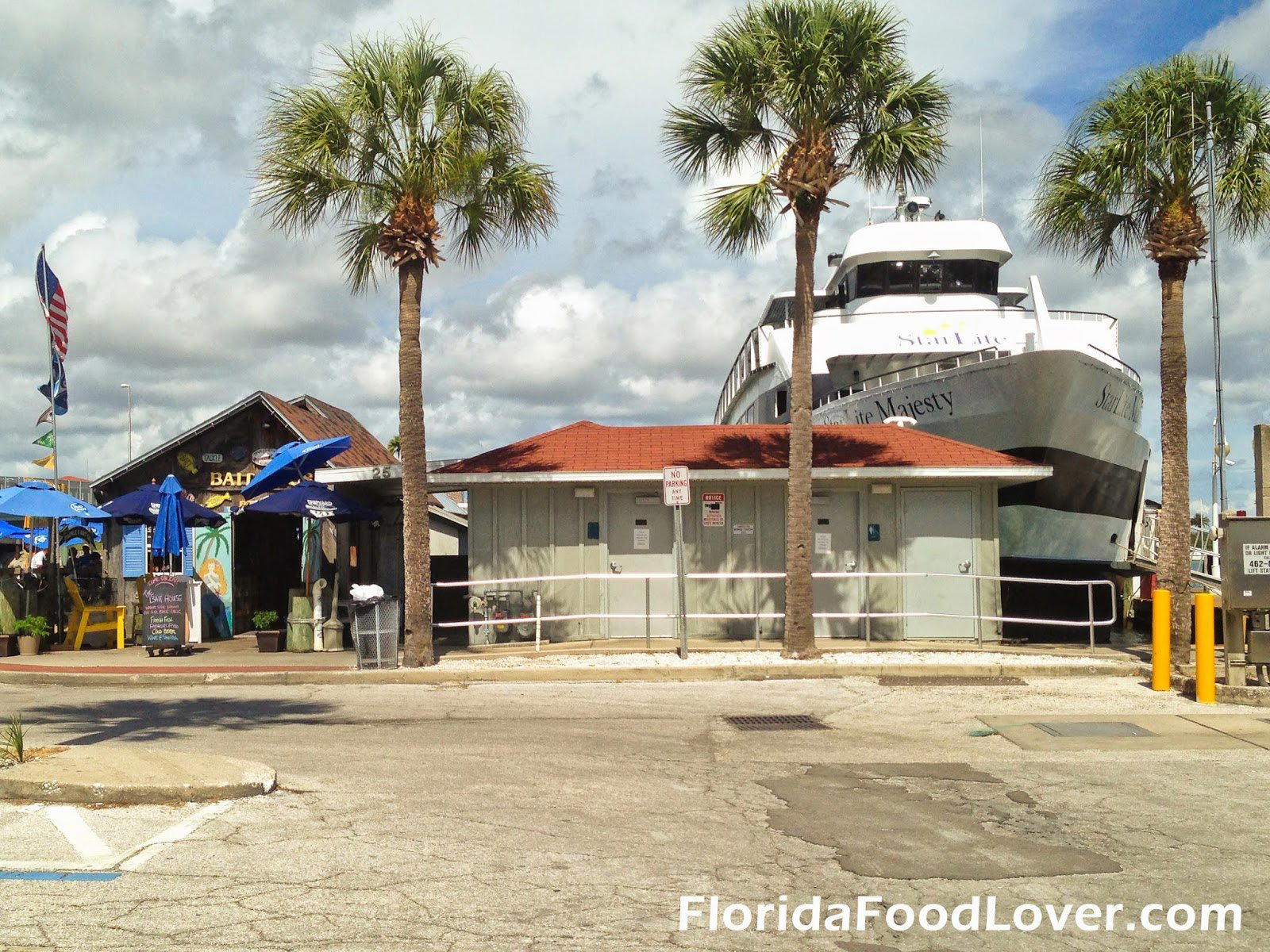
Casual outdoor picnic table seating with old Florida charm and the aroma of smoking red oak.