
Part of the Rosewood São Paulo hotel complex in Bela Vista, TARAZ holds a 2025 Michelin Plate and bears the signature of chef Felipe Bronze. The menu draws from South America as a whole, with an open grill at its centre and dishes that reach across the continent, from tuna ceviche with caramelised peanuts and peanut milk to duck with tucupi and sheep curd.
Pearl is the En Primeur Club membership app — saves, bookings, and concierge access live there. Same editors, same standards.
- Address
- R. Itapeva, 435 - Bela Vista, São Paulo - SP, 01332-000, Brazil
- Phone
- +55 11 3797-0500
- Website
- rosewoodhotels.com
- Directions
- Get directions
 Saves & bookings on Pearl
A Converted Maternity Ward and the Architecture of South American Cooking
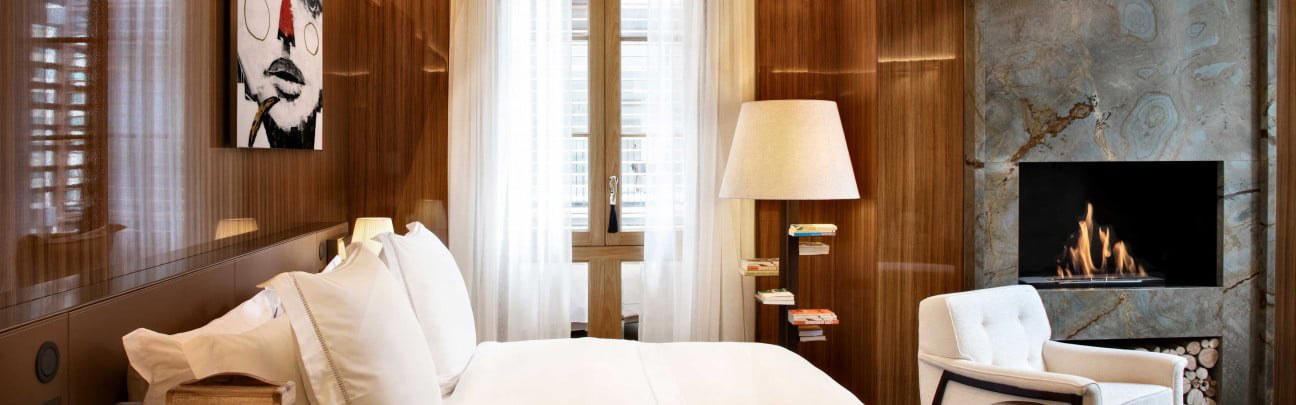
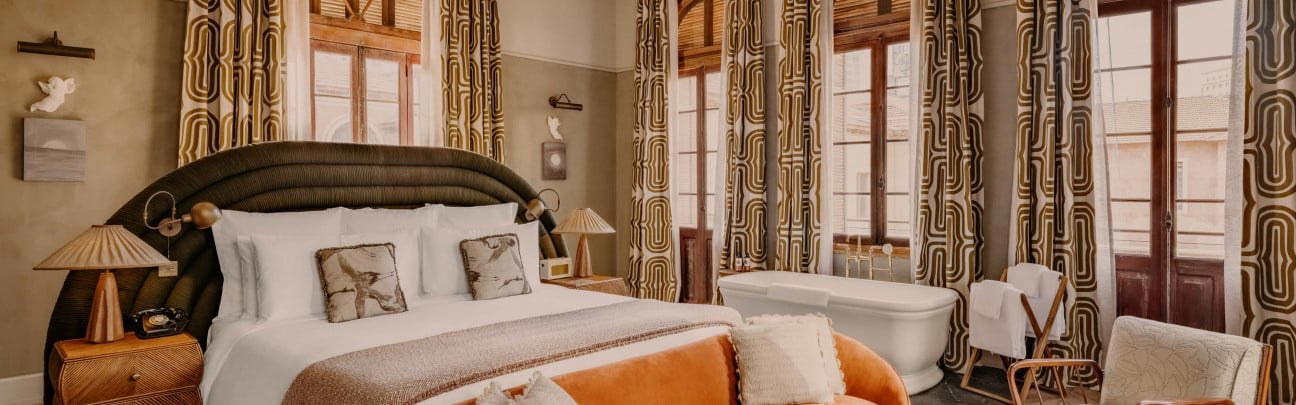
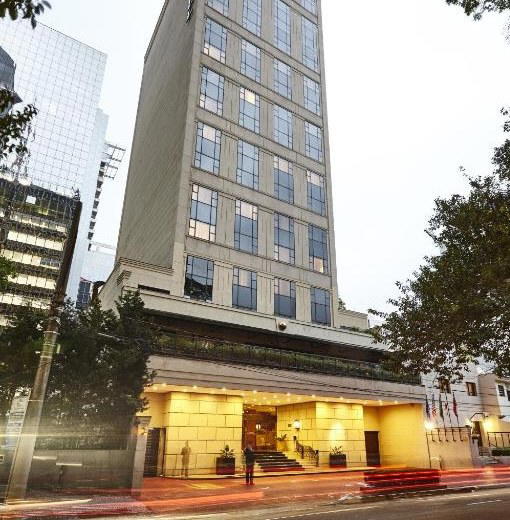
The building that houses TARAZ is not a neutral backdrop. The Rosewood São Paulo occupies the former Condessa Filomena Matarazzo Maternity Hospital in Bela Vista, a listed structure whose bones, high ceilings, ornate facades, institutional corridors softened into luxury, set a tone before the first course arrives. This is São Paulo's broader pattern made literal: a city that converts rather than demolishes, layering new culinary ambition onto structures that carry visible history. Walking into the space, the sense is less of a hotel restaurant and less of a standalone address, and more of something deliberately caught between the two.
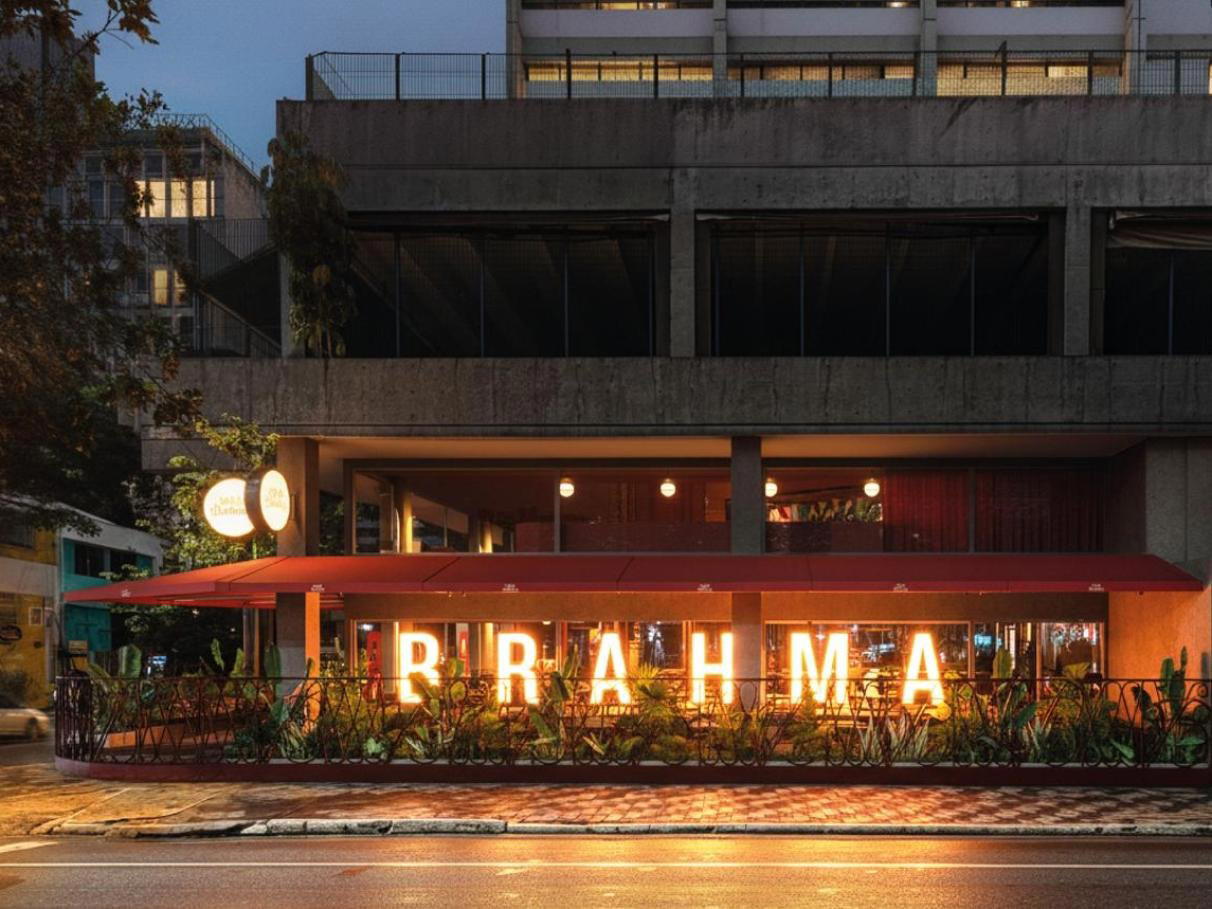
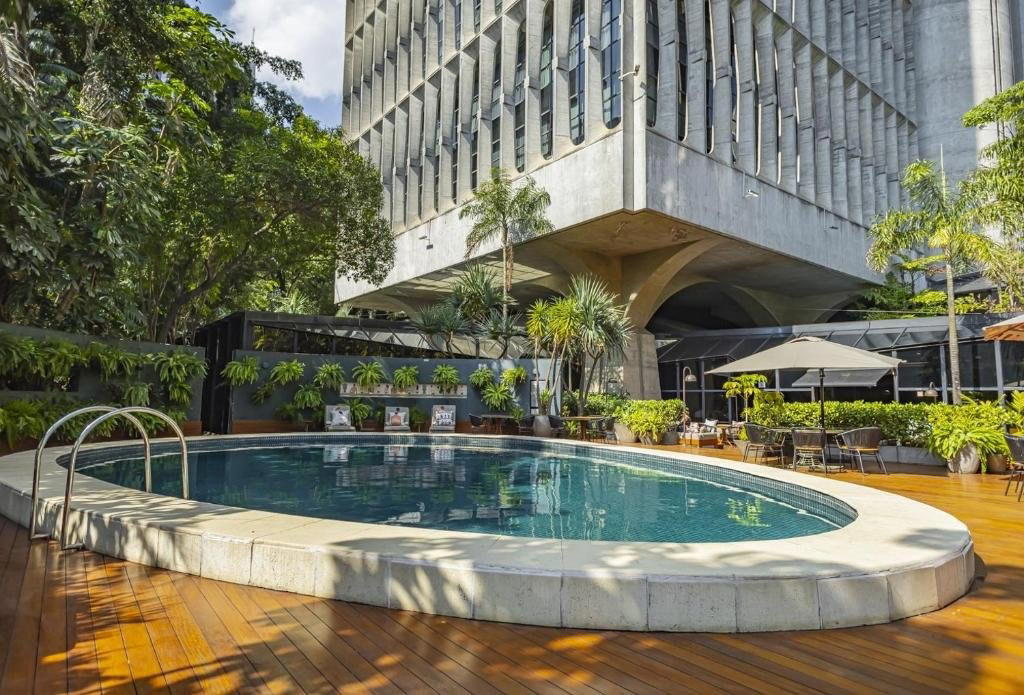
That architectural context matters for how the food lands. Open-grill cooking in a converted hospital, at a property like the Rosewood, carries weight that a purpose-built steakhouse cannot replicate. The smoke, the heat, and the char-forward technique are framed by surroundings that signal restraint and occasion. When the terrace opens up, and the Bela Vista neighbourhood, with its tree-lined streets and proximity to Paulista Avenue, rewards an alfresco setting, the register shifts again. TARAZ operates fluidly across those registers, which is precisely what positions it as a serious option in a city where dining formats have become increasingly fixed.
The Grill as Editorial Statement: South America at the Centre
South American fine dining, in its current international form, has largely been defined by the tasting menu as the primary delivery mechanism, the long sequence, the progression from raw to cooked to sweet, the wine pairing, the theatre of service. TARAZ works within that tradition while grounding it in a specific continental logic: the open grill is not decoration but architecture. It organises the menu around fire, and fire is a connective tissue across South American cooking traditions from Patagonia to the Amazon basin.
That continental scope is the editorial point. Rather than anchoring the menu to a single Brazilian regional tradition, which would be the easier, more legible positioning, the kitchen here draws from the whole of the continent. The tuna ceviche entry point, finished with caramelised peanuts, shiso, sesame, peanut milk and crispy tapioca, does exactly what a good opening course should: it maps the geography. Ceviche as a Peruvian inheritance, peanuts and tapioca as Brazilian constants, shiso as the Japanese-Brazilian inflection that runs through São Paulo's culinary identity. One dish, multiple latitudes.
The duck course makes a different argument. Tucupi, the fermented manioc juice extracted from wild cassava in the Amazon, is a deeply regional ingredient, Pará cooking, specifically, that carries a pungency and acidity few non-Brazilian diners encounter before sitting at a table like this one. Paired with sheep curd and toasted pineapple, it lands as a course that is simultaneously accessible in technique and demanding in provenance. That combination, accessible-in-texture and challenging-in-origin, characterises the better end of what South American fine dining has been doing for the past decade, as seen in the work of addresses like Lasai in Rio de Janeiro and Nuema in Quito.
Felipe Bronze, the Rosewood Context, and Where TARAZ Sits in the São Paulo comparable set
The signature here belongs to chef Felipe Bronze, a figure whose public profile in Brazilian gastronomy is substantial, television, press, and a long association with Oro in Rio, a kitchen that earned consistent recognition. His involvement at TARAZ is not the invisible hotel-restaurant arrangement where a name appears on a menu without culinary consequence. The continental approach and the grill's centrality are consistent with Bronze's documented interests, and the 2025 Michelin Plate reflects a kitchen operating at a reliable standard rather than a merely credentialled one.
Within São Paulo's fine dining tier, the price point at $$$ places TARAZ in a distinct competitive bracket. It sits at the same level as Maní, which occupies a Brazilian-international creative position, and below the $$$$ bracket occupied by addresses like D.O.M. and Evvai. That positioning is not a weakness. It makes TARAZ the more accessible entry point into Michelin-recognised South American cooking in the city, particularly for diners who want the occasion of a Rosewood setting without the commitment that the upper bracket demands.
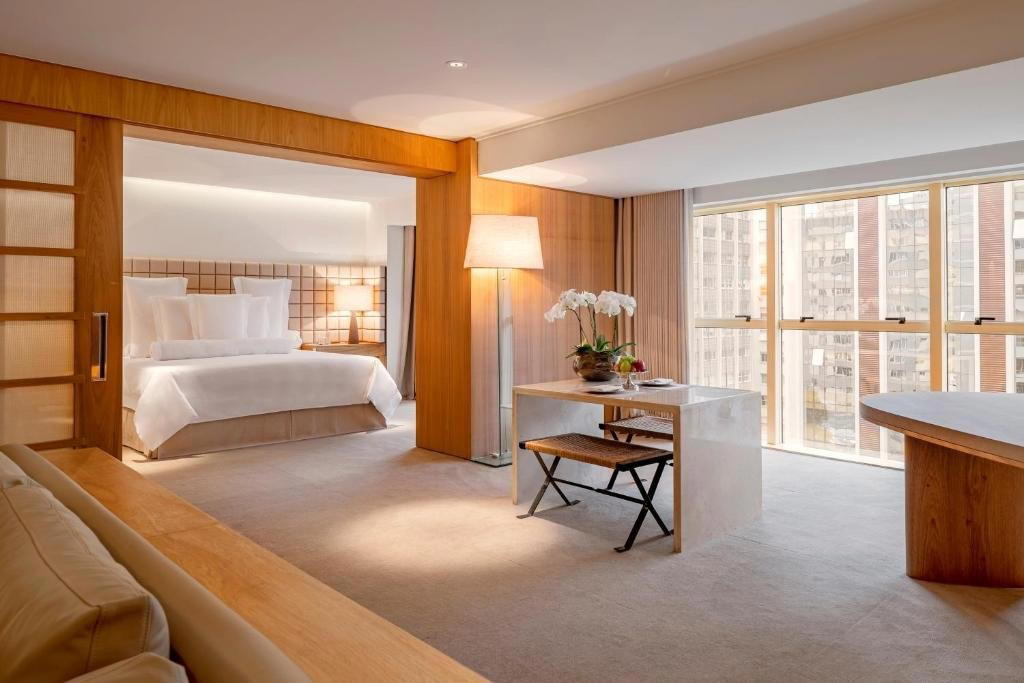
The hotel integration is worth addressing directly. Rosewood properties globally tend to attract business travellers and high-end leisure guests for whom the restaurant is a convenience as much as a destination. That crossover, destination dining inside a hotel format, is the model that works, and not many São Paulo hotel restaurants achieve it consistently.
Brazil in Conversation: The Wider South American Moment
The broader context for TARAZ is a South American fine dining wave that has been building for more than a decade and is now dispersed enough to have regional expressions well beyond Lima and Buenos Aires. Within Brazil specifically, the axis runs from the Amazon-rooted cooking explored at addresses like Manga in Salvador and Orixás in Itacaré through to the urban São Paulo tier where technique and international reference are more prominent. Mina in Campos do Jordão extends the map into the highlands. TARAZ positions itself in that urban tier while insisting on the continental breadth that distinguishes it from purely technique-led competitors.
For visitors arriving from beyond Brazil, the comparison with Amazónico in London is useful as a reference point for scale and spectacle, though TARAZ operates at a different register. The open grill is a shared motif across both, but the intent diverges sharply. São Paulo's dining culture rewards that divergence, it is a city with enough critical mass and enough foreign-trained chefs returning home to sustain multiple definitions of what South American cooking can mean at the formal end.
Southern Brazilian dining options like Primrose in Gramado and Castelo Saint Andrews in Vale do Bosque round out the country's more formal dining picture for itinerary planning. The Tuju and Fame Osteria entries in São Paulo offer alternative creative and Italian-contemporary angles within the same city.
Know Before You Go
| Location | R. Itapeva, 435 - Bela Vista, São Paulo - SP, 01332-000 |
|---|---|
| Setting | Inside Rosewood São Paulo, a converted historic maternity hospital |
| Recognition | Michelin Plate (2025); Google 4.5 / 711 reviews |
| Price | $$$ (mid-to-upper tier; below the $$$$ bracket of D.O.M. and Evvai) |
| Cuisine | South American, open-grill-led; menu bears signature of chef Felipe Bronze |
| Terrace | Alfresco option available in the Bela Vista setting |
| Booking | Contact via Rosewood São Paulo; advance reservation recommended |
Price and Positioning
Comparable venues nearby, for context on price, style, and recognition.
| Venue | Cuisine | Price | Awards | Notes |
|---|---|---|---|---|
| TARAZThis venue — the venue you are viewing | South American | $$$$ | Michelin Plate | Not listed |
| Vista | Moema, Brazilian Seafood with City Views | $$$$ | Michelin Plate | Not listed |
| Capim Santo | Pinheiros, Contemporary Brazilian | $$$ | Bib Gourmand | Not listed |
| Emiliano | Not listed | $$$$ | Michelin Plate | Jardim Paulista, Contemporary Brazilian-Italian Fine Dining |
| Dinho's | Liberdade, Classic Brazilian Steakhouse | $$$ | Michelin Plate | Not listed |
| Jamile | Not listed | $$$ | Michelin Plate | Vila Bela Vista, Modern Brazilian Fine Dining |
Recognition history
Dated appearances from independent guides and award organizations, with the underlying list record or original source where available.
Michelin Plate
Michelin
Michelin Plate
Michelin
Michelin Plate
Michelin
Continue exploring
More in São Paulo
Restaurants in São Paulo
Browse all →
Bars in São Paulo
Browse all →
At a Glance
- Elegant
- Trendy
- Lively
- Sophisticated
- Date Night
- Special Occasion
- Group Dining
- Open Kitchen
- Terrace
- Hotel Restaurant
- Private Dining
- Craft Cocktails
- Garden
Current opening hours
- Monday
- Closed
- Tuesday
- 12–11 PM
- Wednesday
- 12–11 PM
- Thursday
- 12–11 PM
- Friday
- 12 PM–12 AM
- Saturday
- 12 PM–12 AM
- Sunday
- 12–11 PM
Hours can change for holidays and private events. Last verified .
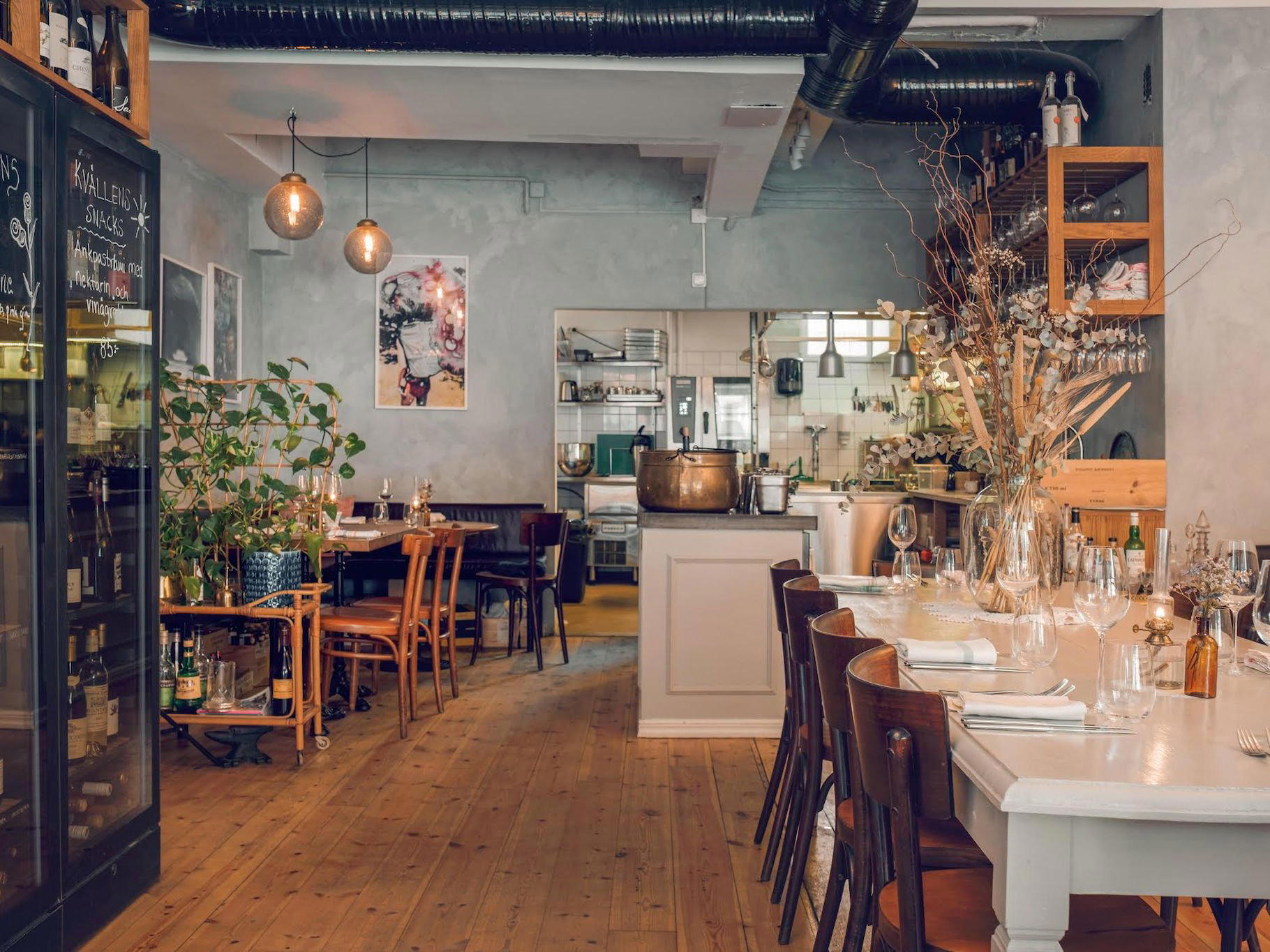
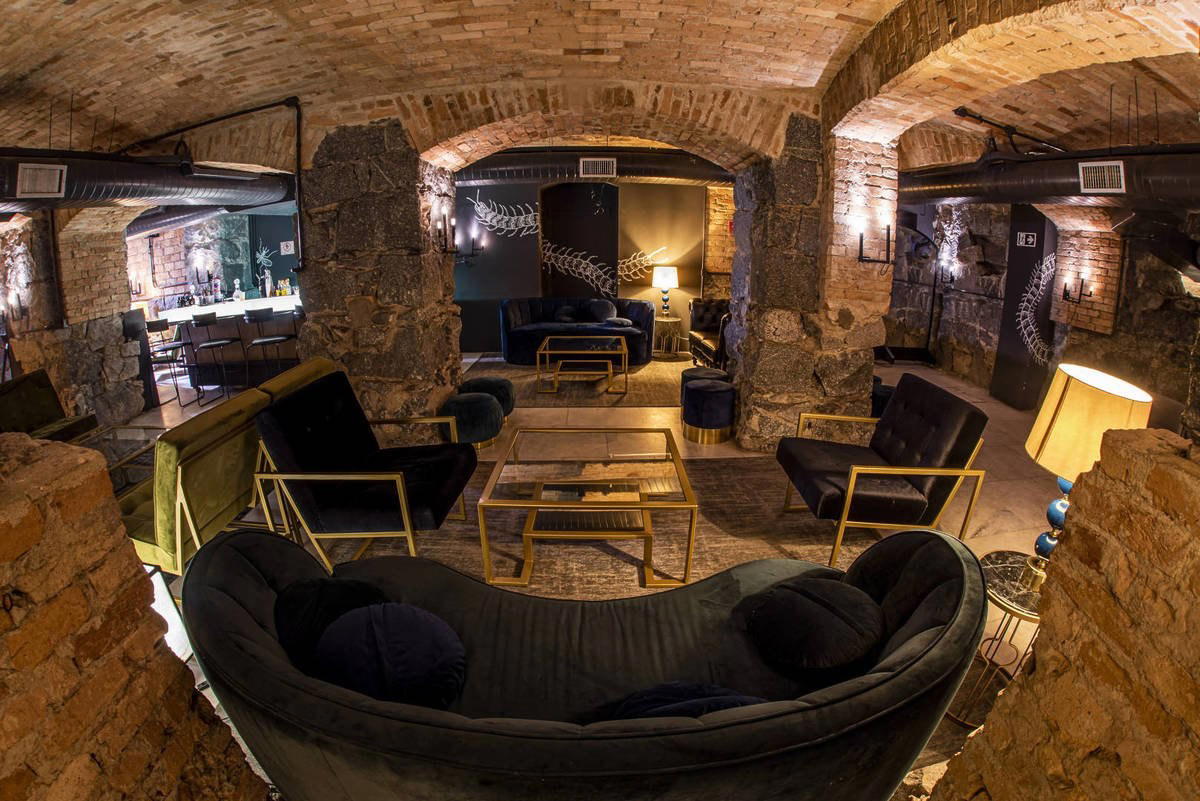
Refined atmosphere with lively Amazon-inspired design, lush outdoor garden under olive trees, and occasional Latin music or DJ.